Falling asleep to the rhythm of crashing waves and waking up with sand between your toes is one of life’s greatest simple pleasures. The East Coast stretches from the rocky shores of Maine all the way down to the sun-soaked beaches of Florida, offering some truly jaw-dropping spots to pitch a tent or park an RV.
Whether you want wild horses trotting past your campsite or crystal-clear water just steps away, there is a beach campground here with your name on it. Pack your gear, grab your sunscreen, and get ready to discover the best beach camping the East Coast has to offer.
Cape Lookout National Seashore, North Carolina
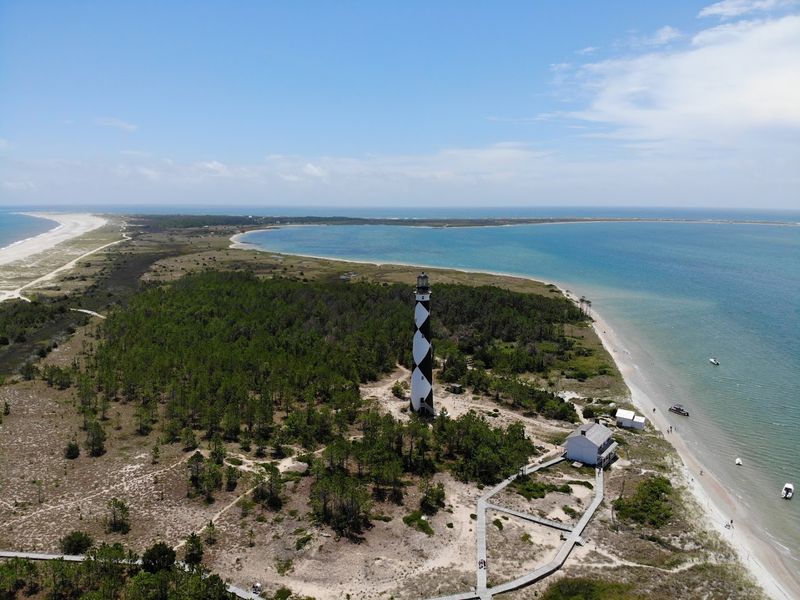
No roads lead here, and that is exactly the point. Cape Lookout National Seashore sits on a chain of undeveloped barrier islands off the North Carolina coast, reachable only by ferry or private boat.
That little extra effort keeps the crowds thin and the experience incredibly rewarding.
Camping here is primitive, meaning no electric hookups or fancy amenities. You bring everything in and pack everything out.
Tent campers can set up almost anywhere along the beach, giving you a front-row seat to some of the most stunning sunrises on the Atlantic coast.
Wild horses roam the nearby Shackleford Banks, and the historic Cape Lookout Lighthouse is well worth a visit. Stargazing here is absolutely spectacular thanks to the near-total absence of light pollution.
Fishing, shelling, and kayaking round out the activities. If you want a truly off-the-grid beach camping adventure without flying to a remote island, Cape Lookout delivers in every possible way.
Assateague Island National Seashore, Maryland and Virginia
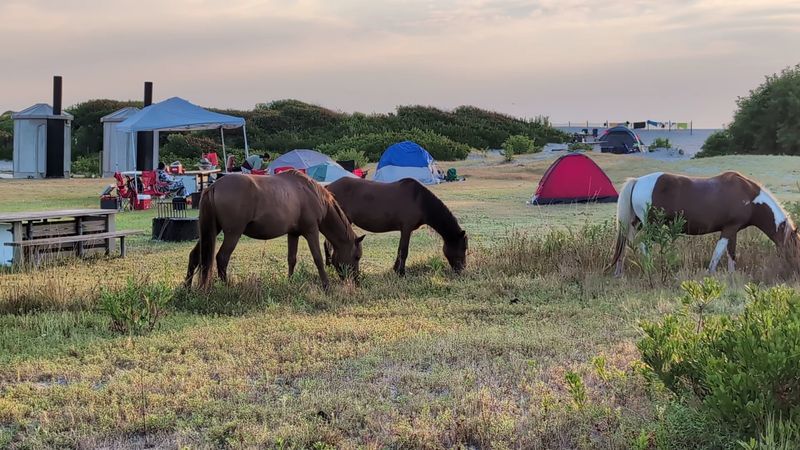
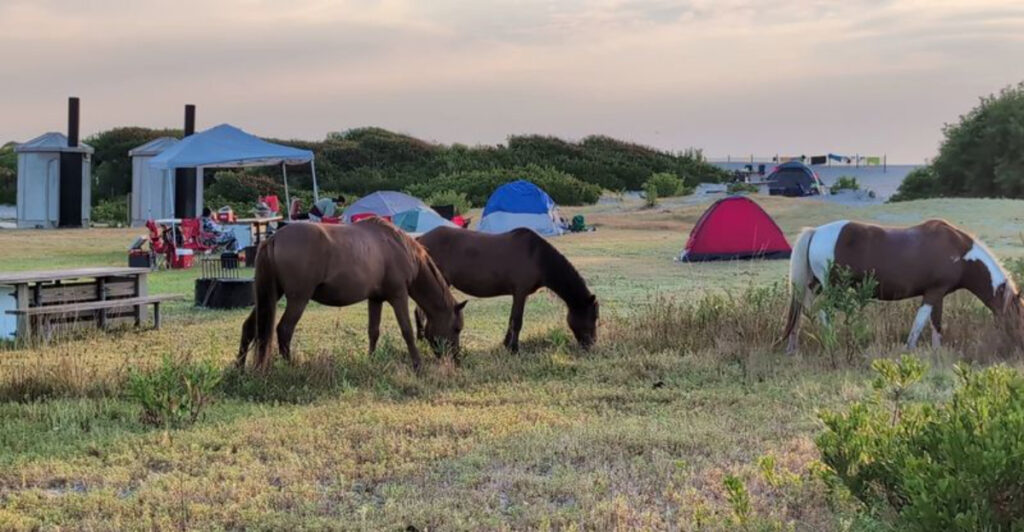
Imagine waking up to the sound of hoofbeats outside your tent. At Assateague Island, that is not a dream.
Wild ponies freely roam the island, and they have absolutely no problem wandering through a campsite if something smells interesting. Keep your food secured and enjoy the show.
Assateague straddles the Maryland and Virginia border, with separate campgrounds on each side. The Maryland side is managed by the National Park Service and puts you closest to the ocean.
The Virginia side, managed by Chincoteague National Wildlife Refuge, offers a slightly different vibe with great wildlife viewing opportunities.
Both sides offer oceanfront camping, and the beach itself is wide, clean, and rarely overcrowded outside peak summer weekends. Kayaking through the back bays is a highlight, especially during sunrise when the water turns golden.
Birdwatching is excellent here too. Just remember that the ponies, while adorable, are wild animals.
Admire them from a respectful distance, and your Assateague camping trip will be one for the memory books.
Hunting Island State Park, South Carolina
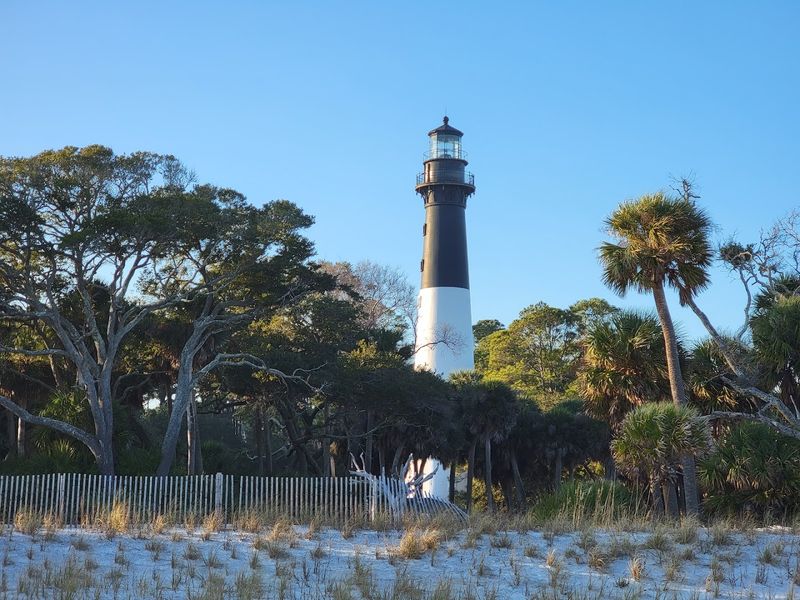
South Carolina’s most visited state park earned that title for very good reasons. Hunting Island State Park packs a remarkable variety of experiences into one gorgeous coastal setting, blending beachfront access with dense maritime forest that feels almost tropical in spots.
The campground is large and well-maintained, with sites ranging from basic tent spots to full-hookup RV pads. Many sites sit close enough to the beach that you can hear the waves from your sleeping bag.
The park’s five miles of shoreline include some seriously dramatic scenery, including eroding ghost forests of dead trees standing in the surf.
Climbing the historic Hunting Island Lighthouse rewards visitors with sweeping views across the barrier island and surrounding marshes. Fishing off the lagoon dock is a relaxed afternoon favorite, and the nature center offers fun educational programs for families.
The water here is warm, and the beach is wide enough that even on a busy summer weekend you can always find a quiet stretch. Hunting Island feels like a hidden gem even though it draws over a million visitors a year.
Bahia Honda State Park, Florida Keys
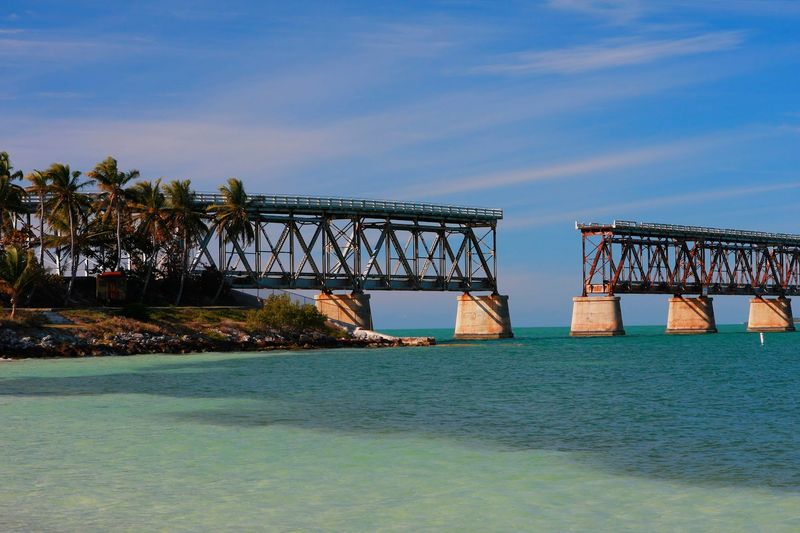
Crystal-clear water in multiple shades of blue, white sand so fine it squeaks underfoot, and a campsite just footsteps from the shoreline. Bahia Honda State Park in the Florida Keys might be the closest thing to a Caribbean beach camping experience without leaving the continental United States.
The park sits on Big Pine Key and offers three distinct camping areas, including spots right on the beach. Sandspur Beach, consistently ranked among Florida’s best, is practically in your backyard.
Snorkeling conditions here are outstanding, with vibrant reef life visible in shallow water just offshore.
Kayak rentals are available on-site, and paddling through the calm backcountry waters is a magical way to spend a morning. The ruins of the old Bahia Honda Rail Bridge add a fascinating historical layer to the scenery.
Sunsets here are the kind that make people go completely quiet. Book your campsite early because spots fill up months in advance, especially between October and April when the Keys weather is at its absolute finest.
Anastasia State Park, St. Augustine, Florida
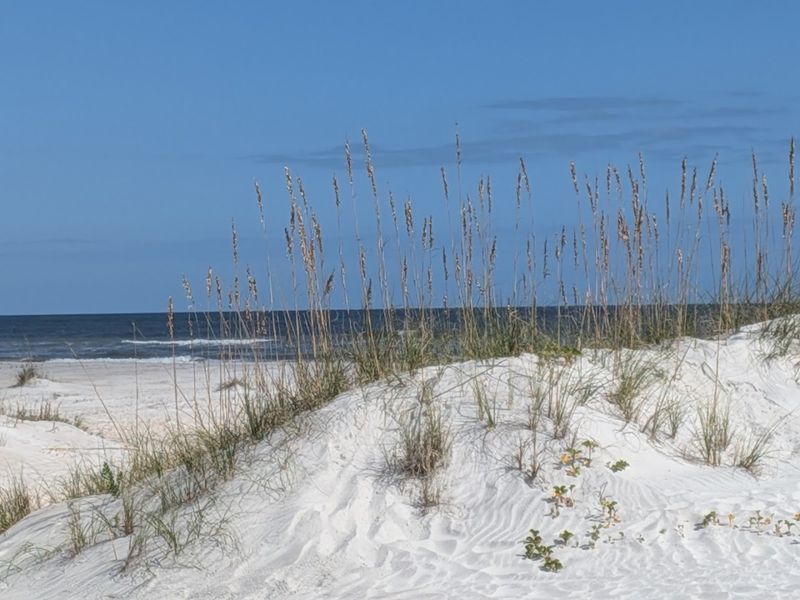
History and beach camping rarely mix this well. Anastasia State Park sits just across the Bridge of Lions from St. Augustine, the oldest continuously occupied European settlement in the United States.
You can camp among ancient dunes by night and explore centuries of American history by day.
The park features over four miles of undeveloped Atlantic beach, and the surf conditions attract a loyal community of local surfers year-round. The campground is tucked into a shaded hammock of live oaks and red cedars, keeping temperatures noticeably cooler than open beachfront sites during Florida’s hot summers.
Tidal marshes on the western edge of the park create outstanding birdwatching opportunities, with herons, egrets, and ospreys commonly spotted. The Ancient Dunes Nature Trail offers a short but genuinely interesting walk through a rare coastal hammock ecosystem.
Paddling rentals are available at the park’s boat launch. And when you want a real meal or a scoop of ice cream, downtown St. Augustine is only a five-minute drive away.
Anastasia truly offers the best of both worlds.
Cape Hatteras National Seashore, North Carolina
Surfers call it one of the best breaks on the East Coast. Fishermen call it world-class.
Campers simply call it home for a week. Cape Hatteras National Seashore stretches across the Outer Banks of North Carolina, offering a long, windswept stretch of barrier island beauty that is hard to match anywhere on the Atlantic seaboard.
Several campgrounds are scattered along the seashore, including sites at Oregon Inlet, Cape Point, and Ocracoke Island. Each has its own personality, but all share the same essential appeal: wide open beaches with minimal development and maximum natural scenery.
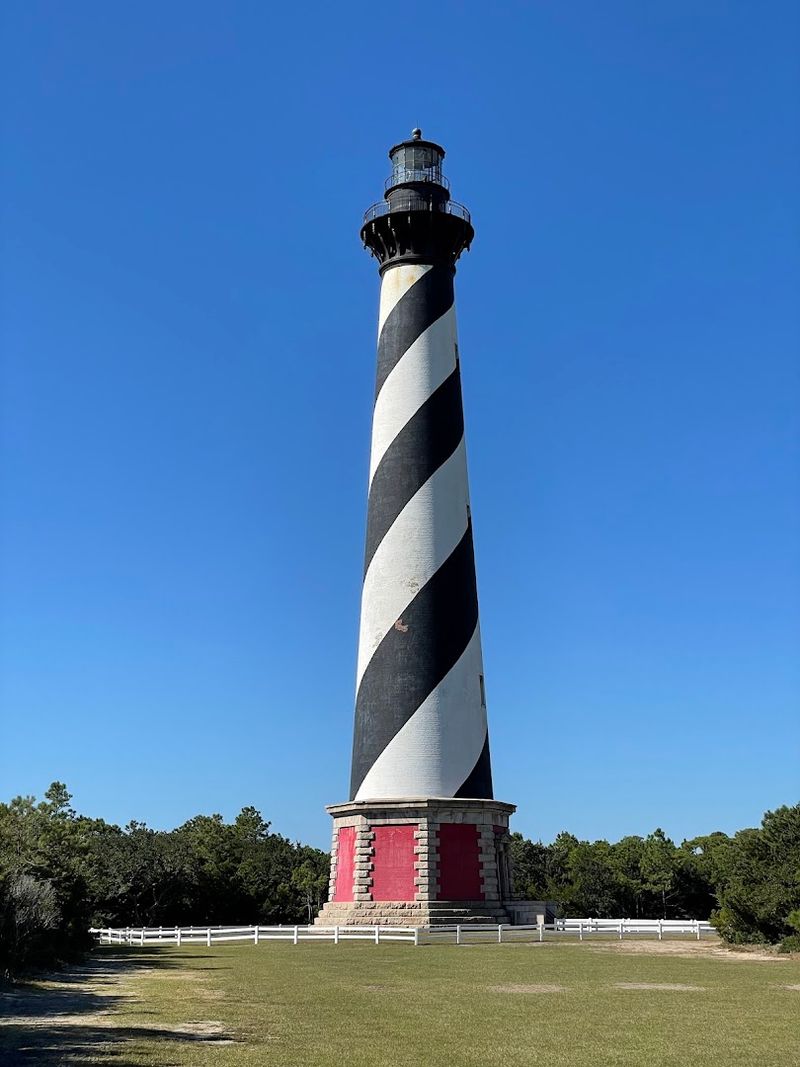
The famous Cape Hatteras Lighthouse, the tallest brick lighthouse in the United States, is a must-visit.
Kite surfing, windsurfing, and stand-up paddleboarding are popular here thanks to consistent coastal breezes. Wildlife is abundant, including nesting sea turtles during summer months.
The drive along Highway 12 through the national seashore is one of the most scenic coastal roads in the country. Whether you come for the surf, the fish, or just the endless horizon, Cape Hatteras delivers an authentic, unhurried Outer Banks experience.
Cumberland Island National Seashore, Georgia
Getting to Cumberland Island requires a ferry reservation, and honestly, that small barrier is what keeps this place feeling like a genuine secret. Georgia’s largest barrier island is home to wild horses, nesting loggerhead sea turtles, crumbling Carnegie mansion ruins, and some of the most pristine undeveloped beaches on the entire East Coast.
Camping options range from the developed Sea Camp campground, which has restrooms and cold showers, to fully primitive backcountry sites deep in the island’s interior. Either way, you are stepping into a world that feels untouched by modern life.
The maritime forest of ancient live oaks draped in Spanish moss creates an atmosphere that is genuinely eerie and beautiful at the same time.
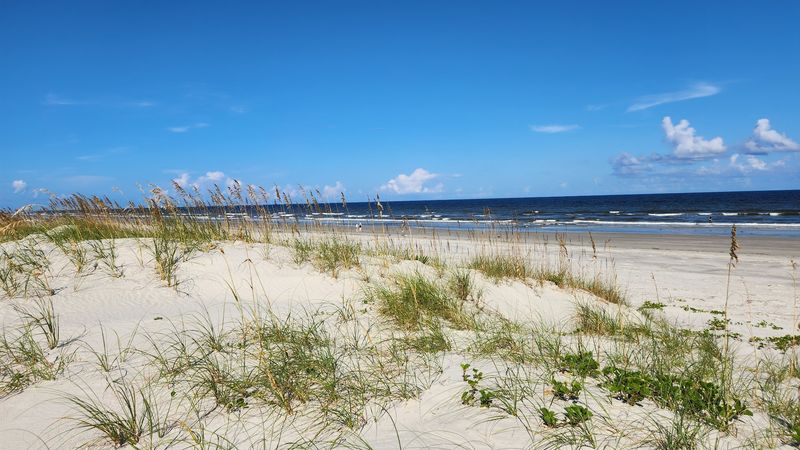
Bikes are the best way to explore the island’s dirt roads, and rentals are available near the ferry dock. The beach on the eastern shore stretches for miles without a single building in sight.
Deer, armadillos, and wild turkeys share the trails with hikers. Cumberland Island is one of those rare places where the experience of getting there is almost as memorable as the destination itself.
Grayton Beach State Park, Florida
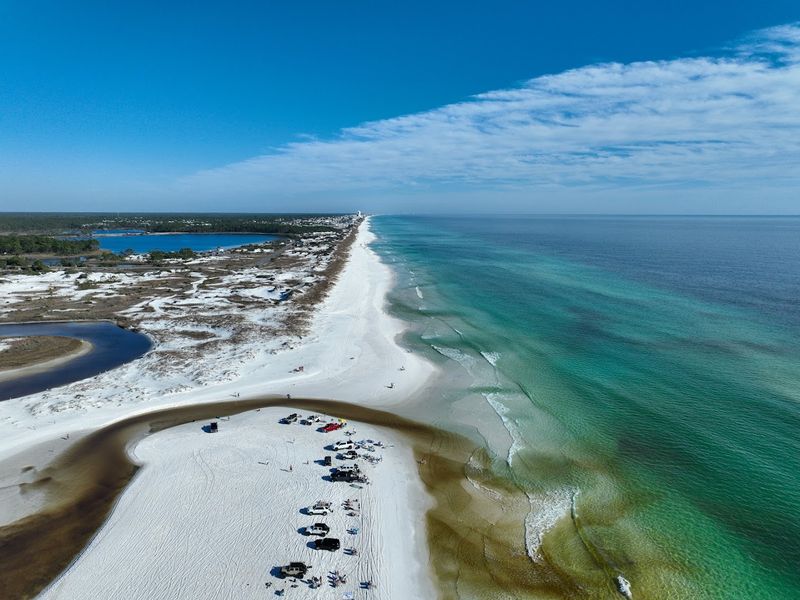
The sand here is so white and fine that it stays cool even on a blazing summer afternoon, a small but genuinely delightful quirk of the Florida Panhandle’s famous quartz-crystal beaches. Grayton Beach State Park is widely considered one of the best state parks in Florida, and one afternoon here makes it obvious why.
The campground sits among a fragrant pine flatwoods ecosystem, which keeps sites shaded and adds a pleasant contrast to the dazzling white beach just a short walk away. Western Lake, one of Florida’s rare coastal dune lakes, sits right inside the park and offers calm-water paddling in a stunning natural setting.
The Gulf of Mexico water here is emerald green and crystal clear, making snorkeling and swimming genuinely spectacular. The town of Grayton Beach nearby has a funky, laid-back character with good food and cold drinks.
Sunsets over the Gulf are absolutely legendary in this part of Florida, and the campground amphitheater hosts ranger programs during peak season. If the Gulf Coast counts as East Coast adjacent, Grayton Beach earns every bit of its glowing reputation.
Hammonasset Beach State Park, Connecticut
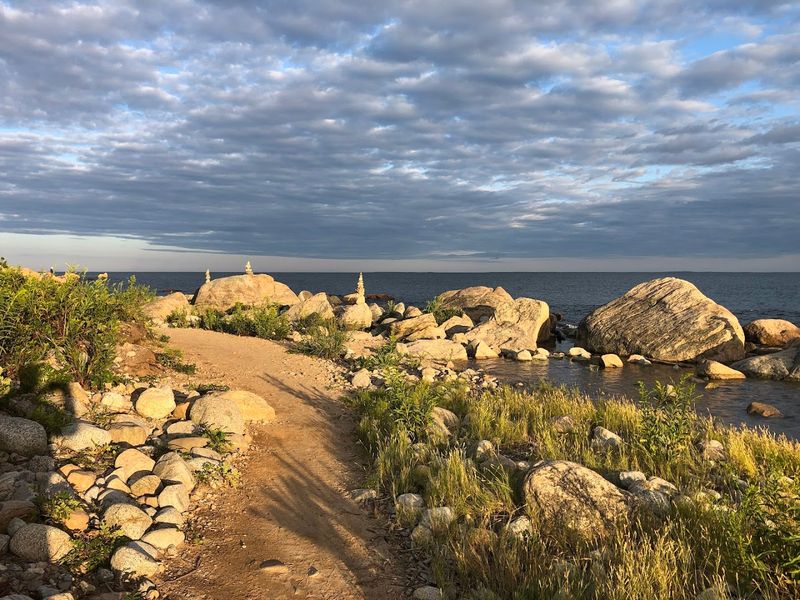
New England is not usually the first region that comes to mind for beach camping, but Hammonasset Beach State Park makes a very convincing case. Connecticut’s largest shoreline park stretches over two miles along Long Island Sound and hosts one of the biggest public campgrounds in all of New England.
The campground can accommodate over 550 sites, ranging from basic tent spots to full RV hookups. It sounds massive, but the layout is well organized and the proximity to the beach makes every site feel worthwhile.
Summer weekends fill up fast, so reservations well in advance are strongly recommended.
The beach itself is wide and sandy with calm, swimmable water thanks to the protected nature of Long Island Sound. The park’s Meigs Point Nature Center is a great stop for families with kids, featuring live touch tanks with local marine life.
Birdwatching along the tidal marshes at the eastern end of the park is excellent during spring and fall migration. Hammonasset proves that beach camping does not require tropical temperatures.
Sometimes a cool New England breeze and a clam chowder nearby is all you really need.
Fishermans Island State Park, Virginia
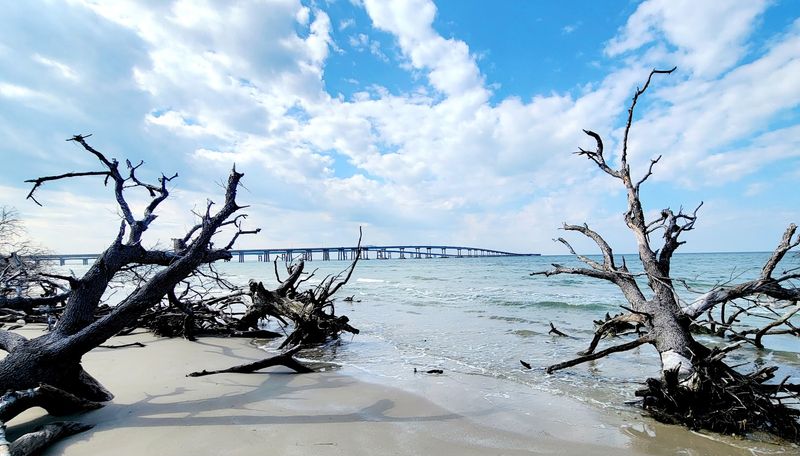
Tucked at the very southern tip of Virginia’s Eastern Shore, Fishermans Island State Park is the kind of place where you can genuinely lose track of time in the best possible way. The park sits where the Chesapeake Bay meets the Atlantic Ocean, creating a unique coastal environment that feels wonderfully off the beaten path.
Camping here is on the quieter, more relaxed end of the spectrum. The park is small and intentionally uncrowded, which makes it a fantastic choice for anyone looking to escape the summer beach mob scene.
Walking the shoreline at low tide reveals an impressive collection of shells, and the sunsets over the Chesapeake Bay are absolutely worth staying up for.
Fishing is excellent along the bay side, with flounder, croaker, and spot among the common catches. The nearby Chesapeake Bay Bridge-Tunnel is a fascinating piece of engineering to drive across when heading to or from the park.
Birdwatching is rewarding here too, especially during fall migration when shorebirds gather in large numbers. Fishermans Island rewards patient, nature-loving campers with a peaceful coastal experience that feels genuinely uncomplicated and deeply restorative.
Fort De Soto Park, Florida
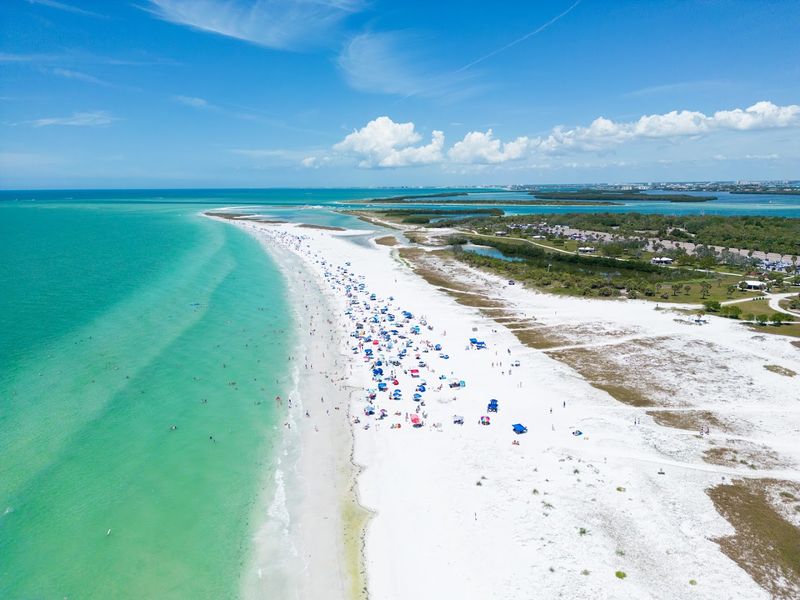
Fort De Soto has won so many best beach awards over the years that its trophy shelf would need its own zip code. Located just south of St. Petersburg on a cluster of five connected keys, this Pinellas County park combines award-winning beaches with a campground that is genuinely one of Florida’s finest.
The campground offers over 200 sites with full hookups, and many are just a short walk from the water. The park’s North Beach and Swim Area consistently rank among the top beaches in the entire country, with shallow, warm water that is perfect for families with young children.
Shelling along the shoreline is productive and endlessly entertaining.
Two fishing piers extend into the bay and the Gulf, giving anglers plenty of options. The kayak trail winds through mangrove tunnels and open bay waters, passing through some surprisingly wild-feeling scenery for a park so close to a major city.
The historic Spanish-American War fort is a fun and free attraction on-site. Osprey, pelicans, and roseate spoonbills are regular sightings.
Fort De Soto is the complete package, and it knows it.
Blackwoods Campground, Acadia National Park, Maine
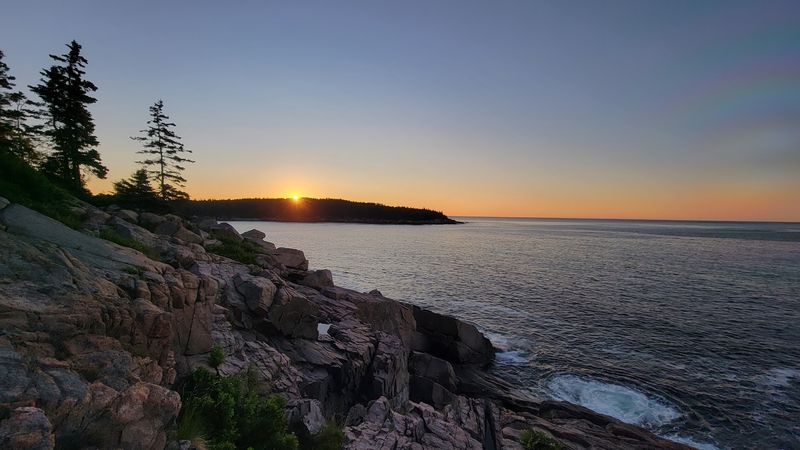
There is something deeply satisfying about camping in a place where the ocean crashes against ancient granite rather than rolling onto a sandy shore. Blackwoods Campground in Acadia National Park sits just half a mile from the rocky Atlantic coastline, and the short walk to the water rewards you with some of the most dramatic ocean scenery anywhere in the country.
The campground is nestled in a forest of spruce and fir trees, giving it a cool, fragrant atmosphere even during summer. Sites fill up extremely fast, and reservations open months in advance for peak season.
Planning ahead is simply non-negotiable if you want a spot here in July or August.
Acadia’s famous carriage roads are accessible directly from the campground, offering beautiful cycling and hiking options. The sunrise from Cadillac Mountain, accessible by car or a strenuous hike, is legendary and genuinely worth setting an early alarm.
The town of Bar Harbor nearby has excellent seafood, shops, and a lively atmosphere. Blackwoods delivers a rugged, forested, coastal camping experience that feels distinctly and proudly New England in every possible way.
First Landing State Park, Virginia
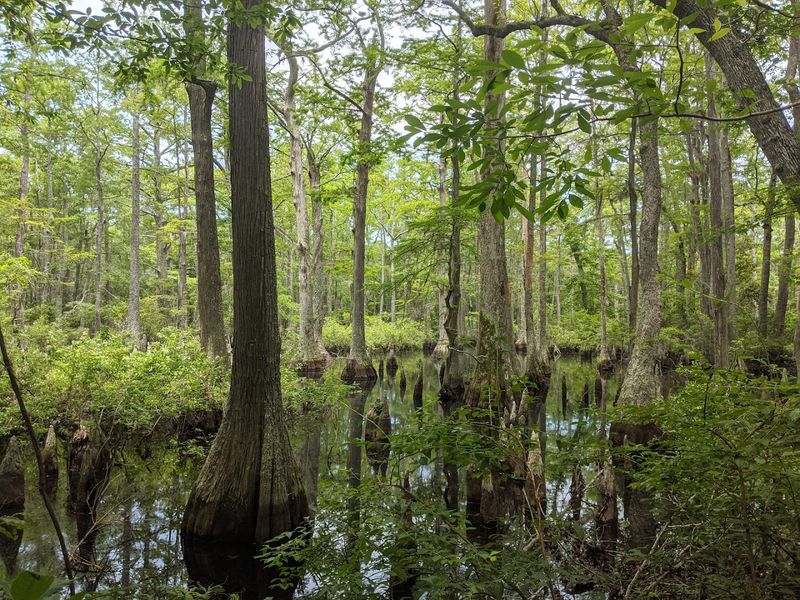
In 1607, English settlers stepped ashore here before sailing up the James River to found Jamestown. Today, First Landing State Park in Virginia Beach preserves that historic shoreline and surrounds it with one of the most ecologically unusual forests on the East Coast.
Bald cypress trees, live oaks, and Spanish moss create an atmosphere that feels more like coastal Georgia than coastal Virginia.
The campground is large and popular, with sites ranging from basic tent spots to full hookup pads. The park sits right at the northern tip of Virginia Beach, giving campers surprisingly easy access to the bay beach as well as the resort strip if you want a change of scenery.
Hiking and biking trails wind through the park’s unique coastal forest ecosystem, and the birdwatching is outstanding year-round. Kayaking and paddleboarding launch points are conveniently located within the park.
The Chesapeake Bay beach here is calm and warm, making it ideal for swimming with kids. First Landing blends history, nature, and beach access into a camping experience that is genuinely hard to replicate anywhere else along the Virginia coast.
Myrtle Beach State Park, South Carolina
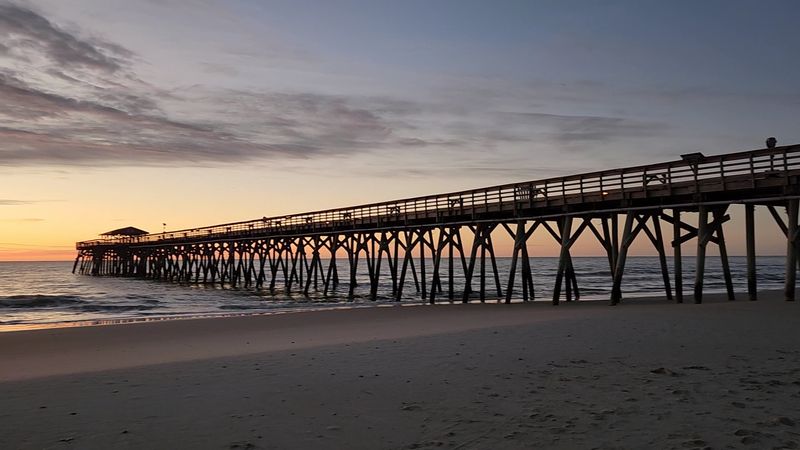
Myrtle Beach gets a reputation as a neon-lit, mini-golf-saturated tourist magnet, which makes the existence of Myrtle Beach State Park feel like a well-kept secret hiding in plain sight. The park sits right on the oceanfront, offering genuine pine forest camping just steps from the same famous Atlantic beach that draws millions of visitors to the surrounding area each year.
The campground features over 300 sites including oceanfront spots that book up the moment reservations open. Waking up to the sound of the surf and stumbling directly onto the beach in your sandals is a morning routine that never gets old.
The park’s beach section is noticeably quieter than the commercial strips nearby.
A fishing pier extends 750 feet into the ocean and is one of the most productive spots in the area for catching pompano and bluefish. Nature trails through the park’s maritime forest offer a peaceful contrast to the beach buzz.
The park’s interpretive programs are family-friendly and educational. And when you want the full Myrtle Beach experience, everything from go-karts to seafood buffets is literally minutes away.
Best of both worlds, no question.
Share this story