 Unearth The Voyage
Spring in the USA is basically nature showing off, and honestly, it deserves a standing ovation. From cherry blossoms in Washington, D.C., to wildflowers painting the Texas Hill Country, the country transforms into something worth packing a bag for.
I took my first real spring road trip a few years ago and never looked back. Whether you love hiking, festivals, or just soaking up good weather, these 14 destinations will make your spring travel plans seriously hard to resist.
Washington, D.C.

Every spring, Washington, D.C., pulls off the most photogenic glow-up in the country. The National Cherry Blossom Festival turns the Tidal Basin into a sea of pink, and the timing matters more than you think.
Peak bloom usually lasts just a week or two, so planning around the festival window is key.
The good news? The National Park Service tracks bloom predictions closely, and their updates are surprisingly accurate.
Beyond the blossoms, spring is a great time to walk the National Mall without summer crowds breathing down your neck.
Free museums, iconic monuments, and cherry blossoms everywhere make D.C. one of the most rewarding spring trips in the country. Pack comfortable shoes, bring a light jacket for cool mornings, and get to the Tidal Basin early.
Crowds build fast once the sun rises, and the best photos happen before the tour groups arrive.
Great Smoky Mountains National Park
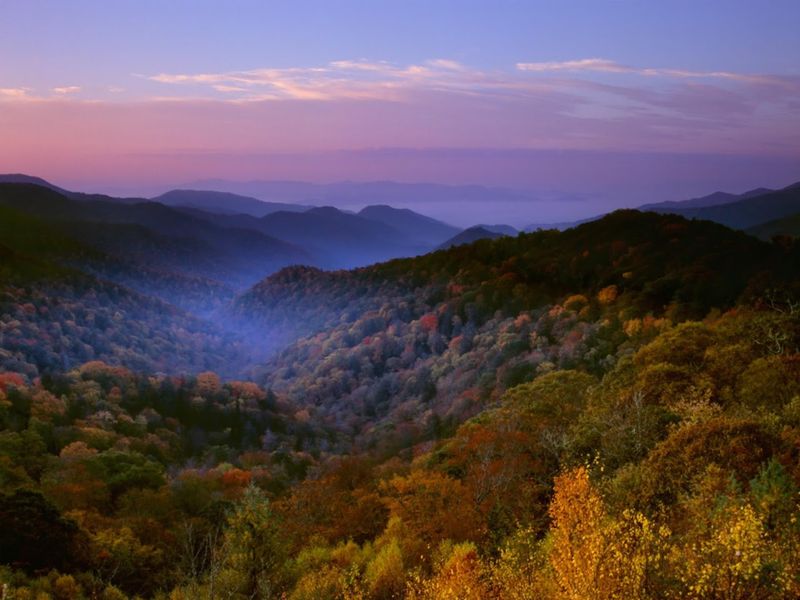
More wildflower species bloom in the Great Smoky Mountains than almost anywhere else in North America. That is not a small claim.
The park hosts what locals call the “wildflower pilgrimage,” an annual event drawing botanists, photographers, and curious hikers every April.
Lower elevations hit their floral peak in mid-to-late April, while higher trails bloom a bit later, giving you an extended season to plan around. I once stumbled onto a trail carpeted in trillium and stood there for a solid five minutes just staring.
Spring also brings waterfalls roaring with snowmelt and wildlife emerging after winter. Black bears are frequently spotted with cubs in tow, so keep your distance and your camera ready.
Crowds pick up as spring progresses, so weekday visits are your best bet for a quieter experience on popular trails like Alum Cave.
Zion National Park
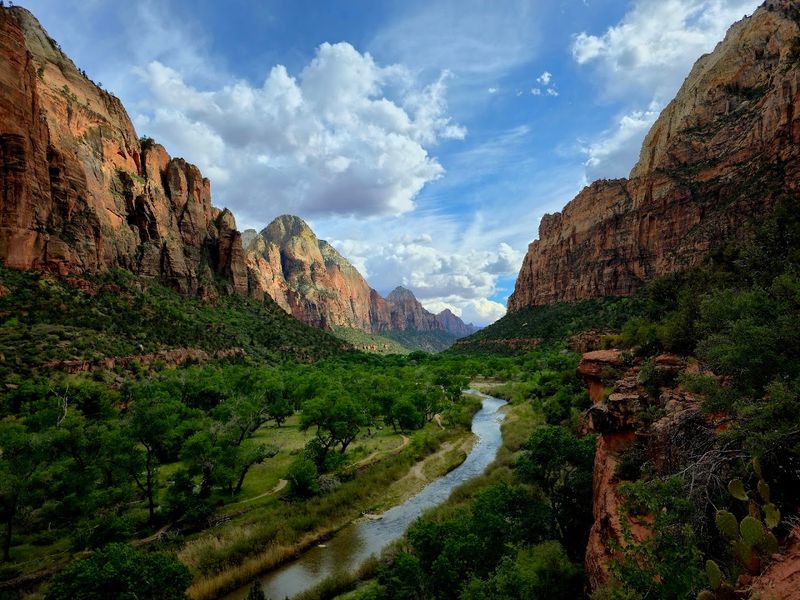
Zion in spring hits a sweet spot that summer visitors never get to enjoy. Temperatures are warm enough for all-day hiking but nowhere near the punishing heat that rolls in by July.
The canyon walls glow redder somehow when the surrounding greenery is fresh and new.
Mid-April brings claret cup cactus blooms, splashes of bright red tucked against the sandstone that look almost too vivid to be real. The Narrows and Angel’s Landing are far more manageable before peak summer crowds flood the shuttle system.
Spring water levels in the Virgin River can run higher from snowmelt, so check conditions before wading into the Narrows. Rangers are genuinely helpful here and worth stopping to chat with before hitting any trail.
Zion is one of those parks that rewards the curious traveler who goes slightly off the beaten path, even just a little.
Yosemite National Park
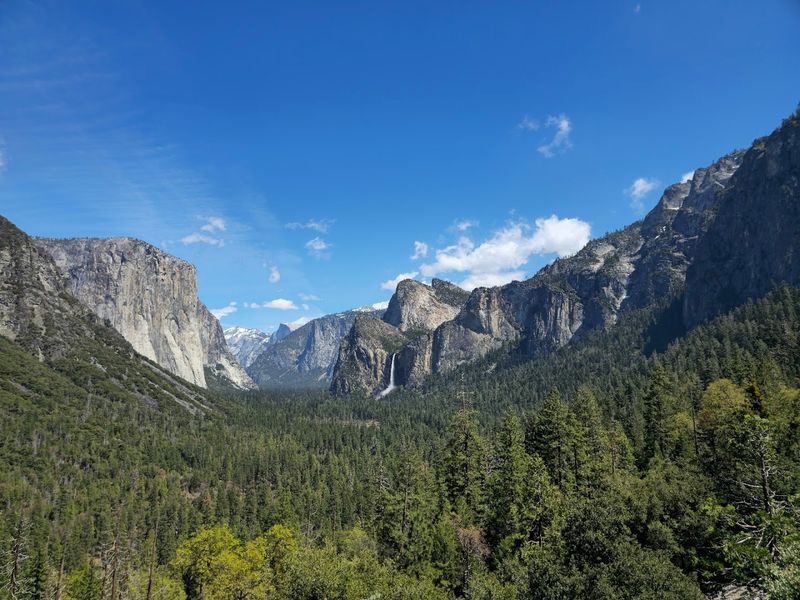
The National Park Service officially calls April and May the perfect season for waterfalls at Yosemite, and they are not exaggerating. Snowmelt from the Sierra Nevada turns Yosemite Falls, Bridalveil Fall, and a dozen others into full-throttle spectacles.
It is genuinely jaw-dropping.
Spring also means the valley meadows are lush and green rather than the dry gold they turn by late summer. Wildflowers dot the lower trails, and the air still carries that cool, clean mountain freshness.
Getting a reservation is essential since the park requires them during peak periods.
Book your campsite or lodge months in advance because Yosemite fills up fast once spring hits. Early morning visits to Tunnel View give you the classic valley panorama before tour buses arrive.
April and May offer a version of Yosemite that feels unhurried and genuinely spectacular, the kind of trip that ruins other national parks for you in the best way.
Skagit Valley, Washington
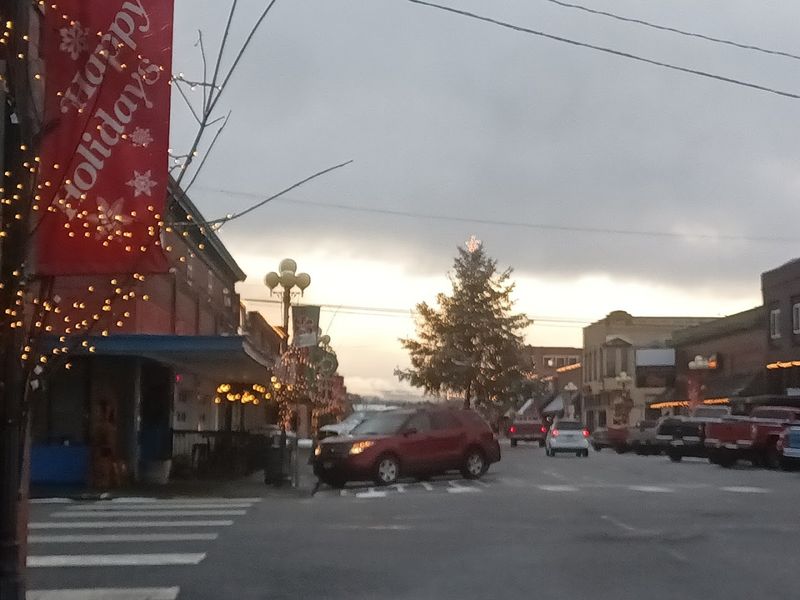
Every April, Skagit Valley turns into what can only be described as a painter’s fever dream. Rows of red, yellow, purple, and pink tulips stretch across flat farmland with the Cascade Mountains sitting prettily in the background.
It is aggressively beautiful.
The Skagit Valley Tulip Festival runs the entire month of April and includes garden tours, craft markets, and photography events. RoozenGaarde and Tulip Town are the two main farms drawing visitors, each offering a slightly different experience worth comparing.
Weekends get genuinely packed, so if you can swing a weekday visit, the crowds thin out considerably and the photo opportunities improve dramatically. Wear boots you do not mind getting muddy because the fields are real working farms.
The festival also supports local agriculture, so spending money there feels good in a way that goes beyond just buying tulip bulbs to smuggle home.
Texas Hill Country
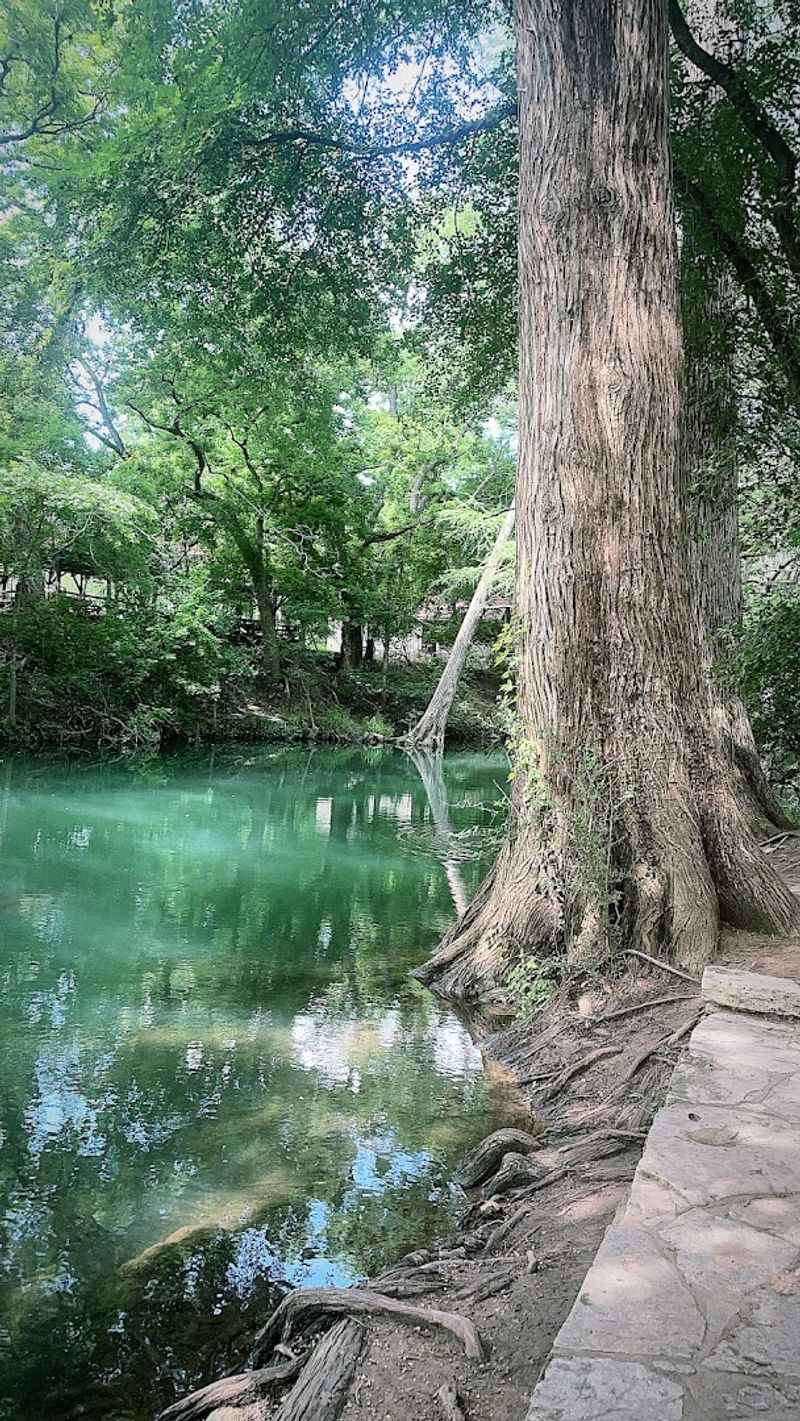
Bluebonnet season in Texas is practically a state religion. Every spring, the Hill Country and Central Texas get blanketed in the state flower, and locals treat it with the reverence usually reserved for major holidays.
Pull over, take the photo, it is practically required by law.
Wildflower season typically runs from February through April, with prime viewing happening along roadsides and open fields in the Hill Country. Indian paintbrush, evening primrose, and Mexican hat join the bluebonnets to create a color palette that no Instagram filter can improve.
Fredericksburg is a great base for exploring the region, with wineries, German-style bakeries, and wildflower drives all within easy reach. The town gets busy during peak bloom weekends, so booking accommodation ahead saves stress.
Luckenbach Texas, just down the road, is worth a stop for live music and cold drinks after a day of wildflower-chasing through the back roads.
New Orleans, Louisiana
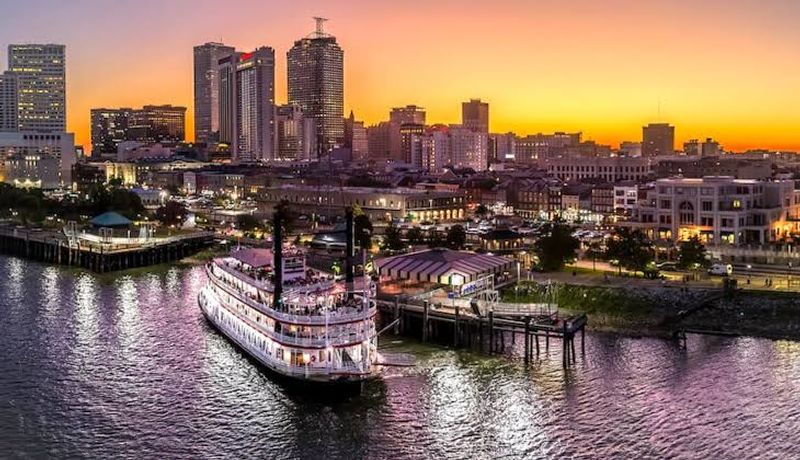
New Orleans does not have an off-season, but spring is when the city really turns up the volume. Jazz Fest alone is reason enough to book a flight, drawing hundreds of thousands of music fans to the Fair Grounds Race Course every spring.
The lineup is always stacked.
Beyond the big festivals, the city’s calendar stays packed with neighborhood events, second-line parades, and outdoor dining that is genuinely hard to beat. Spring temperatures are warm and pleasant before the city’s famously brutal summer humidity settles in for the long haul.
The French Quarter is always worth a wander, but the Garden District in spring is something else entirely. Live oaks dripping with Spanish moss, antebellum mansions, and blooming azaleas make every block feel like a film set.
Eat at a local spot off the tourist trail if you can, because the food in this city rewards anyone willing to walk an extra block.
Charleston, South Carolina
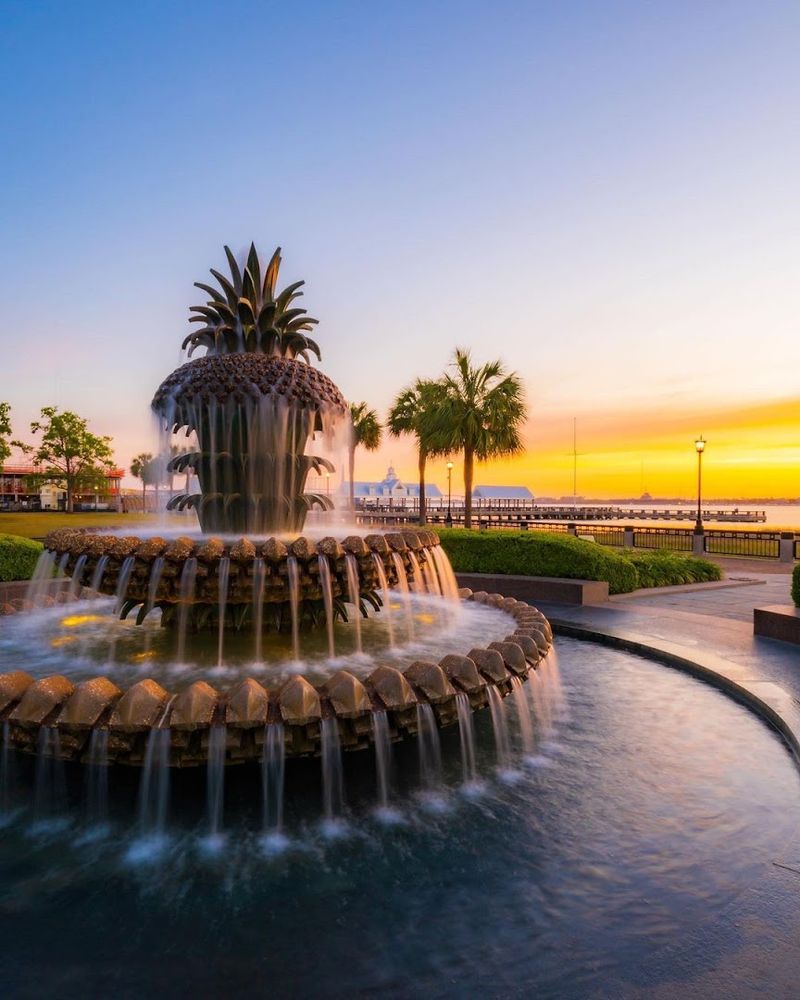
Charleston has figured out the exact formula for a perfect spring trip: beautiful architecture, excellent food, warm weather, and enough history to fill a week without feeling like homework. The city practically begs to be explored on foot.
March through May brings warm but not oppressive conditions, which is a genuinely rare gift on the East Coast. Azaleas burst into color throughout the historic district, and the city’s famous Rainbow Row looks even more photogenic framed by spring blooms.
Spoleto Festival USA kicks off in late May if you like arts and culture with your travel.
The food scene alone justifies a visit. Shrimp and grits, she-crab soup, and fresh oysters from local waters are staples that show up on menus from casual spots to upscale dining rooms.
I had the best she-crab soup of my life here on a rainy March afternoon and have been chasing that experience ever since.
Savannah, Georgia
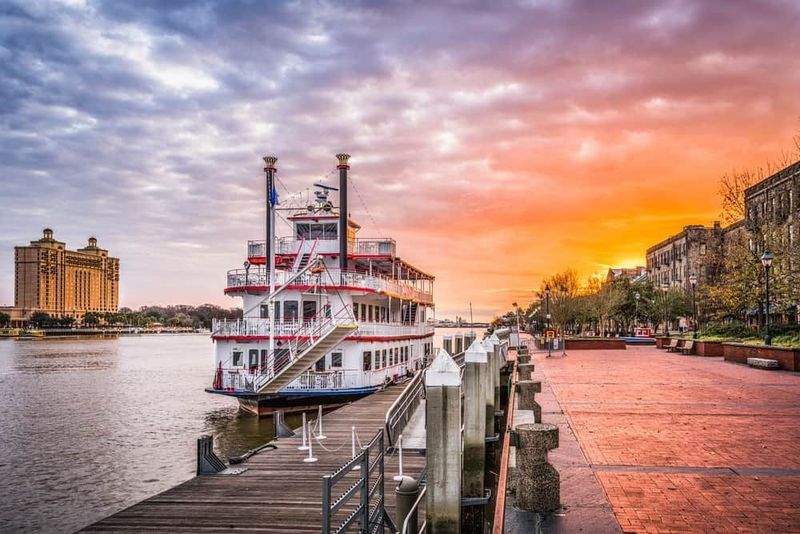
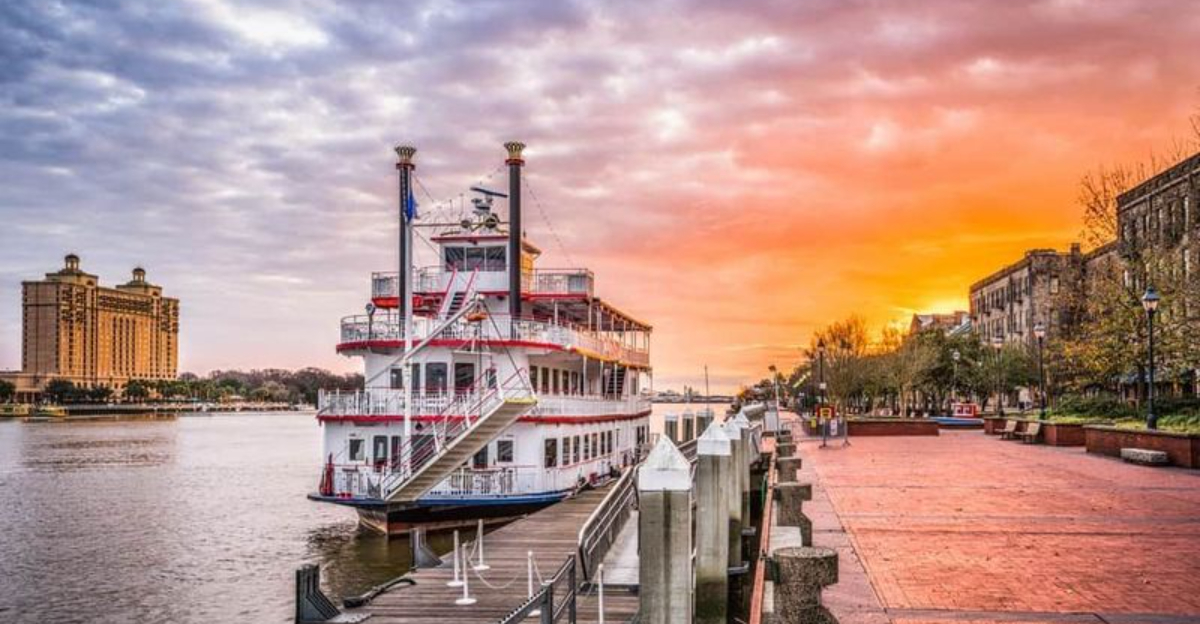
Savannah might be the most effortlessly charming city in the American South, and spring is when that charm runs completely unchecked. The city’s 22 historic squares fill with blooming azaleas, and the Spanish moss-draped oaks look like something out of a gothic novel in the best possible way.
Weather in spring is genuinely excellent here, warm enough for outdoor dining and walking tours without the swampy heat of summer. The Savannah Tour of Homes and Gardens is a spring tradition that opens private properties to the public, giving visitors a peek behind some seriously impressive doors.
Forsyth Park is the social heart of the city and a great place to spend a slow morning with coffee and a good book. The park’s fountain is one of the most photographed spots in Georgia for good reason.
Savannah rewards slow travelers who linger over meals, wander squares without a set agenda, and let the city’s unhurried pace work its magic.
Carlsbad, California
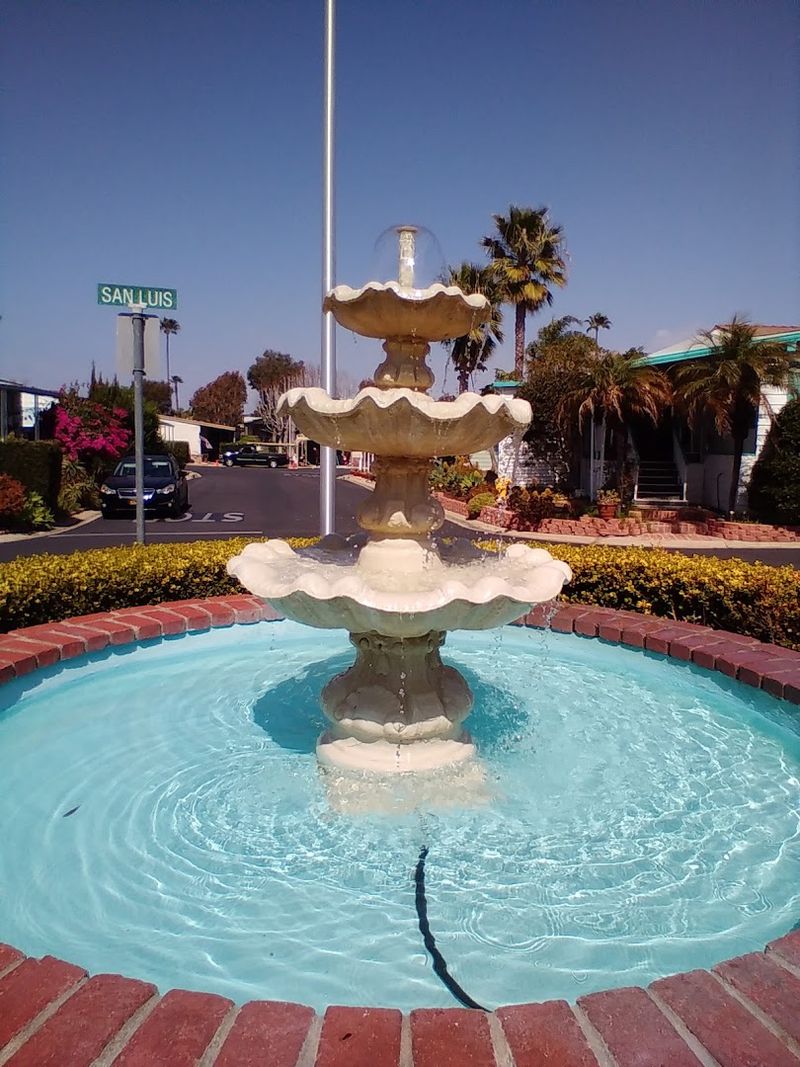
Few things in California are as unexpectedly stunning as the Carlsbad Flower Fields in spring. Fifty acres of giant ranunculus flowers cover rolling hills just a mile from the Pacific Ocean, creating a striped, color-saturated landscape that stops people in their tracks.
Yes, it is as good as it looks on social media.
The fields typically open in early March and run through mid-May, making it one of the longer spring attractions on this list. Admission is affordable, and the walking paths wind through the blooms at a relaxed pace.
Sweet pea and other specialty gardens add variety beyond the main ranunculus display.
Carlsbad itself is a pleasant beach town worth spending a full day in. The LEGOLAND California Resort is nearby if you are traveling with kids who need a different kind of bloom to appreciate.
Sunset visits on clear evenings offer a view of the flowers with the ocean glittering in the background.
Grand Canyon
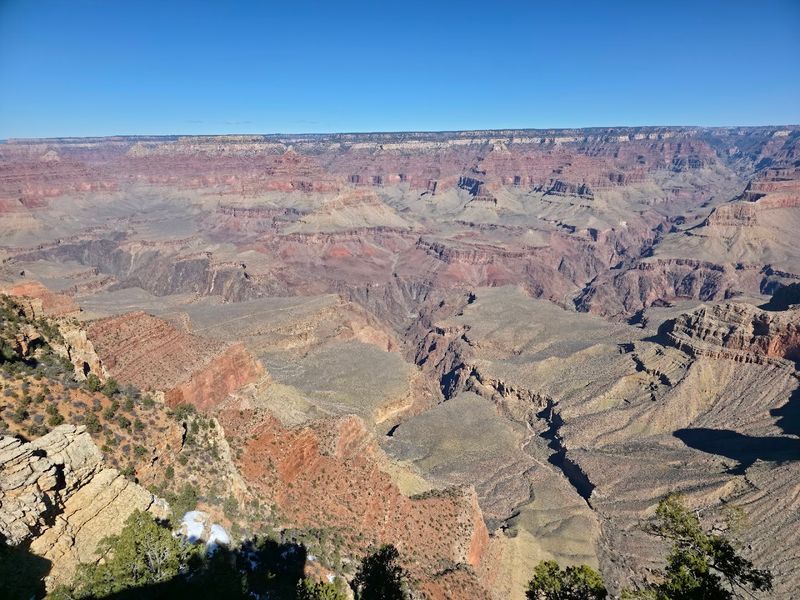
Spring is the Grand Canyon’s quiet power move. The summer crowds have not arrived yet, temperatures on the rim are genuinely comfortable, and the canyon itself looks extraordinary in the clear, low-humidity light of April and May.
It is the canyon at its most hospitable.
South Rim trails like Bright Angel and South Kaibab are far more manageable in spring than in midsummer when heat-related rescues spike dramatically. Rangers will tell you the same thing every time: start early, carry more water than you think you need, and turn around before you think you have to.
Sunrise at Mather Point is one of those experiences that lands differently in person than in any photo. The light shifts through the canyon layers in a way that changes minute by minute.
Spring also brings condor sightings along the rim, and spotting one of these massive birds riding thermals above the canyon is genuinely unforgettable.
Moab, Utah
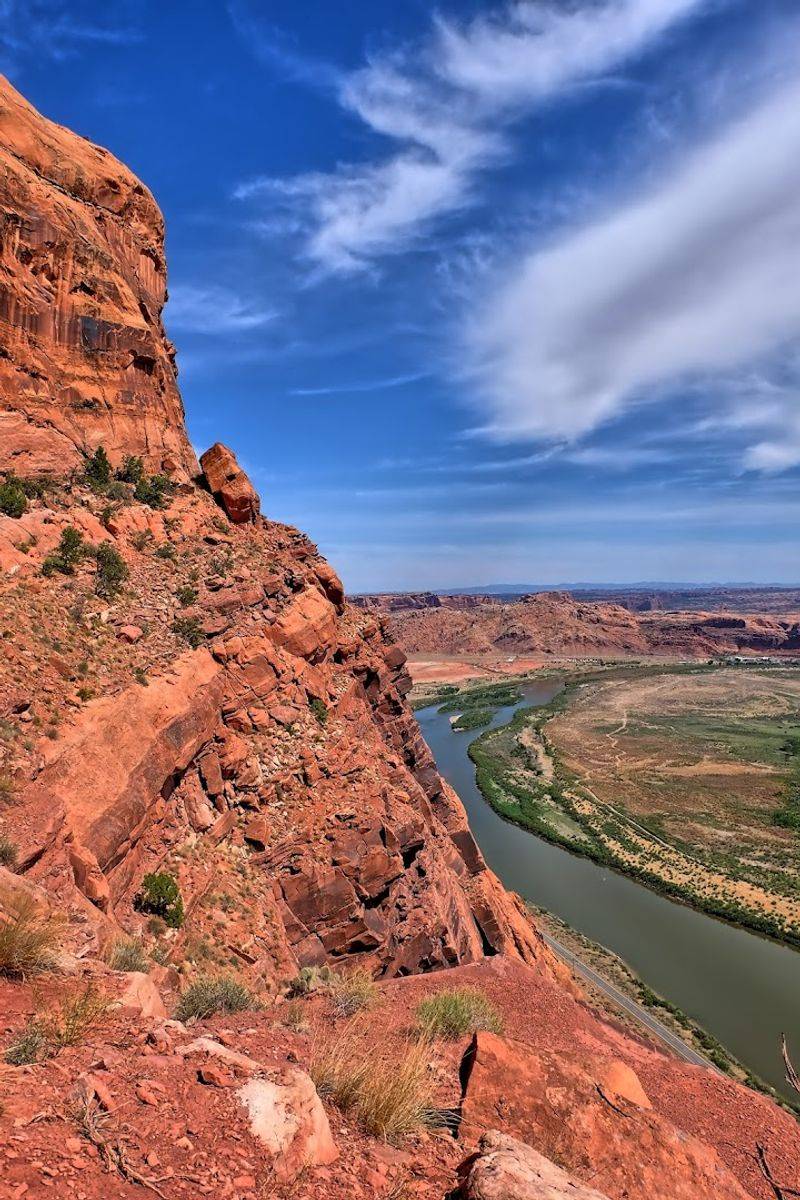
Moab in spring is the outdoor adventure capital of the Southwest operating at full, glorious capacity. Hikers, mountain bikers, and river runners all converge here when temperatures settle into that sweet spot between tolerable and perfect.
Summer Moab is a different, much hotter story.
The trails around Canyonlands and Arches are busier than winter but still manageable compared to the gridlock of peak summer. Spring desert wildflowers add unexpected color to the red rock landscape, and the Colorado River runs high and fast with snowmelt for rafting and kayaking.
Moab’s small downtown punches above its weight with good restaurants, gear shops, and coffee spots worth lingering in after a long day on the trail. I spent a spring morning mountain biking the Slickrock Trail and limped back to town for the best burger I had eaten in months.
Book lodging early because Moab’s popularity has made last-minute spring trips genuinely difficult to pull off.
Arches National Park
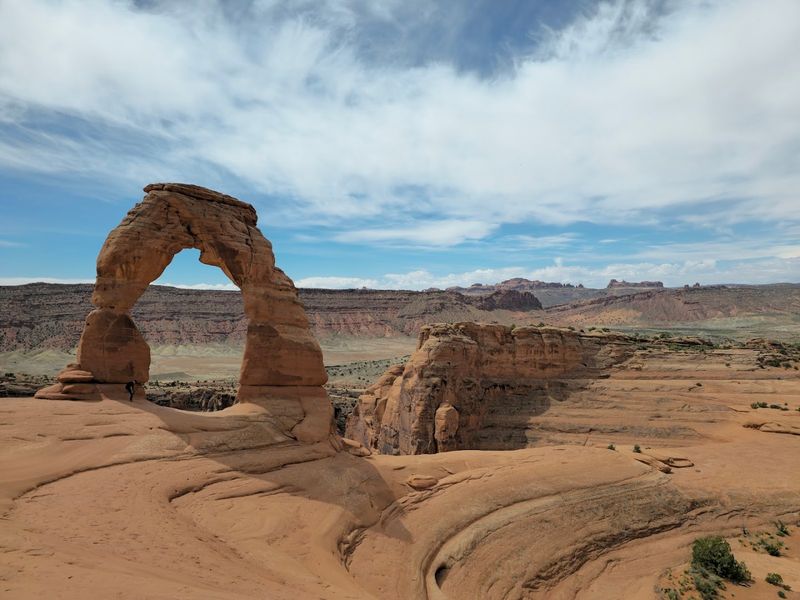
Arches National Park contains more natural stone arches than anywhere else on the planet, and spring is the best time to see them without melting. March and April bring reasonable temperatures and longer daylight hours, giving hikers more time to explore without the punishment of July heat.
Delicate Arch at sunrise or sunset in spring is the kind of view that makes you understand why people become obsessed with national parks in the first place. The 3-mile round-trip hike is moderately strenuous but absolutely worth every step.
Spring wildflowers scattered across the desert floor add a softness that contrasts beautifully with the hard-edged sandstone.
The park road gets congested quickly on spring weekends, so arriving before 8 a.m. is a practical strategy rather than just good advice. Timed entry permits may be required during busy periods, so check the NPS website before you go.
Fiery Furnace, a maze of narrow sandstone canyons, requires a ranger-guided tour and is worth every penny.
Blue Ridge Parkway
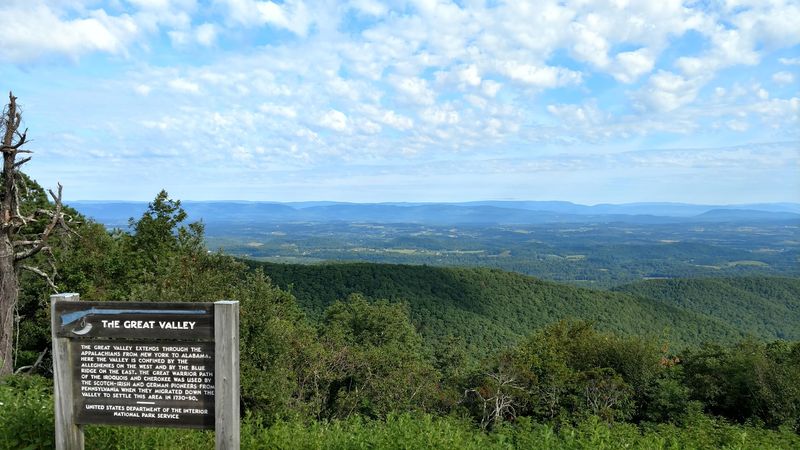
The Blue Ridge Parkway is 469 miles of pure scenic driving, and spring turns the whole route into a rolling botanical show. Blooms begin as early as late March at lower elevations, with redbuds, dogwoods, and wildflowers working their way up the mountain as the weeks progress.
There is always something flowering somewhere.
The parkway connects Shenandoah National Park in Virginia to Great Smoky Mountains National Park in North Carolina, which makes it one of the great American road trips for spring. Overlooks appear every few miles and reward anyone willing to pull over and spend five unhurried minutes just looking.
Small towns along the route, like Blowing Rock and Boone in North Carolina, offer great food, local craft shops, and cozy places to stay. The parkway has no commercial trucks and a 45 mph speed limit, which forces the kind of slow travel that actually lets you notice things.
Spring driving here is genuinely restorative.



