Marriage is often seen as a central part of life, but the Bible tells a different story for some of its most important figures. Many well-known people in Scripture never married, and their lives were full of purpose, faith, and meaning.
From prophets to apostles to devoted women, these individuals show that a single life can be just as powerful and God-honoring as any other. Their stories offer lessons that still speak to people today.
1. Jesus Christ
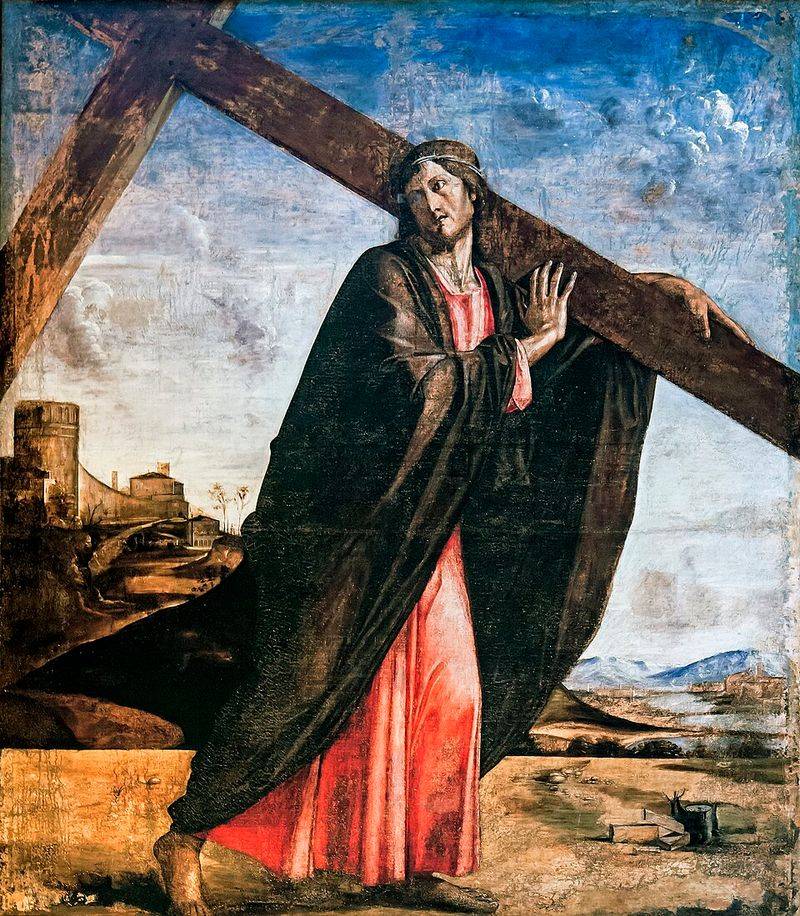
No figure in all of Scripture lived a more complete life than Jesus, and yet He never married. The Gospels make no mention of a wife, and His entire earthly mission was focused on fulfilling His Father’s will.
From His baptism to His crucifixion, every step was devoted to the salvation of humanity.
Jesus showed the world that wholeness does not come from a spouse or family. He formed deep relationships with His disciples, cared for the poor, and loved unconditionally without a marriage covenant.
His life was rich with purpose and connection.
For anyone who feels incomplete because they are single, Jesus is the ultimate example that a meaningful life needs no romantic partner. His singleness was not a gap to be filled.
It was a deliberate choice that allowed Him to give everything to His calling.
2. John the Baptist

Living in the wilderness and surviving on locusts and honey, John the Baptist was anything but ordinary. Scripture never mentions a wife or children, and his radical lifestyle strongly suggests he devoted himself entirely to one mission: preparing the way for the Messiah.
John’s singleness was not accidental. His calling required total freedom from domestic ties.
He moved between regions, confronted corrupt leaders, and drew massive crowds to the Jordan River. A family would have been nearly impossible to sustain alongside that kind of ministry.
What makes John’s story so striking is the intensity of his focus. He had one job, and he gave everything to it.
His life is a reminder that some callings demand singular dedication. Being unmarried gave him the flexibility and freedom to fulfill his God-given role without compromise or distraction.
3. Jeremiah
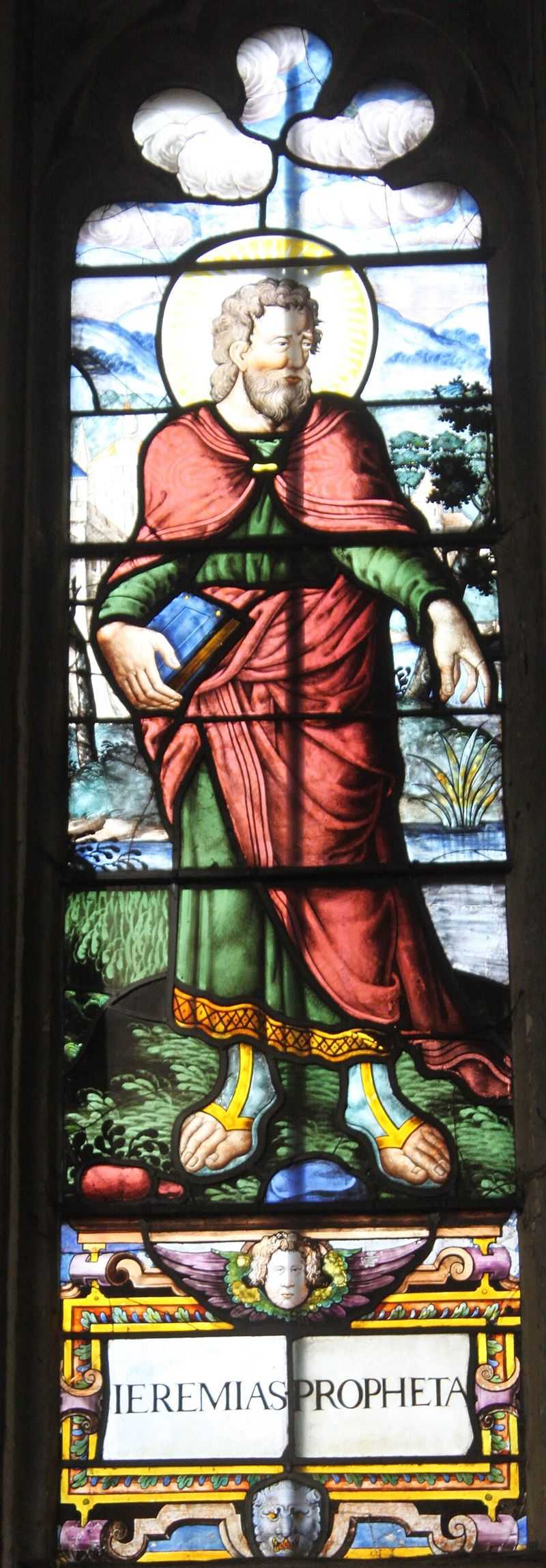
God gave Jeremiah one of the most unusual commands in all of Scripture: do not marry. In Jeremiah 16:2, God told him directly, “You shall not take a wife, nor shall you have sons or daughters in this place.” This was not a personal preference.
It was a divine instruction with a message attached.
Jeremiah’s unmarried life was meant to be a living sign to the people of Judah. The coming judgment would be so devastating that raising a family in Jerusalem would bring only grief.
His singleness pointed to the seriousness of what was ahead.
Often called the “weeping prophet,” Jeremiah carried enormous emotional weight throughout his ministry. His loneliness was real and documented.
Yet his obedience, even in personal sacrifice, demonstrates a level of trust in God that few people in the Bible ever matched.
4. The Apostle Paul
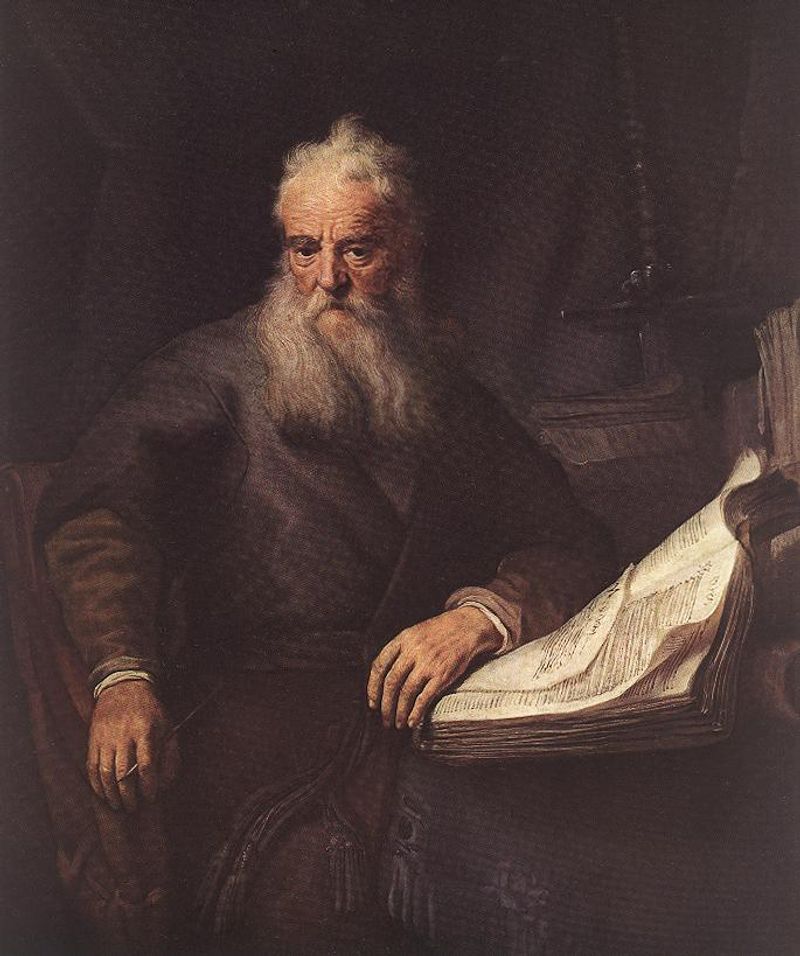
Paul was one of the most influential figures in early Christianity, and he wrote openly about his unmarried status. In 1 Corinthians 7:7-8, he expressed that singleness can be a gift from God.
Some scholars think he may have been widowed, but Scripture never confirms that detail.
What is clear is that during his missionary journeys, Paul had no wife. He traveled across the Roman Empire, planted churches, survived shipwrecks, and endured imprisonment.
Carrying a family through those circumstances would have been extraordinarily difficult.
Paul did not view singleness as a lesser path. He taught that an unmarried person could give undivided attention to God in ways a married person simply cannot.
His letters shaped Christian theology for centuries, and his perspective on singleness remains one of the most thoughtful treatments of the subject anywhere in Scripture.
5. Timothy
Timothy was one of Paul’s most trusted companions, and the Bible never once mentions a wife or children for him. He joined Paul on missionary journeys while still young, and Paul treated him almost like a son.
Their partnership shaped much of the early church’s growth across Asia Minor.
Paul wrote two letters directly to Timothy, offering guidance on leadership, doctrine, and personal conduct. Nowhere in those letters does Paul address a spouse or family situation.
Timothy’s focus appears to have been entirely on ministry from the very beginning of his recorded life.
His story is an encouragement for young people who feel called to serve before life “settles down.” Timothy did not wait until he had a family or a comfortable situation to step into his calling. He went when he was called, unmarried and willing, and left a lasting mark on the early church.
6. Titus
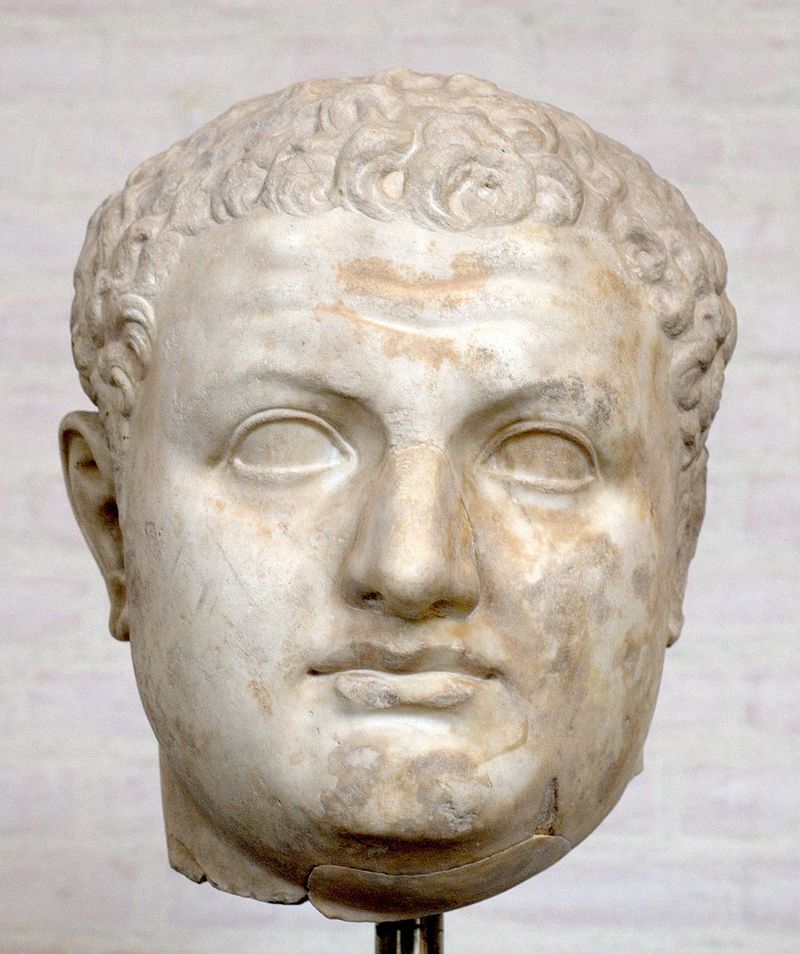
Titus was a trusted associate of Paul and a key leader in the early church, yet the Bible never describes him as having a wife. He was sent to some of the most challenging mission fields of the first century, including the island of Crete, which Paul famously described as a difficult place to minister.
Paul’s letter to Titus focuses entirely on organizing churches, appointing leaders, and teaching sound doctrine. There is no mention of a personal family life for Titus himself.
His identity in Scripture is completely wrapped up in his service to God’s people.
Titus represents a kind of quiet, steady faithfulness that does not always get the spotlight but keeps everything running. His willingness to go where he was needed, without the complications of family ties holding him back, made him one of Paul’s most dependable partners in the gospel mission.
7. Daniel
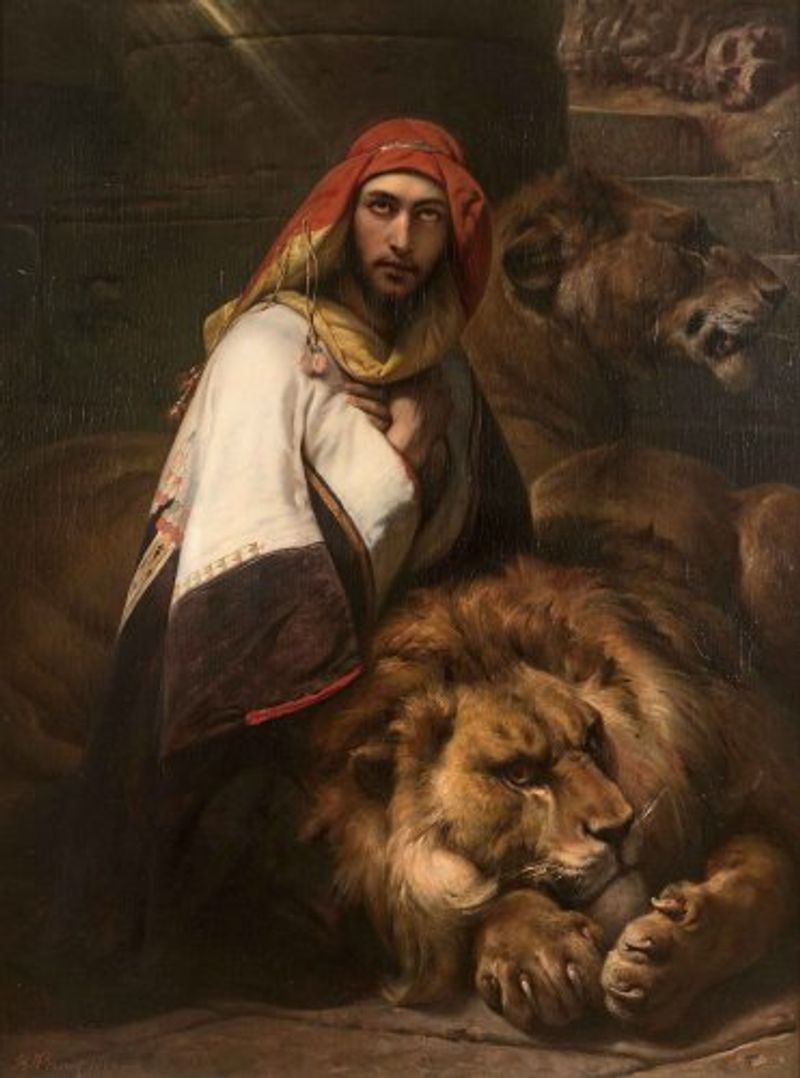
Taken from his homeland as a teenager, Daniel spent decades living in the Babylonian and Persian courts without any mention of a wife or children. His life was shaped by exile, and Scripture records his story as one of unwavering devotion to God despite extraordinary pressure to compromise.
Daniel interpreted dreams for kings, survived a night in a lion’s den, and received some of the most detailed prophetic visions in the entire Bible. Through all of it, his personal life remains almost entirely private.
No family, no spouse, just a man and his God.
There is something quietly powerful about Daniel’s consistency. Decade after decade, in a foreign land surrounded by a culture hostile to his faith, he prayed three times a day and refused to bend.
His unmarried life seems to have given him a singular clarity of focus that defined everything he did.
8. Shadrach
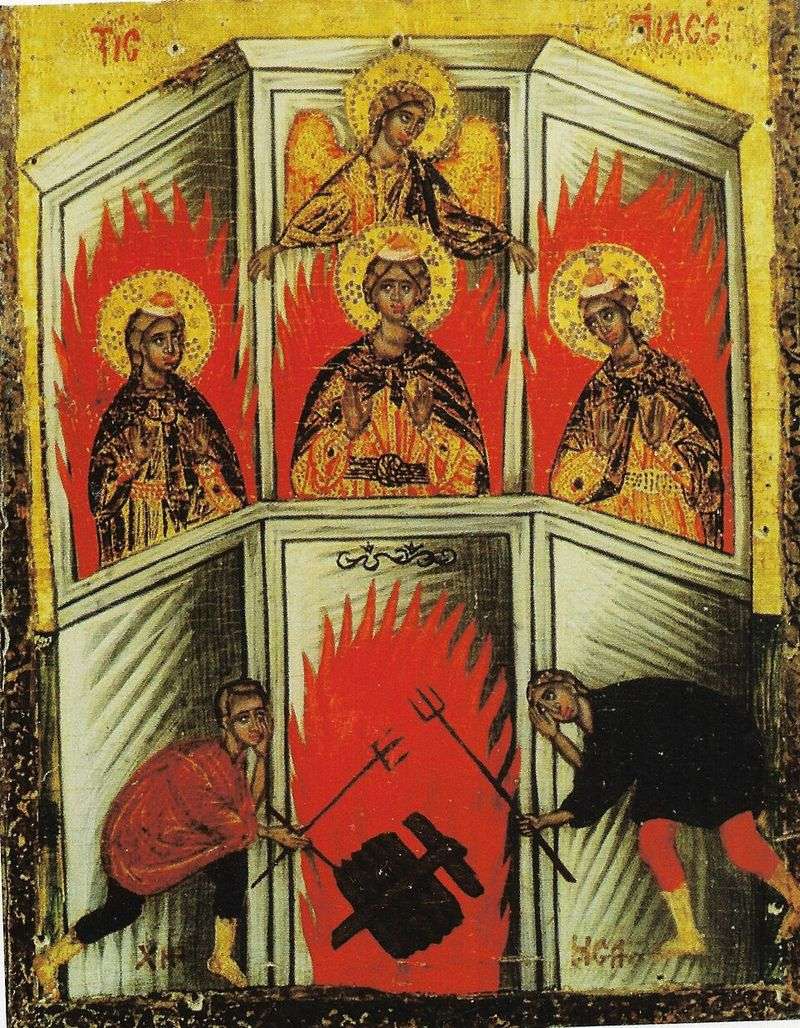
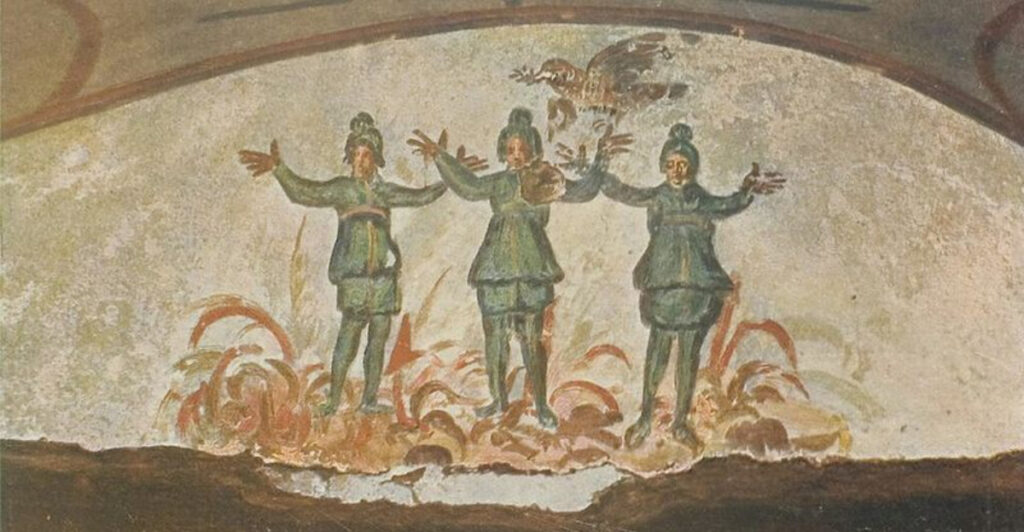
Shadrach is one of three young Hebrew men who stood before King Nebuchadnezzar and refused to bow to a golden idol, even when threatened with death by fire. Scripture records no wife, no family, and no personal life beyond his remarkable act of defiance and faith.
His story, found in Daniel 3, is one of the most dramatic moments in the entire Old Testament. When the furnace was heated seven times hotter than normal, Shadrach walked in and walked out unharmed.
A fourth figure, described as looking like a son of the gods, was seen walking with them.
Shadrach’s legacy is built entirely on one defining moment of courage. He did not need a family legacy or a long ministry career to matter.
Sometimes a single act of faithfulness under pressure is enough to leave a mark that lasts for thousands of years.
9. Meshach

Meshach stood alongside Shadrach and Abednego in one of the most famous acts of civil disobedience in biblical history. When the royal decree demanded worship of a golden statue, Meshach refused without hesitation.
Scripture records nothing about a wife or children for him at any point.
What is remarkable about Meshach’s story is the calm certainty with which he faced death. He and his companions told the king plainly that their God was able to save them, but even if He did not, they still would not bow.
That kind of conviction is rare at any age.
Meshach’s courage under pressure has inspired believers across centuries and cultures. His unmarried status is almost beside the point compared to the sheer boldness of his faith.
Yet it is worth noting that his freedom from family responsibilities may have made it easier to take that radical stand without hesitation.
10. Abednego
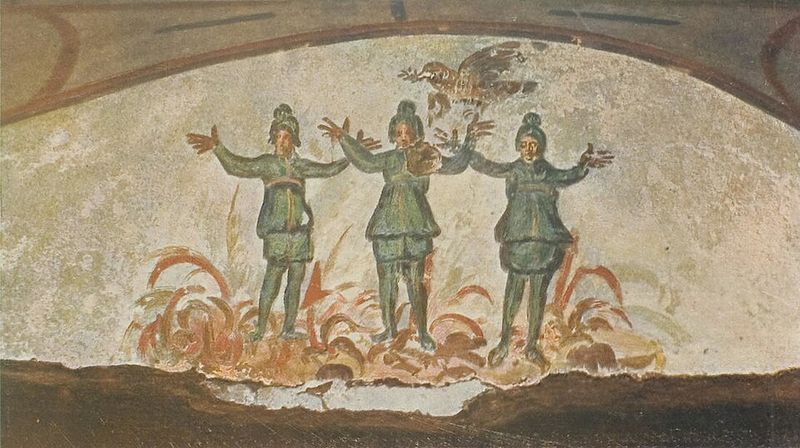
Abednego is the third of the famous trio who refused to worship Nebuchadnezzar’s golden statue. Like his companions, Scripture never mentions a wife or family for him.
His identity in the Bible is almost entirely defined by that one extraordinary moment of faith in the face of a deadly threat.
The name Abednego was actually a Babylonian name given to him in exile. His original Hebrew name was Azariah.
Even stripped of his cultural identity and placed in a foreign court, his loyalty to God never wavered. That kind of rootedness is deeply impressive.
Abednego’s story reminds readers that faith is not always built on years of ministry or theological training. Sometimes it shows up in a single moment when everything is on the line.
His willingness to walk into a furnace rather than compromise stands as one of the Bible’s most vivid testimonies to unshakable belief.
11. Elijah
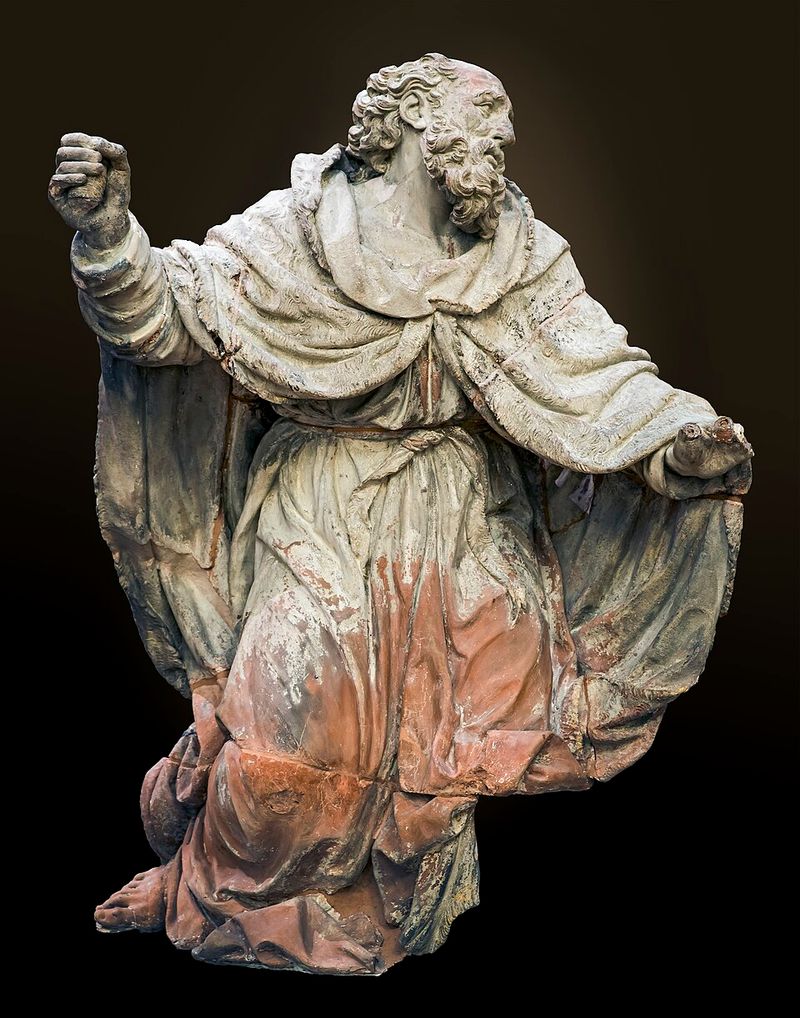
Elijah was one of the most dramatic figures in the entire Old Testament. He called down fire from heaven, outran a chariot, and was eventually taken up to God in a whirlwind without ever dying.
Through all of it, Scripture never mentions a wife or children.
His ministry was intense and often lonely. After his famous showdown with the prophets of Baal on Mount Carmel, Elijah collapsed under a tree in exhaustion and depression, begging God to take his life.
He was deeply human, even in his greatness.
Elijah’s story shows that a life devoted entirely to God is not always glamorous. It can be isolating and emotionally draining.
But it can also produce moments of extraordinary power. His unmarried life was not a void.
It was the very thing that kept him available, mobile, and ready for whatever God asked next.
12. Elisha
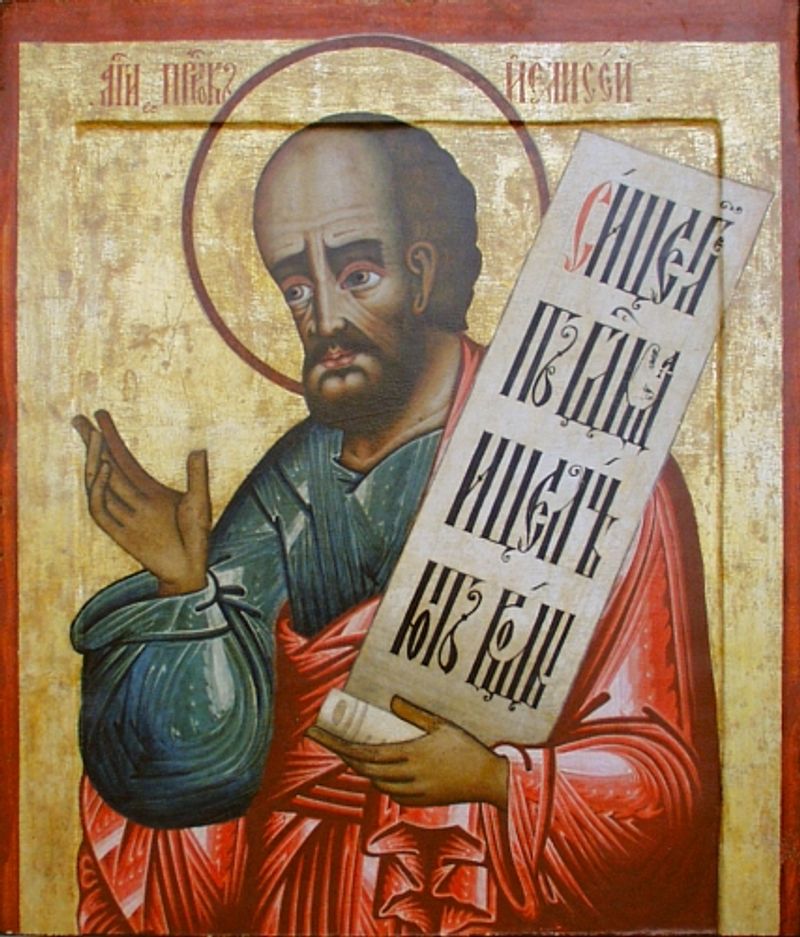
Elisha inherited Elijah’s prophetic mantle and went on to perform more recorded miracles than any other prophet in the Old Testament. He raised the dead, healed a Syrian commander of leprosy, and multiplied food for a crowd.
Yet through all of this, Scripture records no wife or family for him.
When Elijah called Elisha to follow him, Elisha said goodbye to his family and slaughtered his oxen, making it clear there was no going back. He left his old life completely behind and committed himself to mentoring under Elijah and eventually carrying on the prophetic work alone.
Elisha also mentored a community of younger prophets, taking on a kind of spiritual fatherhood without biological family ties. His life shows that a person can pour into others and build lasting relationships without a spouse.
Devotion to God and community can fill a life in remarkable ways.
13. Anna the Prophetess
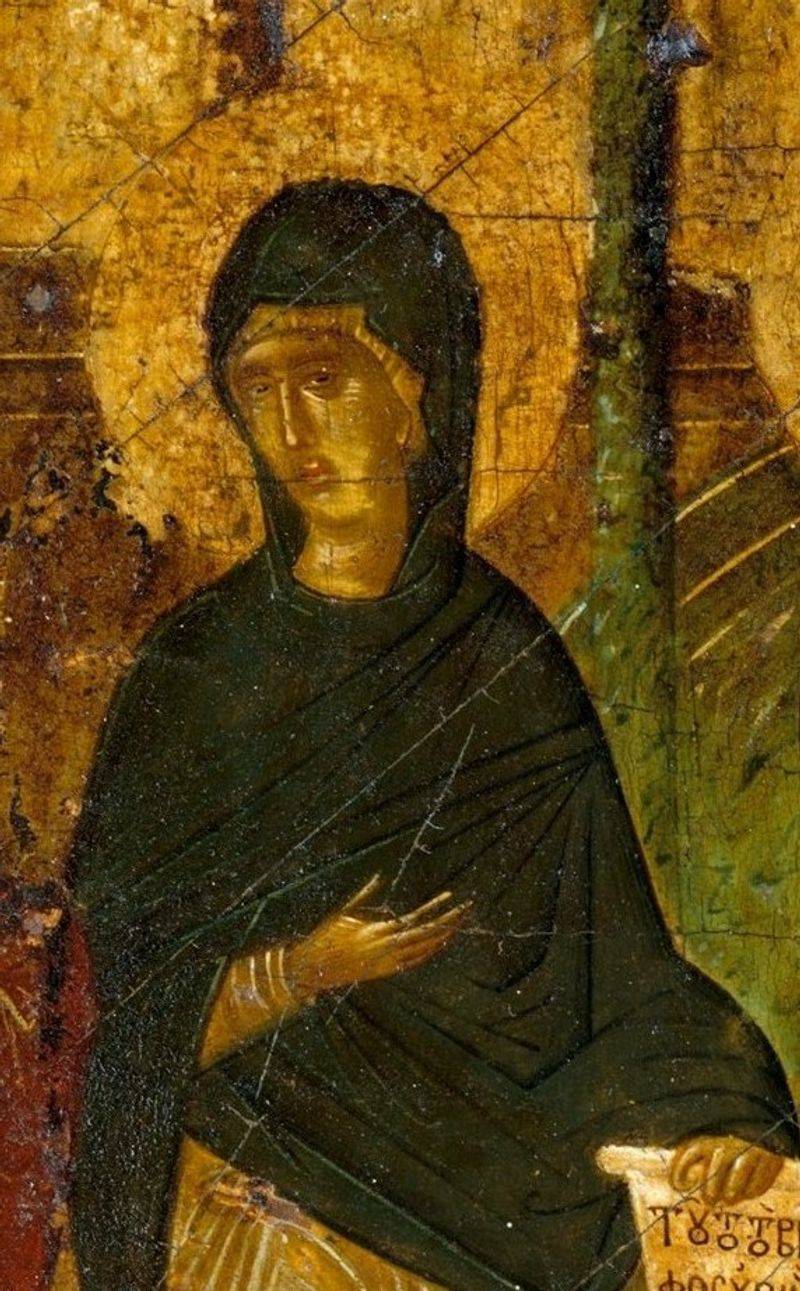
Anna’s story is told in just three verses in Luke 2:36-37, but those verses carry remarkable weight. She was married for seven years, then became a widow and apparently never remarried.
She spent the rest of her life in the Temple, fasting and praying day and night.
When Mary and Joseph brought the infant Jesus to the Temple, Anna was there. She recognized Him immediately and began speaking about Him to everyone who was waiting for the redemption of Jerusalem.
After decades of waiting and prayer, she was present for the most significant moment in history.
Anna’s life after her husband’s death was not a life on hold. It was a life fully lived in devotion and expectation.
Her example speaks powerfully to widows and single women alike. Spiritual purpose does not expire when a marriage ends.
Sometimes the most meaningful chapter is still ahead.
14. Martha of Bethany
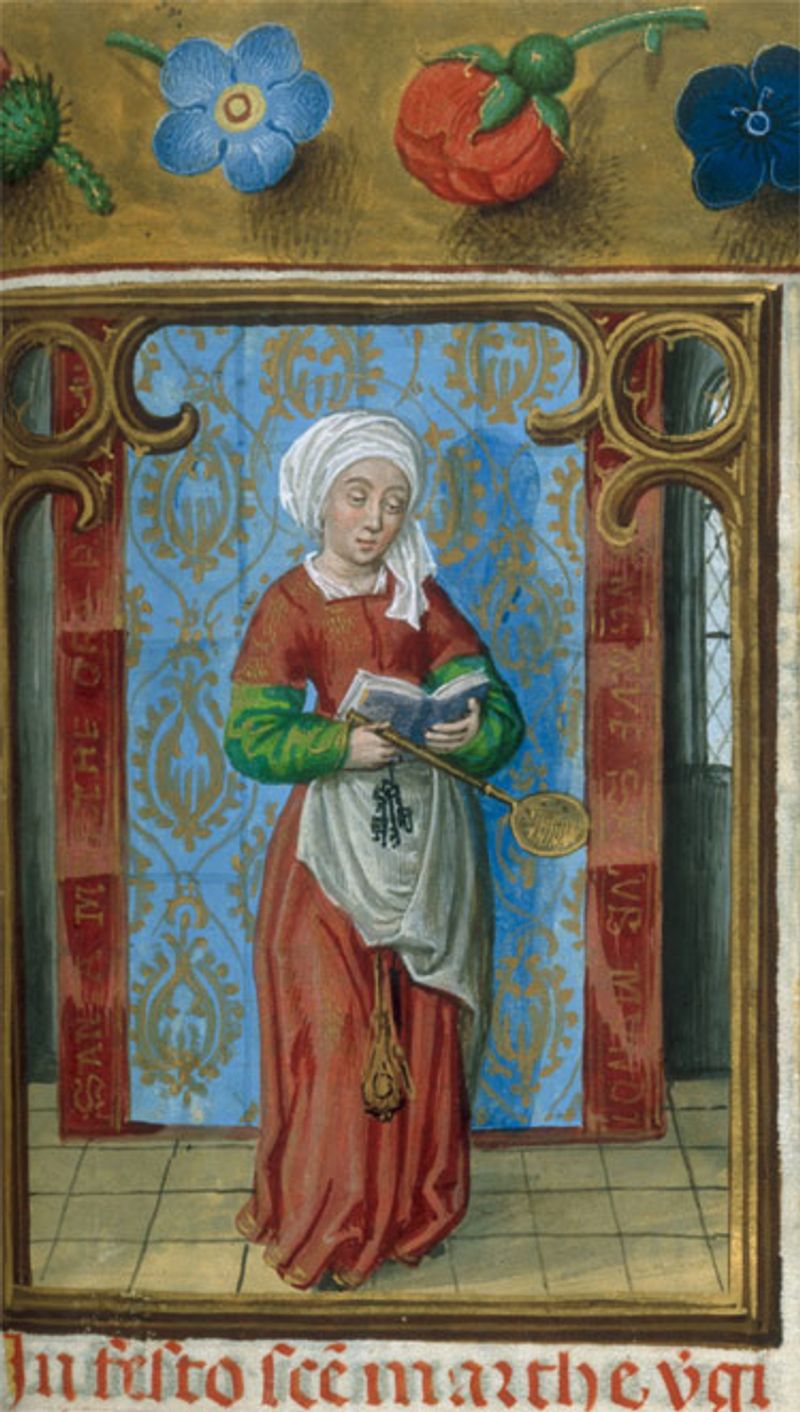
Martha is one of the most relatable figures in the New Testament. She was practical, hardworking, and deeply devoted to Jesus, even when her faith was tested by grief.
The Bible never mentions a husband, and she appears to have lived with her siblings Mary and Lazarus in Bethany.
Most people remember Martha for the moment Jesus gently corrected her for being too distracted with household tasks while Mary sat at His feet. But that single scene does not define her.
When Lazarus died, it was Martha who ran out to meet Jesus and declared, “I believe that You are the Christ.”
That confession of faith is one of the strongest in all four Gospels. Martha’s life shows that faithfulness looks different for different people.
She served with her hands and confessed with her mouth, and Jesus honored both. Her story is a reminder that hospitality and bold faith can coexist beautifully.
Share this story