The 2026 FIFA World Cup has already delivered some jaw-dropping moments that nobody saw coming. From tournament favorites stumbling early to smaller nations pulling off stunning upsets, this tournament has rewritten what fans expect from international football.
With 48 teams competing for the first time, the competition has never been this wide open. Here are the biggest surprises from the 2026 World Cup so far.
Germany Eliminated by Paraguay on Penalties
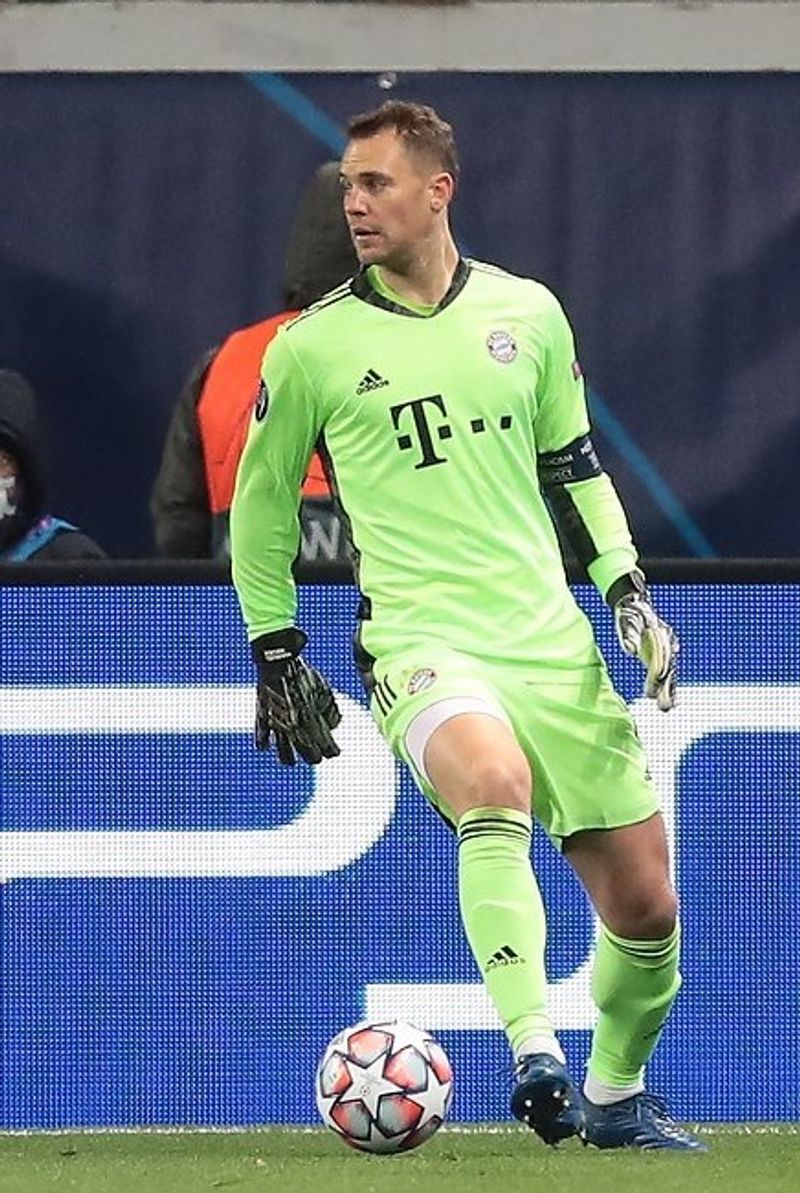
Nobody had Paraguay circled on their bracket when the tournament began. Yet when the final whistle blew and Germany’s penalty kick sailed wide, one of football’s most celebrated programs was heading home far too early.
Four-time world champions Germany entered the tournament as one of Europe’s most respected sides. Their Round of 32 exit against Paraguay was the kind of result that makes football fans stop mid-bite and stare at the screen in disbelief.
Paraguay played disciplined, compact football and made every penalty count when the pressure was highest. For Germany, it was a painful reminder that tournament football respects no reputation.
The result instantly became one of the most talked-about outcomes of the entire 2026 competition.
Morocco Knocked Out the Netherlands

Morocco has quietly become one of international football’s most exciting stories over the past several years. After their remarkable 2022 run to the semifinals, many wondered if that campaign was a one-time performance.
The 2026 World Cup answered that question quickly.
The Netherlands, a European powerhouse with a roster full of top-level talent, could not find a way past a Moroccan side that defended brilliantly and struck decisively. The penalty shootout result sent shockwaves across football communities worldwide.
What makes Morocco’s achievement even more impressive is the consistency. Back-to-back deep World Cup runs prove this program has genuinely elevated its level.
African football continues to announce itself on the biggest stage, and Morocco is leading that charge with confidence and tactical intelligence that demands serious respect from every opponent.
Bosnia and Herzegovina Reached the Knockout Stage
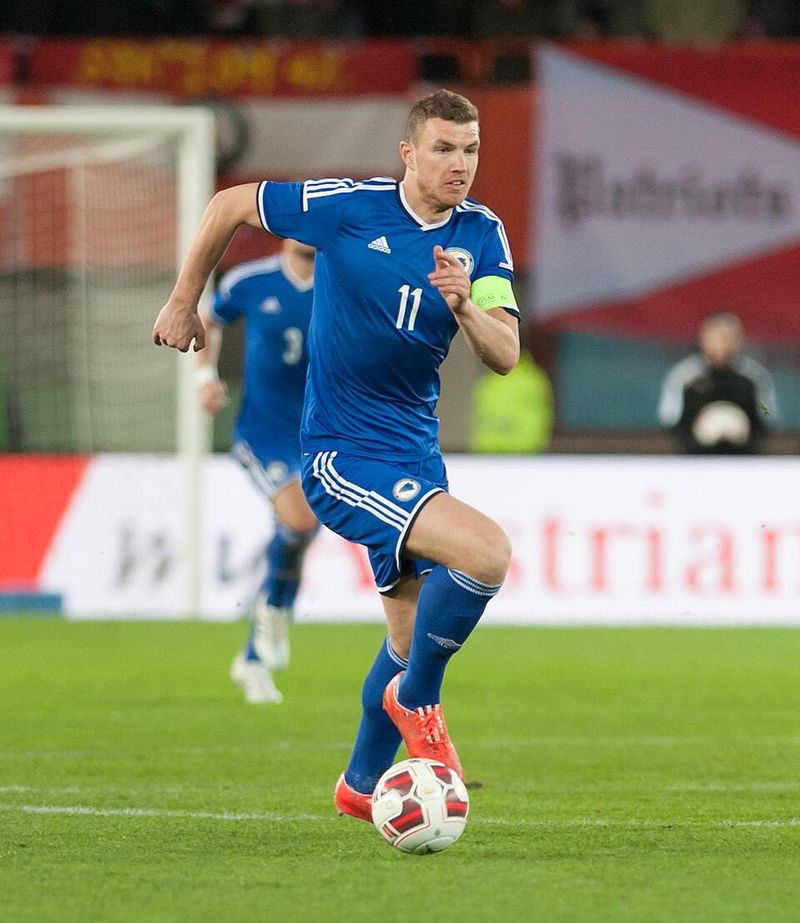
For a football nation that has spent years chasing this milestone, reaching the knockout stage of a World Cup is a genuinely emotional achievement. Bosnia and Herzegovina made history at the 2026 tournament by advancing from the group stage for the very first time.
Their journey captured the imagination of fans far beyond the Balkans. Playing with energy, organization, and clear belief in their system, Bosnia showed they belonged among the world’s best 48 teams and then proved it with results on the pitch.
They eventually fell to the United States in the Round of 32, but that loss does nothing to diminish what they accomplished. Reaching the knockout stage marks a turning point for Bosnian football and gives younger players in the country a moment to look up to and chase for years to come.
Bosnian Fans Became One of the Tournament’s Biggest Stories
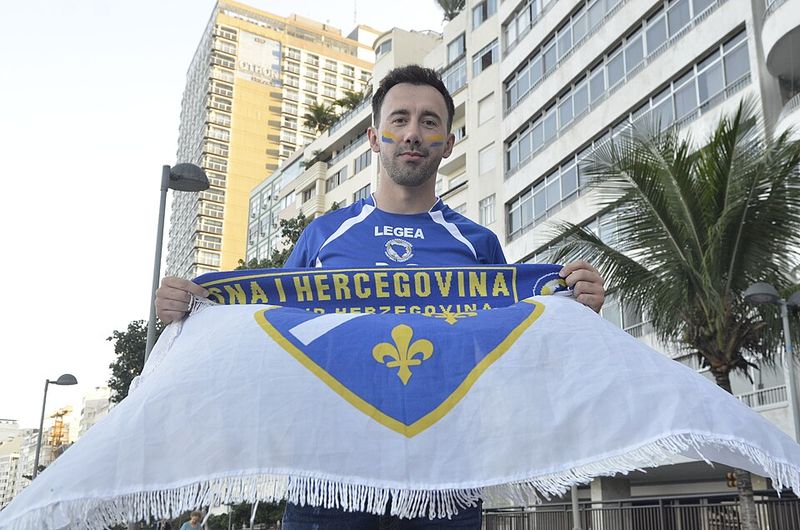
Sometimes the supporters steal the show just as much as the players. At the 2026 World Cup, Bosnian fans became a genuine talking point for everyone watching, whether they followed the team or not.
Traveling in huge numbers and filling venues with deafening chants, they transformed neutral stadiums into something that felt like a home match. Blue and yellow filled the stands, and the noise they generated gave their players a noticeable lift during critical moments.
Reporters, broadcasters, and fellow supporters from other nations praised the Bosnian fanbase repeatedly throughout the tournament. Their passion and color reminded everyone why football brings people together like no other sport.
Long after the results fade from memory, people will still talk about how Bosnian supporters made the 2026 World Cup feel truly alive and unforgettable in the best possible way.
Cape Verde Reached the Knockout Stage
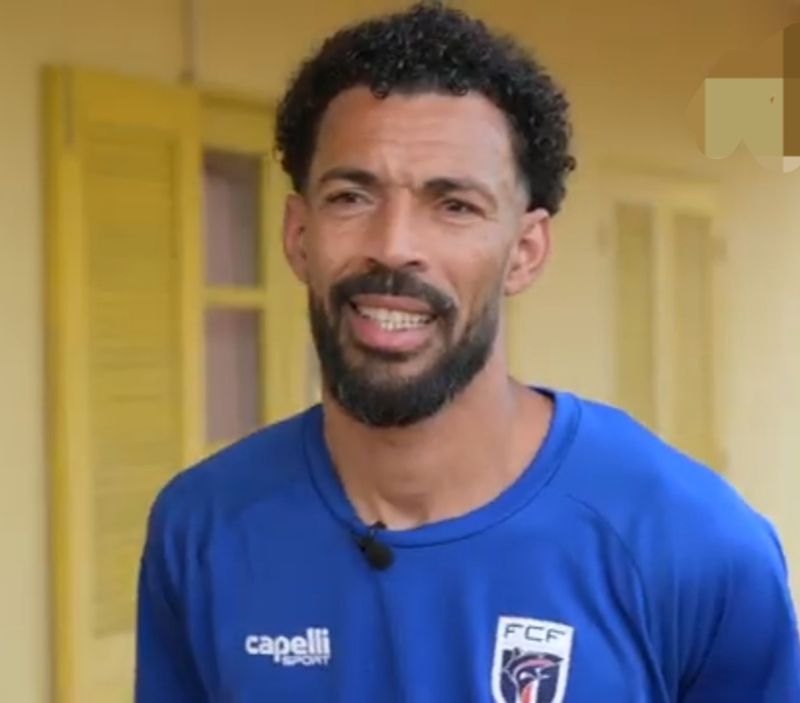
Cape Verde is a small island nation off the coast of West Africa with a population of fewer than 600,000 people. Qualifying for the World Cup alone is already a remarkable story.
Advancing from the group stage made it even more extraordinary.
Their performances throughout the group stage were organized, energetic, and full of heart. When they matched up against Argentina in the Round of 32, most observers expected a comfortable win for the South American giants.
What they got instead was a thrilling, tightly contested match that went deep into the final minutes.
Cape Verde may have been eliminated, but they left the tournament having earned enormous respect. Their story is exactly the kind of underdog narrative that reminds fans why the expanded 48-team format was such a bold and ultimately rewarding idea for world football.
Canada Reached the Round of 16
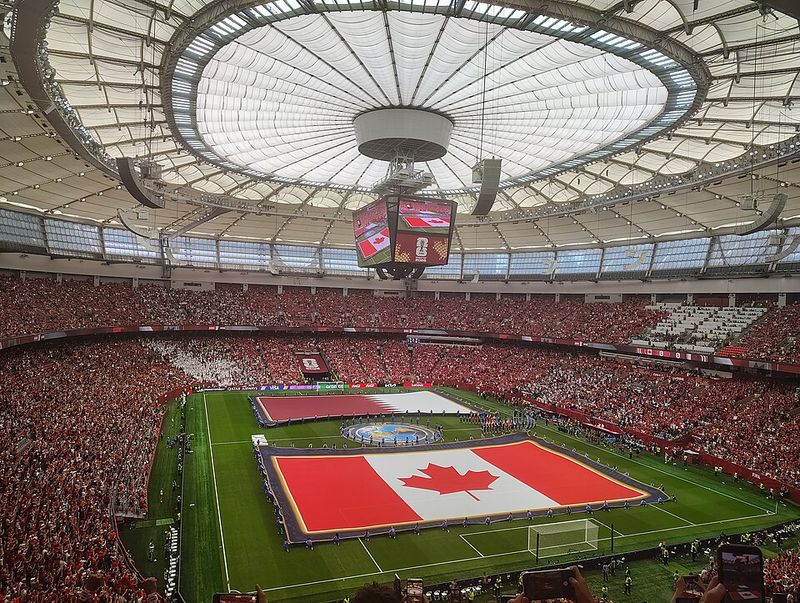
Co-hosting a World Cup is a massive honor. Actually winning a knockout match at one is something else entirely.
Canada achieved both at the 2026 tournament, making history by defeating South Africa to advance to the Round of 16.
It marked the first time Canada had ever won a match in the knockout rounds of a FIFA World Cup. For a football program that has worked hard to grow the sport domestically, this result felt like a genuine breakthrough moment that the whole country celebrated.
Playing in front of passionate home crowds gave Canada an extra boost throughout the tournament. The combination of talented young players and enthusiastic fan support created an atmosphere that made their matches among the most exciting of the group stage.
Canadian football now has a benchmark result to build upon heading into future tournaments.
Norway Eliminated Ivory Coast

Norway returning to World Cup knockout football was already a pleasant surprise for Scandinavian supporters who waited a long time for this moment. Beating Ivory Coast to advance made the achievement even sweeter.
Ivory Coast came into the match with a squad loaded with Premier League and top European league talent. Norway, meanwhile, had been written off by many pundits before the tournament even kicked off.
What unfolded was a disciplined Norwegian performance that frustrated Ivory Coast and converted its chances efficiently.
Norway’s ability to suppress the opposition’s attacking quality and stay organized under pressure was impressive. It showed that tactical preparation and team unity can overcome individual talent gaps at the highest level.
For Norwegian football fans who grew up watching their country miss multiple World Cups, this result felt like a long-overdue reward for years of patience and support.
Germany and the Netherlands Were Both Eliminated in the First Knockout Round
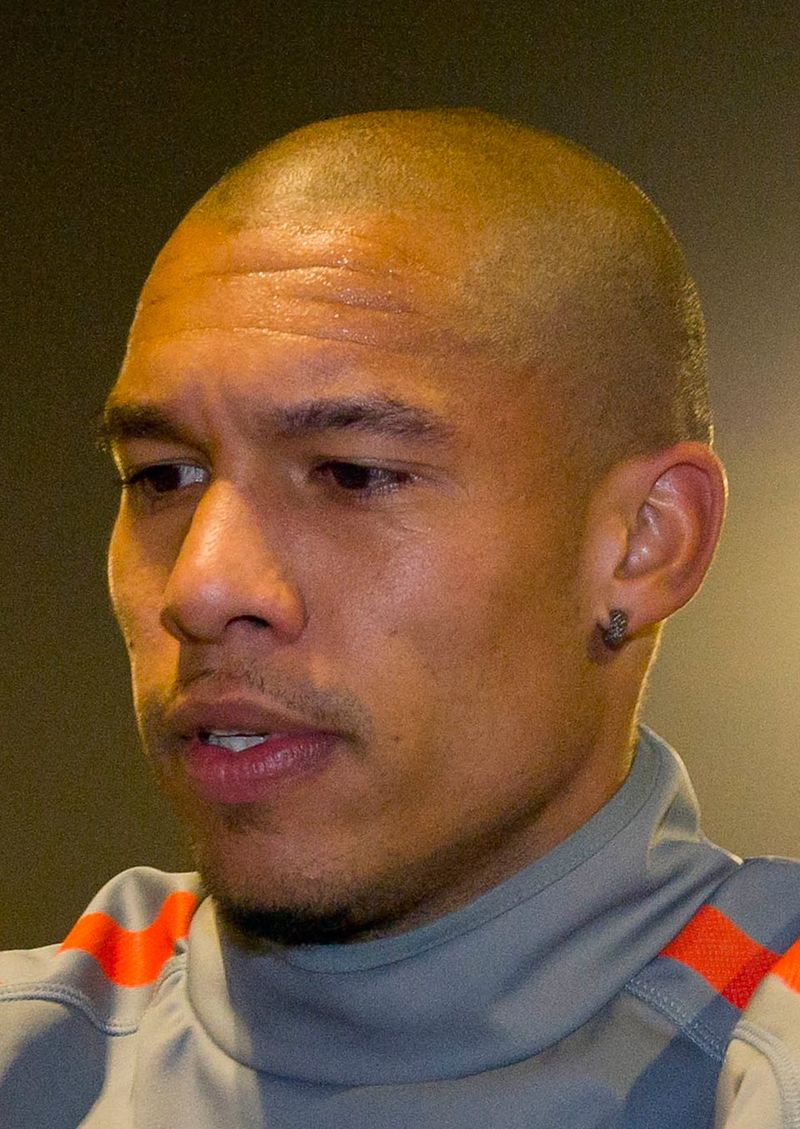
Losing one European heavyweight in the first knockout round is notable. Losing two in the same round is the kind of thing that generates weeks of debate on sports talk shows around the world.
Germany fell to Paraguay on penalties, while the Netherlands lost to Morocco in equally dramatic fashion. Both exits came as genuine shocks given the quality and experience each squad carried into the tournament.
Neither team looked like it would bow out so quickly when the draw was made.
Together, their early departures signaled something important about the current state of international football. The gap between traditional European powers and the rest of the world is closing at a pace that is becoming impossible to ignore.
The 2026 World Cup made that reality impossible to deny, and fans everywhere took notice when the bracket updated after that round.
Brazil Was Pushed to the Limit by Japan
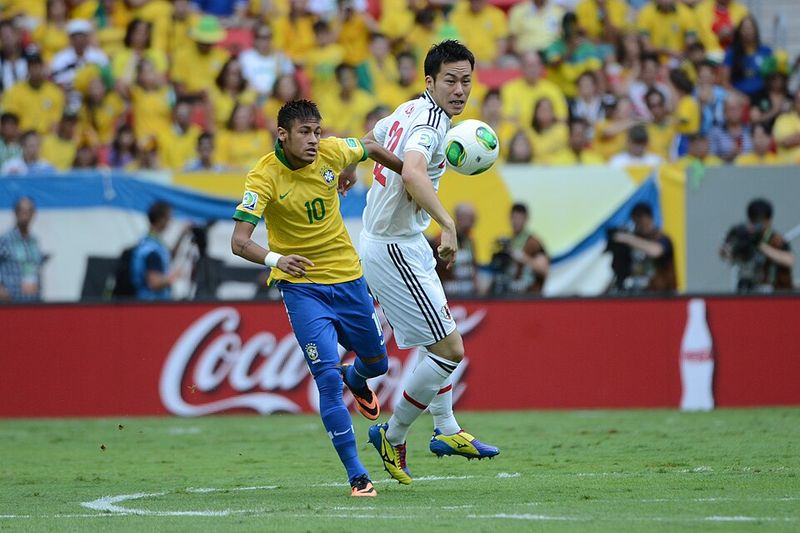
Brazil entered the 2026 World Cup as one of the tournament’s top favorites, boasting a roster with some of the most technically gifted players on the planet. Japan had other ideas.
In one of the most compelling matches of the Round of 32, Japan pressed Brazil relentlessly, created genuine danger going forward, and made the South American giants work incredibly hard for every inch of the pitch. Brazil’s 2-1 final scoreline did not tell the full story of how competitive this match was from start to finish.
Japan’s performance left a lasting impression and renewed conversations about how far Asian football has developed. Their tactical discipline, pressing intensity, and clinical finishing threatened to pull off a historic result.
Brazil survived, but the match served as a clear warning that no team in this tournament can afford to underestimate any opponent, regardless of the scorebook history.
Belgium Came Back to Defeat Senegal
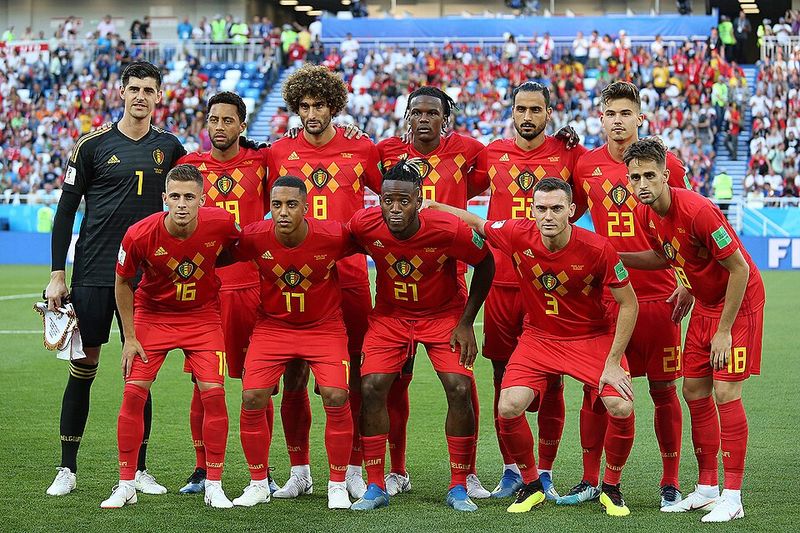
Trailing by two goals in a World Cup knockout match is about as close to impossible as a situation gets. Belgium found a way back anyway, delivering one of the most dramatic results of the entire 2026 tournament.
Senegal had looked dominant and composed after going two goals up, and most observers were already writing Belgium’s tournament obituary. What followed was a stunning second-half turnaround driven by substitutions, belief, and a refusal to accept the situation at face value.
Belgium scored three times to complete the comeback and advance, leaving Senegal and their supporters heartbroken. The match instantly became a highlight of the tournament and a reminder of why knockout football is so uniquely unpredictable.
For Belgium, the result showed serious mental resilience. For Senegal, it was a painful lesson about the danger of letting a wounded opponent breathe in big moments.
Three Co-Hosts Reached the Knockout Stage
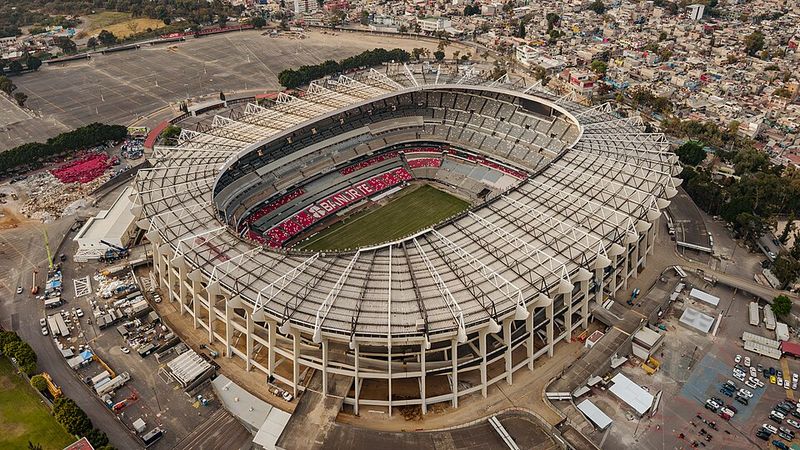
When a country hosts the World Cup, there is always pressure to perform well in front of the home crowd. At the 2026 tournament, Canada, Mexico, and the United States each carried that weight and delivered results that made their fans proud.
All three co-hosts advanced from the group stage and into the knockout rounds, marking the first time in World Cup history that every host nation in a shared tournament made it past the group phase. The achievement generated enormous celebrations across North America and drew global attention to the growth of football on the continent.
Each team brought something different to the tournament. The United States showed tactical maturity, Mexico relied on experience, and Canada rode the energy of passionate home support.
Together, they made the 2026 World Cup feel like a true celebration of football across the entire hosting region from the very beginning.
Morocco Continued Its World Cup Rise
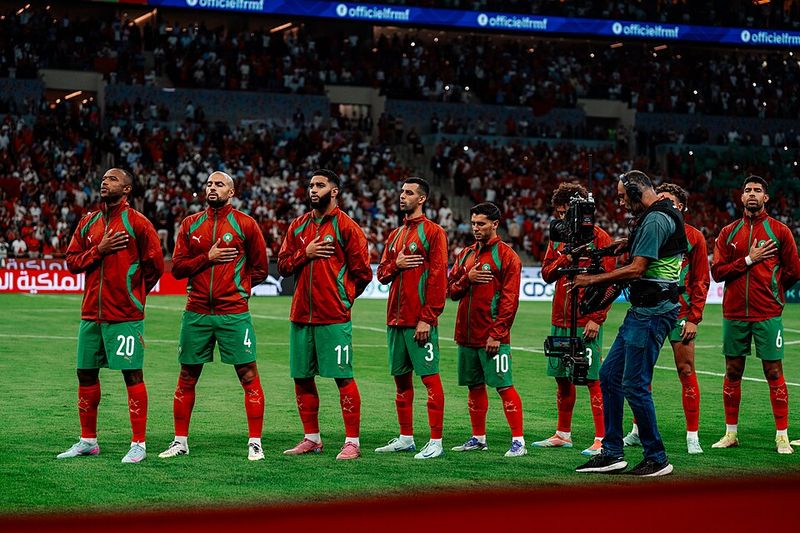
After reaching the semifinals in Qatar in 2022, the football world wondered whether Morocco could sustain that level of performance. Skeptics suggested the 2022 run was an outlier powered by exceptional circumstances and tournament luck.
The 2026 World Cup has answered those doubts directly.
Morocco advanced deep into the knockout rounds again, eliminating the Netherlands along the way and continuing to prove that their program is genuinely built on solid tactical foundations. Their defensive organization remains among the best in the world, and their attacking transitions are sharp and dangerous.
Head coach and squad continuity have played a huge role in this sustained success. Morocco is no longer an underdog story.
They are a legitimate contender that opponents prepare for seriously. African football has a standard-bearer, and Morocco wears that responsibility with confidence, ambition, and a track record that demands recognition from every corner of the football world.
The Expanded 48-Team Format Produced More Competitive Knockout Matches
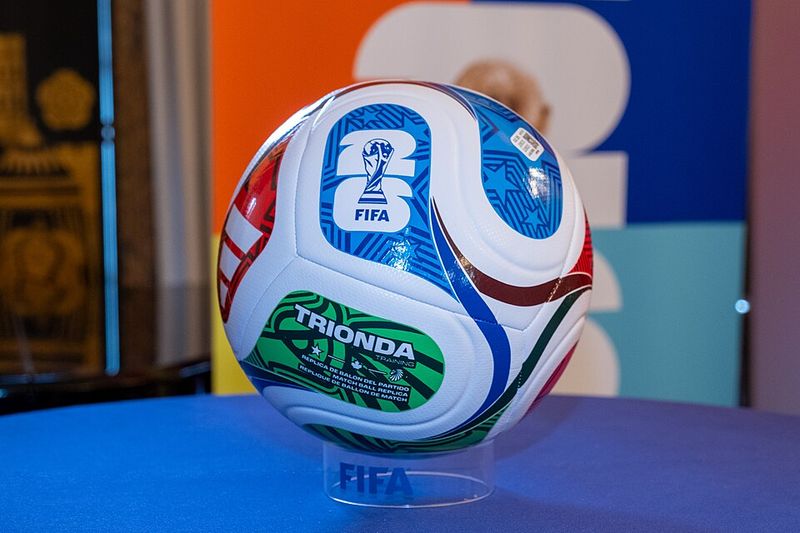
When FIFA announced the expansion to 48 teams for the 2026 World Cup, the reaction was mixed. Critics worried that weaker teams would fill slots and produce lopsided group stage matches with little drama.
The tournament so far has pushed back against that concern in a meaningful way.
More nations in the tournament means more first-time participants, and those teams brought energy, motivation, and tactical preparation that created genuinely competitive matches throughout the knockout rounds. Cape Verde, Bosnia, and Paraguay all proved they belonged at this level.
The expanded bracket also created more pathways for upsets, which in turn made every match feel important and unpredictable. Fans tuning in found it harder than ever to predict results with confidence.
Whatever concerns existed before kickoff, the 2026 edition has made a strong early case that the expanded format is good for the sport and great for football fans everywhere.
Smaller Football Nations Proved They Belong
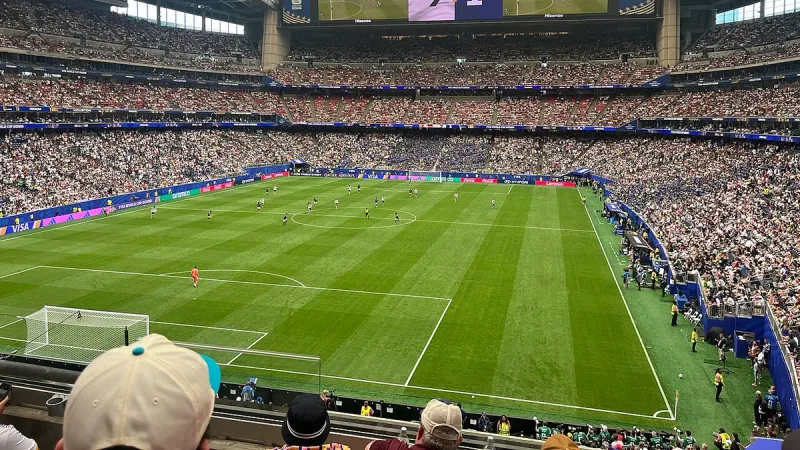
Perhaps the most lasting story of the 2026 World Cup so far is the collective statement made by nations that most casual fans could not have predicted would cause this much trouble for established powers.
Cape Verde pushed Argentina to the edge. Paraguay knocked out Germany.
Bosnia reached the knockout stage for the first time. Norway eliminated Ivory Coast.
Morocco defeated the Netherlands. Each result on its own is a good story.
Together, they form a picture of a sport that has genuinely changed at the international level.
The gap between football’s traditional elite and the emerging nations continues to shrink with each passing tournament cycle. Better coaching, improved youth academies, and more players competing at top club levels worldwide are all contributing factors.
The 2026 World Cup has made one thing crystal clear: in modern football, no upset is too unlikely, and no favorite is truly safe anymore.
Share this story