Italy just made its beach bucket list even longer. Every year, the Blue Flag program awards beaches that meet strict standards for water quality, safety, services, and environmental care.
For 2026, Italy picked up some exciting new entries across regions like Calabria, Puglia, Sardinia, and even a lake in Lombardy. Whether you’re planning a summer trip or just dreaming from your couch, these 14 newcomers are worth putting on your radar.
Amendolara, Calabria
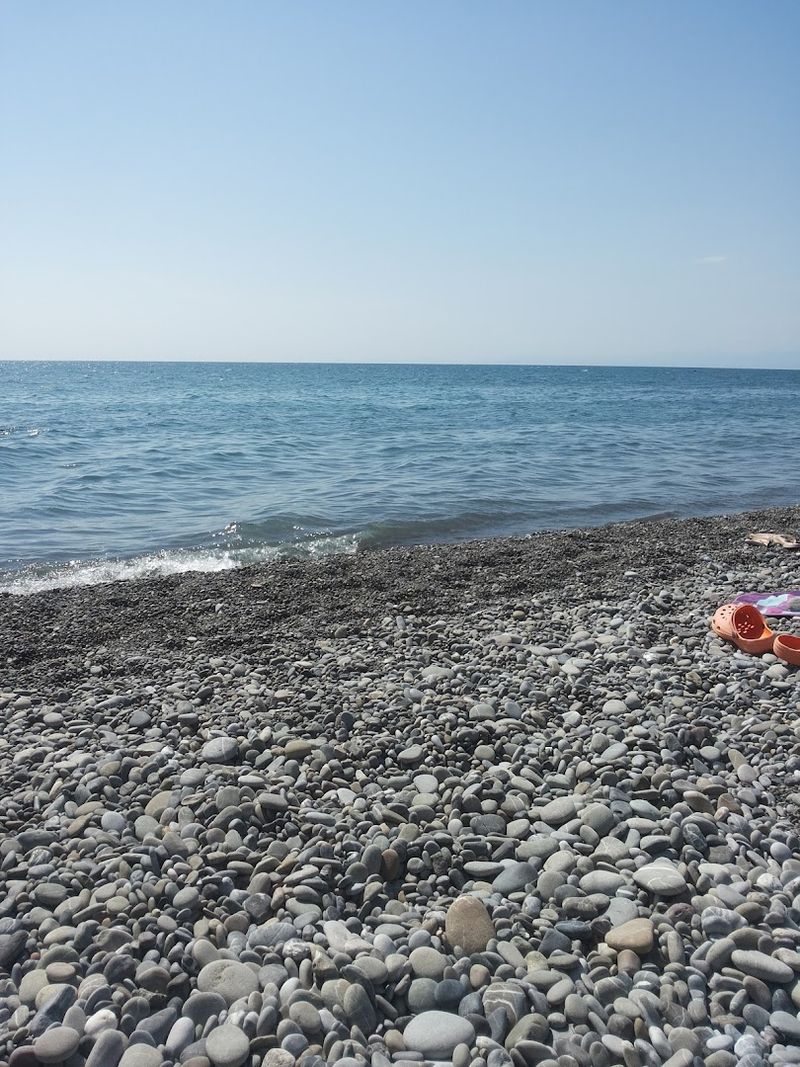
Calabria keeps winning, and Amendolara is proof. Tucked along the Ionian coast, this small town earned its first Blue Flag recognition for 2026, with the awarded stretch covering Lido Ogigia and Torre Spaccata.
That’s not just a mouthful of a name, it’s a seriously underrated coastal gem.
The Ionian side of Calabria is known for its calm, crystal-clear water and long sandy beaches that somehow stay quieter than you’d expect. Amendolara sits in the province of Cosenza, surrounded by lush hills that roll right down toward the sea.
The combination of clean water, good beach services, and environmental management is exactly what earned it the flag.
If you want Calabria without the crowds, this is your spot. Pack light, show up early, and grab a good position before word gets out.
Trust me, it won’t stay this quiet for long.
Falerna, Calabria
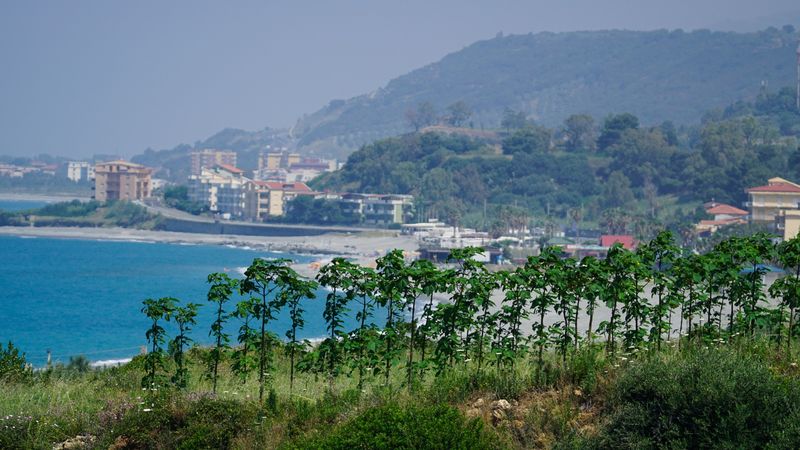
Falerna just showed up on the 2026 Blue Flag list like it had been waiting patiently for its moment. This seaside town in the province of Catanzaro sits on the Tyrrhenian coast, and its awarded stretch is the Lungomare, which is basically Italian for “seafront promenade.” Fancy and accurate.
What makes Falerna worth the trip is how well-rounded it is. Clean water is just the starting point.
The Blue Flag criteria also look at beach management, waste disposal, safety equipment, and visitor services. Falerna checked every box.
That kind of certification doesn’t come from just having pretty water.
Catanzaro province doesn’t always get top billing in travel guides, but that’s exactly the point. Less hype means more space, fresher fish at the local restaurants, and a more genuine Calabrian experience.
Falerna is the kind of place you discover and then refuse to tell anyone about.
Locri, Calabria
Locri has ancient Greek roots and a brand-new Blue Flag. That’s quite the combination.
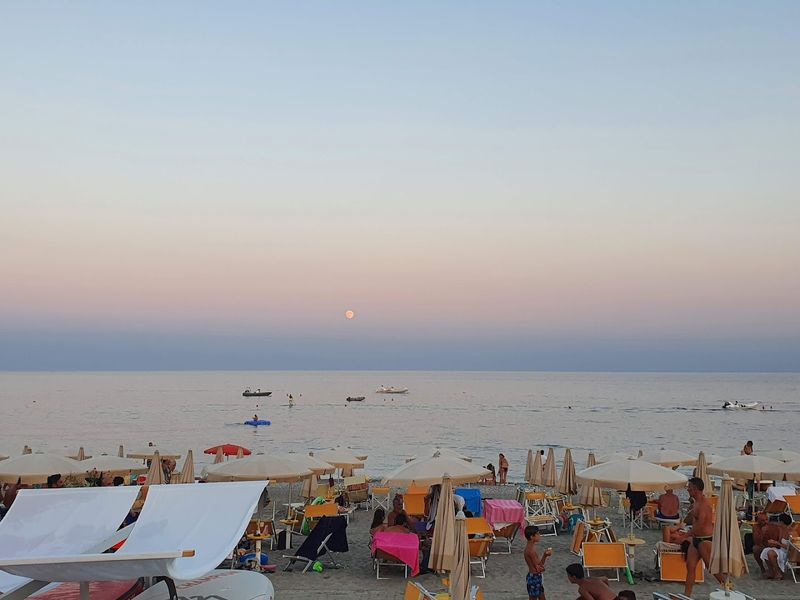
Located in the province of Reggio Calabria, the city sits on the Ionian coast and its certified stretch, Lungomare Zaleuco, is named after a lawgiver from ancient Locri Epizephyrii. History and beach access in one package.
The Ionian Sea here is famously calm and warm by midsummer, making it a solid choice for families or anyone who prefers swimming over surfing. The seafront is well-maintained and the town itself has a lively local character that doesn’t revolve entirely around tourism.
That balance is rarer than it sounds.
I visited the Calabrian Ionian coast a few years ago and was genuinely surprised by how clear the water was. Locri’s new Blue Flag status makes it official: this is a coastline that takes water quality seriously.
Add it to your southern Italy itinerary before everyone else does.
Montegiordano, Calabria
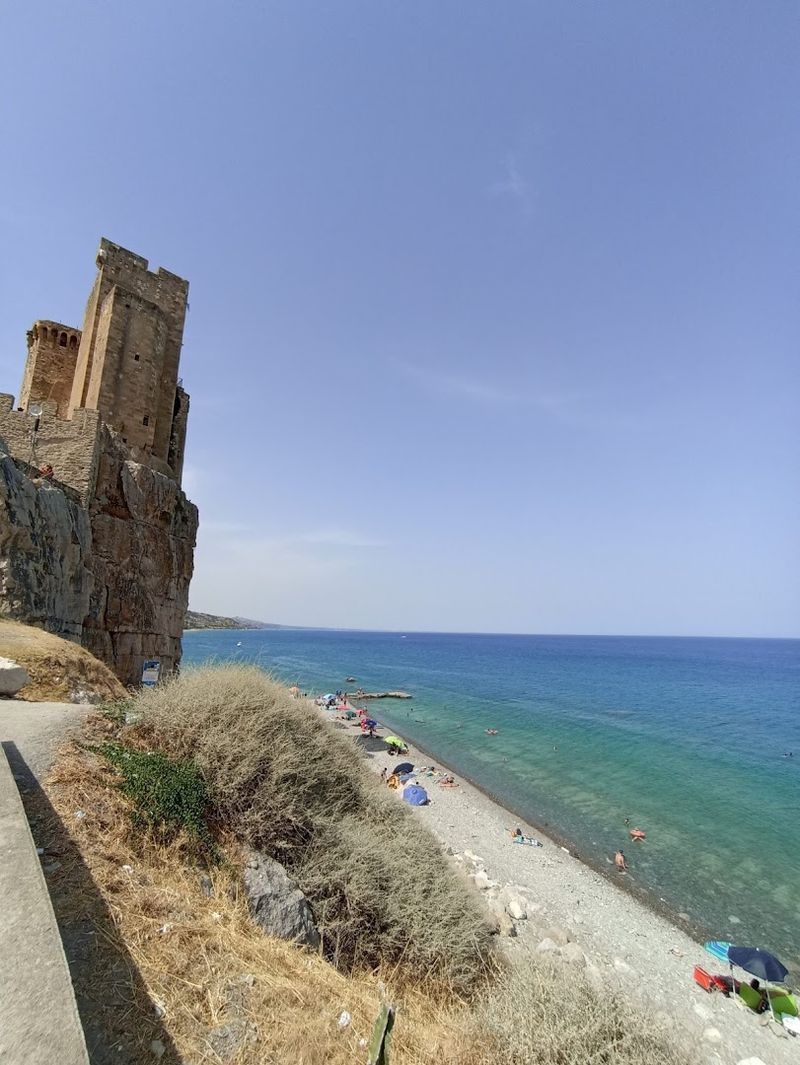
Cosenza province just got a little more beach-worthy. Montegiordano is the fourth new Calabrian entry on the 2026 Blue Flag list, and its certified beach is Marina di Montegiordano, a coastal strip that sits between the Ionian Sea and the green Pollino hinterland.
Mountains behind you, clear water ahead. Not bad at all.
Montegiordano is a small municipality, so the beach retains a laid-back, local feel that bigger resort towns have long since traded away. The Blue Flag certification means the water quality and beach management have met international standards, which is reassuring when you’re choosing where to spend a full day in the sun.
Calabria as a whole added four new Blue Flag beaches in 2026, which signals real momentum for the region’s coastal management. Montegiordano may be the quietest of the four, but sometimes quiet is exactly what a summer trip needs.
Fewer selfie sticks, more actual relaxation.
Rimini, Emilia-Romagna
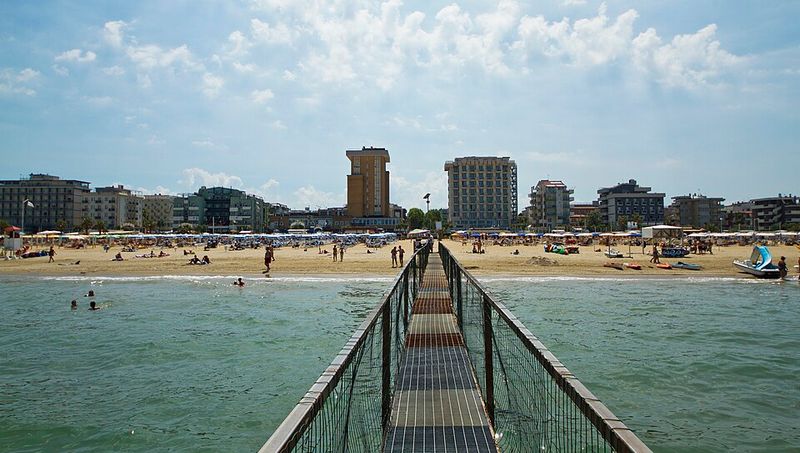
Rimini needs no introduction, but it just got a new title anyway. One of Italy’s most famous Adriatic resort cities, Rimini earned its first Blue Flag recognition in 2026 for two areas: Marina Centro and Litorale Sud.
For a city this popular, that certification is a statement about how seriously it’s taking environmental standards.
Rimini has been Italy’s go-to beach holiday destination for decades. It has the infrastructure, the nightlife, the food, and now the Blue Flag to match.
The Adriatic here is shallow and warm, which makes it especially popular with families and younger travelers who want beach days with easy access to everything else the city offers.
Getting to Rimini is straightforward. It has its own airport, a major train station, and good road connections.
If you’re planning a beach trip that also includes good pizza, gelato, and a bit of history at the Arch of Augustus, Rimini just became an even easier sell.
Andora, Liguria
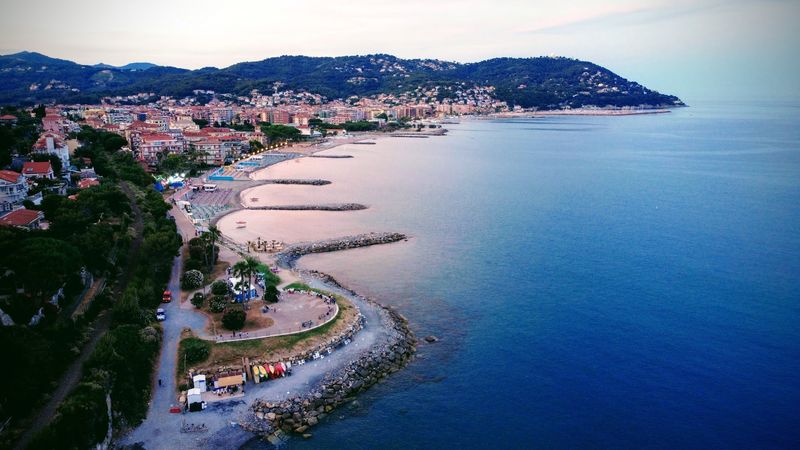
Liguria already leads Italy in total Blue Flag locations, and somehow it keeps adding more. Andora is one of the region’s new 2026 entries, with three certified beach areas: Colombina, Foce Rio Mezza’acqua, and Trinacria.
Three beaches in one town. Andora is not messing around.
Sitting on the western Ligurian Riviera between Albenga and Alassio, Andora has a relaxed pace that contrasts nicely with its more famous neighbors. The beaches here are a mix of sand and pebble, backed by colorful buildings and surrounded by hills covered in olive groves and Mediterranean scrub.
It’s the kind of place that rewards slow travel.
Ligurian beaches tend to be smaller and more intimate than those further south, which means they fill up fast in August. A tip from experience: go in June or early September when the light is still golden, the water is warm, and the beach chairs are actually available.
Andora is worth the timing effort.
Taggia, Liguria
Taggia is the kind of town that has two personalities and handles both brilliantly. The medieval upper town is all narrow lanes and stone churches, while Arma di Taggia, its seaside district, just earned a Blue Flag for 2026.
One municipality, two completely different reasons to visit.
Arma di Taggia sits right on the Ligurian Riviera, with a well-kept seafront and easy access from the A10 motorway. The beach itself is a mix of organized lidos and free areas, with the typical Ligurian combination of pebbles, clear water, and a backdrop of terraced hillsides.
Practical and genuinely pretty.
The town of Taggia is also worth exploring beyond the beach. It hosts one of Liguria’s best olive oil traditions and a weekly market that locals take seriously.
So you can spend the morning at the beach, the afternoon wandering the medieval town, and the evening eating very well. That’s a full day done right.
Limone sul Garda, Lombardy
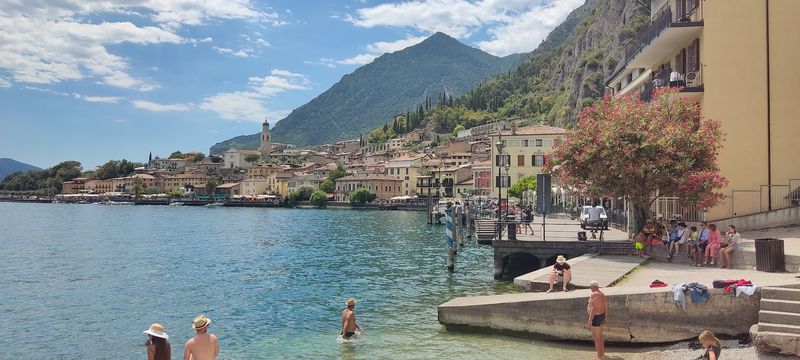
Not all Blue Flags fly over the sea, and Limone sul Garda is the proof that lakes can compete. This charming town on the western shore of Lake Garda in Lombardy earned two new 2026 Blue Flag certifications: Tifù and Cola.
Yes, a freshwater lake just beat most Mediterranean resorts on environmental standards.
Lake Garda is the largest lake in Italy, and Limone sits in one of its most dramatic stretches, where sheer cliffs drop straight into the water and lemon terraces cling to the rock face. The Blue Flag criteria apply to lake beaches too, covering water quality, safety, and environmental management.
Limone passed with flying colors.
Getting there is part of the fun. The road along the western shore is famously narrow and spectacular, hugging the cliffside above the lake.
Cyclists love it. Nervous passengers less so.
Either way, arriving in Limone feels like a reward. The Blue Flag makes staying there feel even better.
Morciano di Leuca, Puglia
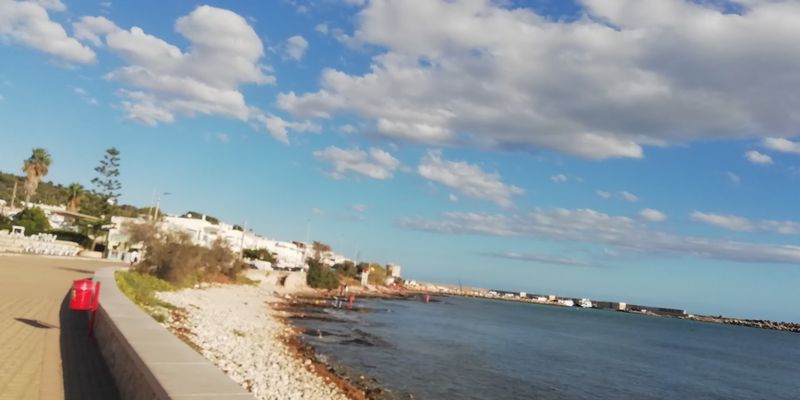
Torre Vado sits at the edge of Italy, almost literally. Morciano di Leuca, the municipality that earned a 2026 Blue Flag for this beach, is in the Salento area near the very tip of Italy’s heel.
You’re about as far south on the Italian mainland as you can get without boarding a ferry.
The Salento coastline is legendary among Italians for its color. The water shifts between electric blue, turquoise, and deep green depending on depth and light conditions.
Torre Vado fits right into that tradition, with a clean, well-managed beach that now carries official certification to back up what locals have known for years.
Salento in general is one of southern Italy’s most rewarding regions to explore. Baroque towns, strong local cuisine, and a dialect so distinct it sounds like a different language.
Torre Vado gives you a certified base from which to explore all of it. Start at the beach and work your way inland.
Tricase, Puglia
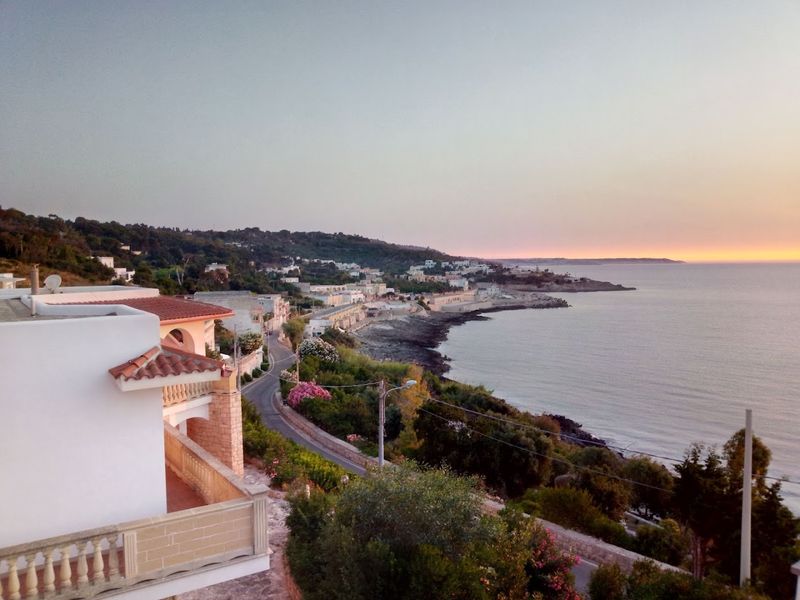
Tricase Porto and Marina Serra are two of the most photogenic spots on the entire Salento coast, and they just got Blue Flag certified for 2026. Tricase is Puglia’s second new entry this year, and anyone who has seen photos of Marina Serra will understand why it was only a matter of time.
Marina Serra is famous for its natural rock pools and dramatically sculpted coastline. The water there is the kind of clear that makes you double-check whether you’re looking at water or air.
Tricase Porto is a small fishing harbor with a genuine working character that hasn’t been polished away for tourists yet.
Getting to Tricase requires commitment. It’s deep in the Salento peninsula, far from major transport hubs, which is honestly one of its best qualities.
The drive through Salento’s flat, sun-bleached landscape dotted with ancient olive trees is an experience on its own. Arrive, drop your bag, and head straight to Marina Serra.
Priorities first.
Teulada, Sardinia
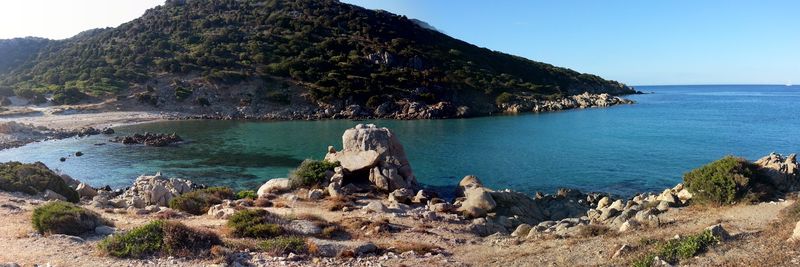
Tuerredda is regularly voted one of the most beautiful beaches in all of Italy, and it just got a Blue Flag to match the reputation. Teulada, the municipality in southern Sardinia that oversees it, earned three certified areas for 2026: Sabbie Bianche, Portù Tramatza, and Tuerredda.
Three beaches, one spectacular stretch of southern Sardinian coastline.
Sardinia’s southwest is less visited than the famous Costa Smeralda in the north, but the water quality and natural scenery are every bit as impressive. Tuerredda in particular has a small offshore island you can wade out to when the sea is calm, which is a detail that never gets old no matter how many times you do it.
Teulada itself is an agricultural town a few kilometers inland, with a quiet, authentic character. The combination of certified beaches and a non-touristy base town makes this corner of Sardinia genuinely special.
Book accommodation early. Southern Sardinia is no longer a secret.
Ispica, Sicily
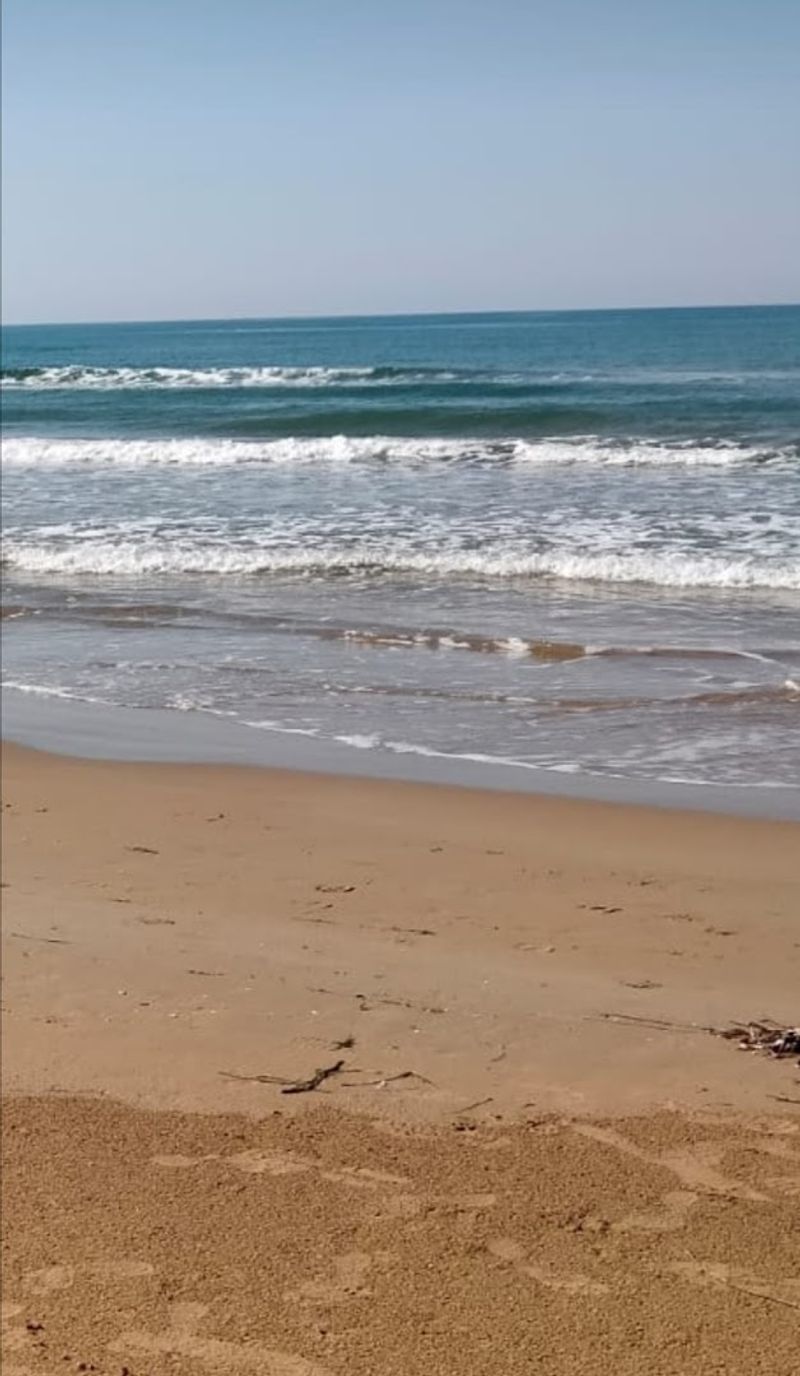
Sicily picked up two new Blue Flag entries in 2026, and Ispica is the one that surprises people most. Located in the province of Ragusa in Sicily’s deep south, Ispica is better known inland for its baroque architecture and cave dwellings than for its beaches.
But Santa Maria del Focallo just changed that narrative.
Santa Maria del Focallo is a long, flat sandy beach with shallow water that stays warm well into autumn. It’s popular with Sicilian families who know their island’s coastline far better than most travel guides do.
The Blue Flag certification confirms what they’ve been enjoying quietly for years: clean water, good facilities, and solid environmental management.
The province of Ragusa is one of Sicily’s most rewarding areas to explore. UNESCO-listed baroque towns like Ragusa Ibla and Modica are within easy reach of the coast.
Spend the morning at Santa Maria del Focallo, then drive twenty minutes inland for some of the best chocolate you’ll ever eat. Sicily rewards the curious.
Lipari, Sicily
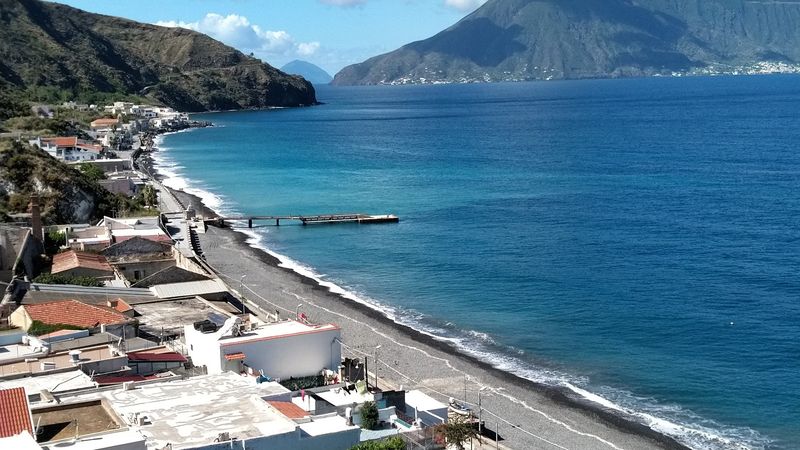
Volcanic islands with Blue Flag beaches. That sentence alone should be enough to get you booking flights.
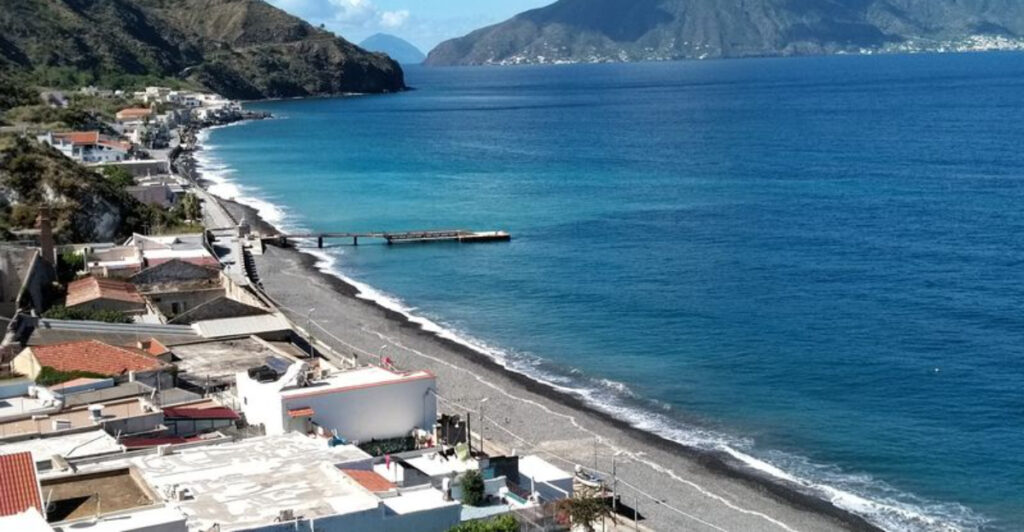
Lipari, the largest of the Aeolian Islands off northern Sicily, earned a 2026 Blue Flag for five areas: Vulcano Gelso, Acqua Calda, Canneto, Vulcano Acque Termali, and Stromboli Ficogrande. Yes, some of those are on neighboring Aeolian islands, because Lipari municipality covers a lot of ground.
The Aeolian Islands are a UNESCO World Heritage Site, and the water around them is extraordinarily clear thanks to their volcanic geology and relatively low coastal development. Stromboli Ficogrande sits at the base of an active volcano.
Acqua Calda translates to warm water, and it earns that name from geothermal activity. These are not ordinary beaches.
Getting to the Aeolians requires a ferry from Milazzo or Messina, which filters out the day-tripping crowds nicely. Stay at least three nights.
The islands change character completely after the last hydrofoil leaves in the evening, and that’s when they’re at their best.
Monte Argentario, Tuscany
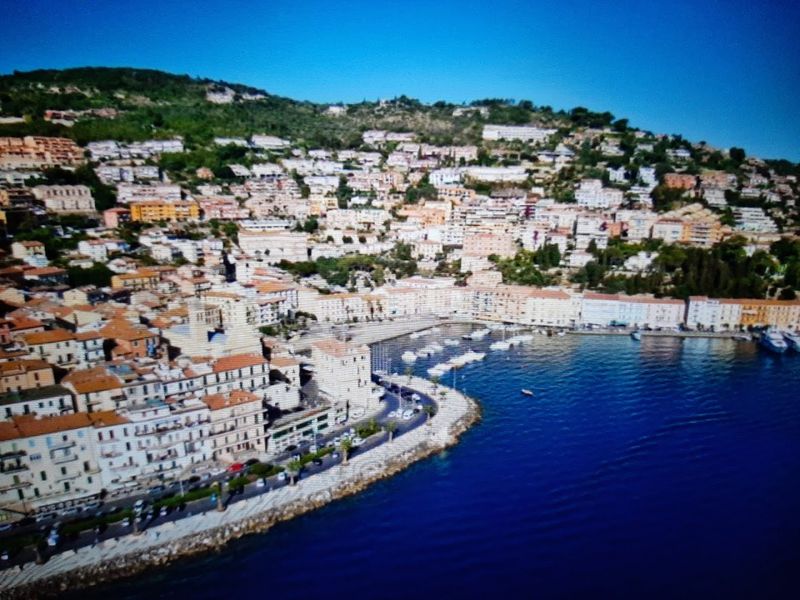
Tuscany is famous for art, wine, and rolling hills, but Monte Argentario just reminded everyone it also has a coastline worth talking about. The peninsula earned a 2026 Blue Flag for three beaches: Cala Galera, Feniglia, and Pozzarello.
Three very different spots, all on the same dramatic headland jutting into the Tyrrhenian Sea.
Feniglia is a long sandy strip backed by a protected pine forest, with water on both sides of the narrow peninsula. Cala Galera is a marina-side beach with a more polished feel.
Pozzarello is smaller and rockier, popular with locals who know where to go when the main spots fill up. Each one has its own personality.
Monte Argentario sits near the Maremma coast, a part of Tuscany that often gets skipped in favor of Florence and Siena. That’s a mistake worth correcting.
The area has Etruscan history, great seafood, and now three certified Blue Flag beaches. Tuscany contains multitudes, and Monte Argentario is one of its best-kept coastal secrets.
Share this story