 Unearth The Voyage
Every generation has its quirks, but some habits from the Baby Boomer era leave Gen Z scratching their heads in confusion. From outdated technology to social customs that feel totally out of touch, these traditions create a cultural gap that’s hard to ignore. While Boomers might defend these practices as normal or even essential, younger folks see them as awkward relics from another time.
1. Keeping a Receipt for Everything

Boomer logic says if you do not have the receipt, it did not happen. Filing cabinets stuffed with paper slips for every purchase became standard practice for tracking expenses and returns.
To be fair, receipts do matter for records, returns, and proof of purchase. The IRS even requires documentation for certain deductions, making this habit practical in many situations.
Gen Z just prefers email copies and digital tracking instead. Cloud storage and apps make paper receipts feel like clutter, even if the underlying principle still holds value today.
2. Printing Directions Like It’s a Sacred Ritual
The pre-GPS era made printing turn-by-turn directions a standard move before any road trip. MapQuest became a household name, and people carefully highlighted routes on crinkled paper.
Gen Z cannot relate to walking around with wrinkled instructions that basically scream you will miss this exit. Real-time navigation apps update automatically and reroute when you take a wrong turn.
Printing directions now feels like preparing for a journey to another century. The ritual of planning, printing, and folding maps is charming in theory but wildly impractical compared to modern technology.
3. Writing Checks at the Grocery Store

Checks still exist, but Americans have steadily shifted away from paper payments like cash and checks. The Federal Reserve tracks this decline as digital transactions take over.
For Gen Z, watching someone fill out a check mid-line feels like a time-warp and a slowdown. Balancing a checkbook, finding a pen, and writing out amounts in cursive creates bottlenecks at busy registers.
Debit cards, mobile payments, and tap-to-pay options make checkout faster and more convenient. The check-writing ritual now symbolizes resistance to change rather than financial responsibility for younger shoppers.
4. You’ll Have to Speak to My Manager

This phrase became the blueprint for the modern Karen stereotype, where minor issues escalate into dramatic confrontations. Demanding to see authority figures over small problems turns customer service into a stage performance.
The association is well documented in how the meme is described across social media and cultural commentary. Gen Z recognizes this behavior as entitled and unnecessarily aggressive toward workers.
Younger generations prefer resolving issues calmly or leaving reviews online instead. The manager-summoning approach feels outdated and embarrassing, especially when the complaint could be handled with basic communication and patience.
5. Fax Machines (Still!)
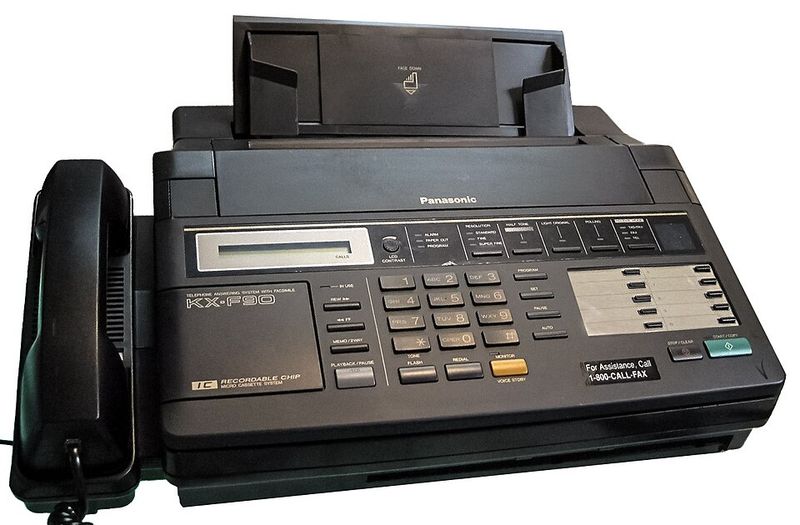
Faxing is not just a dusty office relic—the technology remains real and surprisingly active. Even U.S. HHS guidance includes examples where medical information may be faxed for treatment purposes under certain conditions.
Encyclopedia Britannica confirms fax technology transmits documents over phone lines, a process that feels ancient compared to email attachments and cloud sharing. Gen Z just cannot believe it is still in the chat.
The persistence of fax machines in healthcare and legal settings baffles younger workers. What once seemed cutting-edge now represents bureaucratic inertia and resistance to adopting more efficient digital solutions.
6. The Back in My Day Lecture

Nostalgia becomes a weapon when older generations use it to dismiss modern challenges. The classic setup involves comparing past hardships to present conveniences, usually ending with you have got it easy.
Gen Z tends to hear these stories as dismissive rather than wise. Context matters—walking uphill both ways might have built character, but it does not address student debt or housing costs today.
Young people do not hate stories; they hate the implication that struggle equals virtue. Sharing experiences works better when it builds connection instead of creating a competition about who suffered more back then.
7. Holding Onto a Landline Just in Case

Landlines have been fading for years, with NCHS and CDC reporting showing most U.S. adults now live in wireless-only households. The landline-only demographic has shrunk to a tiny fraction of the population.
Keeping a landline now can feel like paying extra to preserve a museum exhibit. Emergency arguments lose weight when cell phones work just as well, if not better, for urgent calls.
Gen Z sees the monthly bill as wasted money for a phone that never rings. The just in case mentality reflects anxiety about change rather than practical necessity in a world dominated by mobile devices.
8. Saving Every Plastic Container Like It’s Treasure

The do not throw that out – I will use it instinct runs deep among Boomers who grew up valuing resourcefulness. Margarine tubs, yogurt cups, and takeout containers pile up in kitchen cabinets for future leftovers.
Extensions and food-safety guidance even discuss which packages are meant for reuse or reheating and which are not. Gen Z just prefers purpose-built containers designed for durability and microwave safety.
Mismatched lids and mystery containers create kitchen chaos that younger generations avoid. While the environmental intent is admirable, modern reusable storage offers better organization and fewer questionable plastic chemicals leaching into food.
9. Treating Cursive Like a Personality Trait

Cursive instruction declined in many places partly because it was not included in original Common Core standards. Yet the script is also resurging in various states as educators debate its cultural and cognitive value.
ERIC research documents this ongoing debate over cursive relevance in modern education. Gen Z mostly sees it as optional until they cannot read someone’s handwriting on a card or note.
Boomers often tie cursive to identity and proper education, making it a point of pride. For younger folks, typing skills matter more than elegant loops, and the insistence on cursive feels like nostalgia masquerading as necessity.
10. The Physical Family Photo Album
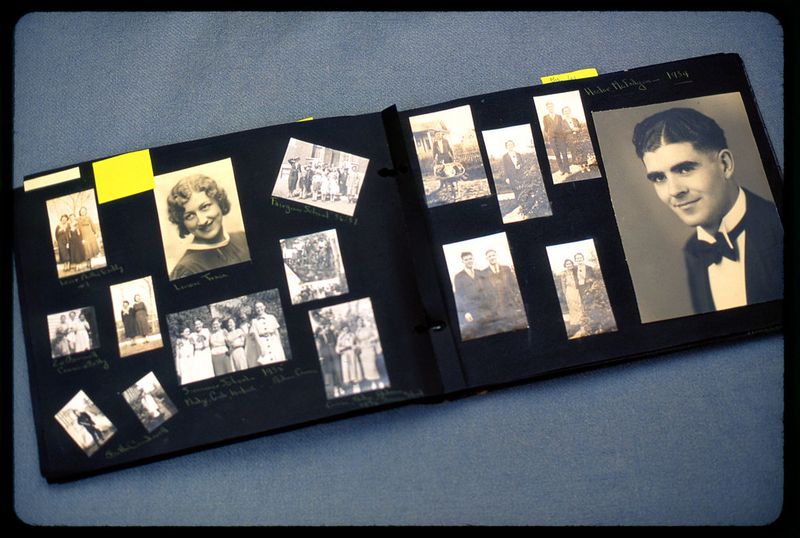
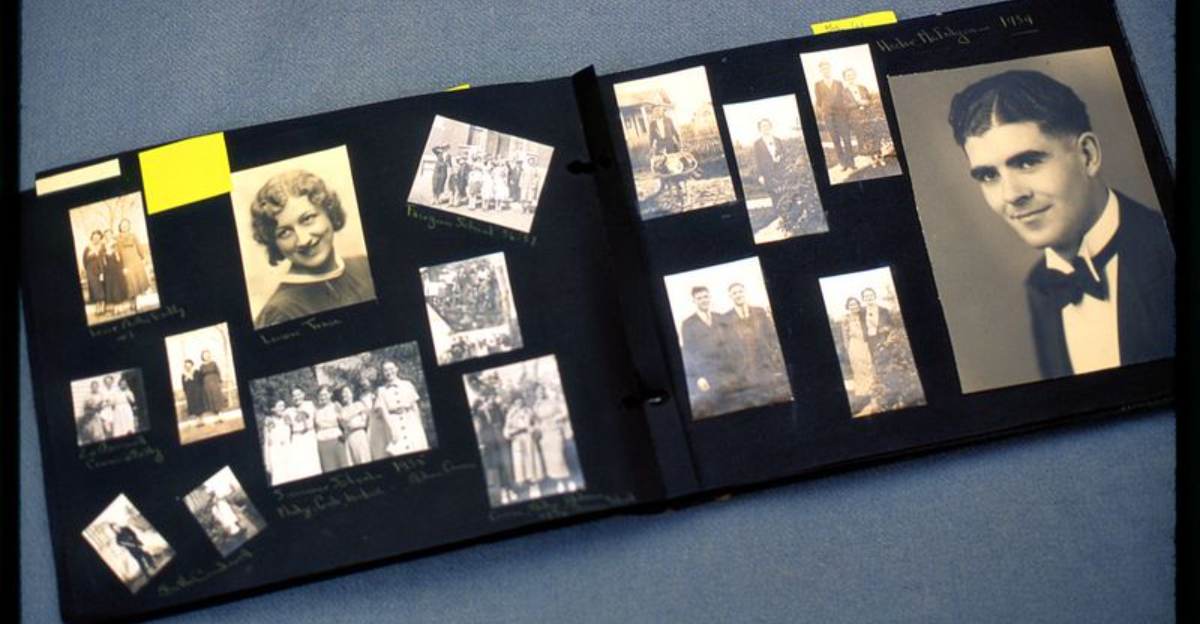
Photo albums are a real, longstanding format for collecting prints in a book. Wikipedia confirms their history as a way to preserve and display memories in tangible form for generations.
Gen Z still likes memories—they just want them searchable, shareable, and not stuck to sticky pages forever. Cloud storage and social media make photos accessible anywhere without lugging around heavy books.
The ritual of flipping through albums has charm, but it lacks convenience. When photos live on phones and computers, they can be edited, shared instantly, and backed up automatically without worrying about fading or water damage.
11. Refusing Self-Checkout on Principle
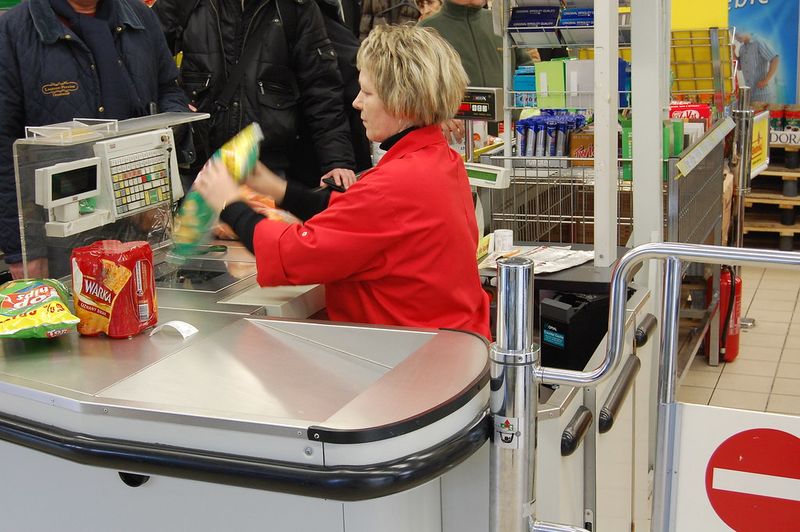
Evidence shows a generational split in shopping preferences. Younger shoppers are more likely to prefer self-checkout for speed and control, while older shoppers often prefer traditional cashier lanes for personal interaction.
Gen Z sees refusal as stubbornness, especially when lines are long and self-checkout stands empty. Boomers see it as sanity, arguing that customers should not do the store’s work for free.
Both sides have valid points about convenience versus labor concerns. However, the dramatic opposition to scanning your own groceries feels performative to younger generations who value efficiency and independence over proving a point.
12. Hard Work Always Pays Off

The belief is classic and deeply held among Boomers who came of age during economic expansion. Hard work equaled success in a world with affordable housing, pensions, and upward mobility.
Younger adults are more skeptical about the American Dream being achievable in practice. Surveys show meaningful generational differences in how people view that dream today, with economic barriers feeling steeper.
Gen Z does not reject hard work – they reject the myth that effort alone guarantees success. Rising costs, stagnant wages, and student debt make the promise feel hollow, turning the phrase into awkward advice that ignores structural realities.
13. The ALL-CAPS Review Rant

The internet has been calling ALL CAPS shouting since the early netiquette days. Digital communication etiquette established that capital letters convey anger or urgency, making them inappropriate for normal conversation.
When someone goes full CAPS LOCK in reviews, Gen Z reads it as instantly unhinged rather than persuasive. The format suggests the writer lost control, which undermines their credibility no matter how valid the complaint.
Boomers sometimes use caps for emphasis, not realizing the social context has shifted. What feels like making a point comes across as yelling, turning potentially helpful feedback into comedy material for younger readers scrolling reviews.
14. Collecting Hummel Figurines

Hummel figurines are a real collectible line originating in the 1930s with a long-running collector market. These porcelain pieces feature children in pastoral scenes, valued by enthusiasts for their craftsmanship and nostalgia.
To Gen Z, they often look like clutter with emotional backstory. The sentimental attachment Boomers feel does not translate to younger generations who prefer minimalist decor and digital entertainment.
Display cabinets full of tiny ceramic children feel outdated and slightly eerie to modern tastes. While the collectibles hold monetary and sentimental value for some, Gen Z sees them as dusty heirlooms taking up space better used for plants or tech.



