Bali is home to some of the most stunning temples on the planet, and I say that after spending two weeks wandering between clifftops, rice paddies, and misty highland lakes trying to find them all. These sacred sites are not just pretty backdrops for photos; they are living, breathing places of worship that have shaped Balinese culture for centuries.
From temples perched on volcanic slopes to ones that seem to float on water, each one has its own personality and story. Whether you are a first-time visitor or a seasoned Bali traveler, these 14 temples will genuinely stop you in your tracks.
Pura Luhur Uluwatu
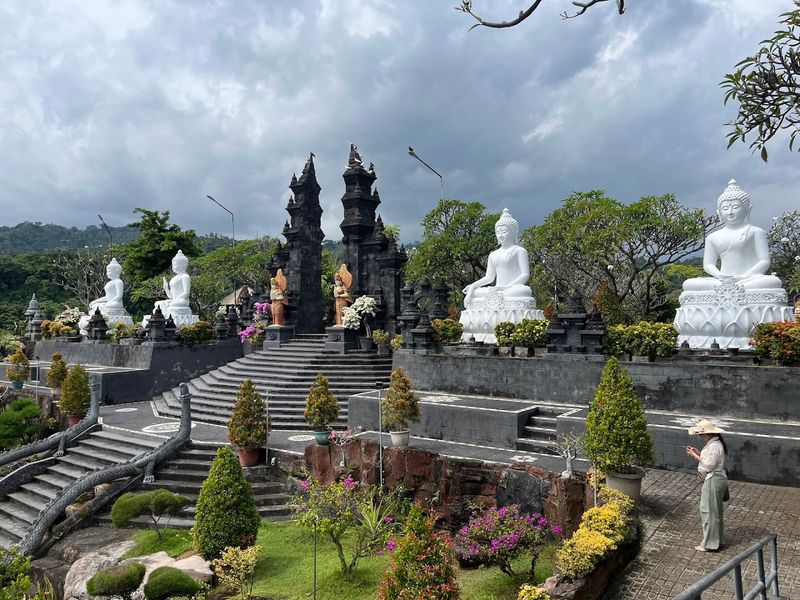
A monkey once stole my sunglasses here, and honestly, I respect the hustle. Pura Luhur Uluwatu sits on a sheer limestone cliff above the Indian Ocean, and the views are so dramatic that losing your eyewear almost feels worth it.
Crashing waves far below, sweeping ocean horizons, and golden sunset light make this one of the most visually powerful temple settings in all of Bali.
Uluwatu is also one of the island’s key directional temples, traditionally believed to protect Bali spiritually. That adds real weight to a visit.
Most travelers arrive in the late afternoon, when the cliff walk glows and the famous Kecak fire dance begins nearby.
Keep a firm grip on your phone, sunglasses, and anything shiny. The resident monkeys are bold, clever, and completely shameless.
Come for the spiritual atmosphere, stay for the sunset, and leave with all your belongings if you can manage it.
Tanah Lot Temple
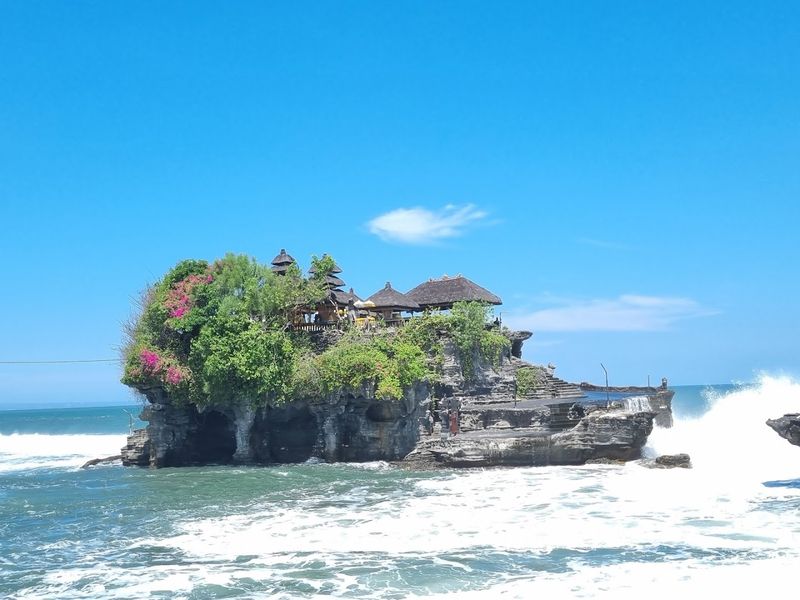
Few temples in the world pull off the floating-on-the-ocean trick quite like Tanah Lot. Built on a rocky offshore formation, this sacred Hindu temple literally sits in the sea, which is exactly what its name suggests.
At sunset, it turns into a dark silhouette against a blazing sky, and every camera within a half-mile radius starts clicking at once.
Tanah Lot remains one of Bali’s most visited and actively promoted attractions. Indonesia’s official tourism sources consistently rank it among the island’s top iconic landmarks.
Access near the rock depends on the tide, and some areas have seen phased restoration work, so a few spots may be restricted.
Go with realistic expectations about the crowds, because this place is popular for very good reason. The view is genuinely spectacular, and no amount of tourist buzz changes the fact that standing near a sea temple at golden hour feels pretty extraordinary.
Pura Besakih
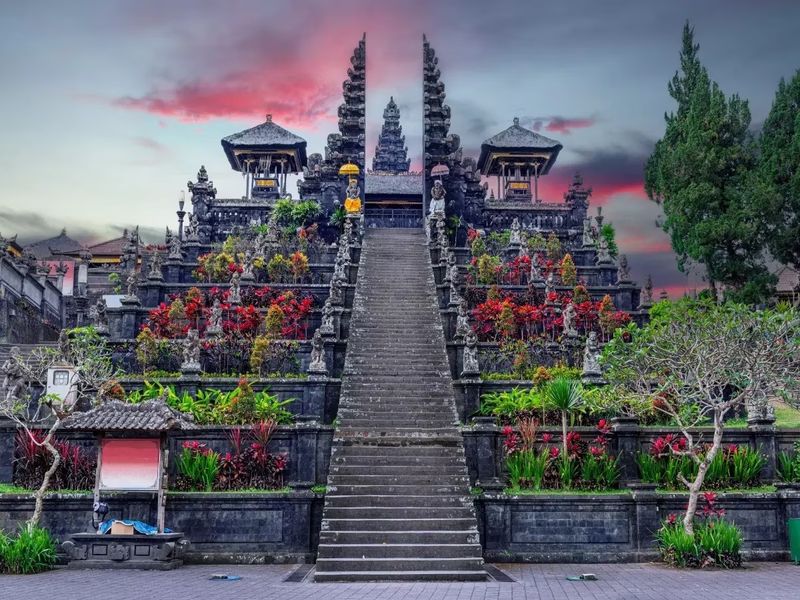
They call it the Mother Temple, and Pura Besakih earns that title with zero argument. Sitting on the slopes of Mount Agung, Bali’s highest and most sacred volcano, this is not one temple but an entire complex of shrines, courtyards, and tiered meru towers stretching up the mountainside.
The scale alone is staggering. Long ceremonial stairways, black volcanic stonework, and clouds drifting across the mountain behind the complex give Besakih an atmosphere that feels genuinely ancient and alive.
This is the spiritual heart of Bali, and every element of the architecture seems to know it.
For travelers who want to understand what Balinese Hinduism looks like at its most complete and powerful, Besakih is non-negotiable. Dress respectfully, hire a local guide to navigate the complex properly, and set aside a good chunk of time.
Rushing through this place would be like skimming the last chapter of a great novel.
Pura Ulun Danu Beratan
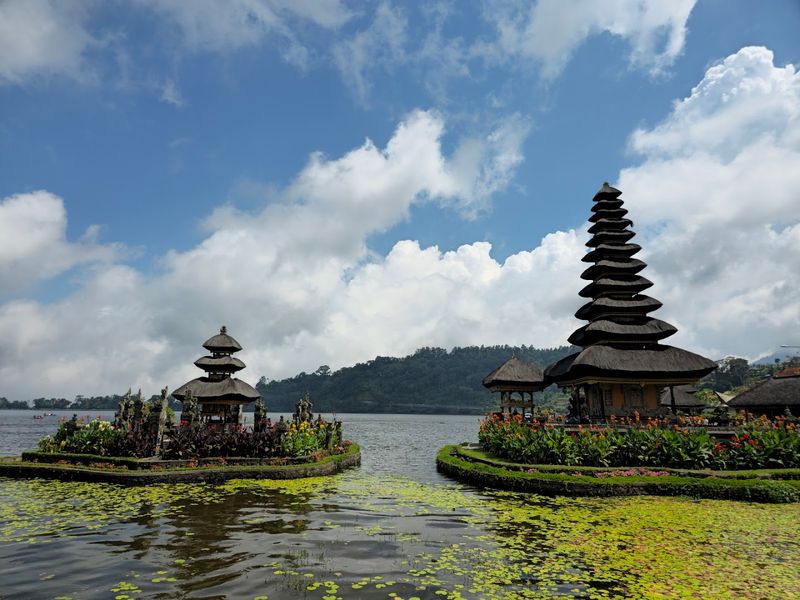
Built around 1663 and dedicated to Dewi Danu, the goddess of lakes and water, Pura Ulun Danu Beratan has the kind of dreamy quality that makes you question whether you wandered into a painting. When Lake Beratan is high, the multi-tiered shrines appear to float directly on the water, surrounded by mist and cool highland air.
Located in the Bedugul highlands, this temple has a softer, quieter beauty than Bali’s dramatic sea-cliff temples. The surrounding gardens, mountain backdrop, and reflective lake surface create an atmosphere that feels genuinely meditative rather than just scenic.
Morning visits are best for catching the mist before it burns off. The combination of cool temperatures, still water, and towering shrines makes for some of the most naturally beautiful photography in all of Bali.
Come early, bring a light jacket, and prepare to stand very still while you take it all in.
Tirta Empul Temple
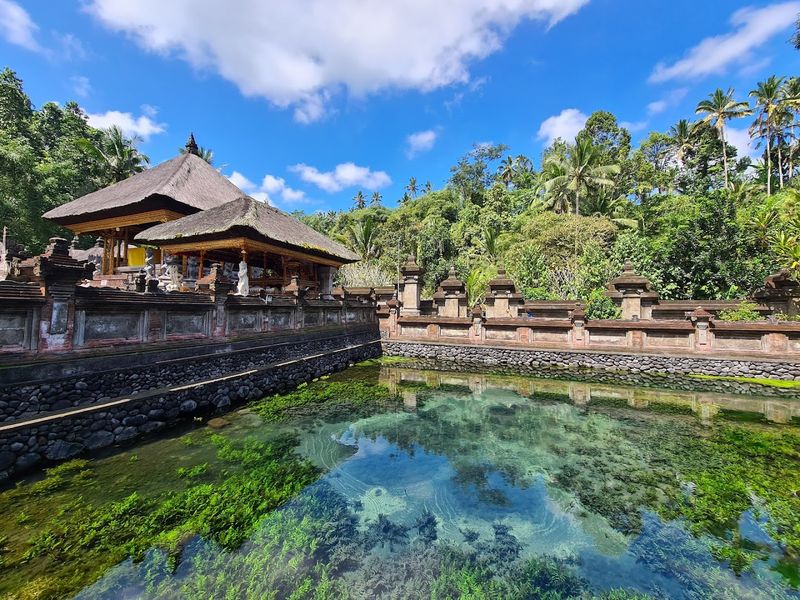
Founded in 926 A.D., Tirta Empul is old enough to have seen empires rise and fall, and it is still in full, active use today. This sacred water temple near Tampaksiring is famous for its holy spring pools, where Balinese Hindus come to perform purification rituals that have been practiced for over a thousand years.
The pools are fed by natural springs, and the ritual involves moving through a series of stone spouts while praying and cleansing. Visitors may be able to participate respectfully, but this is absolutely not a photo opportunity dressed up as a cultural experience.
Wear proper temple clothing, follow instructions carefully, and approach the whole thing with genuine respect.
The spiritual energy here is palpable in a way that even the most casual visitor tends to notice. Tirta Empul is proof that beauty does not always come from a view.
Sometimes it comes from something far older and quieter than scenery.
Pura Taman Ayun
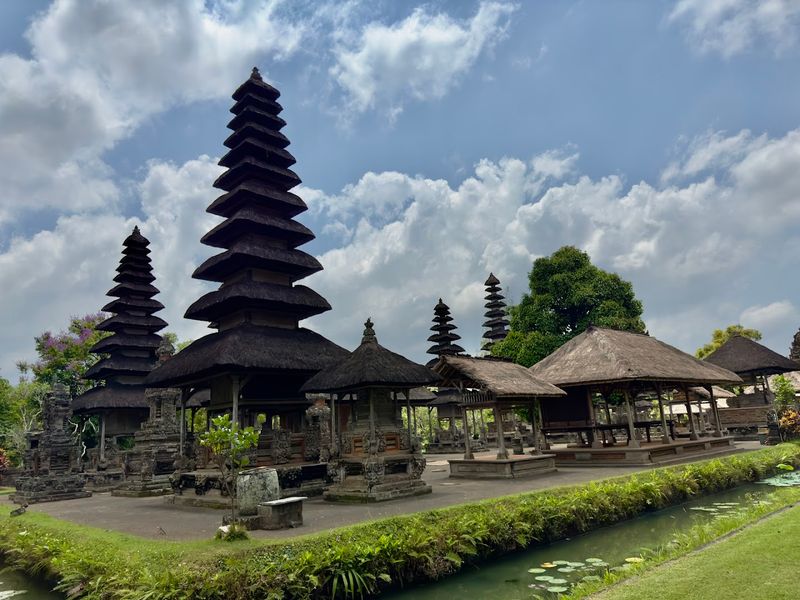
Pura Taman Ayun is what happens when an 18th-century Balinese king decides to build something truly elegant. Located in Mengwi, this UNESCO-listed royal water temple is all symmetry, serenity, and architectural confidence.
Wide courtyards, lotus-filled moats, and rows of tall meru shrines line up with the kind of precision that makes you want to slow down and actually look.
UNESCO recognizes Pura Taman Ayun as one of the largest and most impressive examples of its architectural type on the island. The surrounding moat reflects the shrines beautifully, especially in soft morning light.
It is part of the Cultural Landscape of Bali Province, which means its importance goes well beyond aesthetics.
This temple tends to be less crowded than some of Bali’s bigger names, which makes it even better. You can actually walk through the outer grounds at a relaxed pace, take in the details, and appreciate the craftsmanship without elbowing anyone for a view.
Pura Luhur Batukaru
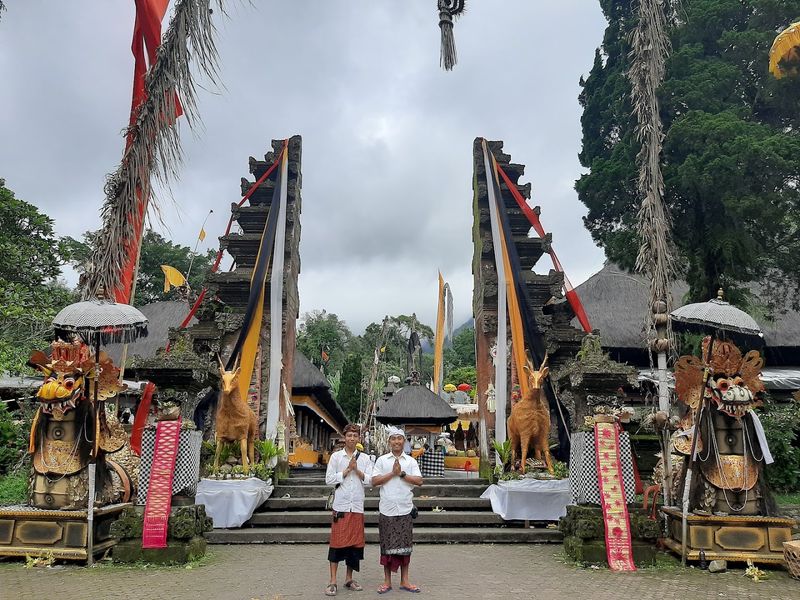
If a temple could have a personality, Pura Luhur Batukaru would be the quiet, deeply thoughtful one in the corner who turns out to be the most interesting person in the room. Tucked into the rainforest on the slopes of Mount Batukaru in Tabanan, this temple trades ocean drama for something greener and more meditative.
Bali.com describes it as one of the most visually stunning garden temples on the island, and current travel sources link it to Bali’s sacred spiritual geography. The mossy stonework, dripping forest canopy, and cool mountain air give it an atmosphere that feels genuinely removed from the tourist trail.
Batukaru rewards visitors who are not in a hurry. Wander the grounds slowly, listen to the forest, and appreciate a temple that has not been polished for Instagram.
It is one of those places where the quiet hits you harder than any dramatic view ever could.
Gunung Kawi Temple
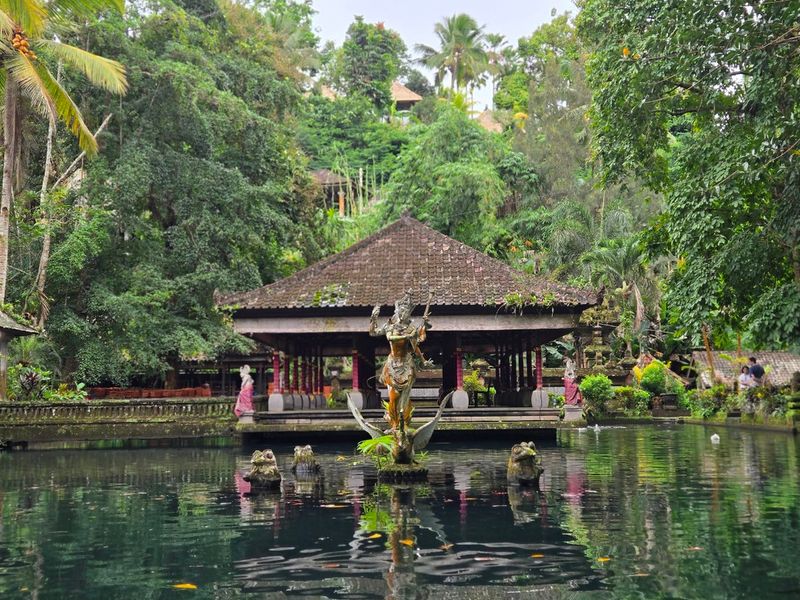
Most temples you walk toward. Gunung Kawi you descend into, through rice terraces and stone steps, until a river valley opens up and you find yourself face-to-face with giant shrines carved directly into cliff faces.
It is the kind of arrival that earns a genuine gasp.
Often dated to the 11th century, the complex lines the Pakerisan River with tall candi shrines cut from solid rock. There are no polished visitor facilities or gift shops crowding the entrance.
The whole experience feels closer to stumbling onto an ancient hidden sanctuary than ticking off a tourist attraction.
The descent requires comfortable shoes and a reasonable level of fitness, because the steps are steep and the path is long. Every step down is worth it.
Few places in Bali deliver the same sense of discovery, and the lush green valley framing those ancient rock-cut monuments is one of the most genuinely striking scenes on the island.
Goa Gajah Temple
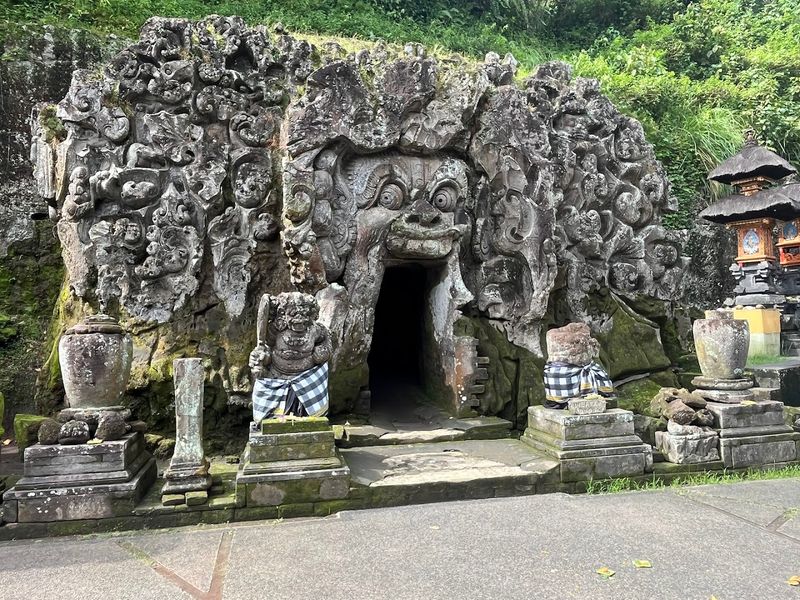
The entrance to Goa Gajah looks like it was carved by someone who had very strong opinions and a lot of time on their hands. A dramatic stone face frames the cave mouth, with wide eyes and an open mouth that gives the whole thing a delightfully eerie quality.
Known as the Elephant Cave, this small but fascinating complex near Ubud punches well above its weight.
Beyond the famous entrance, the site includes ancient bathing pools, courtyards, and jungle-covered remains that hint at a much larger past. Current visitor guides describe it as historically important and easy to combine with other Ubud-area cultural stops.
It may not have the grand scale of Besakih or the scenic lakeside beauty of Ulun Danu Beratan, but Goa Gajah has something those temples do not: a genuinely strange and memorable atmosphere. This is the temple that sticks with you long after the bigger ones start to blur together.
Pura Lempuyang
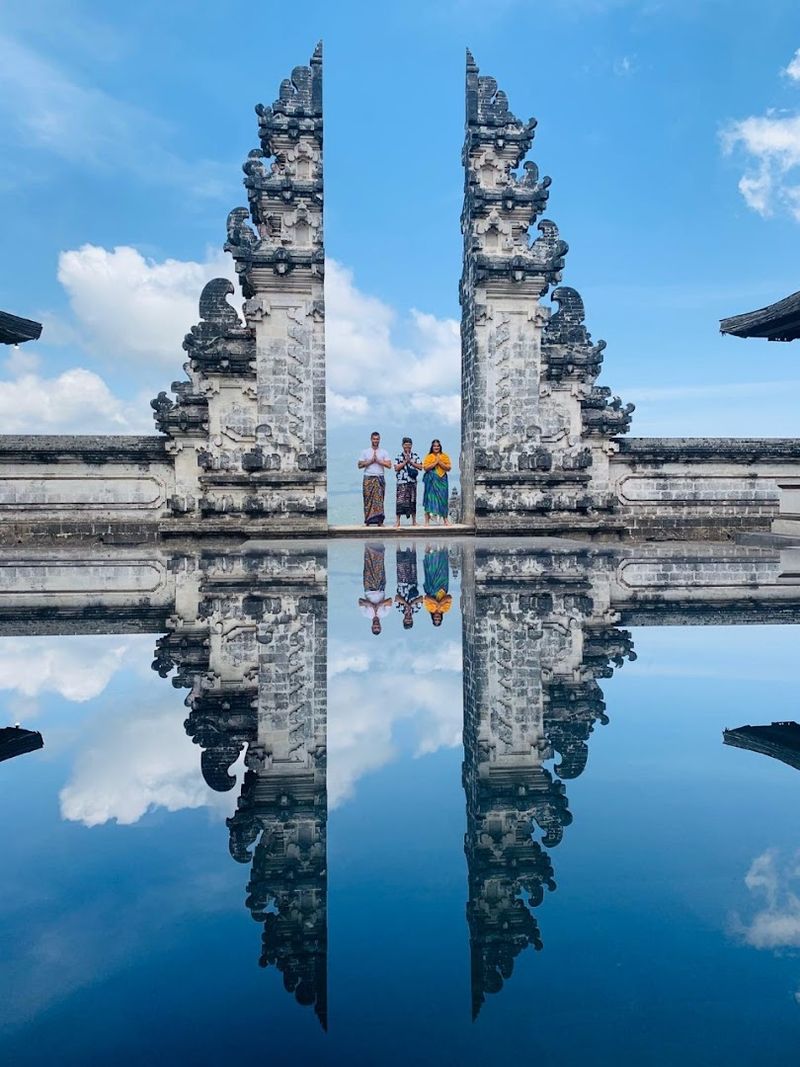
The Gates of Heaven photo from Pura Lempuyang is one of the most shared images in Bali travel history, and yes, the reflection is created with a mirror held below the camera. Now that we have that out of the way, the actual temple complex is genuinely spectacular and worth every step of the climb.
Located in the Karangasem region of East Bali, Lempuyang is considered one of the island’s oldest and most spiritually significant Hindu temple complexes. Mount Agung framed between the split gates, even without the mirror trick, is a genuinely powerful sight.
The mountain setting and layered spiritual importance make this more than just a photo stop.
Arrive early to beat the queue for the famous shot, and bring comfortable footwear for the climb. Go in with realistic expectations about the wait, and stay for the full experience.
The temple deserves more than a quick snap and a retreat back down the hill.
Pura Kehen
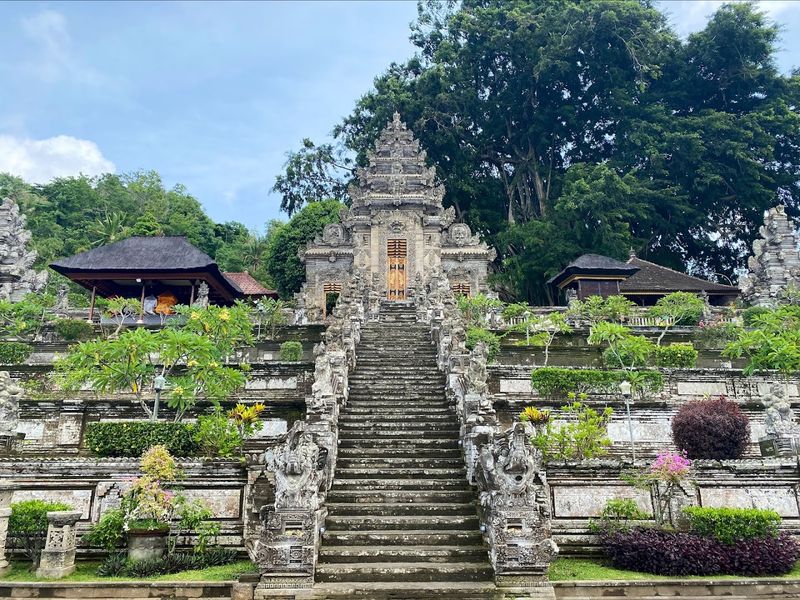
Pura Kehen in Bangli is the temple that serious Bali travelers mention quietly to each other like a good restaurant tip. Less visited than the southern circuit favorites, it rises up a hillside through stone terraces, carved guardian statues, and ornate gateways that showcase some of the finest architectural detail on the island.
Current travel sources describe it as a historic temple welcoming respectfully dressed visitors during daylight hours. The real star of the grounds is an ancient banyan tree that spreads across the inner courtyard with the kind of authority that only very old trees possess.
The beauty here is architectural rather than panoramic. No sweeping ocean views or misty lakesides, just exceptional stonework, calm courtyards, and an atmosphere that feels genuinely unhurried.
Pura Kehen is the kind of temple that rewards people who slow down and actually look at what is in front of them.
Pura Goa Lawah
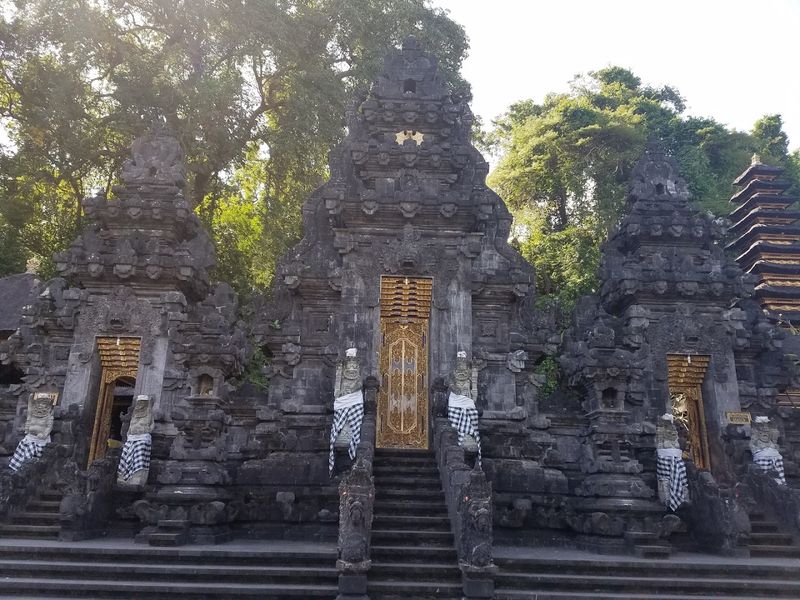
Thousands of bats live inside this temple, and that is not a problem. That is the whole point.
Pura Goa Lawah, the Bat Cave Temple in Klungkung, is built directly around the mouth of a cave inhabited by a very large and very active bat colony, creating a sacred site that is genuinely unlike anything else in Bali.
Travel sources identify it as an 11th-century temple associated with the revered Hindu scholar Mpu Kuturan and one of Bali’s significant holy sites. The location near the coast makes it a natural stop on the route to or from East Bali.
It sits close to a main road, so it is not the quietest temple experience available.
The eerie cave atmosphere, the constant rustle of wings, and the ritual offerings placed at the entrance make Pura Goa Lawah unforgettable. Some temples impress with views.
This one impresses with something altogether weirder, and that is exactly why it belongs on this list.
Pura Ulun Danu Batur
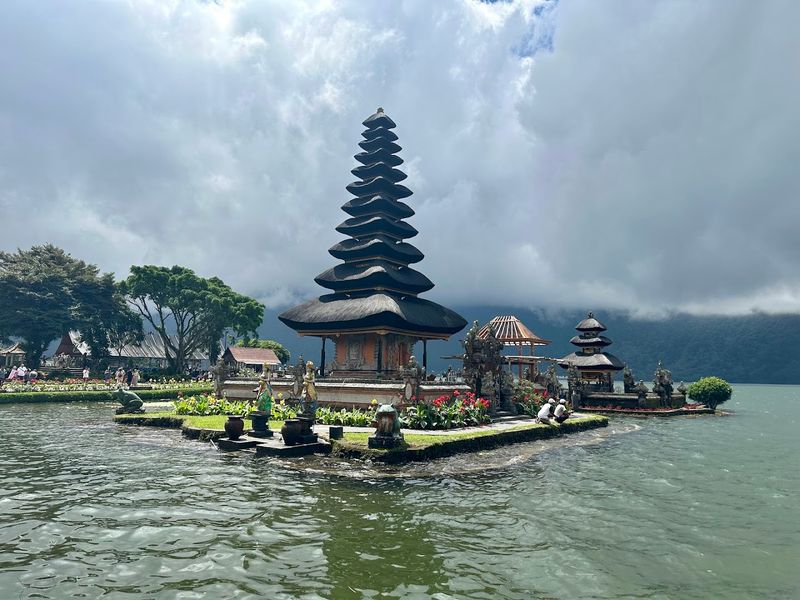
Pura Ulun Danu Batur does not get the Instagram fame of its highland cousin Ulun Danu Beratan, but UNESCO has something to say about its importance. Recognized as the Supreme Water Temple connected to Lake Batur and Bali’s traditional Subak water management system, this temple is culturally central to the entire island’s agricultural and spiritual life.
The setting near the volcanic landscape of Kintamani gives it a raw, powerful atmosphere that the more manicured lake temples simply cannot replicate. The caldera backdrop is dramatic, and the temple’s connection to Bali’s sacred water systems adds layers of meaning that go well beyond the visual.
Visiting here feels like understanding Bali from the inside out rather than from a postcard. The spiritual and cultural weight of this place is significant, and travelers who take the time to learn about the Subak system before arriving will appreciate every detail of what they are standing in front of.
Pura Saraswati Ubud
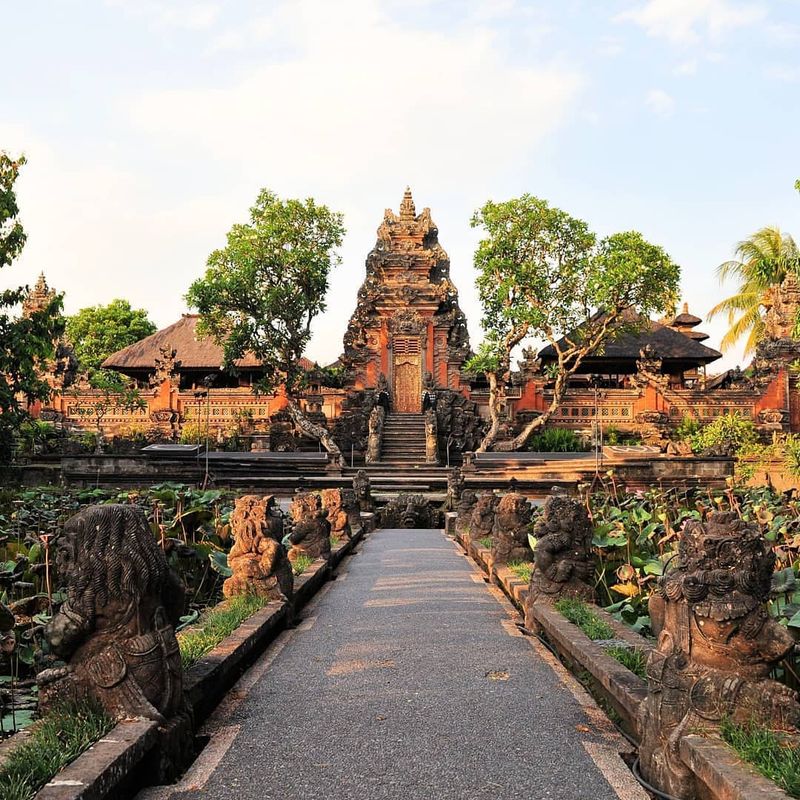
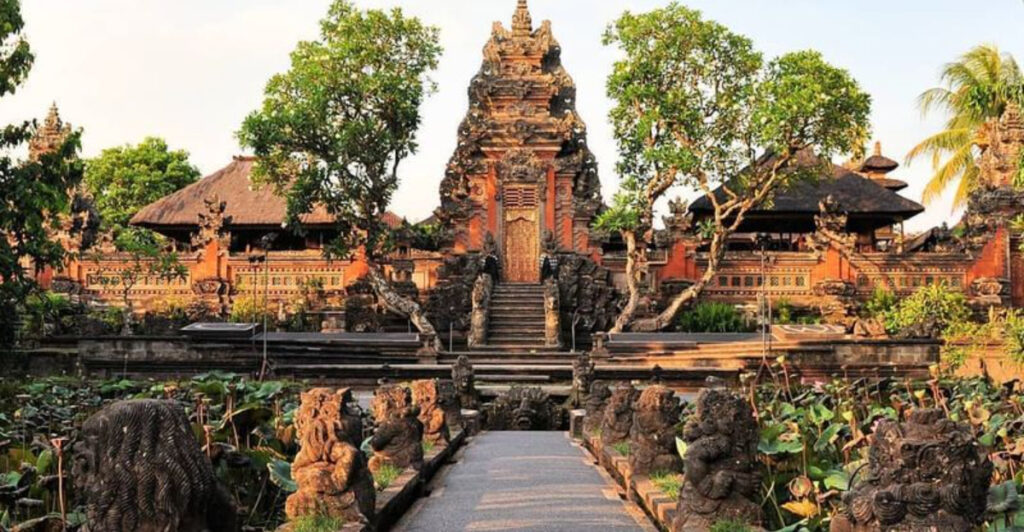
Right in the middle of central Ubud, between the cafes and the art galleries, Pura Saraswati proves that a temple does not need to be remote to be extraordinary. Dedicated to Saraswati, the Hindu goddess of knowledge, art, and learning, it is best known for its lotus ponds and intricate Balinese stonework that seems to get more detailed the longer you look at it.
The accessibility is genuinely part of the appeal. You can visit between a coffee and a gallery browse, pause by the lotus ponds, and find yourself standing in front of one of the most graceful temple views in all of Ubud.
No long hike, no dramatic descent required.
Evening performances are sometimes held here, adding another layer of cultural richness to what is already a beautiful space. Pura Saraswati is proof that the most convenient stop on your itinerary can also be one of the most memorable.
Ubud would not be Ubud without it.
Share this story