Fame has a way of turning extraordinary talent into a double-edged story. For every standing ovation, record broken, or award won, some of history’s most gifted entertainers and artists carried personal histories that complicated their legacies in serious ways.
From courtrooms to controversy, the 20th and early 21st centuries gave us icons whose brilliance was matched only by the turbulence surrounding their names. This list looks honestly at 14 major celebrities whose remarkable abilities came packaged with behaviors, scandals, or circumstances that permanently shaped how the world remembers them.
These are not cautionary tales designed to tear anyone down. Rather, they are honest portraits of how talent and trouble can coexist in the same person, sometimes fueling each other, sometimes destroying everything built.
Understanding both sides of these public figures gives us a fuller picture of how culture, pressure, and personal choices intersect at the highest levels of fame.
1. Michael Jackson
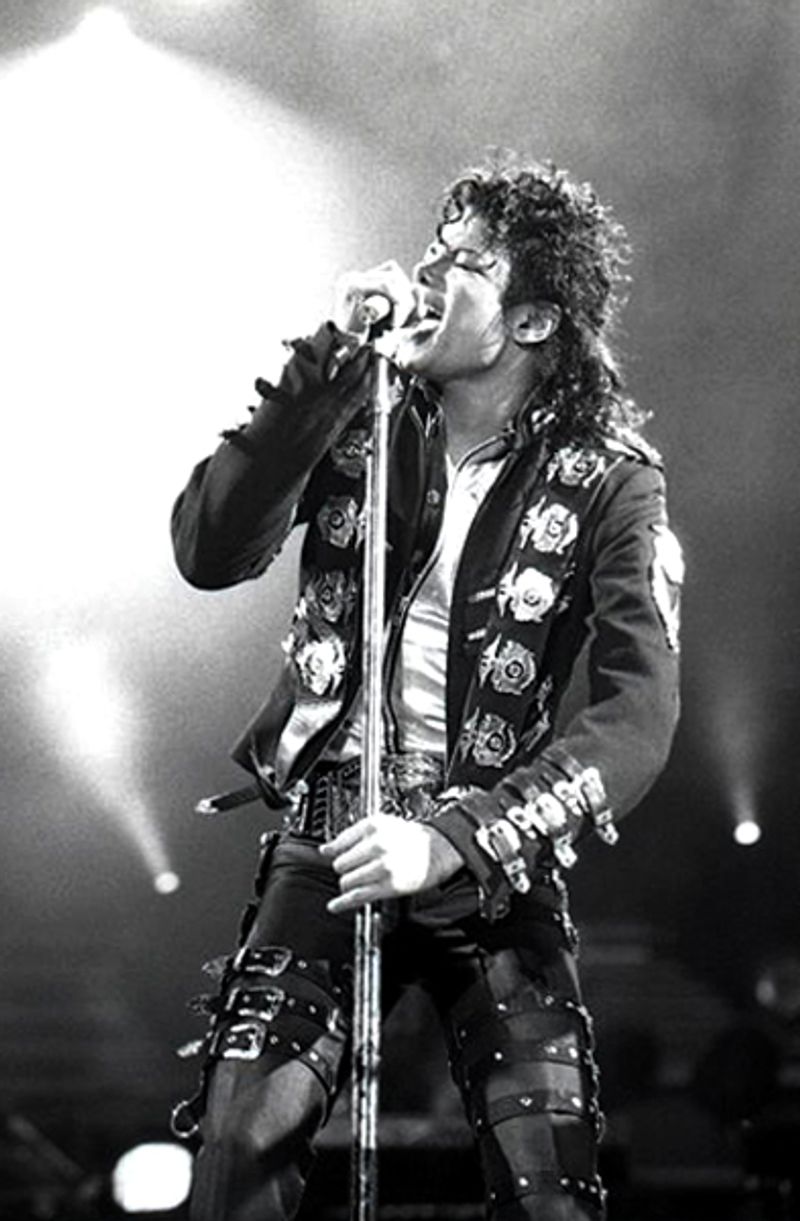
Few careers in pop music history match the scale of what Michael Jackson built between the late 1970s and early 1990s. Albums like Thriller, released in 1982, redefined what a pop record could achieve, selling over 66 million copies worldwide and turning music videos into a serious art form.
Jackson won 13 Grammy Awards and became the first Black artist to receive heavy rotation on MTV, breaking barriers that had stood for years in the music industry.
However, his personal life attracted intense scrutiny from the early 1990s onward. Allegations of child abuse led to a highly publicized trial in 2005, in which he was acquitted on all counts, but public opinion remained sharply divided.
His death in June 2009, ruled an accidental overdose of the anesthetic propofol, reignited debates about his legacy that continue today. The 2019 documentary Leaving Neverland added new voices to a conversation that shows no signs of settling.
2. Charlie Chaplin
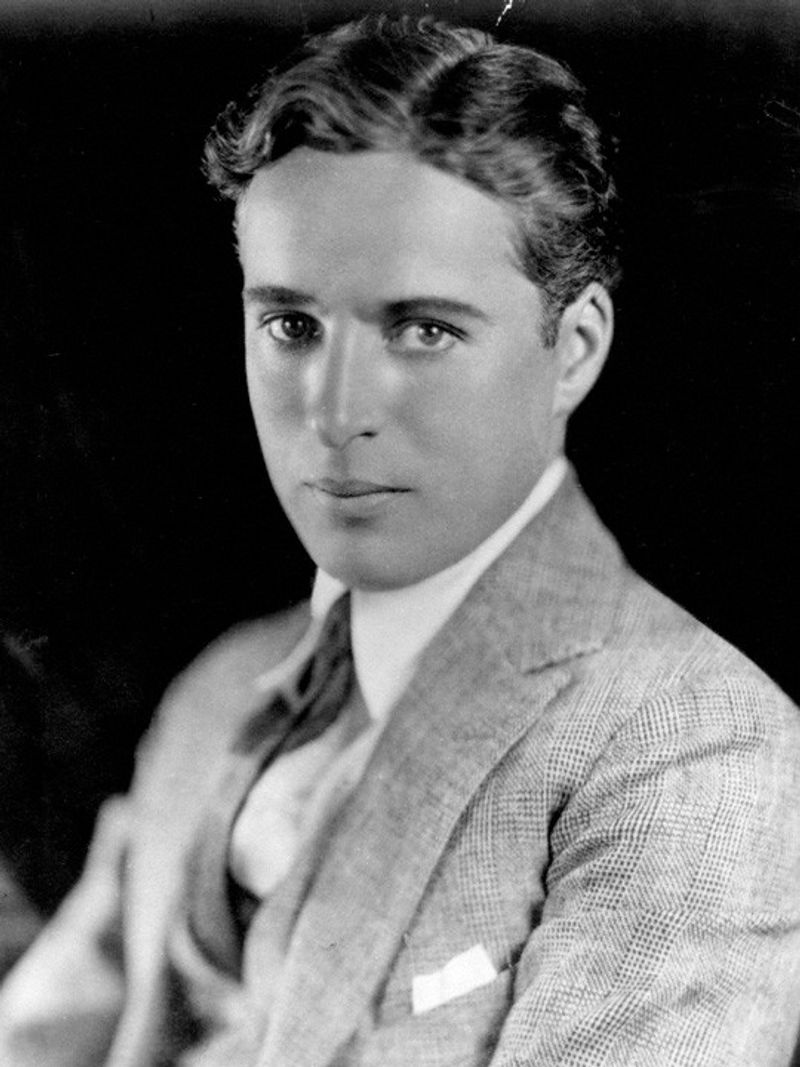
Charlie Chaplin became one of the most recognizable figures in the history of cinema without ever needing to say a single word on screen. His character the Tramp, introduced in 1914, captured global audiences and made Chaplin a cultural force across multiple continents within just a few years.
His films, including The Kid in 1921 and Modern Times in 1936, combined physical comedy with sharp social commentary that made studio executives both admire and fear him.
Off screen, Chaplin’s behavior drew serious criticism. He married Lita Grey in 1924 when she was just 16 years old, a fact that caused public outrage even by the standards of that era.
He had a well-documented pattern of pursuing very young women throughout his life.
During the Cold War era, U.S. authorities accused him of communist sympathies, and in 1952 his re-entry permit was revoked while he was traveling abroad, effectively exiling him from America for two decades.
3. Amy Winehouse
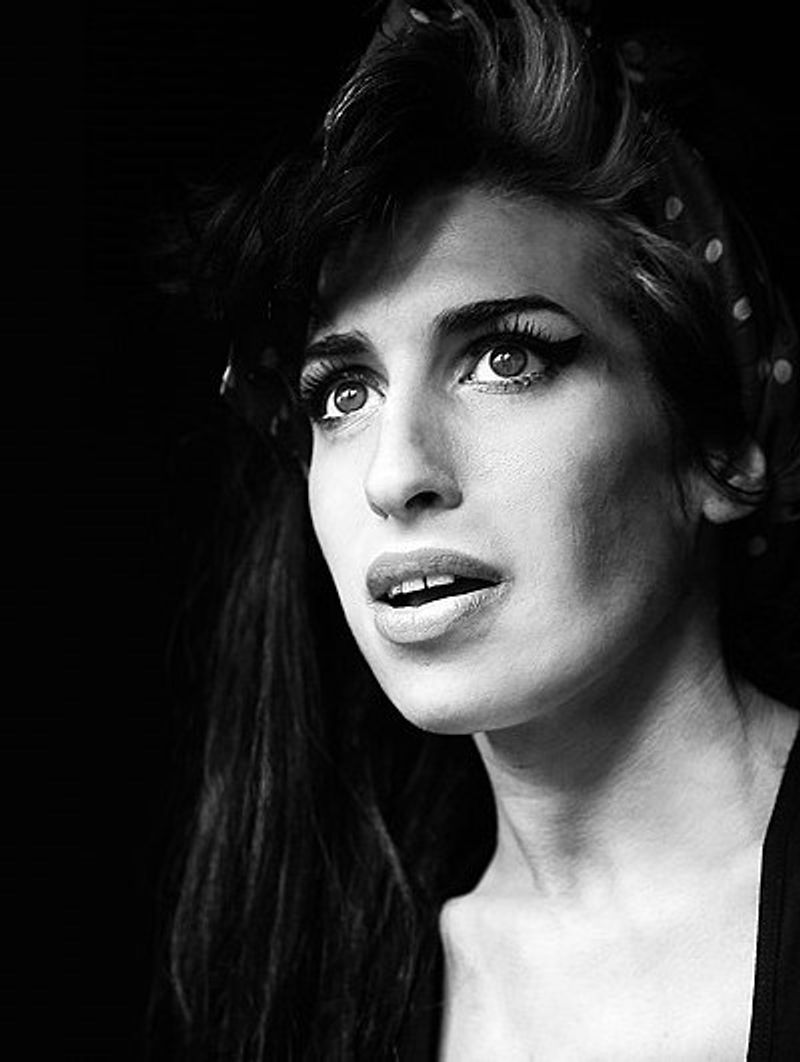
When Back to Black arrived in 2006, music critics immediately recognized something rare. Amy Winehouse had a voice that drew equally from 1960s soul, classic jazz, and raw emotional honesty in a way that felt completely out of step with mainstream pop trends at the time.
The album won five Grammy Awards in 2008, making Winehouse the first British woman to win that many in a single night. Songs like “Rehab” and “Valerie” became defining tracks of the mid-2000s.
Her public struggles with substance abuse, however, became a persistent media story that often overshadowed her music. Erratic concert performances, canceled tours, and highly publicized personal crises kept her in tabloid headlines throughout her career.
Winehouse passed away in July 2011 at the age of 27, joining a grim roster of musicians who died at that same age. She left behind only two studio albums, a catalog that remains widely studied and celebrated in music schools and journalism courses alike.
4. Kanye West
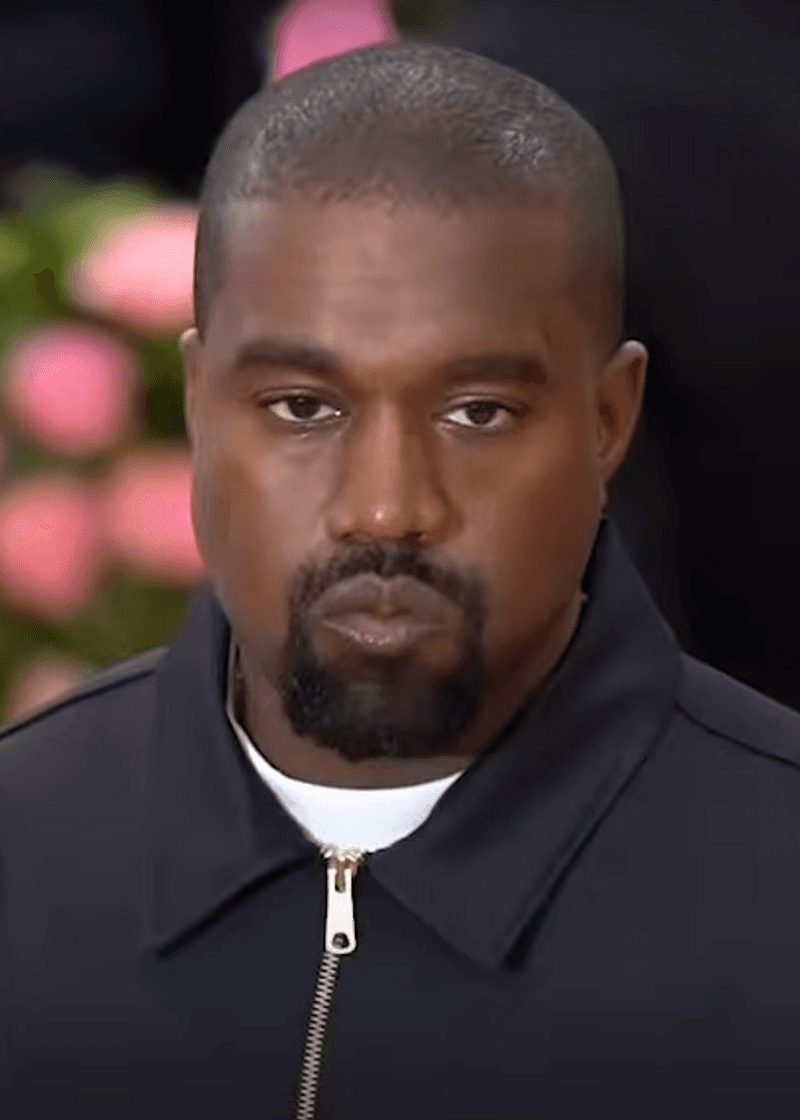
Between 2004 and 2016, Kanye West released a string of albums that genuinely shifted the direction of hip-hop. Records like The College Dropout, My Beautiful Dark Twisted Fantasy, and Yeezus introduced new production styles, lyrical frameworks, and visual aesthetics that other artists quickly began borrowing from.
His influence extended beyond music into fashion, where his Yeezy brand with Adidas became a billion-dollar enterprise and changed how streetwear was marketed globally.
Starting around 2022, West made a series of public antisemitic statements that shocked even longtime supporters. His comments included promotion of Nazi ideology and open praise for Adolf Hitler in media interviews, which led Adidas, Balenciaga, and Gap to terminate their partnerships with him almost simultaneously.
Social media platforms deactivated his accounts following policy violations. The controversy fundamentally altered his public standing and raised serious questions about the responsibilities platforms and corporations carry when working with high-profile figures who express hateful views.
5. Marlon Brando
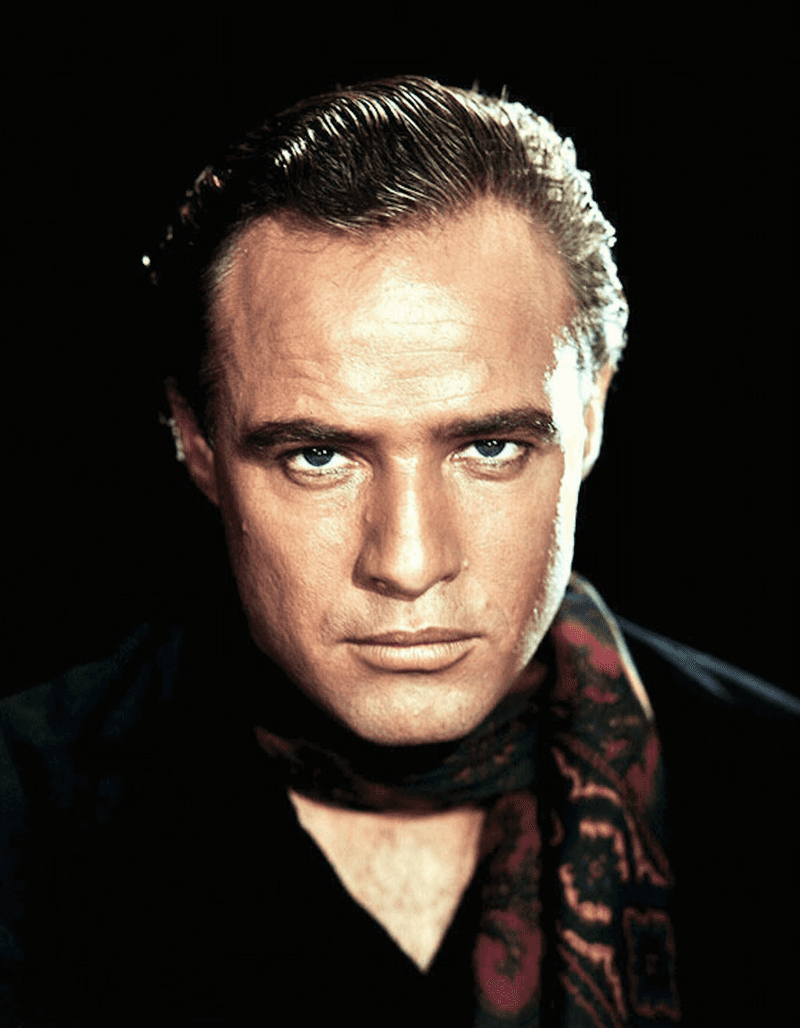
Method acting as a serious craft owed a significant debt to Marlon Brando. His work in A Streetcar Named Desire in 1951 and The Godfather in 1972 set a standard for screen performance that drama schools still reference today as foundational examples of character immersion.
He won two Academy Awards for Best Actor, though his relationship with the film industry was consistently combative. He famously sent Native American activist Sacheen Littlefeather to decline his 1973 Oscar in protest of Hollywood’s portrayal of Indigenous people.
Behind the scenes, Brando developed a reputation for being extremely difficult to work with. He routinely refused to memorize lines, demanded unusual on-set accommodations, and clashed openly with directors throughout his later career.
His personal life included three marriages, multiple children, and a family tragedy in 1990 when his son Christian was convicted of manslaughter. Brando’s final years were marked by legal troubles, financial difficulties, and increasing isolation from the industry that had made him famous.
6. Whitney Houston
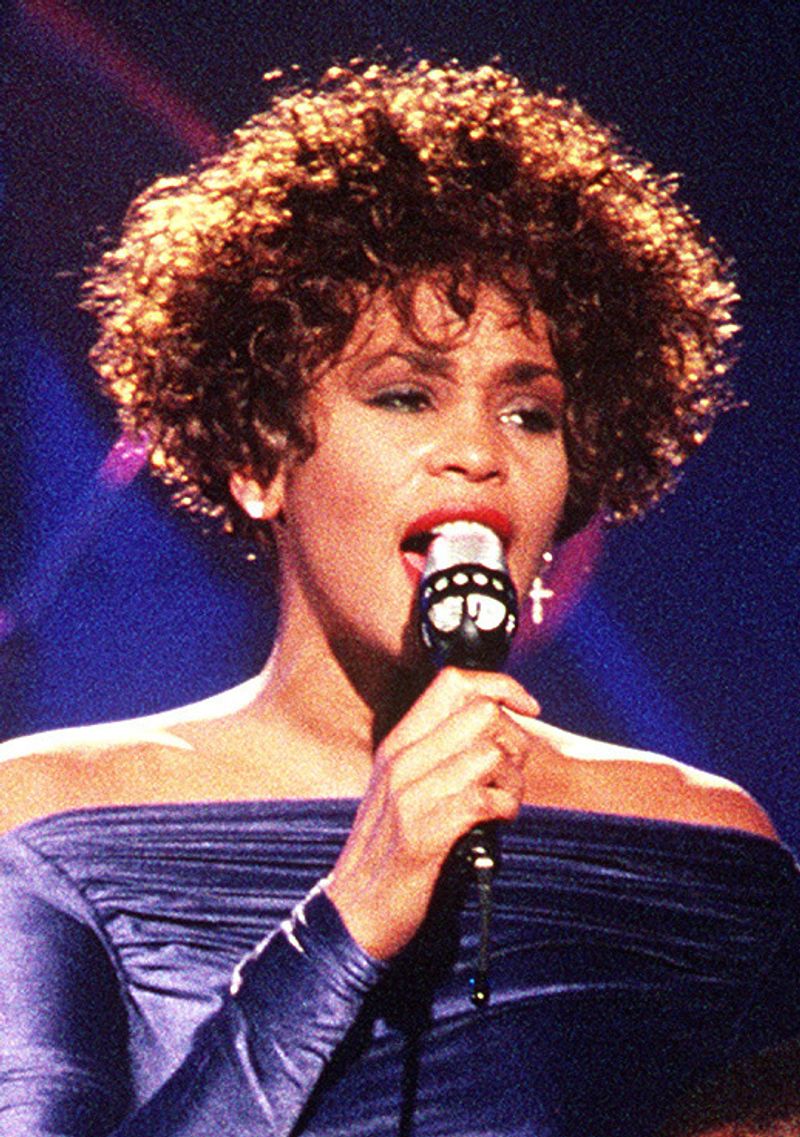
Vocal range alone does not explain why Whitney Houston stood apart from every other singer of her generation. Her technical precision, emotional delivery, and ability to sustain notes across an extraordinary spectrum made her the standard against which other pop and R&B vocalists were measured throughout the late 1980s and 1990s.
Her 1992 recording of “I Will Always Love You” for the film The Bodyguard became one of the best-selling singles in music history, and the soundtrack album itself sold over 45 million copies worldwide.
Her marriage to singer Bobby Brown in 1992 attracted persistent public scrutiny as reports of turbulent behavior and substance abuse surfaced through the late 1990s and into the 2000s. Television appearances and canceled performances raised alarm among fans and industry colleagues alike.
Houston passed away in February 2012 at age 48, with an accidental drowning ruled as the cause, complicated by cocaine use and heart disease. Her voice remained a benchmark for decades after her passing.
7. Elvis Presley
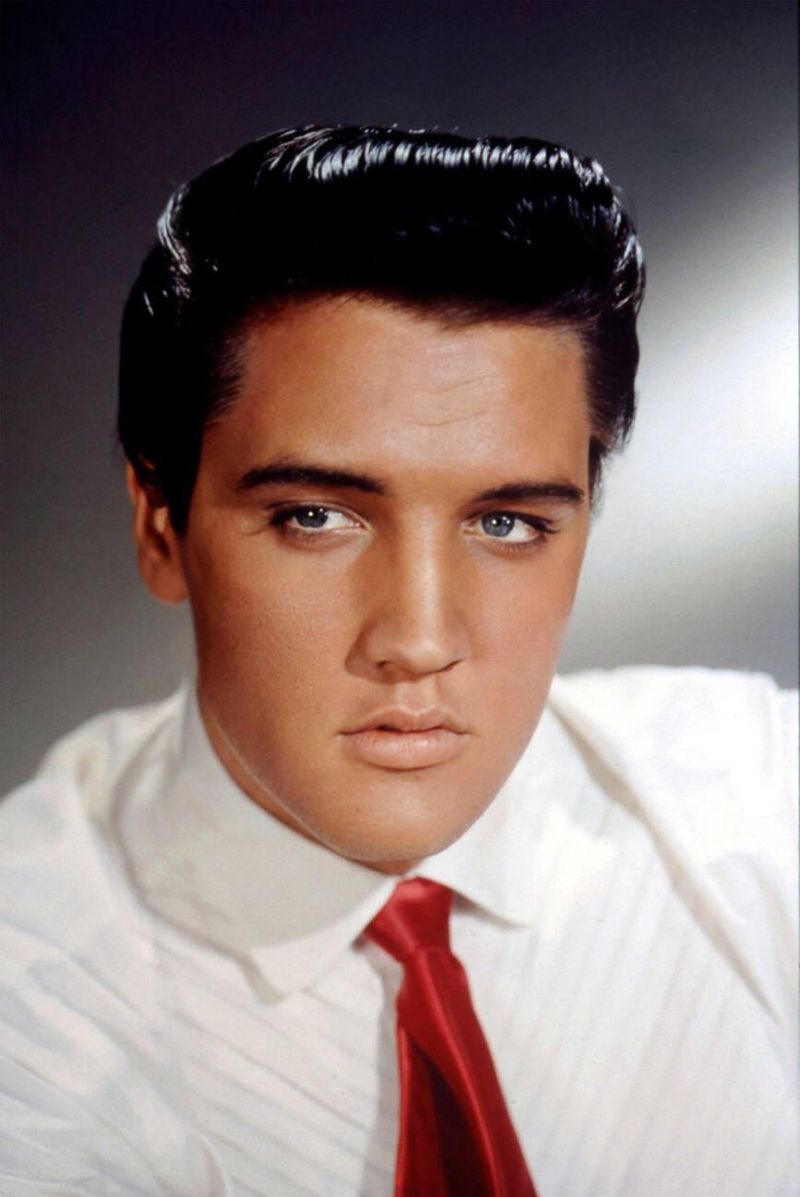
When Elvis Presley appeared on national television in 1956, the reaction was immediate and polarizing in exactly the way that signals a genuine cultural shift. His combination of rhythm and blues phrasing, country roots, and physical stage presence created something that radio programmers and parents struggled to categorize or contain.
By the early 1960s, he had become the most commercially successful solo artist in American music, with a film career running parallel to his recording output that produced over 30 movies between 1956 and 1969.
His Las Vegas residency period beginning in 1969 showed he could still command massive audiences, but by the mid-1970s, reports of erratic behavior and visible physical decline became regular news items. Former associates and employees later confirmed that prescription drug dependency had become a serious problem.
Presley passed away in August 1977 at age 42. The official cause was cardiac arrhythmia, though subsequent medical reviews pointed to the role of multiple prescription medications in contributing to his death at such a young age.
8. Judy Garland
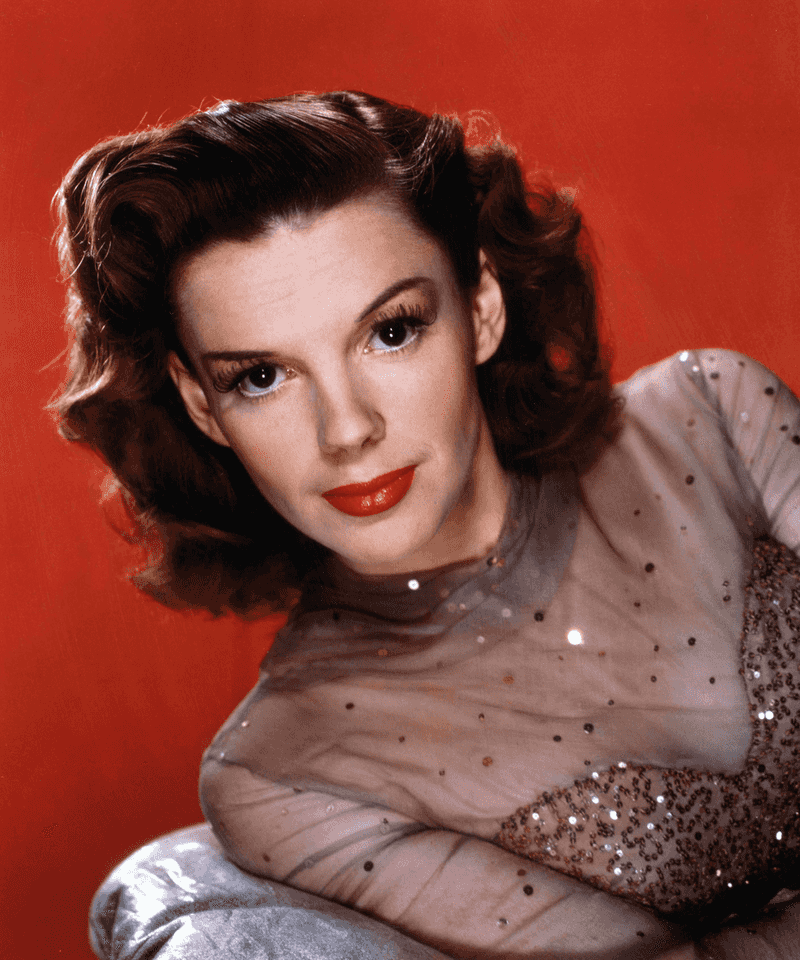
MGM signed Judy Garland at age 13 in 1935, and by 1939 she had delivered one of the most memorable film performances of the 20th century as Dorothy in The Wizard of Oz. Her voice carried a quality of emotional openness that made even casual listeners pay close attention.
What the public did not see was the studio system’s relentless pressure on young performers. MGM executives routinely controlled Garland’s diet, sleep schedule, and energy levels through a combination of stimulants and sedatives, a practice that began when she was still a teenager.
That early chemical dependency followed her into adulthood and shaped much of her adult career. Concert appearances became unpredictable, film projects fell through, and financial difficulties accumulated despite her extraordinary earning power during peak years.
Garland passed away in June 1969 at age 47 from an accidental barbiturate overdose. Her story has since become a central reference point in broader conversations about how the entertainment industry treated child performers throughout the studio era.
9. Phil Spector
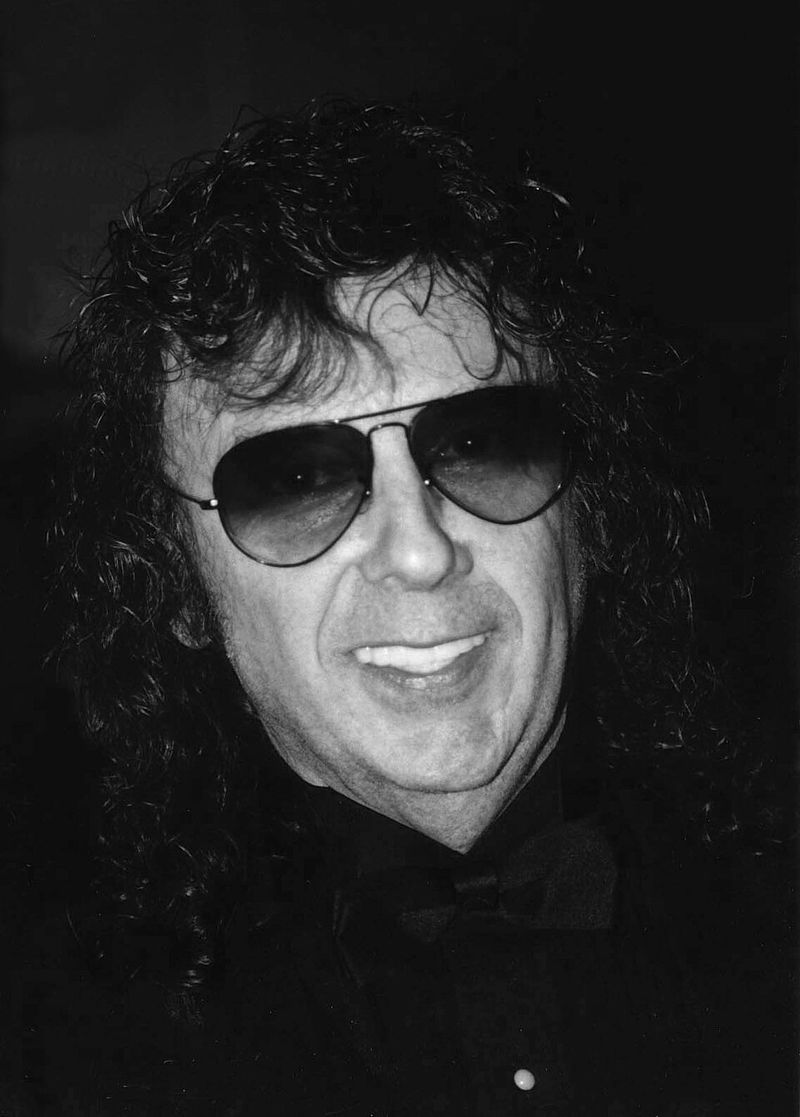
The Wall of Sound production technique that Phil Spector developed in the early 1960s changed how popular music was recorded and heard. By layering multiple instruments, adding echo effects, and treating the studio itself as a compositional tool, Spector created a dense, orchestral quality that influenced producers for the next five decades.
His credits included work with The Ronettes, The Righteous Brothers, and The Beatles on their final album Let It Be, released in 1970. He was inducted into the Rock and Roll Hall of Fame as a non-performer in 1989.
In February 2003, actress Lana Clarkson was found dead at Spector’s home in Alhambra, California. Investigators determined she had been shot, and Spector was charged with her murder.
After a mistrial in 2007, a second trial in 2009 resulted in a conviction for second-degree murder.
He was sentenced to 19 years to life and died in a California prison in January 2021 at age 81, having served approximately 13 years of that sentence.
10. Tiger Woods
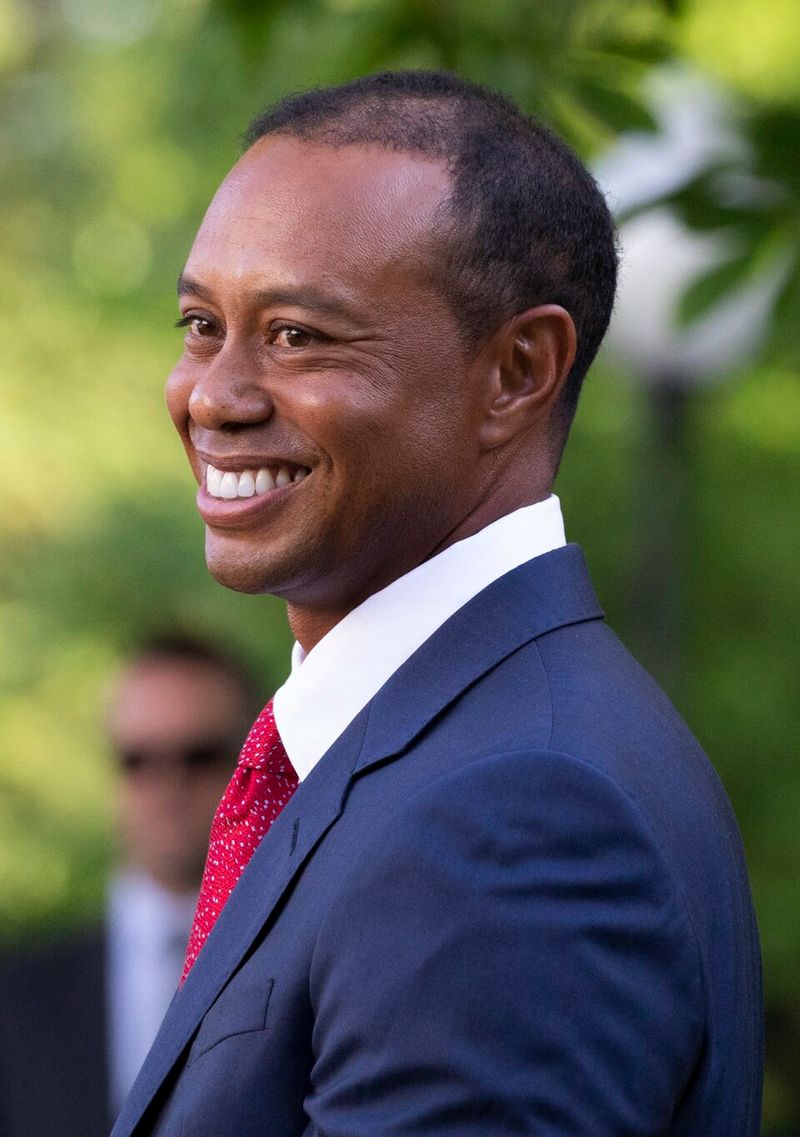
Between 1997 and 2008, Tiger Woods redefined competitive golf in ways that extended well beyond statistics. His physical conditioning, mental focus, and aggressive course management shifted expectations for what a professional golfer could look like and how the sport was marketed to younger audiences globally.
He won 14 major championships during that period and was consistently ranked as the highest-paid athlete in the world, with endorsement deals from Nike, Gatorade, and dozens of other major brands building his image as a model of discipline and clean competition.
In November 2009, a late-night car incident outside his Florida home triggered a cascade of media reports revealing multiple extramarital relationships. The story dominated sports and entertainment news for months and led to the dissolution of his marriage in 2010.
Several major sponsors dropped him almost immediately. His golf performance also declined significantly over the following years due to a combination of injuries and personal disruptions, though he staged a remarkable comeback by winning the 2019 Masters Tournament.
11. Lindsay Lohan

Few child-to-adult transitions in Hollywood were watched more closely than Lindsay Lohan’s. Her performances in The Parent Trap in 1998 and Mean Girls in 2004 demonstrated genuine comedic timing and screen presence that industry insiders believed could sustain a long career.
Mean Girls in particular became a cultural touchstone for an entire generation, generating quotes, references, and a Broadway musical adaptation that arrived in 2017, over a decade after the film’s release.
By 2006, however, tabloid coverage of her personal behavior began competing with any professional news. Multiple arrests related to driving violations and substance possession between 2007 and 2011 resulted in probation, mandatory rehabilitation programs, and brief periods of incarceration that made consistent film work nearly impossible.
Directors and studios grew reluctant to cast her due to insurance concerns and reliability questions. Her story became a frequently cited example in entertainment journalism about the structural failure to support young performers navigating fame without adequate professional or personal guidance during critical developmental years.
12. Roman Polanski
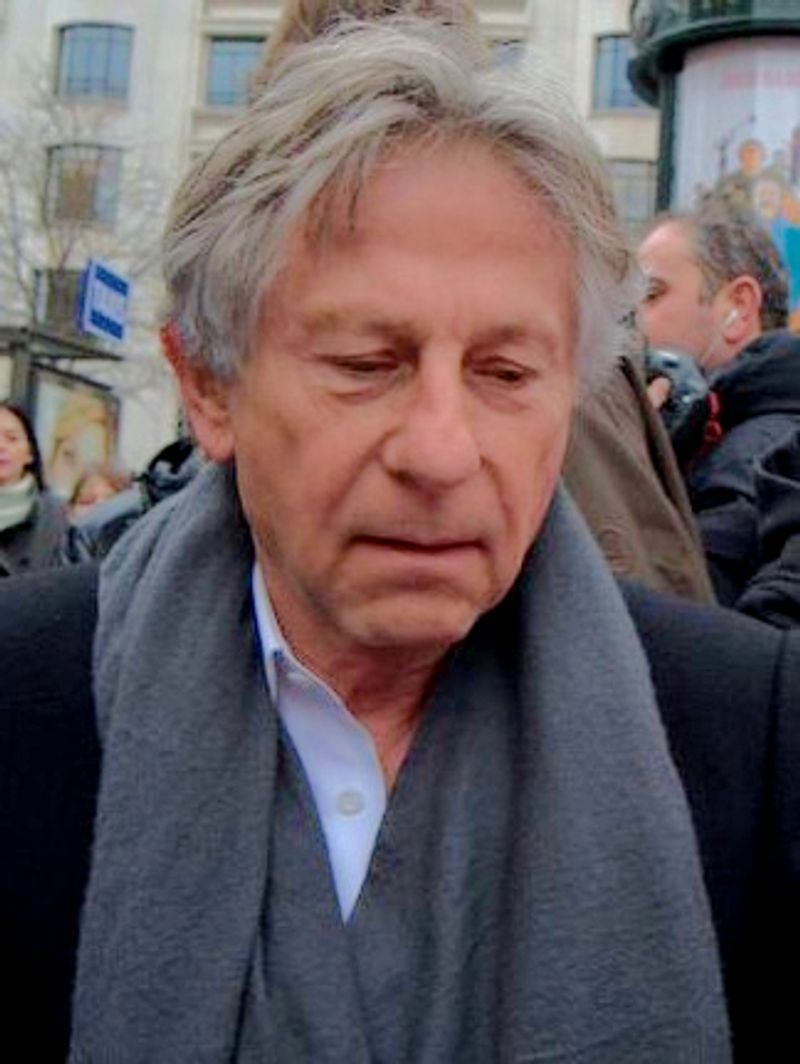
Roman Polanski directed some of the most critically respected films of the 1960s and 1970s, including Rosemary’s Baby in 1968 and Chinatown in 1974, the latter of which is regularly included on lists of the greatest American films ever produced.
His ability to build psychological tension through restrained visual storytelling earned him a reputation as one of the most technically accomplished directors of his generation, and his influence on thriller and horror filmmaking remains clearly traceable in contemporary cinema.
In 1977, Polanski pleaded guilty to unlawful sexual intercourse with a 13-year-old girl following an incident at a private residence in Los Angeles. Facing a potentially longer sentence, he fled the United States in 1978 before formal sentencing and has remained a fugitive from American law ever since.
He won the Academy Award for Best Director in 2002 for The Pianist, a decision that reignited global debate about whether professional achievement should be separated from criminal conduct when distributing institutional recognition.
13. Prince
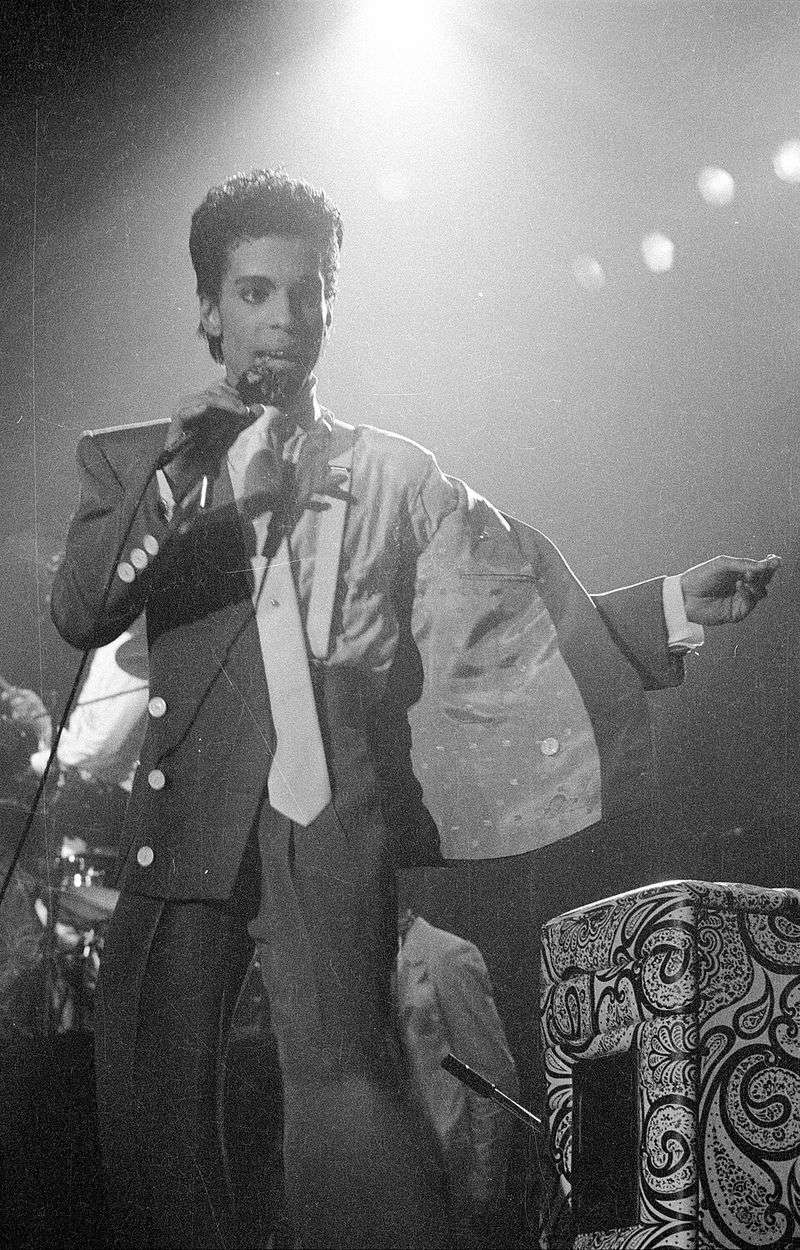
Prince Rogers Nelson released 39 studio albums between 1978 and 2015, an output that covered funk, rock, R&B, jazz, and pop with a level of musicianship that few artists in any genre could match. He played virtually every instrument on many of his recordings and maintained creative control at every stage of production.
His 1984 film and album Purple Rain became a commercial and critical landmark, winning two Academy Awards and producing one of the best-selling soundtracks in music history.
Prince was famously guarded about his personal life, rarely giving interviews and maintaining strict control over his public image. His battles with Warner Bros.
Records over ownership of his masters led him to change his name to an unpronounceable symbol in 1993, a protest that drew widespread media attention and commentary.
He passed away in April 2016 at age 57 from an accidental fentanyl overdose. His estate later revealed that he had left no will, leading to a lengthy legal process involving his recorded catalog and property holdings.
14. John Lennon
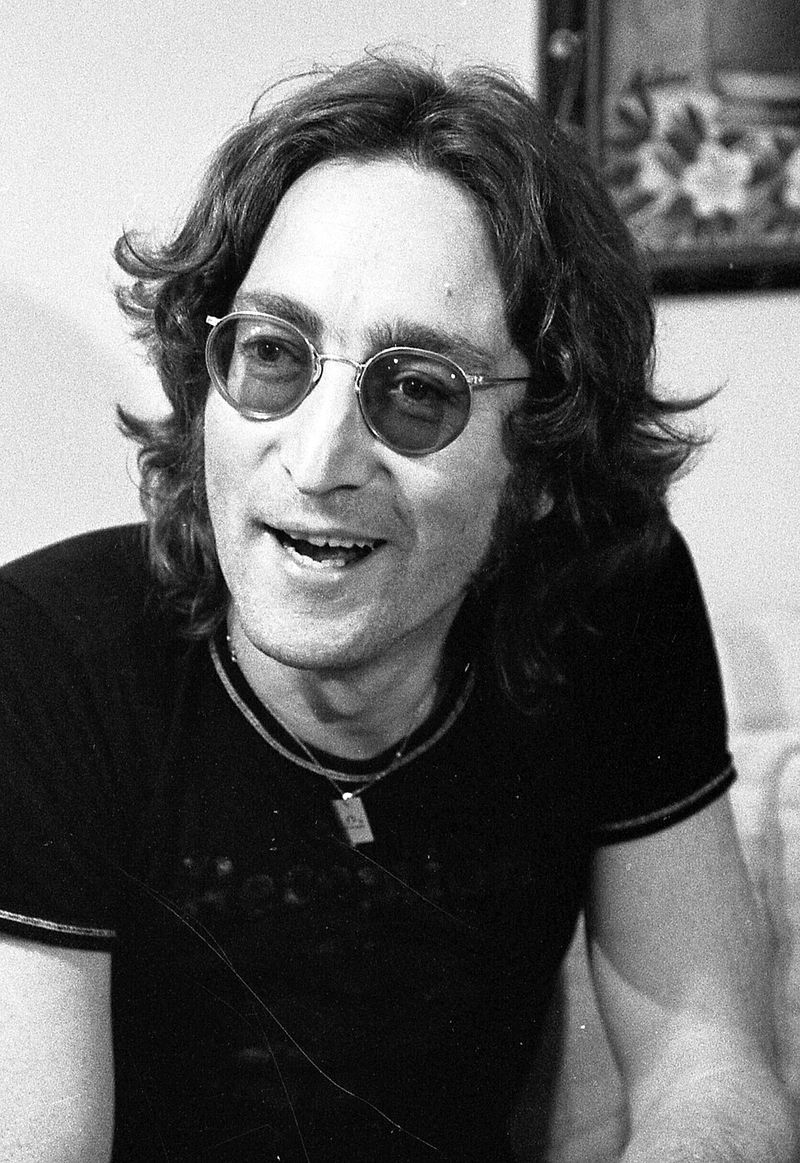
John Lennon’s songwriting partnership with Paul McCartney produced the most commercially successful catalog in rock music history, and his solo work after The Beatles disbanded in 1970 continued to shape popular music throughout the decade that followed.
Songs like “Imagine,” released in 1971, became global anthems for peace movements and remain among the most recognized recordings of the 20th century. His public activism against the Vietnam War drew serious government attention, and the Nixon administration actively attempted to have him deported from the United States between 1972 and 1975.
Lennon himself acknowledged in later interviews that he had been physically abusive in earlier relationships, including toward his first wife Cynthia and others during his years with The Beatles. His relationship with his son Julian from his first marriage was distant and frequently described by Julian as painful and neglectful.
His remarks in a 1966 interview comparing The Beatles’ popularity to that of Jesus Christ triggered mass protests and record burnings across the American South, demonstrating how quickly public opinion could shift even against beloved cultural figures.
Share this story