Pennsylvania is filled with small towns where history feels remarkably close. Nestled among mountains, rivers, and farmland, these communities have preserved their historic streets, architecture, and traditions in ways that make the past feel very much alive.
From vintage train depots to beautifully preserved downtowns, these towns offer more than nostalgic charm – they provide a glimpse into earlier eras of American life. Whether you’re a history enthusiast or simply looking for a slower pace, these destinations prove that some places never lose their timeless appeal.
1. Jim Thorpe, Jim Thorpe, Pennsylvania
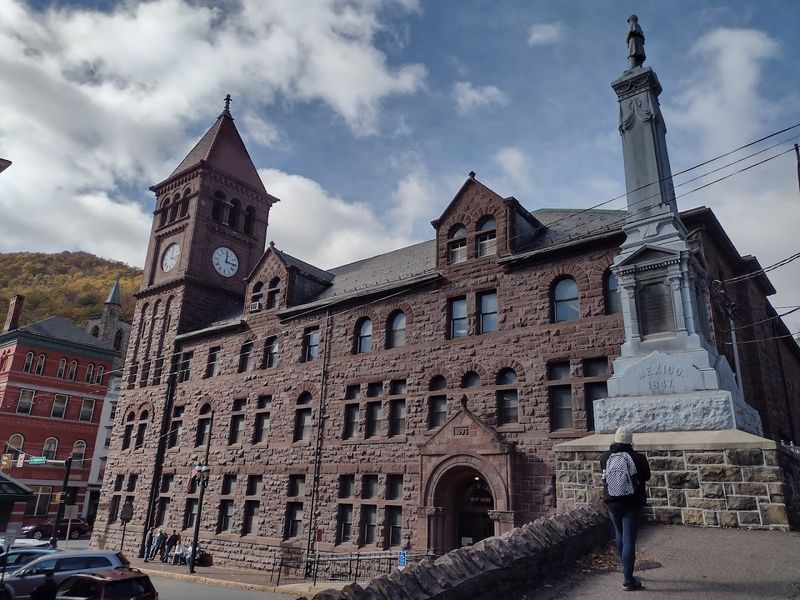
Long before anyone called it Jim Thorpe, this mountain town went by Mauch Chunk, and its residents were perfectly fine with that for over a century.
Perched in the Lehigh Gorge, the town earned its nickname as the “Switzerland of America” thanks to its dramatic hillside setting and tightly packed Victorian architecture.
The Old Mauch Chunk Historic District preserves the elegant buildings that coal-shipping wealth built in the 1800s, including the Central Railroad of New Jersey Station with its distinctive cylindrical tower still standing proud.
The Lehigh Gorge Scenic Railway offers vintage train rides through the gorge, making the surrounding landscape feel like a backdrop from another era entirely.
Steep, winding streets, stone facades, and old-fashioned storefronts give Jim Thorpe a stacked, compact energy that rewards every uphill climb with a view worth the effort.
2. Lititz, Lititz, Pennsylvania
America’s first commercial pretzel bakery has been twisting dough in this small town since 1861, and somehow that is not even the most interesting thing about Lititz.
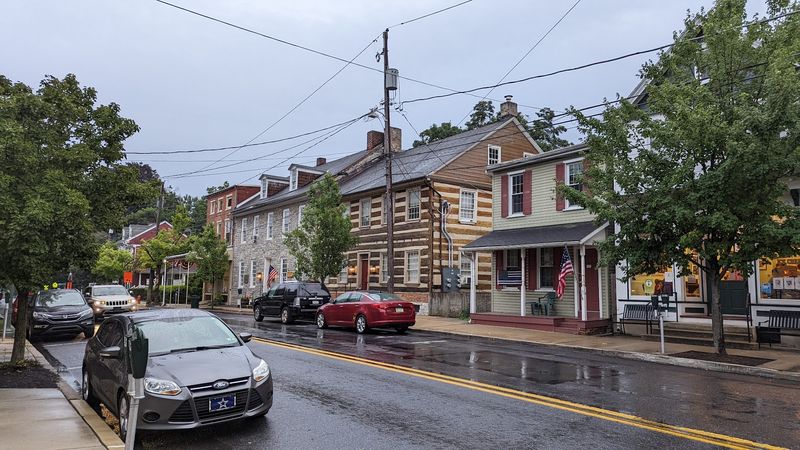
Founded in 1756 by Moravian settlers, the town has kept its colonial-era main street almost entirely intact, with brick storefronts that have barely budged from their 18th-century layout.
The Julius Sturgis Pretzel Bakery still welcomes visitors who want to try rolling their own pretzels by hand, which sounds easy and absolutely is not.
Lititz Springs Park sits at the heart of town, offering a green, peaceful anchor to all the historic wandering happening around it.
The Wilbur Chocolate factory adds another layer of local identity, giving the town a sweet, well-earned reputation that keeps visitors coming back long after their first visit.
3. Wellsboro, Wellsboro, Pennsylvania
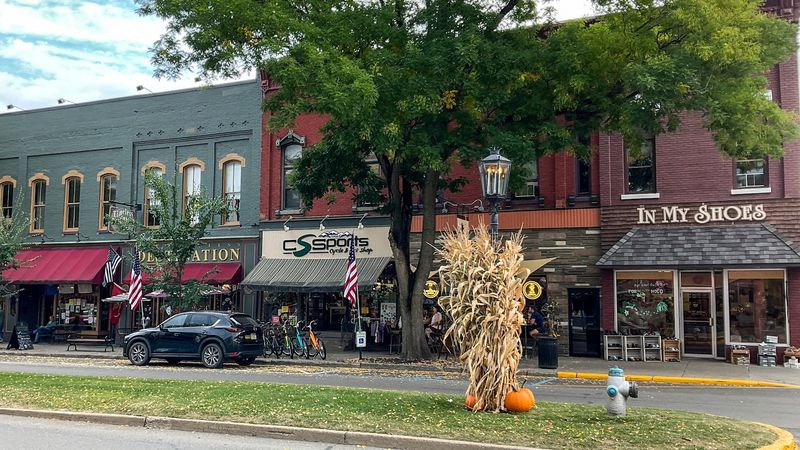
Gas lamps still line the main street of Wellsboro every single evening, not as a gimmick, but as a genuine continuation of a tradition the town has kept alive for generations.
The preserved Victorian storefronts along the main corridor give the whole downtown a composed, unhurried character that feels rare in today’s world.
The historic Penn Wells Hotel anchors the center of town with old-fashioned hospitality and architecture that has not tried to modernize its way out of charm.
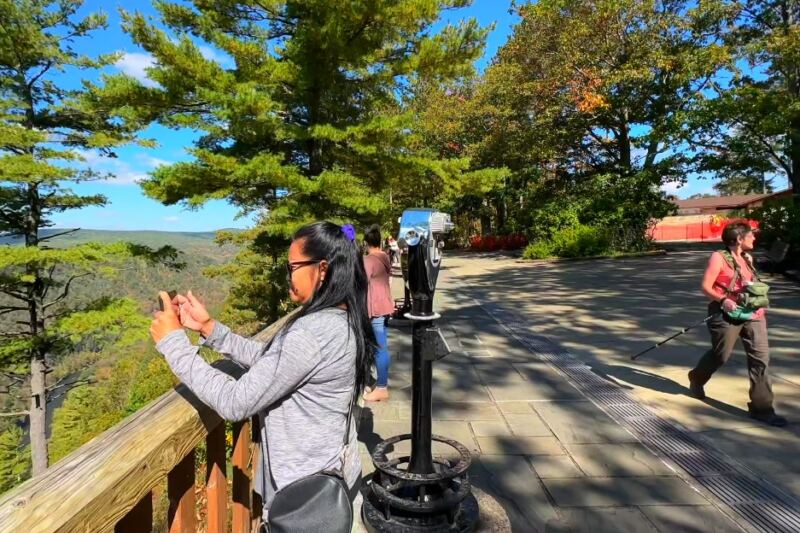
Wellsboro also serves as the classic gateway to Pine Creek Gorge, often called the Pennsylvania Grand Canyon, which adds a dramatic natural backdrop to an already atmospheric town.
Locally owned shops and long-established restaurants fill the blocks between the lamp posts, making a slow walk down the main street one of the most satisfying things to do here.
4. New Hope, New Hope, Pennsylvania
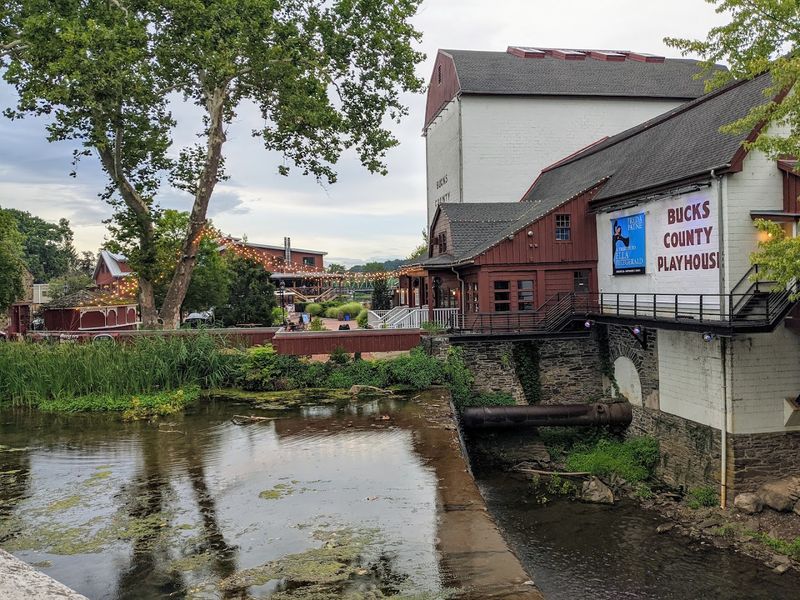
Right on the banks of the Delaware River, New Hope has been attracting artists, writers, and curious visitors since long before “weekend getaway” became a category.
The town features well-preserved Colonial and Federal-style homes alongside historic inns and brick row buildings that date back to the 1700s, giving every block a layered, lived-in quality.
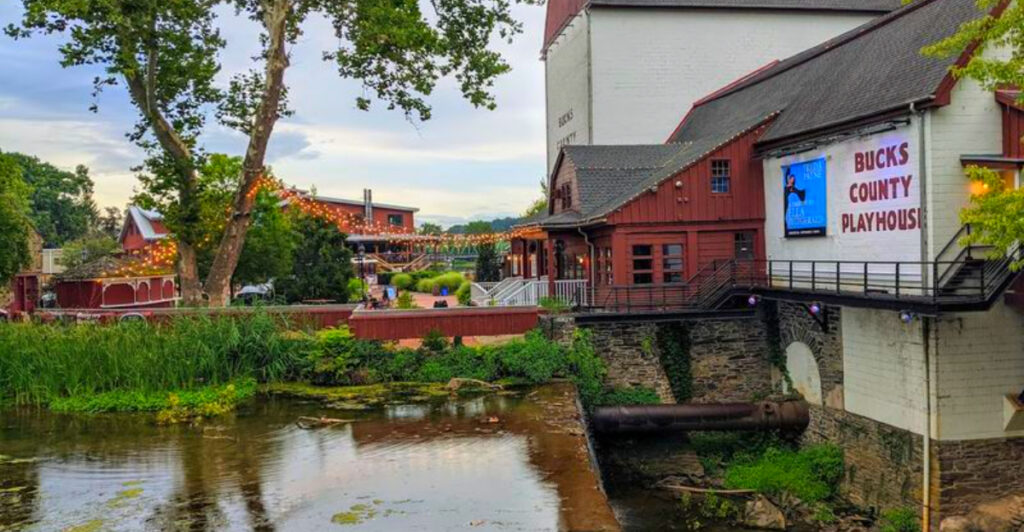
The Bucks County Playhouse, one of Pennsylvania’s most beloved regional theaters, has been staging productions since 1939 and remains a cultural centerpiece of the community.
Independent shops, galleries, and small restaurants fill the walkable streets without overwhelming the town’s vintage river-town character.
A short walk across the bridge leads to Lambertville, New Jersey, making New Hope part of a rare cross-state pair of historic towns that complement each other perfectly without competing for attention.
5. Strasburg, Strasburg, Pennsylvania
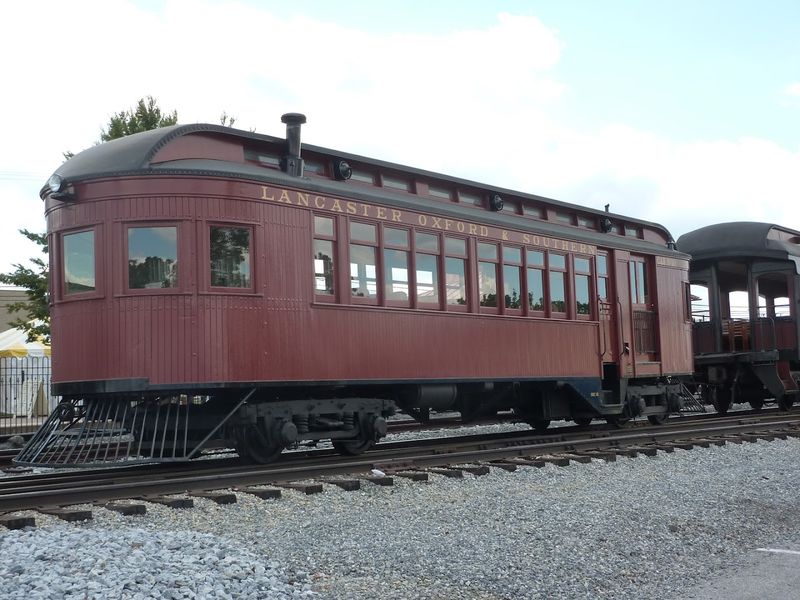
Horse-drawn buggies and steam locomotives share the same Lancaster County landscape in Strasburg, and somehow the combination feels completely natural rather than contradictory.
The Strasburg Rail Road, one of the oldest operating short-line railroads in the country, still runs steam-powered passenger trains through the rolling farmland surrounding the town.
A ride behind a genuine steam locomotive with quilts hanging on roadside fences and barn-dotted fields passing by outside the window is a genuinely hard experience to replicate anywhere else in Pennsylvania.
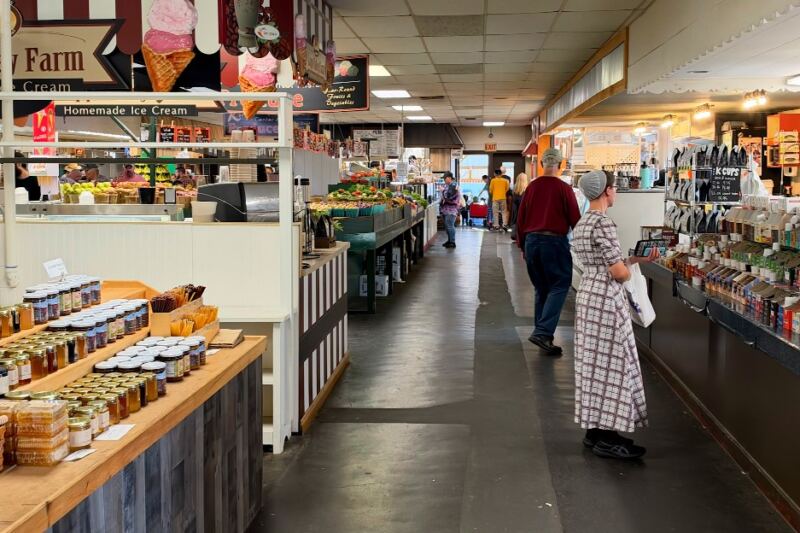
The town sits firmly in Pennsylvania Dutch Country, where traditional Amish and Mennonite communities maintain a pace of life that has not changed significantly in well over a century.
Strasburg’s small downtown has a tidy, postcard-ready character, with local shops and historic buildings that lean into the town’s reputation as one of Lancaster County’s most time-preserved corners.
6. Bellefonte, Bellefonte, Pennsylvania
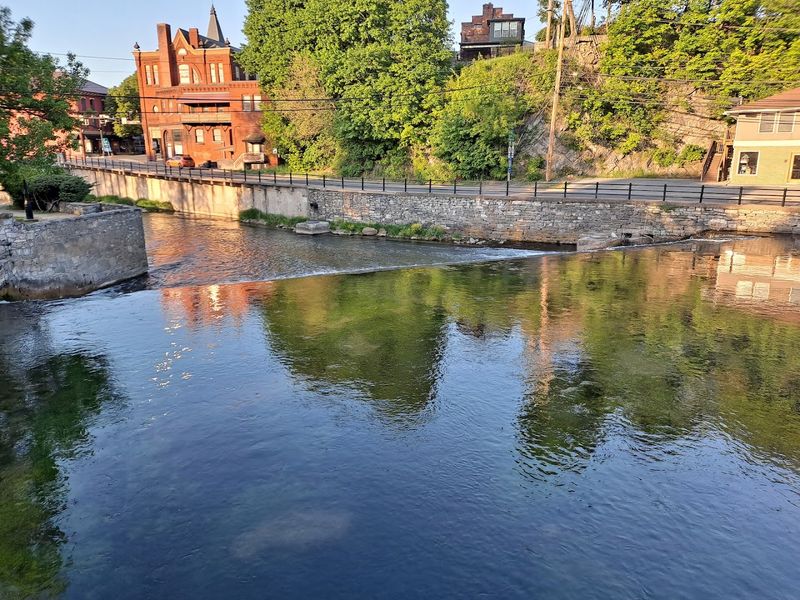
Seven Pennsylvania governors once called Bellefonte home, which tells you a great deal about how seriously this town took itself during its political prime.
Nicknamed the “City of Springs,” Bellefonte has been charming visitors since the 1800s with its sandstone courthouses, elegant Victorian mansions, and remarkably intact downtown streetscape.
The architecture here is not merely decorative. It is a record of real wealth and ambition from an era when Bellefonte was a place of genuine political consequence in the state.
Talleyrand Park provides a relaxed, green retreat just steps from the historic center, complete with water features, old bridges, and tree cover that makes an afternoon walk feel genuinely restorative.
The combination of preserved civic grandeur, leafy residential streets, and a small-town pace gives Bellefonte a personality that is hard to categorize but very easy to appreciate on a slow visit.
7. Doylestown, Doylestown, Pennsylvania
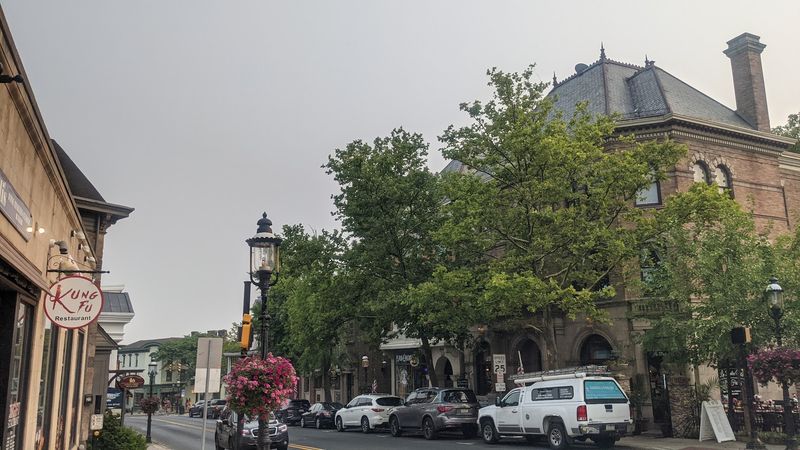
One man built three concrete castles in this Bucks County town in the early 1900s, and Doylestown has been quietly showing off about it ever since.
Henry Chapman Mercer, an archaeologist and tile-maker, constructed Fonthill Castle, the Moravian Pottery and Tile Works, and the Mercer Museum within a short distance of each other, giving Doylestown an architectural identity unlike anywhere else in Pennsylvania.
The Mercer Museum alone contains over 30,000 tools and objects from pre-industrial American life, displayed inside a seven-story concrete structure that is as unusual to look at as it is to explore.
Beyond the Mercer sites, Doylestown’s historic center features a walkable downtown with an old movie-house, independent shops, and blocks of well-kept 19th-century architecture.
The town carries its history with a relaxed confidence, making it one of those rare places that feels genuinely distinctive without having to try too hard to prove it.
8. Bedford, Bedford, Pennsylvania
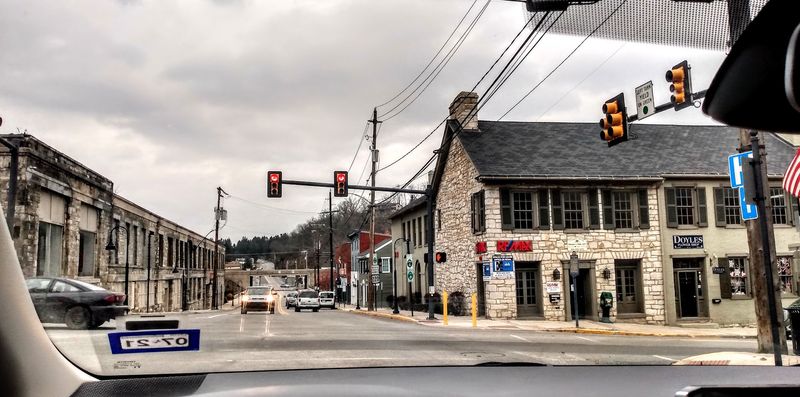
Bedford has been a crossroads of American history since long before the country had a formal name, and the town wears that layered past with a comfortable, unhurried ease.
Fort Bedford Museum recreates the French and Indian War-era fort that once stood here, giving visitors a concrete connection to a period of frontier history that shaped the entire region.
The town’s colonial-era streets and stone buildings reflect a heritage that stretches back to the mid-1700s, when Bedford served as a key stopping point along the Forbes Road into western Pennsylvania.
Nearby Bedford Springs, a historic resort destination that hosted several U.S. presidents, adds a touch of faded grandeur to the broader Bedford experience.
The combination of frontier history, presidential connections, and a well-preserved downtown gives Bedford a depth of character that rewards visitors who take the time to look beyond the surface.
9. Milford, Milford, Pennsylvania
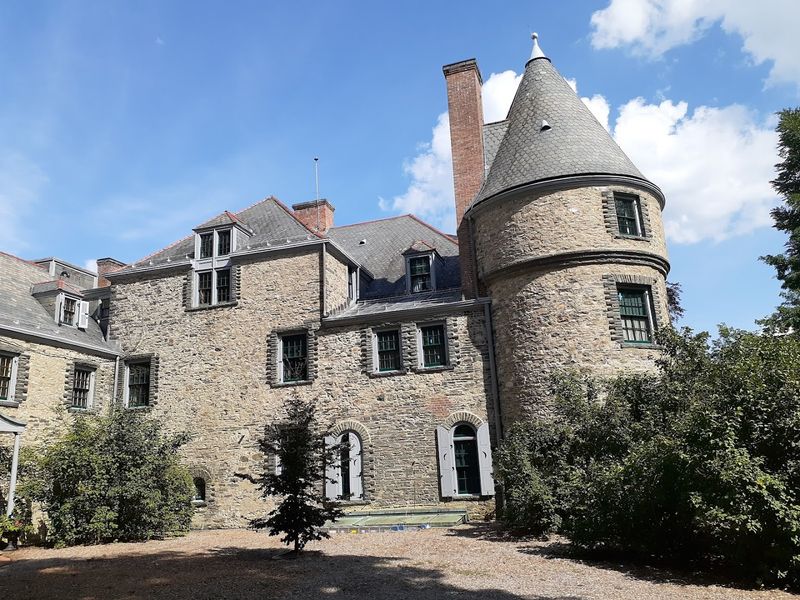
Grey Towers National Historic Site sits just outside Milford’s center like a stone castle that wandered in from the French countryside and decided to stay permanently.
Built in 1886 for the Pinchot family, the mansion became the home of Gifford Pinchot, the first chief of the U.S. Forest Service and a two-term Pennsylvania governor, lending the property a history that goes well beyond its impressive architecture.
Milford’s streets are lined with Victorian homes and late 19th-century commercial buildings that reflect the town’s origins as a Gilded Age resort destination for wealthy visitors from New York and Philadelphia.
The downtown has an intimate, well-kept character with local shops and historic inns occupying buildings that have barely changed their facades in over a century.
Milford’s setting in the upper Delaware River region, surrounded by forests and ridgelines, adds a natural backdrop that makes the town feel even more removed from the modern pace.
10. Gettysburg, Gettysburg, Pennsylvania
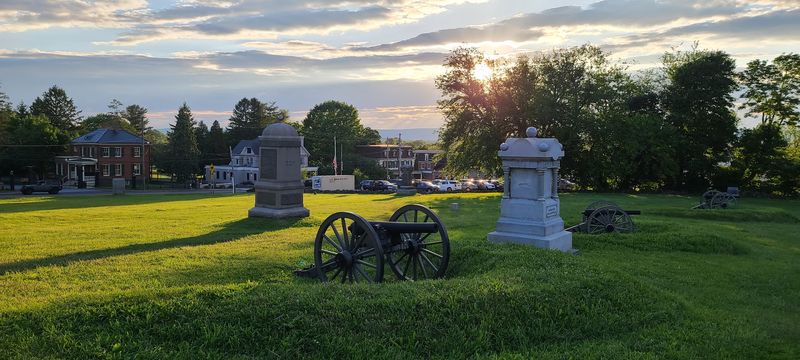
Most people arrive in Gettysburg for the battlefield and leave surprised by how much the town itself has to offer beyond the monuments and markers.
The historic district preserves a streetscape that has remained largely unchanged since the 1860s, with brick sidewalks, old inns, and commercial buildings that witnessed the aftermath of one of the Civil War’s defining moments firsthand.
Museums like the Gettysburg National Military Park Visitor Center provide deep historical context, but the town’s own streets, churches, and cemeteries carry their own quiet, powerful record of that period.
Historic inns and bed-and-breakfasts operating out of 19th-century buildings allow visitors to stay in structures that predate the Civil War, which is either thrilling or slightly unsettling depending on your perspective.
Gettysburg is one of those rare places where the weight of history does not feel like a burden but instead gives every corner of the town a clear, specific sense of purpose.
11. Ligonier, Ligonier, Pennsylvania
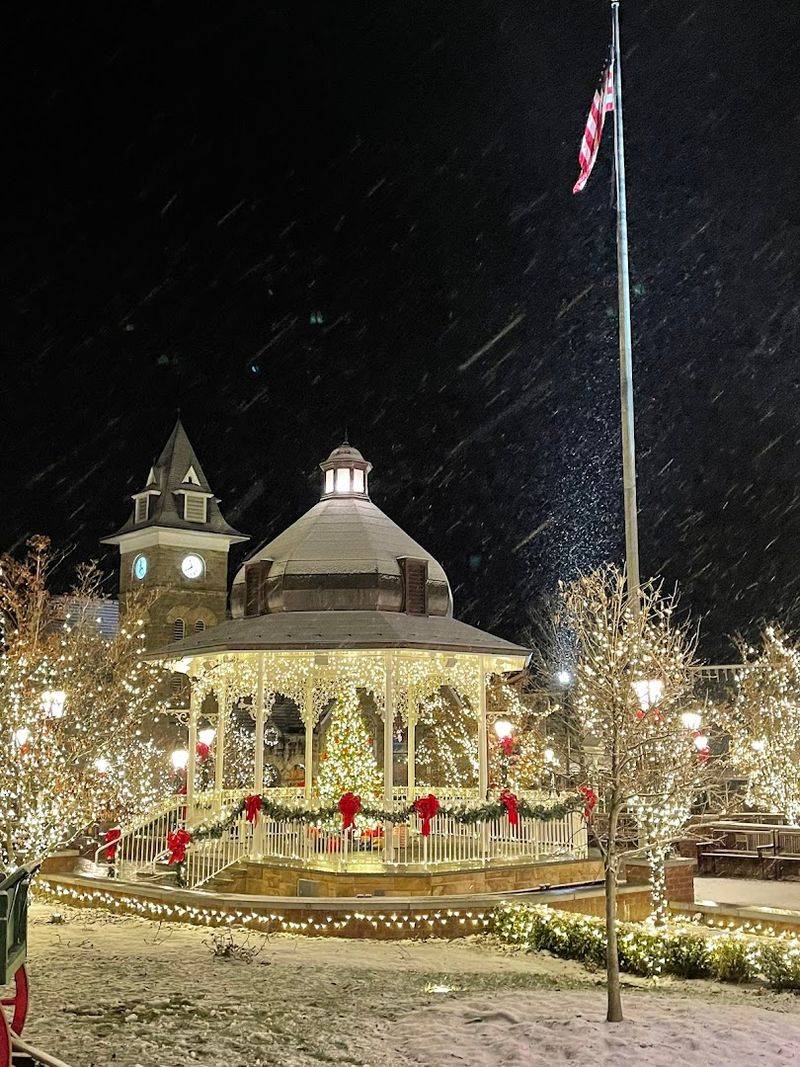
Ligonier’s town diamond is one of those central squares that makes you wonder why every American town did not organize itself around one from the very beginning.
The diamond layout, with its small central park ringed by historic storefronts and locally owned eateries, gives Ligonier a classic small-town composition that feels both functional and genuinely photogenic.
Fort Ligonier, a fully reconstructed 18th-century British fort from the French and Indian War, stands just steps from the town center and brings colonial-era military history into sharp, detailed focus.
The fort’s museum holds one of the most significant collections of French and Indian War artifacts in the country, making it far more than just a reconstructed stockade for casual sightseers.
Ligonier’s surrounding Laurel Highlands landscape adds a scenic layer to the visit, with rolling hills and forested ridges visible from many points around the town’s compact, walkable center.
12. Boiling Springs, Boiling Springs, Pennsylvania
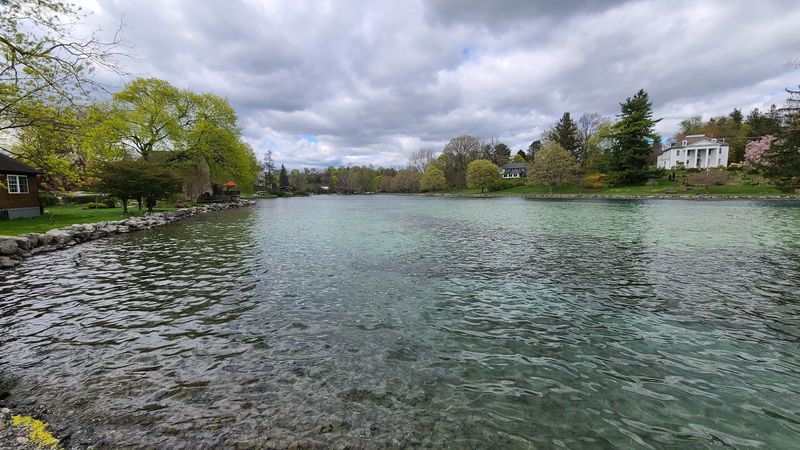
Children’s Lake sits at the center of Boiling Springs like a natural anchor, holding the village together with its calm, clear water fed by limestone springs that give the town its name.
The Appalachian Trail passes directly through Boiling Springs, making it one of the few places in Pennsylvania where a long-distance hiker can walk through an actual historic village rather than just a trailhead parking lot.
The Yellow Breeches Creek draws fly-fishing enthusiasts from across the region, contributing to the town’s reputation as a quiet, unhurried destination with a strong connection to the natural landscape around it.
Historic mill buildings and 19th-century homes line the streets near the lake, giving the village a compact, well-preserved character that feels almost too quiet to be real.
Boiling Springs has no traffic jams, no chain restaurants crowding its corners, and no shortage of reasons to park the car and simply walk around for an entire afternoon.
13. Honesdale, Honesdale, Pennsylvania
The Stourbridge Lion made history in Honesdale on August 8, 1829, becoming the first steam locomotive to run on a commercial railroad track in the United States, and the town has never let anyone forget it.
A full-scale replica of the locomotive is on display in town, serving as a proud reminder that Honesdale’s railroad identity is not borrowed history but a genuine, documented first in American transportation.
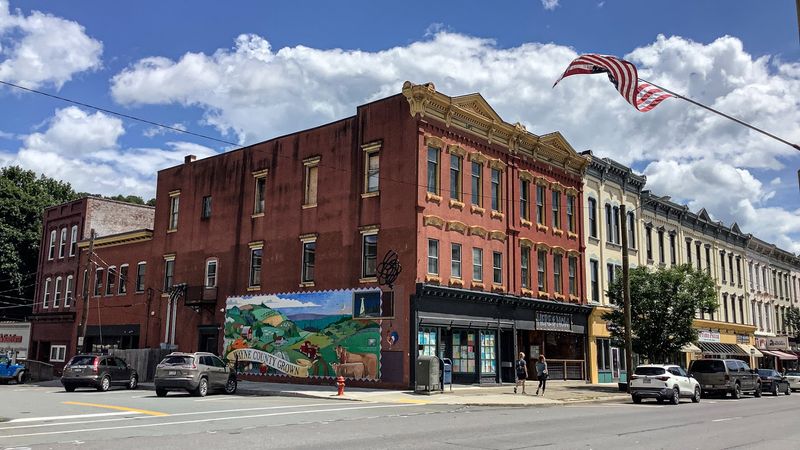
The historic downtown features 19th-century brick commercial buildings that have been well-maintained along the main corridor, giving the area a solid, unpretentious Americana character.
The Lackawaxen River and the surrounding Pocono foothills provide a scenic natural frame for the town, which sits in Wayne County at a comfortable distance from the region’s more tourist-heavy destinations.
Honesdale rewards visitors who appreciate railroad history, small-town architecture, and the particular satisfaction of finding a genuinely interesting place that most people have never heard of.
14. Eagles Mere, Eagles Mere, Pennsylvania
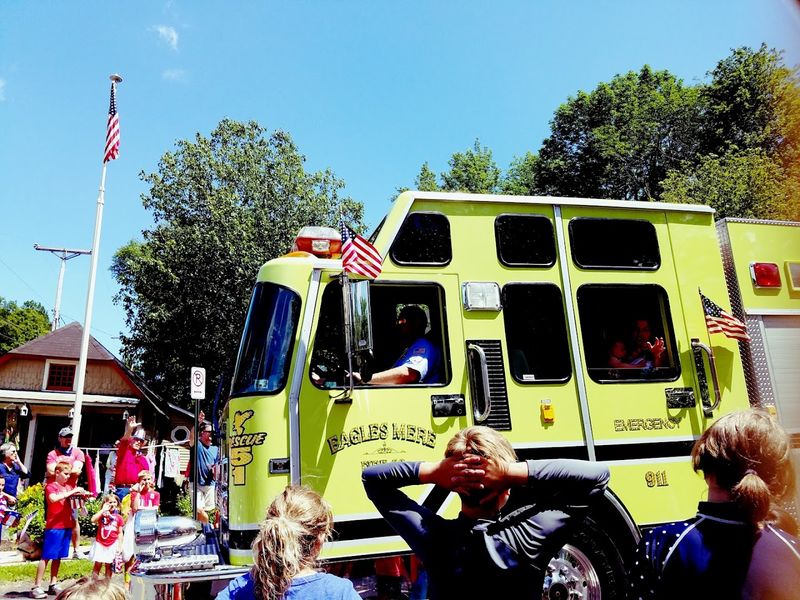
Eagles Mere is the kind of place that does not advertise itself, has no major highway running through it, and somehow remains one of the most perfectly preserved Victorian resort villages in the entire northeastern United States.
The town developed as a summer retreat in the late 1800s, and its collection of historic cottages, a village green, and a pristine natural lake have changed so little that old photographs of the place are almost indistinguishable from current ones.
Eagles Mere Lake, surrounded by Loyalsock State Forest, offers swimming and non-motorized boating in a setting that has resisted the kind of commercial development that has altered similar lakeside communities elsewhere in the region.
The Eagles Mere Museum documents the town’s resort-era history with photographs, artifacts, and records that make the past feel immediately accessible rather than distant.
A visit here feels less like tourism and more like being let in on a very well-kept secret that a small number of loyal visitors have been quietly protecting for generations.
Share this story