 Unearth The Voyage
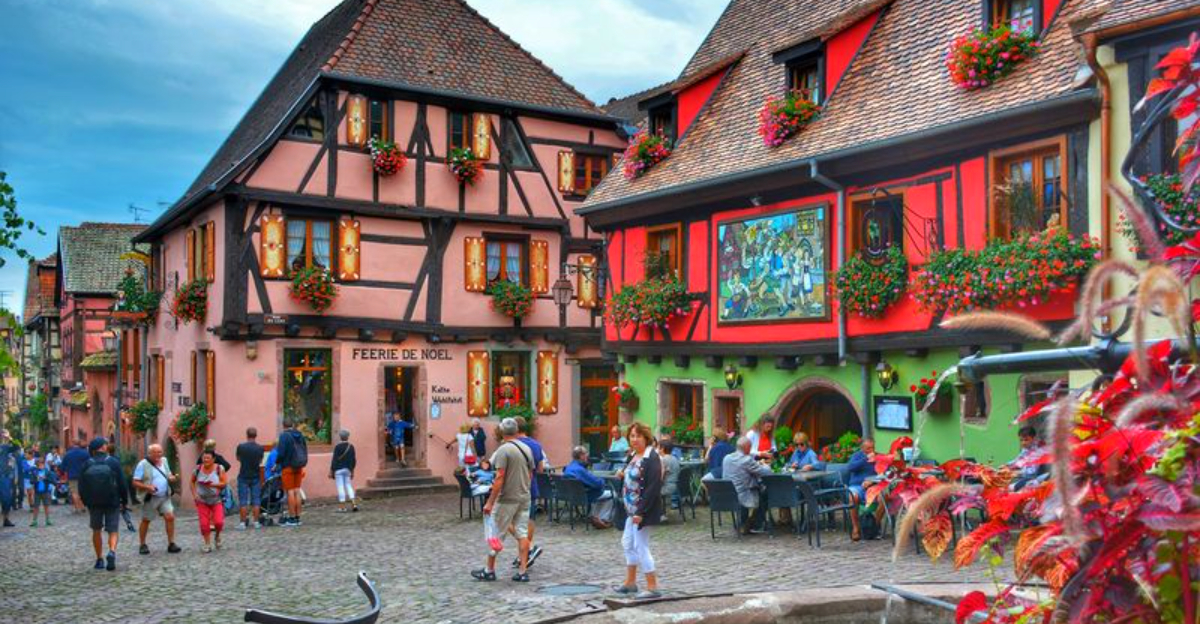
France is one of the world’s most iconic wine destinations, home to centuries-old vineyards, historic wine regions, and charming villages where wine culture infuses daily life. From medieval streets framed by vineyards to small communities with celebrated wine traditions, these 15 French wine villages offer unforgettable experiences for lovers of wine, culture, and scenic beauty.
Whether you’re sipping Riesling in Alsace or sampling Merlot in Bordeaux, each village below has its own story and signature pour.
Riquewihr – Alsace’s Fairytale Wine Village
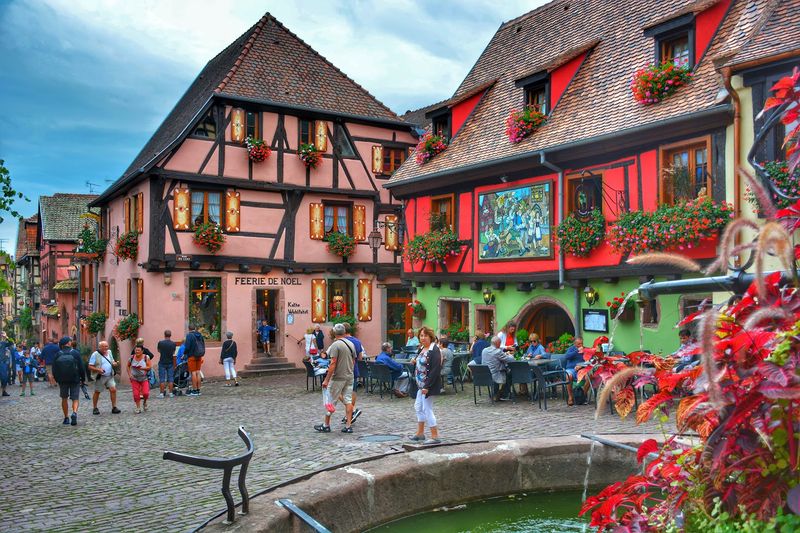
Step through the gates of Riquewihr and you might genuinely wonder if someone has been painting the scenery by hand. Half-timbered houses painted in sherbet hues lean over cobblestone lanes, and grapevines creep right up to the village walls.
It is postcard-perfect in a way that doesn’t feel staged at all.
Sitting snugly along the famous Alsace Wine Route, this village is the go-to spot for aromatic Riesling and spicy Gewürztraminer. Local wine producers have been perfecting their craft here since the 16th century, and many cellars still look the part.
Tasting rooms are tucked into ancient stone buildings, making every sip feel like a small history lesson.
Visitors often spend a full day here without ever running out of things to do. Wander through the old fortifications, peek into artisan shops, and end the afternoon with a glass of late-harvest Gewürztraminer.
Riquewihr is proof that a village can be both breathtakingly beautiful and absolutely delicious at the same time.
Saint-Émilion – UNESCO Treasure in Bordeaux
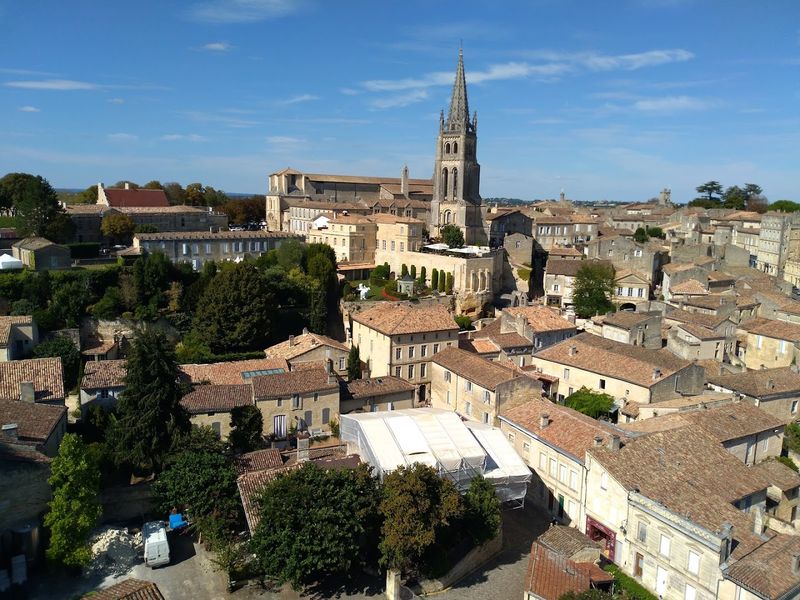
Perched on a limestone hilltop, Saint-Émilion looks like it was designed by someone who wanted wine and history to share the same address — and it works spectacularly. The village’s golden stone buildings, carved-out underground churches, and narrow car-free lanes make every stroll feel effortlessly cinematic.
UNESCO apparently agreed, granting the entire area World Heritage status in 1999.
Merlot rules this corner of Bordeaux, producing wines that are plush, velvety, and genuinely hard to put down. Family-run estates sit alongside grand châteaux, and most welcome visitors for tastings that range from casual sips to deep-dive vertical flights.
The wine scene here is welcoming without being intimidating, which is a rare and wonderful thing.
After a tasting or two, grab a table at one of the village cafés overlooking the vines and order a plate of local cheese. The combination of great wine, gorgeous architecture, and relaxed French hospitality makes Saint-Émilion one of those rare places that exceeds every expectation.
Come hungry, thirsty, and ready to linger far longer than planned.
Beaune – Heart of Burgundy’s Wine Country
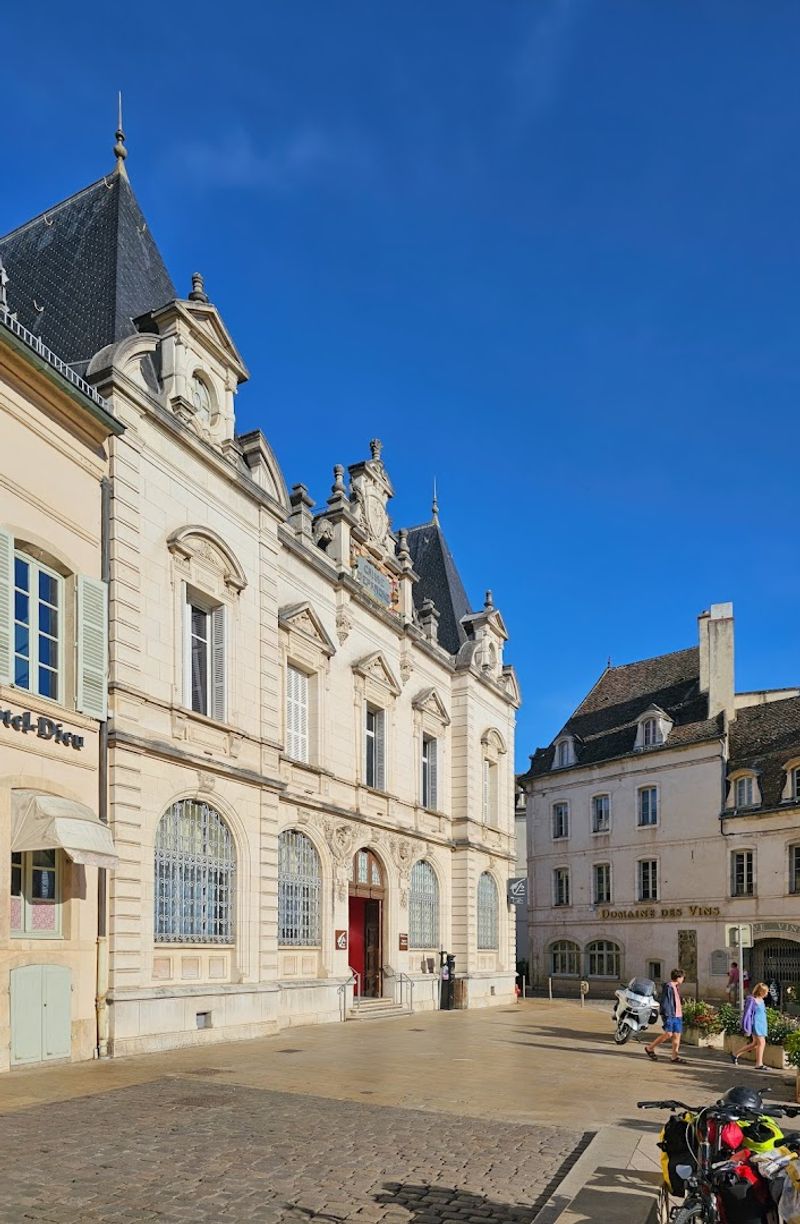
Burgundy’s most famous wine town wears its prestige lightly, which makes it even more appealing. Beaune’s medieval ramparts, lively market squares, and cellar-lined streets create an atmosphere that is equal parts museum and playground for wine enthusiasts.
The showstopper, though, is the Hospices de Beaune — a 15th-century charitable hospital with a jaw-dropping geometric tiled roof.
Pinot Noir and Chardonnay from the surrounding vineyards are considered benchmarks by wine lovers worldwide, and tasting them here, close to where the grapes grew, is a genuinely moving experience. Dozens of négociants and domaines open their doors for visits, and the annual Beaune wine auction in November draws buyers from across the globe.
It is one of the most prestigious charity wine events on earth.
Beyond the glass, Beaune is an excellent base for cycling through the Côte de Beaune vineyards or exploring nearby villages like Pommard and Meursault. The town has enough excellent restaurants to keep food lovers very happy too.
Beaune delivers a full sensory experience that goes well beyond what most wine towns dare to offer.
Bergerac – Dordogne’s Wine Crossroads
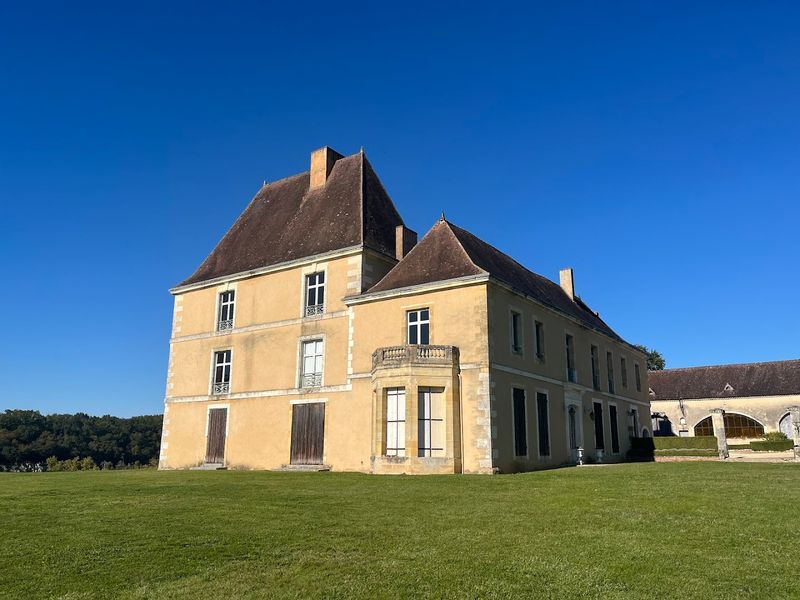
Bergerac is the kind of place where you slow down without even trying. Sitting along the Dordogne River in southwest France, this relaxed market town is surrounded by vineyards that produce a surprisingly wide range of wines — from crisp, dry whites to rich, full-bodied reds.
It is Bordeaux’s quieter, friendlier neighbor, and proud of it.
The town center is a delight of timber-framed buildings, shaded squares, and wine bars where locals gather without any particular hurry. PDO Bergerac wines cover everything from dry Sauvignon Blanc to structured Cabernet Sauvignon blends, while the sweet Monbazillac from nearby hillside vineyards is a dessert wine worth seeking out specifically.
Local producers are passionate and approachable, making tastings feel more like conversations than transactions.
Bergerac also happens to sit in the heart of one of France’s most beautiful landscapes, with walnut orchards, sunflower fields, and medieval châteaux dotting the countryside. A visit here pairs perfectly with a river cruise or a cycling trip through the surrounding wine villages.
For travelers who want great wine without the crowds or the price tags of bigger names, Bergerac is a genuinely smart choice.
Cahors – Malbec’s French Home
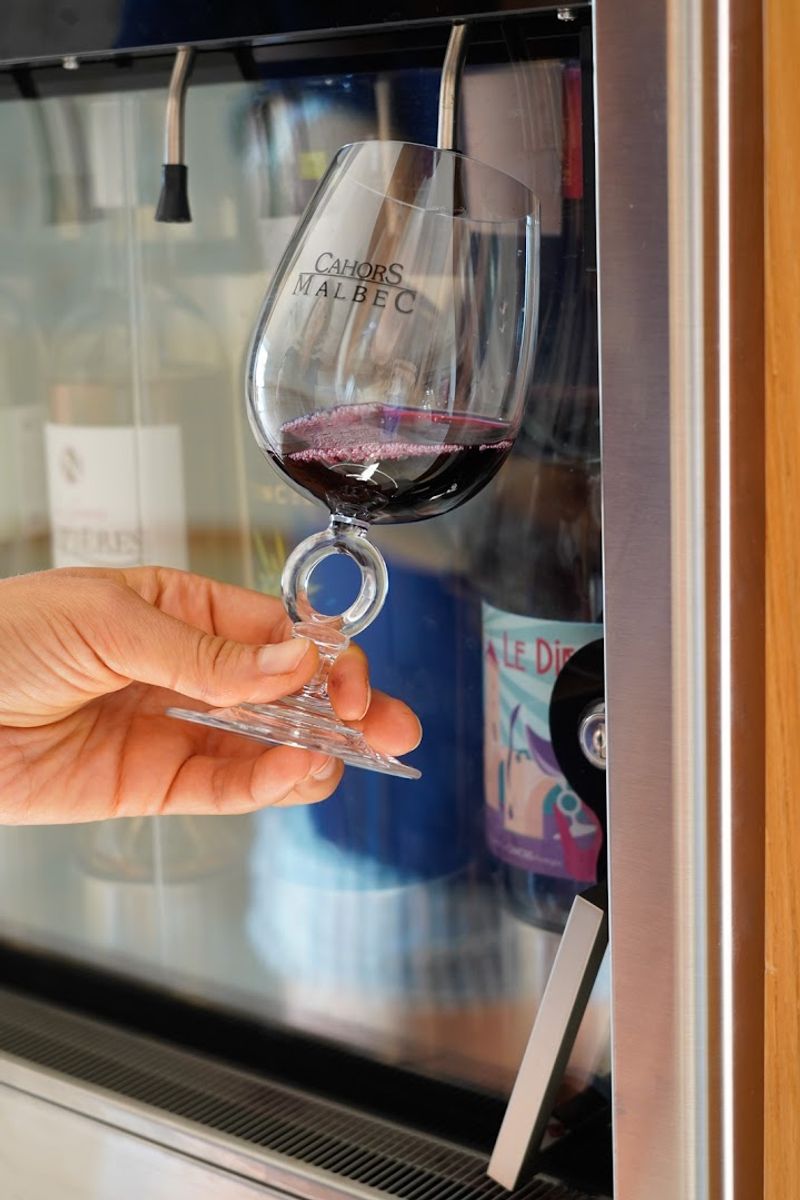
Long before Malbec became Argentina’s claim to fame, Cahors was quietly producing this bold, ink-dark grape in the river bends of southwest France. The grape variety actually originated here, in the Lot Valley, where it goes by the local name Côt and produces wines that are earthy, powerful, and deeply satisfying.
Tasting Cahors Malbec in its actual homeland is a genuinely eye-opening experience.
The town itself is anchored by the extraordinary Pont Valentré, a medieval fortified bridge with three towers that has stood over the Lot River since the 14th century. Strolling across it at sunset, glass of red wine mentally in hand, is one of those moments that stays with you.
The old town behind it is atmospheric and walkable, with plenty of wine shops and family-run restaurants to explore.
Surrounding vineyards welcome visitors for tastings throughout the year, and many producers offer tours that explain the unique terroir of the Lot Valley. The wines here tend to be more rustic and muscular than their Argentine counterparts — and that is absolutely a compliment.
Cahors is a destination for wine lovers who enjoy digging into grape history with their cork in hand.
Chinon – Loire Valley’s Cabernet Franc Haven
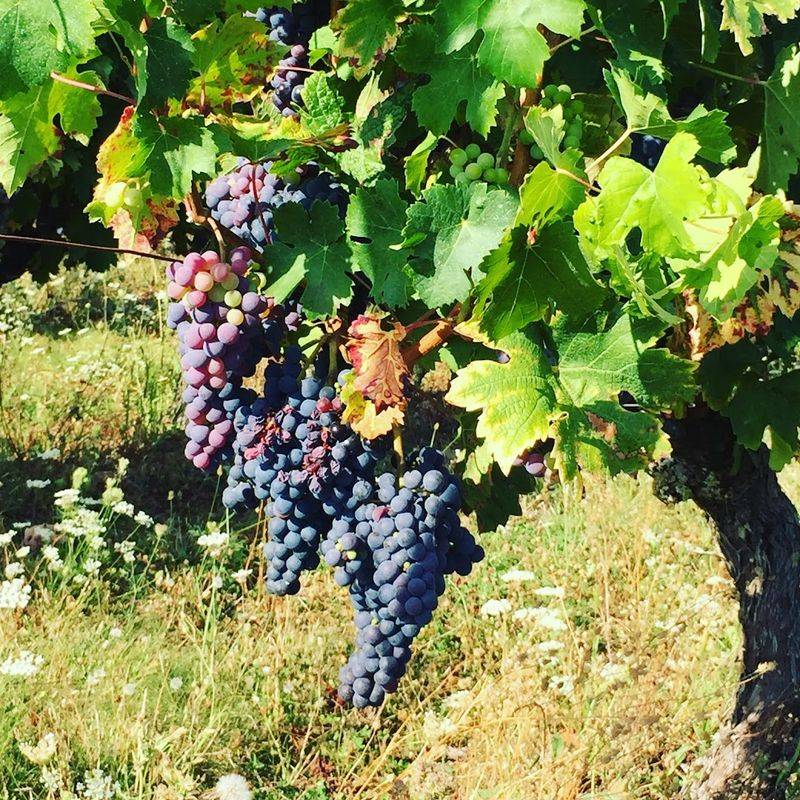
Cabernet Franc gets its best showcase in Chinon, a Loire Valley village that manages to be both historically dramatic and refreshingly unpretentious. The village’s royal château towers above the Vienne River on a rocky ridge, casting a suitably medieval shadow over the vineyards below.
Visiting feels like crashing a very sophisticated period drama — except with better wine.
Chinon’s reds are known for their vivid red fruit, violet aromas, and a distinctive pencil-shaving earthiness that Cabernet Franc fans find completely addictive. Many of the best producers are small family estates that have been making wine for generations, and they welcome visitors with genuine warmth.
Tasting sessions here rarely feel rushed or commercial.
The village center along the river is a pleasure to explore on foot, with Renaissance-era buildings, artisan bakeries, and wine bars scattered along the main streets. Local restaurants take full advantage of the region’s produce — think Loire Valley goat cheese, freshwater fish, and rillettes that pair brilliantly with a chilled glass of Chinon rosé.
This is a village that rewards those who take their time and resist the urge to rush on to the next destination.
Clisson – Italian-Flavored Loire Wine Village
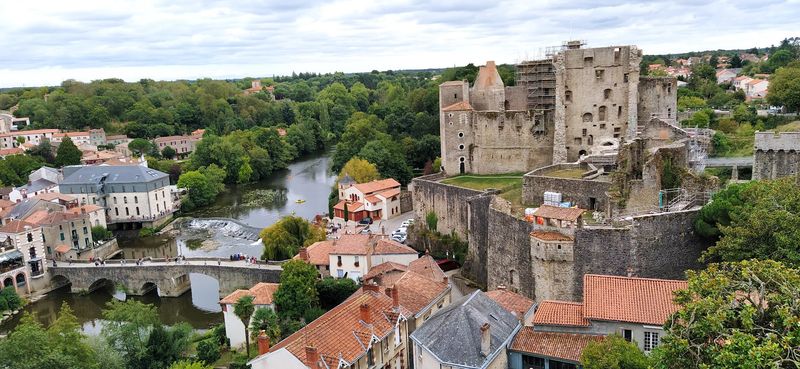
Nobody expects to find an Italian village hiding in the Loire Valley, but Clisson makes a genuinely convincing case for itself. After being largely destroyed during the French Revolution, the town was rebuilt by two brothers inspired by their travels in Italy, giving Clisson its distinctive Italianate look — think terracotta rooftops, arcaded streets, and romantic ruins draped in ivy.
It is completely unexpected and utterly charming.
The surrounding area sits within the Muscadet appellation, producing crisp, mineral-driven white wines that are among the Loire’s most food-friendly pours. These wines, made from the Melon de Bourgogne grape, are famously good with seafood and light enough to drink all afternoon without complaint.
Local producers around Clisson are increasingly experimenting with extended lees aging, creating more complex versions that are winning serious attention.
The town hosts a well-known heavy metal music festival each summer, which adds an entertainingly unexpected layer to its identity as a wine destination. Even outside festival season, Clisson’s combination of medieval ruins, river walks, and excellent wine makes it a rewarding detour for anyone exploring the Loire.
Pack a picnic, grab a bottle of Muscadet, and find a spot by the Sèvre Nantaise River.
Hautvillers – Champagne’s Historic Village
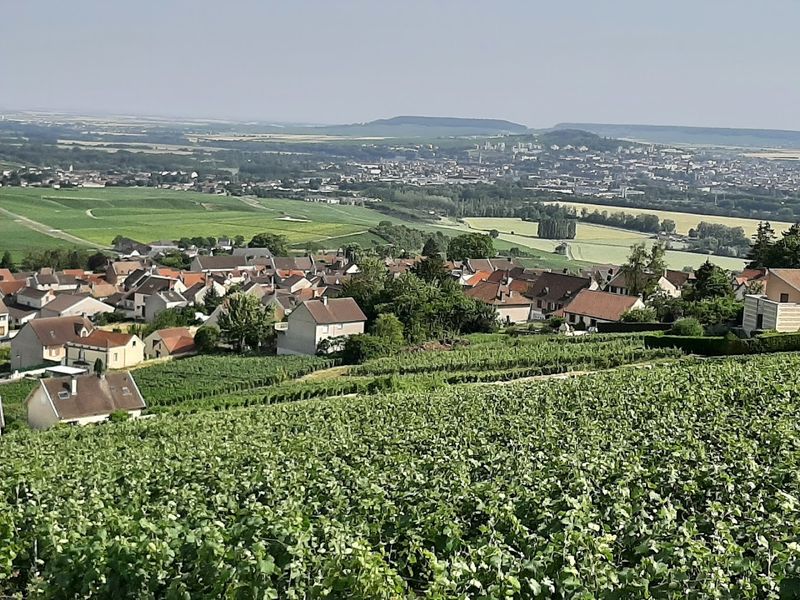
Every bottle of Champagne ever popped at a celebration owes a small debt to Hautvillers, the quiet hillside village where Dom Pérignon — the Benedictine monk credited with perfecting sparkling wine — spent most of his working life. The Abbey of Hautvillers still stands here, and the village streets are decorated with ornate wrought-iron signs depicting wine-related trades.
It is the kind of place that takes its fizzy legacy very seriously.
Perched above the Marne Valley, the village is surrounded by some of the most valuable vineyard land on the planet. Pinot Noir and Chardonnay grown on these chalky slopes end up in bottles that sell for hundreds of dollars worldwide.
Smaller grower-producers in the area offer tastings that provide a fascinating contrast to the big Champagne houses further along the route.
Visiting in autumn, when the vines turn gold and the harvest is underway, is a particularly magical experience. Many producers open their cellars during this season, and the village buzzes with a quiet but infectious energy.
Hautvillers is a reminder that behind every celebratory pop of a cork, there is centuries of skill, tradition, and a very dedicated monk to thank.
Olmeto – Corsica’s Coastal Wine Escape
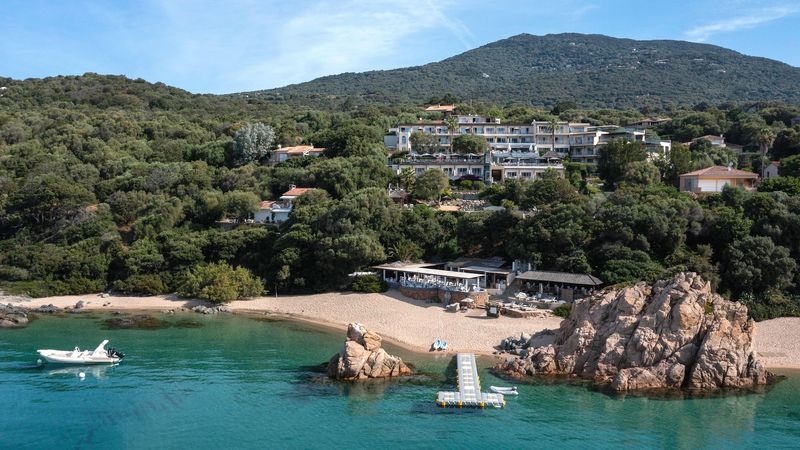
Corsica operates by its own rules, and Olmeto is a perfect example of why that is a very good thing. This hilltop village in the south of the island looks out over the Gulf of Valinco with the kind of Mediterranean confidence that only comes from centuries of knowing you live somewhere spectacular.
The scenery alone would justify the visit, but the wine makes it essential.
Corsican wines are genuinely unlike anything produced on the French mainland, shaped by indigenous grape varieties and an island terroir of granite, schist, and sea breeze. Sciaccarellu, a local red grape, produces wines with silky tannins and a smoky, peppery character.
Rosés made from this variety are some of the most refreshing and food-friendly wines in all of France, perfect for drinking alongside grilled fish and charcuterie.
The pace of life around Olmeto moves slowly and deliberately, and that spirit extends to the wine culture. Small producers here are often happy to welcome curious visitors for informal tastings, sharing the story of their vineyards alongside the wines themselves.
Factor in the nearby beaches, the fragrant maquis scrubland, and the extraordinary local cuisine, and Olmeto becomes one of the most complete wine travel experiences in France.
Lagrasse – Corbières’ Wine and Abbey Village
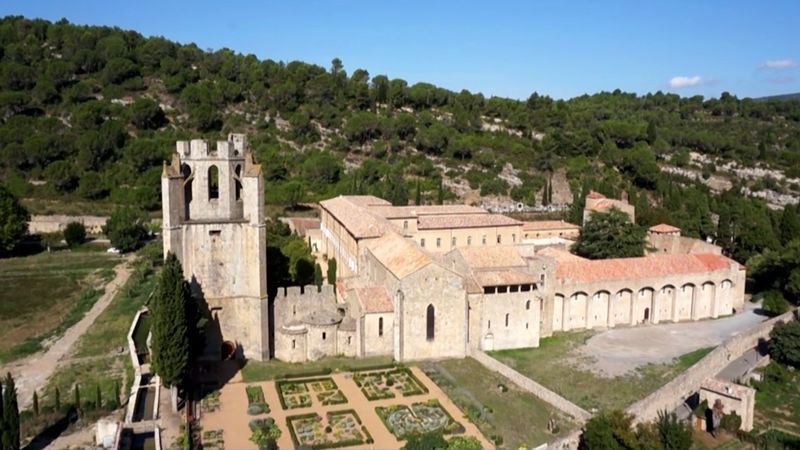
Lagrasse has been called one of France’s most beautiful villages, and walking through it for the first time, it is very hard to argue. The village sits in a loop of the Orbieu River in the Corbières hills of southern France, with a remarkable medieval abbey that has been occupied continuously since the 8th century.
The whole place radiates a kind of ancient, sun-baked calm that is immediately addictive.
The surrounding Corbières appellation produces bold, robust reds built primarily from Grenache, Syrah, and Carignan — wines with dark fruit, garrigue herbs, and enough structure to age beautifully. This is rugged southern wine country, where the vines struggle in rocky, sun-scorched soils and produce grapes with concentrated, intense flavors.
Local cooperatives and independent producers both offer tastings, and prices remain refreshingly accessible.
Beyond wine, Lagrasse hosts a thriving artisan community with potters, painters, and bookmakers drawn to the village’s timeless atmosphere. A summer book fair brings visitors from across France, adding a lively cultural dimension to what is already a deeply appealing destination.
Spend a morning at the abbey, an afternoon tasting Corbières reds, and an evening eating dinner on the old stone bridge — you will not regret a single moment of it.
Issigeac – Medieval Dordogne Wine Village
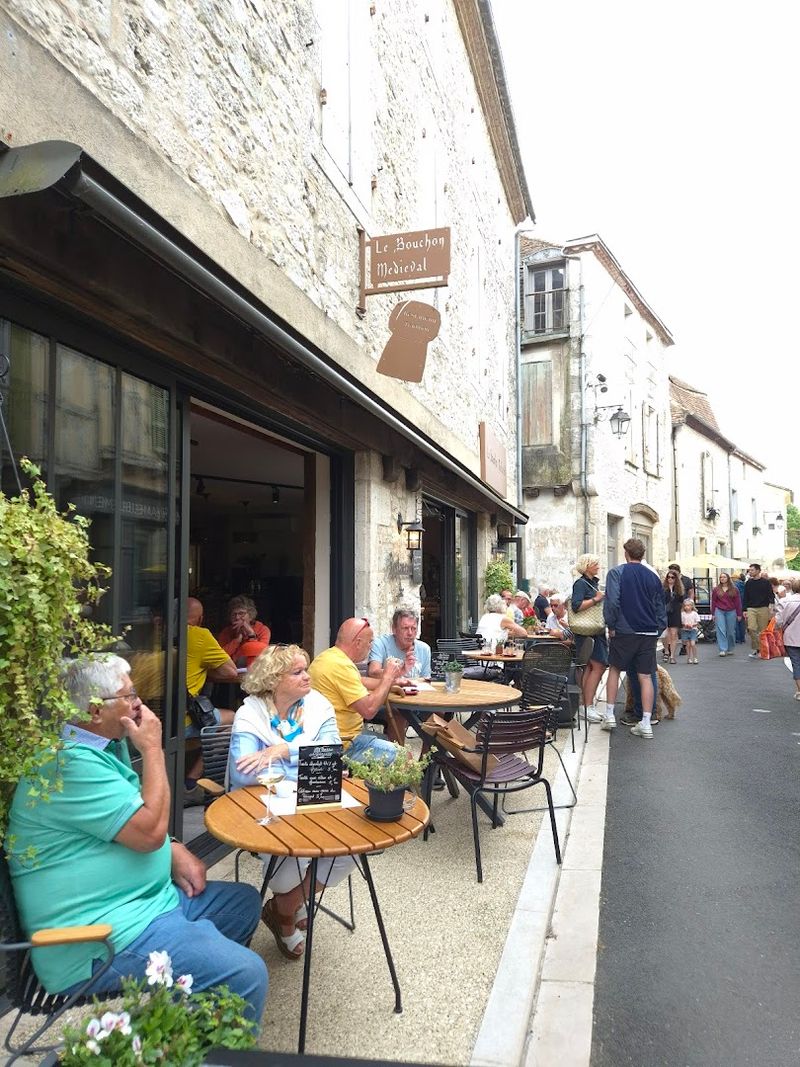
Sunday mornings in Issigeac belong to the market, and that market belongs to everyone — locals, farmers, cheese makers, winemakers, and very happy tourists who stumbled in and forgot to leave. This perfectly circular medieval village in the Dordogne comes alive each week with stalls selling Bergerac wines alongside local walnuts, duck products, goat cheeses, and seasonal produce.
It is a sensory experience that makes grocery shopping everywhere else feel deeply disappointing afterward.
The village itself is a beautifully preserved example of medieval town planning, with curved streets radiating outward from a central square and a Gothic church that anchors the whole composition. Timber-framed houses lean at comfortable angles over the lanes, and the overall atmosphere is one of unhurried contentment.
Surrounding vineyards produce Bergerac AOC wines — accessible, food-friendly, and genuinely underrated by the wider wine world.
Issigeac is small enough to explore fully on foot in a morning, which leaves the afternoon free for visiting nearby wine estates. Many producers in the area offer informal tastings that pair beautifully with a cheese or charcuterie selection picked up at the market earlier.
This is wine tourism at its most relaxed and most rewarding — no reservations required, no dress code enforced, just good wine and great company.
Médoc Villages – Countryside Wine Tranquility
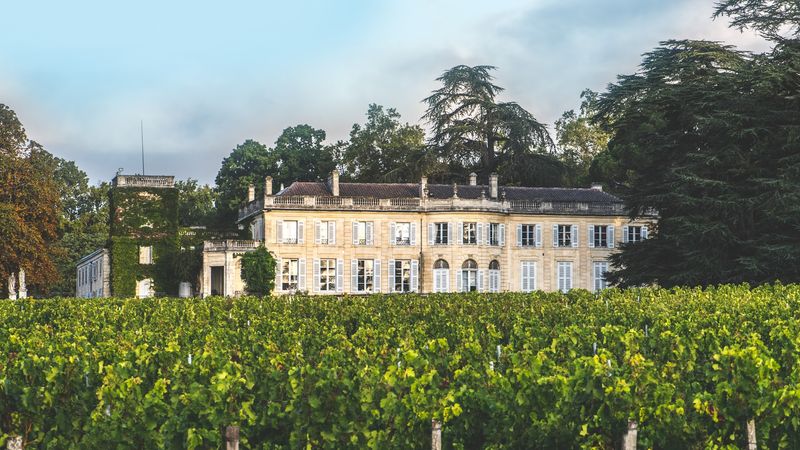
The Médoc is where Bordeaux gets serious — flat, gravelly, and absolutely bristling with some of the most celebrated wine estates on the planet. The villages scattered through this peninsula, from Margaux to Pauillac to the tiny hamlet of Bages, are quiet, unassuming places that happen to sit in the middle of extraordinary winemaking territory.
There are no theme parks here, just vines, châteaux, and the occasional very satisfied wine tourist cycling along a gravel path.
Bages, in particular, has transformed itself into a lovely wine village with a renovated café, bakery, and wine shop — all without losing its authentic rural character. Nearby Pauillac hosts some of Bordeaux’s most famous estates, including Châteaux Latour, Lafite Rothschild, and Mouton Rothschild.
Many offer tours and tastings that provide a fascinating glimpse into high-end Bordeaux wine production, though booking well in advance is strongly recommended.
The landscape itself is part of the appeal — flat and wide open, with vines stretching to the horizon under enormous skies. Cycling through the Médoc on a clear autumn day, stopping at châteaux along the way, is one of the most satisfying wine travel experiences imaginable.
These villages offer countryside serenity alongside world-class wine, a combination that is genuinely hard to beat.
Eguisheim – Circular Alsace Jewel
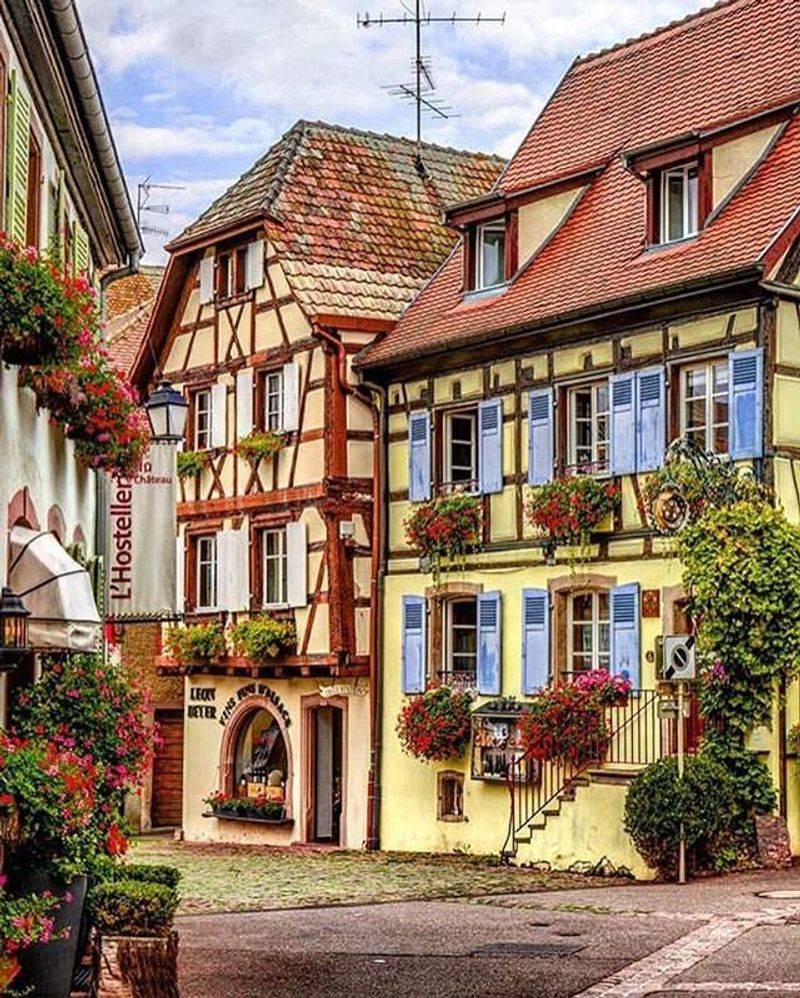
Eguisheim is the kind of village that makes people stop mid-stride and just stare. Built in concentric rings around a central octagonal castle courtyard, the village’s layout is unlike anything else in France, and its perfectly maintained half-timbered houses — painted in every shade from soft yellow to deep red — are adorned with flower boxes that burst into color each spring and summer.
It is arguably the prettiest village in Alsace, which is a genuinely competitive category.
Wine cellars line the circular streets, offering tastings of Alsace’s signature aromatic whites: Riesling, Pinot Gris, Muscat, and Gewürztraminer. Eguisheim’s vineyards include the Grand Cru Eichberg and Pfersigberg classifications, producing wines of real complexity and age-worthiness.
The village is considered the birthplace of Alsatian viticulture, with winemaking traditions stretching back well over a thousand years.
Visiting during the annual wine festival in late August is a particularly joyful experience, with tastings, music, and costumed processions filling the village streets. Even outside festival time, the combination of extraordinary architecture, excellent wine, and genuinely warm local hospitality makes Eguisheim one of the most rewarding stops on the entire Alsace Wine Route.
Bring comfortable shoes and an empty wine bag.
Saint-Pourçain – Burgundy’s Hidden Wine Village
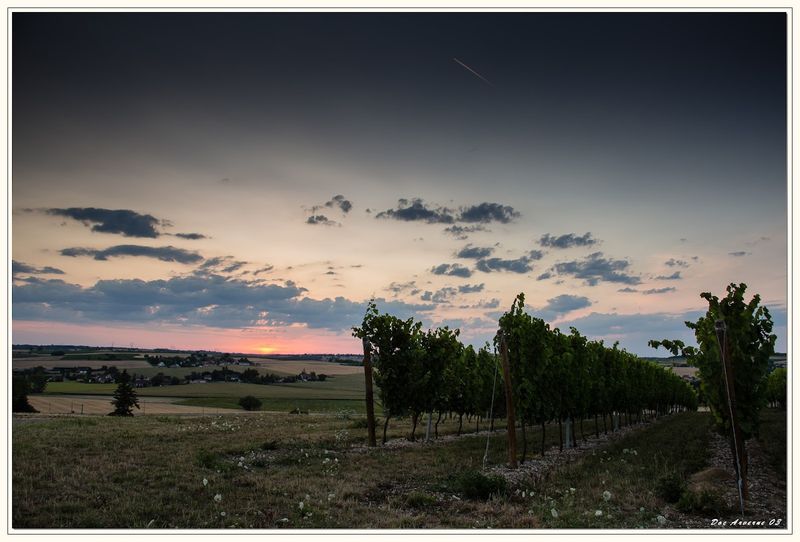
Wine history buffs take note: Saint-Pourçain was producing wine before Burgundy or Bordeaux had established their reputations, making it one of the oldest wine regions in France. Medieval records show that its wines were served at royal courts and papal banquets, which is an impressive credential for a village that most modern travelers have never heard of.
Obscurity, in this case, is a genuine gift for those who find it.
The wines here are made from a mix of local and classic varieties, including the rare Tressallier white grape and lighter-styled Gamay and Pinot Noir reds. They are not trying to compete with Burgundy’s grand crus — they are doing something quieter and more personal, with a charm that rewards curious palates.
Family-run domaines welcome visitors with a relaxed generosity that is refreshingly free of pretension.
The village of Saint-Pourçain-sur-Sioule sits beside a gentle river in the Auvergne, surrounded by rolling hills and a landscape that has barely changed in centuries. A local wine cooperative offers an excellent introduction to the appellation, with tastings covering the full range of styles.
For travelers who enjoy discovering wine regions before the rest of the world catches on, Saint-Pourçain is a wonderfully well-kept secret worth sharing — carefully.



