 Unearth The Voyage
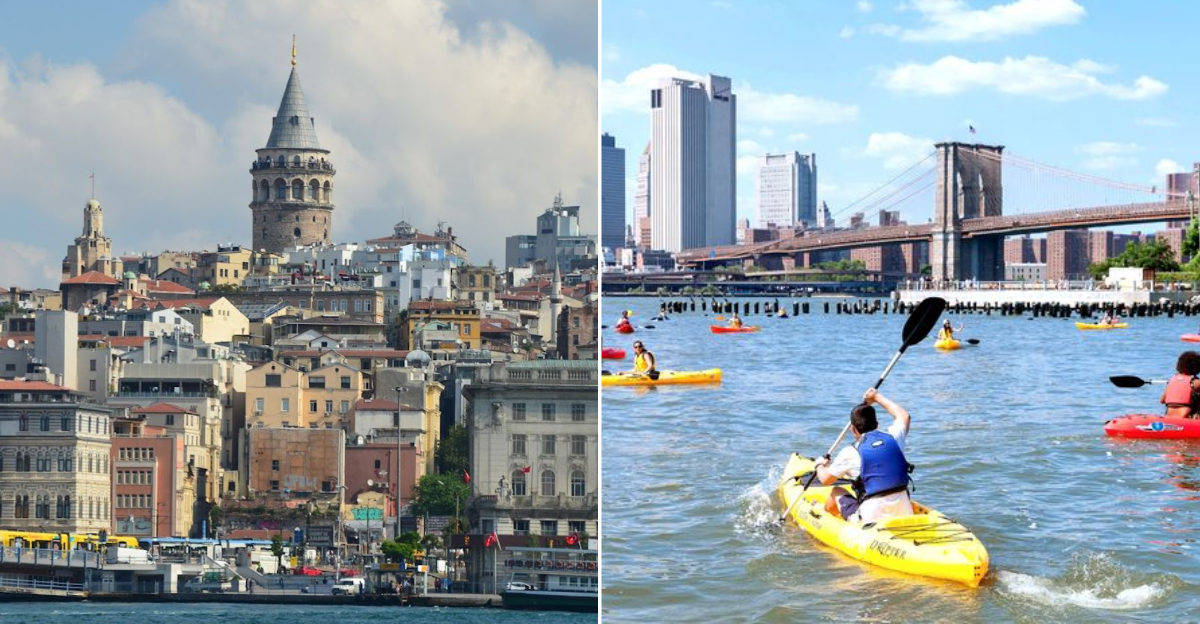
Some cities stay in your passport. Others move into your head and refuse to leave.
I have chased plenty of famous skylines, and the best ones are never just pretty – they are clever, layered, and a little dramatic. These 14 cities know exactly how to make an entrance, and yes, they absolutely deserve the hype.
Venice, Italy
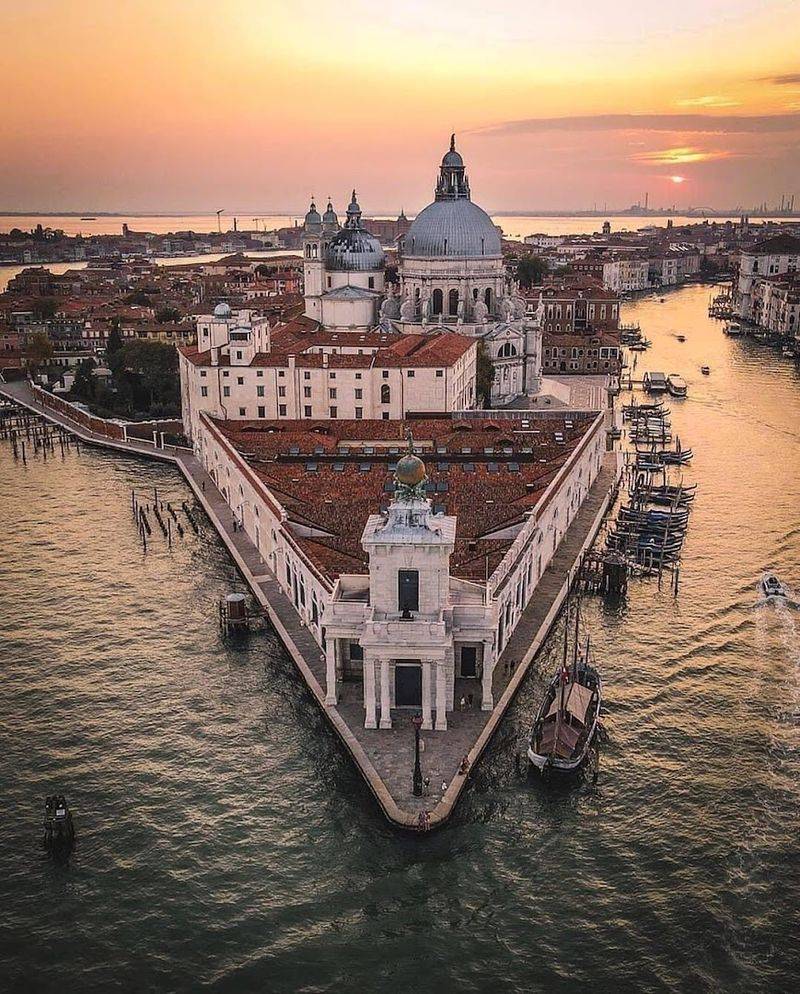
Venice does not do ordinary, and that is exactly its trick. Spread across 118 small islands, this city somehow turned waterlogged ambition into one of history’s great success stories.
By the 10th century, it had risen as a major maritime power, which is a very strong career move for a place with no roads.
The first time I got gloriously lost here, I stopped pretending I knew where I was going after about seven minutes. That actually improved the day.
Venice rewards wandering, side turns, and accidental discoveries far more than any perfect itinerary ever could.
Grand canals grab the headlines, but the quieter corners are the real scene-stealers. Laundry lines, weathered facades, and little squares give the city its sly charm.
Venice floats like a dream, yes, but it also hustled like a legend, and that mix makes it unforgettable.
Rome, Italy
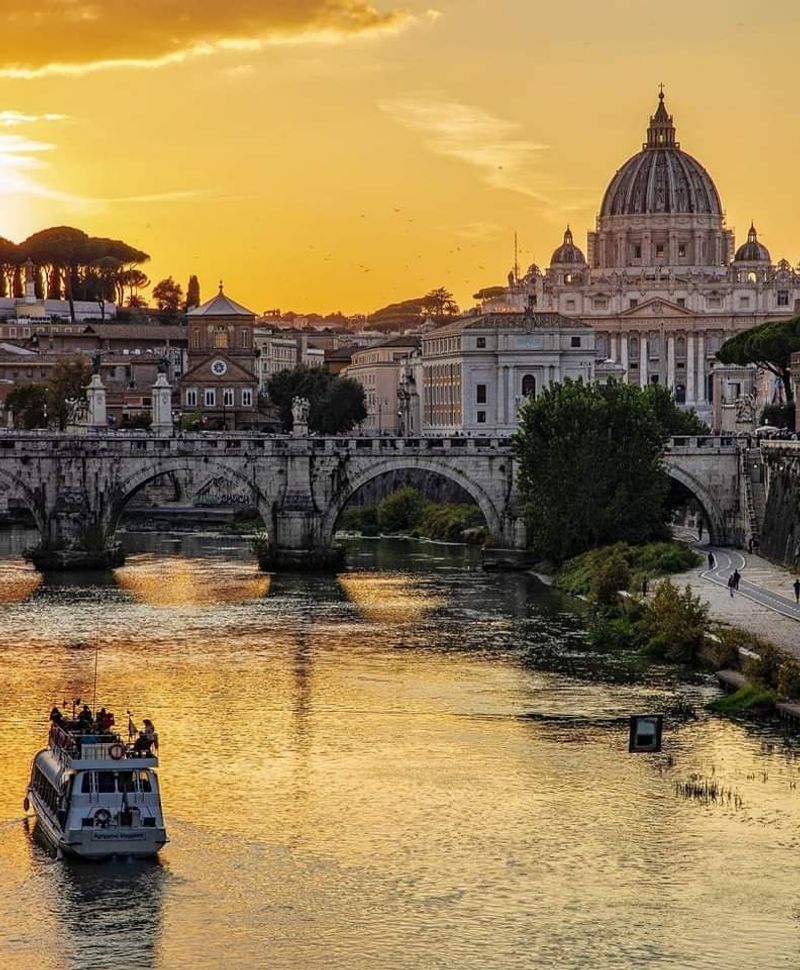
Rome never whispers when it can deliver a full dramatic monologue. Every corner looks like history decided to dress well and go outside.
Its UNESCO-listed historic centre was first inscribed in 1980 and later extended in 1990, which feels right because Rome has always been an overachiever.
I once turned down the wrong street here and ended up staring at ruins before lunch and a baroque fountain before dessert. In Rome, that counts as normal.
The city makes casual greatness look suspiciously easy.
What sticks with you is not just the age of it all, but the confidence. Columns, churches, piazzas, and palaces stack up like the city is showing off, and honestly, it has earned the right.
Rome is a postcard from history at every turn, only with better coffee and much stronger opinions.
Prague, Czech Republic
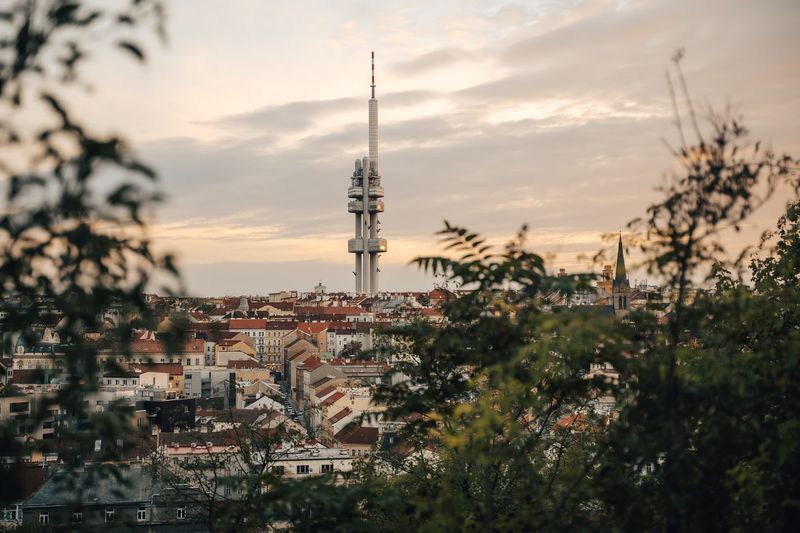
Prague wins the skyline contest before most cities have tied their shoes. Its historic centre feels improbably complete, as if several brilliant centuries held a very successful planning meeting.
Gothic drama, High Baroque flair, and other architectural eras all show up here and somehow get along beautifully.
The first thing that got me was the rhythm of the rooftops and towers. Then came the dangerous thought that maybe one more uphill walk was a great idea.
Prague has a way of making you forgive your own bad decisions.
This city did more than collect beautiful buildings. It helped shape Central European architecture, and that influence still gives the streets their confident personality.
Bridges, squares, and church spires keep the whole place looking a little theatrical in the best way. Prague feels like a fairytale, yes, but it is also impressively grounded, sharp, and very hard to forget.
Dubrovnik, Croatia
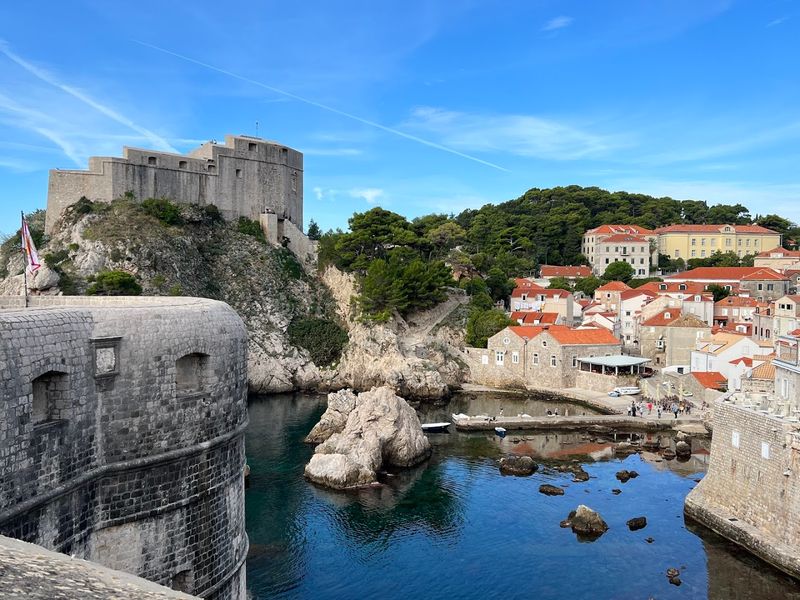
Dubrovnik arrives with stone walls and zero modesty. Set against the Adriatic, it looks polished, proud, and slightly too perfect, which would be annoying if it were not so deserved.
From the 13th century, it grew into an important Mediterranean sea power, and the city still carries itself like it remembers every victory.
What impressed me most was its refusal to fold. A major earthquake struck in 1667, yet Dubrovnik preserved remarkable Gothic, Renaissance, and Baroque landmarks.
That kind of comeback deserves applause and maybe a brass band.
Walking the old streets feels like entering a place that understands timing. Every lane, stair, and square gives the walls something worth protecting.
The sea keeps the backdrop dramatic, while the city keeps the details sharp and elegant. Dubrovnik has pure magic, yes, but it also has grit, discipline, and the posture of a place that knows exactly who it is.
Kyoto, Japan
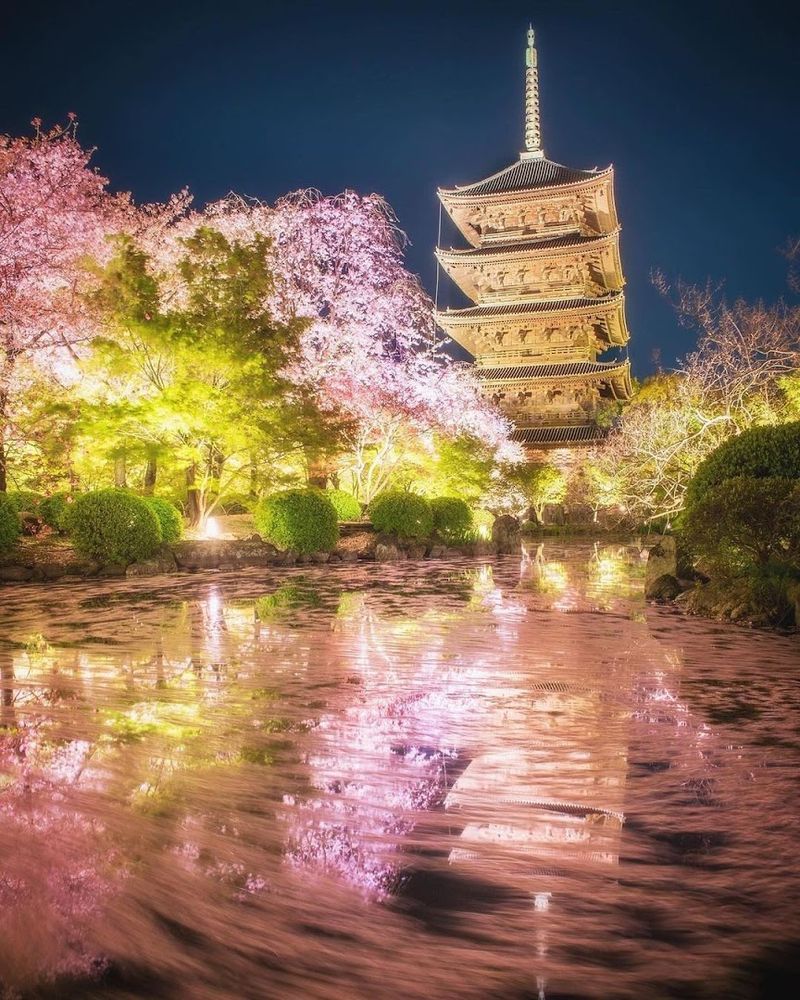
Kyoto does not need to raise its voice to command attention. Built in A.D. 794 and modeled after ancient Chinese capitals, it carries centuries with remarkable poise.
It served as Japan’s imperial capital until the mid-19th century, which explains why the whole city seems to stand a little straighter.
I liked Kyoto most when I stopped rushing and let the city set the pace. That turned out to be a smart negotiation.
Its streets, temples, and gardens reward patience more than speed, and that alone feels refreshing.
There is a rare closeness to history here that never feels dusty or staged. Old wooden buildings, careful layouts, and enduring traditions make the city feel deeply rooted without turning it into a museum.
Kyoto is graceful but never fragile. It has cultural weight, quiet confidence, and the kind of presence that stays with you long after your train leaves the station.
Istanbul, Türkiye
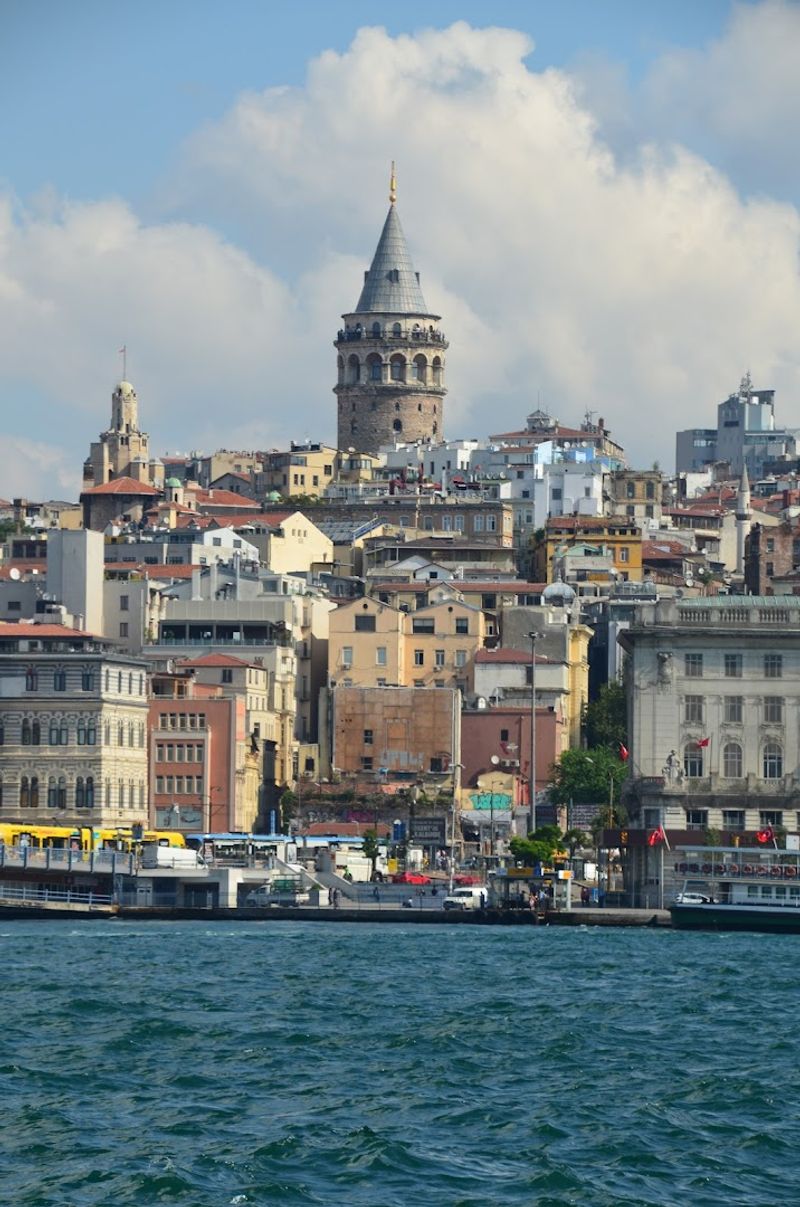
Istanbul is what happens when history refuses to pick one storyline. On the Historic Peninsula, the skyline gathers monuments like Topkapi Palace, Hagia Sophia, and Suleymaniye into one epic view.
The result is less a cityscape and more a masterclass in imperial confidence.
The first time I saw that layered horizon, I understood why people keep writing grand sentences about this place. Istanbul makes restraint very difficult.
It sits between worlds without seeming torn by them, which is an impressive trick for any city, let alone one with this much past.
What stays with you is the sheer density of significance. Empires left marks here, and the city wears them all with startling ease.
Domes, courtyards, and old walls turn every route into a reminder that power once lived here loudly. Istanbul is dramatic, complicated, and deeply memorable, the kind of place that makes ordinary skylines look like they need to try harder.
Marrakesh, Morocco
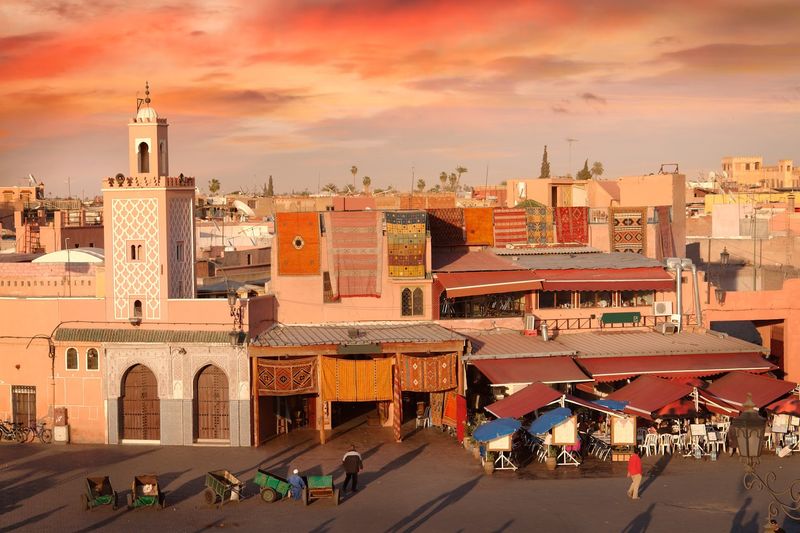
Marrakesh wastes no time being memorable. The Medina feels like another world, but not in a precious, untouchable way.
Founded in 1070-72 by the Almoravids, it became a major political, economic, and cultural centre, and you can still feel that old confidence in its layout and rhythm.
I learned quickly that the city likes curiosity and punishes hesitation. Stand still too long and the streets seem to grin at you.
Move with purpose, even if you are guessing, and Marrakesh suddenly feels like a conversation instead of a puzzle.
The appeal is in its layered energy. Historic walls, courtyards, mosques, and bustling lanes give the medina real depth, not just postcard appeal.
This is a place shaped by trade, ideas, and ambition, and that legacy keeps the city vivid. Marrakesh does not merely charm you.
It pulls you in, keeps you alert, and leaves a lasting mark without asking permission.
Cusco, Peru
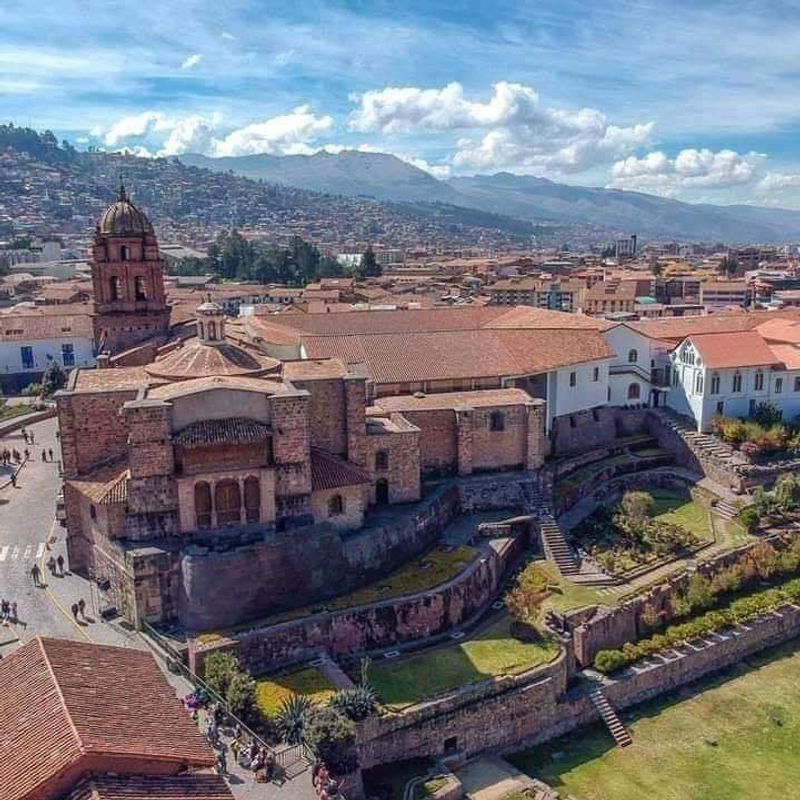
Cusco has the rare talent of making every street feel important. High in the Andes, it carries the legacy of the Inca ruler Pachacutec, under whom the city developed into a complex urban centre with distinct religious and administrative functions.
That is a serious résumé for a place that also looks excellent in every uphill photo.
I remember thinking the streets seemed to know more than I did, which was definitely true. Cusco has that effect.
You walk a little slower here, partly because of altitude, partly because the city keeps offering reasons to stop and pay attention.
Its enduring power comes from structure as much as scenery. Inca foundations, later buildings, and carefully organized spaces reveal a city built with purpose, not accident.
The result feels layered and intelligent rather than frozen in time. Cusco is legendary without acting smug about it, and that makes it even better company for a long walk.
Paris, France
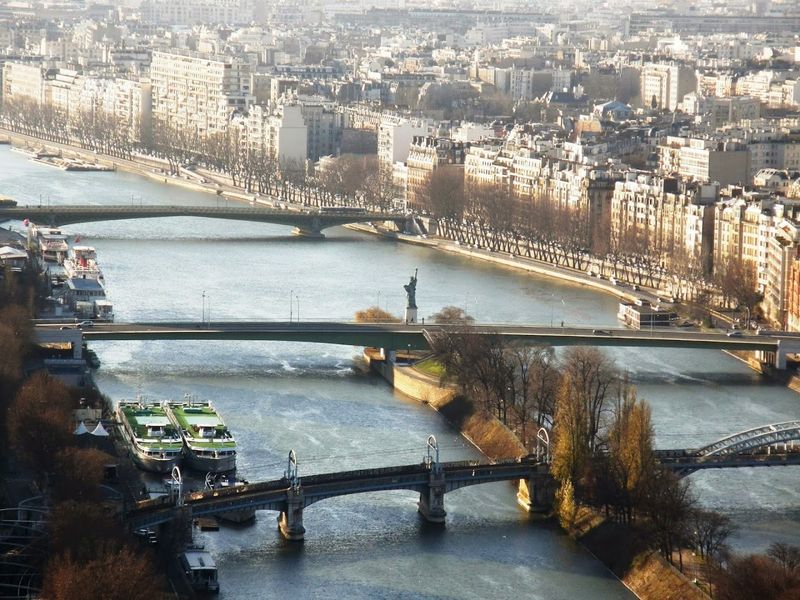
Paris knows exactly what it is doing, and frankly, the confidence is justified. UNESCO’s Paris, Banks of the Seine stretches from the Louvre to the Eiffel Tower, linking some of the city’s most recognizable landmarks along a river that quietly steals every scene.
The whole place feels cinematic without trying too hard, which is rude but impressive.
I once walked farther than planned here because every bridge made the next one look like a good idea. That is how Paris gets you.
One neighborhood turns into another, and suddenly you have built your entire day around the Seine.
What makes the city unforgettable is not just the star power of its monuments. It is the way centuries of Parisian history line up so neatly along the water, giving the city both grandeur and continuity.
Paris can be witty, dramatic, and a little smug, but it earns its applause every single time.
Jaipur, India
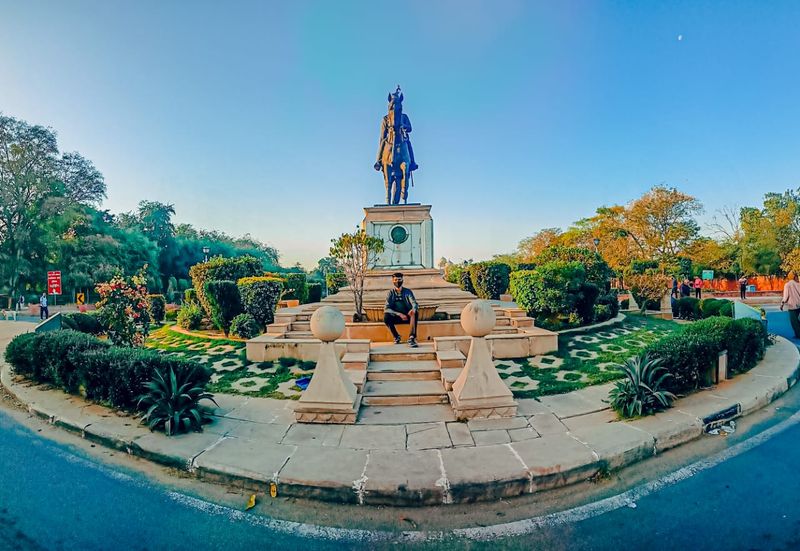
Jaipur proves that smart planning can still have flair. Known as the Pink City, it was founded in 1727 by Sawai Jai Singh II and laid out on a plain according to a grid plan interpreted through Vedic architecture.
That means beauty here is not random. It has a blueprint and a very good one.
The city surprised me with how organized it felt while still keeping plenty of personality. Straight streets, gateways, and lively facades create a rhythm that is easy to enjoy and hard to forget.
Jaipur somehow manages to be methodical and playful at the same time.
Its walled city gives everything a sense of cohesion. Markets, palaces, and public spaces fit together with unusual clarity, so the place feels designed for both daily life and lasting impression.
Jaipur does not rely on chaos to feel alive. It uses order, color, and confidence, which turns out to be a brilliant combination.
Sydney, Australia
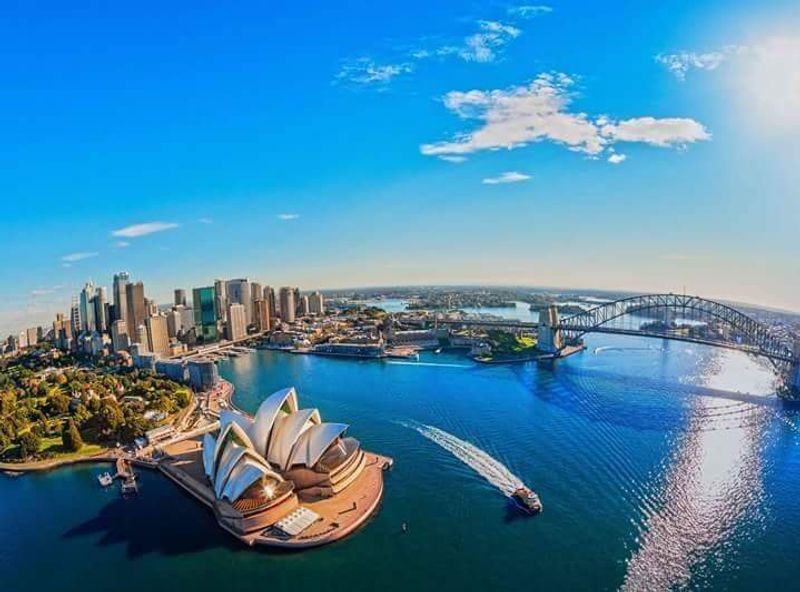
Sydney has one building that enters the conversation before anyone else can. The Sydney Opera House, with its gleaming sail-shaped shells, turns the harbor into a global stage.
As a UNESCO-listed performing arts centre, it is not just famous. It is genuinely important, which is the dream combo for any landmark.
I expected to admire it from a distance, then found myself circling back for one more look like a person who had misplaced common sense. The structure changes with every angle.
That kind of architectural showmanship should probably come with a warning label.
What makes Sydney unforgettable is how well the city uses its setting. Water, skyline, and architecture work together instead of competing for attention.
The Opera House gives the whole place an unmistakable profile, but it also reflects Sydney’s wider confidence and energy. Few cities feel so instantly recognizable, and fewer still make recognition feel this rewarding in person.
Singapore
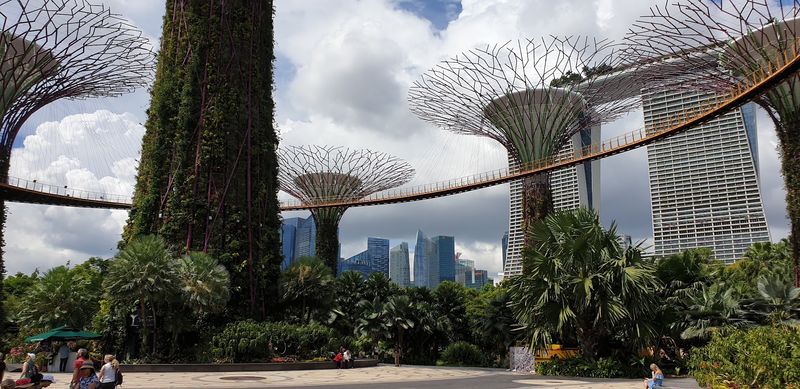
Singapore pulls off a neat trick: steel on the outside, jungle heartbeat underneath. The city’s modern skyline gets plenty of attention, but the Singapore Botanic Gardens give it something richer and more enduring.
They became the country’s first UNESCO World Heritage Site on July 4, 2015, which feels like a well-deserved standing ovation.
I liked how quickly the city changed mood from district to district. One minute everything looked sharply engineered.
The next, greenery had wandered in and improved the whole conversation. Singapore never seems confused by that contrast.
It treats it like a strength.
That balance is what makes the city stick with you. It is efficient without feeling cold, ambitious without losing grace, and polished without becoming dull.
The Botanic Gardens are a perfect symbol of that identity, rooting the city in living history while the skyline keeps pushing forward. Singapore feels future-minded, but it knows exactly what it wants to preserve.
New York City, USA
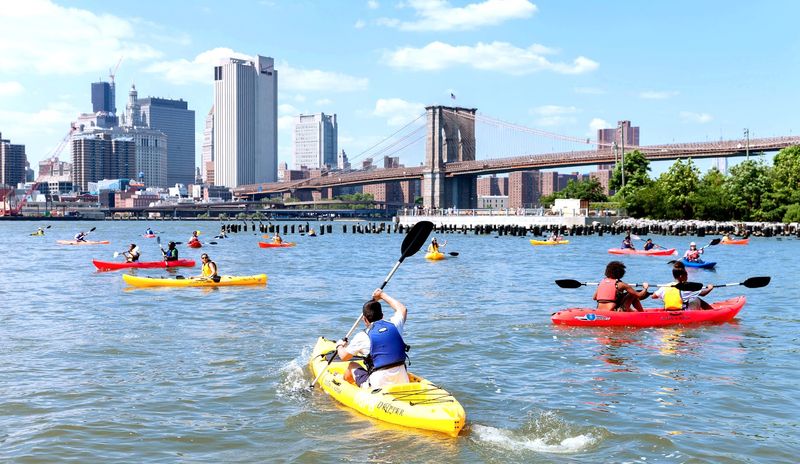
New York City never settles for one memorable moment when it can give you a thousand. The skyline has earned its movie-star reputation, but the Statue of Liberty remains the city’s great opening line.
UNESCO recognizes it for good reason: it was made in Paris by Frédéric Auguste Bartholdi, with Gustave Eiffel designing the steel framework, and it marked the centenary of American independence as a gift from France.
I still think there is something delightfully bold about a city introducing itself with a colossal symbol of liberty in the harbor. New York does subtlety when it feels like it, which is not often.
That confidence is part of the charm.
The city stays unforgettable because it keeps stacking meanings on top of spectacle. Immigration, ambition, reinvention, and sheer visual swagger all meet here at once.
New York does not ask for your attention. It assumes it already has it, and usually it is right.
Rio de Janeiro, Brazil
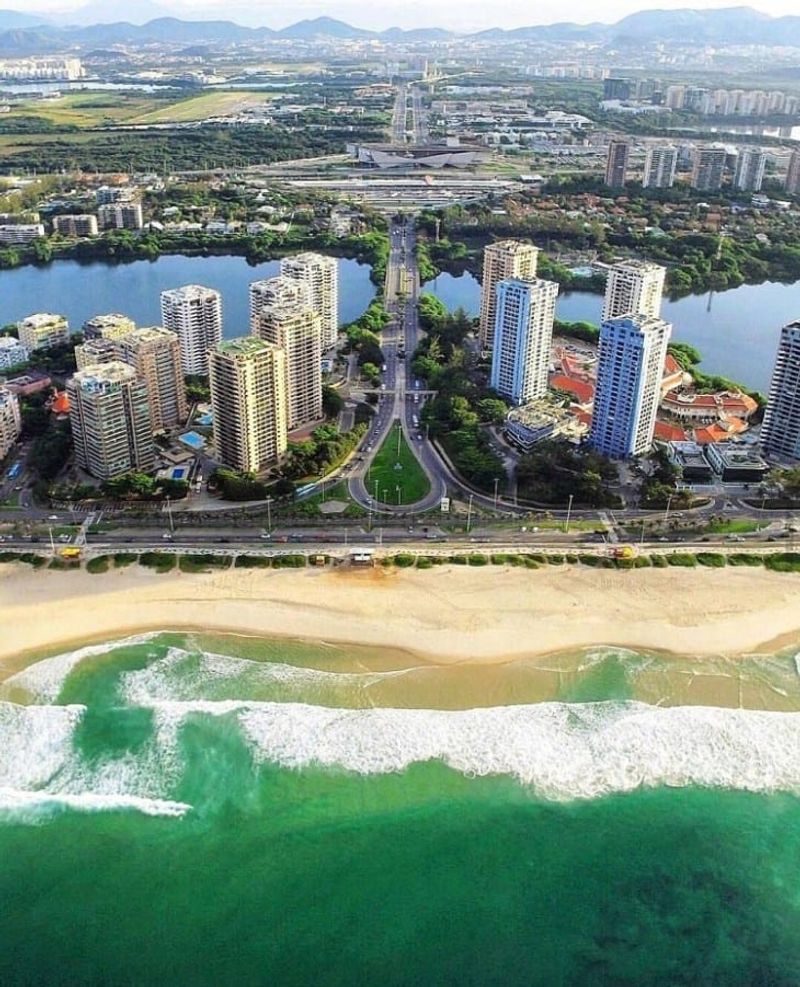
Rio de Janeiro looks like it was given extra advantages and decided to use every single one. UNESCO describes its Carioca Landscapes as an exceptional urban setting shaped by natural elements, from the heights of Tijuca National Park down to the sea.
That is not just flattering language. It is a tidy summary of Rio’s unfair level of appeal.
The city won me over by refusing to separate nature from urban life. Mountains do not sit politely in the distance here.
They join the composition, push into the city, and make every big view feel even bigger. Rio has range, and it knows it.
What makes it unforgettable is the way all the pieces connect. Neighborhoods, shoreline, forested heights, and iconic landmarks form one integrated scene rather than competing attractions.
Rio feels expansive without losing personality. It is bold, scenic, and gloriously self-assured, which turns a visit into the kind of memory that keeps replaying long after you leave.



