 Unearth The Voyage
Some places make history feel close enough to touch. Streets double as timelines, and everyday routines brush past centuries of stories.
If you crave destinations where the past is still part of the neighborhood, these cities deliver living, breathing heritage. Walk in and you are already inside the story.
1. Boston, Massachusetts
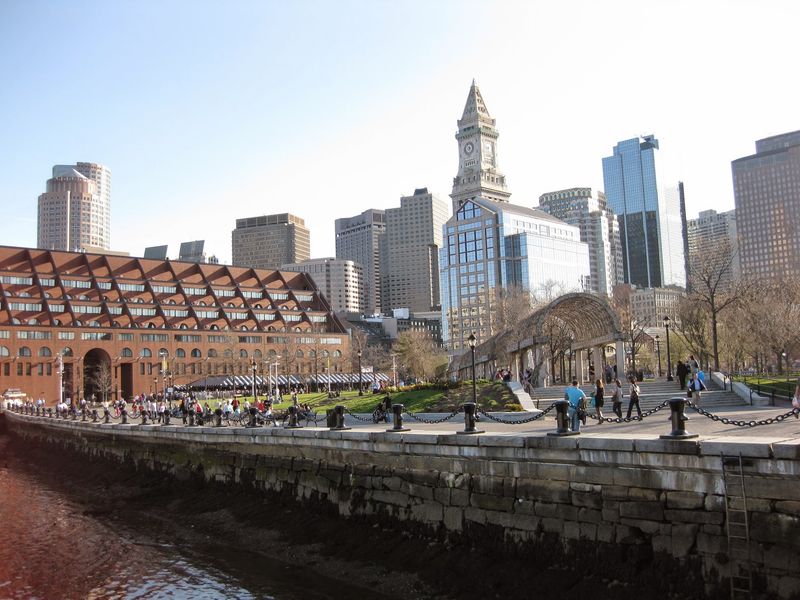
Walk the Freedom Trail and you trace a protest movement that became a nation. Brick by brick, Beacon Hill’s Federal-style homes, Faneuil Hall’s market clamor, and the Old North Church’s steeple keep revolutionary memory on the morning commute.
You might sip coffee by a meeting house where speeches once rattled windows.
History works here, not just poses. Students crowd around 18th-century gravestones while biotech workers pass colonial facades on their way to labs.
The Metropolitan Area Planning Council notes Boston added tens of thousands of residents last decade, yet its 9,000-plus historically significant buildings anchor growth.
Actionable tip: do the Trail early, then ride the MBTA to Roxbury for Black history sites, including the Shirley-Eustis House. Pair archives with appetite by trying brown bread and baked beans near Union Oyster House.
You leave understanding that liberty’s arguments still echo down these narrow, stubborn streets.
2. Savannah, Georgia
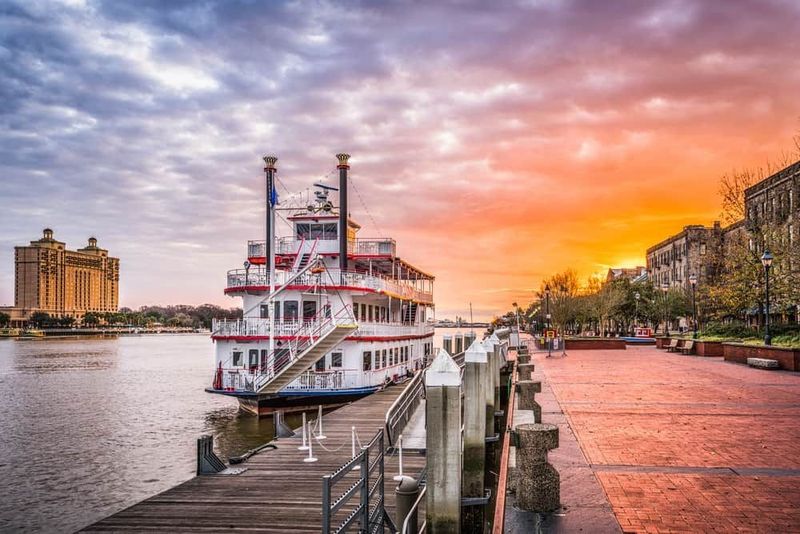
In Savannah, the city plan is the attraction. Oglethorpe’s 18th-century grid unfolds as a chain of moss-veiled squares where joggers loop past obelisks and church fronts.
Carriage wheels clatter over cobblestones by homes that predate the cotton boom, still lived in, still layered with stories.
Preservation is policy, not sentiment. The Historic Savannah Foundation helped rescue hundreds of structures, fostering a downtown where boutiques operate from 1850s storefronts.
Tourism topped 14 million visitors recently, yet you can still hear cicadas and footsteps on stone after dark.
Actionable tip: start at Chippewa Square at sunrise, then tour the Davenport House to decode Federal-era design you will recognize all afternoon. Save time for the Pin Point Heritage Museum, where Gullah-Geechee voices narrate marshland livelihoods.
By day’s end, the smell of pralines and river breezes makes the past feel immediate, domestic, and charmingly stubborn.
3. St. Augustine, Florida
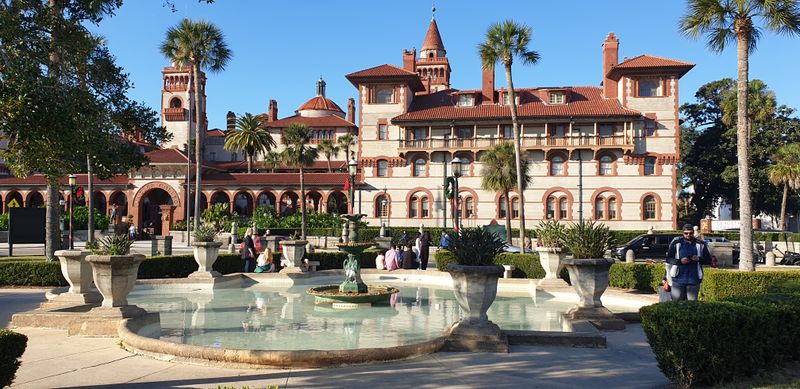
Founded in 1565, St. Augustine wears its age lightly. The coquina bastions of Castillo de San Marcos face morning joggers, and families picnic under cannons that once decided empires.
Narrow streets thread past Spanish colonial balconies where neighbors trade greetings like it is still the 1700s.
Daily life blurs museum lines. School groups test the fort’s echoing casemates, then locals attend mass in a parish dating to the 16th century.
Florida’s heritage economy is real here, with small businesses thriving in centuries-old footprints that survived fires, sieges, and fashion cycles.
Actionable tip: walk the fort’s seawall at dawn, before lines build, then detour to Lincolnville to learn Reconstruction-era Black history often overshadowed by conquistador lore. Grab a Cuban sandwich on St. George Street and notice how the coquina sparkles with ancient shells.
The city teaches resilience by simply continuing breakfast within fortress shadows.
4. Philadelphia, Pennsylvania
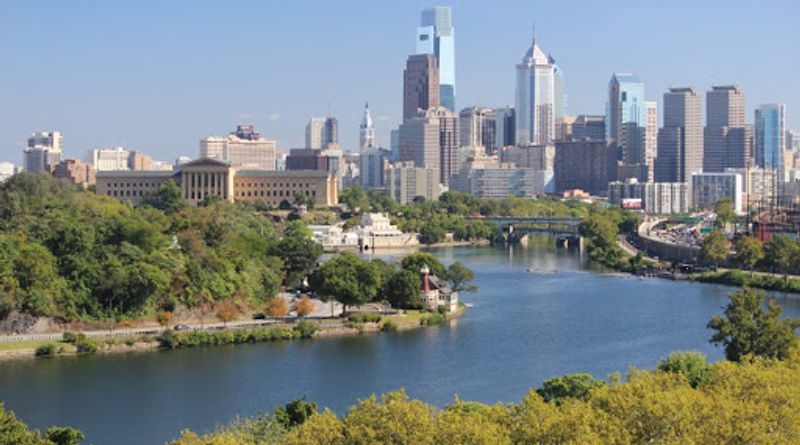
In Philadelphia, founding documents share sidewalks with food carts and bus routes. Office workers eat hoagies across from Independence Hall, and joggers pace past the Liberty Bell before happy hour.
Old City’s Georgian bricks now frame galleries and lofts, so revolution-era blocks host 21st-century startups.
It is a city of firsts that still experiments. The country’s oldest residential street, Elfreth’s Alley, remains lived-in, laundry on lines and planters in windows.
According to Pew research, Philly’s population has stabilized near 1.6 million after years of loss, while heritage districts anchor neighborhood identity.
Actionable tip: start with a ranger-led constitutional tour, then cross the street for the Museum of the American Revolution’s immersive exhibits. Afterward, take SEPTA to Germantown for sites of early abolition and the Johnson House Underground Railroad stop.
History here is democratic: open doorways, everyday errands, and layered debates.
5. Santa Fe, New Mexico
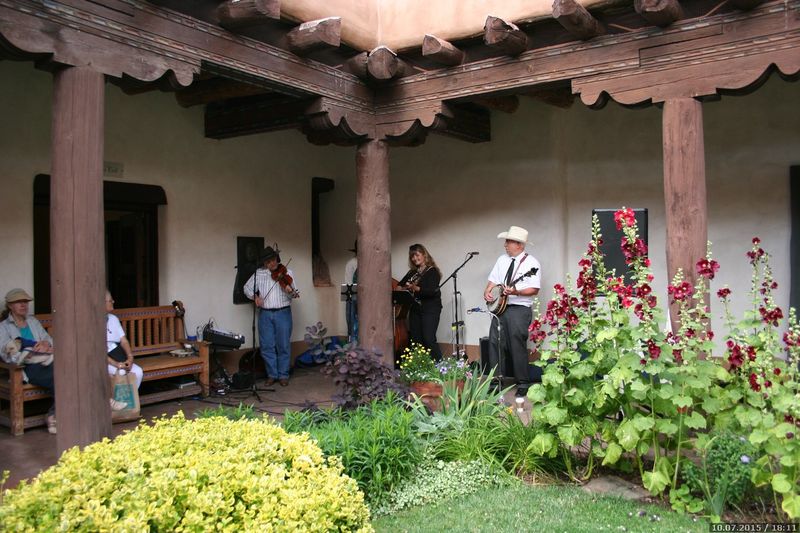
Santa Fe looks cohesive because it is regulated to be. The adobe palette and Pueblo Revival forms are not nostalgia, they are code, preserving lines that predate statehood.
You buy green chile at a farmers market beneath vigas like your grandparents might have.
Living traditions thrive downtown and at nearby pueblos. The city hosts one of the country’s largest art markets, yet its architecture whispers older stories at every stucco curve.
Santa Fe’s elevation cools summers, and creative workers relocate accordingly, adding new chapters to very old streets.
Actionable tip: walk Canyon Road early to see galleries open their doors, then visit Museum Hill for timelines that connect pottery to place. Respect sacred sites and photography rules at pueblos.
By sunset, adobe walls glow like embers, and you realize continuity is not a style choice here, it is civic DNA you can feel underfoot.
6. Charleston, South Carolina
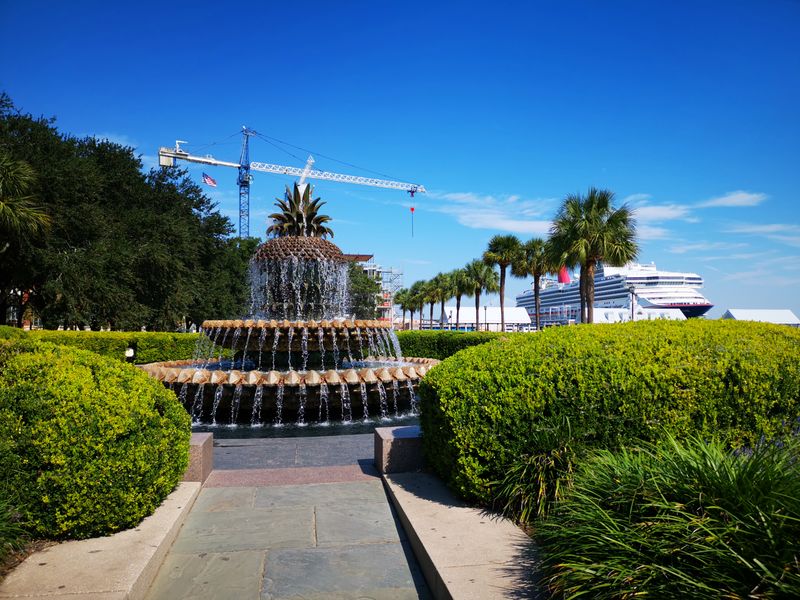
Charleston’s beauty is deliberate and complicated. Gas lanterns, pastel facades, and ironwork balconies glow at twilight while residents head to supper clubs inside 200-year-old rooms.
Earthquake bolts dot walls that have survived sieges, storms, and shifting fortunes.
Conversations about preservation include hard truths. The city’s historic landscape was built with enslaved labor, and sites like the International African American Museum ground the postcard views in context.
Regional statistics show Charleston’s metro among the fastest growing in the Southeast, pressuring heritage and housing alike.
Actionable tip: pair Rainbow Row with a tour of the Old Slave Mart Museum and a visit to Gullah-owned restaurants. Explore on foot in Ansonborough and by water taxi for skyline perspectives.
You come away with beauty and accountability entwined, learning that honest storytelling makes those pastel shades feel earned rather than ornamental.
7. New Orleans, Louisiana
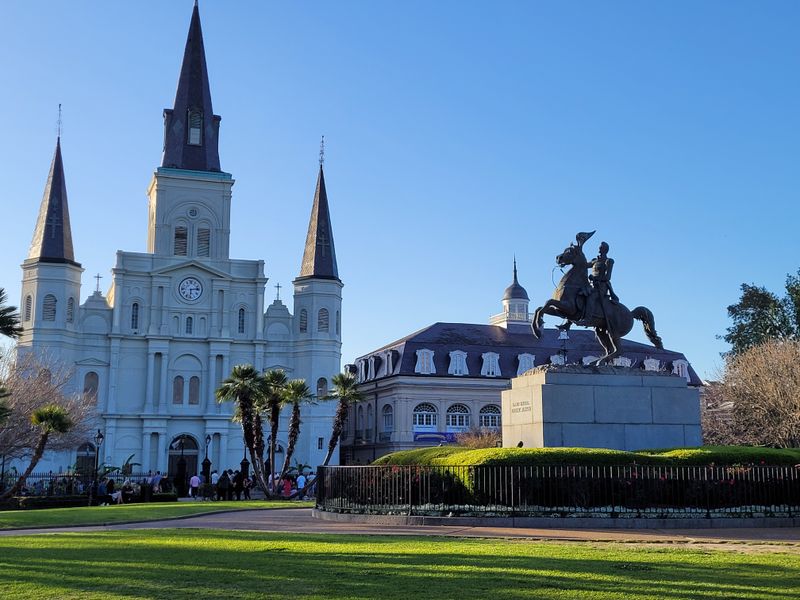
New Orleans sounds historic before you see it. A brass line rounds a corner, and balconies rain rhythm on flagstones worn by centuries.
Creole cottages squat beside bars where po-boys and zydeco share the same menu of memory.
Heritage is not curated behind glass. Jazz was born here and still clocks in nightly.
According to city data, visitor numbers rebounded strongly after pandemic lows, fueling small venues and family kitchens that double as archives.
Actionable tip: wake early for beignets, then tour Tremé to understand free people of color shaping American music. Visit St. Louis Cemetery with a licensed guide to protect fragile tombs.
As evening arrives, you will feel why locals insist the Quarter is a neighborhood first, a stage second, and why history in New Orleans moves in 4/4 time.
8. Annapolis, Maryland
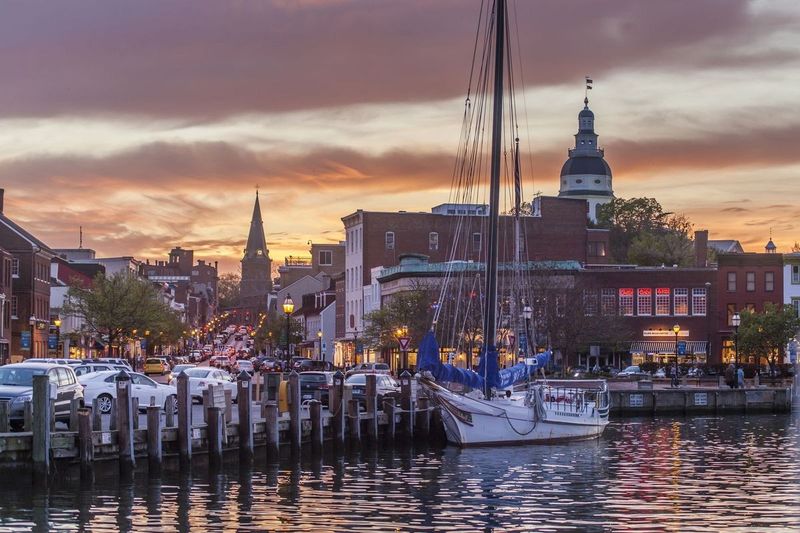
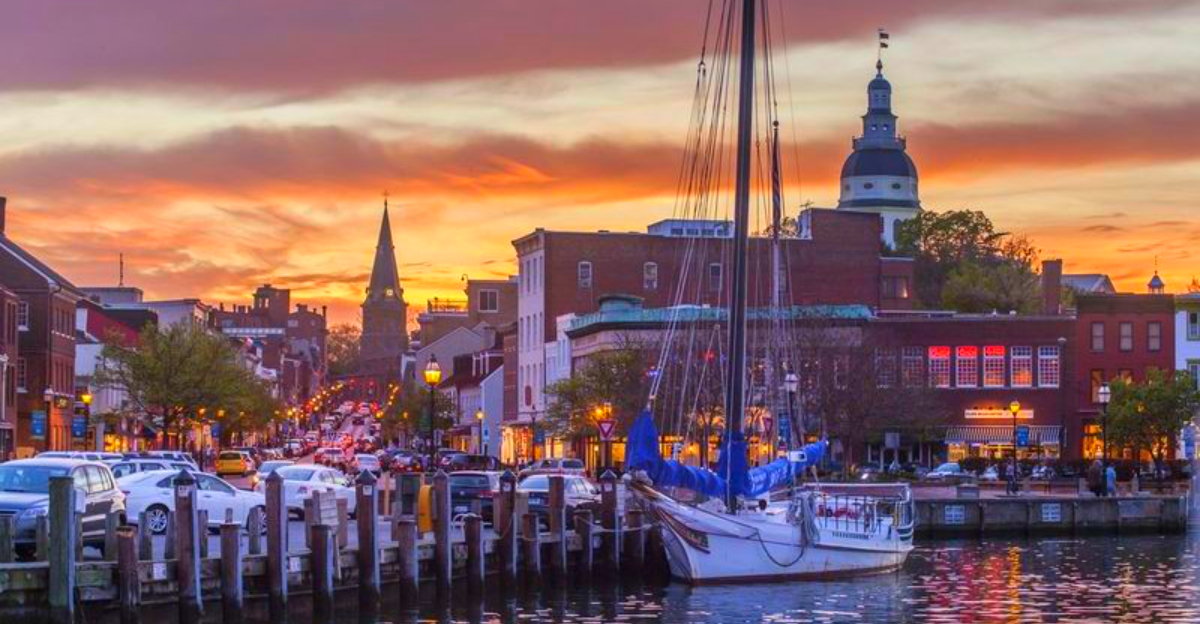
Annapolis wakes to rigging tapping masts. Colonial brick fronts lean into breezes that smell like brine and varnish, and midshipmen thread through the city in crisp uniforms.
The 1770s never left the harbor, they just learned to share space with espresso machines.
Continuity is structural here. The Maryland State House still hosts legislators under its wooden dome, the oldest of its kind.
Census figures show Annapolis steady in size, letting preservation programs keep a tight stitch between maritime work and Main Street life.
Actionable tip: tour the United States Naval Academy for a living institution layered over 19th-century grounds, then walk to the William Paca House gardens to read elite life in hedges and bricks. Cap the day with a skipjack cruise.
You will understand a port where policy, boats, and brickwork negotiate every tide change together.
9. San Antonio, Texas
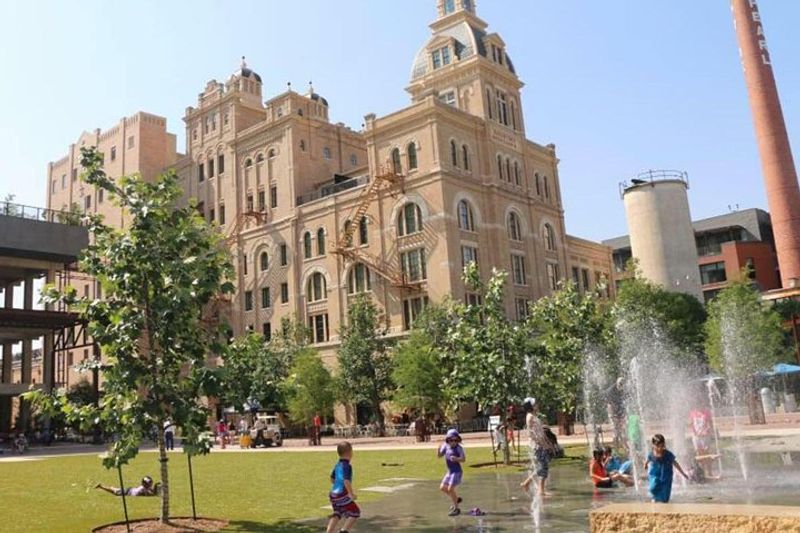
San Antonio’s story flows with the river. The Alamo draws headlines, but daily life orbits plazas, taquerias, and the Mission Trail where parish bells still mark hours.
Joggers pass centuries-old limestone as mariachi phrases drift between cypress trunks.
The UNESCO World Heritage designation for the San Antonio Missions ties conservation to community. City reports show population growth among the nation’s leaders, yet the River Walk and historic districts channel development rather than erase it.
Neighborhood fiestas feel like planning meetings with better snacks.
Actionable tip: bike the Mission Reach in the morning, stopping at Mission San José to see Rose Window details up close. Spend afternoon in Market Square tasting family recipes that predate Texas.
At dusk, watch the river light up and realize this is not nostalgia, it is infrastructure built from memory and limestone.
10. Quebec City, Canada
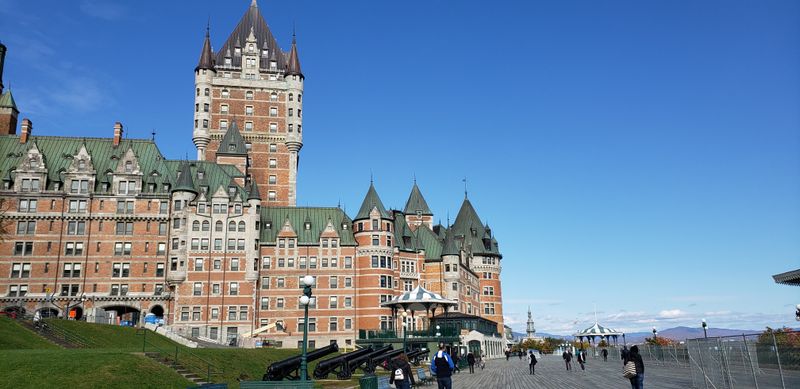
Within Quebec City’s walls, Europe feels a short walk away. Stone ramparts frame bakeries serving maple pastries to commuters, and the Chateau Frontenac presides like a friendly castle over morning errands.
Street names curl off the tongue in French while buskers rehearse under lamplight.
UNESCO status wraps real neighborhoods. Over 400 years of architecture stack from Lower Town warehouses to cliff-perched terraces, and municipal policies keep signage and sightlines historically sensitive.
Statistics Canada notes Quebec’s capital ranks high for quality of life, which you can taste in its measured pace.
Actionable tip: ride the funicular at off-peak hours, then trace the fortifications path to read the city’s military logic. Duck into Morrin Centre to see a former jail turned library where Anglophone history complicates assumptions.
Warm up with tourtière and realize winter is not a backdrop here, it is part of the script.
11. Rome, Italy
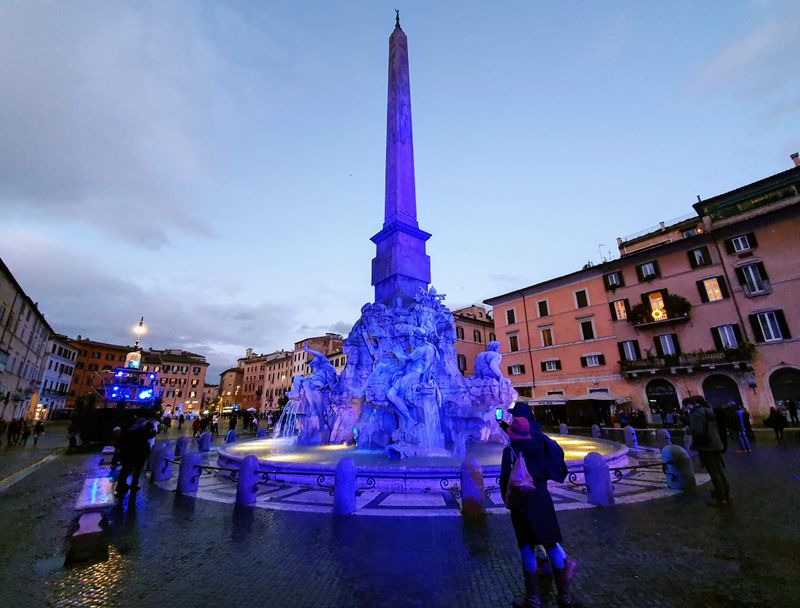
Rome refuses to separate eras. A barista pulls espresso beside a fragment of empire, and apartment courtyards hide columns that outlived emperors.
Traffic circles pivot around fountains commissioned by popes who thought in marble.
Archaeology interrupts routinely, halting metro construction to unearth villas and roads. The city treats delay as discovery, adding plaques and pathways so commuters learn as they pass.
ISTAT reports Rome among Europe’s most visited cities, feeding a restoration economy that polishes stone and skills alike.
Actionable tip: walk from the Forum to Monti for vintage shops tucked into medieval lanes, then visit San Clemente to descend through time layer by layer. End at Testaccio’s market to taste modern Rome on Roman bricks.
Here, daily life is a palimpsest, and every cappuccino comes with an unsolicited history seminar.
12. Kyoto, Japan
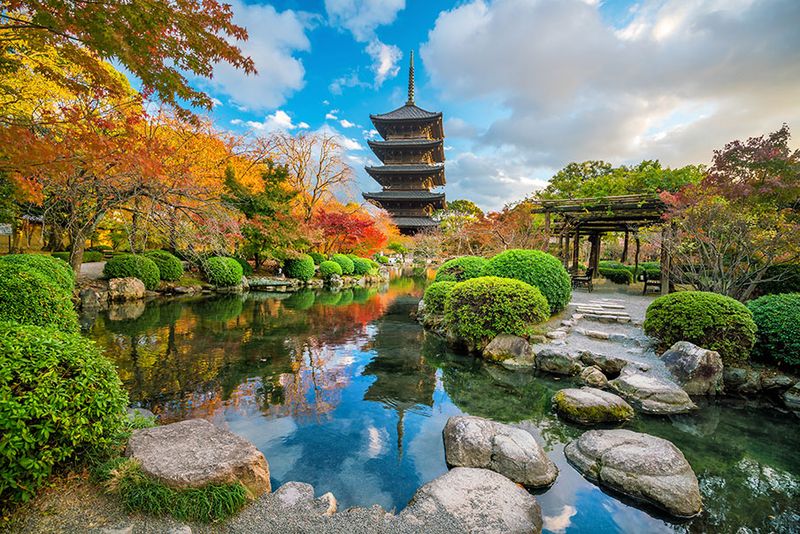
Kyoto treats time as a neighbor. Wooden machiya line lanes where bicycles whisper past sliding doors, and temple bells fold into morning air like routine.
Tea ceremonies are not performances but practices sustained by families, schools, and seasons.
The former imperial capital hosts over 1,600 Buddhist temples and numerous Shinto shrines, making devotion part of the urban plan. Visitor data show Kyoto remains a top destination, yet preservation councils defend height limits and traditional facades.
Craftspeople keep kintsugi, weaving, and lacquer work in circulation.
Actionable tip: book a townhouse stay to appreciate inner gardens and tatami rhythms, then visit Nishiki Market for generational food stalls. Explore Arashiyama early before the bamboo hush breaks, and respect neighborhood signs about photography.
Kyoto’s lesson is continuity through care, a calendar of rituals that makes modern life feel beautifully hand-stitched.
13. Prague, Czech Republic
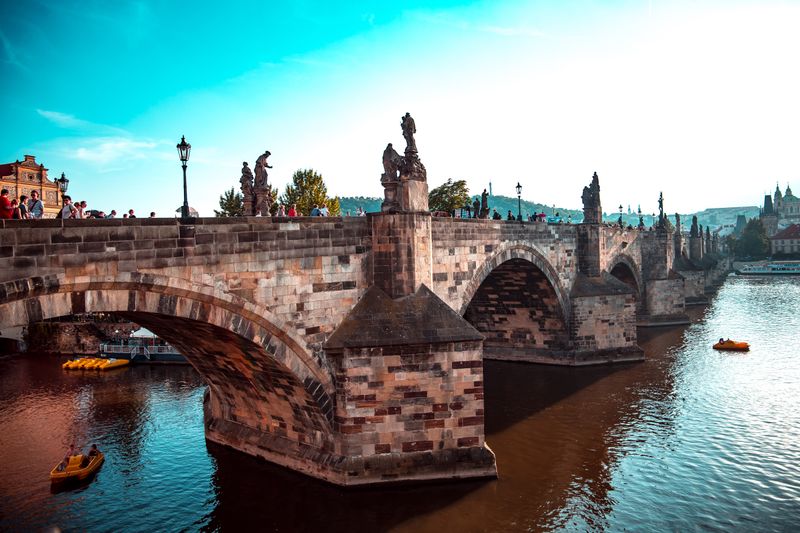
Prague’s skyline is a syllabus in stone. Gothic spires argue with Baroque curls while trams hum past Renaissance courtyards.
The Astronomical Clock has tracked hours since 1410, still gathering crowds that point, gasp, and smile between sips of coffee.
War spared much of the urban fabric, leaving street grids that teach history underfoot. Czech Statistical Office figures show the city’s steady tourism draw, supporting restoration of facades, bridges, and libraries.
Local life persists in passageways where students swap lecture notes over dumplings.
Actionable tip: cross Charles Bridge at dawn, then climb to Vysehrad to reframe the city’s narrative beyond castle postcards. Visit DOX for contemporary art that debates the past in real time.
When you hear street musicians echo off stone, it is clear Prague performs without pretending, rehearsed by centuries of daily life.
14. Beacon, New York
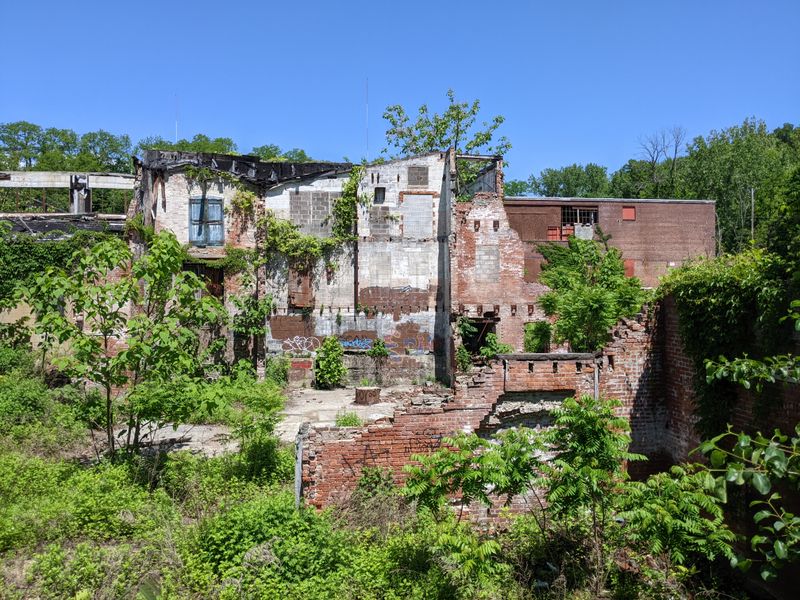
Beacon proves smaller cities can live history loudly. The hulking Dia:Beacon museum reimagines a Nabisco box-printing plant, flooding concrete halls with daylight and contemporary art.
Across the Hudson, Bannerman Castle’s crumbling turrets keep watch like a melancholy neighbor.
Factory-to-gallery is a real economic pivot here. After decades of decline, the city attracted artists and makers, helping revitalize Main Street while preserving industrial bones.
Metro-North stats show strong weekend ridership, turning day-trips into repeat habits that support bookstores, breweries, and studios.
Actionable tip: hike Mount Beacon for funicular ruins and river panoramas, then ferry to Bannerman Island for a guided preservation tour. Wrap with tacos on Main and an unhurried browse at vintage shops living inside brickwork that smells faintly of ink and oil.
Beacon’s present is legible because it leaves the past in the margins.



