Some cities don’t just have money — they have mind-boggling amounts of it. From towering financial districts to sprawling luxury neighborhoods, a select group of urban centers around the world have become magnets for millionaires, billionaires, and serious global capital.
Understanding where wealth concentrates tells us a lot about how the global economy works and who shapes it. Get ready to explore the cities where fortune truly favors the bold.
New York City, United States
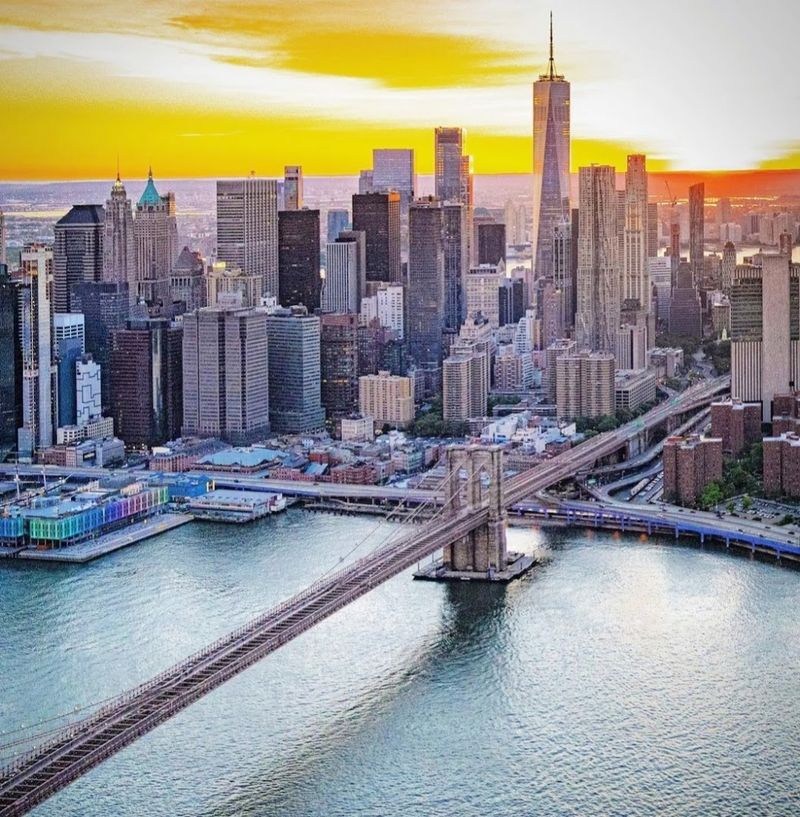
Wall Street didn’t become a global symbol of money by accident. New York City sits at the very top of the world’s wealth rankings, home to roughly 384,500 millionaires and dozens of billionaires who call its gleaming towers home.
No other city on the planet combines financial muscle, real estate value, and corporate power quite like this one.
Manhattan’s property market is legendary. Penthouses routinely sell for tens of millions of dollars, and commercial real estate values remain among the highest on Earth.
The city’s financial sector alone generates wealth on a scale that most countries can’t match.
Beyond Wall Street, New York’s tech scene, media empires, and private equity firms keep the wealth engine running at full speed. Global investors continue pouring capital into the city because its economic ecosystem is simply too powerful to ignore.
For the ultra-wealthy, New York isn’t just a city — it’s a strategy.
San Francisco Bay Area, United States
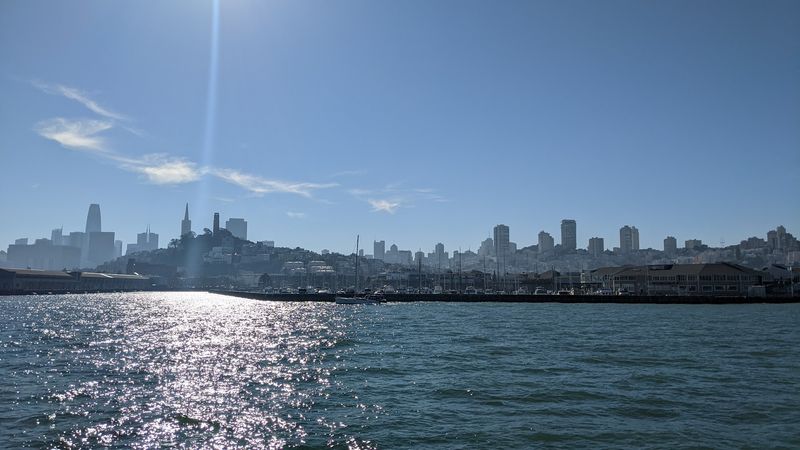
Somewhere between a garage startup and a billion-dollar IPO, Silicon Valley rewrote the rules of wealth creation entirely. The San Francisco Bay Area is home to more than 342,000 millionaires and over 80 billionaires, a density of tech-fueled fortune that is almost hard to believe.
Apple, Google, Meta, and Nvidia didn’t just build great products — they built dynasties.
The region’s wealth story is largely a technology story. Stock options, venture capital windfalls, and successful exits have turned engineers and entrepreneurs into centimillionaires almost overnight.
Housing prices in neighborhoods like Palo Alto and Atherton reflect just how concentrated that wealth has become.
What makes the Bay Area especially interesting is how young much of its wealth is. Unlike older financial capitals built over centuries, Silicon Valley’s fortunes have largely been created in the past few decades.
That pace of wealth generation shows no sign of slowing down, especially as artificial intelligence continues reshaping the global economy from Northern California outward.
Singapore
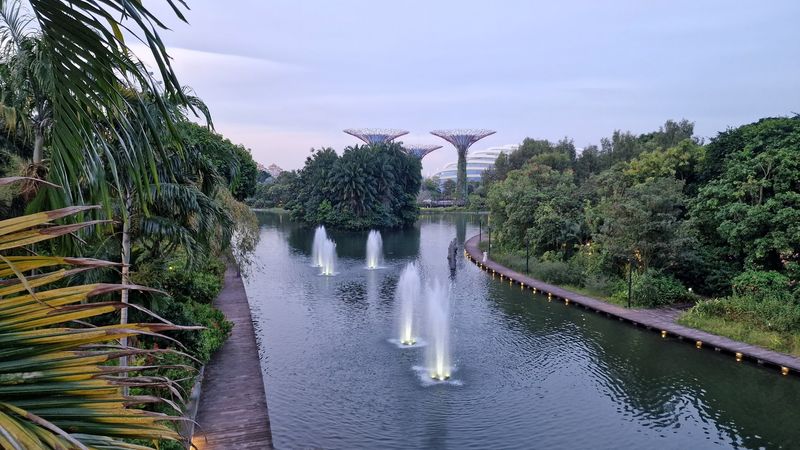
Tiny in size but enormous in financial ambition, Singapore has pulled off one of the most impressive wealth transformations in modern history. The city-state now hosts over 242,000 millionaires, and that number keeps climbing as wealthy families from China, Europe, and the Middle East choose Singapore as their financial home base.
Low taxes and rock-solid political stability make it nearly irresistible.
Singapore’s banking sector is world-class, managing trillions of dollars in private assets for clients across the globe. Family offices have flooded into the country in recent years, drawn by favorable regulations and a government that actively courts high-net-worth individuals.
Wealth migration here isn’t a trend — it’s practically a national policy.
Beyond finance, Singapore’s real estate market has seen dramatic price increases as demand from wealthy newcomers competes with limited land supply. Luxury condominiums and good-class bungalows command prices that rival properties in London and New York.
For anyone building a global wealth strategy, Singapore has become one of the most important dots on the map.
Paris, France
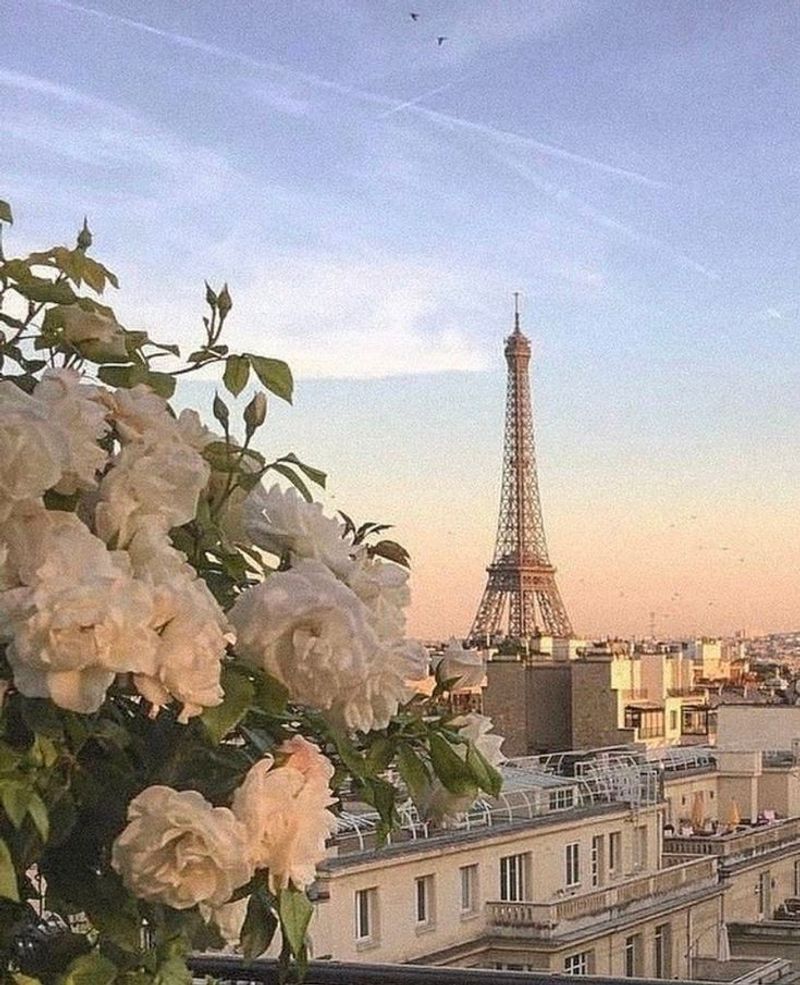
Paris doesn’t just have wealth — it has wealth with exceptional taste. The French capital combines luxury fashion empires, inherited family fortunes, thriving finance, and some of Europe’s most prestigious real estate into a concentration of affluence that is both old-world and fiercely modern.
Around 160,000 millionaires call Paris home, and several of the world’s richest individuals are deeply rooted here.
The luxury sector alone tells a remarkable story. LVMH, the parent company of Louis Vuitton, Dior, and dozens of other iconic brands, is headquartered in Paris and has made its founder one of the wealthiest people on Earth.
Hermes, Chanel, and Kering add to a luxury ecosystem that generates billions annually and employs thousands of highly skilled workers.
Prime Parisian real estate, particularly in the 7th and 8th arrondissements, commands prices that rival any city in the world. International buyers from the Middle East, Asia, and the Americas continue competing for limited luxury inventory.
Paris proves that wealth doesn’t always shout — sometimes it simply wears a perfectly tailored coat and orders from a menu with no prices listed.
Los Angeles, United States
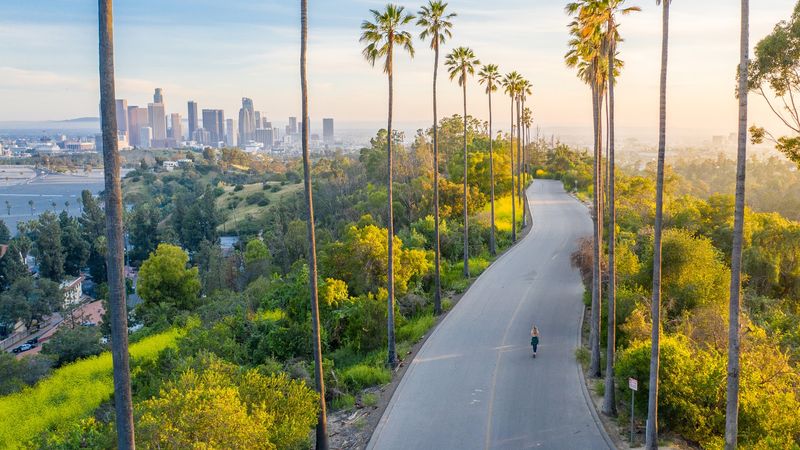
Only in Los Angeles can a movie studio executive, a tech founder, and a professional athlete all live within a few miles of each other — and all be worth hundreds of millions. LA’s wealth scene is one of the most diverse and glamorous on the planet, blending entertainment, private equity, sports ownership, and startup money into a dazzling mix.
The city’s millionaire population now exceeds 220,000.
Hollywood remains the city’s most famous wealth engine, but it’s far from the only one. Private equity firms in Century City, tech investors in Santa Monica, and international business networks throughout the region keep capital flowing steadily.
Real estate in neighborhoods like Bel Air, Malibu, and Beverly Hills remains some of the most coveted property in the world.
What separates Los Angeles from other wealth cities is its lifestyle premium. The combination of year-round sunshine, cultural influence, and global brand power makes LA uniquely attractive to affluent individuals who want more than just a financial address.
Here, wealth isn’t only counted in dollars — it’s measured in influence, visibility, and access.
Tokyo, Japan
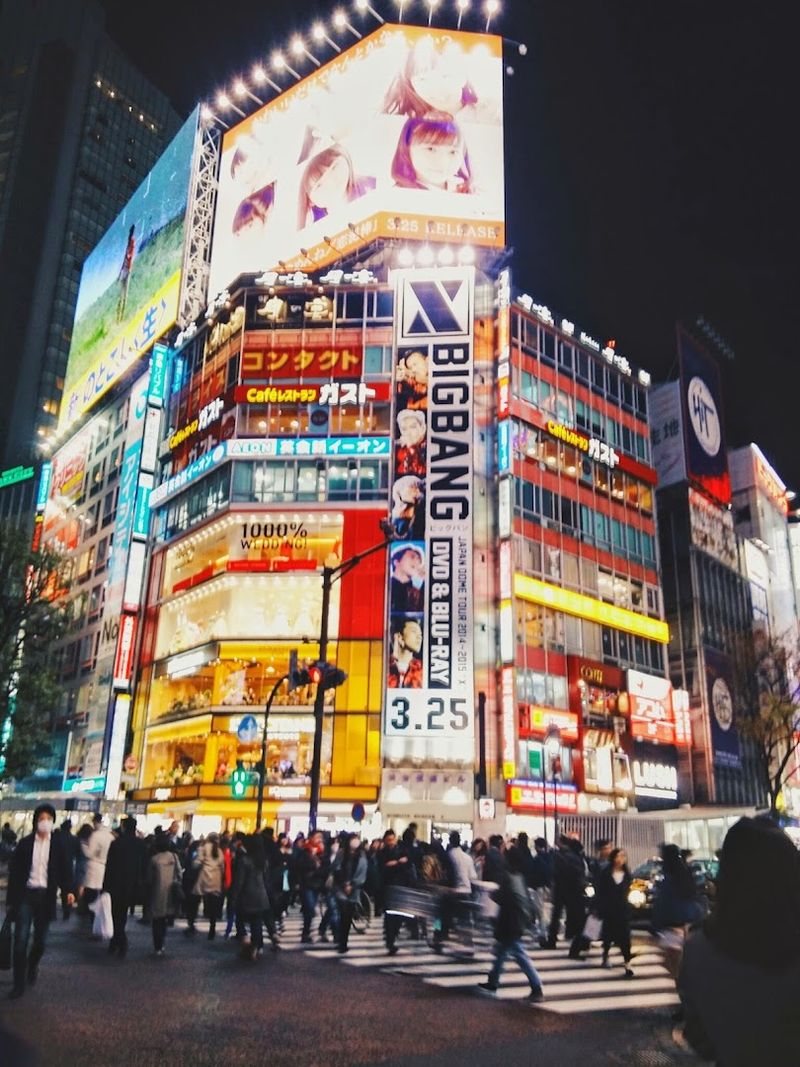
Tokyo has been quietly powerful for decades, and the numbers back it up completely. Asia’s traditional financial powerhouse is home to more than 292,000 millionaires, supported by a network of major corporations, global banking institutions, and deep investment activity.
This is a city where old money and new money coexist with remarkable discipline.
Japan’s largest companies, including Toyota, Sony, and SoftBank, anchor much of Tokyo’s private wealth landscape. The city operates with a level of economic sophistication that keeps international investors engaged even during periods of slower growth.
Corporate culture here values long-term wealth preservation over flashy short-term gains.
Tokyo’s luxury real estate market, particularly in neighborhoods like Minato and Shibuya, remains one of Asia’s most coveted. Wealthy residents enjoy world-class infrastructure, cultural richness, and a standard of living that few cities can match.
For investors who prefer stability over speculation, Tokyo continues to be one of the most trusted wealth centers anywhere on the globe.
London, United Kingdom
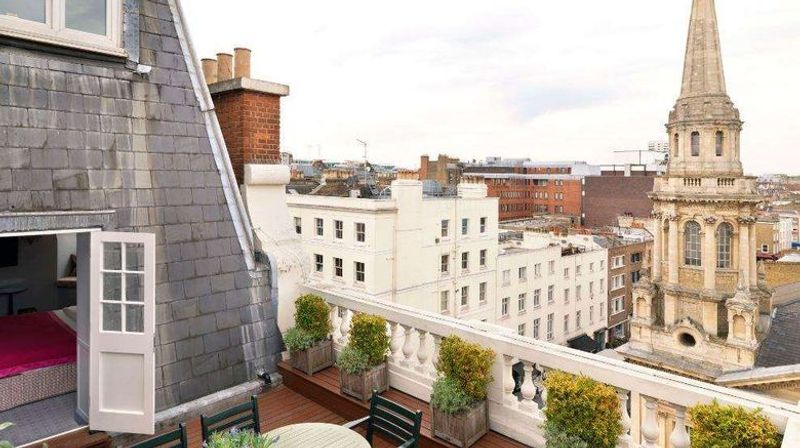
London has been a center of global wealth for so long that its financial institutions feel practically woven into the city’s DNA. Despite some recent shifts in millionaire growth, the British capital continues attracting international money through banking, legal services, luxury property, and its unmatched global business connectivity.
Wealthy residents cluster in iconic neighborhoods like Mayfair, Kensington, and Belgravia.
The city’s financial sector, anchored in the Square Mile, manages assets for clients spanning every continent. London’s legal and professional services industries are equally important, making it the go-to destination for complex international transactions.
For global wealth, London functions as both a safe harbor and an active marketplace.
London’s cultural magnetism adds another layer to its appeal. World-class museums, elite private schools, prestigious auction houses, and a thriving luxury retail scene make it a city where wealthy families genuinely want to live, not just park their money.
Even with economic headwinds, London’s combination of history, influence, and financial infrastructure keeps it firmly among the world’s elite wealth capitals.
Hong Kong
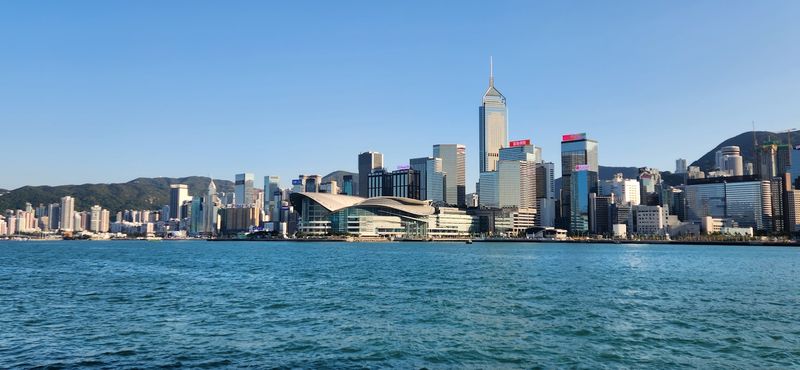
Few cities pack as much financial intensity into as little space as Hong Kong. Perched at the edge of China and facing the world’s oceans, this compact metropolis has long served as the critical gateway between Chinese capital and international markets.
Nearly 155,000 millionaires currently reside here, along with one of Asia’s highest concentrations of ultra-wealthy individuals.
Finance, international trade, and luxury real estate remain the three pillars of Hong Kong’s private wealth ecosystem. The city’s stock exchange is one of Asia’s largest, and its banking infrastructure handles staggering volumes of cross-border capital daily.
Even amid political and economic uncertainty in recent years, significant wealth has remained anchored here.
Hong Kong’s property market is arguably the most extreme on the planet, with average prices per square foot that leave most global cities in the dust. Ultra-luxury apartments on The Peak and in Repulse Bay sell for figures that make Manhattan look almost affordable by comparison.
As long as China’s economy grows and global trade flows, Hong Kong will remain a city where extraordinary wealth concentrates with remarkable consistency.
Sydney, Australia
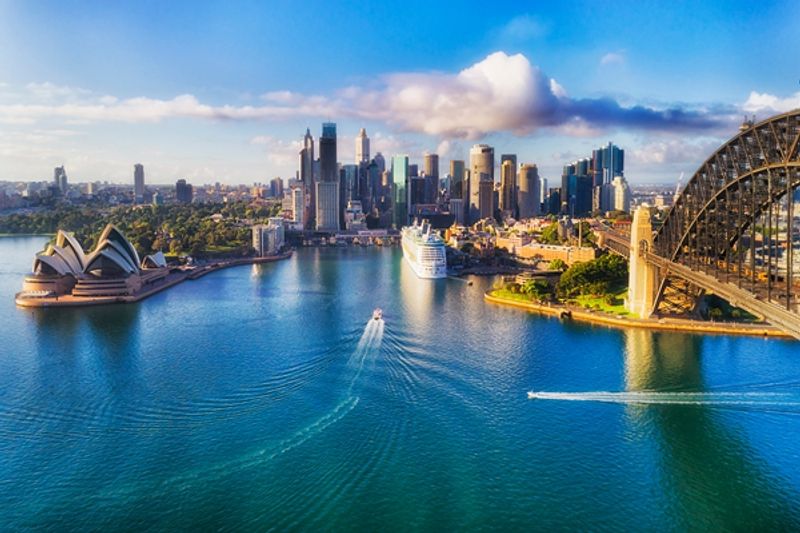
Sydney sneaks up on you with its wealth. Behind the stunning harbor views and relaxed beach culture lies one of the world’s most formidable concentrations of private capital, with approximately 153,000 millionaires making their home here.
Finance, mining wealth, and a red-hot luxury real estate market have quietly built Sydney into a global wealth powerhouse.
Australia’s economic stability is a major draw for affluent individuals seeking a safe and comfortable place to grow and preserve wealth. The country has experienced decades of nearly uninterrupted economic growth, and Sydney sits at the center of that prosperity.
Its strategic position between Asian and Western markets adds valuable business connectivity for internationally minded investors.
Waterfront suburbs like Point Piper and Mosman regularly produce some of Australia’s most expensive property sales, with harbor-view estates fetching prices that rival London and New York. The city’s lifestyle quality — combining world-class dining, outdoor recreation, and cultural richness — makes it genuinely attractive to wealthy migrants from across Asia and Europe.
Sydney is proof that wealth and quality of life don’t always have to be a trade-off.
Chicago, United States
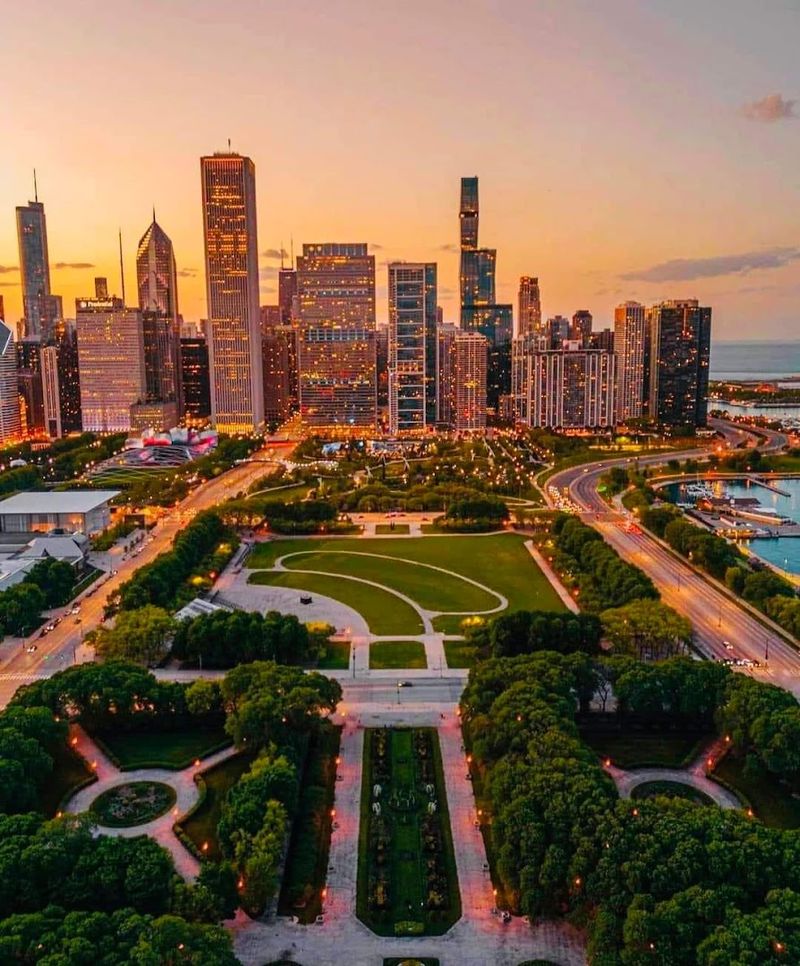
Chicago doesn’t always get the glamorous headlines that New York or Los Angeles attract, but don’t let that fool you for a second. The Windy City is a serious financial heavyweight, supporting more than 127,000 millionaires through a remarkably diverse economy.
Banking, commodities trading, healthcare, manufacturing, and investment management all contribute to a wealth base that is broad and deeply rooted.
The Chicago Mercantile Exchange and the Chicago Board Options Exchange give the city an outsized role in global financial markets. Fortunes have been built and lost in Chicago’s trading pits for generations, and that culture of financial intensity continues shaping the city’s wealthy class today.
Private equity and hedge fund activity have grown significantly in recent decades as well.
One underappreciated advantage Chicago offers affluent residents is relatively lower luxury living costs compared to coastal mega-cities. A stunning lakefront penthouse or a Gold Coast mansion costs considerably less here than a comparable property in Manhattan or San Francisco.
For wealthy individuals who prefer financial substance over social media hype, Chicago delivers everything that matters — and then some.
Beijing, China
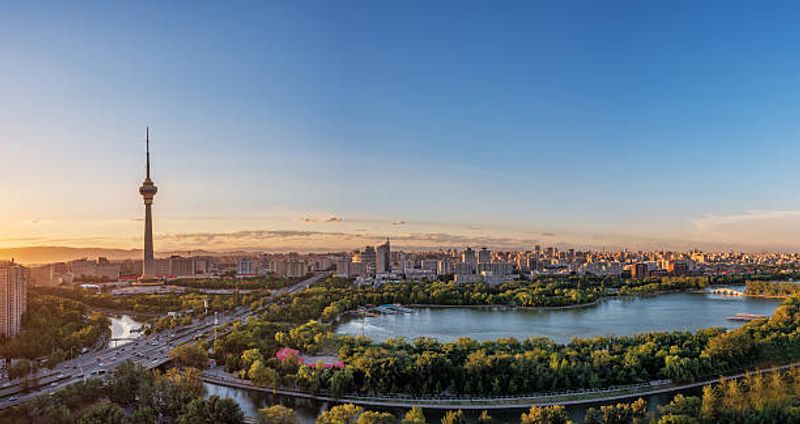
Beijing is where political power and private wealth shake hands on a daily basis. China’s capital has developed one of the world’s largest billionaire populations alongside a rapidly expanding millionaire class, fueled by technology, state-linked industries, and a financial sector growing at remarkable speed.
This is not just a city of money — it’s a city where money and influence are practically the same thing.
Major Chinese technology companies and investment conglomerates have deep roots in Beijing, creating enormous concentrations of equity wealth among founders, executives, and early investors. Government-linked industries in energy, infrastructure, and finance have also generated significant private fortunes over the past two decades.
The city’s Central Business District has transformed into a skyline that signals serious economic ambition.
Beijing’s luxury real estate market reflects its wealth concentration, with premium properties in neighborhoods like Chaoyang and Haidian commanding prices that match many Western capitals. As China continues asserting itself as a global economic superpower, Beijing’s role as a wealth center will only deepen.
For anyone tracking where the world’s money is flowing, ignoring Beijing is simply not an option.
Dubai, United Arab Emirates
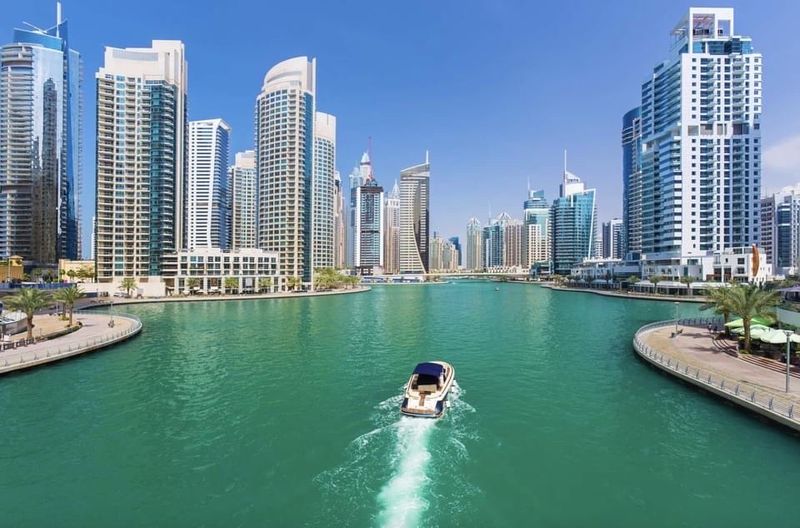
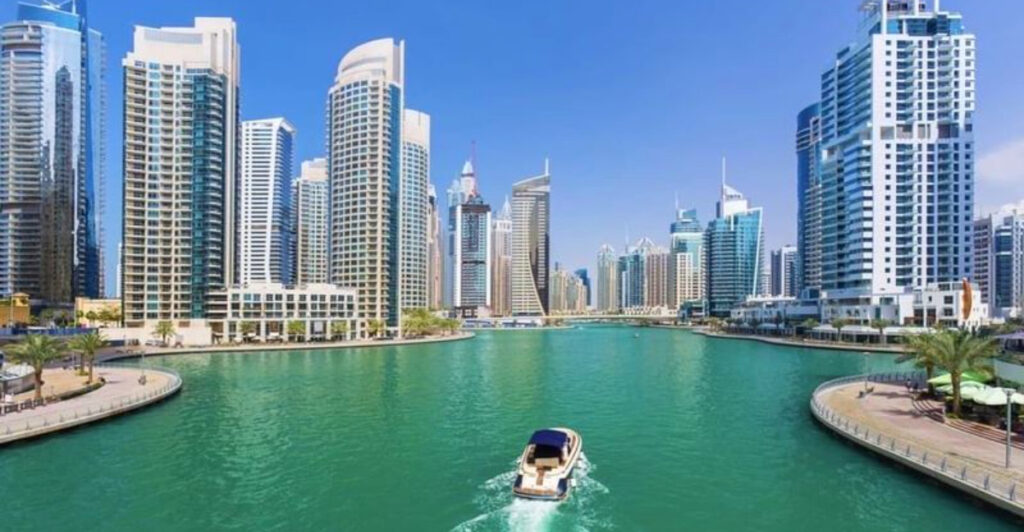
Dubai went from desert outpost to global wealth magnet in what feels like the blink of an eye. The city’s rise has been so fast and so dramatic that it has genuinely disrupted the traditional rankings of global wealth hubs.
Low taxes, investor-friendly regulations, world-class infrastructure, and a strategic location between East and West have made Dubai an almost irresistible destination for the ultra-wealthy.
Wealthy migrants from Europe, Asia, Russia, and Africa have been arriving in significant numbers, drawn by zero income tax, luxury real estate, and a lifestyle that blends modern amenities with cultural richness. The city’s real estate market has experienced extraordinary price growth as demand from high-net-worth newcomers far outpaces supply.
Palm Jumeirah and Downtown Dubai have become addresses recognized by the global elite.
What makes Dubai’s story especially compelling is its deliberate strategy. The UAE government has actively designed policies to attract millionaires and billionaires, offering long-term residency visas and business ownership rights that were previously unavailable.
Dubai isn’t just benefiting from wealth migration by chance — it’s engineering it. The results speak for themselves, and the city shows no signs of slowing its ascent.
Shanghai, China
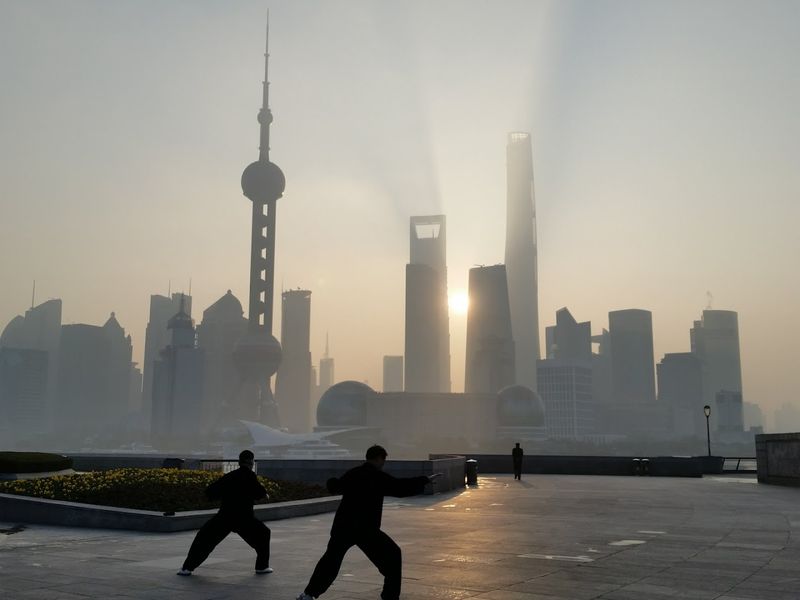
Stand on the Bund at night and look across the Huangpu River — the glittering towers of Pudong tell you everything you need to know about Shanghai’s financial ambitions. China’s commercial capital is the engine behind much of the country’s private wealth creation, combining banking, international trade, manufacturing, and a booming technology sector into one unstoppable economic force.
The skyline alone is a statement of intent.
Shanghai’s stock exchange is one of the largest in the world by market capitalization, and its port remains among the busiest globally, handling trade volumes that fuel enormous corporate and private fortunes. International banks, asset management firms, and global corporations have established major presences here, making Shanghai a genuinely global financial center rather than just a regional one.
Luxury real estate developments along the Bund and in the French Concession area attract wealthy buyers from across China and internationally. High-end retail, Michelin-starred restaurants, and private banking services have all expanded dramatically to serve a growing ultra-wealthy population.
Shanghai is simultaneously China’s most cosmopolitan city and its most commercially powerful, a combination that makes it uniquely compelling for concentrated wealth.
Moscow, Russia
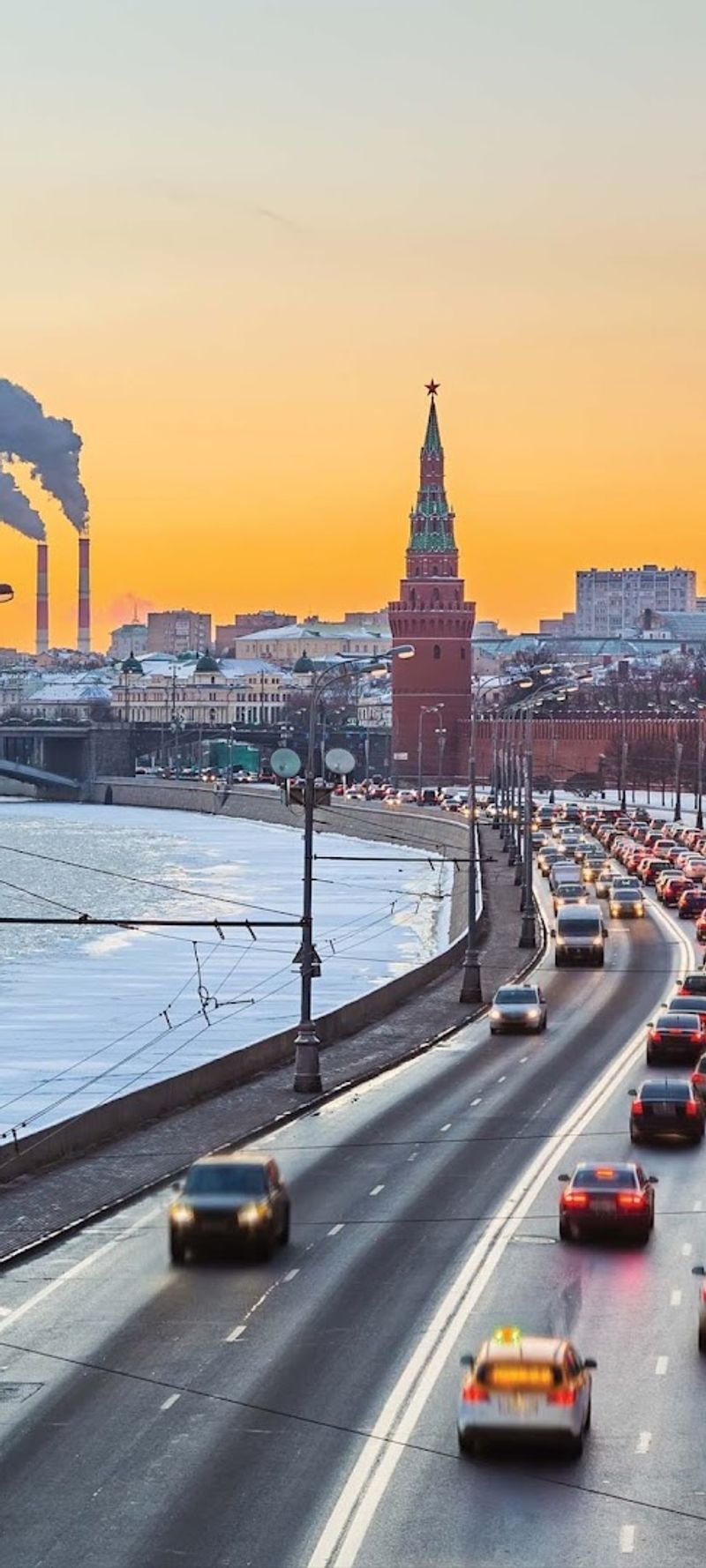
Moscow’s wealth story is unlike any other city on this list — built on energy, natural resources, and industrial power rather than technology or finance in the traditional sense. Despite significant international sanctions and geopolitical turbulence, the Russian capital continues hosting one of the world’s largest concentrations of billionaires and ultra-high-net-worth individuals.
Wealth here is deeply intertwined with the country’s resource economy.
Oil, natural gas, metals, and industrial holdings have historically generated the fortunes that dominate Moscow’s elite business networks. The city’s luxury property market, centered in areas like Rublyovka and the Ostozhenka district, reflects decades of accumulated wealth among Russia’s most powerful business figures.
Private banking and elite social networks remain tightly concentrated within the capital.
Moscow’s wealth landscape is unusually resilient given the external pressures it faces. Capital controls and international restrictions have complicated things, but significant private wealth remains anchored inside Russia’s borders.
For wealthy Muscovites, the city still offers luxury retail, fine dining, and exclusive real estate that rivals many Western capitals. Moscow proves that geopolitical complexity and enormous wealth concentration can coexist in surprisingly stubborn fashion.
Share this story