 Unearth The Voyage
Some cars are just transportation. Others are rolling statements that scream money, power, and taste before the engine even turns over.
Throughout history, a handful of automobiles have transcended their mechanical purpose to become true symbols of status and prestige. These are the 14 classic cars that made the world stop, stare, and seriously reconsider their life choices.
Rolls-Royce Phantom I (1925–1931)
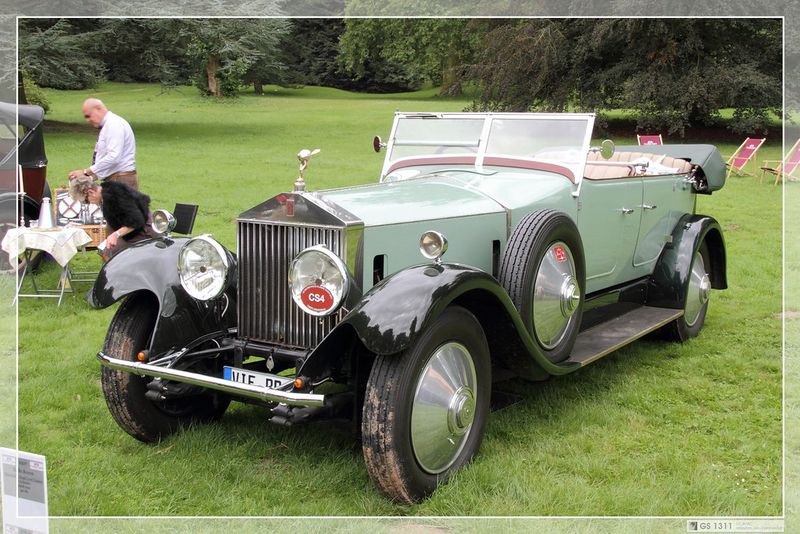
Back in 1925, Rolls-Royce didn’t build cars. They built moving monuments.
The Phantom I arrived with hand-crafted coachwork so refined that factory-made cars looked embarrassing by comparison. Every single body was commissioned separately, meaning no two Phantoms were truly alike.
Wealthy buyers would visit coachbuilders like Barker or Hooper and essentially design their own rolling palace. The engine was a massive 7.7-liter six-cylinder, silent enough to make conversation feel effortless at speed.
Rolls-Royce famously refused to publish horsepower figures, simply stating the output was “adequate.” Brilliant understatement from a brand built on excess.
Around 3,500 Phantom Is were produced before the model was replaced in 1931. Today, surviving examples command serious collector prices.
Owning one meant you weren’t just rich. You were the kind of rich that needed its own category.
Duesenberg Model J (1928–1937)
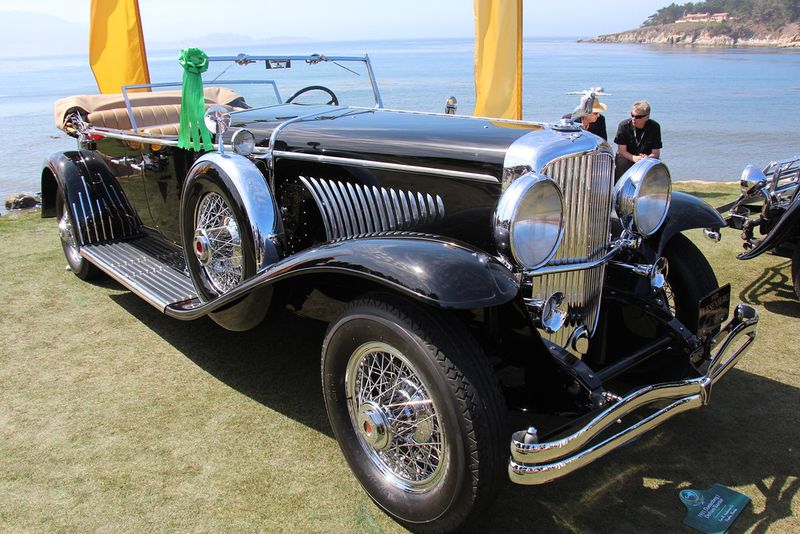
When Americans in the 1920s wanted to out-luxury the Europeans, they called Duesenberg. The Model J debuted in 1928 with a supercharged straight-eight engine that produced 265 horsepower, which was borderline absurd for the era.
This wasn’t just a car. It was a declaration of financial dominance.
Hollywood stars, industrialists, and politicians lined up to own one. Clark Gable had one.
Gary Cooper had one. The phrase “It’s a Duesy” literally entered American slang as shorthand for something extraordinary.
That’s cultural impact most automakers only dream about.
Each Model J body was custom-built, with prices that would make even today’s billionaires blink. Production ran until 1937, leaving behind fewer than 500 examples.
At recent auctions, pristine Model Js have sold for well over ten million dollars. Duesenberg didn’t just build cars.
They built legends with wheels.
Mercedes-Benz 300SL Gullwing (1954–1957)
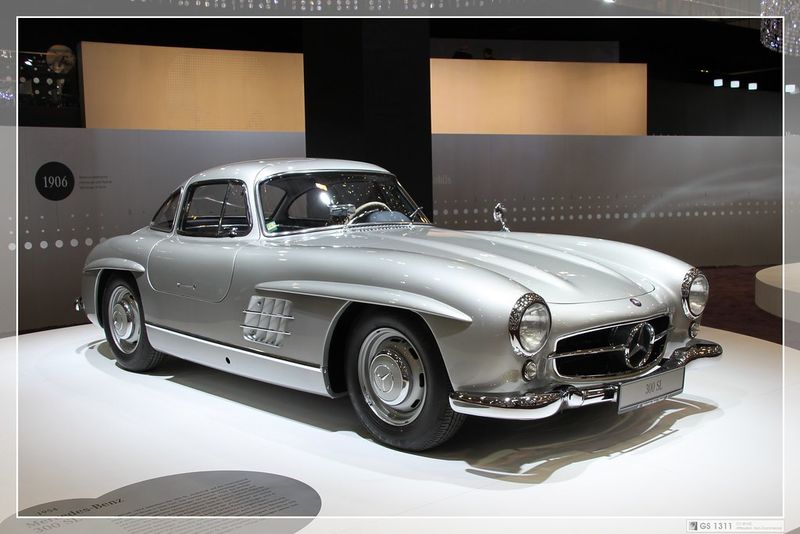
Those doors. Nobody forgets those doors.
The 300SL Gullwing arrived in 1954 with upward-opening doors that made every parking lot feel like a red-carpet moment. Mercedes-Benz designed them that way because the wide sill structure left no room for conventional doors.
Necessity became brilliance.
Under the hood sat a fuel-injected 3.0-liter straight-six, making the 300SL the first production car with direct fuel injection. Top speed was around 161 mph, which was genuinely shocking for 1954.
Racing drivers loved it. Wealthy enthusiasts loved it even more when they realized owning one was perfectly legal.
Only 1,400 Gullwing coupes were built before Mercedes switched to a roadster version in 1957. I once stood next to one at a car show and completely forgot how to speak.
Values today regularly exceed one million dollars, and honestly, that still feels like a bargain for this much automotive drama.
Ferrari 250 GT California Spyder (1957–1963)
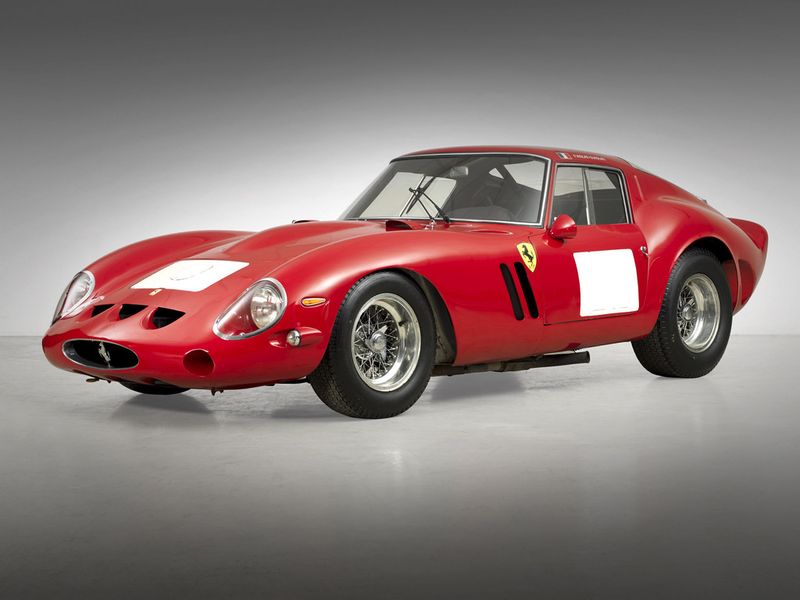
Ferrari built the California Spyder for Americans who wanted an open-top grand tourer that could also embarrass sports cars at the traffic lights. Introduced in 1957, it wore bodywork by Scaglietti that was so beautiful, people reportedly cried at car shows.
That might be an exaggeration. Might be.
The 3.0-liter V12 engine produced around 240 horsepower and sang a note that no recording has ever done justice. Ferrari made both long-wheelbase and short-wheelbase versions, with the later SWB cars being the rarest and most valuable.
Fewer than 100 were built across the entire production run.
In 2015, one sold at auction for over 18 million dollars, setting a record at the time. The California Spyder also earned pop-culture fame in the film Ferris Bueller’s Day Off, though that particular story ends badly for the car.
Priceless beauty, occasionally terrible luck.
Aston Martin DB5 (1963–1965)
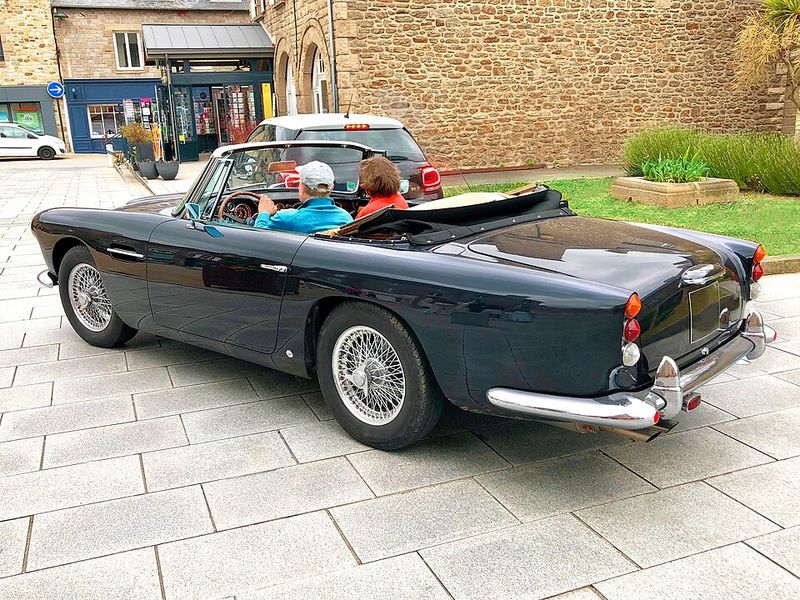
Silver paint. British accent.
License to thrill. The Aston Martin DB5 became the most famous car in cinema history when Sean Connery drove one in Goldfinger in 1964, and the model has never quite recovered from being impossibly cool.
Honestly, it has never tried to recover either.
Beyond the Bond glamour, the DB5 was genuinely impressive on its own terms. A twin-cam 4.0-liter straight-six produced 282 horsepower, and the aluminum body kept weight down to a sporting level.
Top speed exceeded 145 mph, which made it one of the fastest grand tourers available in 1963.
Only 1,059 DB5s were produced during the original 1963 to 1965 run, making survivors genuinely rare. Aston Martin has since revived the DB5 name for limited continuation models, complete with working gadgets from the film.
The world clearly cannot get enough of this car. Neither can I.
Lamborghini Miura (1966–1973)
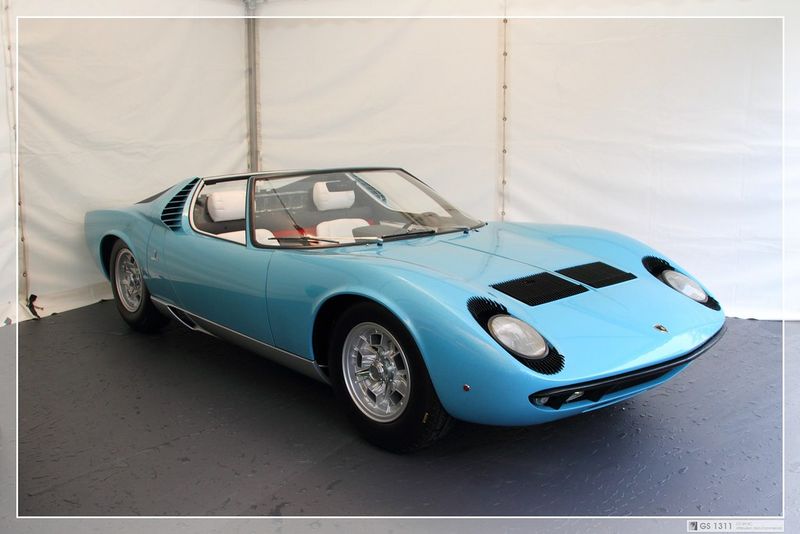
Ferruccio Lamborghini reportedly built the Miura just to annoy Enzo Ferrari. Whether that story is completely true or not, the result was one of the most jaw-dropping cars ever designed.
Bertone’s Marcello Gandini penned the body when he was just 27 years old, and he basically invented the modern supercar template on his first serious attempt.
The Miura placed a transverse V12 engine behind the driver, a layout that was revolutionary in 1966. Top speed was around 170 mph, making it the fastest production car of its time.
Road tests from the era describe the experience as thrilling, terrifying, and unforgettable in equal measure.
Lamborghini built around 764 Miuras before production ended in 1973. Values have climbed dramatically in recent decades, with pristine examples fetching over two million dollars.
The Miura didn’t just change what supercars looked like. It changed what people believed cars could be.
Jaguar E-Type (1961–1974)
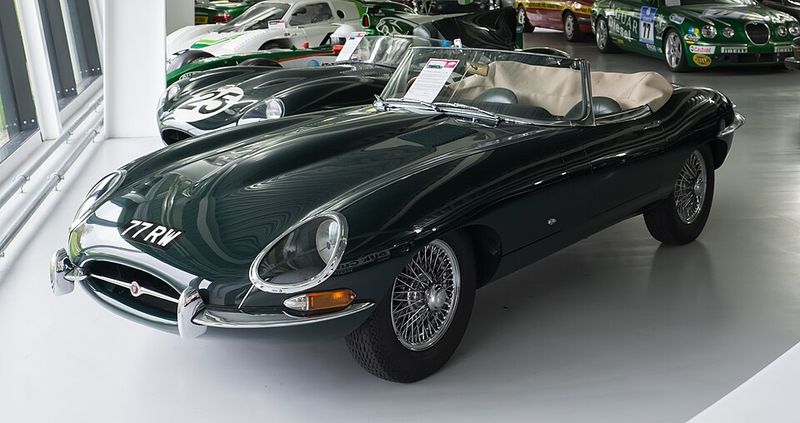
Enzo Ferrari called it the most beautiful car ever made. When Enzo Ferrari compliments your car, you frame that quote and put it on your wall forever.
Jaguar launched the E-Type at the 1961 Geneva Motor Show and reportedly had to physically restrain people from touching the display cars.
The Series 1 E-Type used a 3.8-liter straight-six producing 265 horsepower, capable of reaching 150 mph. That performance came at a price roughly a third of comparable Ferrari models, which made the E-Type the ultimate bargain supercar of its era.
Wealthy buyers loved it. Racing drivers loved it.
Everyone loved it.
Production ran through 1974 across three distinct series, with the early Series 1 cars being the most prized by collectors today. A good example can easily exceed 100,000 dollars at auction.
The E-Type proved that British engineering, when properly motivated, could absolutely hold its own against Italian drama.
Porsche 911 (1964–Present)
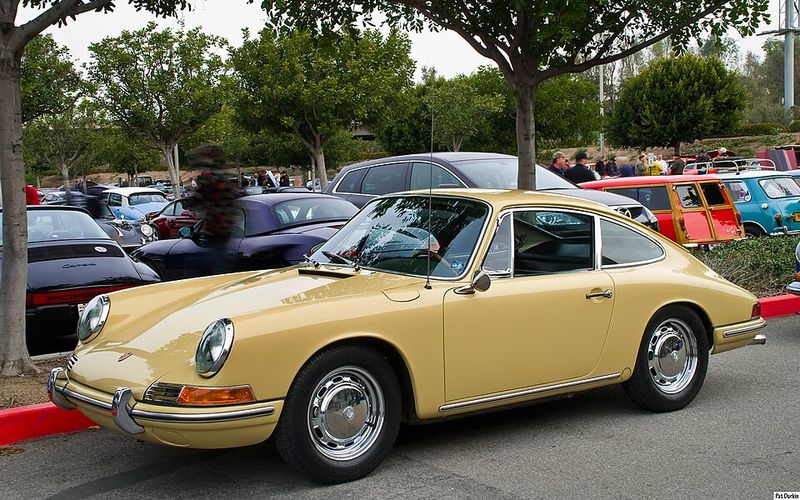
Most car designs age gracefully. The Porsche 911 barely ages at all.
Introduced in 1964, the 911 has been continuously refined for over sixty years without ever abandoning the rear-engine, air-cooled spirit that made the original so distinctive. That kind of identity discipline is genuinely rare in any industry.
Early 911s were lightweight, twitchy, and demanded respect from their drivers. The engine sat behind the rear axle, creating handling characteristics that rewarded skill and occasionally punished overconfidence.
Enthusiasts described it as a car that kept you honest, which is a polite way of saying it could bite.
Today the 911 remains a genuine status symbol across every generation of car enthusiast. Vintage examples from the 1960s and 1970s command extraordinary prices.
A 1973 Carrera RS recently sold for over one million dollars. The 911 has never been the cheapest option.
It has simply always been the right one.
Mercedes-Benz 600 Grosser (1963–1981)
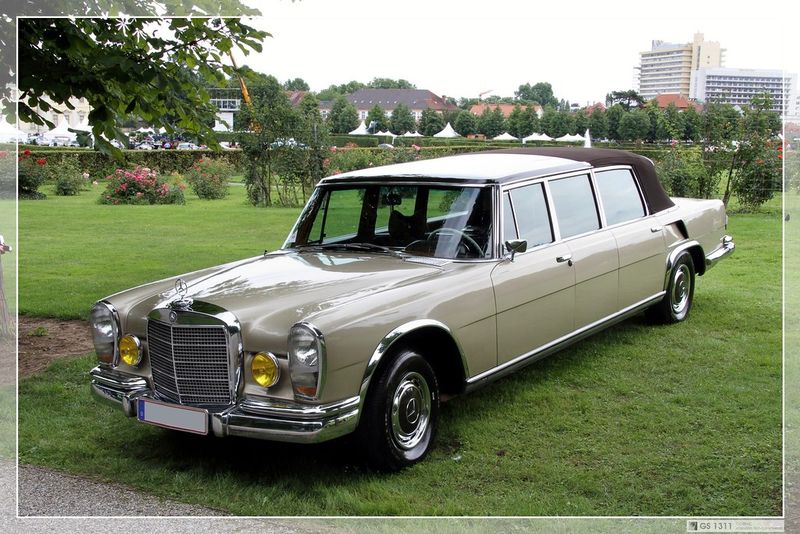
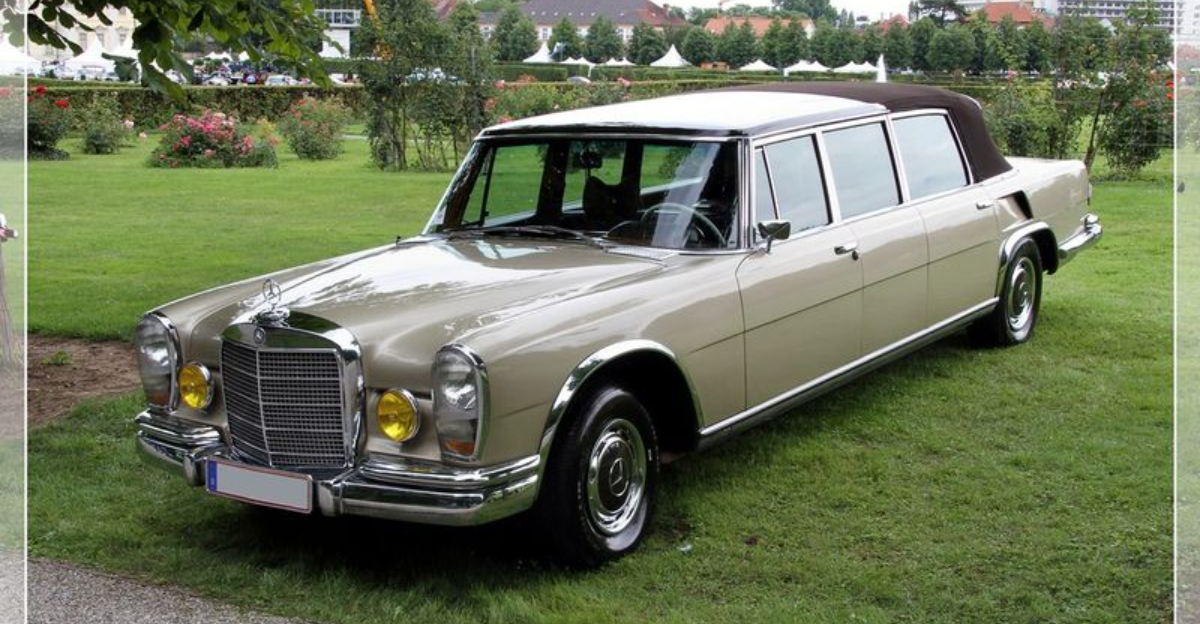
Dictators, rock stars, and heads of state all wanted the same car. The Mercedes-Benz 600 Grosser was so thoroughly over-engineered that it made ordinary luxury cars look like they were barely trying.
Launched in 1963, it used a 6.3-liter V8 and a hydraulic system that powered the windows, seats, sunroof, and even the trunk lid with eerie, silent precision.
Coco Chanel owned one. John Lennon owned one.
Elvis Presley owned one. Mao Zedong owned one.
The client list reads like the world’s most exclusive guestbook. The Pullman version stretched to over six meters and required a professional chauffeur just to navigate parking lots.
Production ran until 1981, with around 2,700 units built across all variants. Finding a well-maintained example today requires patience and a very serious budget.
The Grosser didn’t whisper luxury. It announced it through a megaphone while someone else held the door open.
Ferrari Testarossa (1984–1996)
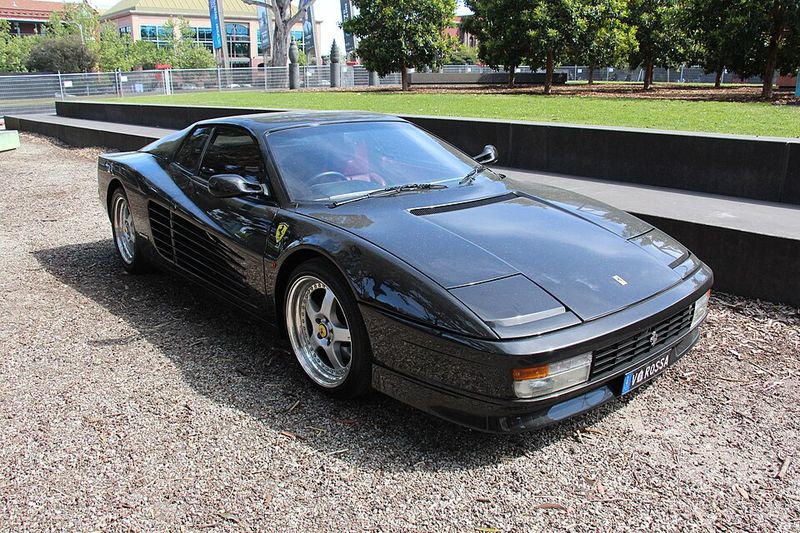
The 1980s produced some questionable fashion choices, but the Ferrari Testarossa was not one of them. Introduced at the 1984 Paris Motor Show, it arrived with those unmistakable side strakes running along the doors like something from a science fiction film.
Pininfarina designed it to be noticed, and the brief was clearly delivered with enthusiasm.
A flat-twelve engine producing 390 horsepower sat behind the driver, making the Testarossa genuinely fast by any era’s standards. Top speed touched 180 mph.
The wide rear haunches required those strakes to feed air to the side-mounted radiators, so the drama was actually functional. Form and function, perfectly united.
Miami Vice made the Testarossa the definitive symbol of 1980s excess, though the show actually used a replica for most filming. The real cars were too valuable to risk.
Today, clean examples have climbed past 200,000 dollars, proving that sometimes the 1980s got things spectacularly right.
Bugatti Royale (1927–1933)
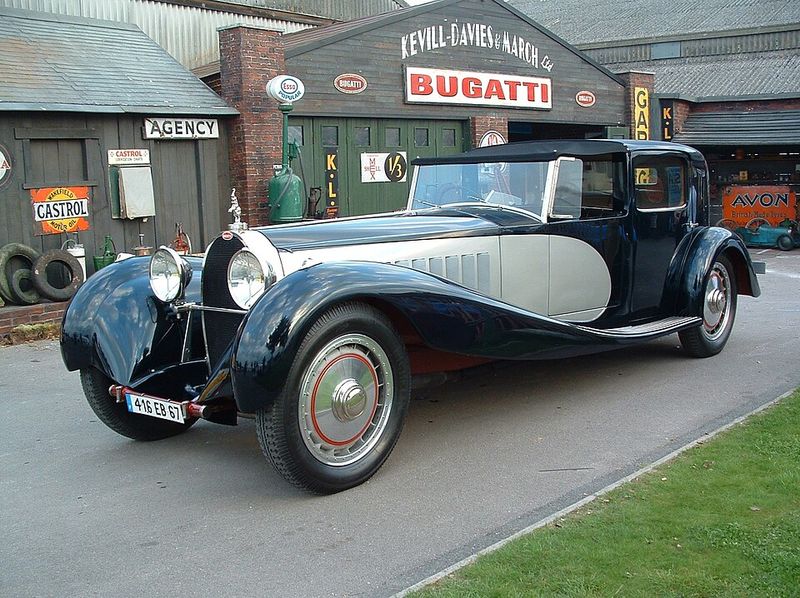
Ettore Bugatti built the Royale specifically for European royalty. The royals, apparently, were not interested.
So the six cars that were completed ended up with industrialists and collectors instead, which must have stung Ettore’s pride considerably. Still, the Royale remains one of the most extraordinary objects ever put on four wheels.
The engine displaced 12.7 liters, making it the largest ever fitted to a production car. The Royale measured over six meters long and weighed over three tons.
At the time, the asking price was roughly twice the cost of a Rolls-Royce. Even during the Great Depression, Bugatti refused to lower it.
Only six Royales were built, and all six survive today. One sold in 1987 for nearly ten million dollars, which was the highest price ever paid for a car at that point.
The Royale didn’t just represent wealth. It represented a level of ambition that made ordinary wealth look modest.
Cadillac Eldorado (1953–2002)
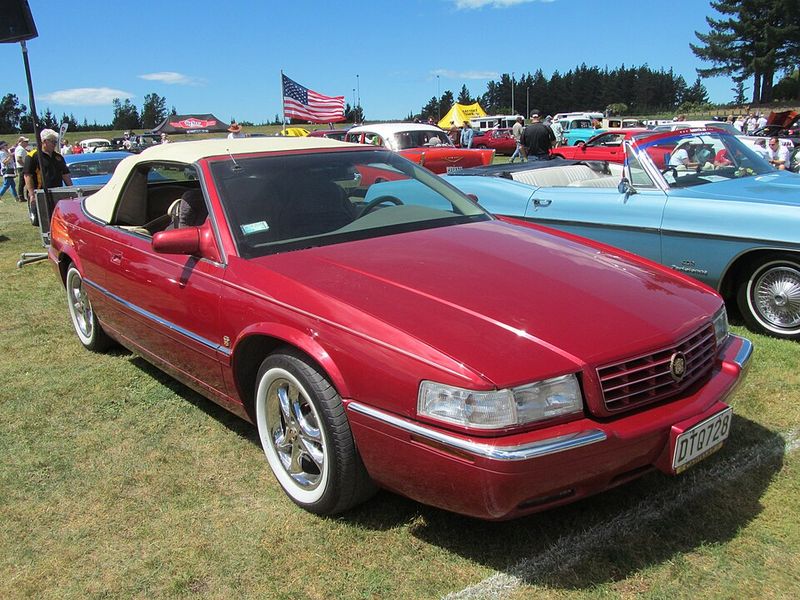
Nobody did excess like mid-century America, and nobody did mid-century American excess like the Cadillac Eldorado. The 1959 version featured tail fins so enormous they practically needed their own zip code.
Cadillac introduced the Eldorado name for 1953 as a show car turned production reality, and it immediately became the car that every successful American wanted in the driveway.
The 1959 Eldorado Biarritz convertible is the one most collectors obsess over, with its twin bullet taillights and chrome-heavy styling that perfectly captured the optimism of postwar prosperity. Under that extravagant bodywork sat a 390 cubic-inch V8 producing 345 horsepower.
Subtle it was not.
The Eldorado nameplate ran through various reinventions until 2002, but the late-1950s cars remain the most iconic. A pristine 1959 convertible today can fetch over 100,000 dollars.
The Eldorado proved that Americans didn’t just want luxury. They wanted luxury you could see from space.
Bentley Blower (1929–1931)
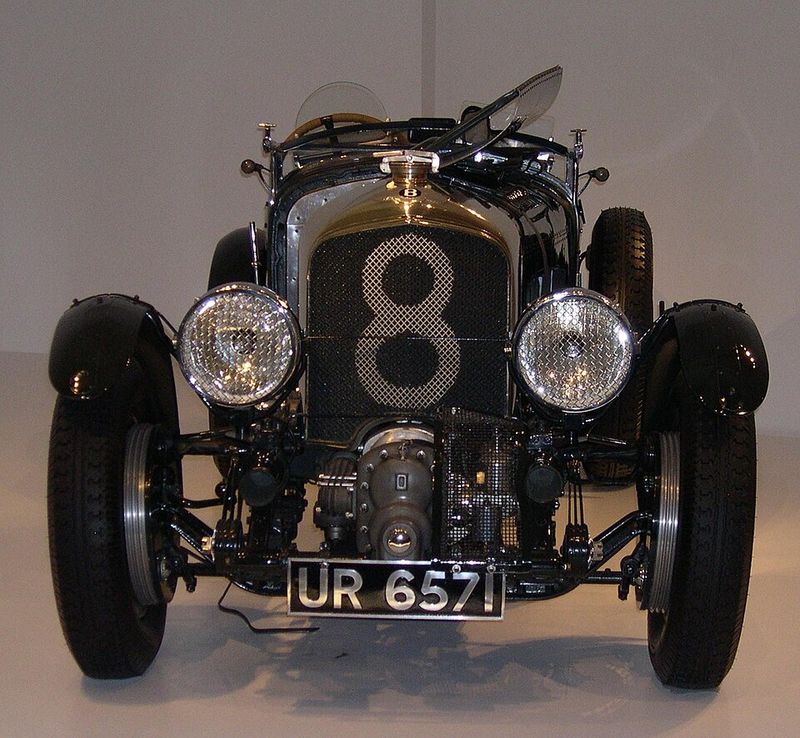
W.O. Bentley absolutely hated the supercharger fitted to his 4.5-litre cars.
He called it “a perversion” of his engineering philosophy. His racing drivers fitted one anyway, and the Bentley Blower was born out of defiance, competitive desperation, and a very large dose of British stubbornness.
The result became one of the most celebrated Bentleys in history.
The supercharger hung dramatically from the front of the engine, making the Blower visually unlike anything else on the road or track in 1929. Tim Birkin campaigned the cars at Le Mans and Brooklands, pushing them to their mechanical limits with cheerful disregard for reliability.
The cars often broke. They also often won.
Fewer than 55 supercharged 4.5-litre Bentleys were built during the 1929 to 1931 production window. Surviving examples are extraordinarily valuable.
Bentley recently produced a limited run of continuation Blowers, each one hand-built to original specifications. Some legacies simply refuse to stay in the past.
Shelby Cobra 427 (1965–1967)
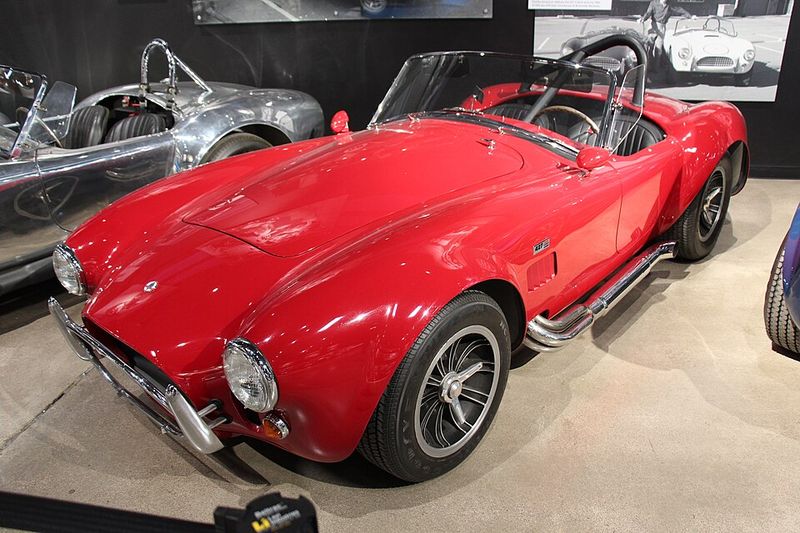
Carroll Shelby’s plan was simple: take a lightweight British sports car body, stuff the biggest American V8 available inside it, and see what happened. What happened was the Shelby Cobra 427, one of the most brutally effective performance cars ever built and a machine with absolutely zero interest in being subtle about it.
The 427 cubic-inch Ford V8 produced somewhere between 425 and 485 horsepower depending on the tune, crammed into a car weighing barely over 2,200 pounds. Zero to sixty happened in around four seconds, which was hypercar territory for 1965.
The handling was described by road testers as “demanding,” which is journalist code for genuinely frightening.
Production ended in 1967, with around 356 genuine 427 Cobras built. Fakes and kit-car replicas have since outnumbered real ones by a significant margin.
Spotting an authentic Cobra requires paperwork, expertise, and occasionally a lie detector. Real ones regularly sell for over one million dollars.



