 Unearth The Voyage
Floridians are a one-of-a-kind breed, shaped by scorching summers, surprise rainstorms, and neighbors that occasionally have scales. Whether you grew up there or just moved down, the Sunshine State leaves its mark in the most unmistakable ways.
From hurricane prep rituals to strong opinions about sandwiches, these quirks are dead giveaways. Here’s how to spot a true Floridian in the wild.
1. They Own Hurricane Supplies Year-Round
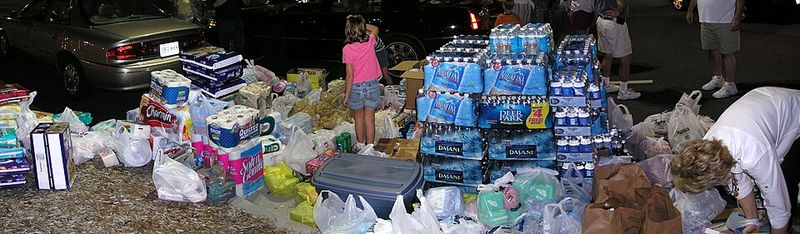
Walk into a Floridian’s garage and you might think they’re prepping for the apocalypse. Generator?
Check. Plywood?
Stacked and ready. Enough bottled water to fill a kiddie pool?
Absolutely. This isn’t panic buying – it’s just smart living in a state where hurricane season runs from June 1 through November 30.
Out-of-staters scramble to find flashlights and batteries the moment a storm is named. Floridians already know exactly where everything is.
Their emergency kit isn’t buried under holiday decorations – it’s front and center, fully stocked, and ready to go.
Some families even keep a running list of what needs replacing each spring. Batteries lose charge, water expires, and propane tanks need refilling.
Staying prepared isn’t dramatic here – it’s just part of the annual routine, like changing smoke detector batteries or renewing car tags.
2. They Wear Flip-Flops Everywhere
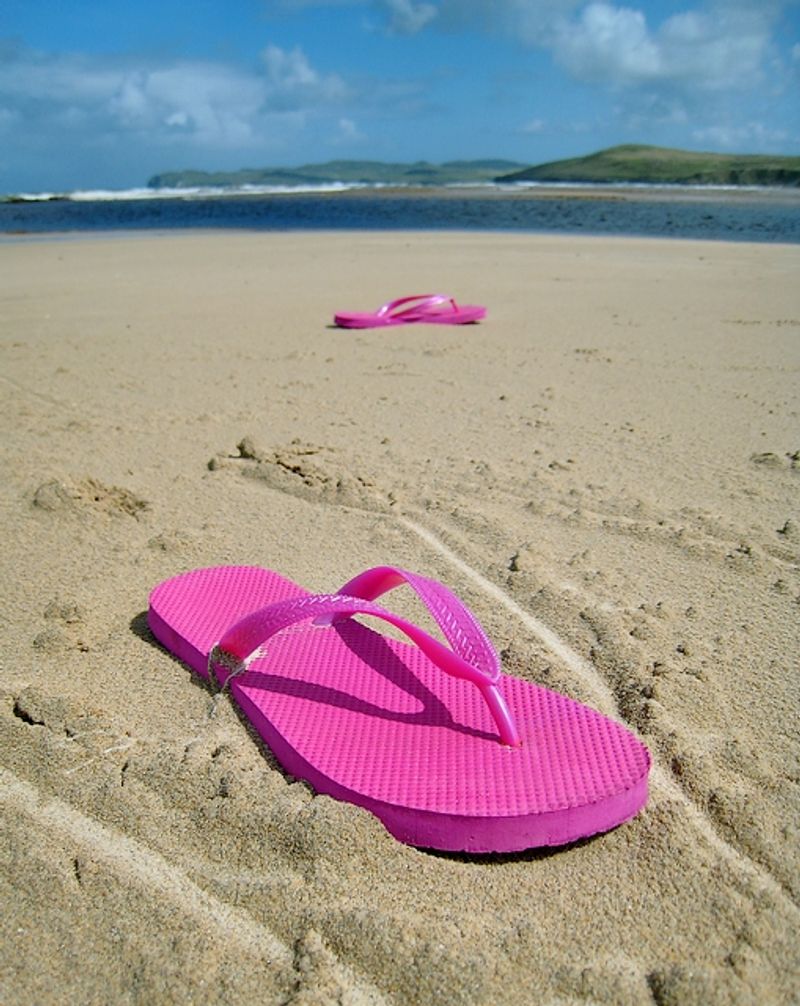
Flip-flops aren’t just shoes in Florida — they’re basically a lifestyle. Gas station run?
Flip-flops. School pickup line?
Flip-flops. Casual Friday at the office?
Honestly, probably flip-flops with a blazer.
Florida’s warm climate makes closed-toe shoes feel unnecessary for most of the year. When temperatures rarely drop below 60 degrees, sandals just make sense.
Locals have their go-to pair worn down to almost nothing, and they wear them like a badge of honor.
Newcomers sometimes try to maintain their sneaker habits, but the heat and humidity win eventually. There’s something freeing about a state where the dress code is permanently relaxed.
Floridians don’t overthink footwear — they grab whatever’s closest to the door. And nine times out of ten, that’s a pair of worn-in flip-flops that have seen more adventures than most people’s hiking boots ever will.
3. They Measure Distance in Time, Not Miles
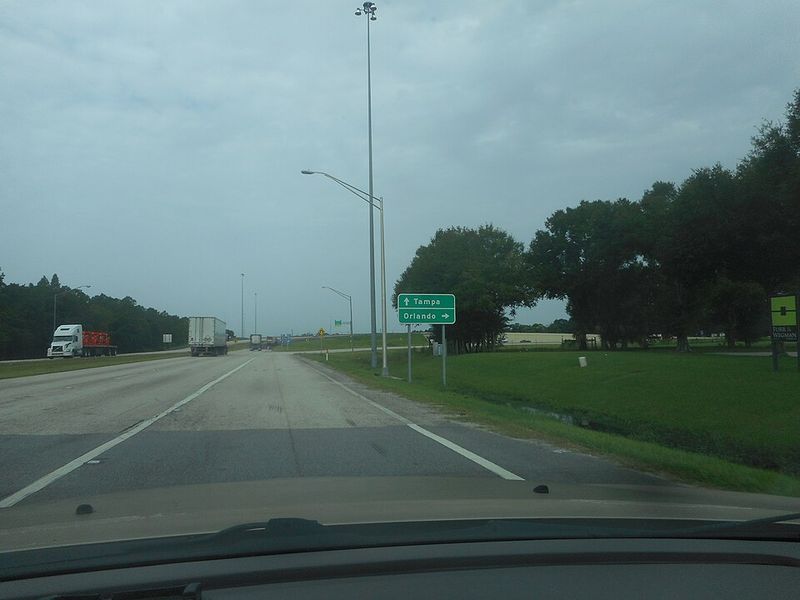
Ask a Floridian how far something is, and they’ll never say miles. “It’s about 25 minutes” is the standard answer- because miles mean nothing when I-4 exists. That stretch of highway between Tampa and Orlando has been called one of the most dangerous roads in the country, and rush hour turns a short trip into a full commitment.
Drawbridges are another wildcard. One opens at the wrong moment and suddenly your 10-minute errand becomes a 30-minute wait.
Locals factor this in automatically, the way you’d check the weather before a picnic.
There’s also the seasonal traffic factor. Snowbird season floods roads with out-of-state drivers who don’t know the local shortcuts.
Floridians adapt by leaving earlier, knowing alternate routes, and accepting that “close” is always relative. Time is the only honest unit of measurement when you live in the Sunshine State.
4. They Know the Difference Between an Alligator and a Crocodile
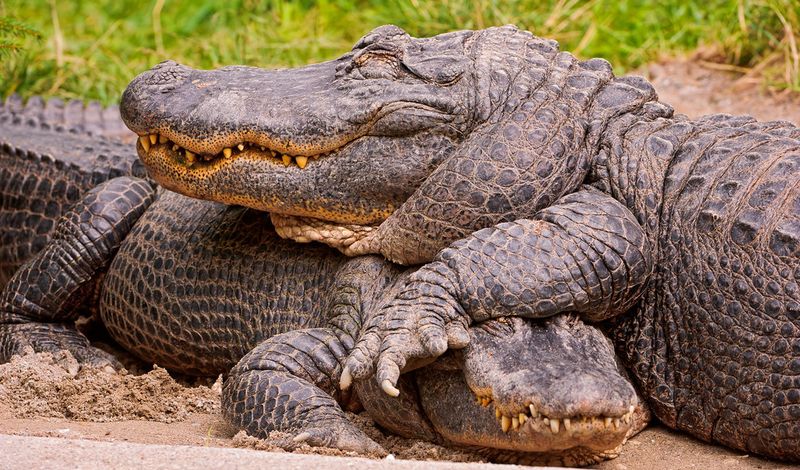
Most people couldn’t tell an alligator from a crocodile if their life depended on it. A Floridian?
They spot the difference from across a retention pond without blinking. It comes down to the snout – alligators have a wide, rounded one, while crocodiles sport a longer, pointier version.
Florida is one of the only places in the world where both species share the same habitat. American alligators roam statewide in freshwater areas, while American crocodiles stick mostly to South Florida, particularly around the Everglades and Florida Bay.
They’re not the same animal, and locals will correct you firmly but politely if you mix them up.
Visitors often treat both creatures like equal threats. Floridians know alligators are far more common and usually avoidable.
Crocodiles are actually considered shy and reclusive. Either way, both deserve serious respect – and a safe distance.
5. ‘Winter’ Means 60 Degrees
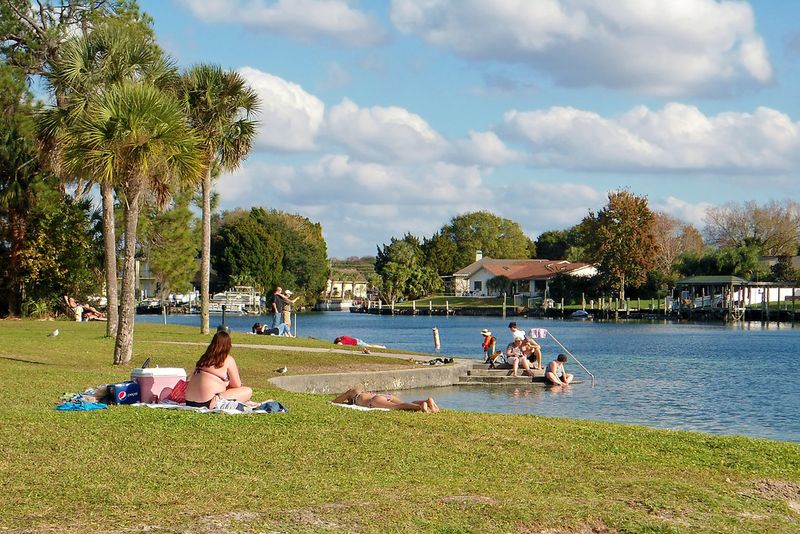
Sixty-two degrees hits a Floridian like a polar vortex. Out come the puffer jackets, the scarves, the boots that haven’t seen sunlight since last February.
Meanwhile, tourists from Michigan are walking around in shorts, genuinely confused about what the fuss is all about.
It’s not weakness – it’s temperature calibration. When your body has adapted to 90-degree summers and barely-cool falls, anything below 65 feels genuinely cold.
South Florida especially has almost no buffer.
Residents there can go entire winters without experiencing anything most Americans would call “chilly.”
The funny part is how seriously locals take it. Schools sometimes delay opening when frost is forecasted.
Facebook groups light up with warnings. Iguanas go stiff and fall out of trees – which is a very real, very Florida weather event.
Cold snaps here are short, dramatic, and absolutely unforgettable to anyone watching from the outside.
6. They Know ‘Lovebug Season’ Is Real
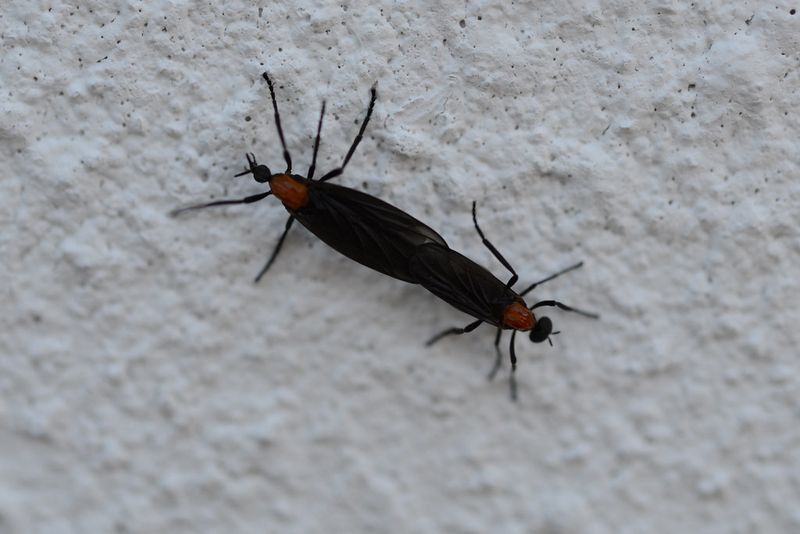
Twice a year, Florida transforms into a scene that would make most people question their life choices. Lovebugs swarm in massive clouds, coating car hoods, windshields, and grilles with alarming enthusiasm.
They travel in pairs – literally stuck together – which is both fascinating and deeply inconvenient when you’re trying to see the road.
Late spring and late summer are the danger zones. Floridians know to wash their cars quickly after driving through a swarm, because lovebug residue is acidic and can damage paint if left too long.
That’s not a myth – it’s a legitimate car-care concern locals take seriously.
The bugs themselves are harmless to humans. They don’t bite, sting, or carry disease.
They’re just… everywhere, all at once, for a few weeks. Floridians handle it with practiced annoyance rather than panic.
Out-of-staters? They’re usually convinced something has gone terribly wrong with the universe.
7. They’ve Complained About Snowbirds
Every October, the roads get slower, the restaurants get fuller, and Florida license plates suddenly have a lot of company. Snowbirds – seasonal residents from northern states – flood Florida each winter chasing warmth and lower heating bills.
Locals have very mixed feelings about this annual migration.
On one hand, the economic boost is real. Restaurants, shops, and services all see increased business.
On the other hand, the traffic becomes genuinely painful. A drive that takes 15 minutes in July can stretch to 40 minutes by January, and the parking situation at popular spots gets creative.
Floridians love to vent about snowbirds, but most would admit the relationship is complicated. These seasonal visitors bring spending power, energy, and often, a real appreciation for the state.
Still, come April when they head back north and the roads clear up? Locals breathe a collective sigh of relief that’s practically audible from space.
8. They’ve Driven Through a 10-Minute Downpour That Came Out of Nowhere
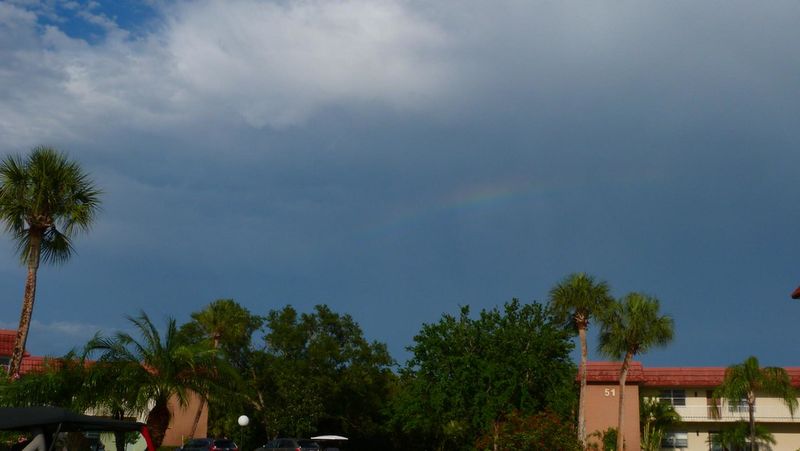
Sunny skies at noon. Apocalyptic downpour by 2 p.m.
Clear again by 2:15 p.m. That’s just a Tuesday in Florida.
The state leads the entire country in lightning strikes, and summer afternoons are practically guaranteed to bring at least one dramatic storm that appears from absolutely nowhere.
Heat and humidity build throughout the day, and by early afternoon the atmosphere basically throws a tantrum. Floridians know to run their errands in the morning or wait out the storm with a coffee.
Pulling over with hazard lights on is practically a local tradition.
Visitors find this wildly disorienting. They booked a beach day, the sky was perfect at breakfast, and now they’re watching lightning crack over the Gulf.
Floridians, though, have internalized the rhythm. They check the radar the way others check the clock, and they never leave home without knowing when the next band is rolling in.
9. They Know Disney Isn’t the Whole State

Disney World is enormous – roughly 25,000 acres, about the size of San Francisco – but it is nowhere near the whole Florida experience. Floridians will tell you this with great enthusiasm, especially when someone assumes Orlando represents the entire state.
The Everglades alone is a UNESCO World Heritage Site covering 1.5 million acres of protected wilderness. The Florida Keys stretch over 100 islands connected by a single iconic highway.
Over 1,300 miles of coastline wrap the state, offering everything from Gulf-side calm to Atlantic surf.
Real Floridians often go years without visiting theme parks. Their Florida includes kayaking through mangroves, watching sea turtle nests at midnight, or hiking through state parks that most tourists never find.
The Sunshine State has layers that a single theme park ticket could never capture. Ask a local for recommendations and prepare to take notes – the list gets long fast.
10. They’ve Had a Pool Party in December

Christmas lights on the palm tree, floaties in the pool, and somebody on the grill – that’s a December weekend in South Florida. While the rest of the country is shoveling driveways and layering sweaters, Floridians are debating whether to put the pool heater on or just tough it out at 78 degrees.
South Florida regularly sees winter highs in the low-to-mid 70s. Even Central Florida gets stretches of warm December weather that would feel like summer anywhere north of Tennessee.
Pool parties in winter aren’t a novelty here – they’re genuinely just a thing that happens.
There’s something delightfully surreal about it for first-timers. Watching kids cannonball into a pool while holiday music plays in the background rewires your brain a little.
Floridians take it completely in stride. For them, a cold December day just means someone might grab a towel a little faster than usual.
11. They Understand ‘Palmetto Bug’ Is Just a Fancy Word

Somewhere along the way, Florida collectively decided that calling something a “palmetto bug” made it less horrifying. It did not work.
A palmetto bug is, without exception, a large American cockroach – and yes, they fly. That part is not a rumor.
These creatures thrive in Florida’s warm, humid climate and can grow up to two inches long. They love sneaking indoors during heavy rain and showing up in bathrooms at midnight with absolutely zero warning.
Floridians have learned to keep their cool, grab a shoe, and handle the situation without screaming – usually.
The “palmetto bug” nickname is a uniquely Florida form of denial that locals wear with strange pride. Guests from out of state who encounter one for the first time tend to have a very memorable reaction.
Floridians just nod sympathetically and hand them a paper towel. Welcome to the Sunshine State.
12. They Know the Ocean Temperatures
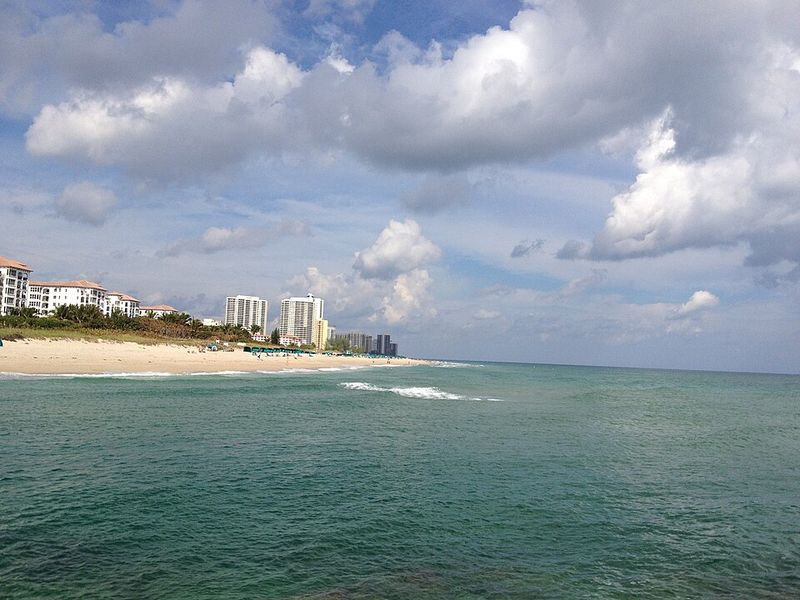
Gulf side or Atlantic side? To a Floridian, that question matters enormously.
The Gulf of Mexico is typically warmer, calmer, and has that postcard-perfect turquoise color that makes people cry a little when they first see it. The Atlantic side runs cooler and rougher, with stronger surf that draws surfers and wave-chasers.
Locals often have a strong preference and will defend it passionately. Gulf Coast fans love the gentle water and soft white sand.
Atlantic loyalists like the energy and the waves. Both sides have stunning beaches, but they offer genuinely different experiences.
Water temperature also shifts by season. The Gulf can feel like a warm bath in August – sometimes almost uncomfortably so.
The Atlantic stays more refreshing in summer, which some people prefer. Floridians absorb this knowledge naturally over years of beach trips.
Visitors often don’t realize the difference until they’ve been to both coasts and had a true side-by-side moment.
13. They Don’t Automatically Live at the Beach
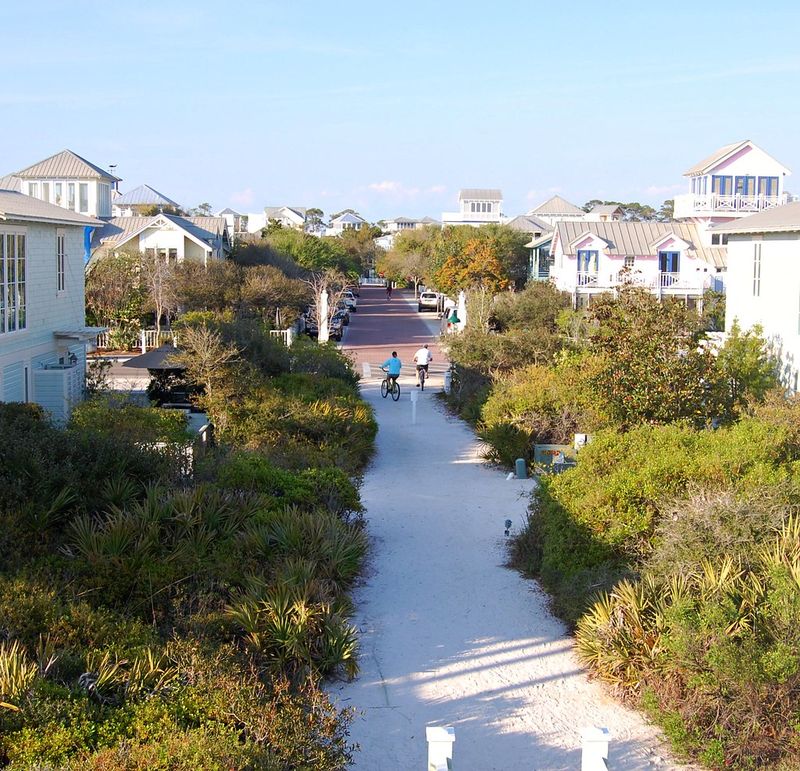
Here’s the thing most people get wrong about Florida: living there does not mean waking up to ocean views every morning. Florida is the third most populous state in the country, and the majority of its residents live inland – in suburbs, cities, and communities nowhere near the coast.
Orlando, Gainesville, Tallahassee, Lakeland – these are major Florida cities where millions of people live their entire lives without a daily beach commute. The beach is a destination, not a backyard, for most Floridians.
They go on weekends, maybe. Sometimes less.
The stereotype of every Floridian being a sun-kissed beach dweller is a good story, but it’s mostly fiction. Real Florida life often looks like strip malls, chain restaurants, and long drives on flat roads lined with strip centers.
Beautiful in its own way, maybe, but definitely not a perpetual vacation postcard. Locals know this and find the assumption quietly amusing.
14. They Have Strong Opinions About Cuban Sandwiches

Bring up Cuban sandwiches in a room full of Floridians and watch the temperature rise immediately. This is not a casual food preference – it is a deeply held cultural position with geographic loyalties attached.
Tampa says the real Cuban sandwich includes Genoa salami. Miami says that’s absolutely wrong and always has been.
The Tampa version traces its roots to Cuban and Italian immigrant communities in Ybor City, where salami became part of the local tradition. Miami-style sticks to the classic: roasted pork, ham, Swiss cheese, pickles, and mustard on Cuban bread, pressed flat and golden.
Both are delicious. Neither side will admit that.
Florida declared the Cuban sandwich the official “signature sandwich” of Tampa in 2012, which did not settle anything. Miamians took note and disagreed loudly.
Out-of-staters who’ve never tried either version are strongly encouraged to keep their opinions to themselves until they’ve done the research in person.



