 Unearth The Voyage
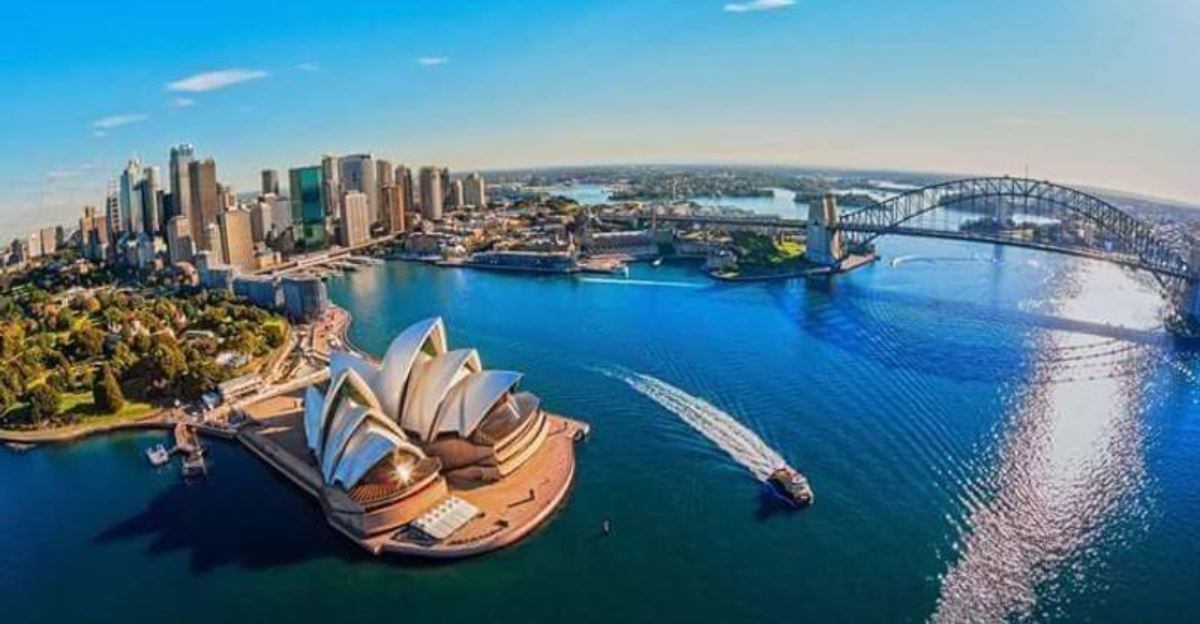
Some cities just get seafood right. From tuna auctions at dawn to chilli crab feasts by the water, these coastal spots have turned eating fish into an art form.
I’ve spent years chasing the best waterfront bites around the globe, and trust me, a great seafood city doesn’t just feed you. It changes how you think about food forever.
Tokyo, Japan
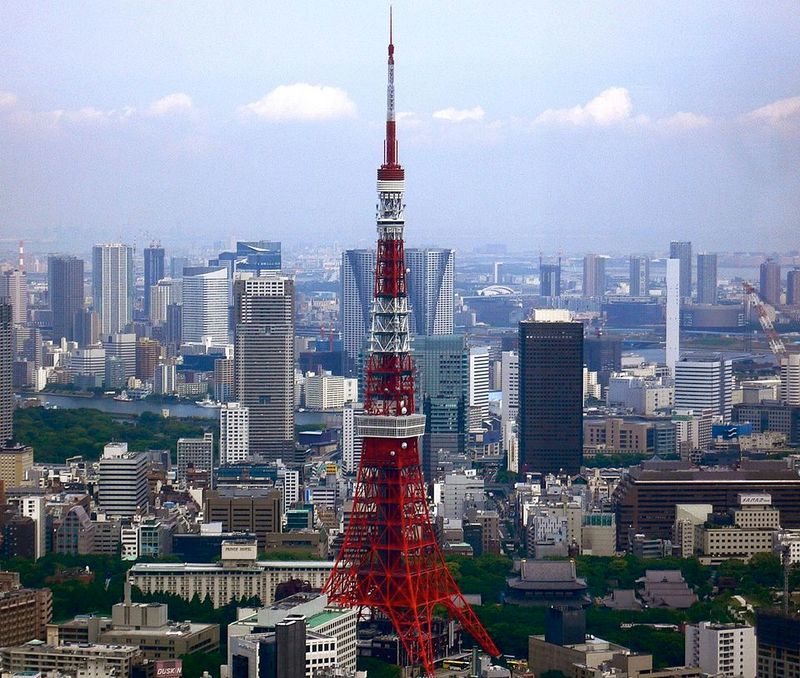
Every morning at Toyosu Market, Tokyo rewrites what “fresh” actually means. This isn’t just a fish market.
It’s a cathedral of tuna, where massive bluefin sell for jaw-dropping prices before most people have had coffee.
The famous tuna auctions attract food lovers from every continent. Watching a single fish sell for more than a house is genuinely surreal.
After the market buzz, vendors nearby serve sushi so fresh it practically introduces itself.
Tokyo’s seafood obsession runs deep. The city holds more Michelin stars than Paris, and a huge chunk of those restaurants are built around ocean ingredients.
Whether you grab a quick bowl of kaisendon or sit down for an omakase experience, the standard here is ruthlessly high. Tokyo doesn’t just raise the bar for seafood.
It builds an entirely new bar and charges admission.
Seattle, USA
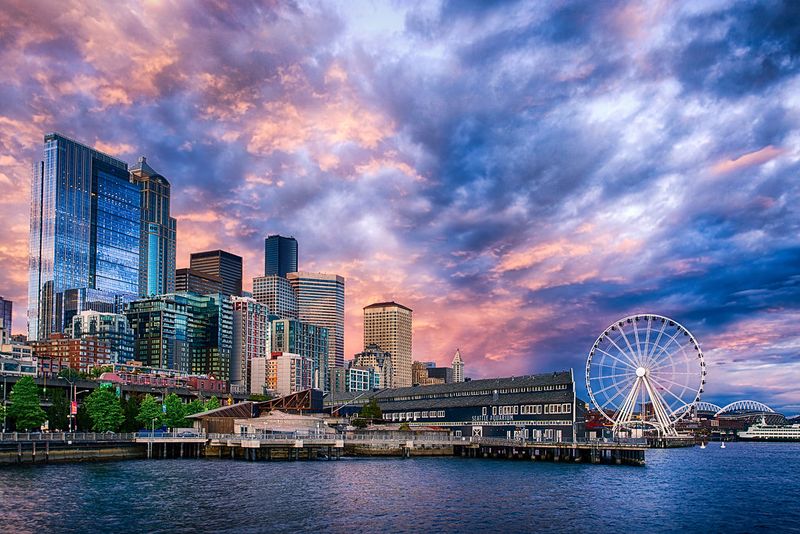
Nobody throws fish like Seattle. At Pike Place Market, fishmongers have turned salmon-tossing into a full performance, complete with crowd reactions and the occasional tourist shriek.
But beyond the theatrics, the Pacific catch here is genuinely exceptional. Dungeness crab, wild king salmon, and freshly shucked oysters are staples at stalls that have been running for decades.
The salty waterfront air adds a free seasoning that no kitchen can replicate.
Seattle’s waterfront stretches along Elliott Bay, offering plenty of spots to eat right beside the water. I once grabbed a crab roll from a market vendor and ate it on the pier while a sea lion casually judged my technique from below.
The city blends casual fish-and-chips energy with serious seafood restaurant culture. Whether you want white tablecloths or newspaper wrapping, Seattle delivers both without breaking a sweat.
Sydney, Australia
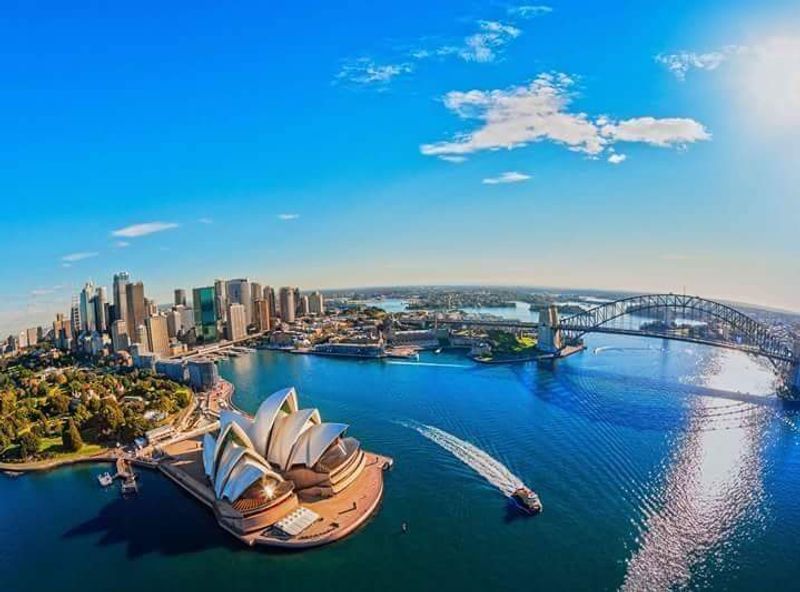
Sydney Fish Market is basically a theme park, except the rides are prawns and the souvenirs are edible. Sitting on Blackwattle Bay, it’s the Southern Hemisphere’s largest seafood market and a serious destination in its own right.
The setup is brilliant for grazing. You browse the stalls, pick what looks good, and find a waterfront table to work through your haul.
Fresh oysters, grilled barramundi, and whole mud crabs are regulars on the lineup. The market draws locals on weekday mornings and tourists every single day.
Sydney’s harbor backdrop makes everything taste better, which is either a scientific fact or a very convenient excuse to eat more. The waterfront dining culture here is relaxed and unpretentious.
Nobody is judging you for eating lobster with your hands. Actually, they’re probably doing the same thing two tables over.
Sydney seafood is a full-contact sport, and everyone wins.
San Sebastián (Donostia), Spain
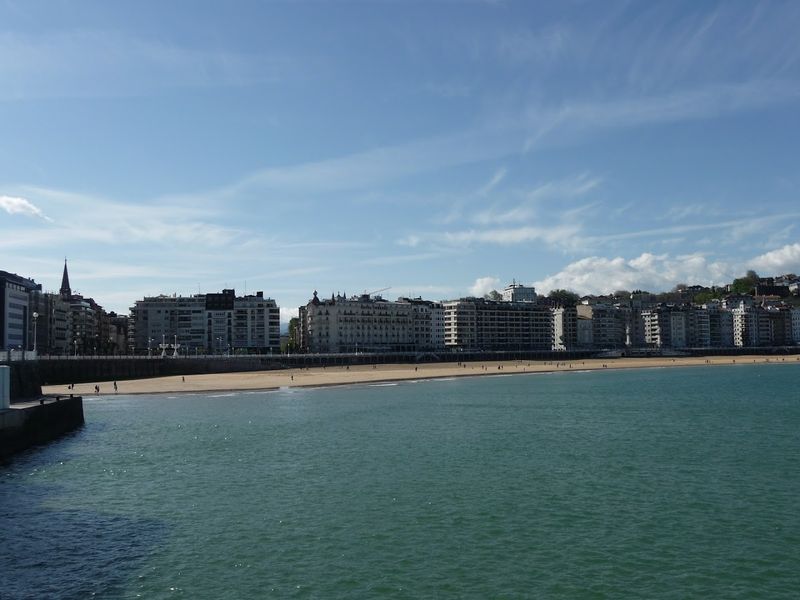
San Sebastián has more Michelin-starred restaurants per square meter than almost anywhere on Earth, and the Basque coast deserves most of the credit. This city takes seafood personally.
Pintxos culture is where the magic lives. Small plates lined up along bar counters showcase the Bay of Biscay’s finest: anchovies, salt cod, spider crab, and grilled squid.
The rule is simple. You point, they hand it over, you eat standing up.
It’s the most civilized chaos I’ve ever participated in.
The fish market stalls are packed with locals who clearly know exactly what they’re doing. Seasonal catches drive menus here, which means chefs actually follow what the ocean provides rather than forcing year-round availability.
San Sebastián is the city that quietly ruins your appetite for mediocre seafood forever. After a weekend here, eating a basic fish fillet anywhere else feels like a personal insult.
Lisbon, Portugal
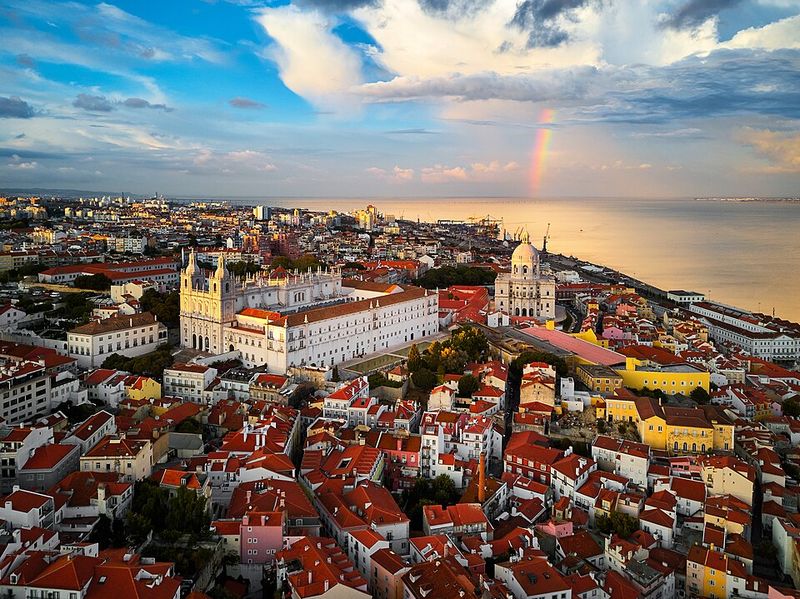
Lisbon’s relationship with seafood is older than most countries. The Portuguese were salting cod before half the world knew what a map was, and that deep respect for ocean ingredients still shows up everywhere you eat.
Mercado da Ribeira, better known as Time Out Market, is the city’s buzzing food hub. Vendors serve everything from grilled sardines to bacalhau com natas, and the communal tables fill up fast.
Grab a glass of vinho verde and settle in, because leaving quickly is basically impossible.
After eating, the Tagus waterfront is steps away for a post-meal stroll. Lisbon is also a city of tascas, tiny neighborhood restaurants where the seafood is cheap, generous, and cooked by someone’s grandmother.
I once paid six euros for a grilled fish that tasted like it cost sixty. That’s the Lisbon trick.
Extraordinary food hides behind very ordinary-looking doors.
Marseille, France
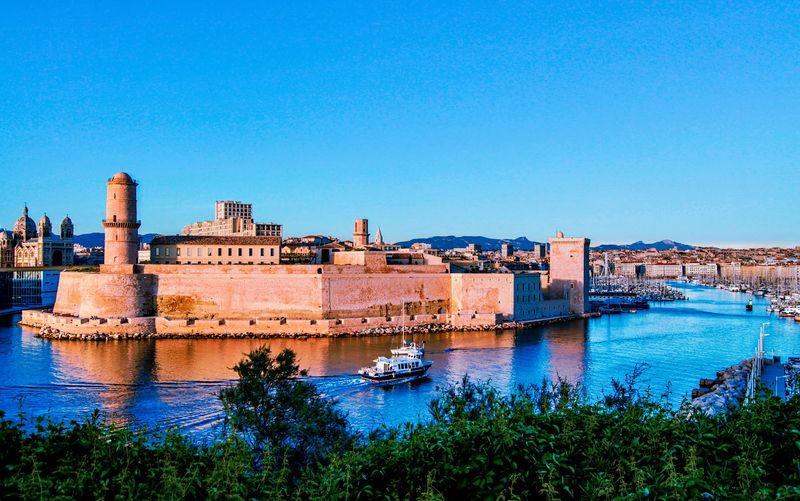
Bouillabaisse didn’t come from a fancy kitchen. It came from Marseille fishermen tossing unsold catch into a pot with whatever was around.
That humble origin story is now one of the most celebrated dishes in French cuisine, and Marseille owns every version of it.
The Vieux-Port is the city’s beating heart. Fishing boats unload directly onto the quay each morning, and by noon, those same fish are on menus at harbor-side restaurants with front-row views of the action.
The combination of Provençal herbs, saffron, and Mediterranean fish creates something genuinely hard to forget.
Marseille doesn’t have Paris’s polish, and that’s exactly the point. It’s rougher, louder, and more honest about what it is.
The seafood here isn’t dressed up to impress. It just shows up tasting incredible and lets the harbor do the rest of the work.
Refreshingly no-nonsense dining at its finest.
Naples, Italy
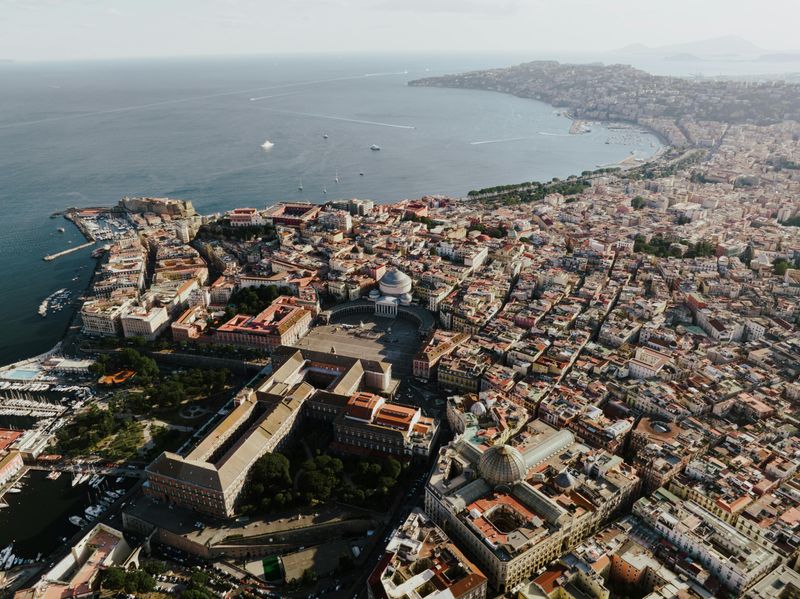
Eating seafood in Naples with Vesuvius looming in the distance is one of those meals that feels slightly dramatic, in the best possible way. The Bay of Naples frames every dish like a painting nobody asked for but everyone deserves.
Neapolitan seafood cooking is confident and unfussy. Spaghetti alle vongole, octopus salad, and frittura di paranza (a glorious mixed fry of tiny fish) are staples that locals eat without making a big deal about it.
Visitors, however, absolutely lose their minds, and rightfully so.
The harborside areas offer outdoor tables where you can watch boats come and go while working through a plate of something excellent. Naples is a city that doesn’t overthink its food.
There are no unnecessary garnishes, no foam, no drama. Just incredibly fresh ingredients handled by people who learned to cook before they learned anything else.
The volcano just adds atmosphere.
Reykjavík, Iceland
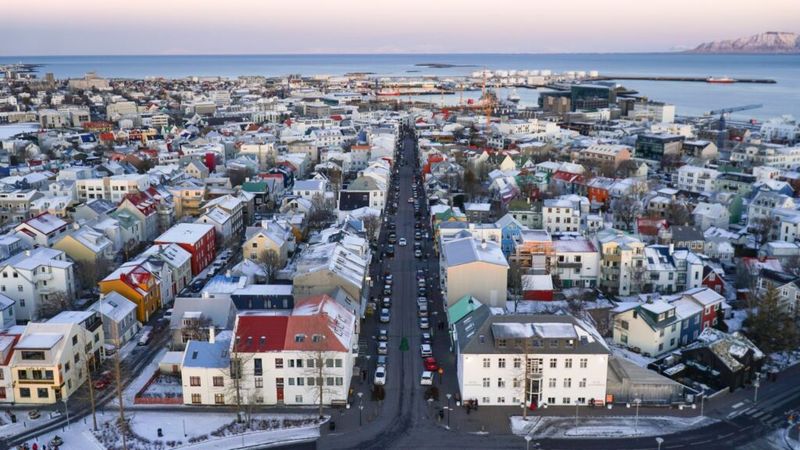
Iceland’s waters are some of the cleanest and coldest on the planet, which makes the seafood here almost aggressively good. Reykjavík’s old harbor district has quietly become one of the most interesting food neighborhoods in northern Europe.
The menu leans Arctic. Cod, haddock, langoustine, and Arctic char show up in preparations that range from traditional to surprisingly creative.
The langoustine soup alone is worth booking a flight for. Warm, rich, and deeply satisfying, it’s the kind of dish that makes cold weather feel like a feature rather than a problem.
The harbor area has a compact, walkable energy that makes restaurant-hopping easy. Several popular spots sit right on the waterfront, where the views stretch across the bay toward distant mountains.
Dining in Reykjavík feels like a reward for surviving the weather. The fish is spectacular, the portions are generous, and nobody here is pretending the sun is coming out anytime soon.
Hong Kong (Lei Yue Mun), China
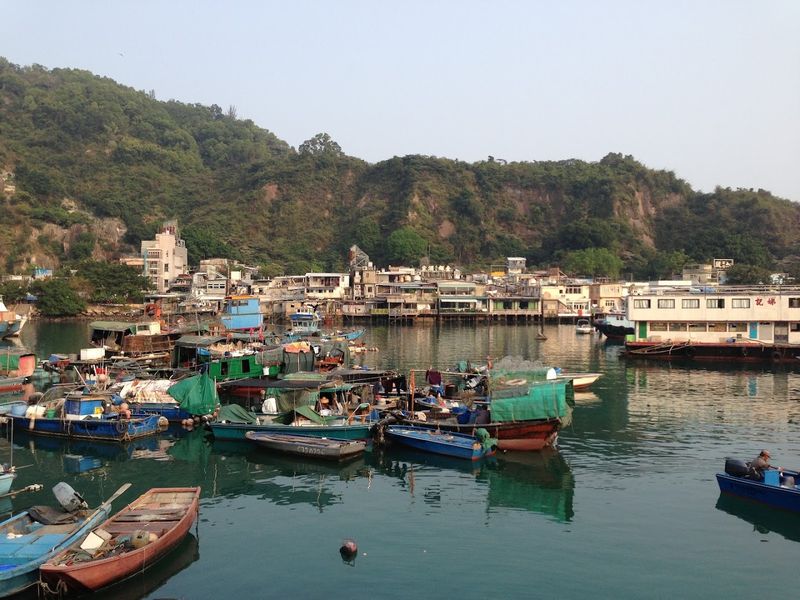
Lei Yue Mun operates on a genius model: pick your live seafood from the tanks lining the waterfront alley, then hand it to a nearby restaurant to cook however you like. It’s half aquarium, half dinner reservation, and completely brilliant.
Hong Kong’s tourism authorities highlight this fishing village as one of the city’s top seafood experiences, and the atmosphere backs that up entirely. The narrow lanes are packed with tanks holding lobster, crab, clams, and fish you can’t name but absolutely want to eat.
Vendors negotiate, chefs cook fast, and tables fill up before sunset.
The waterfront setting adds a working-village feel that contrasts beautifully with Hong Kong’s skyscraper skyline visible across the water. This isn’t polished fine dining.
It’s loud, hands-on, and deeply satisfying. I watched a family of four demolish an entire steamed grouper in under ten minutes.
Efficient, impressive, and honestly inspiring.
Singapore
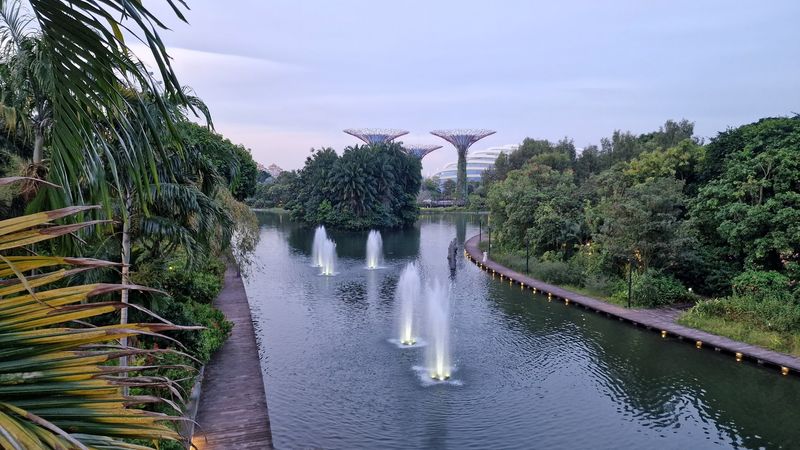
Singapore’s national dish debate has many contenders, but chilli crab wins every argument with its claws. Rich, slightly sweet, tangy tomato-chilli sauce clinging to a whole crab is the kind of meal that requires full commitment and a stack of napkins.
East Coast Seafood Centre is the go-to waterfront spot for this experience. Open-air tables sit right beside the water, the breeze keeps things comfortable, and the crabs arrive enormous and unapologetic.
Fried mantou buns for sauce-scooping are non-negotiable. Order extra.
Trust me on this one.
Singapore treats seafood as cultural heritage rather than just cuisine. Black pepper crab, chilli stingray, and sambal clams all have devoted followings.
The hawker culture means incredible seafood is accessible at almost every price point, from budget-friendly stalls to upscale restaurants with harbor views. Few cities make eating by the water feel this effortless, this delicious, and this genuinely fun.
Vancouver, Canada
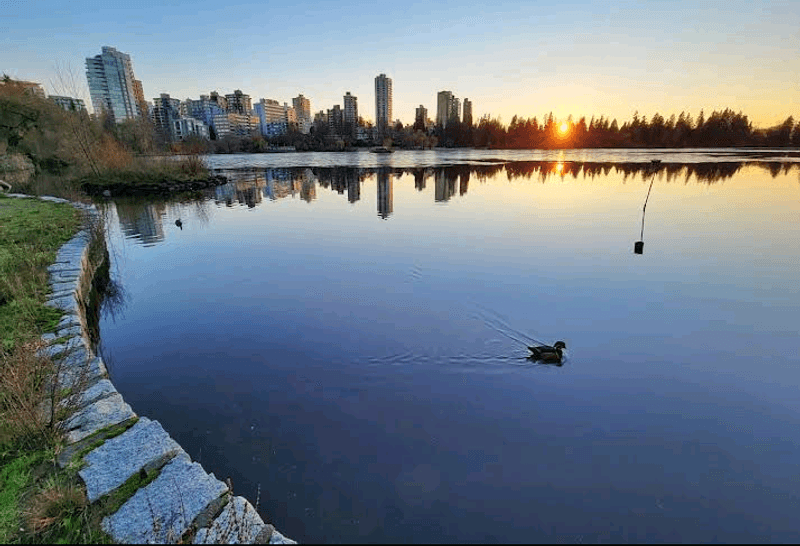
Granville Island’s Public Market is the kind of place that makes grocery shopping feel like a special occasion. Fresh Pacific salmon, Dungeness crab, spot prawns, and smoked fish line the counters in a display that’s almost aggressively beautiful.
The market sits right on False Creek, so buying something fresh and eating it outside with a water view takes approximately ninety seconds. Vancouver’s seafood culture is rooted in proximity: the Pacific is right there, the fish is genuinely local, and the quality reflects that short journey from ocean to plate.
The city also has a strong restaurant scene built around sustainable seafood, with many chefs working directly with local fishers. That farm-to-table philosophy translates here into boat-to-table, which sounds obvious but is actually rare to find done this consistently well.
Vancouver is a city where the fish doesn’t need to travel far, and the flavors make that very clear.
Boston, USA
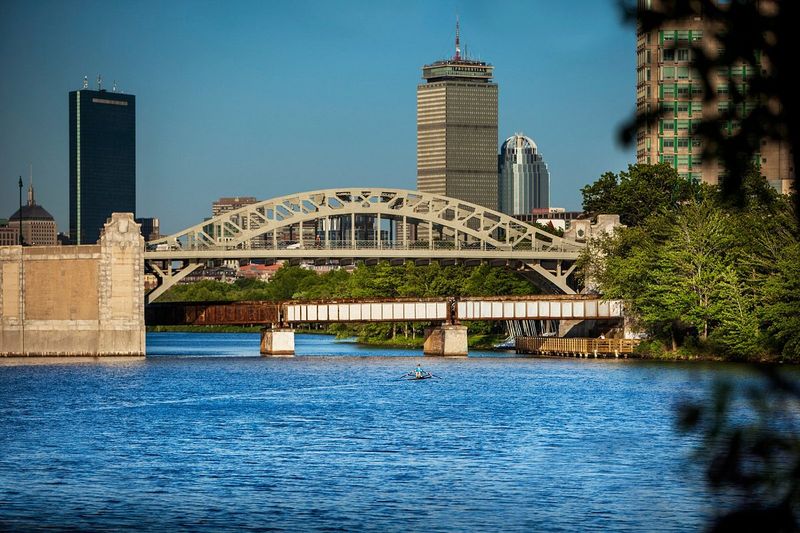
Boston takes its lobster roll very seriously, and honestly, the city has earned that right. New England seafood culture runs through this city like the Freedom Trail, except the destination is a buttered roll stuffed with cold lobster and a side of harbor views.
The waterfront dining scene clusters around the harbor and Fan Pier, where restaurants compete for the best combination of ocean views and classic New England cooking. Oysters from Cape Cod, chowder thick enough to stand a spoon in, and whole steamed lobsters are the expected highlights.
Nobody here is trying to reinvent the wheel.
Boston is also a city that respects its seafood history. The fishing industry shaped this place for centuries, and you can still feel that connection in the older neighborhoods near the water.
Grab a lobster roll, find a bench with a harbor view, and let the city do what it does best. Simple, honest, and very satisfying.
Cape Town, South Africa
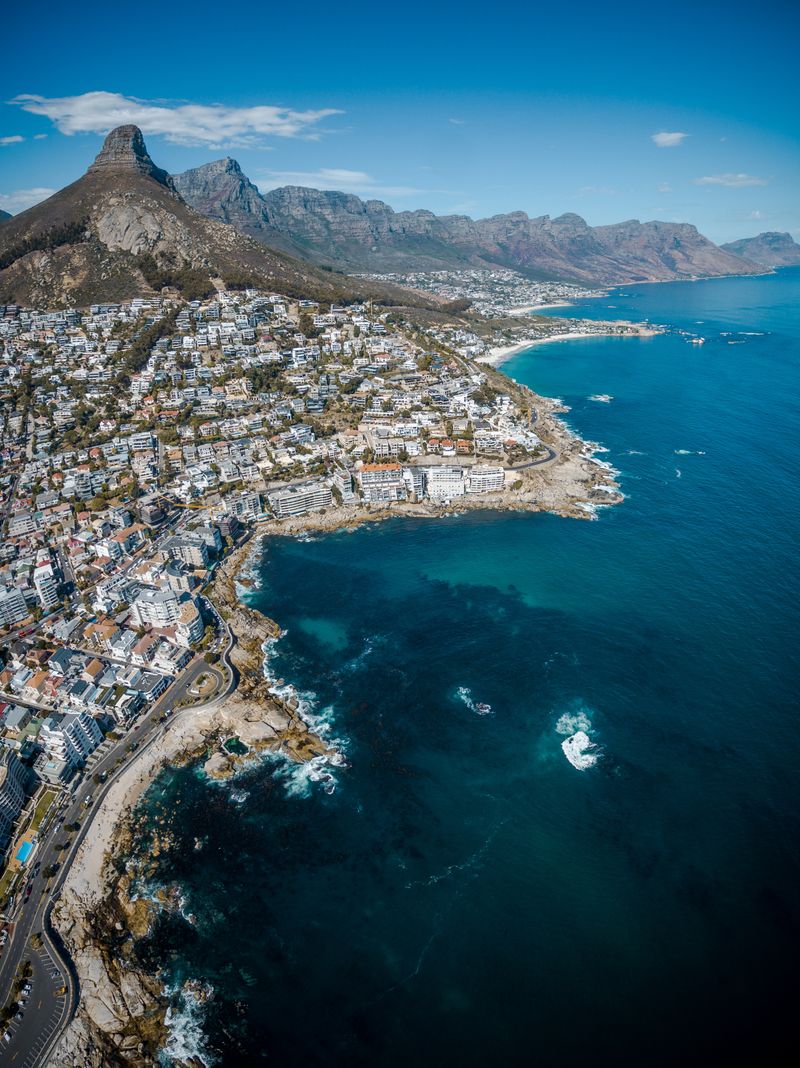
The V&A Waterfront has a view that most restaurants would pay a fortune to fake. Table Mountain sitting behind a working harbor while you eat grilled snoek is a combination that no interior designer can manufacture.
Cape Town’s seafood menu reflects its unique geography. The cold Benguela Current running up the Atlantic coast produces exceptional fish and shellfish, including West Coast rock lobster, perlemoen (abalone), and line fish that chefs handle with real skill.
The waterfront dining zone has dozens of restaurants covering every budget and style.
What makes Cape Town special is the mix of African, Cape Malay, and European culinary influences all showing up on the same seafood plate. A dish of pickled fish here carries four hundred years of history in every bite.
The harbor stays active with working boats, which gives the whole area an authentic energy that purely tourist-facing waterfronts often lack.
Lima (Miraflores & Costa Verde), Peru
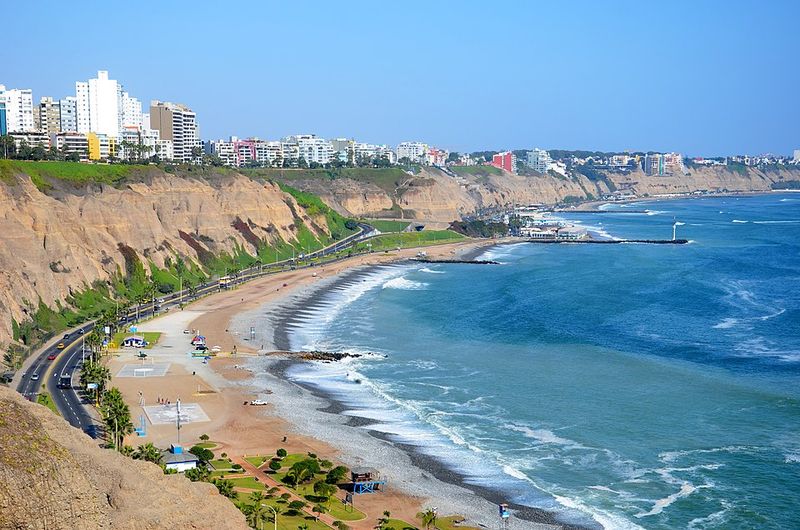
Peru invented ceviche, and Lima is where that invention gets celebrated on a daily basis. The dish here isn’t a menu item.
It’s a cultural institution, a point of national pride, and the reason many food travelers book flights to South America in the first place.
Miraflores sits on dramatic coastal cliffs above the Pacific, and the restaurants here take full advantage of those views. Costa Verde, the seaside strip below the cliffs, hosts food events and gatherings that bring the city down to the water.
The leche de tigre, the citrusy marinade left in the ceviche bowl, is considered a hangover cure and an appetizer depending on the hour.
Lima’s seafood cooking has earned serious international recognition, with multiple restaurants appearing on global top-fifty lists. But the best ceviche I ever ate cost almost nothing at a tiny spot in Miraflores with plastic chairs.
Lima rewards explorers who skip the obvious and wander a little.



