 Unearth The Voyage
The Cold War changed far more than foreign policy. It built entire American communities around reactors, radar screens, command posts, and highly controlled routines, often in places most people could not have found on a map in 1962.
Some were true company towns with fences and badges, while others looked ordinary until you noticed the military traffic, the rushed construction, or the fact that neighbors asked very few questions. Keep reading, and you will see how secrecy, science, and strategy quietly reshaped daily life across deserts, mountains, coastlines, and even Arctic ice.
1. Oak Ridge, Tennessee
If any place deserved the nickname Secret City, this one earned it. Oak Ridge was built at astonishing speed during World War II, then carried that momentum into the Cold War as uranium processing, reactor work, and national security research stayed central to American policy.
Residents lived in a town that was designed, managed, and expanded by the federal government with unusual precision. Housing types were standardized, streets appeared fast, and daily life revolved around massive sites like Y-12, K-25, and Oak Ridge National Laboratory.
You could raise a family here and still work on something described in the vaguest possible terms. That mix of ordinary routines and restricted information gave Oak Ridge a culture unlike a typical Southern town, even as it added churches, schools, shopping centers, and civic clubs.
During the 1950s and 1960s, Oak Ridge became proof that scientific labor, bureaucracy, and suburban planning could all share the same carefully guarded zip code.
2. Hanford, Washington
This stretch of Washington looked sparse, but it carried enormous strategic weight. Hanford’s reactors and processing plants produced plutonium on a scale that made the surrounding communities part of one of the most important industrial operations of the Cold War.
Nearby places such as Richland grew rapidly to house workers, managers, and their families, creating a planned community with schools, parks, and tidy subdivisions tied directly to federal priorities. Residents often knew they were supporting national defense, though the details were filtered through security rules and need-to-know boundaries.
The result was a place where everyday routines sat beside giant technical systems few Americans ever saw. Hanford’s expansion through the late 1940s and 1950s helped define the region’s economy, identity, and demographic growth for decades.
It is easy to think of Hanford only as a production site, but the real story includes a whole social world built around badges, buses, reactor schedules, and carefully controlled information.
3. Los Alamos, New Mexico
A mountain school site turned into one of the most guarded addresses in America almost overnight. Los Alamos began as the Manhattan Project’s secret laboratory, but its Cold War life kept expanding long after 1945, as physicists, engineers, and military planners stayed busy refining weapons design.
You did not move here for nightlife. You moved here for clearance levels, government housing, and work that often remained compartmentalized, meaning even smart neighbors might know only one slice of the larger mission.
By the 1950s and 1960s, the town had schools, stores, and youth leagues, yet its identity still revolved around Los Alamos National Laboratory. Security rules shaped daily habits, and the local population mixed scientific prestige with small-town routine in a way few places ever have.
What makes Los Alamos so fascinating is that it looked manageable on the surface while influencing global strategy from behind office doors and lab walls.
4. Mercury, Nevada
A town with a post office, cafeteria, and bowling alley sounds ordinary until you learn it sat inside a restricted nuclear testing zone. Mercury served as the administrative and residential hub for the Nevada Test Site, supporting hundreds of tests and the people who made them happen.
Built deep in the desert, it housed scientists, military personnel, technicians, and support staff who commuted to test areas or worked within the secured complex. Access was tightly controlled, and the town functioned like a self-contained service center where daily convenience met unusually high secrecy.
By the 1950s, Mercury had become a working community with dormitories, offices, medical facilities, and bus routes, all tied to the rhythms of federal testing schedules. You could eat lunch, cash a paycheck, and head back to work while helping manage one of the most sensitive programs in the country.
Mercury remains one of the clearest examples of how Cold War policy could create a town that felt practical, hidden, and strangely routine at the same time.
5. Cheyenne Mountain Complex, Colorado
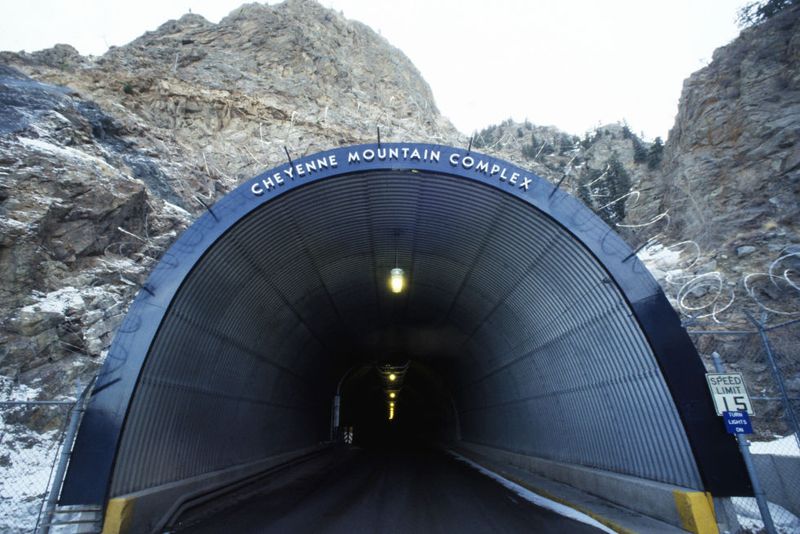
Few communities were tucked inside a mountain quite this literally. The Cheyenne Mountain Complex was developed near Colorado Springs as a hardened command center for air defense, built to keep operations running even during the most tense nuclear standoffs.
It was not a town in the usual sense, yet people worked, ate, communicated, and spent long shifts in a carefully engineered underground environment. Massive blast doors, isolated buildings mounted on springs, and self-contained utilities turned the site into a functioning community designed around continuity and command.
You can think of it as Cold War urban planning stripped down to essentials and then hidden under granite. NORAD operations there tracked aircraft, missiles, and warning data, giving the complex an outsized role in public imagination by the 1960s.
What stands out is how ordinary workplace needs coexisted with extraordinary engineering. Coffee breaks and status boards shared space with one of the most durable symbols of American civil and military preparedness.
6. Greenbrier Bunker Community, West Virginia
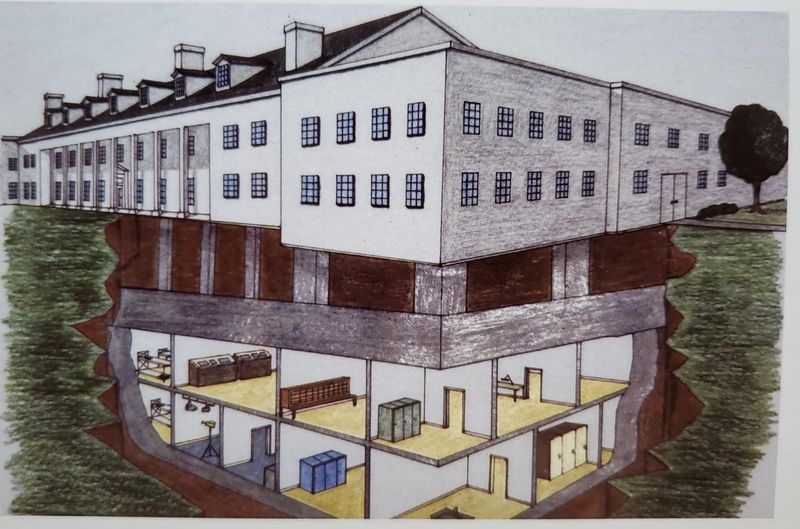
The most surprising Cold War community in this list had a dress code upstairs and a survival plan downstairs. Beneath the Greenbrier resort, the federal government built a vast secret bunker intended to house Congress if Washington became unusable during a national emergency.
This underground facility included dormitories, a clinic, decontamination areas, communications spaces, and large chambers for the House and Senate, making it far more than a simple shelter. A small support staff maintained the site under cover stories for decades, blending routine hospitality work with highly classified readiness.
You could vacation at the resort and never suspect that an entire alternate legislature had been quietly prepared below your feet. Construction began in the late 1950s, and the installation stayed secret until public reporting revealed it in 1992.
The Greenbrier bunker shows how Cold War planning often borrowed familiar spaces to hide extraordinary functions. In classic bureaucratic fashion, even continuity of government came with meeting rooms, filing systems, and practical fluorescent order.
7. Eielson Air Force Base, Alaska
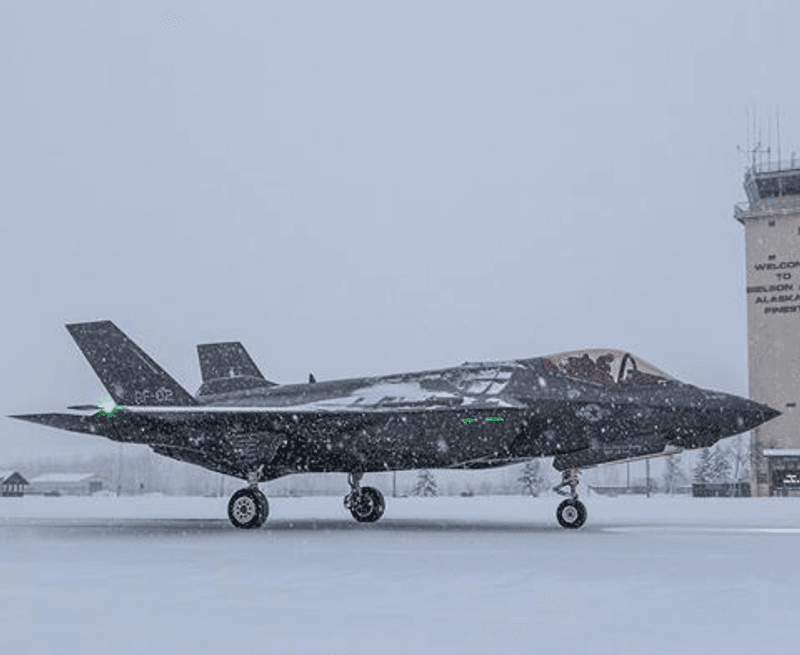
Remote geography made this place valuable, not inconvenient. Eielson Air Force Base, near Fairbanks, became a key Cold War outpost because Alaska placed American forces closer to the Arctic routes that mattered for surveillance, interception, and strategic air operations.
The base community had to function with unusual self-reliance. Families lived in military housing, children attended base schools, and support services had to cover long distances, severe weather, and the demands of a mission tied directly to continental defense.
During the 1950s and 1960s, Eielson supported refueling, training, reconnaissance, and air defense work that connected Alaska to a much larger warning network. Life there was shaped by logistics as much as ideology, which is a very Cold War sentence if there ever was one.
What makes Eielson notable is how a remote military settlement became a real social world with clubs, stores, and routines, all while serving as a strategic hinge between the continental United States and the polar frontier.
8. Thule Air Base (U.S. presence), Greenland
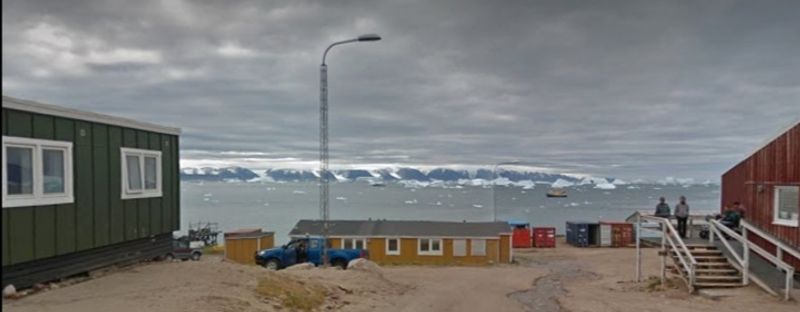
At the top of the map, the Cold War became a matter of minutes and radar coverage. Thule Air Base in Greenland gave the United States a critical northern position for missile warning, air operations, and strategic monitoring during decades when early detection was everything.
The American presence there created a small but highly functional community of service members, technicians, and support workers living in one of the world’s most demanding settings. Supplies arrived with careful planning, buildings were engineered for severe conditions, and the base’s routines revolved around keeping communications and detection systems ready at all times.
You would not confuse Thule with a conventional town, yet it had the social structure of one: housing, dining, recreation, maintenance, and constant coordination. Its importance increased as radar networks and ballistic missile concerns reshaped military planning in the late 1950s and after.
Thule matters because it shows how Cold War communities could appear in places that looked almost impossible for permanent daily life, yet became essential through engineering and policy.
9. Camp Century (Greenland)
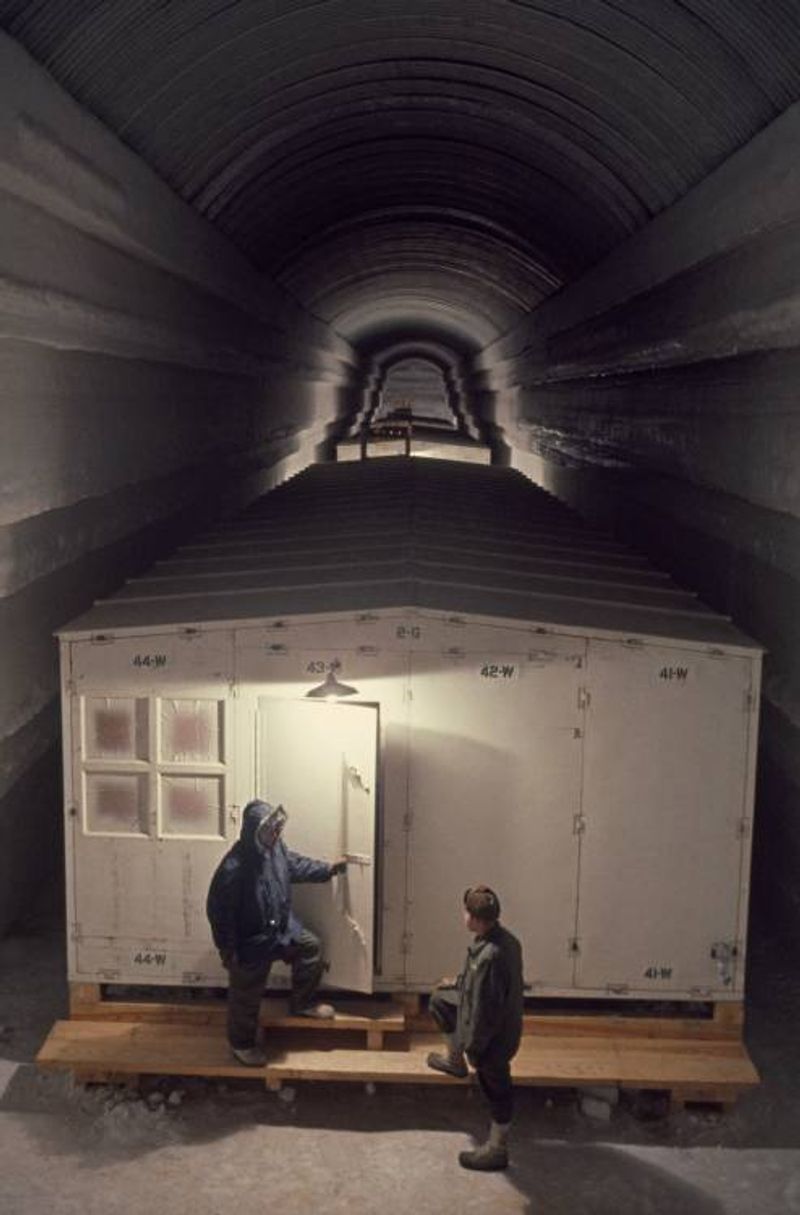
This was the Cold War at its most ambitious and slightly unbelievable. Camp Century, built under Greenland’s ice sheet in 1959, was presented as a research installation but also connected to larger military thinking about mobility, concealment, and missile deployment beneath the Arctic surface.
The base included a network of tunnels cut into the ice, living quarters, laboratories, storage areas, and a portable nuclear reactor that supplied power. Engineers wanted to test whether a community could operate for long periods in a shifting frozen environment, which sounds orderly on paper and very challenging in practice.
You can see why it became legendary. Camp Century was part scientific station, part infrastructure experiment, and part strategic rehearsal for ideas that never fully matured as planned because the ice itself kept moving.
Its operational life was short, ending in the 1960s, but its historical significance is large. Few projects capture the Cold War habit of mixing ingenuity, secrecy, and bold engineering assumptions quite so neatly under one frozen roof.
10. Wendover, Utah
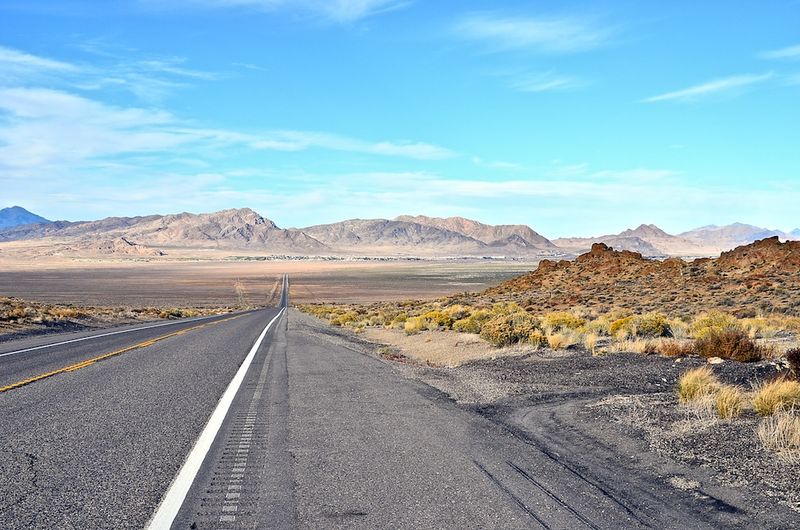
Desert towns often look quiet on the surface, which made Wendover especially useful. Known first for its wartime airfield, the area continued to matter during the Cold War because its open ranges, existing infrastructure, and distance from dense population centers suited training and weapons-related testing.
Wendover’s military identity did not disappear when World War II ended. The nearby landscape supported experimentation, flight activity, and specialized work that linked the town to broader defense programs, even when national attention moved elsewhere.
You can still trace the layers of history here through the airfield, support buildings, and the town’s long association with federal activity. Unlike purpose-built secret cities, Wendover mixed ordinary local life with recurring waves of military use, which gave it a different Cold War character.
That contrast is what makes it memorable. It was neither fully hidden nor widely celebrated, yet it kept showing up where strategic geography, technical needs, and government planning overlapped in the vast open spaces of the American West.
11. Homestead Air Force Base, Florida
Few places felt the calendar pressure of October 1962 quite like this one. Homestead Air Force Base, south of Miami, became a major tactical and strategic site during the Cuban Missile Crisis, when its location turned routine readiness into a matter of immediate national focus.
The base already had significance before that moment, supporting fighter and reconnaissance operations in a region shaped by Caribbean politics and rapid military planning. Its surrounding community reflected the standard features of a substantial air base: housing, schools, service facilities, and a civilian economy tied closely to federal activity.
You did not need a map lesson to understand why Homestead mattered. South Florida’s proximity to Cuba made the base a frontline installation during some of the Cold War’s most closely watched weeks, and that role stayed central in public memory afterward.
Homestead shows how military communities could shift from routine to pivotal very quickly. In Cold War America, a runway, a control tower, and a cluster of family housing could suddenly sit near the center of world attention.
12. Key West, Florida (Naval Operations)
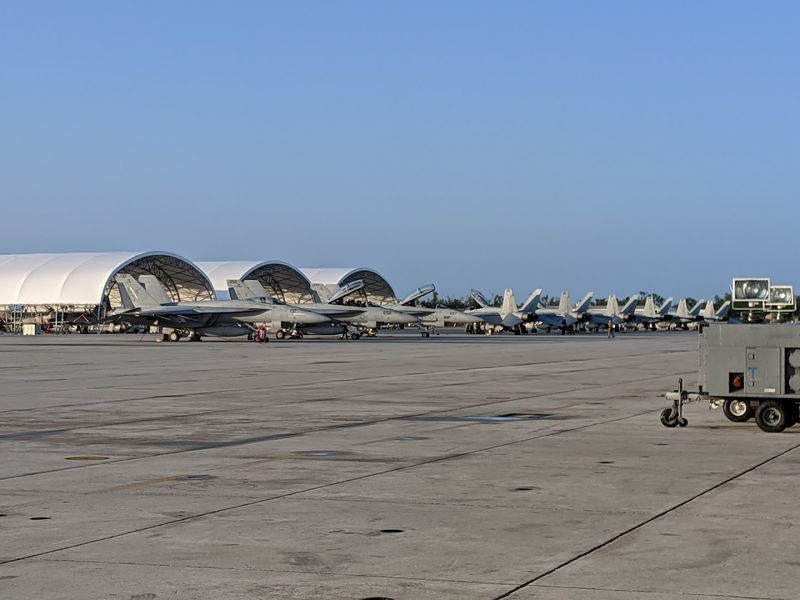
Postcard scenery tends to distract from the paperwork of power, but Key West carried serious strategic weight. During the Cold War, its naval and air facilities supported surveillance, anti-submarine operations, training, and communications in waters that had become tightly connected to U.S.-Cuba tensions.
The island’s military role was not entirely hidden, yet many Americans mainly thought of Key West as a quirky southern endpoint rather than a defense hub. That mismatch makes its history especially interesting, because the town’s public image and its operational importance lived side by side.
You can follow the Cold War story through Naval Air Station Key West, fleet support activities, and the island’s broader role during the Cuban Missile Crisis. Service members, civilian workers, and long-time residents all shared space in a community where tourism and defense often overlapped without fully blending.
Key West reminds you that Cold War infrastructure was not always buried in deserts or mountains. Sometimes it occupied a famous destination and quietly handled very serious business behind familiar waterfront views.
13. Colorado Springs, Colorado
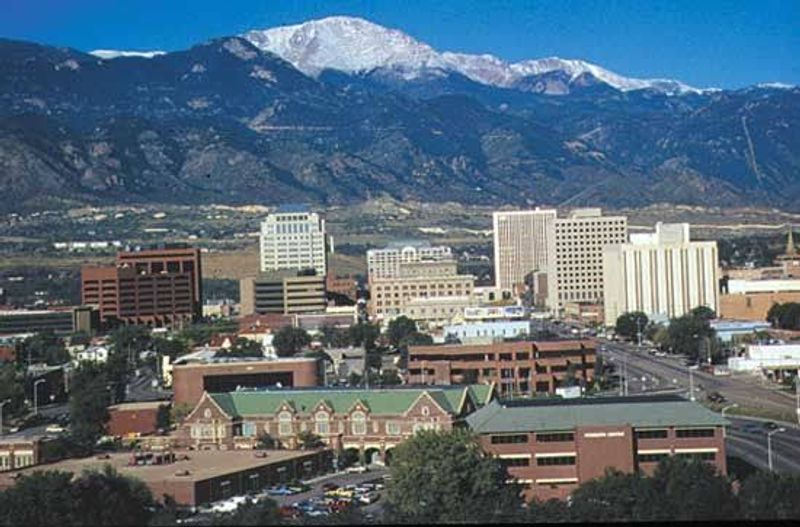
Some cities become important by accident, but Colorado Springs was shaped by accumulation. During the Cold War, it grew into a major center for military command, aerospace activity, and defense administration, with installations that made the city far more strategic than its tourism brochures suggested.
Peterson Field, Ent Air Force Base, Fort Carson, and the nearby Air Force Academy all contributed to a regional identity built around uniforms, planning, and advanced technology. The city’s growth in the 1950s and 1960s reflected that institutional concentration, as neighborhoods, businesses, and schools expanded alongside federal presence.
You could call it a military city, but that undersells the breadth of its Cold War role. Colorado Springs linked command functions, training, communications, and aerospace research in a way that helped define modern defense infrastructure.
Unlike more isolated secret communities, this one blended strategic significance with everyday urban development. That combination gave Colorado Springs a very durable Cold War legacy, one visible not through fences alone but through the long-term shape of the city itself.
14. Alamogordo, New Mexico
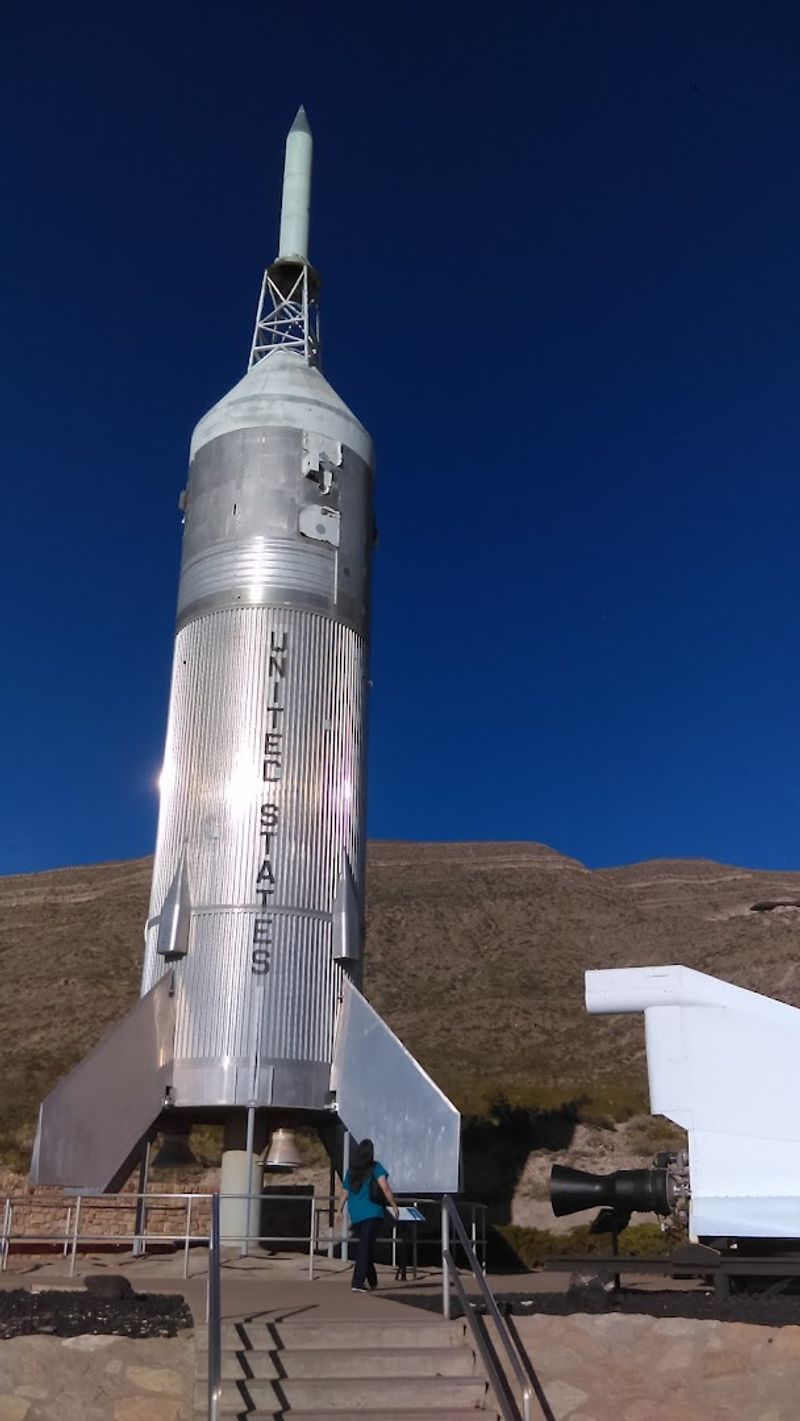
A small desert city ended up with front-row access to the missile age. Alamogordo’s importance during the Cold War came from its proximity to White Sands Missile Range and related research, making it a community closely tied to testing, tracking, and technical development.
The town’s economy and identity were shaped by military personnel, scientists, contractors, and support workers whose jobs connected local life to national defense goals. White Sands had already become famous for postwar rocket work, and that momentum continued as guided missile programs and space-related research expanded through the 1950s and 1960s.
You can see the pattern clearly: housing growth, service businesses, schools, and civic life all developed around installations that handled highly specialized work. Alamogordo was not as secretive as some Cold War communities, but it still operated in the orbit of restricted projects and federal priorities.
That mix gives the city its distinct place in history. It was a practical hometown with an unusually direct connection to missiles, research schedules, and the long national fascination with the desert proving ground.



