Most people assume international travel means endless confusion, language barriers, and getting hopelessly lost. But honestly, some countries practically roll out the welcome mat for visitors.
I used to stress about traveling abroad until I realized that a little research goes a long way. These 14 countries prove that exploring the world can be way less scary than your travel anxiety suggests.
Japan
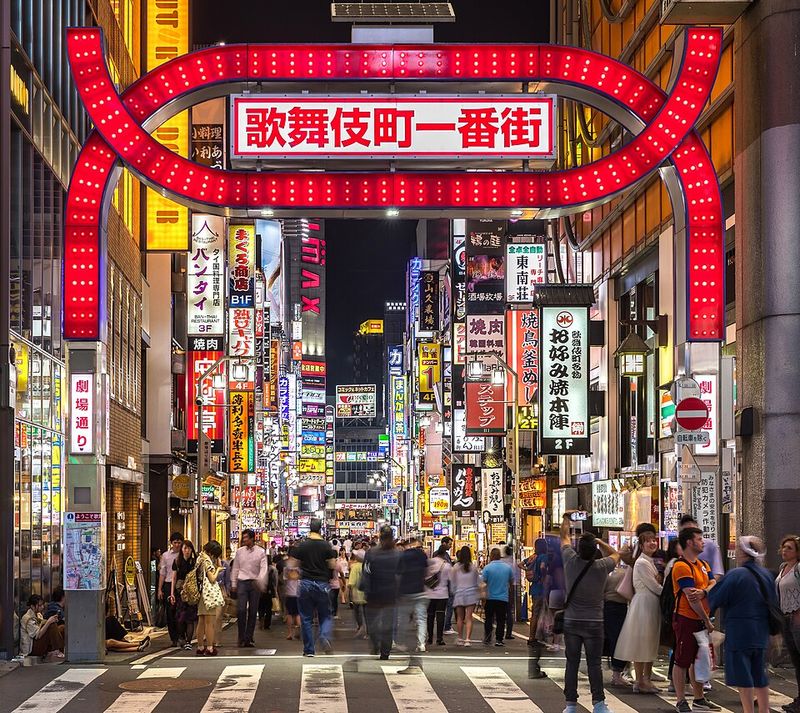
Japan has a reputation for being complicated, but that reputation is wildly exaggerated. Yes, there are kanji signs everywhere, but English translations are almost always right below them.
The subway systems in Tokyo and Osaka are genuinely some of the best in the world.
I took a bullet train from Tokyo to Kyoto on my first solo trip and barely broke a sweat. Tickets are easy to buy, trains run on time, and staff are remarkably helpful even when language is a barrier.
Safety is practically a given here.
Even small towns off the tourist trail are surprisingly manageable. Convenience stores stock everything you need, Google Maps works brilliantly, and locals go out of their way to help confused tourists.
Japan rewards curious travelers who show up ready to explore.
Portugal
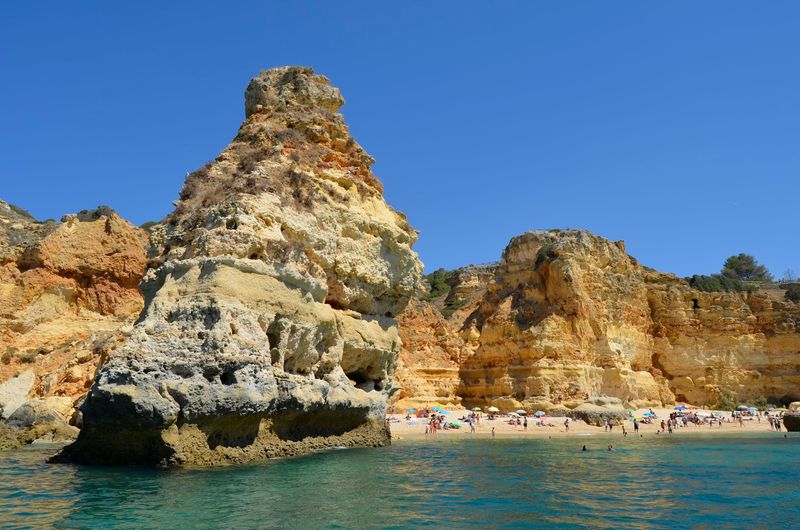
Portugal quietly became one of Europe’s most beloved destinations, and it is not hard to see why. The country is compact enough that you can hit the beach in the morning and explore a medieval castle by afternoon.
That kind of flexibility is hard to beat.
English is widely spoken, especially in Lisbon and Porto, so communication rarely becomes a problem. Train and bus connections between cities are affordable and reliable.
The locals are warm without being overwhelming, which is a genuinely refreshing combination.
Budget travelers will also love Portugal’s prices, which remain lower than most Western European countries. A solid meal with wine costs a fraction of what you would pay in Paris or Amsterdam.
Portugal keeps delivering more than visitors expect, which is probably why so many people end up extending their trips once they arrive.
South Korea
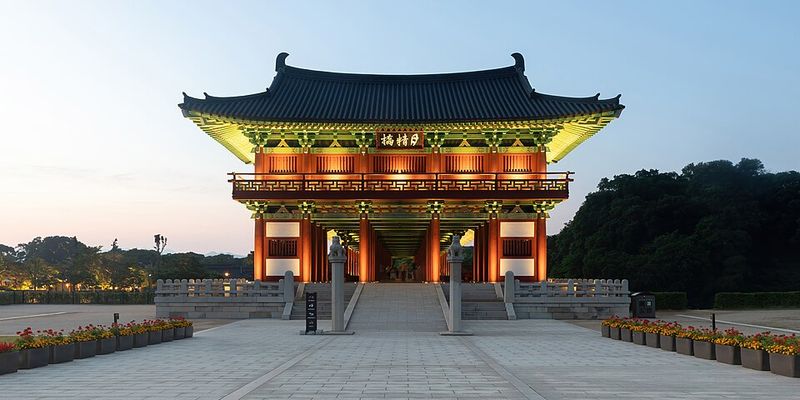
South Korea might be the most underrated easy travel destination in Asia. Seoul’s subway system covers the entire city with almost ridiculous efficiency.
Screens show arrival times in English, and the cards are rechargeable and dead simple to use.
Solo travelers feel safe here, and that is not just marketing talk. Crime rates are low, streets are well lit, and there is always a convenience store nearby when you need snacks, directions, or basically anything else in life.
K-pop tourism has also pushed the country to improve its English-language resources.
Beyond Seoul, cities like Busan and Gyeongju are easy to reach by fast train and packed with history. Food markets are everywhere and incredibly affordable.
South Korea manages to feel both futuristic and deeply traditional, sometimes on the same street corner, which makes every day of travel genuinely surprising.
Slovenia
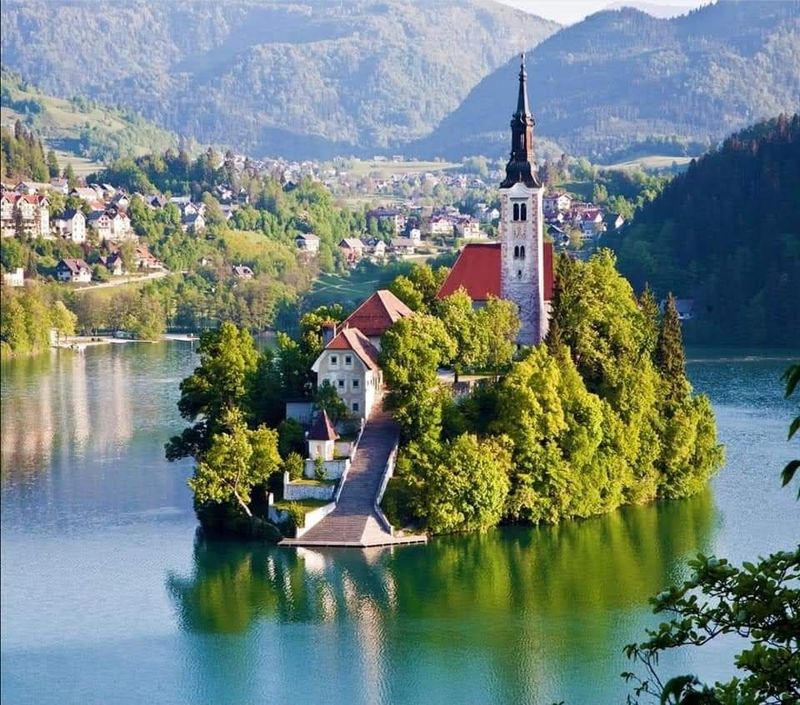
Slovenia is the kind of country that makes you wonder why more people are not talking about it. It is tiny, yes, but that is actually the whole point.
You can drive from its capital Ljubljana to Lake Bled in under an hour, and then reach the Adriatic coast by afternoon.
The country is clean, well-organized, and surprisingly affordable compared to its Austrian and Italian neighbors. Most Slovenians speak excellent English, and the road signs are clear and logical.
Getting around by rental car is particularly easy and very rewarding.
Ljubljana itself is one of Europe’s most walkable capitals. The old town is compact, charming, and almost entirely car-free in the center.
Slovenia punches well above its weight when it comes to natural beauty, offering mountains, caves, rivers, and forests all packed into a country smaller than New Jersey.
Taiwan
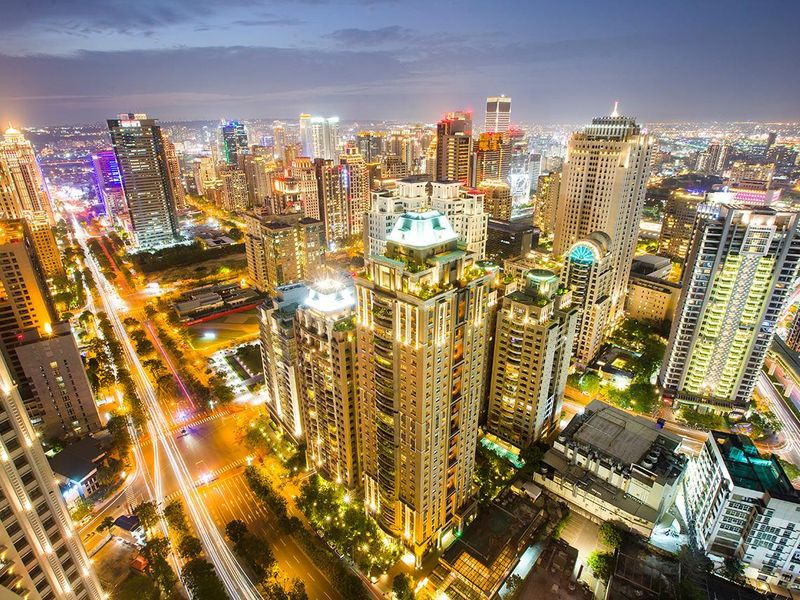
Taiwan does not get nearly enough credit for being one of Asia’s most visitor-friendly countries. The public transit system in Taipei is modern, affordable, and fully labeled in English.
Even rural buses tend to have English announcements, which is a detail that saves a lot of headaches.
People here are famously helpful. Ask for directions and you might end up with a local walking you halfway across town just to make sure you get there.
Night markets are easy to navigate, cheap to eat at, and genuinely fun even for cautious eaters.
Taiwan is also one of the safest countries in Asia for solo travelers, including women traveling alone. Healthcare is excellent, the internet is fast, and the cost of living means your budget goes surprisingly far.
Taiwan rewards travelers who show up without overthinking it.
Ireland
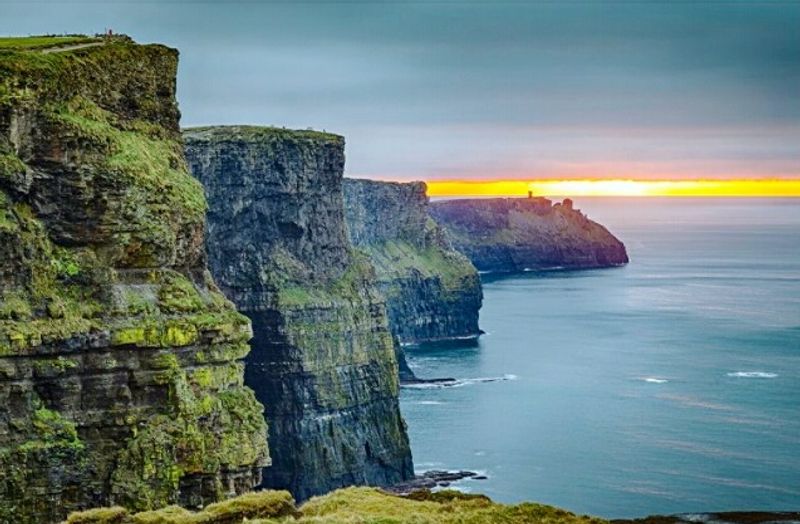
No language barrier, friendly locals, and scenery that looks like a screensaver. Ireland checks a lot of boxes for easy travel without much effort.
The country is small enough that you can cover serious ground in just a week.
Driving on the left takes about twenty minutes to get used to, and after that the roads are genuinely manageable. Distances between major attractions are short, and even the more rural spots are well signposted.
The Wild Atlantic Way alone is one of the world’s great road trips.
Irish locals have a natural gift for conversation, which makes getting tips and recommendations effortless. Pubs are not just for drinking.
They are community hubs where travelers often get the best local advice over a cup of tea or a pint. Ireland feels instantly familiar even if it is your first time visiting.
Estonia
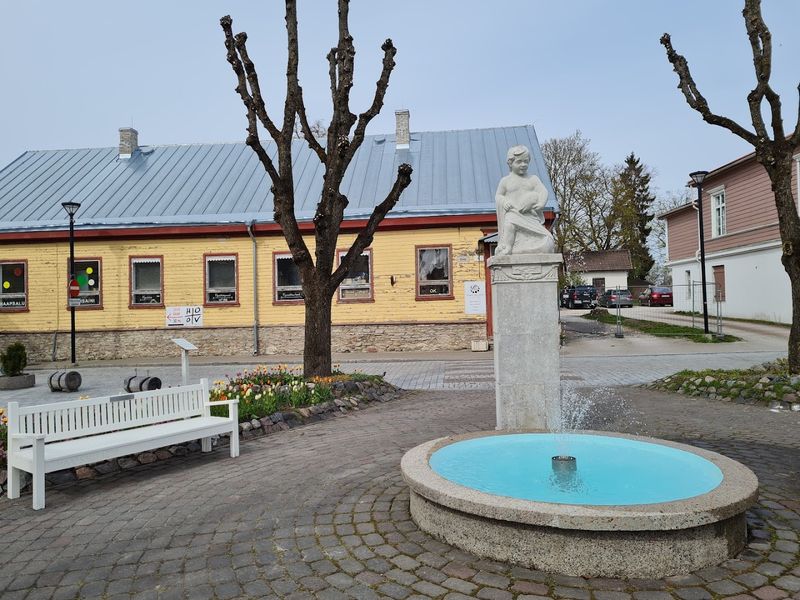
Estonia is one of Europe’s best-kept secrets, and it has quietly become one of the most digitally advanced countries on the planet. Free public Wi-Fi is available almost everywhere, including on buses between cities.
The whole country basically runs on an app.
Tallinn’s old town is compact, walkable, and almost absurdly photogenic. Medieval towers, cobblestone streets, and quirky cafes are packed into an area you can cover comfortably on foot in a single afternoon.
Public transport is affordable and easy to figure out even on your first day.
Estonia is also one of the few countries where you can legally vote, pay taxes, and run a business entirely online. For travelers, that digital infrastructure translates to smooth, hassle-free navigation.
Estonia tends to surprise people with how much personality it packs into such a small, underappreciated corner of Europe.
New Zealand
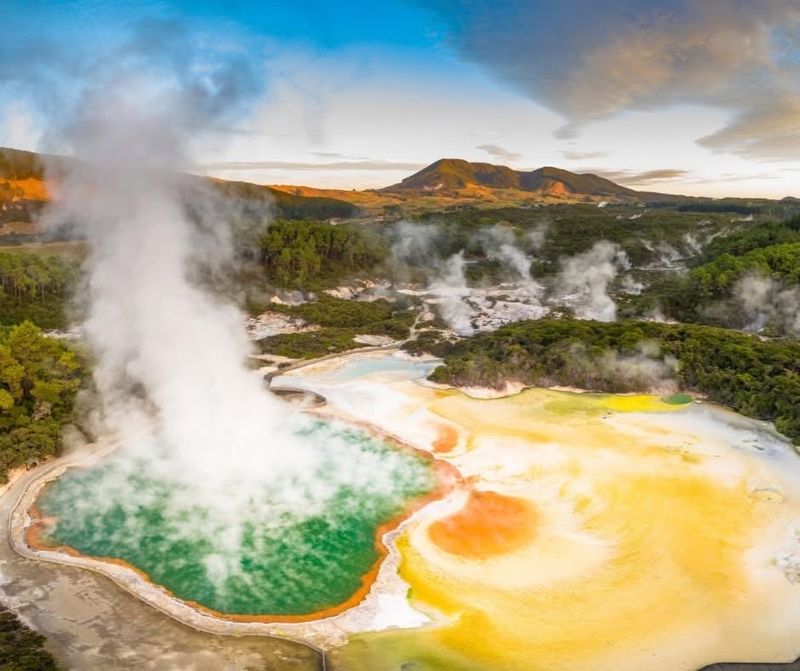
New Zealand was practically designed with road trips in mind. The infrastructure is excellent, roads are well maintained, and distances between dramatic landscapes are surprisingly short.
You can go from a volcanic plateau to a fiord in a single day of driving.
Locals here are used to tourists, which means the tourist infrastructure is genuinely good without feeling over-commercialized. Campervans are a popular and affordable way to explore, and freedom camping spots are plentiful if you know the rules.
First-time international travelers consistently rate New Zealand as one of the least stressful countries to visit.
The country is also English-speaking, which removes an entire layer of travel anxiety right away. New Zealand has a relaxed, outdoorsy culture that makes visitors feel welcome almost immediately.
Even the more remote national parks have clear trail markings and helpful ranger stations nearby.
United Arab Emirates (UAE)
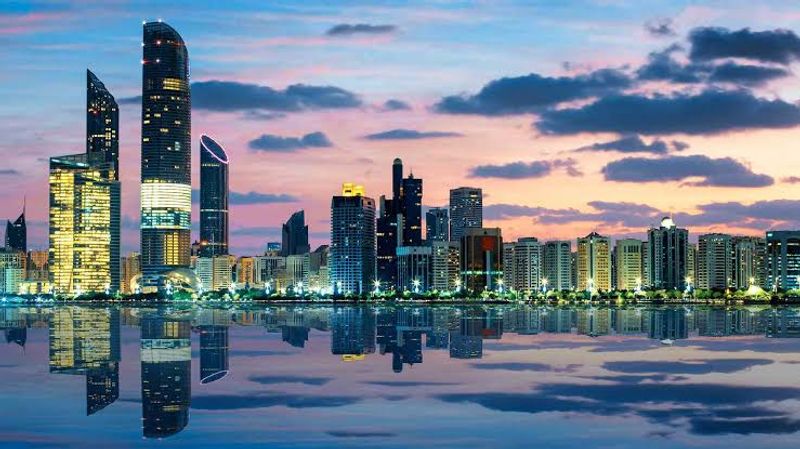
Dubai might be the most efficiently organized city on earth. Roads are wide, clean, and well-signed in both Arabic and English.
The metro system is air-conditioned, punctual, and covers most major attractions without any fuss.
English is the working language of the UAE, which makes everything from ordering coffee to asking for directions completely painless. Taxis and ride-share apps are abundant and reliable.
The country has invested heavily in tourism infrastructure, and it shows at every level of the travel experience.
Abu Dhabi is equally accessible and slightly less hectic than Dubai, making it a great complement on any UAE trip. Safety standards are extremely high, and the country consistently ranks among the safest in the world.
The UAE is the kind of place that makes you wonder why you were ever nervous about visiting the Middle East in the first place.
Croatia
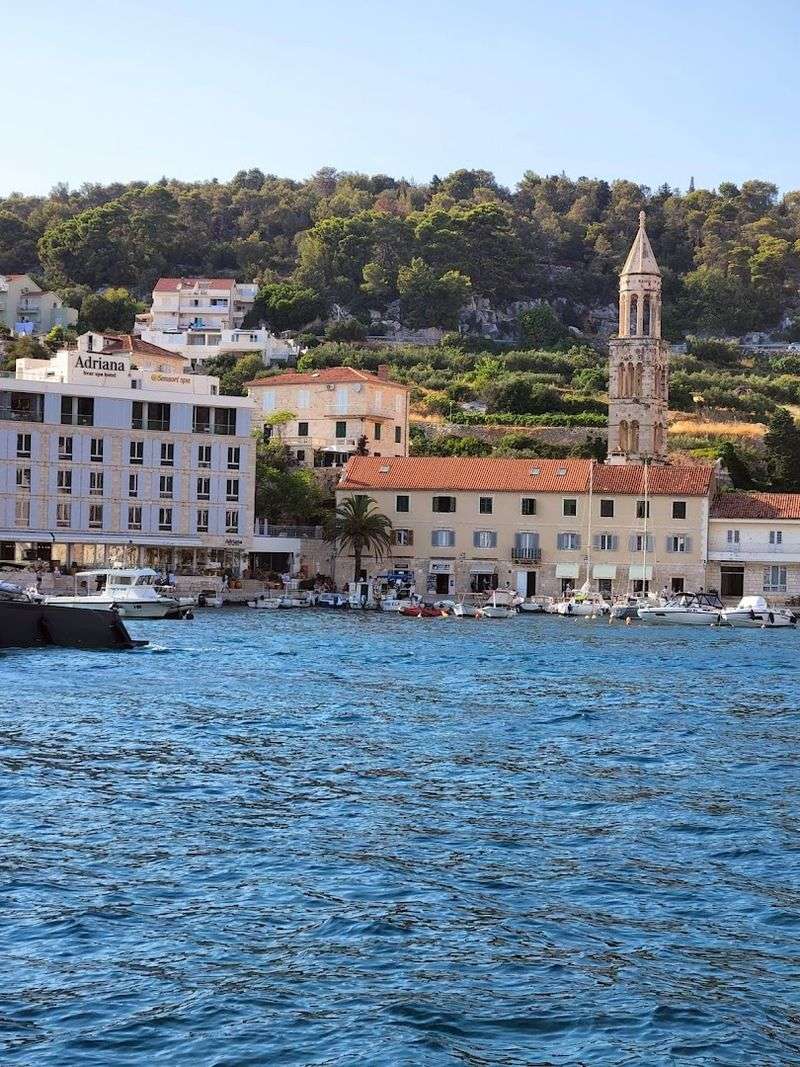
Croatia has figured out tourism, and the results are hard to argue with. The coastal cities are well connected by reliable ferries, making island hopping one of the easiest and most enjoyable ways to spend a week.
Dubrovnik, Split, and Hvar are all set up to handle visitors smoothly.
English is widely spoken throughout the tourist areas, and locals in the hospitality industry are genuinely helpful. The ferry system is affordable and runs on a clear schedule that even the most anxious planner can follow.
Croatia’s tourism infrastructure has improved dramatically over the past decade.
Inland Croatia is also worth exploring and is far less crowded than the coast. Cities like Zagreb have a relaxed Central European feel and excellent public transport.
Croatia rewards travelers who venture slightly beyond the obvious spots, and the logistics of doing so are much easier than most people expect before they arrive.
Singapore
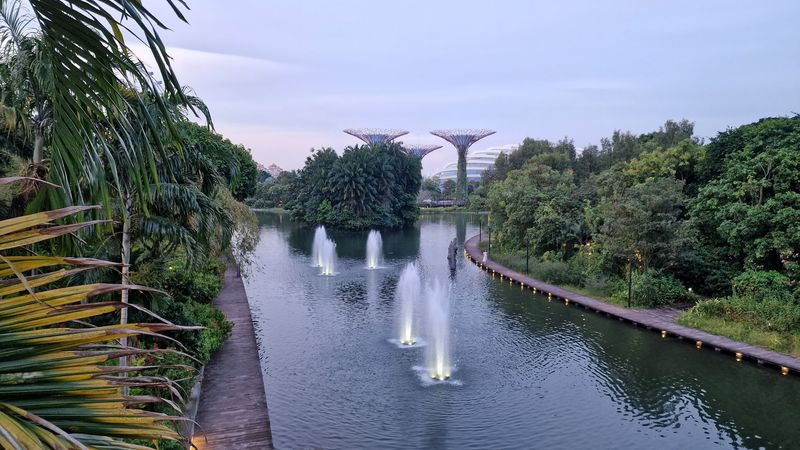
Singapore is the gold standard of easy travel. Everything works, everything is labeled in English, and the public transport system is so good it almost feels like cheating.
The MRT covers the entire city-state with clockwork precision.
The country is also extraordinarily clean and safe, which removes a lot of the background stress that comes with international travel. Street food is world-class and incredibly affordable, especially at hawker centers where you can eat like royalty for a few dollars.
Getting lost in Singapore is genuinely difficult, which is either a comfort or a mild disappointment depending on your personality.
Singapore is a fantastic first international destination for nervous travelers. It has the exotic appeal of Southeast Asia with none of the logistical chaos.
Once you have built your travel confidence here, everywhere else starts to feel more manageable too.
Chile
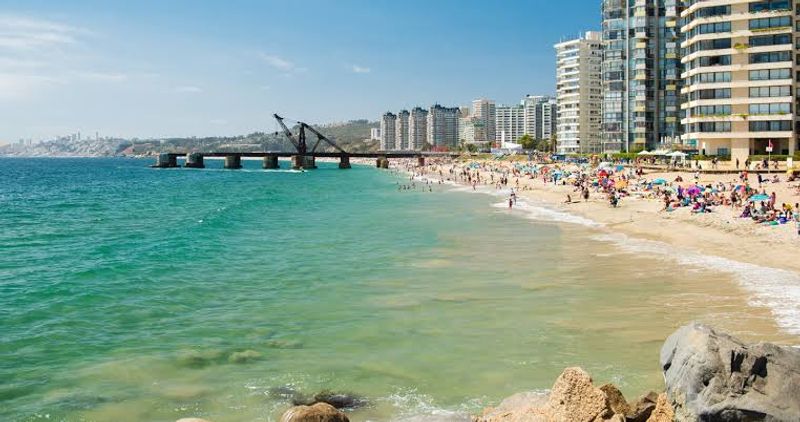
Chile’s geography looks intimidating on a map. It is one of the longest, thinnest countries in the world, stretching from the driest desert on earth to the icy peaks of Patagonia.
But that narrow shape actually makes travel planning surprisingly logical.
Domestic flights are common and often affordable, connecting Santiago to far-flung destinations like Puerto Natales or San Pedro de Atacama without much hassle. Major tourist areas are well-organized, with clear trail systems, established tour operators, and solid accommodation options at various price points.
Santiago itself is a modern, safe capital with an excellent metro system and a thriving food scene. Spanish is the primary language, but tourist areas have enough English support to keep things manageable.
Chile tends to attract experienced travelers, which means the infrastructure has evolved to meet real needs. First-timers are often pleasantly surprised by how smoothly everything runs.
Canada
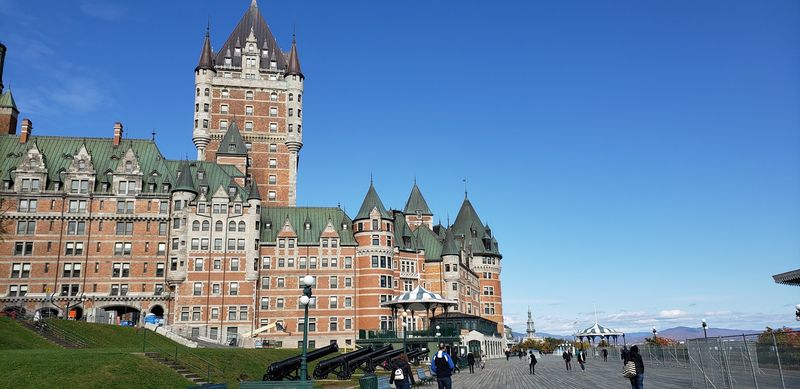
Canada is essentially the world’s most polite travel destination, and I say that with full affection. People hold doors open, apologize for things that are not their fault, and genuinely seem happy to help tourists figure out where they are going.
The country’s infrastructure is excellent even in more remote areas. National parks are well-maintained with clear signage and helpful ranger stations.
Major cities like Toronto, Vancouver, and Montreal all have reliable public transit and strong tourism support networks.
Canada is also massive, which means domestic flights are sometimes necessary, but budget airlines make this manageable. The diversity of experiences available, from the Rocky Mountains to the French culture of Quebec, is genuinely staggering.
Canada rewards travelers who are willing to cover some distance, and the ease of getting around makes that distance feel far less daunting than it looks on a map.
Czech Republic
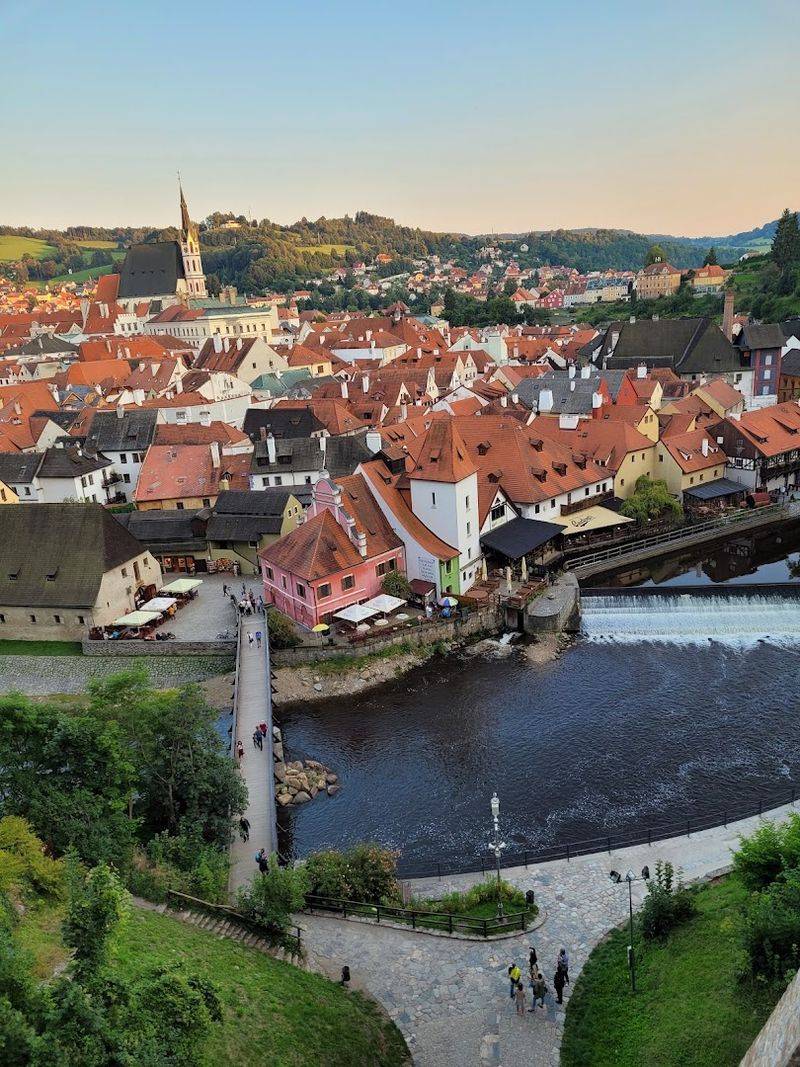
Prague is one of those cities that immediately makes you feel like a competent traveler, even if you have no idea what you are doing. The old town is entirely walkable, the tram system is affordable and intuitive, and nearly everyone in the tourism industry speaks solid English.
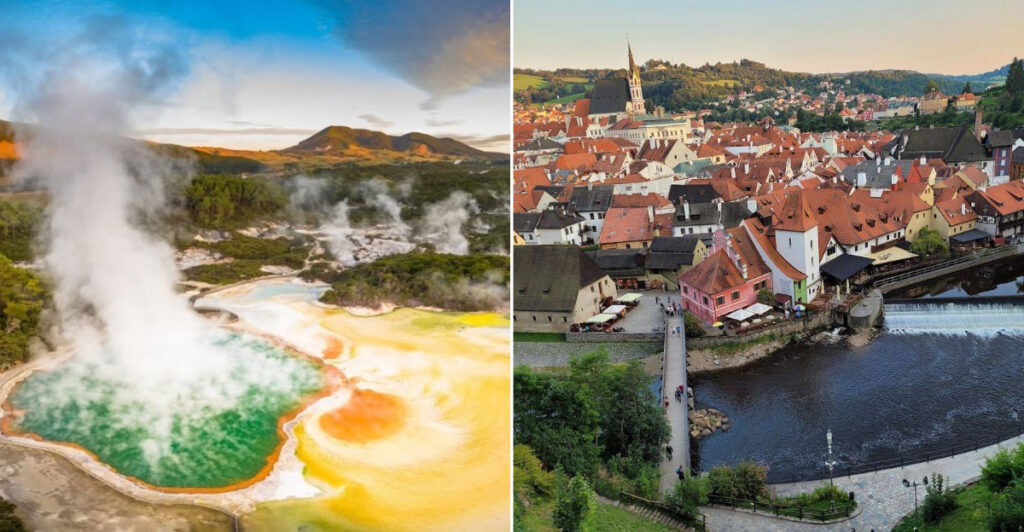
Beyond the capital, the Czech Republic is easy to explore by train or bus. Towns like Cesky Krumlov and Kutna Hora are reachable in under two hours and feel like stepping into a fairy tale with very reasonable entry fees.
Accommodation and food remain cheaper here than in most Western European countries.
The country also has a relaxed attitude toward tourists that feels refreshing. Nobody is trying to rush you along or upsell you at every corner.
Czech Republic delivers an authentic, affordable, and genuinely stress-free European travel experience that is hard to match anywhere else on the continent.
Share this story