Countries change their names for all kinds of reasons, from gaining independence to rejecting colonial history or shifting political power. But even after an official name change, the old name often sticks around for years, sometimes decades.
People hold onto familiar names out of habit, cultural attachment, or even political disagreement. Here are 14 countries that went through name changes and why so many people still reach for the old one.
1. Myanmar (formerly Burma)
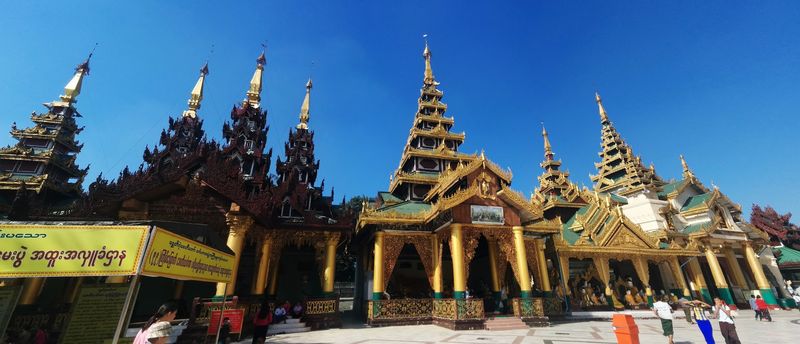
Few name changes have sparked as much political debate as Burma becoming Myanmar. When the military junta announced the switch in 1989, they did so without public input, which immediately made the new name controversial.
Governments like the United States and the United Kingdom refused to use Myanmar for years, seeing the name change as a stamp of legitimacy on an unelected regime. Journalists and human rights activists followed suit, deliberately sticking with Burma as a form of quiet resistance.
Over time, Myanmar has gained broader acceptance as the country’s situation evolved. However, Burma still appears regularly in news coverage, historical writing, and political discussions.
The name carries weight far beyond geography, representing decades of struggle, military rule, and the voices of people who were never asked what their country should be called.
2. Turkiye (formerly Turkey)
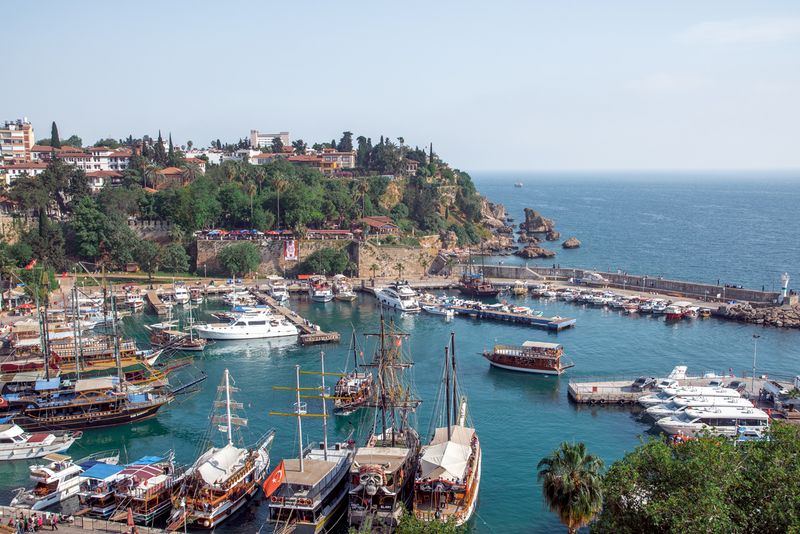
In 2022, the Turkish government officially requested that the world start calling the country Turkiye, the name Turkish people have used in their own language for generations. President Erdogan pushed for the change partly to distance the nation from the English word turkey, which also refers to a bird and carries some unflattering slang meanings.
The United Nations accepted the request, but everyday English speakers have been slow to follow. Centuries of habit are hard to shake, and Turkey remains the default in most English-language news, travel guides, and casual conversation.
The shift is gradually happening, but it will likely take another generation before Turkiye feels completely natural to English speakers worldwide. It is a reminder that official decisions made in government offices do not always travel quickly into the mouths of ordinary people.
3. Eswatini (formerly Swaziland)
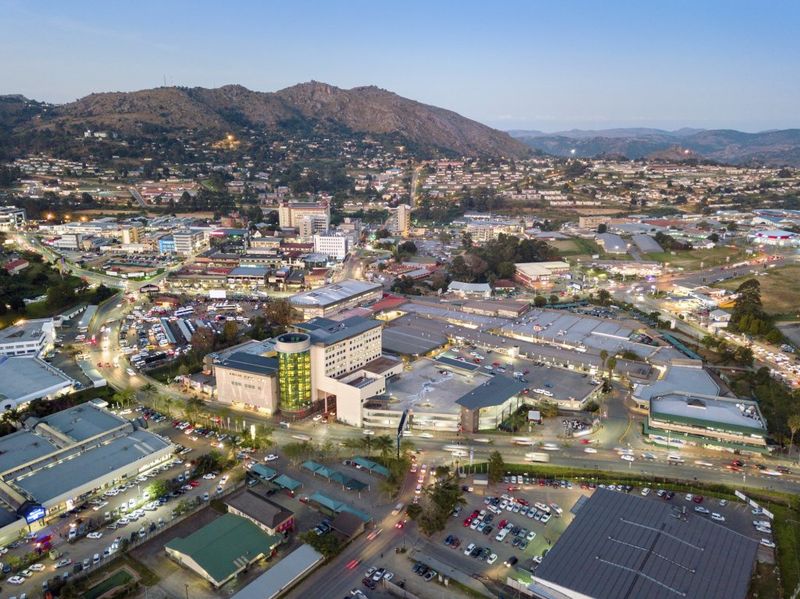
When King Mswati III renamed Swaziland to Eswatini in 2018, he chose the occasion of the country’s 50th independence anniversary to make the announcement. Eswatini roughly translates to “land of the Swazis” in siSwati, the national language, making it a meaningful shift away from the colonial-era name.
Despite the symbolism, Swaziland has remained stubbornly present in international usage. The change happened recently enough that many global databases, travel platforms, and casual references have not fully caught up.
Swaziland is simply more familiar to people outside the region.
Younger generations within the country have largely embraced Eswatini with pride. But internationally, the lag continues.
Name changes require not just an announcement but years of consistent use before they truly take hold across borders, media outlets, and the minds of everyday readers and travelers.
4. North Macedonia (formerly Macedonia)
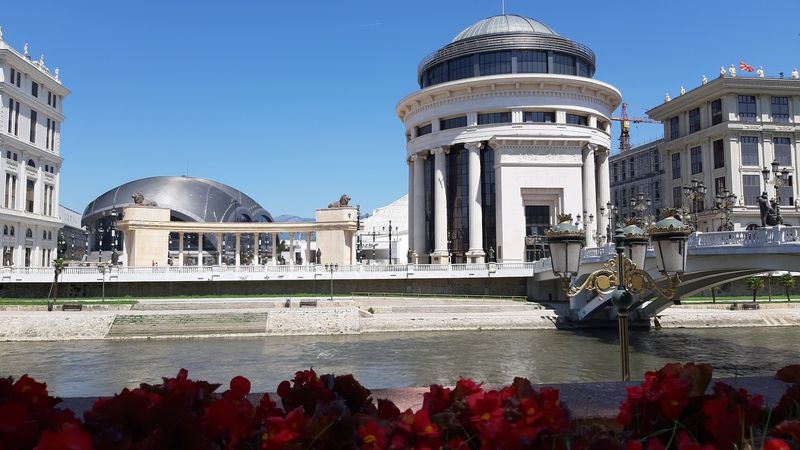
The story behind North Macedonia’s name is wrapped in a long-running diplomatic dispute. Greece objected for decades to its neighbor calling itself simply Macedonia, because Greece has its own northern region by the same name and considered the use of it a claim on Greek heritage and territory.
After years of negotiations, the two countries reached the Prespa Agreement in 2018, and the official name North Macedonia took effect in 2019. It was a genuine diplomatic achievement, but it came with a compromise that not everyone loved.
Many people, both inside and outside the country, continue dropping the North and just saying Macedonia out of old habit or personal preference. Sports fans, in particular, tend to stick with the shorter version.
The official name is correct, but the informal shortcut has proven difficult to fully retire from everyday speech.
5. Czechia (formerly Czech Republic)
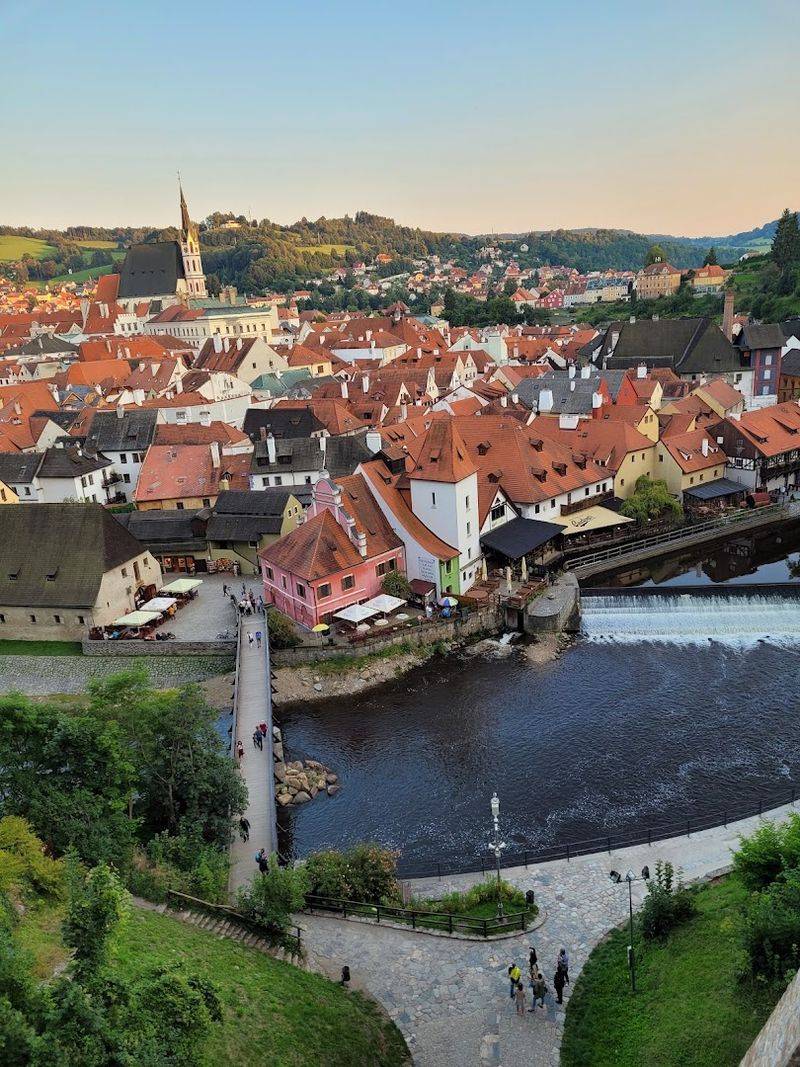
Back in 2016, Czech officials formally asked the world to start using Czechia as the short-form name for their country, the same way Germany is short for the Federal Republic of Germany. The logic was straightforward: Czech Republic is a mouthful, and having a snappier single-word name would help with branding, sports jerseys, and international recognition.
The problem is that English speakers had already spent 25 years saying Czech Republic after the country emerged from Czechoslovakia in 1993. That quarter-century of habit proved hard to overwrite with a two-syllable replacement.
Czechia has been slowly gaining ground, appearing more often on maps and in official documents. But Czech Republic remains the go-to phrase in English-language media and conversation.
Familiarity is a powerful force, and it often outlasts even the most sensible official updates.
6. Sri Lanka (formerly Ceylon)

Ceylon sounds like something out of a classic novel, and in many ways it is. When Sri Lanka changed its name in 1972, signaling a break from its British colonial past, the old name did not disappear quietly.
It held on through one very powerful channel: tea.
Ceylon tea remains one of the most recognized brand names in the world. The Sri Lanka Tea Board actually still uses the Ceylon name on certified exports because the brand recognition is simply too valuable to abandon.
Generations of tea drinkers around the globe associate that golden label with quality.
Beyond tea, Ceylon also lingers in tourism literature, historical accounts, and references to the island’s colonial period. The country moved forward with its new identity, but the old name found a commercial and cultural home that has kept it alive and well for over 50 years.
7. Iran (formerly Persia)
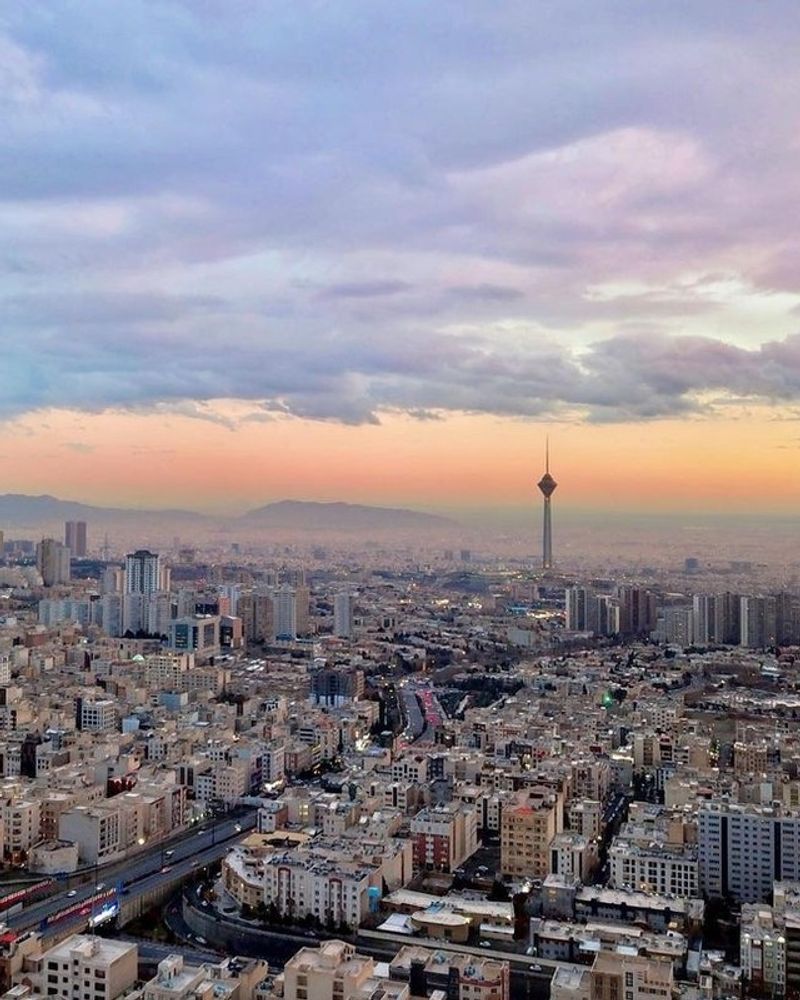
Persia is one of those names that carries centuries of storytelling with it. When Iran officially requested the international community use its native name in 1935, the practical world of diplomacy adjusted.
But culture, art, and history had other plans.
Persian rugs, Persian cats, Persian poetry, and the Persian Empire are all phrases that remain completely standard today. Dropping Persia from these contexts would feel awkward and historically inaccurate.
The word is so embedded in the cultural vocabulary that replacing it with Iranian in every instance would actually make things less clear, not more.
Iran is absolutely the correct and respectful name for the modern country. But Persia survives as a descriptor for the civilization, the language, and the cultural traditions that stretch back thousands of years.
Both names coexist, each serving a different purpose in how the world talks about this remarkable place.
8. Thailand (formerly Siam)
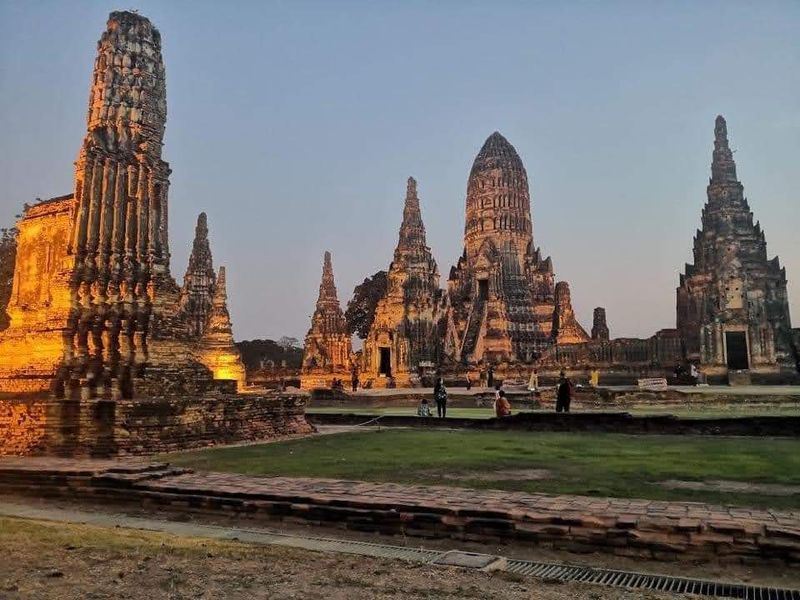
Siam carries a certain old-world elegance that has made it almost impossible to fully retire. Thailand adopted its current name in 1939, partly as a nationalist statement meaning “land of the free,” but Siam refused to fade away from popular culture.
The King and I, the famous musical set in the royal Siamese court, helped keep the name alive in Western imagination. Siamese cats, Siamese twins, and the Gulf of Siam are all phrases still in common use.
Even today, many historical novels, films, and documentaries about the region reach naturally for Siam when discussing the pre-1939 era.
Thailand is universally recognized as the country’s proper name, and no one is truly confused. But Siam has earned a permanent place in the cultural and historical lexicon, popping up wherever the old stories are told and the old traditions are celebrated.
9. Democratic Republic of the Congo (formerly Zaire)
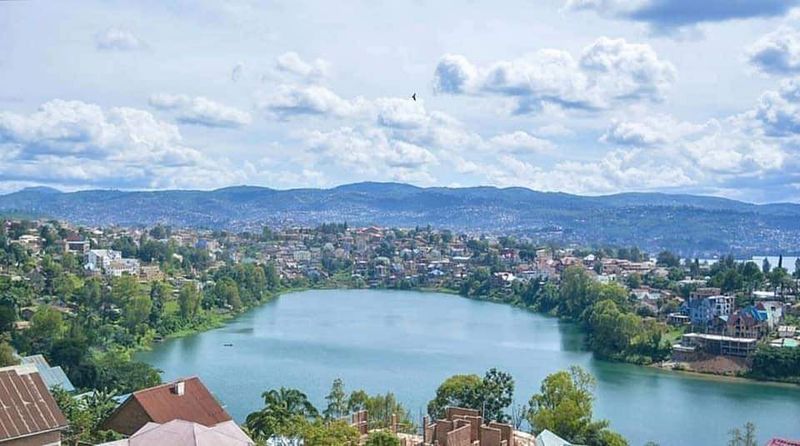
Zaire had a big personality. During the years of President Mobutu Sese Seko’s rule from 1971 to 1997, the name became synonymous with a very specific era of African politics, complete with its own style, propaganda, and global media presence.
When Mobutu’s regime fell, the country reverted to the Democratic Republic of the Congo.
But Zaire had already made a cultural imprint. The famous Rumble in the Jungle boxing match between Muhammad Ali and George Foreman in 1974 is forever associated with Zaire, not the DRC.
Older generations who grew up hearing that name still reach for it when talking about that period in history.
The name change was absolutely appropriate given the political context. Still, Zaire persists in sports history, music references, and the memories of those who lived through that era, a reminder of how deeply a name can anchor itself to a moment in time.
10. Cabo Verde (formerly Cape Verde)
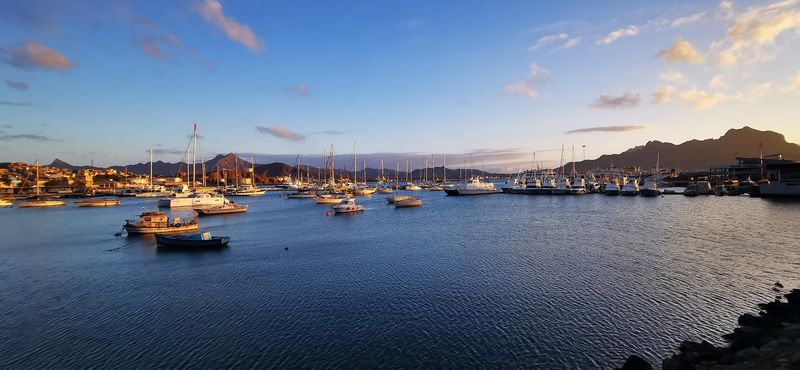
This small island nation off the west coast of Africa made a quiet but meaningful switch in 2013, asking to be called by its Portuguese name, Cabo Verde, rather than the English translation Cape Verde. The request was practical as well as cultural, wanting the name to reflect the country’s own language rather than a translated version.
Travel websites, airline booking platforms, and English-language media have been inconsistent about adopting the change. Cape Verde remains widely used simply because it is the version most English speakers learned first and still recognize most easily.
Cabo Verde has been gaining traction gradually, especially in official contexts and among frequent travelers. It is a small but meaningful distinction, the difference between a country being known on its own terms versus being filtered through someone else’s language.
The islands themselves are stunning either way, but the name matters to the people who call them home.
11. Belarus (formerly Byelorussia)
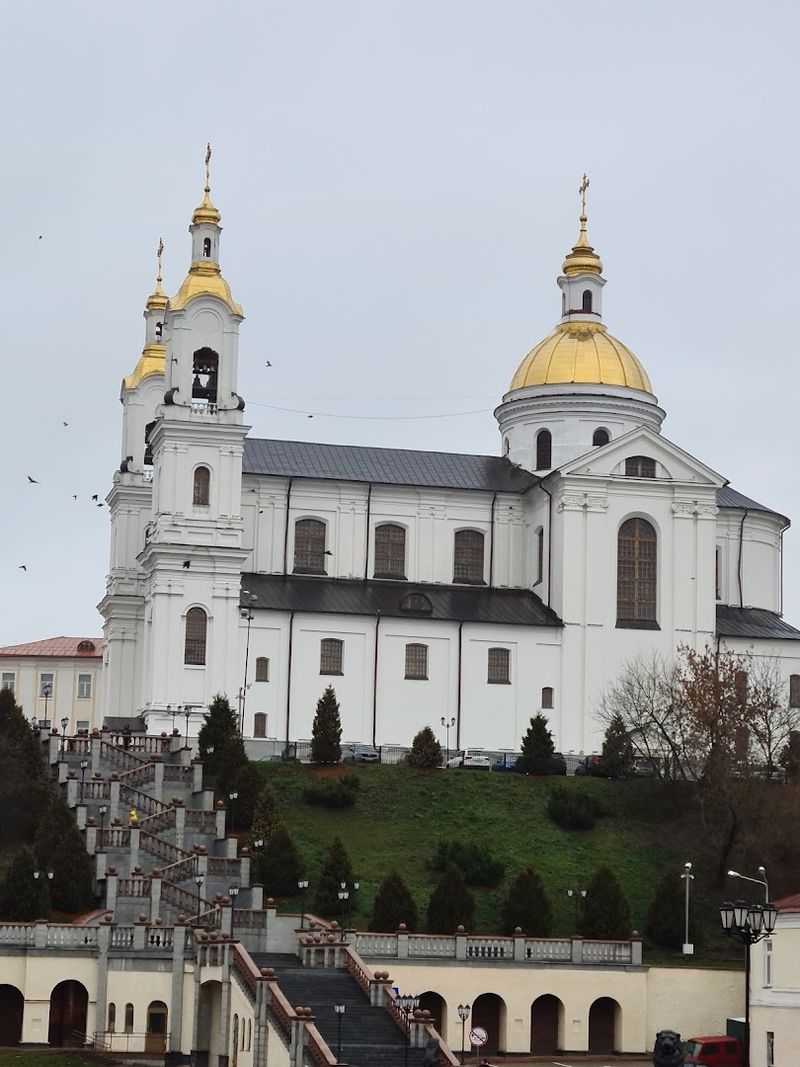
When the Soviet Union dissolved in 1991, many of its former republics updated their names as part of claiming independent identities. Belarus replaced the Soviet-era Byelorussia, shedding the Russian-language form in favor of the Belarusian version of the same meaning: White Russia.
Older generations and historical texts sometimes still use Byelorussia, particularly when discussing the Soviet period. Academic papers covering World War II or Cold War history occasionally keep the older spelling for accuracy and clarity within a specific historical context.
Belarus is now the accepted international standard, used in the United Nations and recognized by virtually every country. The old name mostly survives in dusty archives and the memories of people old enough to have used it regularly.
It is a quiet echo of a political system that no longer exists, preserved mostly in the pages of history books rather than in everyday conversation.
12. Cambodia (formerly Kampuchea)
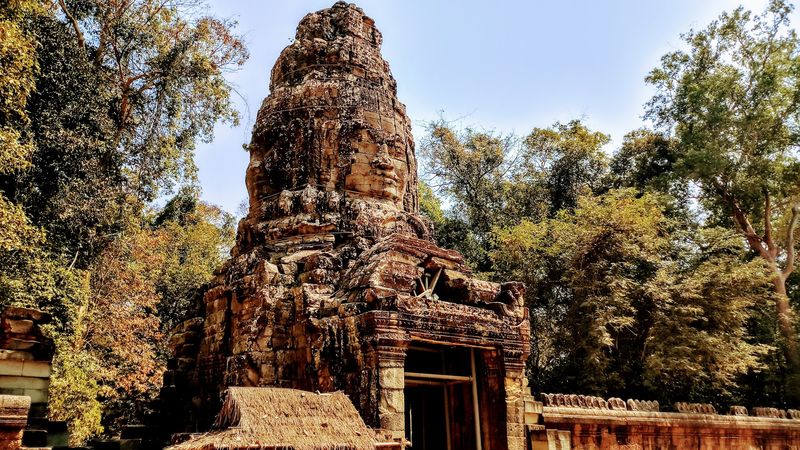
Cambodia has gone through several name changes over the decades, but the version that left the deepest mark was Kampuchea, used most prominently during the Khmer Rouge regime of the 1970s. That brutal period of history, during which an estimated two million people died, made the name Kampuchea deeply associated with tragedy and political terror.
When the country stabilized and returned to the name Cambodia in the early 1990s, it was both a practical and symbolic act of moving away from that dark chapter. However, Kampuchea still appears regularly in historical accounts, documentary films, and academic writing about the genocide.
For survivors and scholars, the name is inseparable from the history it represents. Cambodia is the present, but Kampuchea is the past that cannot and should not be forgotten.
Both names serve a purpose, just in very different conversations about a country that has endured extraordinary suffering and resilience.
13. Tanzania (formerly Tanganyika)
Tanzania was born in 1964 when the mainland territory of Tanganyika united with the island of Zanzibar. The new name was a creative blend of the two: Tan from Tanganyika, zan from Zanzibar, and ia as a suffix.
It was a neat solution to a complex political union, and it has served the country well for six decades.
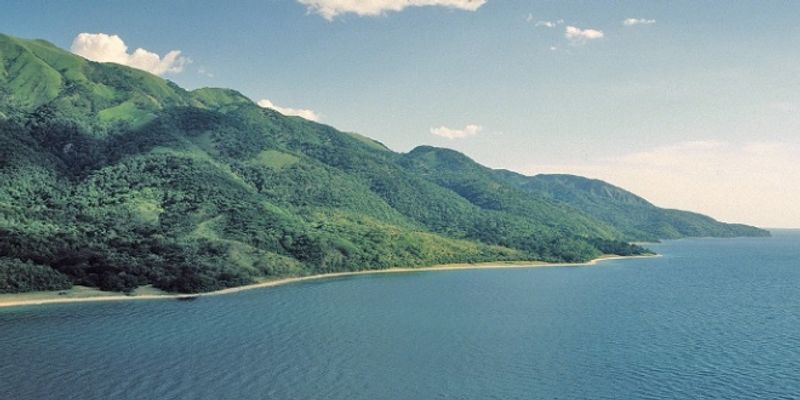
Tanganyika, however, has not vanished entirely. It still appears in geographical and scientific literature, most notably in the name of Lake Tanganyika, one of the world’s deepest and most biodiverse lakes.
That lake keeps the old name firmly on the map, quite literally.
Historical texts discussing the pre-independence era also use Tanganyika regularly. For geographers, biologists, and historians, the name remains essential vocabulary.
It is a case where geography has done more to preserve an old name than any political sentiment ever could.
14. Timor-Leste (formerly East Timor)
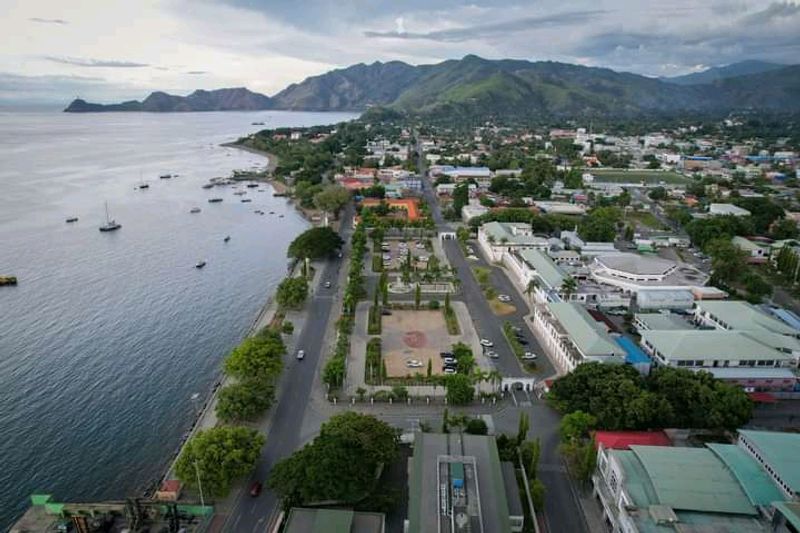
East Timor gained independence from Indonesia in 2002 after a long and painful struggle, and the country officially adopted the name Timor-Leste, using the Portuguese word for east. It was a nod to the country’s colonial history with Portugal and a proud statement of self-determination after decades of conflict.
English speakers, however, have largely stuck with East Timor. The reason is straightforward: it is immediately understandable.
Timor-Leste requires a small moment of translation for anyone unfamiliar with Portuguese, while East Timor communicates the same geographic idea instantly.
News organizations, travel writers, and casual readers still reach for East Timor with regularity, even though Timor-Leste is the official and correct name. The country itself uses Timor-Leste in all official communications, and respectful international usage is gradually shifting.
But old habits in language tend to move slowly, especially when the older version feels so self-explanatory.
Share this story