Buying a home abroad sounds like a dream, but in certain countries it can actually be the first step toward a brand-new passport. Some nations have created programs that reward real estate investors with residency rights and, over time, full citizenship.
The rules differ from place to place, and very few programs hand over a passport the moment you sign the deed. Read on to discover 14 countries where owning property could eventually make you a citizen of somewhere new.
Turkey
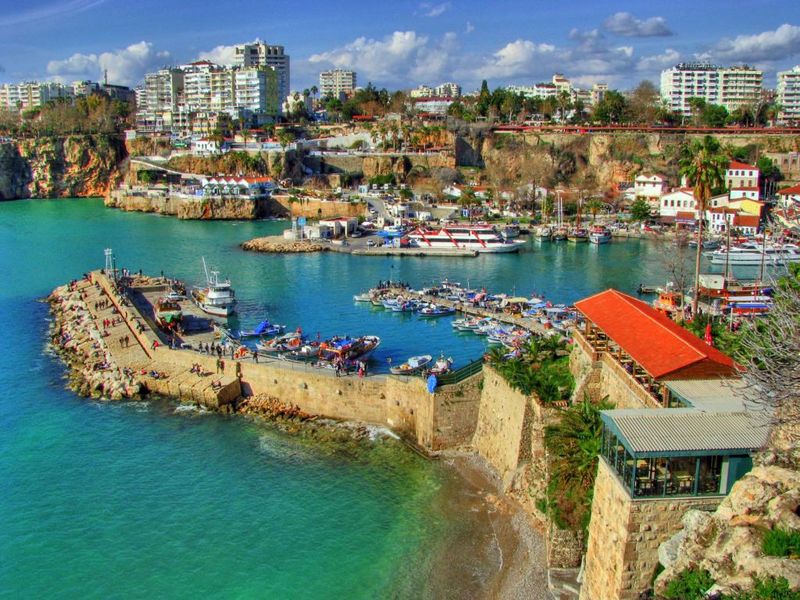
Turkey is one of the rare places on Earth where buying a home can fast-track you to a brand-new passport. The country’s citizenship-by-investment program is among the most recognized in the world, and real estate is the most popular route investors choose.
Purchase a qualifying property, hold it for the required period, and you could be waving a Turkish passport within months.
The minimum investment threshold has been set by the government and is subject to change, so checking the latest figures before signing anything is a smart move. Properties in Istanbul, Antalya, and Ankara have attracted the most foreign buyers, offering a mix of urban energy and coastal beauty.
Turkey also sits at the crossroads of Europe and Asia, giving passport holders access to a wide range of visa-free destinations.
Beyond the paperwork, Turkey offers a genuinely exciting lifestyle. The food scene alone is worth the move.
With a relatively streamlined application process and no residency requirement before citizenship, Turkey stands out as one of the most efficient pathways from property ownership to a second passport anywhere in the world.
Greece
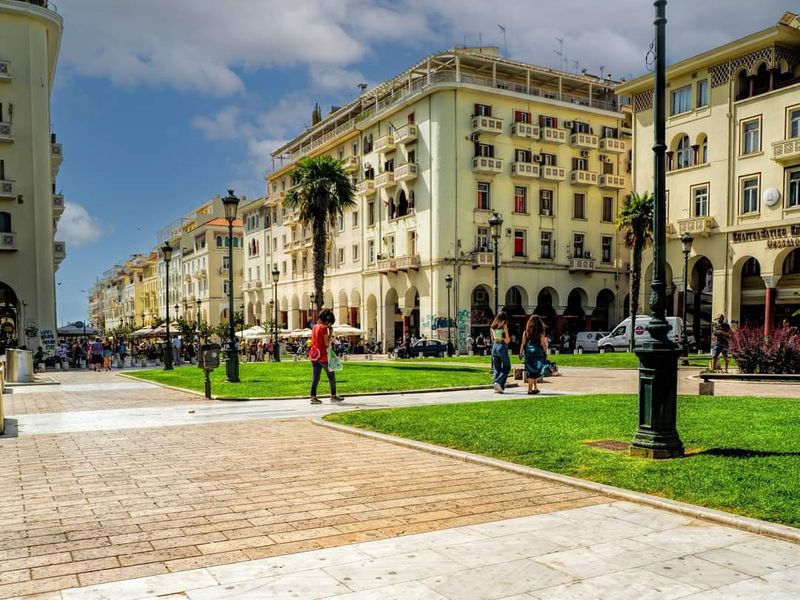
Greece has been turning heads in the investment world since its Golden Visa program launched over a decade ago. Foreign buyers who purchase qualifying real estate gain residency rights that allow them to live in and travel through the Schengen Area.
It is not an instant passport, but for many investors, getting a foothold in Europe is the real prize.
The program has seen minimum investment thresholds rise in popular areas like Athens and Mykonos, reflecting just how much demand there has been. Less expensive options still exist in smaller regions, making Greece accessible to a broader range of investors.
The residency permit is renewable and covers the investor’s immediate family members too.
After seven years of legal residency in Greece, investors may apply for citizenship through naturalization. That timeline requires actual time spent in the country, so this is a pathway better suited to those who genuinely want to build a life there.
The Mediterranean climate, world-class cuisine, and ancient history make that prospect far less of a hardship than it sounds. Greece rewards patience with one of the most coveted passports in the European Union.
Cyprus
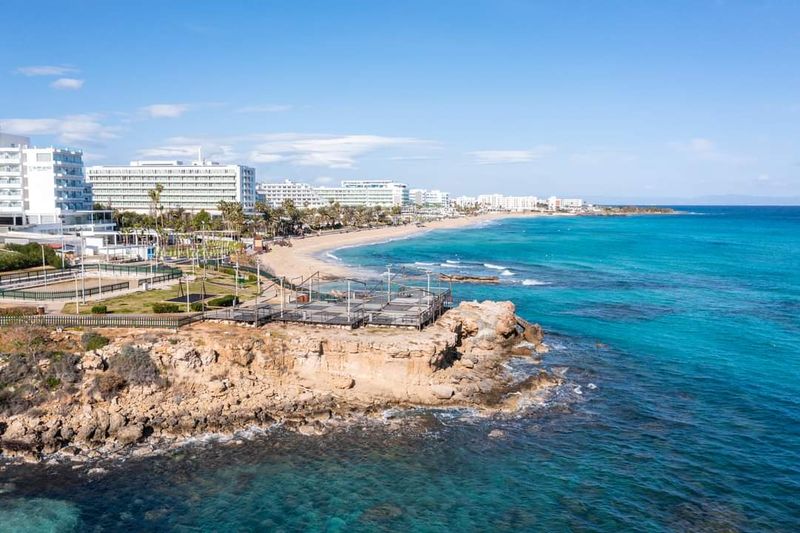
Tucked into the eastern corner of the Mediterranean, Cyprus punches well above its weight as a destination for property investors chasing long-term residency. The island’s Permanent Residency by Investment program allows qualifying real estate buyers to secure a residency permit that does not expire.
That kind of stability is rare and genuinely attractive to investors planning for the future.
Cyprus is a member of the European Union, which adds significant value to any residency or citizenship obtained there. The island has a well-established legal system rooted in English common law, making the property purchase process more familiar to buyers from English-speaking countries.
English is widely spoken, which smooths out many of the practical challenges investors typically face abroad.
Citizenship through naturalization in Cyprus requires meeting residency requirements over a number of years and demonstrating genuine ties to the country. The island’s lifestyle makes that commitment easier to keep.
Warm winters, excellent healthcare, and a relaxed pace of life have made Cyprus a favorite among retirees and remote workers alike. For investors willing to put in the years, a Cypriot passport and the EU travel freedom that comes with it can be a life-changing reward.
Antigua and Barbuda
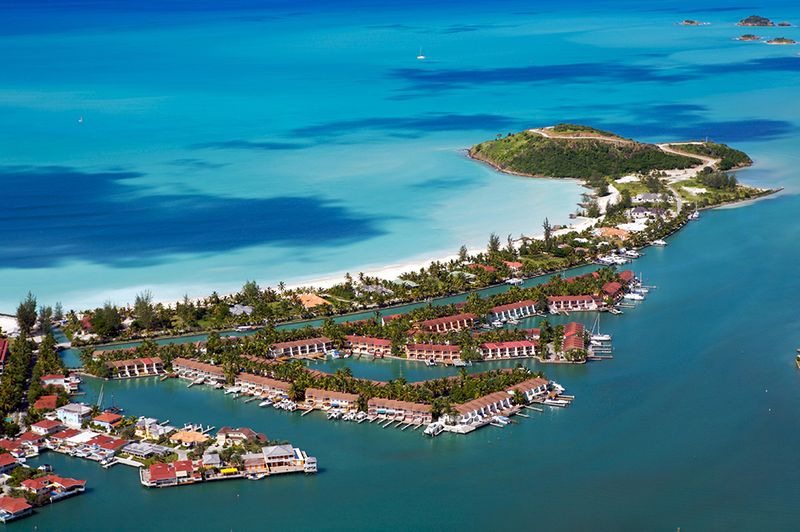
Few places on the planet make citizenship feel as breezy as Antigua and Barbuda. This twin-island Caribbean nation runs one of the most popular citizenship-by-investment programs in the region, and real estate is one of the approved routes to qualify.
Buy into a government-approved development, meet the investment minimum, and you could hold an Antiguan passport within months of applying.
The passport itself is no small prize. Antiguan citizens enjoy visa-free or visa-on-arrival access to over 150 countries, including the United Kingdom and the Schengen Area.
That kind of global mobility is a major selling point for investors who travel frequently for business or pleasure. The application process is relatively streamlined compared to many other programs worldwide.
One quirky requirement worth knowing: citizenship holders must visit Antigua and Barbuda at least once every five years to maintain their status. Honestly, spending time on one of the Caribbean’s most beautiful islands every few years sounds less like a rule and more like a reward.
The island’s 365 beaches, legendary sailing scene, and laid-back culture make Antigua and Barbuda one of the most enjoyable citizenship programs to actually use and enjoy.
Dominica
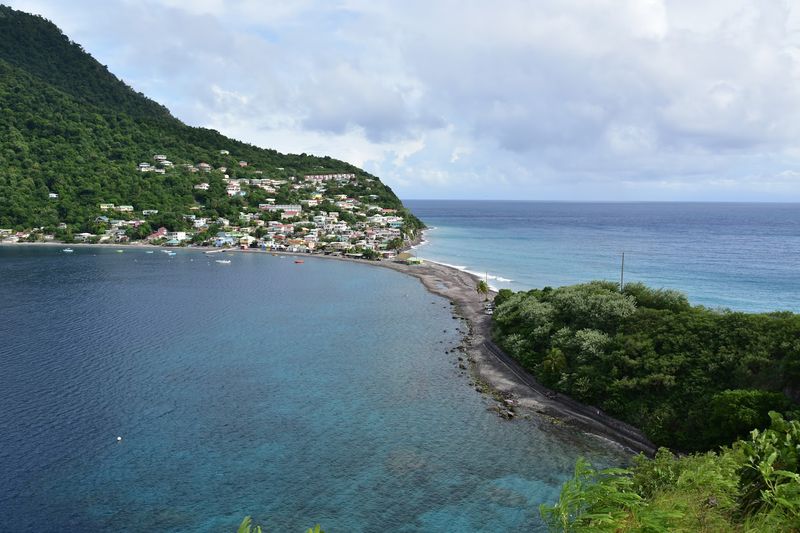
Dominica has been in the citizenship-by-investment game longer than almost anyone else, running its program since 1993. That track record matters.
A long-established program signals stability, credibility, and a government that has figured out how to run the process efficiently. Real estate investment in approved developments is one of the two main qualifying routes available to applicants.
The island is nicknamed the Nature Isle of the Caribbean for good reason. Unlike many of its neighbors that have been heavily developed for tourism, Dominica remains strikingly wild.
Volcanic peaks, boiling lakes, and ancient rainforests cover much of the island, creating a landscape unlike anything else in the region. For investors who care about where they are planting their flag, Dominica offers something genuinely different.
The cost of entry is among the more accessible in the Caribbean citizenship market, which has helped keep demand strong over the years. Processing times are competitive, and the passport grants visa-free access to well over 140 countries.
Dominica is also working toward becoming the world’s first climate-resilient nation, a forward-thinking identity that adds an interesting layer of purpose to holding citizenship there. It is a small island making big moves.
Grenada
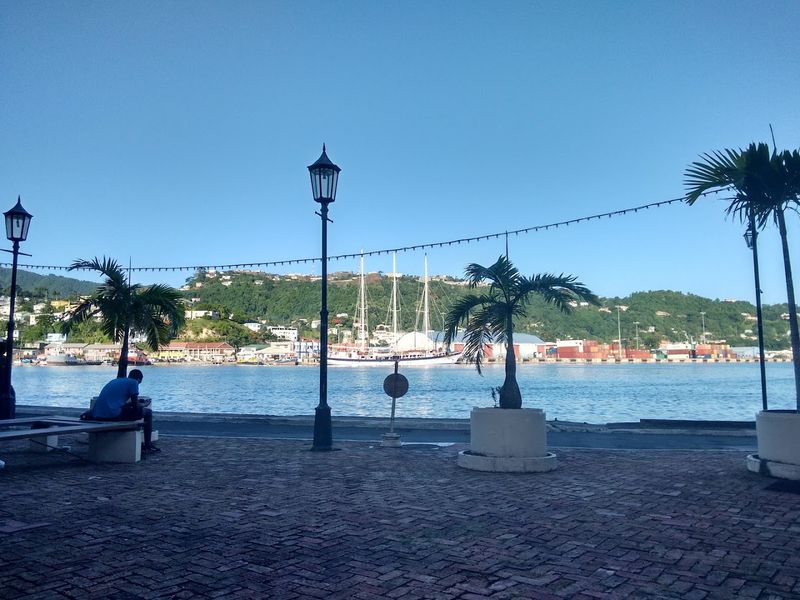
Grenada smells like nutmeg, and not just because it grows there in abundance. The island carries a richness that goes beyond its famous spice exports, and its citizenship-by-investment program has become one of the Caribbean’s most talked-about options for savvy global investors.
Approved real estate developments offer a legitimate route to full Grenadian citizenship, with applications typically processed within a few months.
What sets Grenada apart from its Caribbean neighbors is a unique perk: Grenadian citizens are eligible to apply for an E-2 investor visa to the United States. Most Caribbean passport holders cannot access this visa category, making Grenada’s citizenship particularly valuable for business-focused investors who want easier entry into the American market.
That single advantage has made the program extremely popular with entrepreneurs.
The island itself is charming and relatively uncrowded compared to more commercialized Caribbean destinations. St. George’s, the capital, is frequently listed among the prettiest harbor towns in the entire region.
The tourism sector is growing steadily, which means real estate investments there have shown solid appreciation potential over time. Grenada offers investors a combination of lifestyle appeal, financial upside, and a passport with genuinely rare global advantages.
That is a hard combination to beat.
Saint Lucia
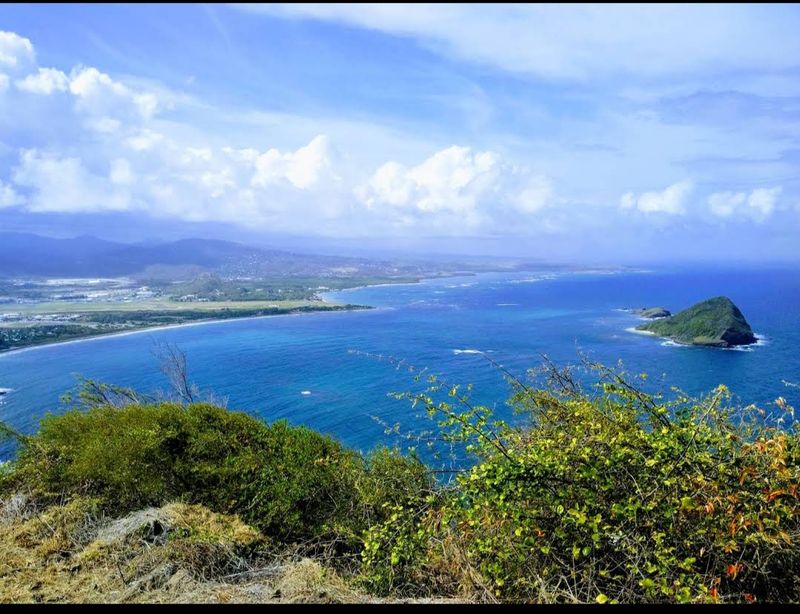
Saint Lucia launched its citizenship-by-investment program in 2016 and quickly built a reputation for running one of the most professionally managed programs in the Caribbean. The real estate route requires investment in a government-approved project, and the island has attracted high-end resort and villa developments that appeal to investors who want something genuinely beautiful to show for their money.
The Pitons, those jaw-dropping volcanic spires rising straight from the sea, have made Saint Lucia one of the most photographed islands in the entire Caribbean. Living near or visiting land that looks like that is not a bad side effect of an investment decision.
The island’s luxury tourism market has grown consistently, which supports the long-term value of approved real estate projects.
Saint Lucia’s passport offers visa-free or visa-on-arrival access to over 145 countries, including the United Kingdom and the European Schengen Area. Processing times for citizenship applications have been competitive, typically running between three and six months for straightforward cases.
The program also allows families to be included in a single application, which adds practical value for investors with spouses and children. Saint Lucia manages to feel both exclusive and welcoming, which is a genuinely rare combination in the citizenship market.
St. Kitts and Nevis
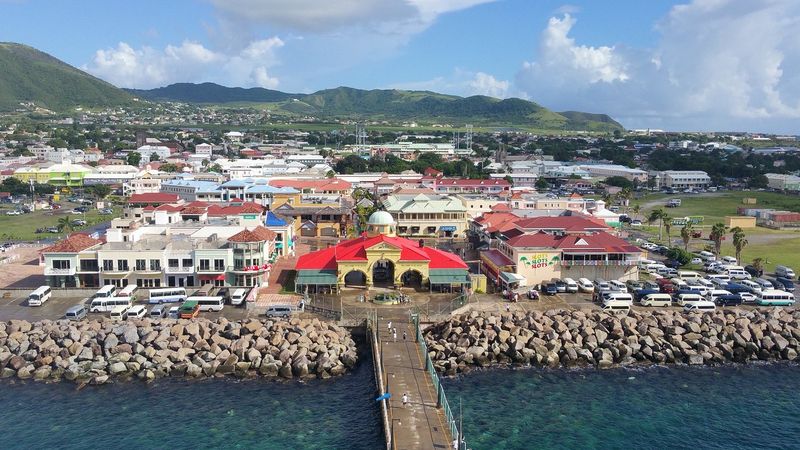
St. Kitts and Nevis basically invented modern citizenship-by-investment. The twin-island federation launched its program back in 1984, making it the oldest running investor citizenship program on the planet.
Every other country offering a similar scheme has essentially been following the blueprint that St. Kitts wrote four decades ago. That kind of pioneering history gives the program a credibility that newer programs simply cannot manufacture.
Real estate investment in approved developments remains one of the two main qualifying routes. The island has a well-developed ecosystem of lawyers, developers, and agents who specialize in guiding investors through the process, which makes the experience smoother than in many competing destinations.
The government has also been proactive about updating the program to maintain its international reputation and meet due-diligence standards.
The passport grants visa-free or visa-on-arrival access to over 150 countries, a number that puts it among the most powerful Caribbean passports available. The islands themselves are genuinely lovely, offering a mix of lush rainforest, historic sugar plantation estates, and calm Caribbean beaches.
Nevis in particular has a quiet, unhurried quality that appeals to investors looking for a real retreat. St. Kitts and Nevis rewards those who recognize that being first usually means being best.
Brazil

Brazil is enormous, vibrant, and surprisingly accessible for foreign real estate investors. The country offers residency pathways linked to property investment, particularly in designated areas and through programs designed to attract foreign capital.
While a Brazilian passport does not arrive the day you buy a house, the path from residency to citizenship is well-defined and achievable for committed investors.
Brazil’s naturalization process generally requires at least four years of continuous residency, though that timeline can be shorter for investors who meet additional criteria or have Brazilian family connections. The country has streamlined its immigration rules in recent years, making the process more transparent and predictable than it once was.
Working with a qualified Brazilian immigration attorney is strongly recommended to navigate the specifics correctly.
The appeal of Brazil goes well beyond paperwork. The country offers some of the most diverse geography on Earth, from the Amazon rainforest to the beaches of Florianopolis to the cosmopolitan energy of Sao Paulo.
A Brazilian passport also provides access to Mercosur member countries and a growing list of visa-free destinations. For investors who want to genuinely build a life in South America’s largest economy, Brazil offers a rewarding and legitimate long-term citizenship pathway worth serious consideration.
Andorra
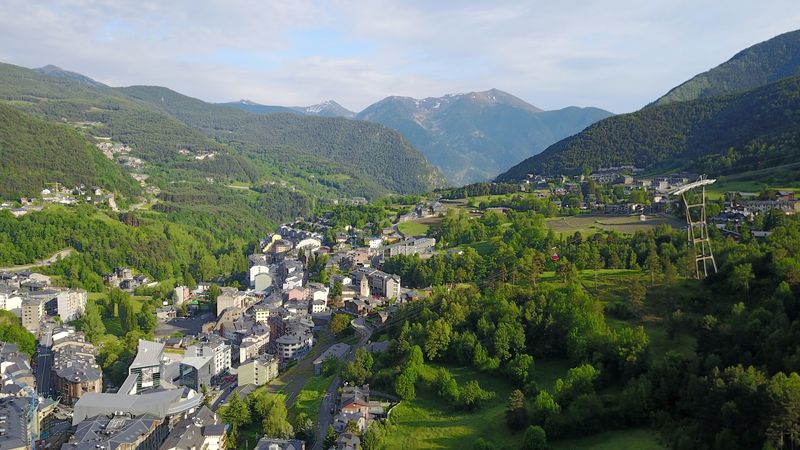
Sandwiched between France and Spain high in the Pyrenees, Andorra is one of Europe’s smallest and least-talked-about nations, which might explain why its residency program flies under the radar for many investors. The country offers passive residency for those who make qualifying investments and financial commitments, including real estate.
It is not a fast track to citizenship, but it is a legitimate entry point into one of Europe’s most tax-friendly environments.
Andorra has no wealth tax, low income tax rates, and no inheritance tax, which makes it extremely appealing to high-net-worth individuals looking to restructure their financial lives. The residency requirement involves spending a minimum number of days in the country each year, which for a place with world-class skiing, clean mountain air, and excellent shopping, is rarely a hardship.
The quality of life is genuinely exceptional.
Citizenship through naturalization in Andorra requires a lengthy residency period, currently among the longest in Europe at around 20 years for standard applicants. That is a serious commitment, and it reflects Andorra’s careful approach to granting full citizenship.
For investors playing a very long game and prioritizing financial optimization alongside European living, Andorra offers something quietly remarkable that most people simply overlook.
Anguilla

Anguilla consistently ranks among the Caribbean’s most exclusive destinations, and its permanent residency program reflects that premium positioning. Foreign nationals who make substantial real estate investments can qualify for permanent residency on the island, opening the door to long-term legal status in one of the most beautiful corners of the Atlantic Ocean.
The island’s reputation for luxury, privacy, and safety makes it especially popular with high-net-worth buyers.
As a British Overseas Territory, Anguilla operates under a legal framework tied to the United Kingdom. This connection matters for investors thinking about the longer-term citizenship picture.
While Anguilla does not offer a direct citizenship-by-investment program, long-term residency can create pathways toward British Overseas Territories Citizen status over time, depending on individual circumstances and evolving UK regulations.
The island has fewer than 20,000 permanent residents, which means it maintains an intimacy and exclusivity that larger Caribbean destinations have long since lost. Property values here are among the highest in the region, and the real estate market has attracted some genuinely architectural showstoppers.
Shoal Bay East regularly appears on lists of the world’s best beaches, which is not a bad backdrop for a property investment. Anguilla rewards investors who appreciate understated luxury over flashy crowds.
Turks and Caicos
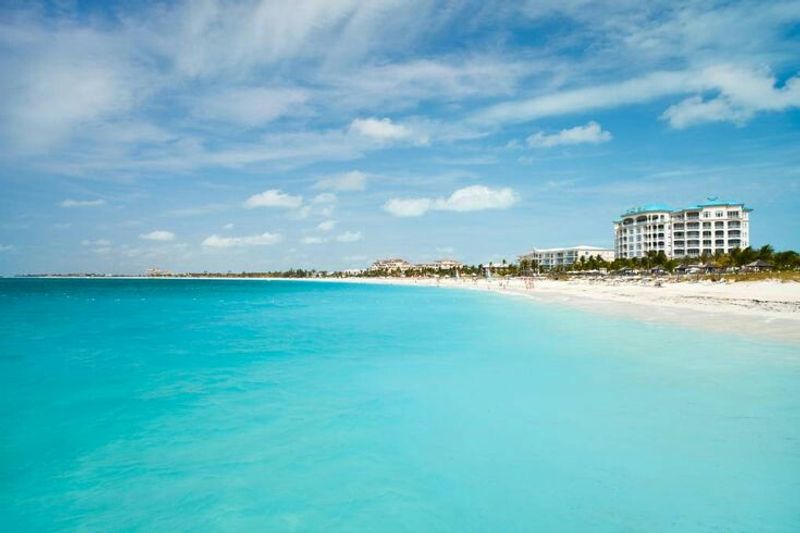
Grace Bay Beach in Turks and Caicos has been called the best beach in the world so many times that the title almost feels understated. The islands sit southeast of the Bahamas and operate as a British Overseas Territory, offering foreign investors a path to residency through qualifying real estate purchases.
The property market here is well-developed and has attracted serious international investment over the past two decades.
The permanent residency program requires a minimum real estate investment and ongoing financial commitments to maintain status. The process is relatively straightforward compared to some competing jurisdictions, and the legal system follows English common law, which provides a familiar and reliable framework for international buyers.
Many investors find the transaction process more transparent here than in some other Caribbean destinations.
Like Anguilla, Turks and Caicos does not offer a direct citizenship program, but long-term residency can open doors to broader British Overseas Territories status depending on how regulations evolve. The islands attract a mix of retirees, remote workers, and serial investors who appreciate the combination of natural beauty and financial stability.
No income tax, no capital gains tax, and no inheritance tax round out a financial picture that is almost as attractive as the scenery.
Egypt
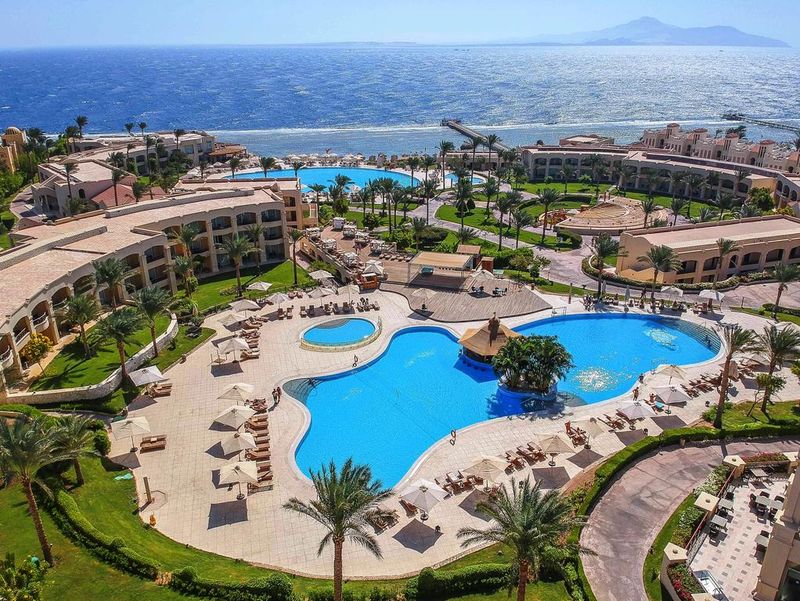
Egypt made headlines in the investment world when it formally launched a citizenship-by-investment program, positioning itself as one of the newer entrants in a competitive global market. The program includes real estate as one of the qualifying investment categories, with minimum thresholds set by the government.
For investors looking at the African continent and the Middle East, Egypt offers a strategically positioned option that most competitors simply cannot match geographically.
Cairo is one of the world’s great megacities, and Egypt’s real estate market has seen significant development activity in recent years. New administrative cities and coastal resort zones have created a range of investment options beyond the traditional urban core.
The North Coast Mediterranean developments and Red Sea resort areas have attracted particular interest from international buyers seeking both lifestyle and investment returns.
Egypt’s passport provides access to a meaningful number of countries, and the country’s position as a cultural and political hub in the Arab world adds diplomatic weight to citizenship there. The application process and eligibility criteria have continued to evolve since the program’s launch, so consulting with a specialist familiar with Egypt’s current rules is essential before committing funds.
Egypt is an intriguing option for investors willing to look beyond the usual suspects in the citizenship market.
North Macedonia

North Macedonia does not show up on most investors’ radar, and that relative obscurity might actually be part of its appeal. Located in Southeast Europe and a candidate for European Union membership, the country offers investment-based pathways that can eventually lead to citizenship through naturalization.
For investors who are patient and budget-conscious, North Macedonia represents a genuinely affordable European option in a market crowded with expensive alternatives.
The country has been actively working to attract foreign investment as part of its broader economic development strategy. Real estate prices remain low compared to Western European markets, meaning investors can enter at a fraction of the cost required in Greece, Cyprus, or Portugal.
The capital, Skopje, has undergone significant urban development in recent years and offers a surprisingly lively cultural scene for a city of its size.
EU candidate status is a meaningful long-term factor worth considering. If North Macedonia completes its accession process, citizenship obtained there could eventually carry the full weight of an EU passport, dramatically increasing its value.
That potential upside at a relatively modest entry cost makes North Macedonia an interesting speculative play for forward-thinking investors. It is the kind of opportunity that rewards those who research beyond the obvious choices and think several years ahead.
Share this story