 Unearth The Voyage
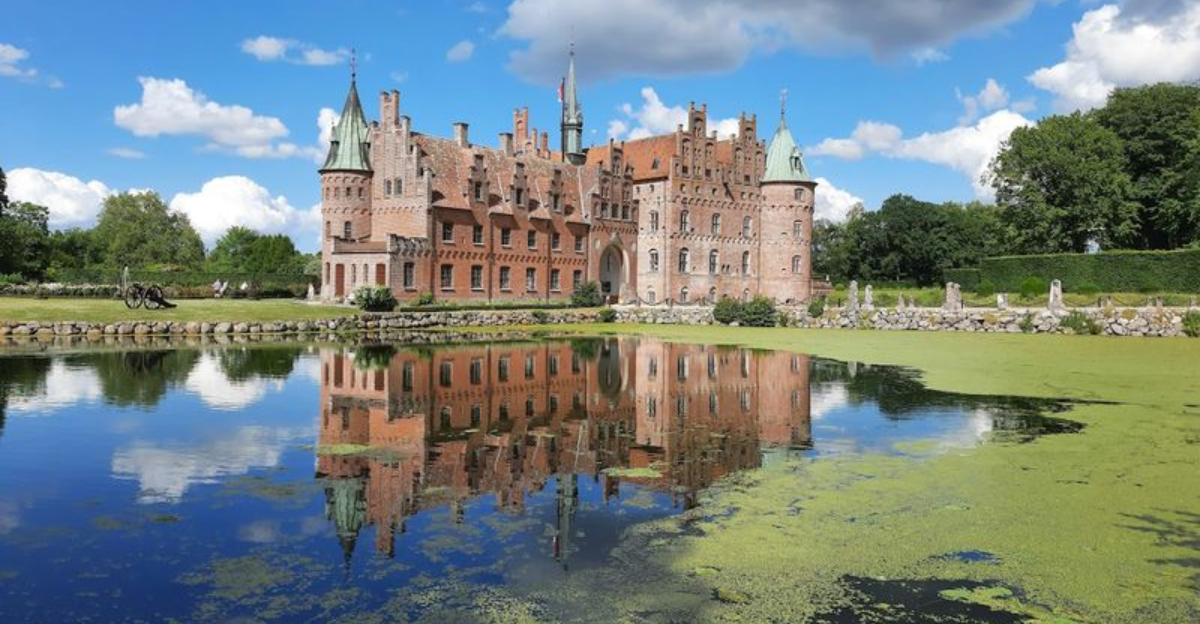
Traveling to a country where you don’t speak the local language can feel stressful. But there are plenty of places around the world where English gets you surprisingly far.
Whether you’re booking a hotel, ordering food, or asking for directions, these countries make communication refreshingly simple. Here are 14 destinations where English-speaking travelers can relax and focus on the adventure.
Netherlands – You’ll Think You’re in an English-Speaking Country
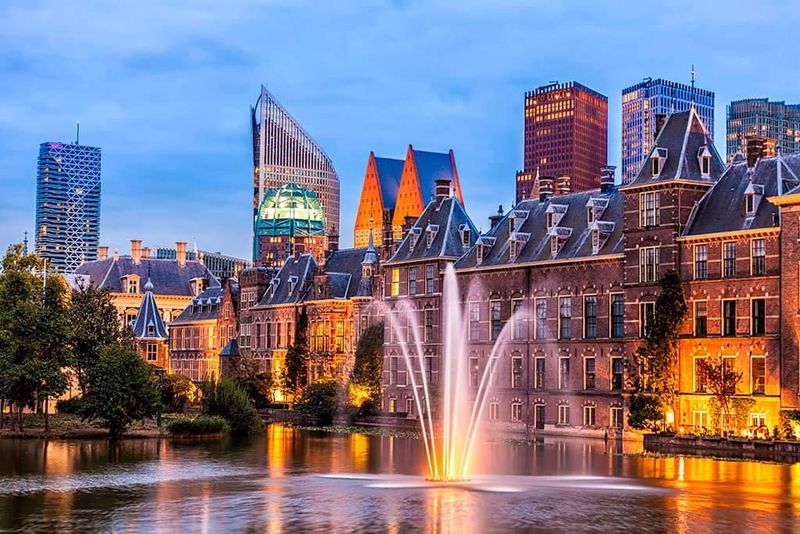
Over 90% of Dutch people speak English. That’s not a typo.
The Netherlands sits at the very top of global English proficiency rankings year after year, and it genuinely shows the moment you arrive.
I once asked a shopkeeper in a small Dutch village for directions. Not only did she answer in perfect English, she also gave me restaurant recommendations and her Wi-Fi password.
True story.
Train stations, supermarkets, pharmacies, and even street markets are all highly navigable in English. Menus are often printed in both Dutch and English without you even asking.
Outside Amsterdam, smaller cities like Utrecht and Leiden are just as accessible. If you’re a first-time solo traveler, the Netherlands is basically English practice with windmills and stroopwafels as a bonus.
Croatia – Beach Towns, City Breaks, and Smooth English Everywhere
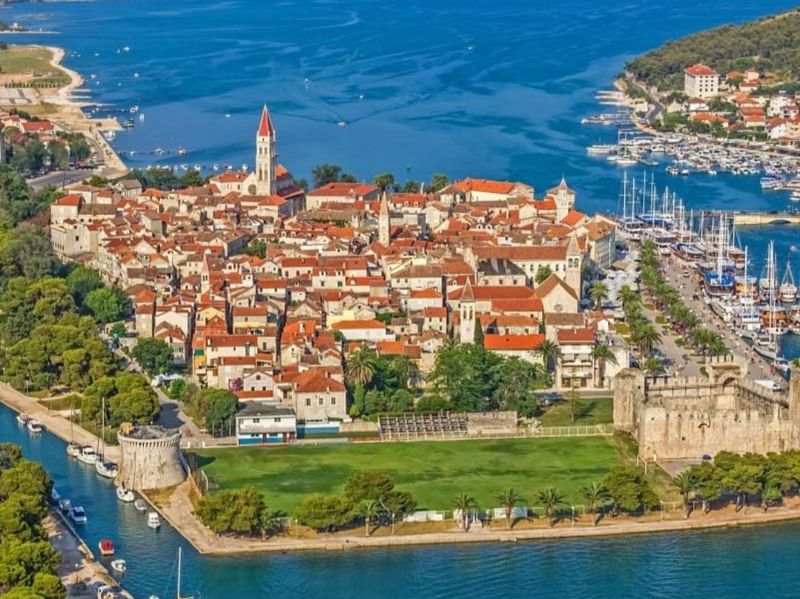
Croatia has quietly become one of Europe’s top travel destinations, and the English situation there is just as impressive as its coastline. Locals working in tourism, restaurants, and transport handle English with confidence and ease.
Booking a ferry between islands, haggling at a market, or asking about bus schedules — all totally doable in English. Even away from the major tourist spots, younger Croatians especially tend to speak English well.
Dubrovnik, Split, and Hvar are obvious starting points, but don’t overlook Rovinj or Zadar for a more relaxed vibe with equally smooth communication. Croatian signage is a bit of a tongue-twister, but staff at hotels and tour offices always have English covered.
The country ranks extremely high in European proficiency surveys, which means your biggest challenge won’t be ordering dinner. It’ll be choosing between the grilled fish and the seafood pasta.
Austria – Polite, Clear, and Confidently Bilingual in Big Cities
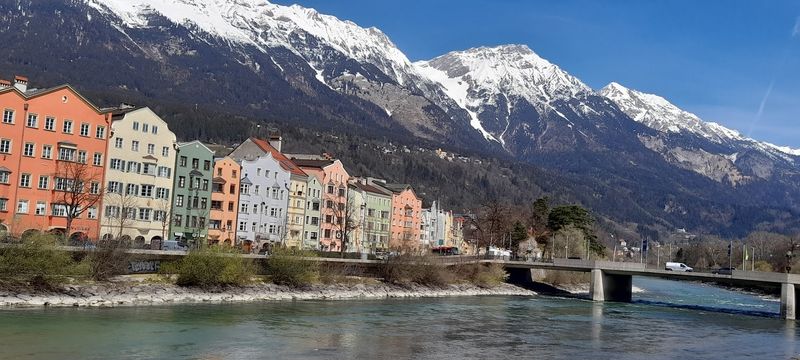
Austria takes its manners seriously, and that includes speaking English with impressive clarity. Vienna regularly tops lists for quality of life, and part of that quality is how effortlessly the city accommodates non-German speakers.
Museum staff, hotel concierges, and cafe servers in Vienna and Salzburg switch to English without missing a beat. Public transport announcements are often bilingual, and tourist information centers are fully English-capable.
Even smaller alpine towns catering to ski tourists have strong English support.
What makes Austria particularly pleasant is the tone. Interactions feel polished but warm, never rushed or dismissive.
Salzburg, home of Mozart and the Sound of Music filming locations, is especially visitor-friendly. You won’t need a phrasebook to enjoy schnitzel, visit Schonbrunn Palace, or navigate the Christmas markets.
Austria proves that German-speaking countries can be wonderfully, effortlessly bilingual when they put their minds to it.
Germany – Big-Country Logistics, Small Language Barrier
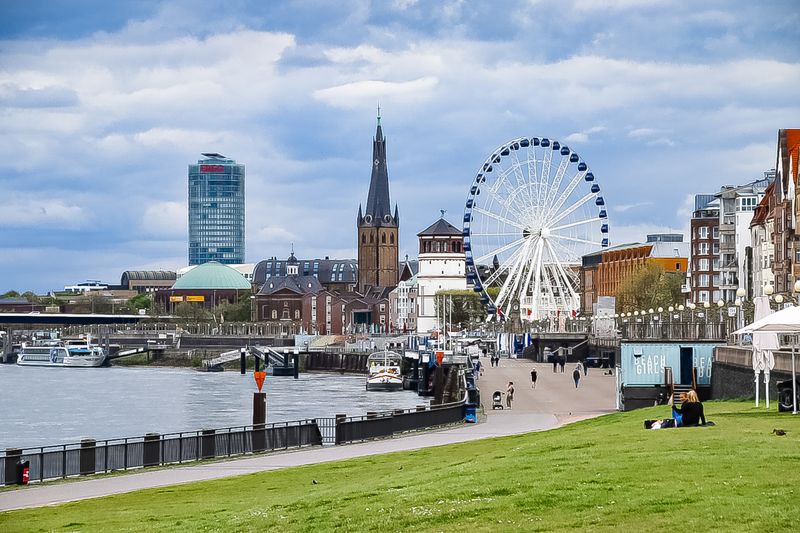
Germany is a big country with a big reputation for efficiency, and that efficiency extends to how well English is spoken in cities and major transit hubs. Airports, train stations, and tourist attractions are all well-equipped for English speakers.
Berlin is practically bilingual at this point. Menus, museum exhibits, and even some road signs appear in English alongside German.
Frankfurt, Munich, and Hamburg follow closely behind in accessibility for English-speaking visitors.
Rural areas can be a little more challenging, but even there, younger locals and service workers usually manage the basics. Germany ranks very high in global English proficiency surveys, which means your sightseeing itinerary won’t be derailed by a language gap.
One tip worth knowing: downloading the DB Navigator app for train travel is a total game-changer, and yes, it runs in English. Efficiency and accessibility, packaged in one very German bundle.
Norway – English-Friendly, Even Outside the Capital
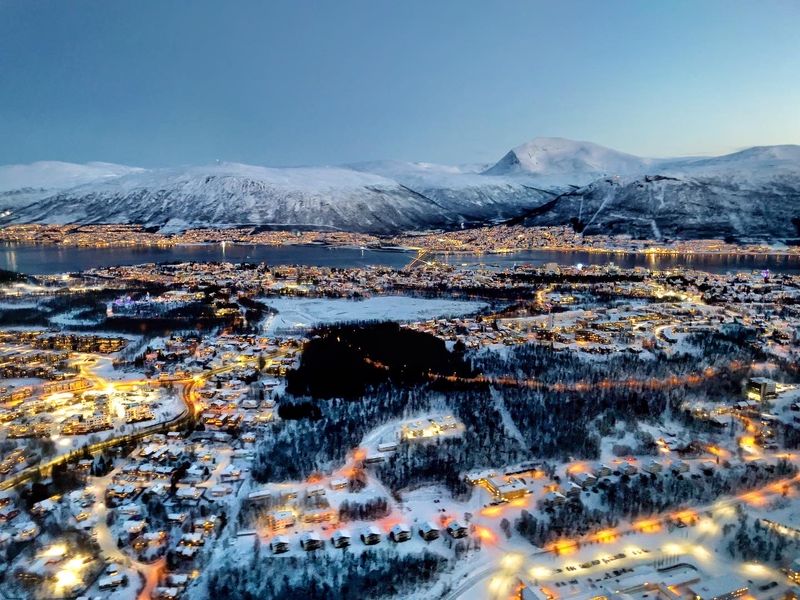
Norway might be one of the most expensive countries on Earth, but at least you won’t struggle to ask how much things cost. English proficiency here is sky-high, and that holds true well beyond Oslo’s city limits.
Fjord boat tours, mountain hiking trails, and remote cabin rentals all come with staff who speak English comfortably. Public transport apps, signage, and tourist information boards frequently include English as a default option.
Even in small coastal fishing towns, a friendly conversation in English is rarely out of reach.
Norwegians tend to be reserved at first, but once you start chatting, they’re genuinely helpful and happy to share tips about the best local spots. The midnight sun, the northern lights, and the dramatic fjords are the big draws.
But knowing you can navigate all of it in English makes the whole experience feel a lot less daunting and a lot more fun.
Portugal – Warm Hospitality, With English to Match
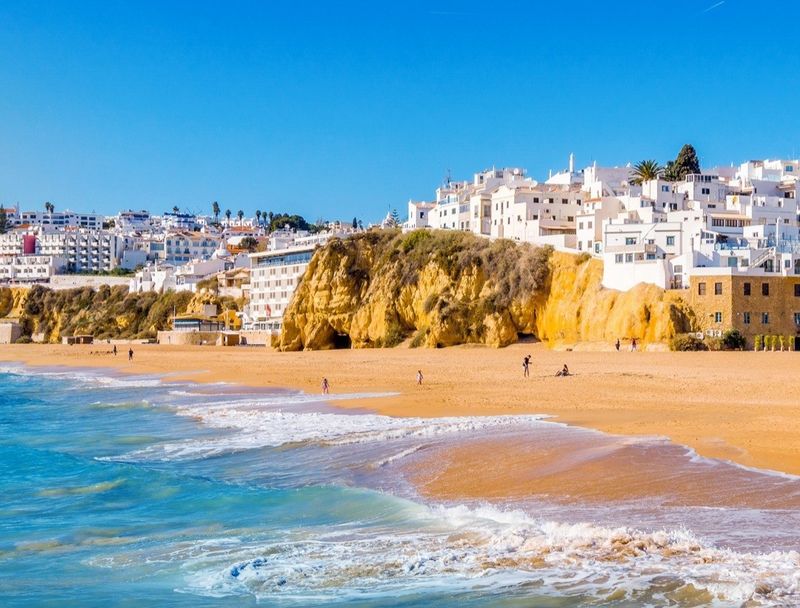
Portugal has had a serious glow-up in the travel world over the last decade, and its English proficiency has kept pace with the boom in tourism. Lisbon and Porto are especially well-equipped for English-speaking visitors.
Restaurant staff, Airbnb hosts, tour guides, and shop owners in both cities handle English smoothly and warmly. The Algarve coast, packed with international tourists, is another area where English flows freely.
Even smaller towns in the Douro Valley wine region tend to have enough English speakers to keep things manageable.
What sets Portugal apart is the hospitality behind the language. People aren’t just technically proficient — they’re genuinely pleased to help.
Pastel de nata recommendations, tram route advice, and sunset viewpoint tips all come delivered with a smile. Portugal ranks very high in European English proficiency surveys, making it one of the most welcoming non-English-speaking countries on the continent for solo travelers.
Denmark – Copenhagen Energy, English Clarity
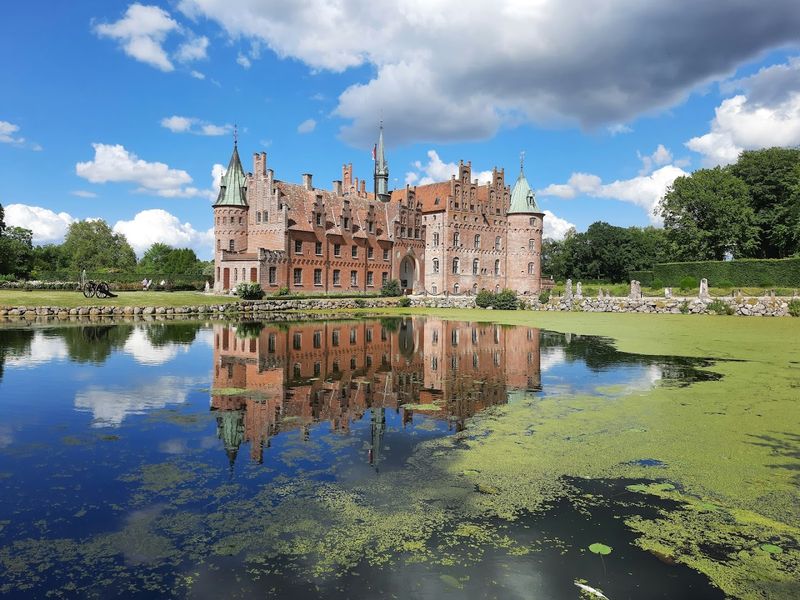
Denmark is a country that takes design, sustainability, and communication seriously. English proficiency here is among the highest in the world, and Copenhagen wears that distinction proudly.
Hop on a bus, visit a museum, grab a coffee, or ask for directions — all of it works seamlessly in English. Danish people are generally well-traveled and educated, which contributes to a culture where English feels completely natural in daily interactions.
Signage at transit hubs is bilingual as a matter of course.
Beyond the capital, cities like Aarhus and Odense maintain strong English accessibility, especially in tourist-facing businesses. One fun quirk: Danes sometimes find it easier to switch to English mid-conversation than to slow down their Danish for a confused foreigner.
It’s efficient, it’s practical, and it’s very Danish. If you’re planning a Scandinavian trip, Denmark should absolutely be on your list for its language ease alone.
Sweden – Design, Tech, and English That Just Works
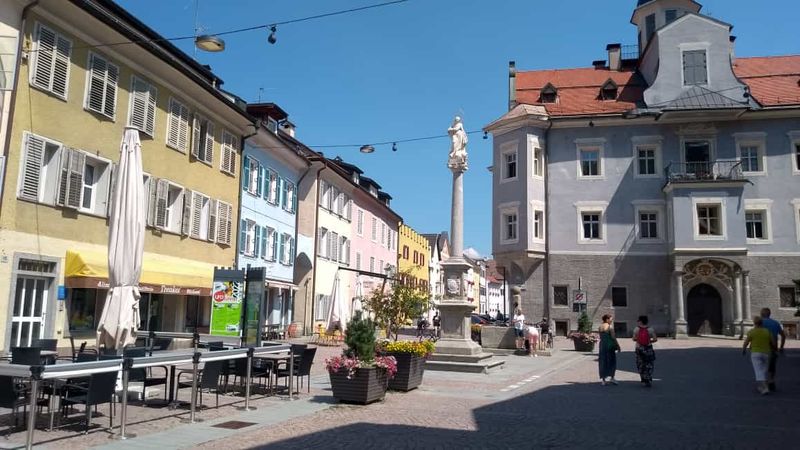
Sweden gave the world ABBA, IKEA, and some of the clearest English you’ll hear from a non-native speaking population. The country ranks among the top five globally for English proficiency, and it shows in every corner of daily life.
From checking into a Stockholm hotel to navigating the subway system or visiting a gallery in Gothenburg, English is a reliable companion throughout Sweden. Even customer service hotlines often offer English as a primary option, not just an afterthought.
Menus, museum audio guides, and tourist maps are almost universally bilingual.
Swedish schools prioritize English from an early age, which means even teenagers and young adults speak with impressive confidence. There’s also a relaxed, no-fuss attitude toward language that makes conversations easy and unpretentious.
Whether you’re chasing the northern lights in Lapland or exploring the archipelago near Stockholm, Sweden handles your English-speaking needs with quiet, reliable competence.
Finland – Quiet Vibes, Strong English
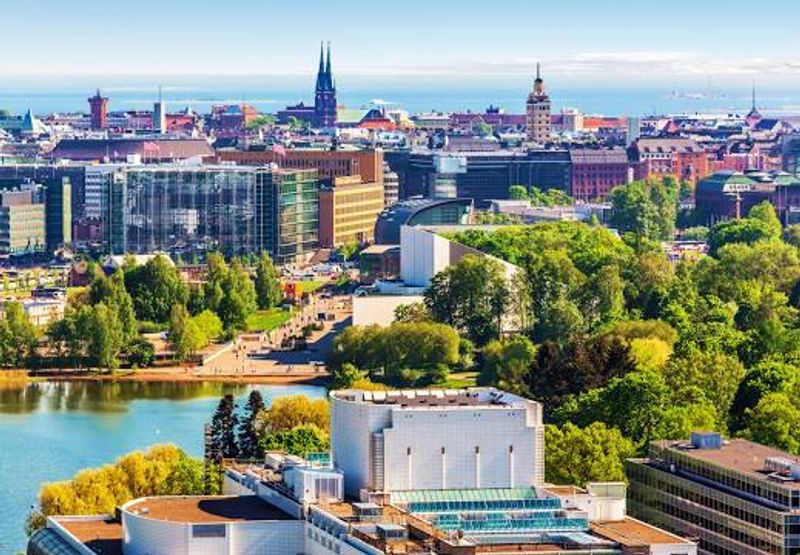
Finland doesn’t shout about its achievements. It just quietly ranks among the top countries in the world for English proficiency, education, and quality of life.
Classic Finnish understatement.
Helsinki is the obvious starting point, and the city handles English travelers with total ease. Restaurants, public transport, and museums are all well-signed in English.
Rovaniemi, the gateway to Lapland and Santa Claus territory, caters heavily to international tourists and is particularly well-equipped for English communication.
Venture into smaller Finnish towns and you’ll still find solid English skills, especially among anyone under 50. The Finnish education system has long emphasized foreign language learning, and it pays off visibly for travelers.
One thing to note: Finns are famously reserved, but they’re not unfriendly. Ask a direct question, get a direct and helpful answer.
No small talk required, which, honestly, is kind of refreshing. Finland rewards the traveler who appreciates quiet efficiency.
Ireland – English Is Built In (Officially)
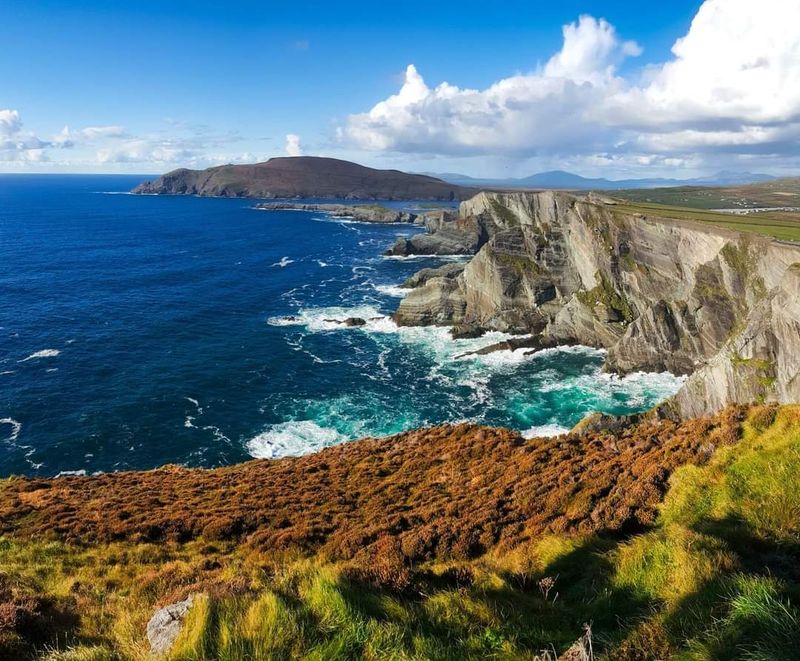
Ireland is the rare country that doesn’t just speak English well, it speaks it officially. English is one of Ireland’s two recognized official languages, alongside Irish, so travelers are on solid ground from the moment they land.
Dublin is a lively, walkable city where communication is never a concern. From pub conversations to museum exhibits to taxi rides, everything runs smoothly in English.
The Irish have a well-earned reputation for being chatty, warm, and generous with their time, which makes interactions genuinely enjoyable rather than just functional.
Outside Dublin, the Wild Atlantic Way, Galway, and the Ring of Kerry all offer full English accessibility with a side of stunning scenery. Some signage in rural Gaeltacht areas is primarily in Irish, but locals are always happy to help.
Ireland is basically the English-speaking traveler’s cheat code in Europe. Familiar language, unfamiliar landscape, and absolutely no communication stress whatsoever.
Malta – A Mediterranean Getaway Where English Is Official
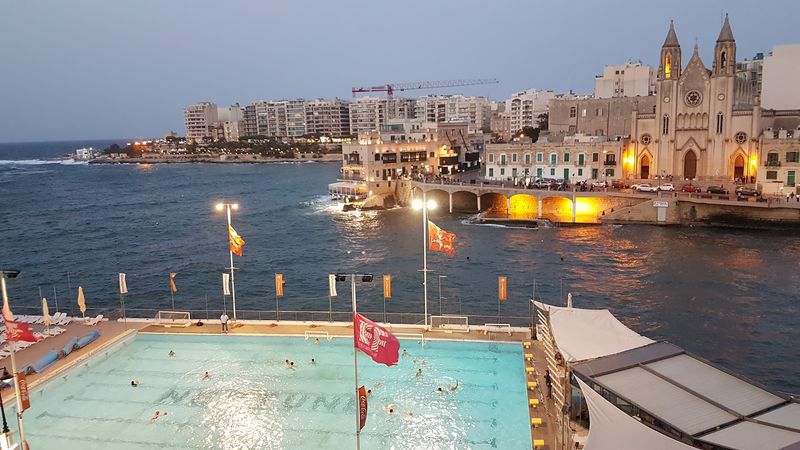
Malta is a tiny island nation with a surprisingly big linguistic advantage. English has been an official language here since Malta gained independence from Britain in 1964, and it remains deeply embedded in education, government, and daily life.
Walking through Valletta, the capital, you’ll find English on shop signs, menus, government buildings, and transport information without any effort on your part. Hotels, tour operators, and restaurant staff communicate in English as naturally as in any English-speaking country.
Even in smaller villages, English is widely understood and used.
Malta’s history as a British colony left a lasting and genuinely useful linguistic legacy for travelers. It’s also one of the warmest, sunniest destinations in Europe, which makes the communication ease feel like a bonus on top of a bonus.
Medieval architecture, crystal-clear water, and zero language anxiety. Malta is seriously underrated on the European travel circuit and well worth the trip.
Singapore – English Is the Country’s Everyday Connector
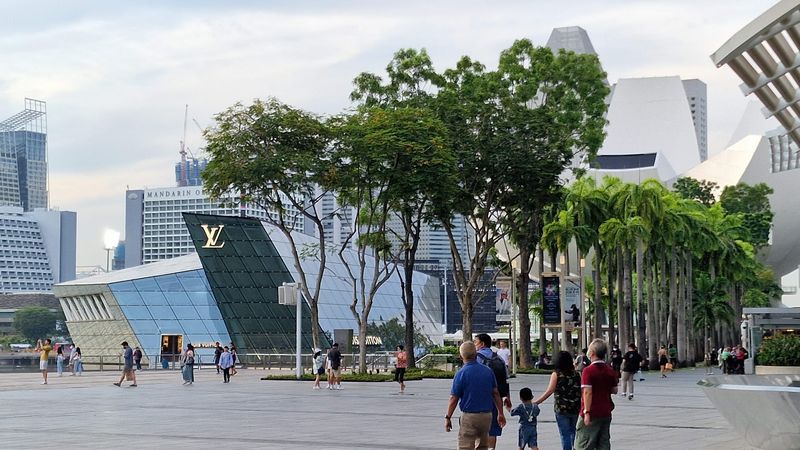
Singapore runs on four official languages, but English is the one that ties everything together. It’s the language of government, business, schools, and daily communication between the country’s diverse communities.
For travelers, that’s a remarkable advantage.
Airport signage, MRT train announcements, restaurant menus, and hotel check-ins are all handled in English without exception. Even hawker centers, where locals grab cheap and seriously delicious food, have English-friendly menus and staff who understand your order.
The city is also extraordinarily well-organized, which makes navigating it in English feel almost effortless.
Singapore’s English has its own local flavor called Singlish, which blends in words and expressions from Malay, Hokkien, and Tamil. You’ll hear phrases like “can lah” and “shiok” thrown into casual conversation.
It’s charming rather than confusing. Standard English works perfectly fine everywhere, but picking up a few Singlish phrases earns you instant goodwill from locals.
Highly recommended.
Philippines – English Is Official and Incredibly Practical for Visitors

The Philippines is one of the few countries in Asia where English is not just spoken well. It’s constitutionally official.
Alongside Filipino, English is used in schools, courts, media, and business, which gives travelers a serious communication edge.
Ask for directions, negotiate a trike fare, order food at a local eatery, or check into a beachside resort. English works confidently across all of it.
Even in provinces far from Manila, younger Filipinos especially tend to speak English with impressive fluency and enthusiasm. It’s genuinely one of the friendliest countries in the world for English-speaking visitors.
The Philippines also has an enormous tourism infrastructure built around international visitors, so English-language signage, tour packages, and hospitality services are widely available. With over 7,000 islands to explore, from Palawan’s turquoise lagoons to Siargao’s surf breaks, knowing you can communicate easily across the country makes the adventure significantly less complicated and significantly more fun.
South Africa – Big Landscapes, Traveler-Friendly English
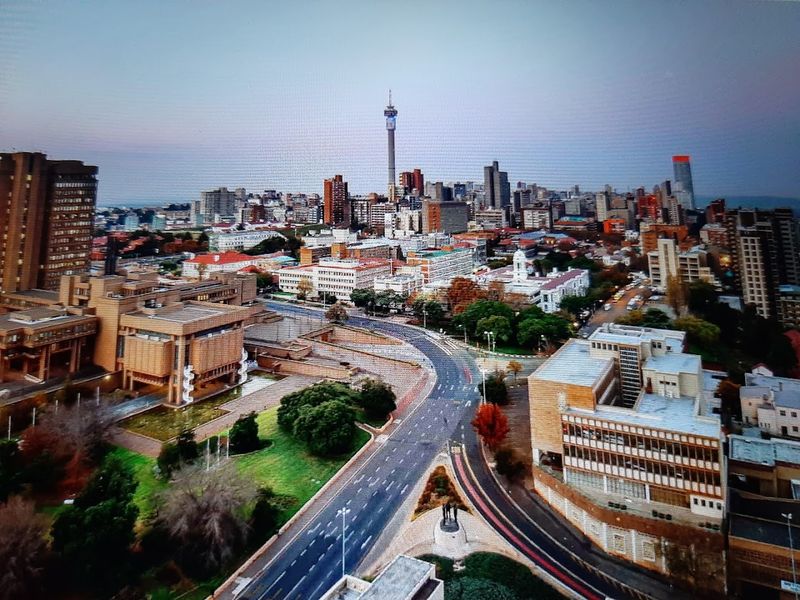
South Africa has 11 official languages, and English is the one most commonly used in tourism, business, and public services. For travelers, that makes navigating this vast and wildly diverse country far more manageable than you might expect.
Cape Town is effortlessly English-friendly, with world-class restaurants, wine estates, and safari operators all communicating fluently. Johannesburg, Durban, and the Garden Route are equally accessible.
Safari guides in national parks like Kruger are almost universally fluent in English, often delivering genuinely entertaining commentary along the way.
South Africa’s history as a former British colony, combined with its strong tourism industry, means English infrastructure is well-established and reliable. Road signs, menus, and accommodation listings are predominantly in English.
The country also has a famously warm and welcoming culture, which makes every interaction feel comfortable rather than transactional. Big game, dramatic coastlines, and zero language anxiety.
South Africa is an extraordinary destination that happens to speak your language perfectly.



