 Unearth The Voyage
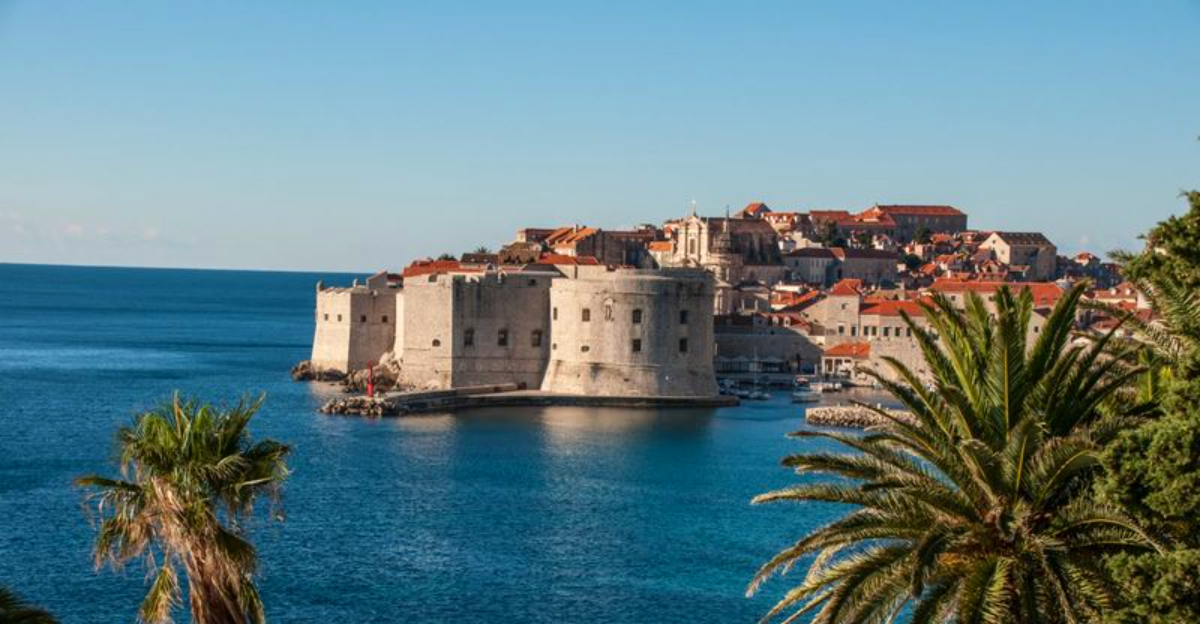
Eastern Europe holds secrets that Western tourists often overlook. Castles perch on cliffs, cobblestone streets wind through centuries-old towns, and local legends still whisper through ancient fortresses.
These 14 destinations offer more than pretty postcards—they’re living museums where folklore festivals happen in medieval squares and traditions passed down for generations shape daily life.
Český Krumlov — Czech Republic
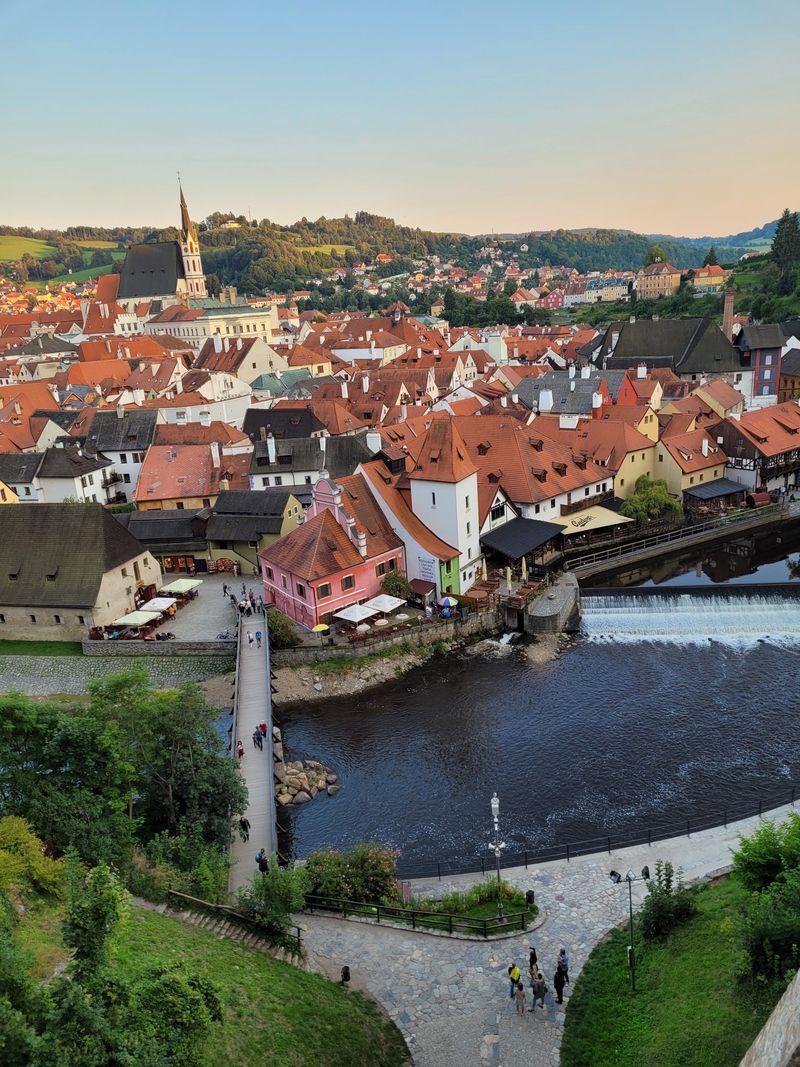
Walking through Český Krumlov feels like opening a pop-up storybook. The Vltava River loops around the town center in a horseshoe shape, creating a natural moat that medieval planners couldn’t have designed better themselves.
The castle complex towers above with 300 years of architectural additions—Renaissance galleries, Baroque theaters, and Gothic towers all stacked together. Narrow lanes squeeze between pastel-painted houses where artisan shops now occupy spaces once filled with blacksmiths and candle makers.
Summer brings masked festivals that recreate medieval court life with period costumes and traditional music.
Local legends tell of a white lady ghost who wanders the castle halls, and townspeople still share stories about the rose gardens planted by nobility centuries ago. The preserved old town earned UNESCO protection because it represents one of Central Europe’s most intact examples of medieval urban planning, complete with original street layouts from the 1300s.
Sighișoara — Romania
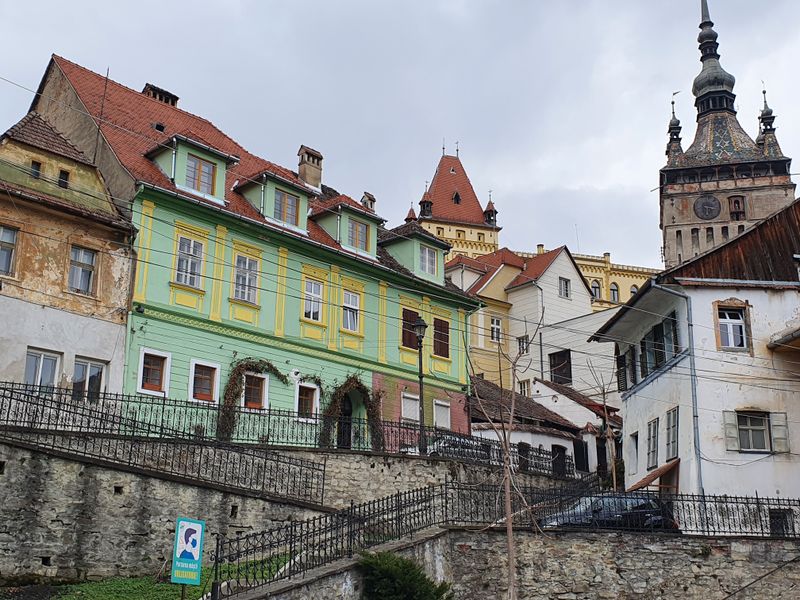
Vlad the Impaler was born in the yellow house on the main square, and locals will point it out with pride mixed with dark humor. Sighișoara’s citadel rises on a hill with nine towers named after the guilds that defended them—tailors, shoemakers, butchers all had their assigned sections.
Pastel facades in pink, orange, and mint green line streets so steep that wooden staircases replace sidewalks in places. The Clock Tower museum displays the original 17th-century mechanisms that still move figurines representing days of the week.
Every July, a medieval festival transforms the citadel into a living history exhibit with sword fighting demonstrations and craftspeople working in traditional methods.
Romanian folklore thrives here through puppet shows about Dracula, folk dance performances in period dress, and bakeries selling cozonac pastries from recipes unchanged since medieval times. The fortification walls remain largely intact, making this one of Europe’s best examples of a continuously inhabited medieval stronghold.
Kotor — Montenegro
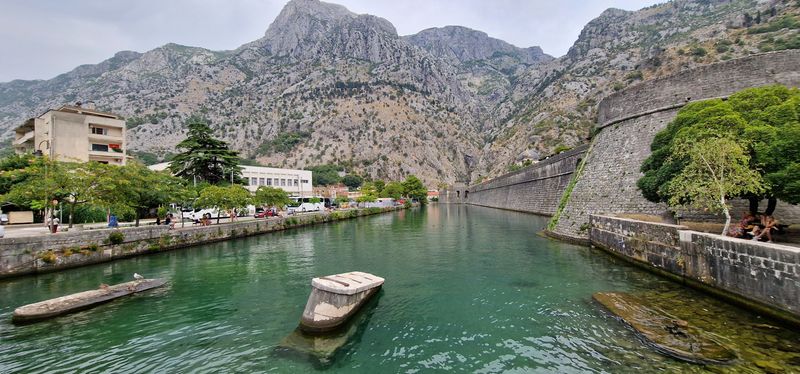
Fortress walls zigzag up the mountainside like a stone serpent, climbing 1,350 steps to St. John’s Fortress. Kotor’s old town squeezes between the bay and steep limestone cliffs, creating a maze of squares connected by passages barely wide enough for two people to pass.
Venetian lions carved into stone facades remind visitors of the maritime republic that ruled here for centuries. Cats roam everywhere—the town even has a cat museum celebrating these unofficial mascots who appear in local superstitions about sailors and luck.
Churches from the 12th century hide behind unmarked doors, their interiors filled with frescoes depicting saints and sea monsters from Adriatic folklore.
Summer evenings bring traditional klapa singing groups to the squares, their harmonies echoing off stone walls just as they did when fishermen gathered centuries ago. The Maritime Museum displays navigation instruments and tells stories of Kotor’s captains who sailed to distant ports, bringing back tales that became local legends.
Tallinn Old Town — Estonia
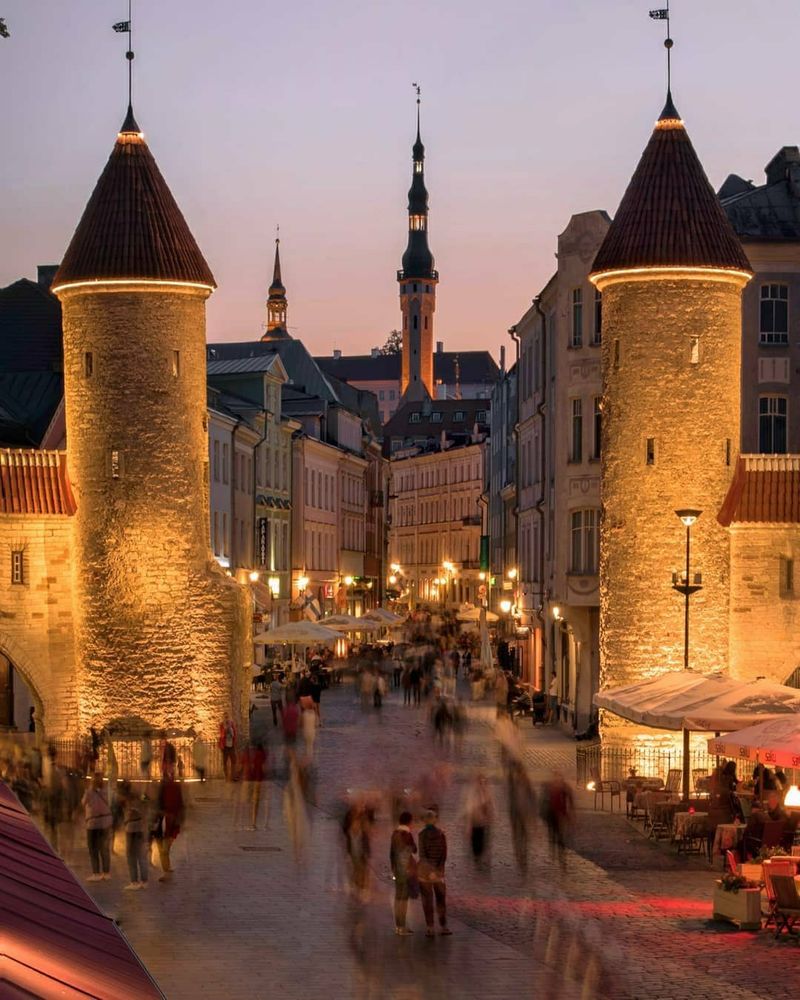
Twenty-six watchtowers still stand from the original defensive system that once included 46. Tallinn’s merchants built their wealth on salt and herring, constructing three-story houses with trapdoors for hoisting goods directly from street level to storage attics.
Toompea Hill holds the upper town where nobility lived, separated from merchant quarters below by walls that reinforced social divisions as much as military ones. The town hall square hosts a Christmas market that follows traditions from the 1400s, when guild members first erected a decorated tree here.
Marzipan craft remains an art form—apothecary shops still shape the almond paste into painted fruits and figures using medieval molds.
Estonian legends about the giant Kalev who built the city get retold in puppet theaters and illustrated on souvenir shops. St. Olaf’s Church once held the title of world’s tallest building, and climbing its spire offers views across red rooftops that look remarkably similar to sketches from five centuries ago.
Dubrovnik Old Town — Croatia
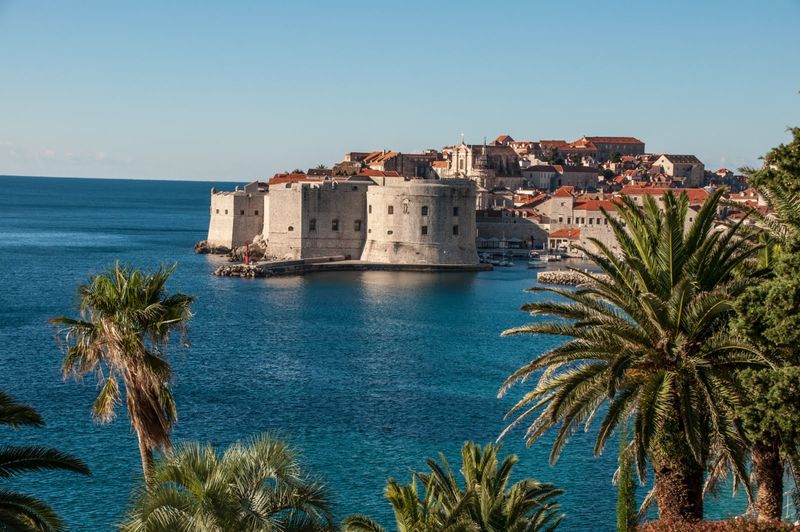
Limestone pavement polished by millions of footsteps gleams under Mediterranean sun. Dubrovnik’s walls stretch nearly two kilometers, with fortresses positioned at strategic corners where defenders could rain arrows on attackers from multiple angles.
The Stradun, the main street, was once a channel separating two settlements until it was filled in and paved during the 12th century. Pharmacies that opened in 1317 still operate, selling modern medicines alongside traditional herbal remedies recorded in leather-bound books.
Local folklore includes tales of Saint Blaise, the city’s patron, whose statue appears on fountains and gates throughout the old town.
Summer brings the Libertas Film Festival, screening movies against stone walls in locations where medieval merchants once conducted business. Despite earthquake damage and war destruction, craftsmen rebuilt using original techniques and materials, maintaining the architectural integrity that made this a UNESCO treasure.
The maritime museum displays navigation charts and ship models that illustrate how this small republic competed with Venice for Mediterranean trade dominance.
Zheravna — Bulgaria
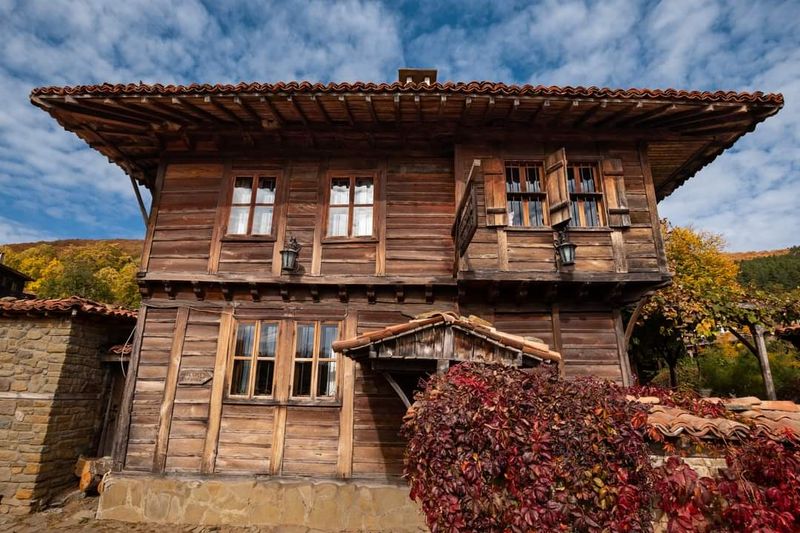
Over 200 wooden houses from the Bulgarian National Revival period crowd along stone-paved lanes. Zheravna sits in forested hills where time moves at the pace of grazing sheep and hand-woven textiles drying on porch rails.
Each house features overhanging second floors that create covered walkways below—an architectural solution to narrow streets and rainy weather. Carved wooden ceilings inside display geometric patterns and floral motifs that craftsmen created without power tools.
The village produced famous revolutionaries and writers during Ottoman rule, and their family homes now serve as museums displaying period furniture and hand-copied books.
Folklore festivals in August bring traditional costume parades, bagpipe music, and circle dances that locals genuinely participate in rather than perform for tourists. Women still practice the rose petal preservation techniques used for centuries, creating fragrant oils sold in tiny glass bottles.
The surrounding oak forests provide mushrooms and herbs that appear in recipes unchanged since medieval times, served in family-run taverns with wood-burning stoves.
Golubac Fortress — Serbia
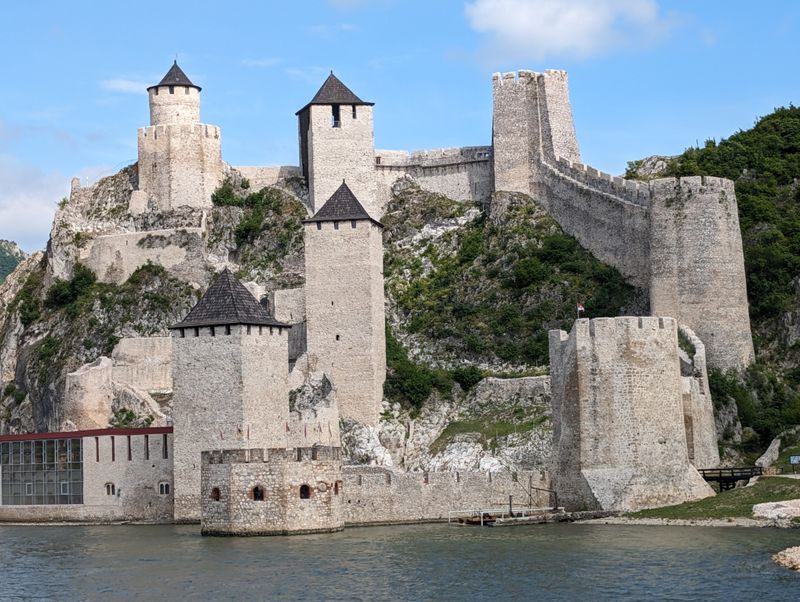
Ten towers rise from the Danube’s edge like stone fingers pointing at the sky. Golubac Fortress guarded the river passage where the Danube narrows through the Iron Gates gorge, making it a strategic prize fought over by Hungarians, Ottomans, and Serbs.
Recent restoration work revealed medieval engineering techniques—towers built on wooden platforms driven into the riverbank, walls angled to deflect cannonballs, and hidden passages for moving troops during sieges. Serbian legends describe how a beautiful maiden named Golubana threw herself from the highest tower rather than marry an Ottoman sultan, giving the fortress its name.
The visitor center displays armor, weapons, and siege equipment replicas that demonstrate how defenders survived months-long attacks. Walking the ramparts provides views across the Danube where cargo ships now pass peacefully through waters once contested by warships.
Evening brings dramatic lighting that illuminates the towers against darkening skies, creating the atmospheric scenes that attract photographers from across Europe.
Lublin Old Town — Poland
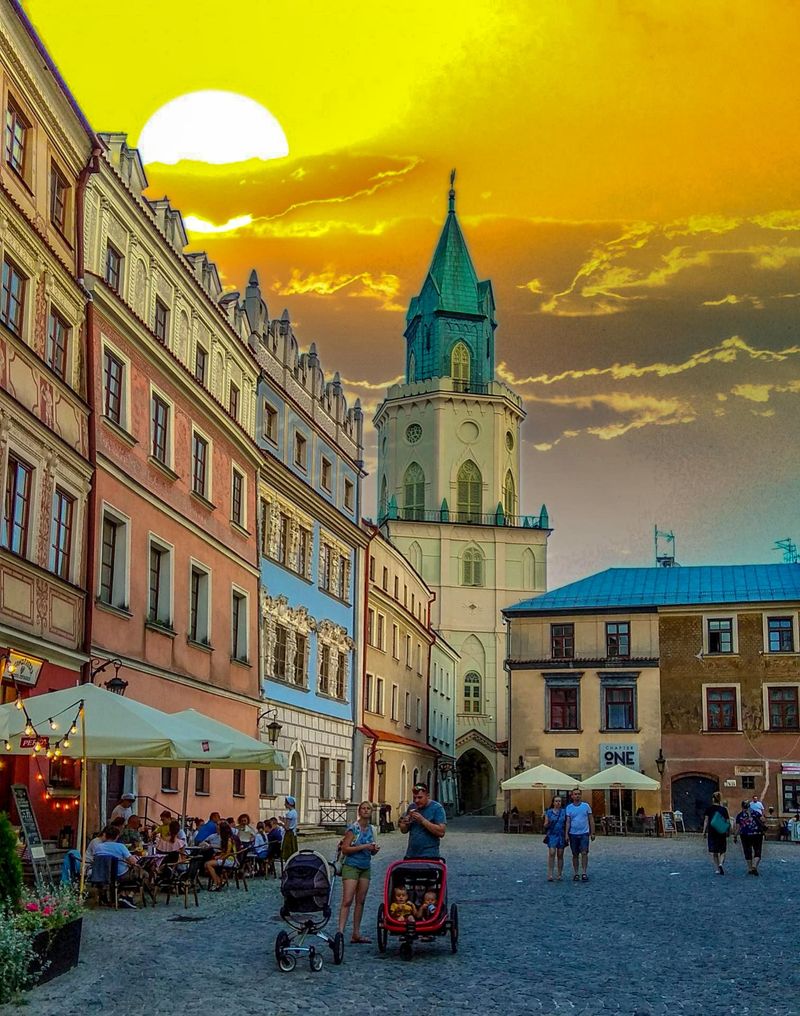
Pastel buildings in salmon, butter yellow, and sky blue frame the market square where merchants have traded since the 1300s. Lublin’s castle combines Gothic defensive architecture with Renaissance residential additions—a visual timeline of changing priorities from warfare to comfortable living.
The Grodzka Gate connects the Christian and Jewish quarters, now housing a museum that explores centuries of multicultural coexistence through photographs and artifacts. Frescoes in the Holy Trinity Chapel display Byzantine-influenced religious art rare in this part of Europe, painted by Eastern Orthodox artists invited by Catholic rulers.
Underground tourist routes wind through medieval cellars where merchants stored grain and brewers aged beer in constant cool temperatures.
Polish folklore thrives during summer festivals when costumed performers reenact historical events and traditional musicians play instruments like the suka, a bowed string instrument nearly extinct elsewhere. Pierogi varieties unique to Lublin appear on restaurant menus, stuffed with combinations recorded in cookbooks from the 1600s that local grandmothers still reference.
Brasov — Romania
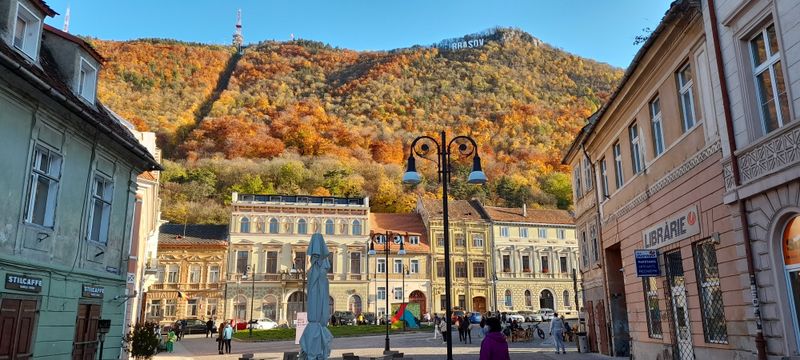
The Hollywood-style BRAȘOV sign on Tâmpa Mountain overlooks Gothic spires and Saxon fortifications. German settlers built this trading hub in the 1200s, creating a merchant culture that valued sturdy architecture and detailed record-keeping—their archives survive in climate-controlled museum vaults.
The Black Church earned its name from fire damage during a 1689 siege, and its interior holds Turkey’s largest collection of Anatolian carpets outside Istanbul, gifts from merchants who traded here. Rope Street, barely 110 centimeters wide, claims the title of Romania’s narrowest street, originally designed as a corridor for firefighters to access buildings quickly.
Council Square hosts medieval festivals where blacksmiths demonstrate forge work and bakers sell pretzels twisted into shapes symbolizing good fortune.
Local legends connect Brașov to Dracula lore through its proximity to Bran Castle, though historians note Vlad spent minimal time there. The surrounding Carpathian forests feed into folk tales about werewolves and forest spirits that storytellers still share during winter gatherings in traditional taverns.
Vilnius — Lithuania
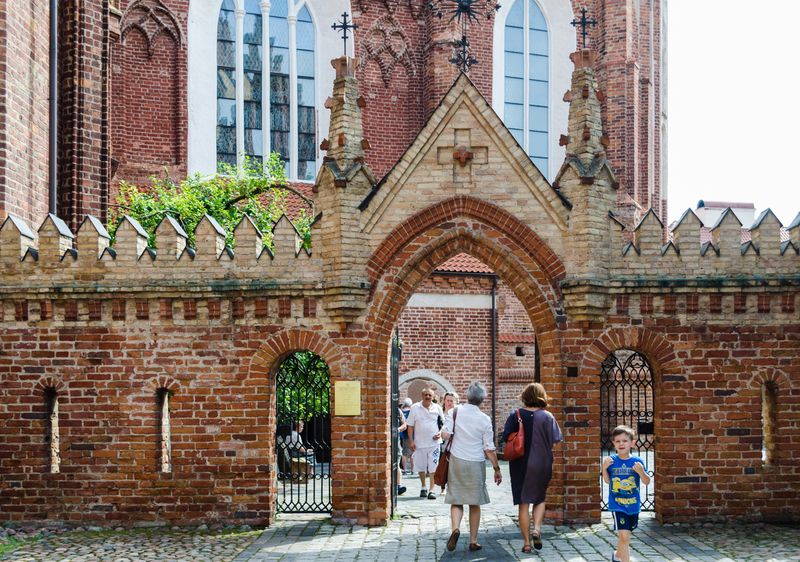
Vilnius claims one of Europe’s largest surviving medieval old towns, spreading across nearly 360 hectares. Churches representing different centuries and architectural styles stand within blocks of each other—Gothic, Renaissance, Baroque, and Neoclassical all competing for skyline dominance.
The Gates of Dawn shrine attracts pilgrims who believe its icon of Mary performs miracles, and believers and skeptics alike pause beneath the golden chapel. Užupis, the artist quarter, declared itself an independent republic with a constitution posted on walls in multiple languages, reviving the medieval tradition of guild quarters governing themselves.
Lithuanian folklore gets preserved at the National Museum through exhibits of wooden gods carved by pagans before Christianity arrived, plus costumes worn during solstice celebrations that predate medieval times.
Cobblestone lanes lead to hidden courtyards where cafes serve šaltibarščiai, the cold beet soup that’s been a summer staple since medieval kitchens learned to preserve vegetables. University buildings from the 1500s still host lectures, their walls covered with student graffiti in Latin that administrators never removed.
Kuldīga — Latvia
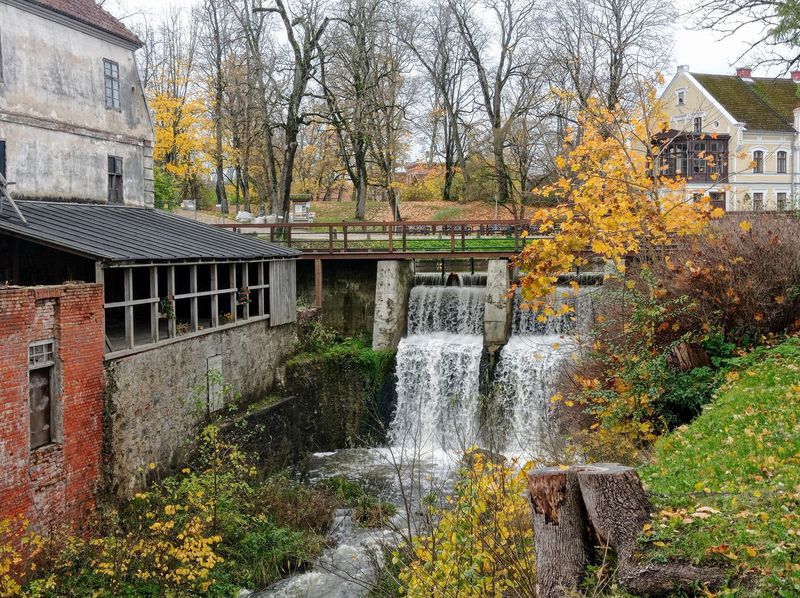
Europe’s widest waterfall tumbles through Kuldīga’s town center, where medieval merchants built a brick bridge that still carries traffic after 400 years. The Venta River provided power for mills and tanneries that made this town wealthy enough to construct elaborate guild halls with stepped gables.
Wooden architecture dominates the old town—buildings with carved decorations and painted shutters that require constant maintenance but preserve construction techniques from centuries ago. Spring brings a unique sight when fish literally fly through the air, leaping up the waterfall during spawning season, a natural phenomenon that medieval residents considered magical.
The town square hosts a summer festival where locals wear traditional costumes not as performance but as genuine cultural practice passed through families.
Latvian legends about the devil building bridges in exchange for souls get retold in the local history museum alongside more factual accounts of Swedish and Russian occupations. Cafes serve rupjmaize, dark rye bread baked using methods unchanged since medieval ovens first heated these kitchens.
Tartu — Estonia
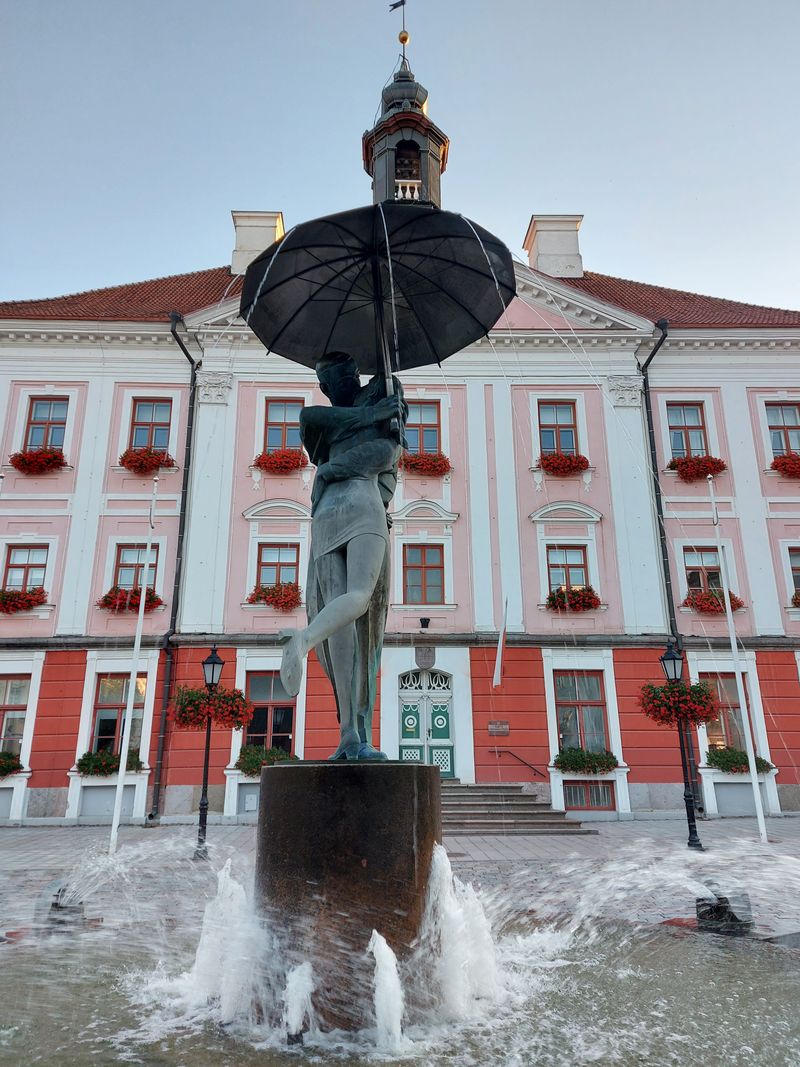
University students have walked Tartu’s streets since 1632, creating a continuous academic tradition that blends medieval scholarship with modern research. The town hall square features a fountain where locals meet and a pink neoclassical building that contrasts beautifully with surrounding medieval structures.
Cathedral ruins on Toome Hill stand as romantic reminders of 13th-century conflicts, their Gothic arches framing sky instead of stained glass. Estonian folklore gets serious academic study here—the university maintains archives of thousands of recorded folk songs, legends, and customs that researchers analyze for historical insights.
The Estonian National Museum displays traditional costumes, farming tools, and household items that illustrate daily life across centuries, making abstract history tangible through objects people actually used.
Student traditions include singing nights when groups gather spontaneously in the square, their harmonies echoing off stone buildings just as medieval scholars once chanted Latin lessons. Cafes and bookshops occupy medieval cellars with vaulted ceilings, creating atmospheric spaces where coffee drinkers sit surrounded by centuries-old stonework.
Ohrid Old Town — North Macedonia
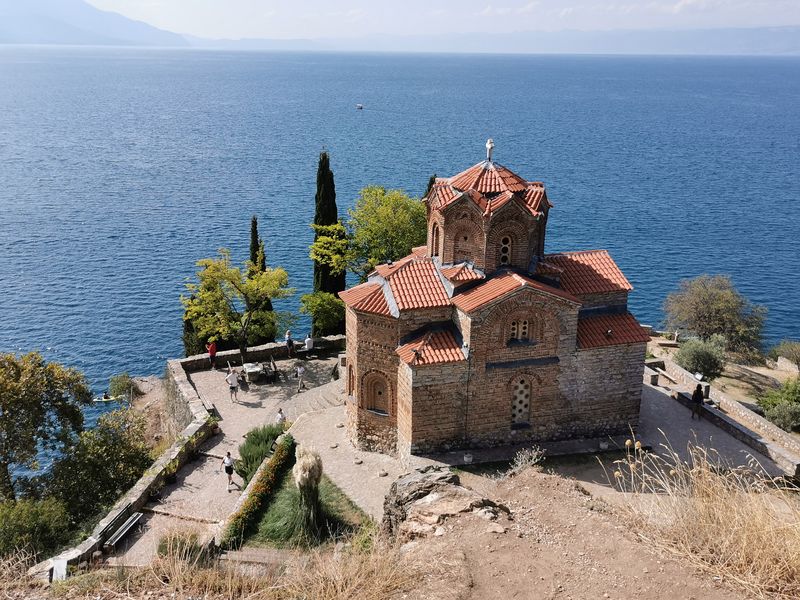
Ohrid once had 365 churches—one for each day of the year, according to local tradition. The old town climbs hillsides above the lake with Byzantine churches tucked into neighborhoods where residents still draw water from Ottoman-era fountains.
Samuel’s Fortress provides panoramic views across water so clear that ancient writers called it the Balkan’s eye. Frescoes inside St. Sophia Church date to the 11th century, depicting biblical scenes with faces that show distinctly Macedonian features—medieval artists painted their neighbors as holy figures.
The lakeside promenade follows paths where medieval fishermen once hauled nets filled with endemic trout species found nowhere else.
Local legends explain the lake’s formation through tears shed by mountain nymphs, and older residents still share stories about underwater churches visible on calm days. Traditional boat builders continue crafting wooden vessels using techniques passed through generations, and summer brings the Ohrid Summer Festival with classical music concerts in medieval churches that provide natural acoustics modern concert halls struggle to replicate.
Zamość — Poland
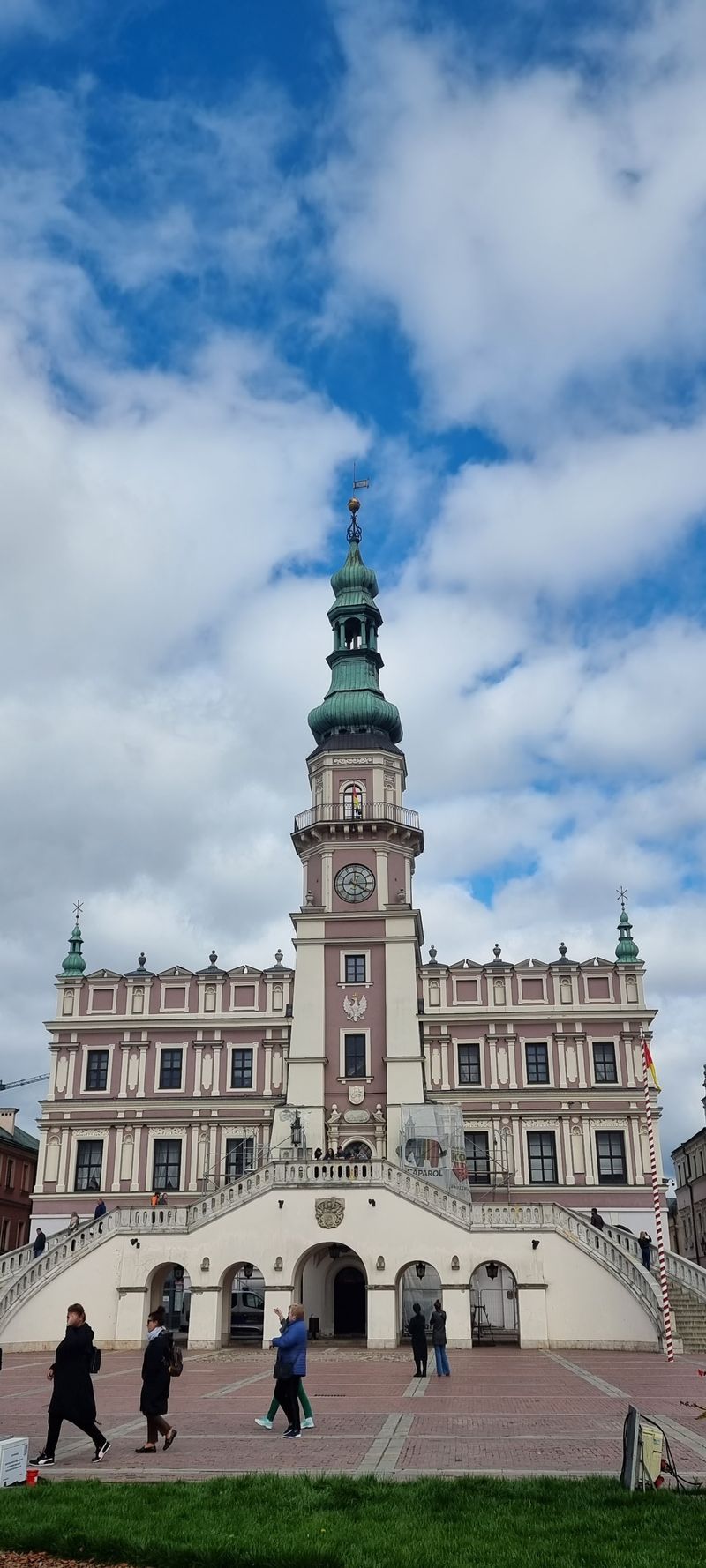
A wealthy nobleman hired an Italian architect to design the perfect Renaissance town in 1580, and Zamość emerged as a geometric masterpiece. The market square features arcaded walkways that protect shoppers from weather, with townhouses painted in coordinated colors that create visual harmony rare in medieval urban planning.
Fortifications shaped like a seven-pointed star surround the old town, representing cutting-edge military engineering when cannons made vertical walls obsolete. Armenian and Jewish merchants established communities here, attracted by religious tolerance unusual for the era, and their cultural influences appear in architectural details and local cuisine.
The town hall tower offers views across rooftops arranged in precise patterns that reveal the Renaissance obsession with mathematical proportion.
Artisan workshops still operate in medieval buildings—leather workers, jewelers, and weavers practice crafts using traditional methods alongside modern techniques. Folk festivals bring traditional costume parades and dancing that connects current residents to cultural practices maintained since the town’s founding, creating living continuity between past and present.



