 Unearth The Voyage
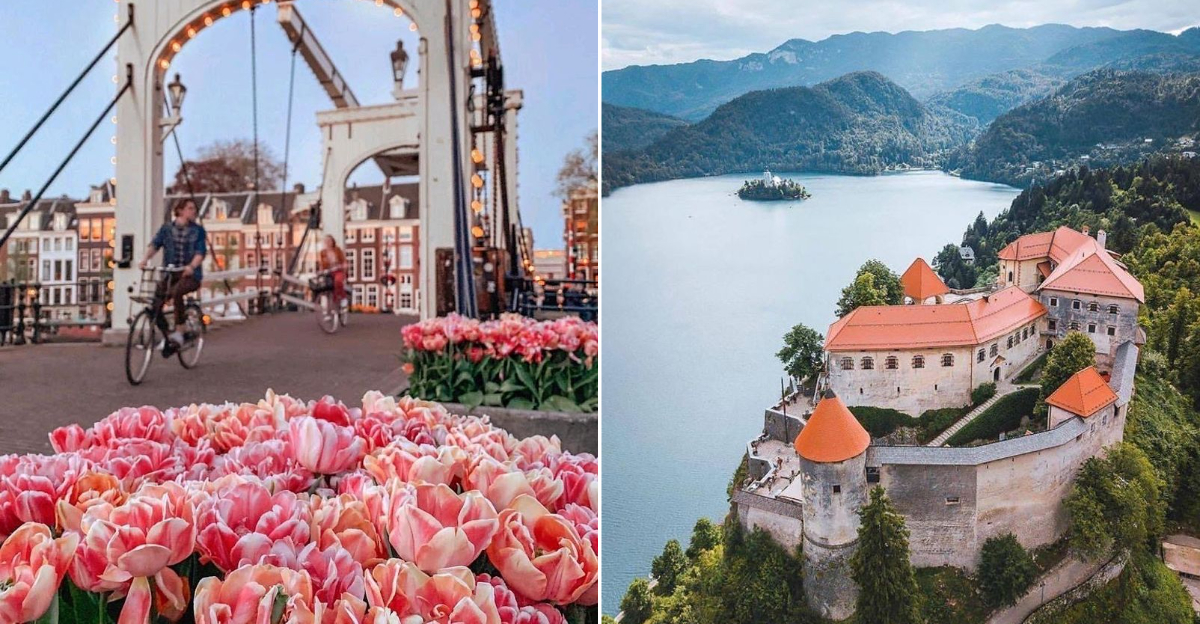
Peak summer in Europe sounds dreamy until you’re stuck in a sweaty queue for three hours just to see a famous fountain. I learned this the hard way in Rome, surrounded by a thousand selfie sticks and zero personal space.
Shoulder season, those sweet weeks in April, May, September, and October, changes everything. The crowds thin out, prices drop, and suddenly you’re actually experiencing the place instead of just surviving it.
Venice, Italy
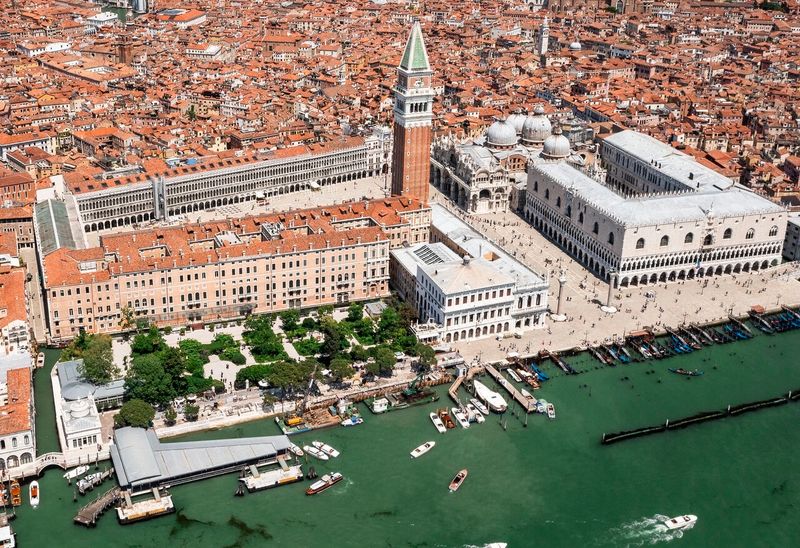
Venice in July is basically a floating sauna packed with tourists. Go in October instead, and the city feels like it belongs to you.
The canals are calm, the light turns golden, and the locals actually smile at you.
Prices for hotels drop significantly after September, which means you can finally afford that canal-view room without selling a kidney. The famous vaporetto water buses are actually rideable without squeezing past forty strangers.
Fog rolls in during late autumn, giving Venice that mysterious, cinematic look you always wanted in photos. The Doge’s Palace has manageable lines, and you can walk across the Rialto Bridge without being elbowed.
Restaurants stop handing out tourist-trap menus and start serving real food. Shoulder season Venice is the version worth falling for.
Seville, Spain
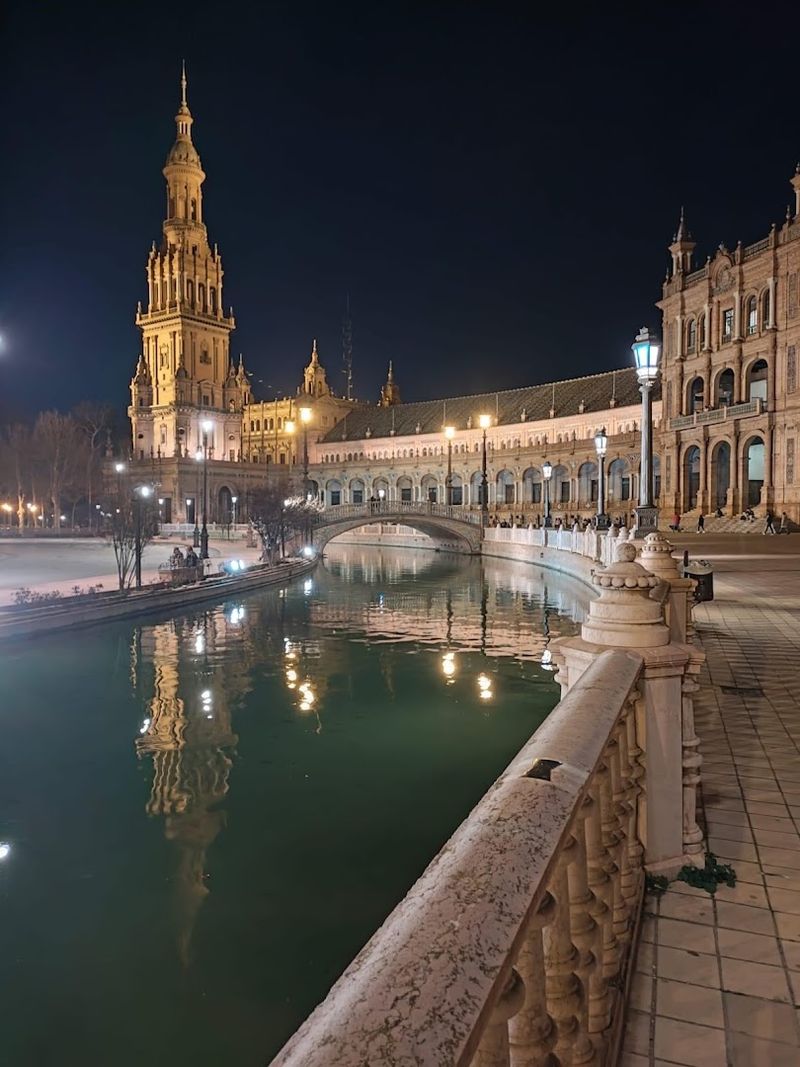
Seville in August sits at around 40 degrees Celsius, which is less “charming Spanish city” and more “surface of the sun.” April and May are when this city truly earns its reputation for beauty.
The orange trees are blooming, the air smells incredible, and the Alcazar gardens are green and lush. Flamenco shows are easier to book, and you won’t need to reserve a tapas bar three weeks in advance.
I visited in late April and wandered the Santa Cruz neighborhood for hours without bumping into organized tour groups every five minutes. The Easter season, Semana Santa, brings spectacular processions that are genuinely unlike anything else in Europe.
Shoulder season here means experiencing real Andalusian culture rather than a theme-park version of it. Come for the weather, stay for the churros and the city that never stops surprising you.
Dubrovnik, Croatia
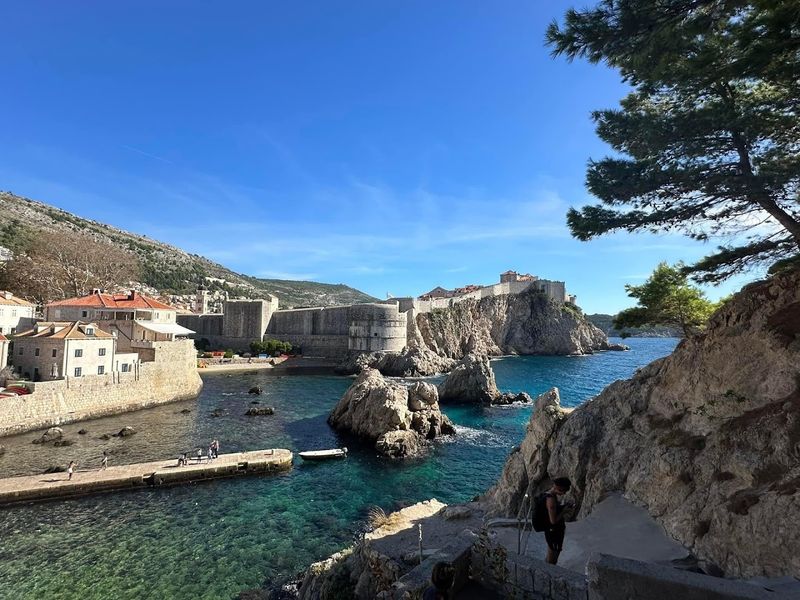
Dubrovnik earned the nickname “King’s Landing” after Game of Thrones, and with that came crowds so thick the city had to cap daily visitor numbers. September fixes most of this drama without sacrificing the weather.
The Adriatic is still warm enough for swimming, the sea stays brilliantly blue, and the famous city walls walk is actually enjoyable rather than a slow-moving human traffic jam. Hotel rates can drop by thirty percent compared to peak July rates.
The cable car up Mount Srd offers panoramic views without a two-hour wait, and the old town restaurants are back to being restaurants rather than conveyor belts. October brings even quieter streets and golden light that makes every photo look professionally edited.
Kayaking around the city walls becomes a genuinely peaceful experience. Dubrovnik in shoulder season feels like the secret version of the city that locals have been quietly enjoying all along.
Lisbon, Portugal
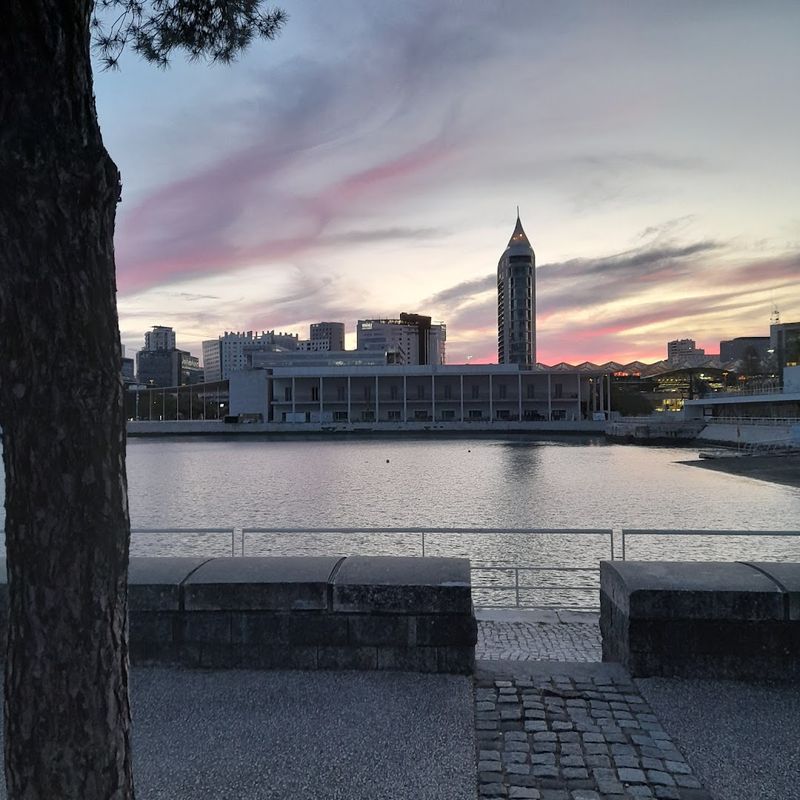
Lisbon is one of those cities that somehow keeps getting discovered, yet never quite loses its charm. The trick is showing up in May or October when the tourists haven’t fully invaded yet.
Spring brings mild temperatures around 20 degrees, meaning you can actually climb those legendary hills without arriving at the viewpoint completely drenched. The miradouros, the city’s famous lookout points, are peaceful enough to sit and enjoy rather than just photograph frantically.
Fado music sounds even more soulful in a half-empty restaurant where you can actually hear every note. The famous pasteis de nata at Pasteis de Belem have shorter queues, which is practically a miracle.
Tram 28 becomes rideable for pleasure rather than just a test of endurance. Lisbon’s shoulder season is when the city slows down just enough to let you catch your breath and actually fall in love with it properly.
Porto, Portugal
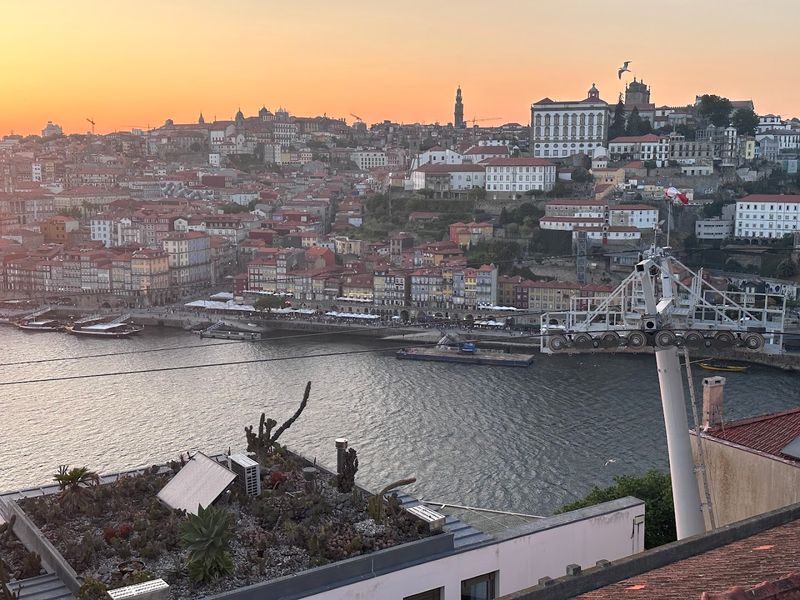
Porto is the cooler, grittier sibling of Lisbon, and honestly, it might be the better destination for shoulder season travel. September and October bring harvest season to the Douro Valley wine region right next door.
Wine tours become a genuine highlight rather than a rushed add-on, and the quintas, the wine estates, welcome visitors with far more warmth when they’re not overrun. The Ribeira waterfront is photogenic year-round, but autumn light makes it extraordinary.
Port wine tastings at the Vila Nova de Gaia cellars are relaxed and unhurried, the way tastings should be. The famous Livraria Lello bookshop, which inspired Harry Potter, has shorter queues in October and the timed entry system is easier to book.
Street food markets in Porto are local affairs in shoulder season rather than tourist showcases. This city rewards visitors who show up when nobody else is paying attention.
Amsterdam, Netherlands
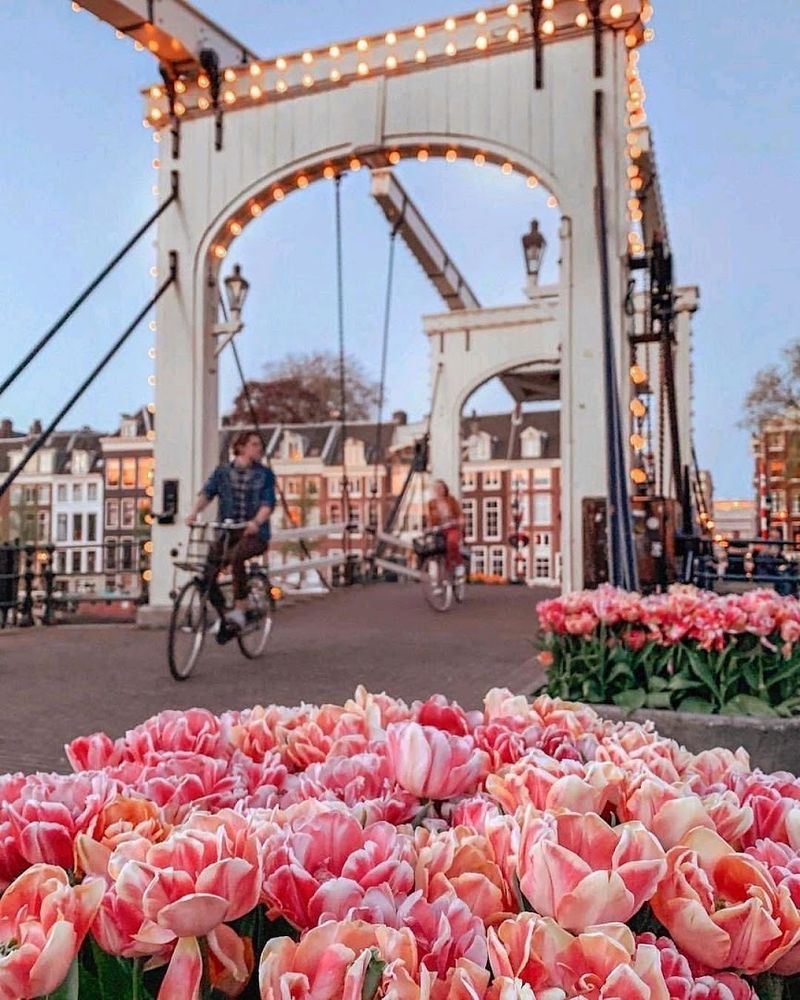
Amsterdam in peak summer is a bicycle obstacle course with a canal running through it. April and May, however, are when this city genuinely earns its postcard reputation.
The tulip fields at Keukenhof are in full bloom just outside the city, turning the Netherlands into something that looks almost unrealistically colorful. Canal boat tours are available without booking weeks in advance, and the Anne Frank House queue, while never short, is at least manageable with timed tickets.
The Rijksmuseum and Van Gogh Museum are busy but not suffocating, giving you actual time to stand in front of a Rembrandt and think your thoughts. September brings a second shoulder season window with comfortable temperatures and the famous Jordaan neighborhood in beautiful early autumn colors.
Amsterdam’s bike-friendly streets are far more enjoyable when you’re not dodging peak-season crowds at every turn. This city rewards the patient traveler generously.
Bruges, Belgium
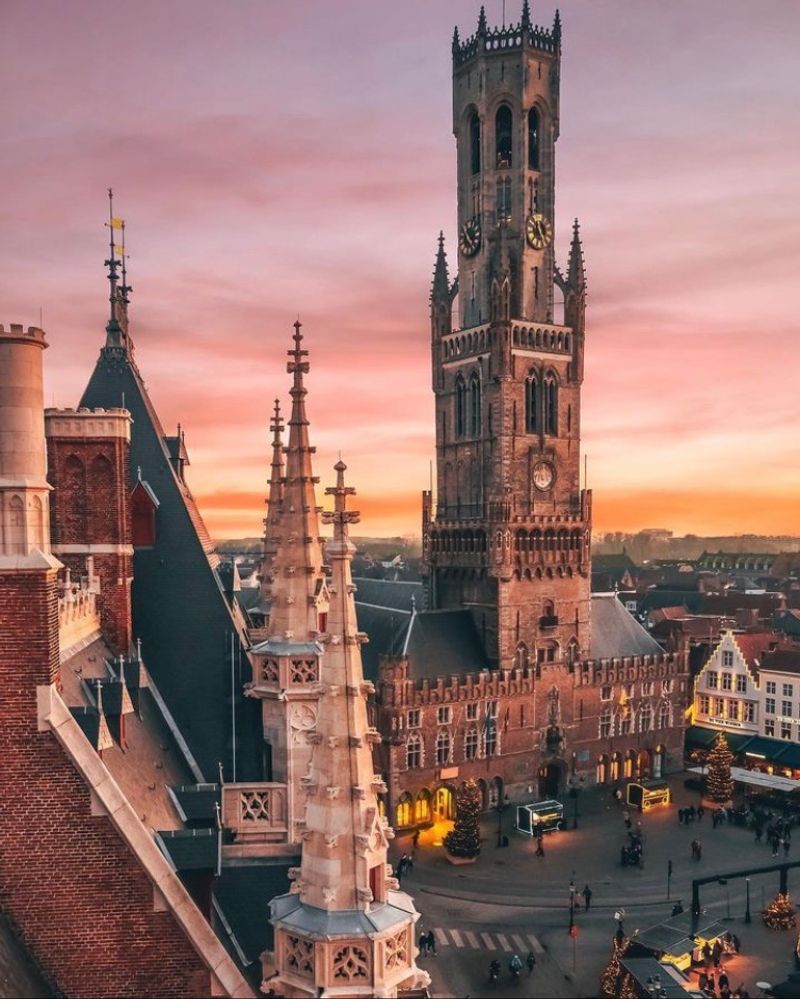
Bruges is so perfectly preserved it almost looks fake, like someone built a medieval theme park and forgot to charge admission. The problem is that in July, everyone in Europe has the same realization simultaneously.
October and November strip away the crowds and leave behind a moody, atmospheric city that suits its Gothic architecture perfectly. The famous canal swans are still there, the chocolate shops are still open, and the Belgian beer is still exceptional.
Visiting the Groeningemuseum to see the Flemish Primitives collection takes twenty minutes instead of two hours. The belfry tower climb rewards you with views over misty rooftops rather than a sea of summer umbrellas.
Spring is equally rewarding, with window boxes blooming and temperatures that make long walks genuinely pleasant. Bruges in shoulder season feels like stepping into a painting rather than a tourist attraction, which is exactly the difference that makes it worth timing correctly.
Ghent, Belgium
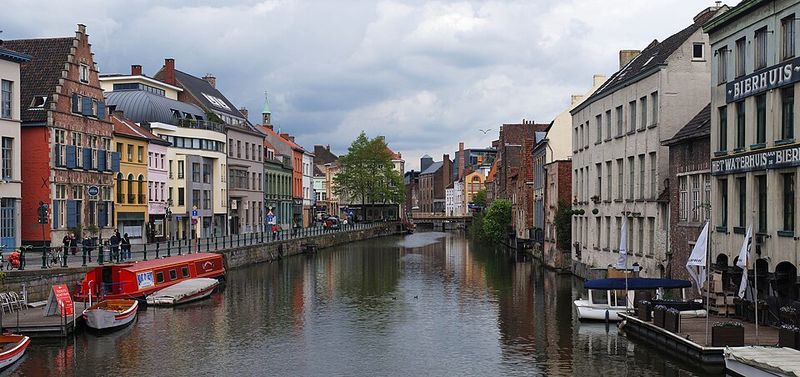
Ghent is Belgium’s open secret, the city that Bruges tourists drive past on their way to somewhere more famous. That oversight is your gain, especially in shoulder season.
The Graslei waterfront, lined with medieval guild houses, is genuinely stunning and rarely overwhelmed with visitors even in peak season. In May or September, you practically have it to yourself.
The Ghent Altarpiece in St. Bavo’s Cathedral is one of the most important paintings in Western art history, and the viewing experience in shoulder season is calm and respectful.
Ghent’s student population keeps the restaurant and bar scene buzzing authentically year-round, meaning the city never feels like it’s performing for tourists. The Gravensteen castle sits right in the city center and is far easier to explore when it’s not packed.
I spent an entire afternoon wandering Patershol, the medieval quarter, without consulting a map once. That kind of relaxed discovery is what shoulder season gives you.
Vienna, Austria
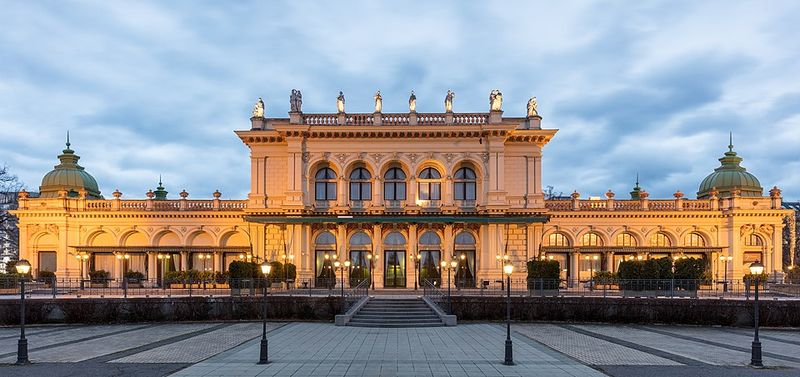
Vienna takes itself seriously, which is exactly why it thrives in shoulder season. This is a city built for opera, coffee houses, and long museum afternoons, none of which benefit from summer crowd chaos.
September and October bring the new cultural season, meaning fresh opera productions, new exhibitions, and a city that feels energized rather than exhausted by tourist traffic. The Kunsthistorisches Museum is magnificent in any season, but visiting without fighting for space in front of the Vermeers is a different experience entirely.
Schonbrunn Palace gardens turn golden in autumn, and the outdoor cafes stay open well into October with space to actually sit down. The famous Viennese coffee house culture, where nobody rushes you and the cake slices are architectural achievements, is best enjoyed when the city operates at its natural pace.
Spring brings the Prater park to life with chestnut blossoms. Vienna in shoulder season feels like the city finally exhales.
Prague, Czechia
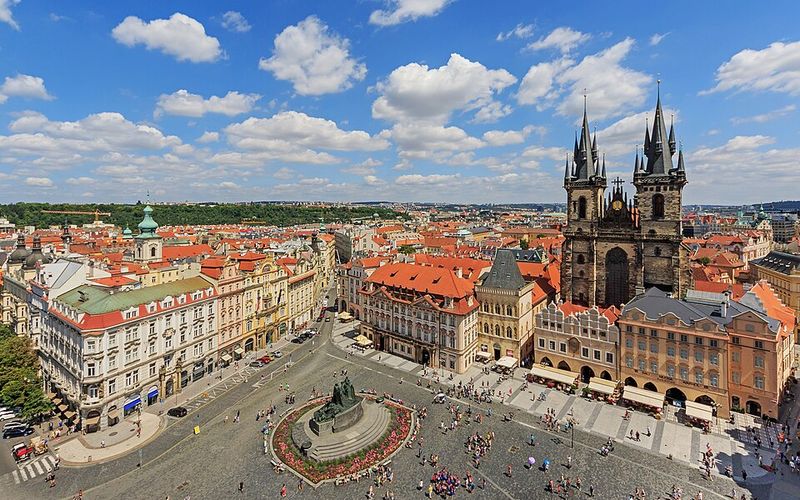
Prague’s Charles Bridge at 7am in May is one of Europe’s best-kept secrets, and I am absolutely not sorry for sharing it here. Get there early, and you’ll have thirty baroque statues and a castle view almost entirely to yourself.
Peak summer turns this bridge into a shoulder-to-shoulder shuffle that takes twenty minutes to cross. Shoulder season, particularly May and September, restores it to the romantic landmark it was always meant to be.
Hotel prices in Prague drop noticeably outside July and August, making this already affordable city genuinely excellent value.
The Old Town Square astronomical clock draws crowds in any season, but shoulder season means you can actually see it without craning your neck around someone’s selfie stick. Czech beer is the same price year-round, which is always good news.
Prague Castle has manageable lines in spring and autumn, and the city’s jazz bars feel properly atmospheric when they’re not packed to the walls.
Oslo, Norway
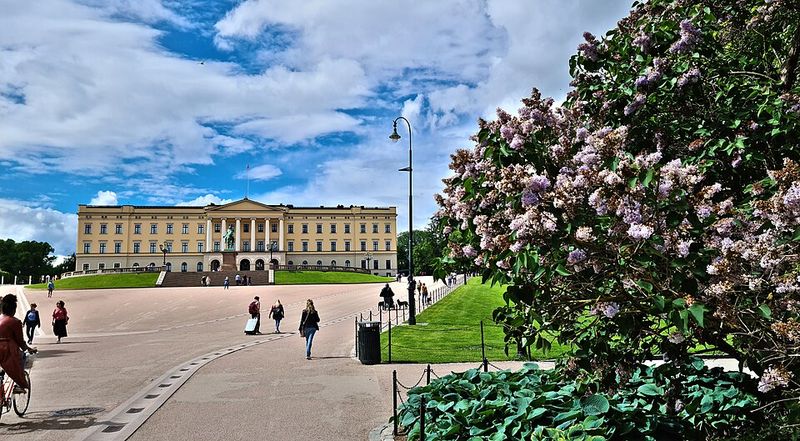
Norway’s capital doesn’t get the credit it deserves, partly because people assume it’s just a transit stop before the fjords. That assumption is wrong, and shoulder season proves it spectacularly.
May brings long days, blooming parks, and the kind of fresh Scandinavian air that makes everything feel slightly more alive. The Viking Ship Museum and the Fram polar exploration ship are fascinating year-round, but October visits mean skipping the summer cruise-ship influxes that can overwhelm the waterfront.
Oslo’s Aker Brygge harbor area is genuinely lovely in early autumn, with fewer crowds and the Oslofjord still calm enough for boat trips. The Munch Museum, home to The Scream, is best visited when you can actually spend time with the artwork rather than shuffling past it.
Yes, Oslo is expensive regardless of season, but shoulder season hotel rates are at least slightly less eye-watering. Budget smartly and this city absolutely delivers.
Reykjavík, Iceland
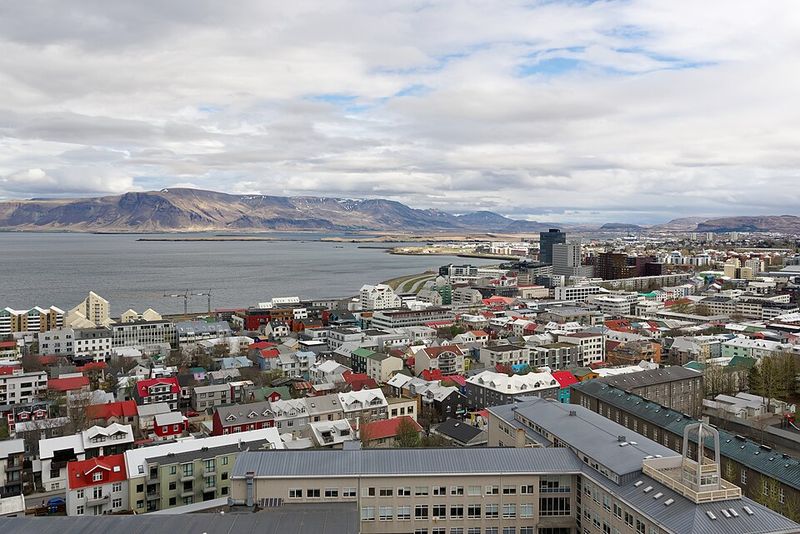
Here is the thing about Reykjavik in peak summer: the sun never sets, which sounds magical until you’re trying to sleep at 2am with full daylight pouring through the curtains. September is the sweet spot.
The northern lights start appearing in late August and September, the tourist numbers drop significantly after the summer peak, and prices for tours and accommodation follow them downward. The famous Golden Circle route, covering Gullfoss, Geysir, and Thingvellir National Park, is far more enjoyable without convoys of rental cars at every stop.
Reykjavik itself is a compact, walkable city with excellent restaurants, a lively music scene, and the kind of quirky independent shops that feel genuinely Icelandic rather than tourist-targeted. The Blue Lagoon requires advance booking in any season, but September slots are easier to secure.
Whale watching tours continue well into autumn with good sighting rates. Iceland’s shoulder season is the version that actually delivers on the country’s legendary reputation.
Bled, Slovenia
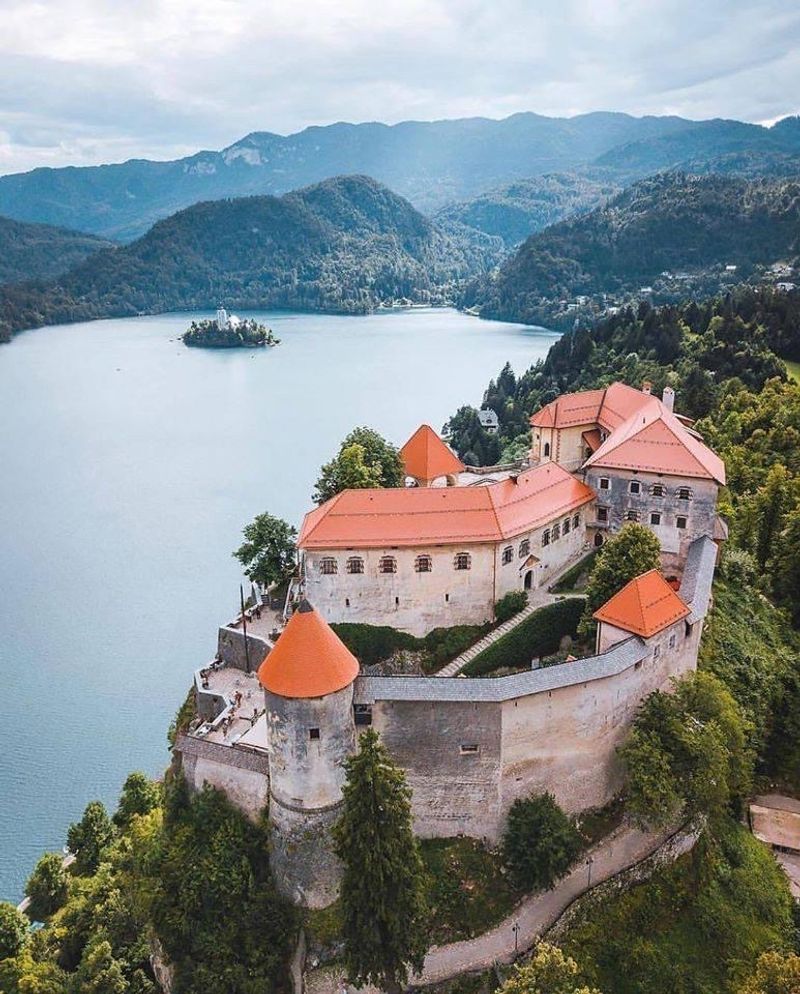
Lake Bled looks like someone designed it specifically to go viral on social media, which is exactly why July turns it into a photo-booth queue rather than a lake. September changes everything.
The water stays warm enough for swimming well into early autumn, the famous pletna boats, traditional wooden rowboats, are available without long waits, and the surrounding Julian Alps start showing early autumn color. Bled Castle perched on its cliff above the lake is best visited on a weekday in September when you can actually lean on the battlements and think.
The cream cake at Park Cafe, Bled’s legendary kremna rezina, tastes exactly the same in October as in July, but you can get a table immediately. Hiking trails around the lake are quiet and genuinely beautiful in autumn.
Triglav National Park nearby offers world-class walking without the summer crowds. Slovenia as a whole is underrated, and Bled in shoulder season is the argument for why it deserves far more attention.
Valletta, Malta
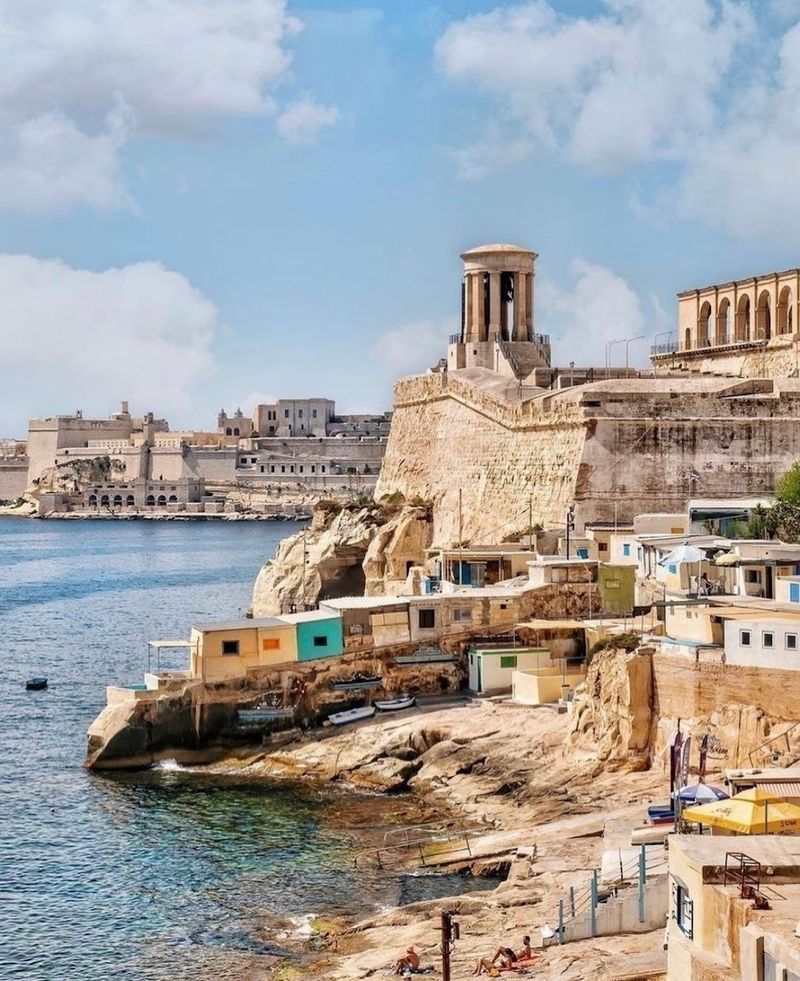
Valletta is Europe’s smallest capital city, which means summer heat plus summer crowds creates a very particular kind of overwhelming. April and May are when this baroque gem actually breathes.
Spring temperatures hover around 20 degrees, the wildflowers are out across the Maltese countryside, and the Grand Harbour, one of the most spectacular natural harbors in the Mediterranean, is best viewed from the Upper Barrakka Gardens without battling for a spot at the railing. The Knights of St. John left behind an extraordinary concentration of history here, and the St. John’s Co-Cathedral deserves unhurried appreciation.
October brings another excellent window, with warm sea temperatures perfect for the Blue Grotto boat trips and the island’s famous diving sites. Maltese food, a blend of Sicilian, North African, and British influences, is best explored in local restaurants that cater to residents rather than resort guests.
Valletta earned its European Capital of Culture title for good reason, and shoulder season lets you actually discover why.



