Some actresses are remembered for their roles, their awards, or their unforgettable one-liners. But a handful of female leads have left behind something just as powerful as any performance: their hair.
Curly, coily, wavy, and wild, these women wore their natural texture with such confidence that their curls became as recognizable as their faces. From sitcom icons to prestige drama stars, their hair told a story before they even spoke a single line.
This list celebrates 14 remarkable women whose curly hair became more than a styling choice. It became a signature, a statement, and in many cases, a cultural moment that fans still talk about today.
Sarah Jessica Parker
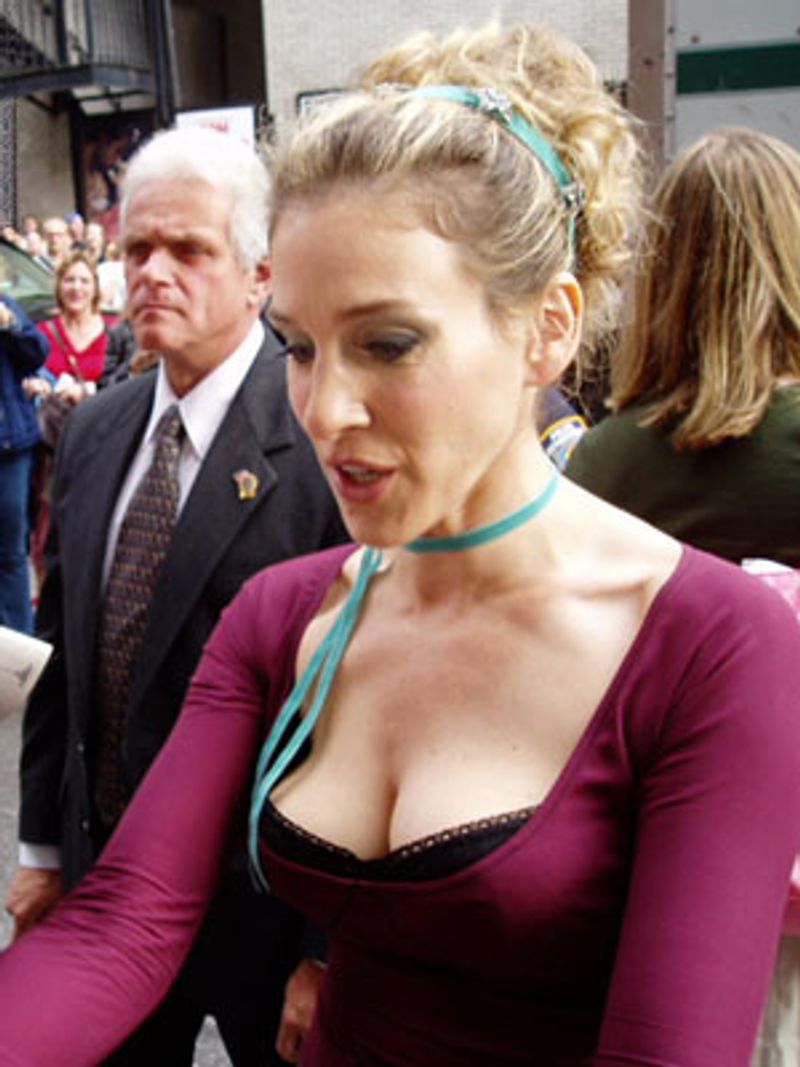
Before Carrie Bradshaw became a fashion icon, her curly blonde hair was doing most of the heavy lifting. Sarah Jessica Parker wore a cascade of loose, bouncy curls throughout the run of Sex and the City, and those ringlets became as much a part of the character as her Manolo Blahniks and her love of New York City.
The curls were intentional. Stylist Serge Normant worked with Parker to create a look that felt free-spirited, romantic, and a little untamed.
It matched Carrie perfectly. Even as the character evolved over six seasons and two films, the curls stayed, anchoring her identity.
Parker herself has naturally wavy hair, but the amplified curls of Carrie Bradshaw took on a life of their own. Fans around the world started requesting “the Carrie” at salons, cementing her place in curly hair history.
Julia Roberts
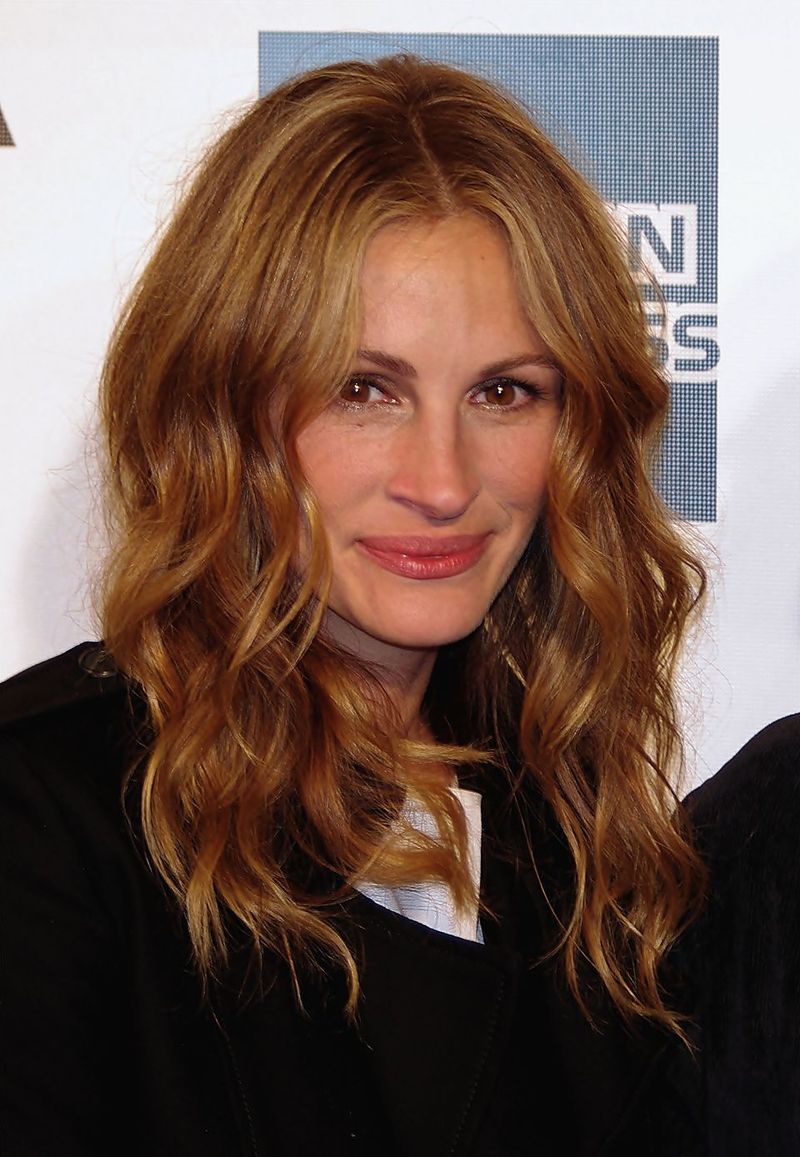
Nobody made big, untamed curls feel like a superpower quite the way Julia Roberts did in the early 1990s. Her hair in Pretty Woman practically had its own billing.
Voluminous, frizzy at the edges, and completely unapologetic, those curls helped define a character who was raw, real, and impossible to look away from.
Roberts did not shy away from her natural texture. At a time when sleek and straight was the dominant beauty standard in Hollywood, she leaned into the volume and the wildness.
It was a quiet act of confidence that resonated with audiences everywhere.
Even as her career expanded into dramatic roles and prestige films, the curls remained her most recognizable physical trait. Erin Brockovich, Notting Hill, My Best Friend’s Wedding: no matter the character, the hair showed up ready.
Julia Roberts and her curls are simply inseparable.
Keri Russell
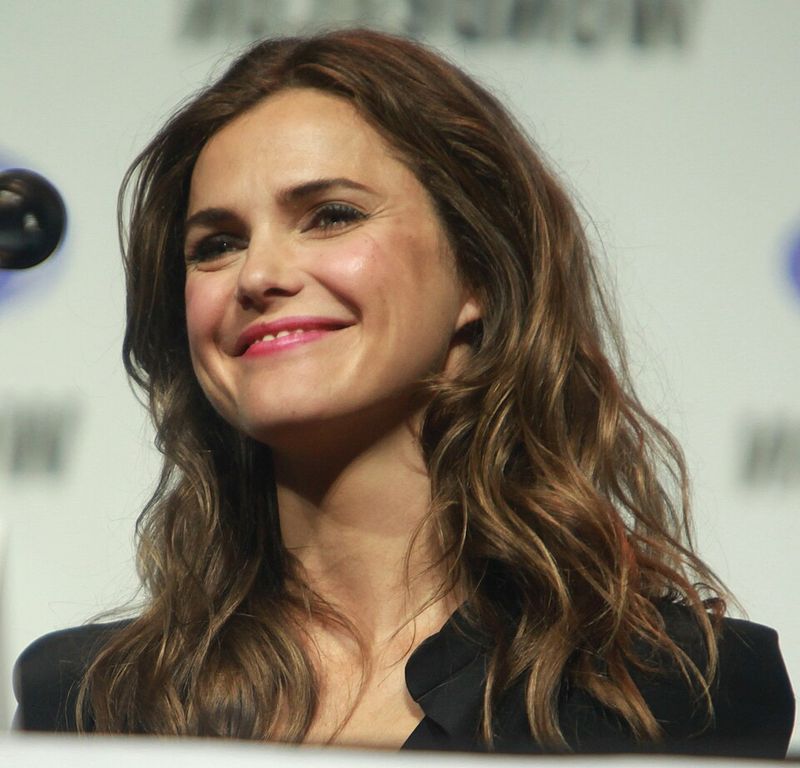
Few haircuts in television history caused as much public discussion as the one Keri Russell got between seasons of Felicity. When she chopped off her long, spiral-curled hair in 1999, the ratings dropped and the internet (still young at the time) erupted.
That reaction said everything about how deeply fans had connected with those curls.
Russell’s hair on Felicity was genuinely extraordinary. Long, thick, and full of defined ringlets, it became the visual shorthand for the character’s warmth and sincerity.
Viewers felt like they knew Felicity partly because of how her hair moved through every emotional scene.
The short cut eventually grew back, and Russell went on to deliver acclaimed work in The Americans and other projects. But the cultural memory of those Felicity curls has never fully faded.
They remain one of the most talked-about hair moments in 1990s television, and that is not a small distinction.
Tracee Ellis Ross
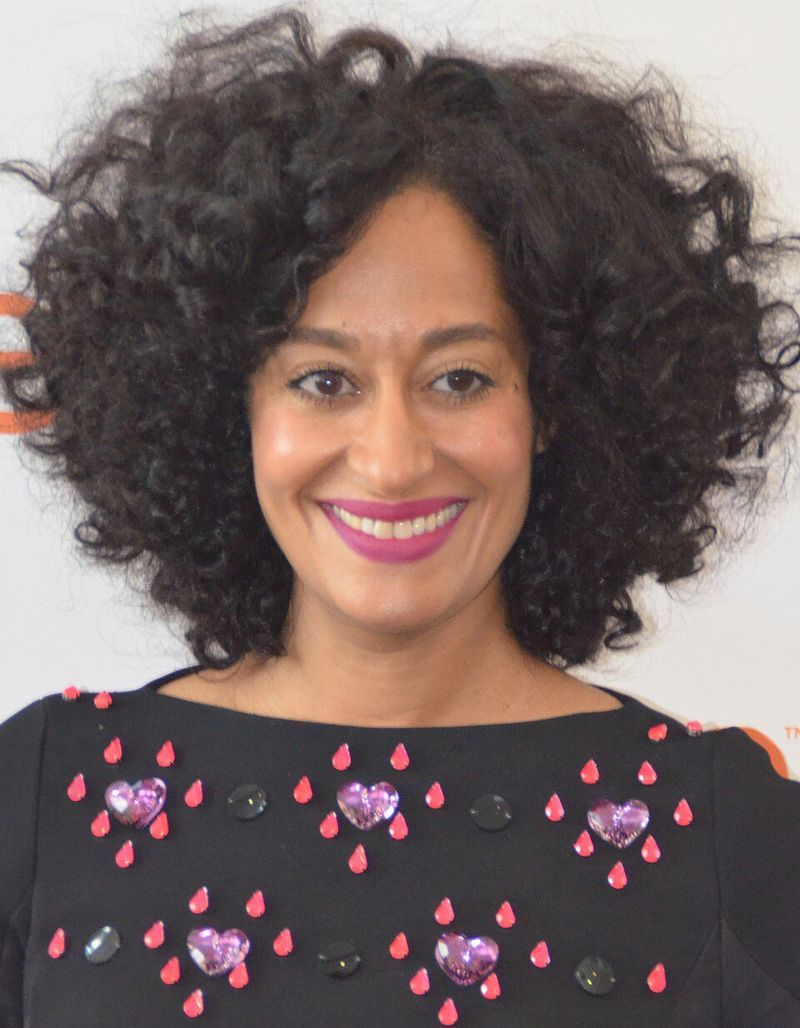
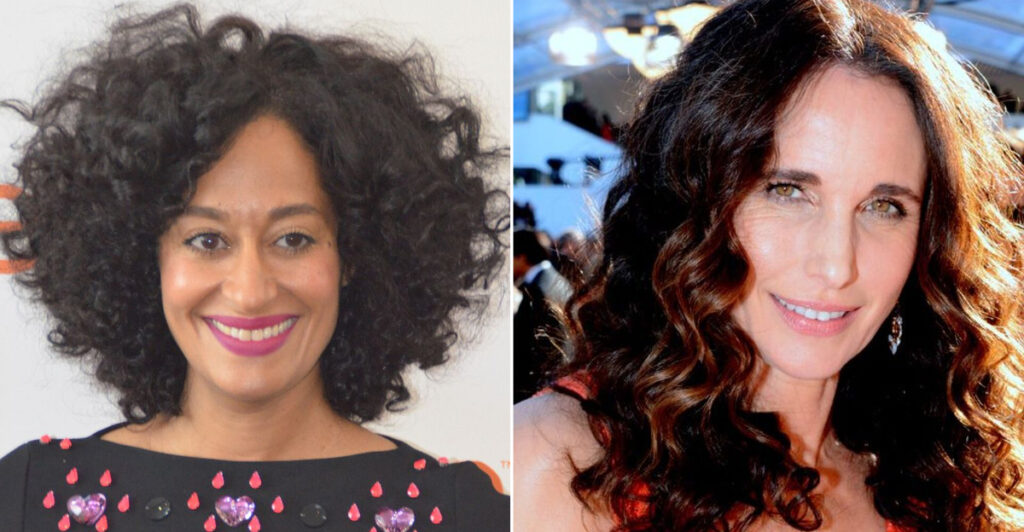
Tracee Ellis Ross has made it her mission to celebrate natural Black hair, and she has done it with style, humor, and zero apology. As Joan on Girlfriends and later as Rainbow Johnson on Black-ish, her curly, coily hair was always front and center, and that was entirely by design.
Ross has spoken openly about the importance of seeing natural hair represented on mainstream television. She has been a vocal advocate for the CROWN Act, legislation aimed at protecting people from discrimination based on natural hair texture and style.
Her advocacy goes well beyond red carpet appearances.
She also launched Pattern Beauty, a hair care line specifically designed for curly, coily, and tight-textured hair. Ross turned her personal experience into a business that serves a community that had long been underrepresented in the beauty industry.
Her curls are not just part of her look. They are part of her platform.
Debra Messing
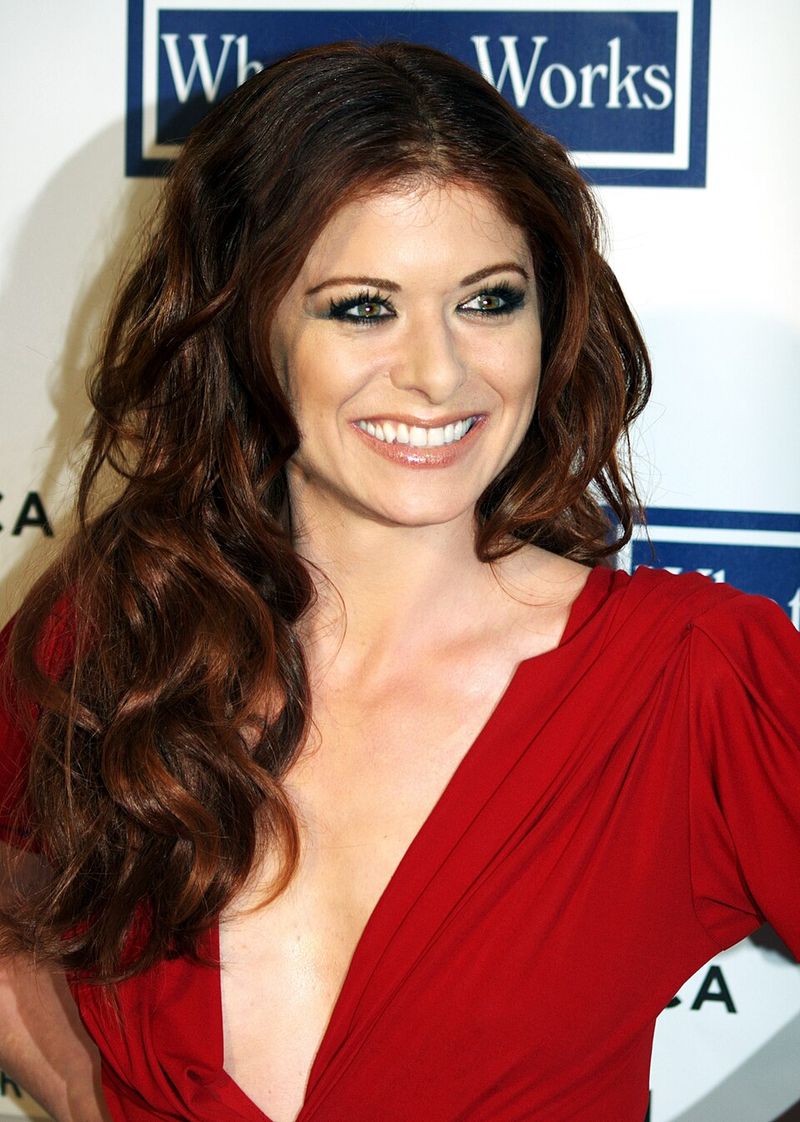
Red curls are their own category of memorable, and Debra Messing’s hair on Will and Grace set a standard that is hard to beat. Her auburn ringlets were abundant, expressive, and somehow always perfectly disheveled in a way that felt completely natural to Grace Adler’s chaotic energy.
Messing has naturally curly hair, and the show leaned into that texture rather than smoothing it away. The result was a character whose hair felt like an extension of her personality: big, warm, a little unpredictable, and very hard to ignore.
Grace without those curls would have been a different show.
Will and Grace ran for eleven seasons across two separate runs, and through all of it, the curls held steady as one of the most recognizable elements of the series. Messing’s hair has been referenced, recreated, and celebrated by fans for more than two decades, which is a legacy worth acknowledging.
Andie MacDowell
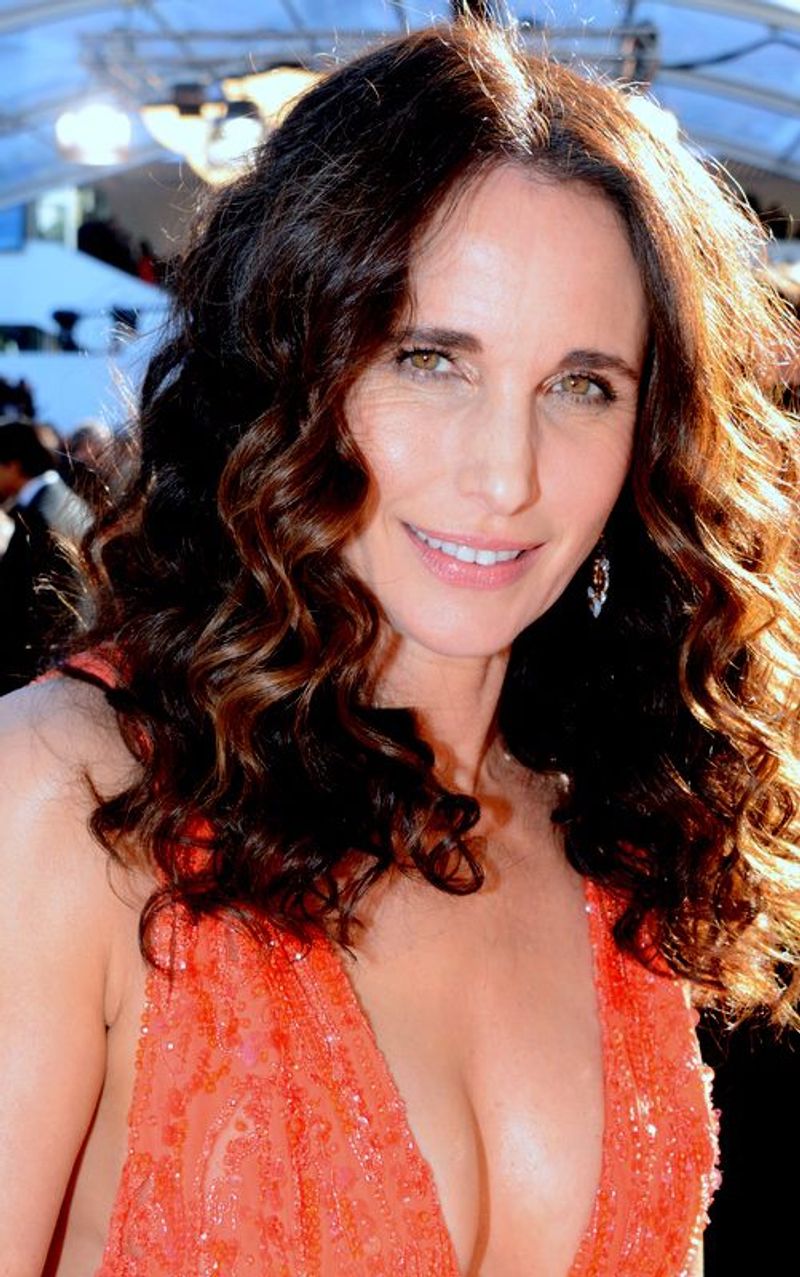
Andie MacDowell’s dark, voluminous curls have been one of Hollywood’s most enduring signatures since the late 1980s. Whether she was playing a romantic lead in Four Weddings and a Funeral or a woman reliving her day in Groundhog Day, her hair was always a presence in its own right.
What makes MacDowell’s curls especially notable is how she has continued to embrace them as she has gotten older. While many actresses in Hollywood feel pressure to conform to more polished, straightened styles as they age, MacDowell has stayed true to her natural texture.
She has been open about rejecting that pressure.
In 2021, she made headlines at the Cannes Film Festival when she walked the red carpet with her natural silver-streaked curls fully on display. The response was overwhelmingly positive, and she used the moment to speak about aging authentically.
Her hair has always been a statement, and it still is.
Nicole Kidman
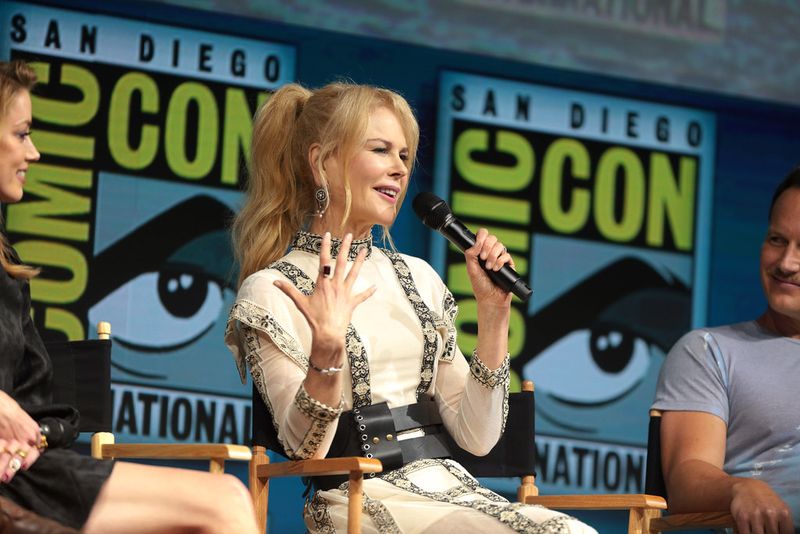
Nicole Kidman’s curly red hair from the early part of her career is the stuff of genuine Hollywood legend. In films like Days of Thunder and Moulin Rouge, those wild, spiraling red curls were so striking that they became part of how an entire generation of moviegoers pictured her.
The hair was almost otherworldly in its volume and color.
Kidman has since worn her hair in many different styles, and she has been open about the fact that her natural texture is curly. For years, she straightened it for certain roles and red carpet appearances, which made the moments when the curls returned feel like something worth celebrating.
The Undoing brought some of those wavy, textured looks back into the spotlight, reminding audiences of what made her early image so unforgettable. Kidman’s curls represent a specific era of cinema that fans return to with real affection, and the hair is a big part of why.
Issa Rae
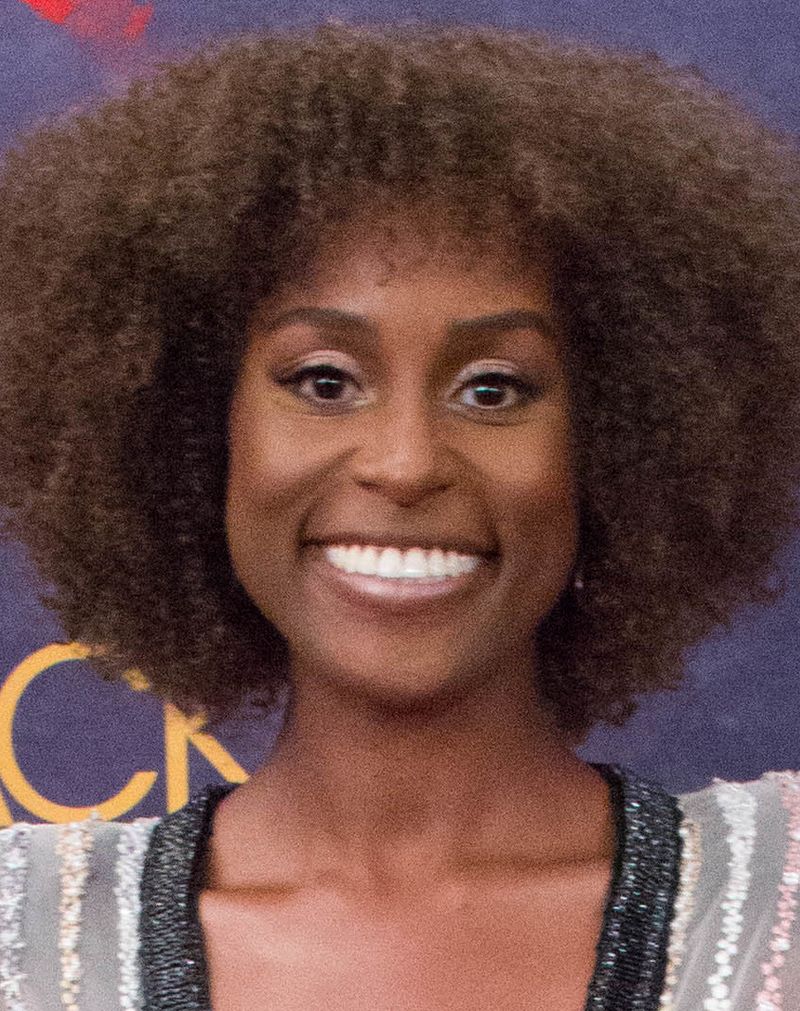
Issa Rae built her career on authenticity, and her hair has always been part of that story. From her early YouTube series The Misadventures of Awkward Black Girl to her acclaimed HBO show Insecure, Rae has cycled through a wide range of natural styles, including twist-outs, wash-and-go curls, and protective styles, and every choice felt intentional.
Insecure was notable for the way it showcased the full range of Black hair culture. Characters talked about their hair, changed their hair, and used their hair to express where they were emotionally.
That level of representation was genuinely rare in prestige television, and Rae made sure it was part of the fabric of the show.
Off screen, Rae has been consistent about wearing her natural texture on red carpets and in press appearances. She has helped normalize the idea that natural Black hair belongs in every professional and creative space, and that message has reached a very wide audience.
Yara Shahidi
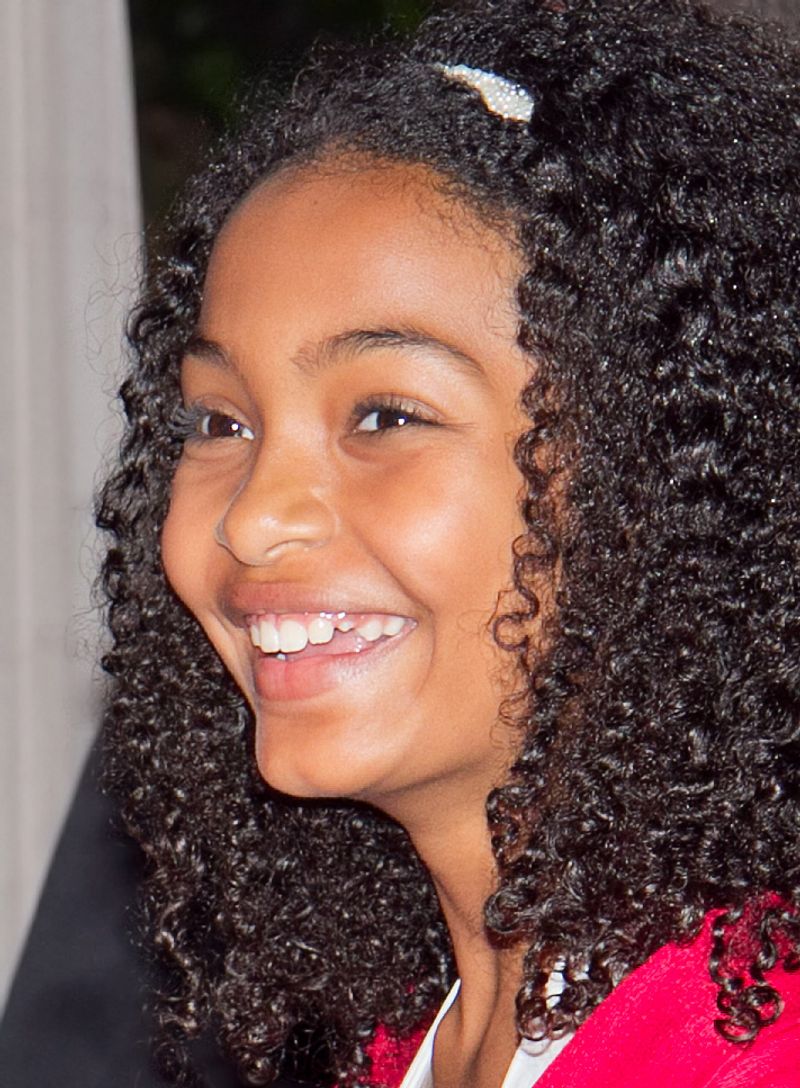
Yara Shahidi has been wearing her natural hair as a form of self-expression since she first appeared on Black-ish as a teenager. Her big, beautiful afro became one of the most recognizable hairstyles on television during the show’s run, and it carried real cultural weight for young viewers who saw themselves reflected on screen.
When Shahidi got her own spinoff series, Grown-ish, her hair continued to evolve in ways that felt true to her character’s journey. She explored different natural styles without ever abandoning her texture, which sent a clear and consistent message about self-acceptance to the show’s largely young audience.
Beyond acting, Shahidi is a Harvard graduate and a vocal activist who has used her platform on issues ranging from civic engagement to representation in media. Her hair has always matched the confidence of her public presence.
It is a visible part of who she is, not just how she looks.
Michaela Coel
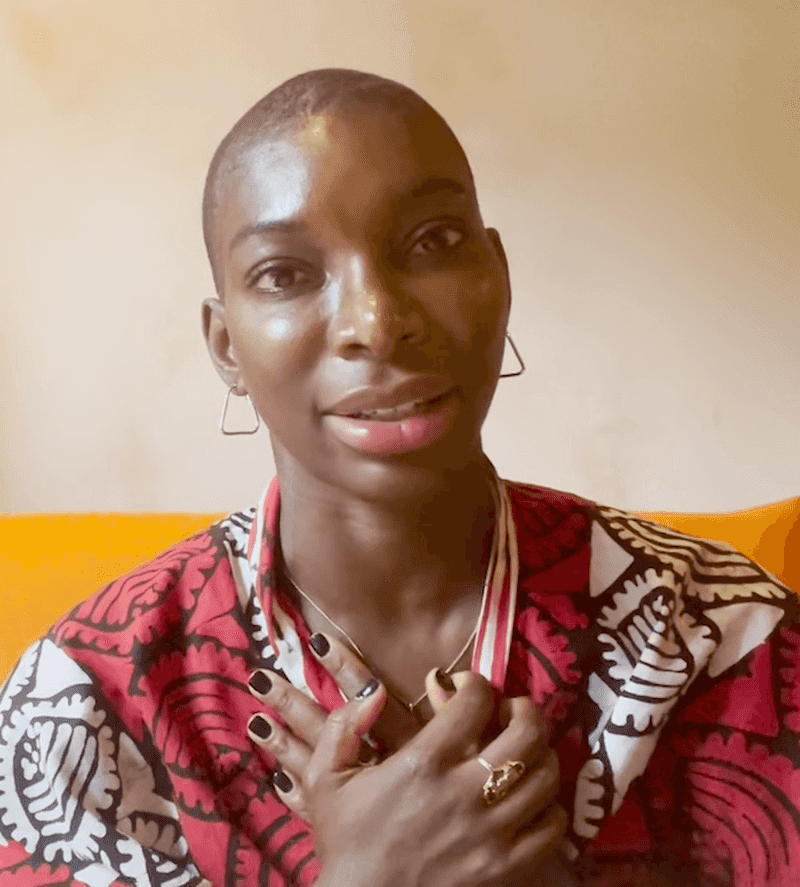
Michaela Coel is one of the most original creative voices to emerge from British television in the past decade, and her natural hair has always been part of the bold, unfiltered image she presents to the world. In Chewing Gum, her coily, natural hair matched the anarchic energy of her character Tracey.
In I May Destroy You, it carried something quieter and more complex.
Coel does not separate her physical appearance from her artistic identity. She has spoken in interviews about the importance of showing up as her full self, which includes her hair, her heritage, and her perspective as a Black British woman working in an industry that has not always made space for that.
Her Emmy win for I May Destroy You, a show she wrote, directed, and starred in, was a landmark moment. Standing at that podium with her natural hair, she represented something much larger than a single award.
She was a statement in herself.
Julia Louis-Dreyfus
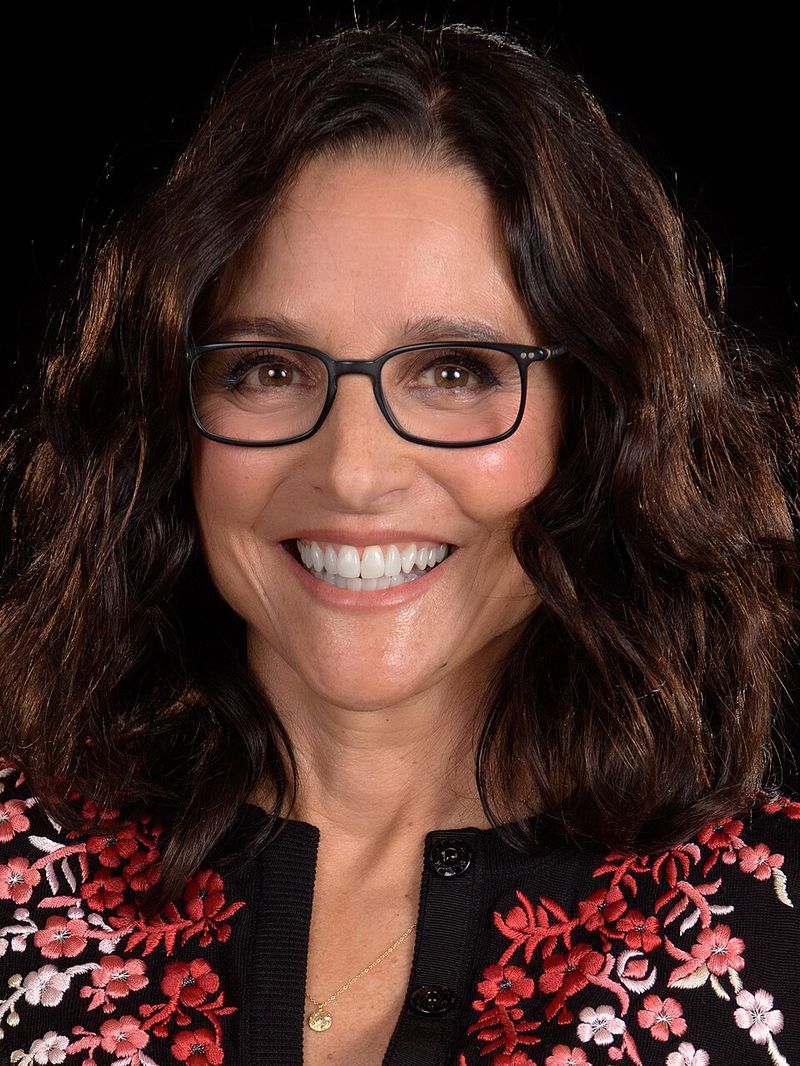
Elaine Benes had opinions about everything, including, famously, other people’s hair. The irony is that Julia Louis-Dreyfus’s own curly hair was one of the most beloved things about the character.
Elaine’s dark, layered curls became synonymous with a specific kind of sharp, urban wit that defined 1990s television comedy.
Louis-Dreyfus wore her natural curl pattern throughout Seinfeld’s nine-season run, and the hair aged beautifully with the character. It was always styled with just enough polish to look put-together without losing its natural bounce.
That balance was part of what made Elaine feel real rather than overly produced.
After Seinfeld, Louis-Dreyfus continued delivering award-winning performances in Veep and other projects. Her hair evolved over the years, but the curly foundation remained a consistent thread.
She is one of the most decorated actresses in Emmy history, and her curls were present for nearly all of it.
Emmy Rossum
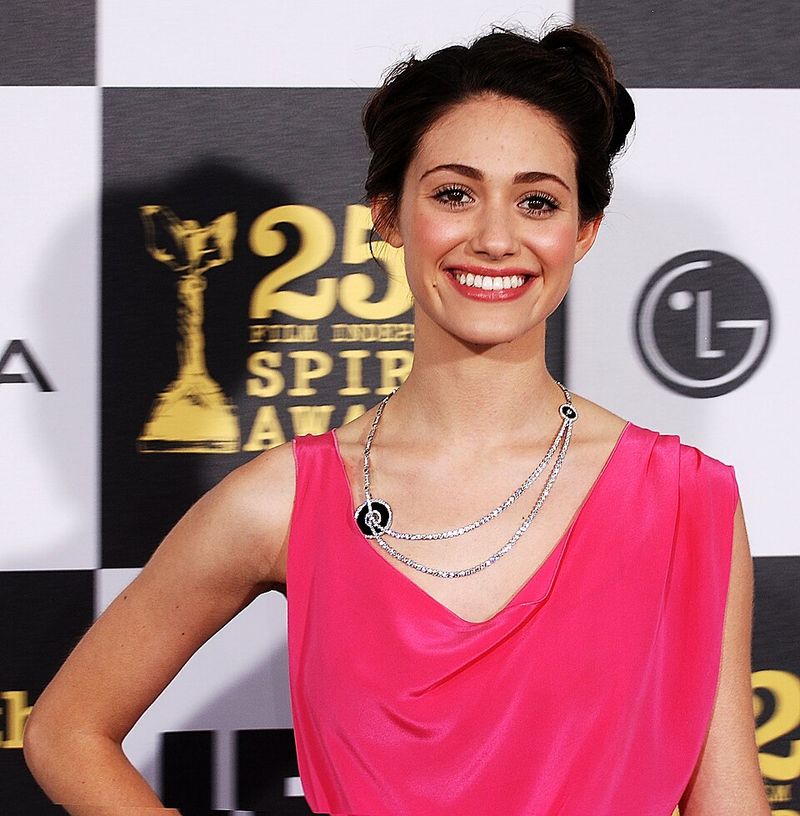
Emmy Rossum spent eleven seasons playing Fiona Gallagher on Shameless, and her dark, naturally curly hair was one of the most consistent visual elements of a character who was constantly in motion. Fiona’s curls were often slightly messy, sometimes pulled back out of necessity, and always completely believable for someone managing a chaotic South Side Chicago life.
What made Rossum’s hair choices on the show so effective was their lack of glamour. The curls looked lived-in rather than styled, which matched the raw, working-class world the show inhabited.
It was a deliberate aesthetic that helped ground the character in something real.
Off screen, Rossum has a genuinely curly natural texture, and she has embraced it in a variety of ways throughout her public life. She brings the same kind of ease to her hair that she brought to her most demanding roles: no fuss, no performance, just an authentic look that fits who she is.
Zendaya
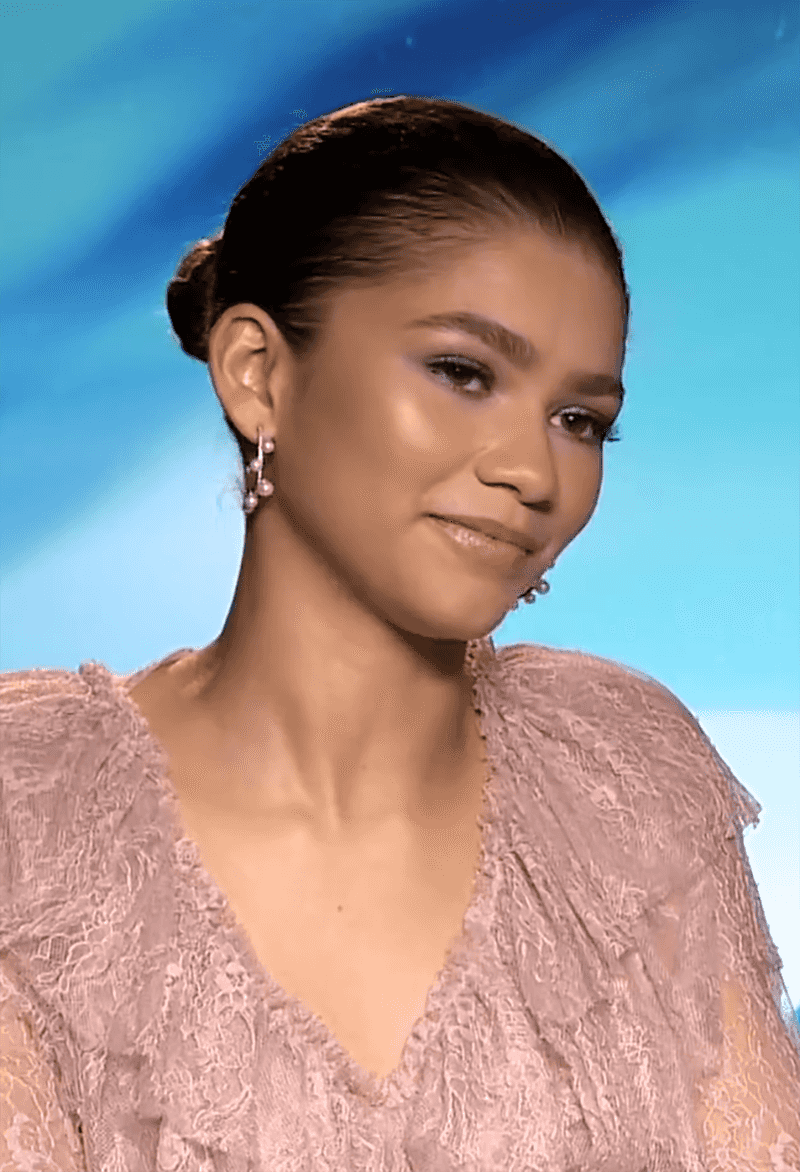
Zendaya has become one of the most culturally significant figures of her generation, and hair has been a recurring part of that conversation. She made headlines in 2015 when a presenter at the Oscars made a dismissive comment about her locs.
Zendaya’s response was measured, direct, and widely praised. She turned a moment of bias into a lesson about respect and representation.
Throughout her career, from Disney Channel to Euphoria to award season dominance, Zendaya has worn her hair in countless styles, including natural curls, braids, locs, and sleek looks. Each choice has felt intentional rather than accidental.
She treats her hair as part of her creative expression.
Her role as Rue in Euphoria brought a more stripped-down, natural look that contrasted sharply with the show’s otherwise heightened visual style. That choice grounded the character in vulnerability.
Zendaya understands that hair communicates something before a single word is spoken, and she has always used that knowledge well.
Viola Davis
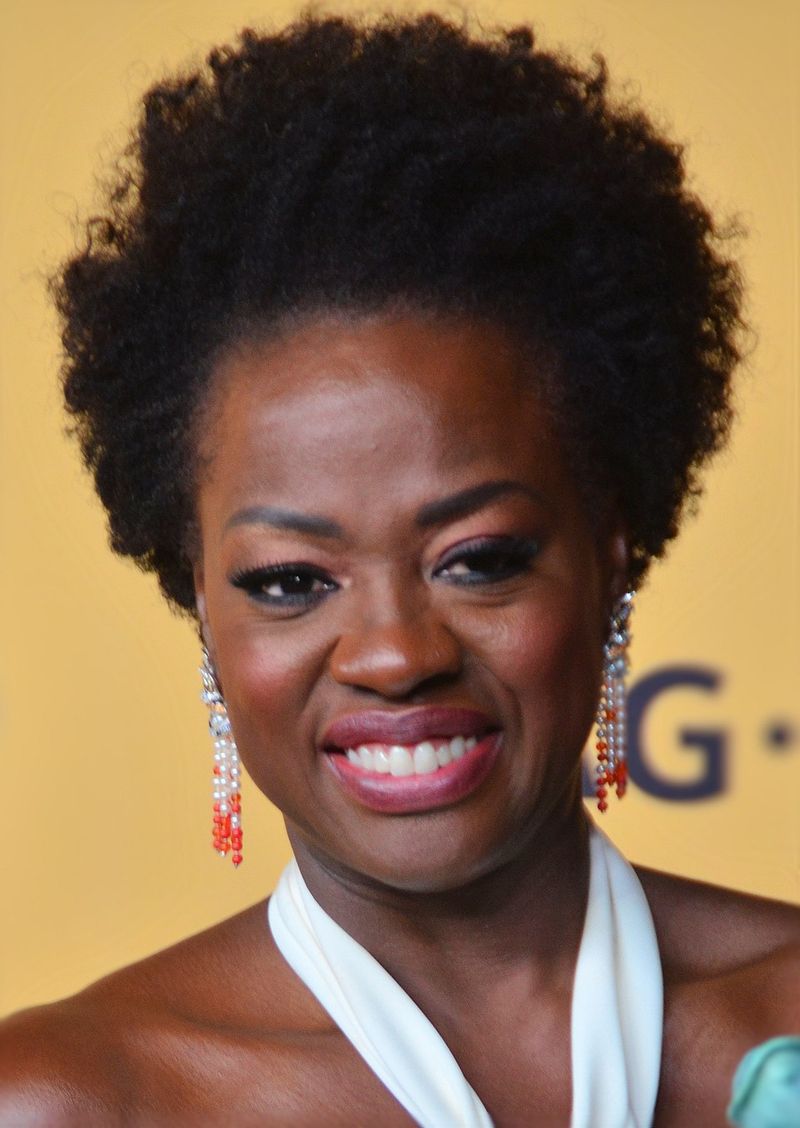
Few moments in television history carried the weight of Viola Davis removing her wig in How to Get Away with Murder. That scene, where Annalise Keating peels away her polished exterior to reveal her natural, close-cropped coily hair, became one of the most discussed and celebrated moments of the entire series.
Davis has spoken at length about how that scene was personal. She wanted to show a Black woman’s hair without the performance of perfection that Hollywood so often requires.
The response from audiences, particularly Black women, was immediate and emotional. People felt seen in a way that was genuinely rare.
Her natural hair in that moment became a symbol of authenticity and self-acceptance that extended far beyond the show. Davis went on to win the Emmy for that role, becoming the first Black woman to win Outstanding Lead Actress in a Drama Series.
Her curls were part of that historic moment too.
Share this story