Growing up in the ’70s and ’80s meant certain foods had serious status power. Some dishes made you feel like a tiny adult just by being near them.
Whether it was flames shooting across the dining room or a cheese ball sitting proudly on a platter, these foods carried a glamour that no chicken nugget could ever match. Here are 14 foods that had every kid convinced they were dining like royalty.
Fondue Was the Party Food That Felt Incredibly Sophisticated
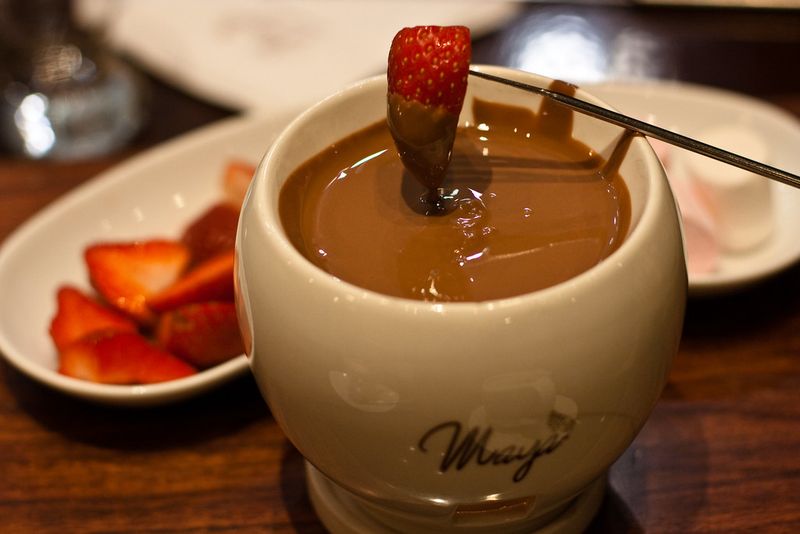
Nothing said “adults are having fun tonight” quite like a bubbling pot of fondue in the center of the table. My parents broke out the fondue set for special occasions, and I was convinced only very important people ate that way.
The long forks alone felt like fine dining equipment.
Fondue surged in American popularity during the 1960s and 1970s, turning up at dinner parties across the country. Melted cheese plus dipping bread is not exactly rocket science, but the ritual made it feel ceremonial.
Every kid who hovered near that pot understood something magical was happening.
Cheese fondue, chocolate fondue, even oil fondue for meat. Each version had its own rules, its own etiquette, its own unspoken coolness factor.
Losing your bread in the pot supposedly meant you owed everyone a round of drinks, which, as a kid, made the whole thing feel thrillingly high-stakes.
Quiche Made Brunch Feel Like a Very Grown-Up Occasion
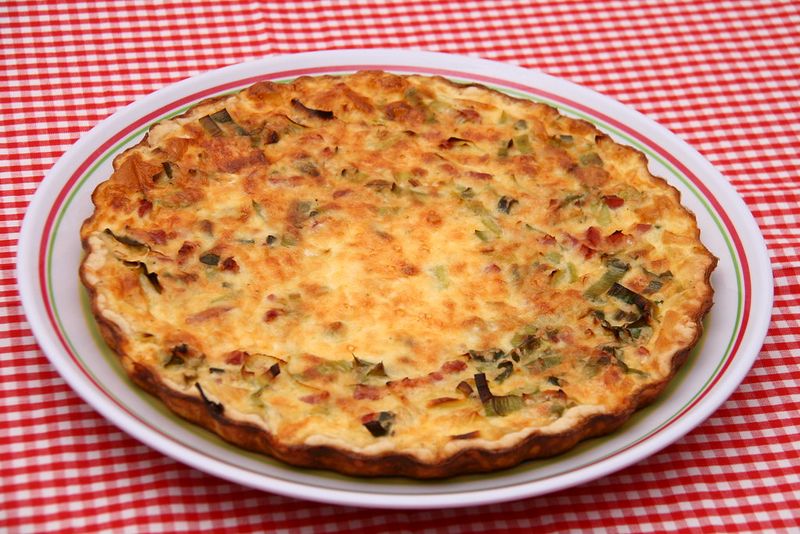
Quiche had the audacity to be eggs and cheese in a crust, yet somehow convinced an entire generation it was fancy French cuisine. The name alone did half the heavy lifting.
Say “quiche” at the dinner table and suddenly you were practically dining in Paris.
Its American heyday landed squarely in the 1970s and 1980s, showing up at brunch tables and potluck spreads with equal confidence. Home cooks loved it because it looked impressive without requiring professional skills.
Kids loved it because eating something with a French name felt like a personality upgrade.
Quiche Lorraine was the classic version, loaded with bacon and Gruyere, but creative cooks threw in spinach, mushrooms, and whatever else was in the fridge. The fluted crust gave it a restaurant-worthy presentation that no scrambled egg could match.
Few dishes have ever punched so far above their actual ingredient list.
TV Dinners in Aluminum Trays Seemed Like the Future of Fine Dining
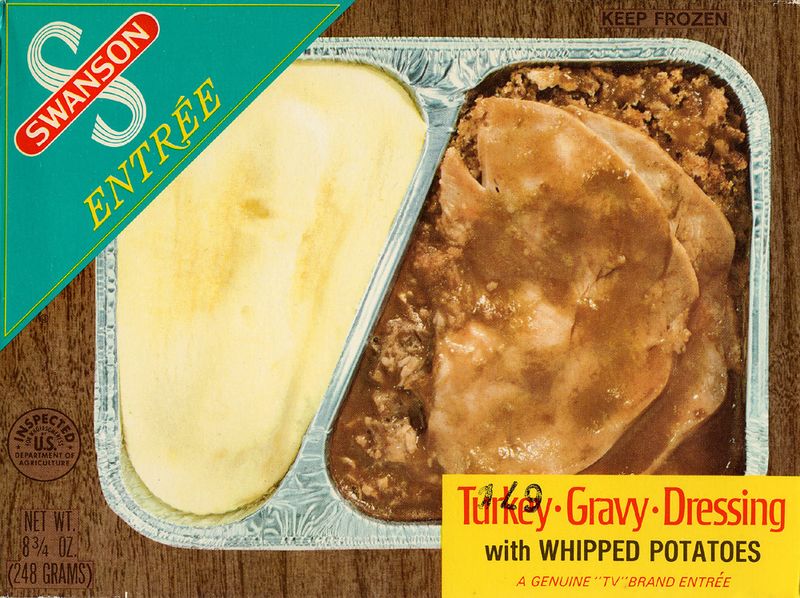
Eating a meal divided into tidy little compartments while watching television felt like living in the space age. Those shiny aluminum trays were basically edible technology, and kids treated them with the reverence of a four-star restaurant plate.
The brownie compartment alone could make any evening feel like a celebration.
Swanson launched the original TV dinner in 1953, but the aluminum tray format became a defining icon through the 1970s and into the early 1980s. Before microwave-safe packaging arrived, peeling back that foil after 25 minutes in the oven was a genuine event.
The steam rising off each section made it feel gourmet, even when it absolutely was not.
Salisbury steak, turkey with gravy, fried chicken with cornbread. Each variety had its own loyal fans, and trading opinions about the best compartment was serious kid business.
Frozen food never felt more futuristic or, strangely, more elegant than it did in those silver trays.
Cheese Balls Rolled in Nuts Were the Centerpiece of Every Fancy Party Spread
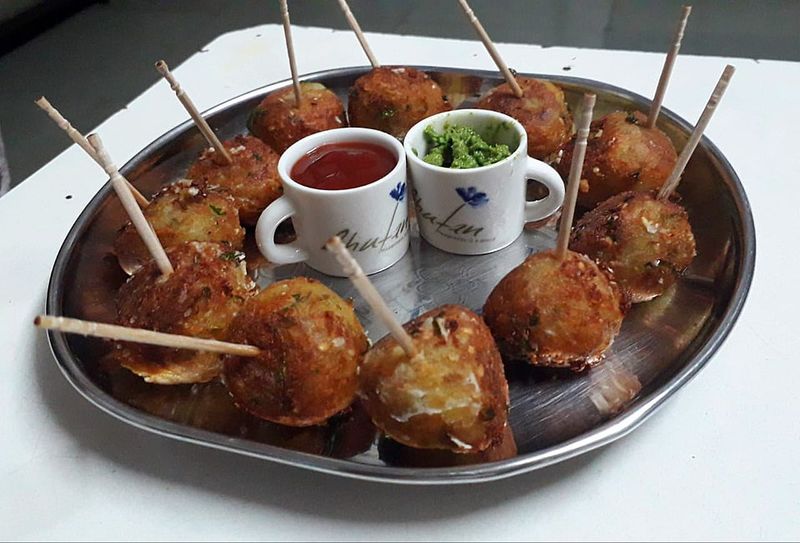
There is something deeply theatrical about a cheese ball. It sits on its platter like a round ambassador of good taste, coated in nuts, flanked by crackers, and radiating a “this party means business” energy that no dip could replicate.
Every kid knew not to touch it before the guests arrived.
Cheese balls were a staple of 1970s and 1980s party spreads, appearing at holiday gatherings, neighborhood get-togethers, and any event requiring a centerpiece that looked effortlessly impressive. The combination of sharp cheddar, cream cheese, and seasonings rolled into a perfect sphere was deceptively simple but visually commanding.
The nut coating was the real genius move. Pecans or walnuts pressed into the outside gave it a polished, almost sculptural finish.
As a kid, watching adults slice into that ball with a tiny spreading knife felt like witnessing some sacred party ritual. Few appetizers have ever carried more old-school elegance per square inch.
Crepes Suzette Looked Like the Kind of Dessert Only Rich People Ordered
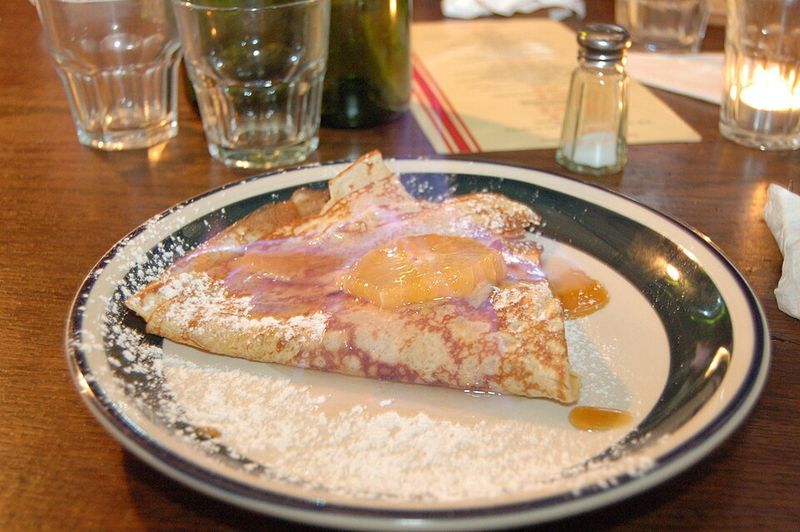
Few moments in childhood dining history matched the sheer drama of watching something catch fire at the table on purpose. Crepes Suzette did not just arrive as dessert.
It arrived as a performance, complete with flames, orange-scented sauce, and the unmistakable feeling that you were somewhere very special.
The dish is a classic French preparation, built around thin crepes bathed in a buttery orange sauce and finished with a flambeed splash of liqueur. Restaurants played up the tableside theatrics, and kids who witnessed it firsthand were permanently impressed.
The combination of fire and French pastry was basically impossible to top.
Even a home version without the full tableside spectacle carried serious prestige points. Crepes themselves required skill and patience, which automatically elevated any cook who attempted them.
Serving the finished result with a sauce that glowed faintly orange and smelled of caramelized citrus made the whole experience feel genuinely luxurious. No wonder kids thought only rich people ordered it.
Beef Stroganoff Sounded Much Fancier Than It Actually Was
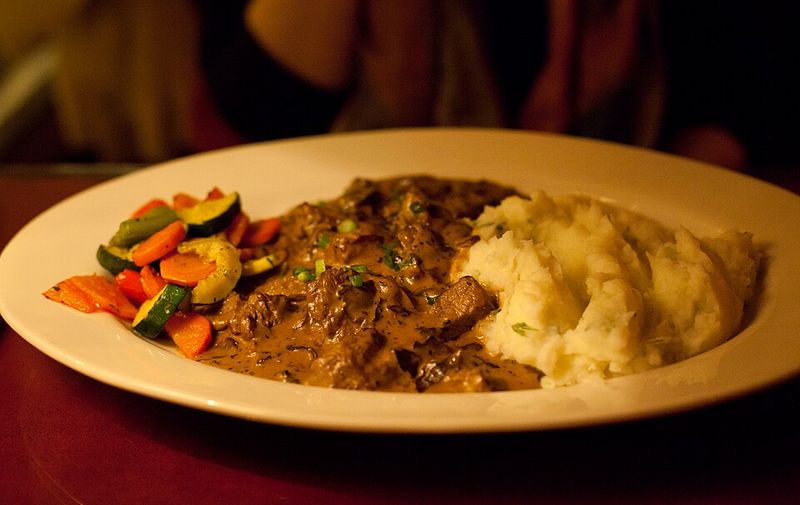
Beef stroganoff had a name that practically demanded a tuxedo. Three syllables of pure culinary confidence, it rolled off the tongue like something a diplomat might order.
Kids at the dinner table heard that name and immediately assumed the family was eating above its usual pay grade.
The dish traces its roots to Russian cuisine, named after the Stroganov family, but its American version was thoroughly domesticated by the 1970s. Ground beef or sliced strips, sour cream sauce, mushrooms, and egg noodles were the usual lineup.
Humble ingredients, extraordinary reputation.
Home cooks embraced it because it was genuinely easy to pull together on a weeknight. Yet it never lost that air of worldly sophistication, largely because the name did all the PR work.
I remember hearing my mom say we were having beef stroganoff for dinner and feeling genuinely impressed, right up until I saw her reaching for the condensed soup can. Still tasted great, though.
Swedish Meatballs Turned a Simple Appetizer Into Something Elegant
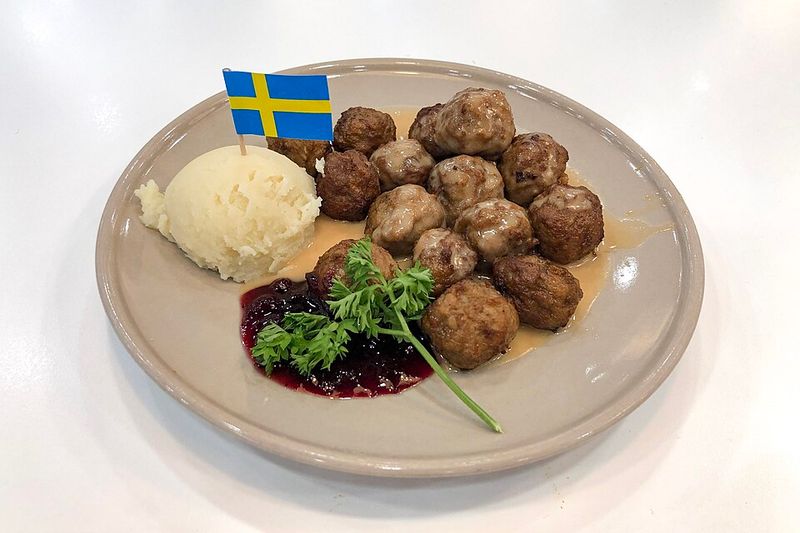
Cocktail toothpicks changed everything. A plain meatball is just a meatball, but a meatball speared with a tiny decorative pick and bathed in a creamy sauce transforms into a party appetizer with genuine social standing.
Swedish meatballs understood this assignment completely and showed up to every gathering dressed accordingly.
Their retro party-food status peaked in the 1970s and 1980s, when no serious cocktail spread was complete without a warming tray full of them. The sauce, a blend of beef broth, cream, and a touch of nutmeg, set them apart from standard meatball territory.
That subtle spicing made them taste like something imported from a fancier culinary tradition.
Kids at adult parties learned quickly that hovering near the Swedish meatball tray was the smartest move in the room. They were bite-sized, saucy, and required no cutlery, which meant you could eat them while pretending to have a sophisticated conversation.
Few appetizers have ever managed to be simultaneously unpretentious and completely elegant.
Cherries Jubilee Was Dessert With Flames and Maximum Drama
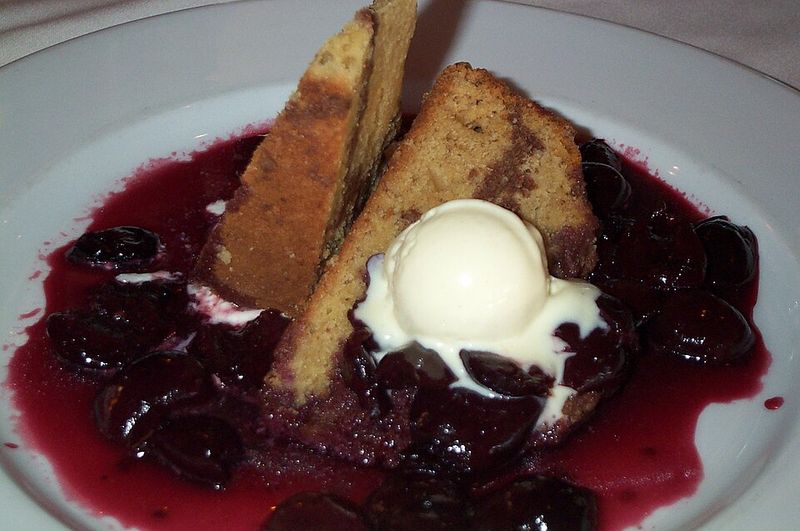
Cherries Jubilee operated on the same principle as any great magic trick: add fire, and suddenly everyone is paying full attention. Hot cherries, liqueur, and a tableside flame made this dessert less of a sweet ending and more of a theatrical finale.
Any kid who saw it performed lived with the memory permanently burned in.
The dish reportedly dates back to a dessert created for Queen Victoria in 1887, which already gave it serious credentials before a single flame was ever lit. In American restaurants of the 1970s, it was the kind of dessert that waiters prepared with visible pride, knowing the whole dining room was watching.
That communal spectacle was the point.
Ladled over vanilla ice cream, the warm cherry sauce created a hot-cold contrast that tasted as dramatic as it looked. Even simplified home versions carried the same prestige by association.
Cherries Jubilee proved that presentation was at least half the meal, a lesson every kid at the table absorbed without being taught.
Viennetta Was the Freezer-Aisle Dessert That Looked Luxurious
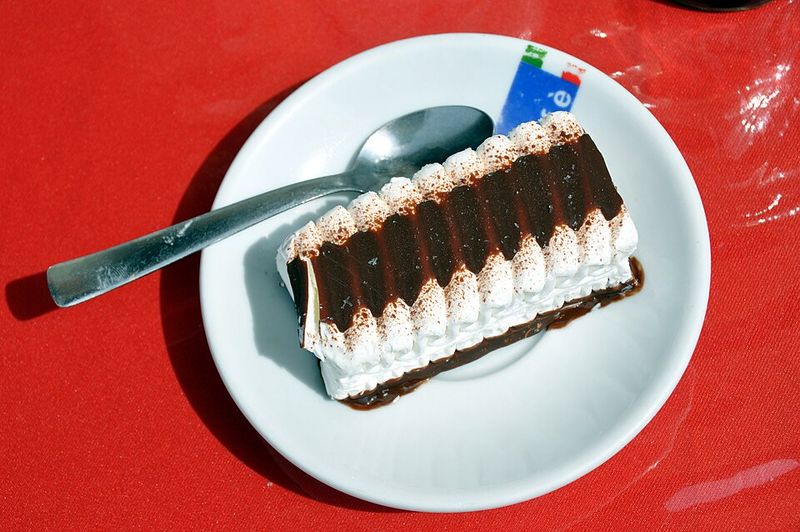
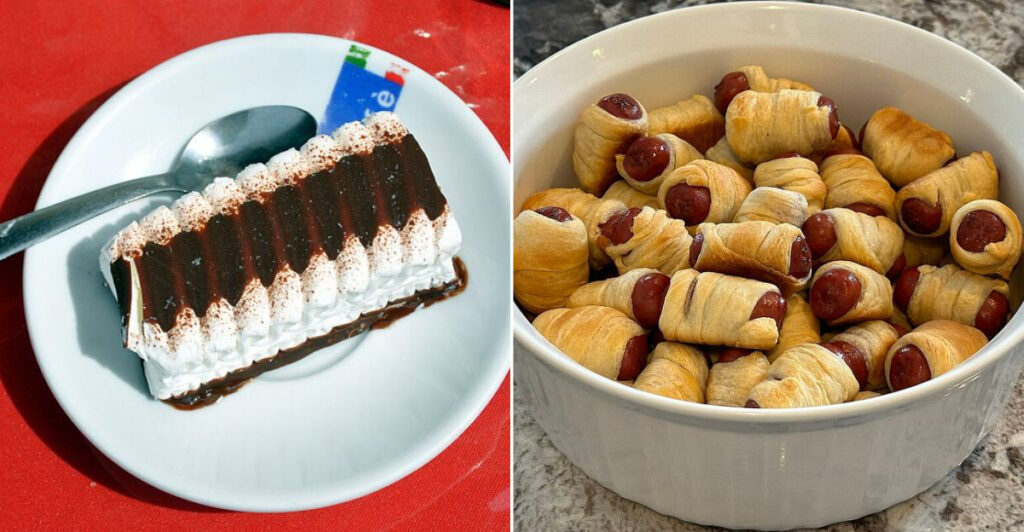
Viennetta had the architectural confidence of a dessert that knew exactly how good it looked. Those elegant wavy layers of ice cream separated by paper-thin chocolate sheets made every other frozen dessert look underdressed.
Pulling it out of the freezer at a dinner party felt like revealing a sculpture.
Launched in Britain in 1982 and arriving in the U.S. in the late 1980s, Viennetta was marketed as an upscale frozen treat from day one. The packaging leaned into the luxury angle hard, and honestly, the product backed it up visually.
No ordinary ice cream cake came close to that layered elegance.
Kids who encountered it at family gatherings understood immediately that this was not the usual dessert situation. Something about the way it sliced into clean, impressive portions made it feel genuinely restaurant-worthy.
The chocolate crackled, the ice cream was smooth, and the whole experience whispered “special occasion” from the first bite to the last clean plate.
Pigs in a Blanket Somehow Became Cocktail-Party Chic
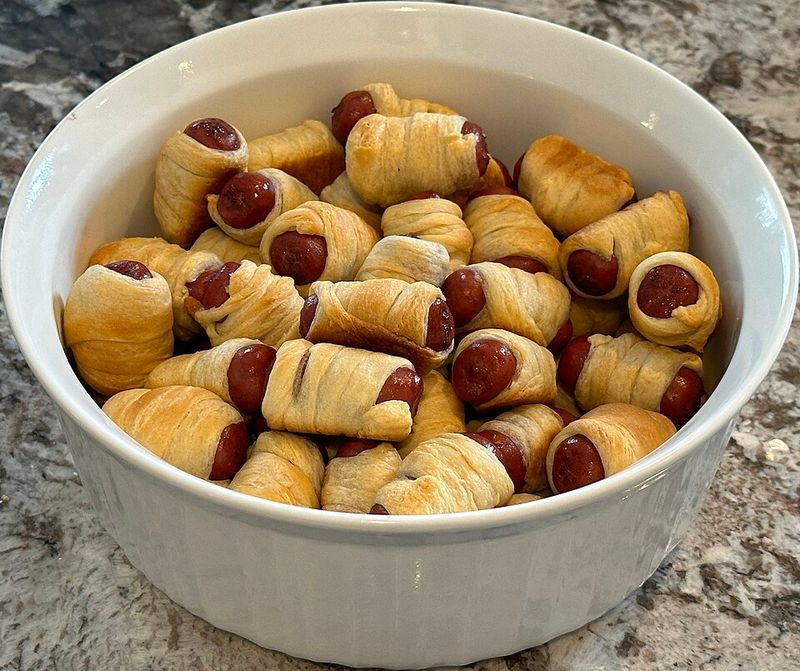
Hot dogs wrapped in dough should not be glamorous. By any reasonable measure, they are the most casual food imaginable.
And yet, served on a proper platter at a cocktail party, pigs in a blanket somehow crossed over into the land of elegant appetizers without anyone stopping to question it.
Their party-food elevation came entirely from context. When adults in nice clothes picked them off silver trays while holding wine glasses, the humble sausage-pastry combo absorbed the sophistication of its surroundings.
Kids who snagged them off the appetizer table felt like they were participating in something distinctly grown-up.
The pastry wrapping was the key detail. Crescent roll dough or puff pastry gave each little sausage a buttery, flaky jacket that no plain hot dog bun could replicate.
Served with a small dish of mustard for dipping, the whole setup had an undeniable charm. Pigs in a blanket remain proof that presentation and company can elevate almost anything to party-worthy status.
Chocolate Mousse in a Stemmed Glass Felt Like a Real Restaurant Dessert
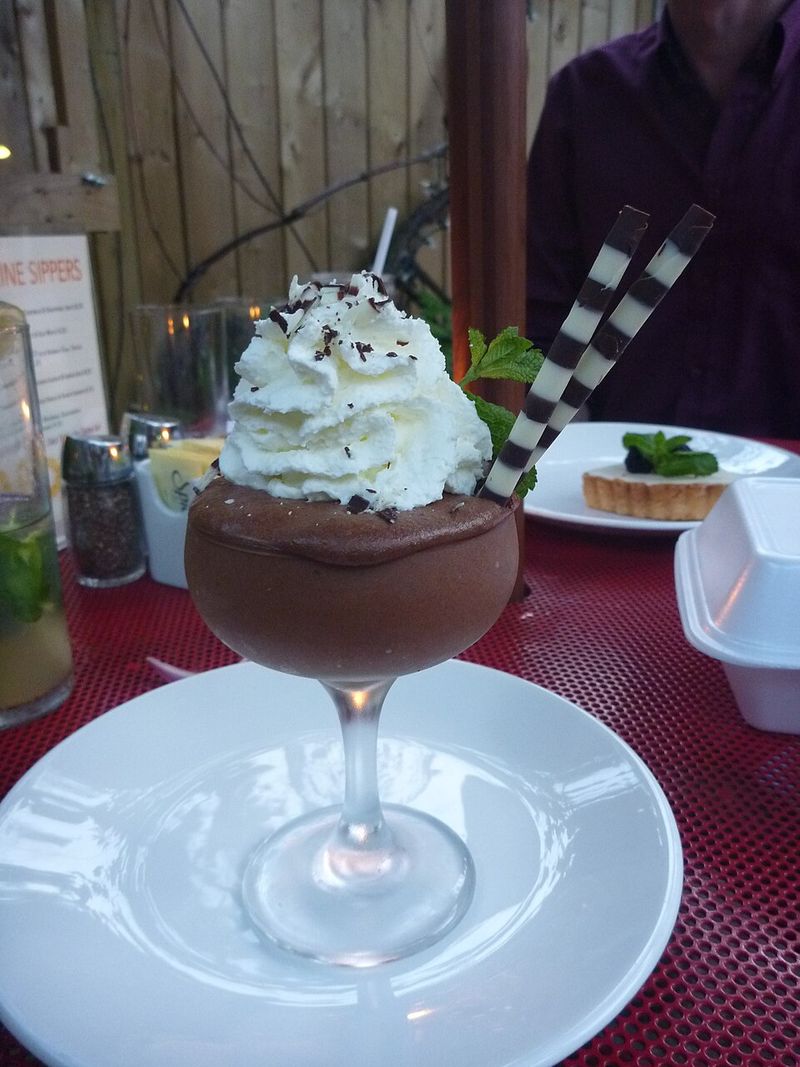
Chocolate mousse had two things going for it that most desserts could only dream about: a French name and a stemmed glass. Together, those two details transformed what was essentially whipped chocolate into a fine-dining experience that kids took very seriously.
The glass alone communicated that something sophisticated was happening.
The texture played its part too. Mousse had an airy lightness that felt nothing like regular pudding, and that distinction mattered enormously to kids trying to assess the fancy-food hierarchy.
Something about eating a dessert that was technically a foam made the whole experience feel advanced.
Home cooks who mastered chocolate mousse earned instant culinary respect at dinner parties. The recipe required folding techniques and careful temperature management, which meant it was not something just anyone could pull off casually.
Served in individual stemmed glasses with a curl of whipped cream on top, it was the dessert equivalent of wearing a tuxedo, and every kid at the table knew it.
Ambrosia Salad Was the Sweet Party Dish That Looked More Elegant Than It Was
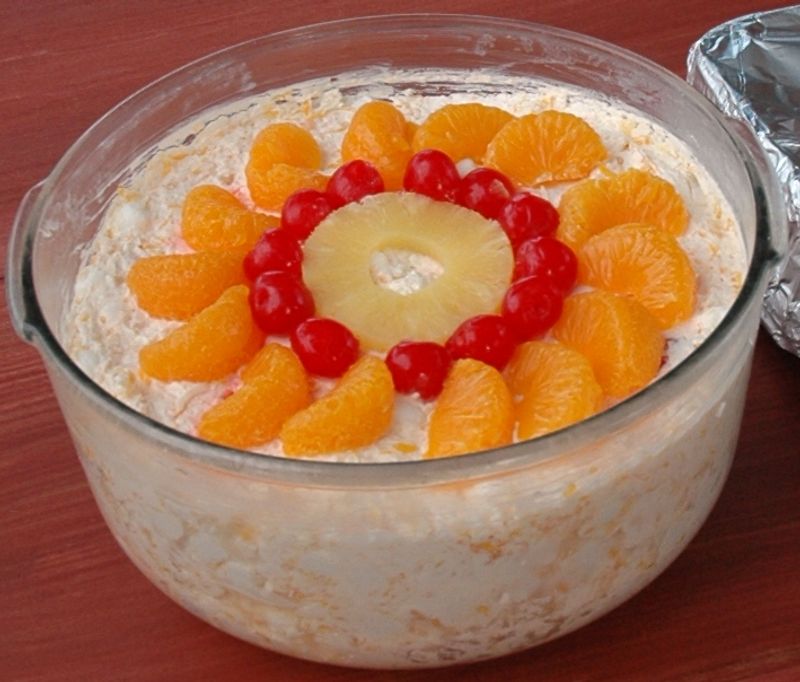
Ambrosia salad had the confidence of a dish that knew it was being watched. Piled high in a glass serving bowl with pastel fruit, miniature marshmallows, and shredded coconut, it looked like a festive centerpiece that required considerably more effort than it actually did.
At holiday tables and potluck spreads, it always drew a crowd.
The name helped considerably. “Ambrosia” was literally the food of the Greek gods, which gave this marshmallow-and-fruit situation a mythological reputation it may not have entirely deserved. But nobody was fact-checking Greek mythology at Thanksgiving dinner, so the name did its job without resistance.
Kids gravitated toward it because of the sweetness and the visual appeal, the bright orange mandarin slices, the red cherries, the fluffy white coconut. Adults served it because it was quick, crowd-pleasing, and looked genuinely festive in a nice bowl.
Whether it was truly upscale is debatable. That it felt special to everyone eating it is absolutely not.
Baked Alaska Felt Like a Dessert That Broke the Laws of Science
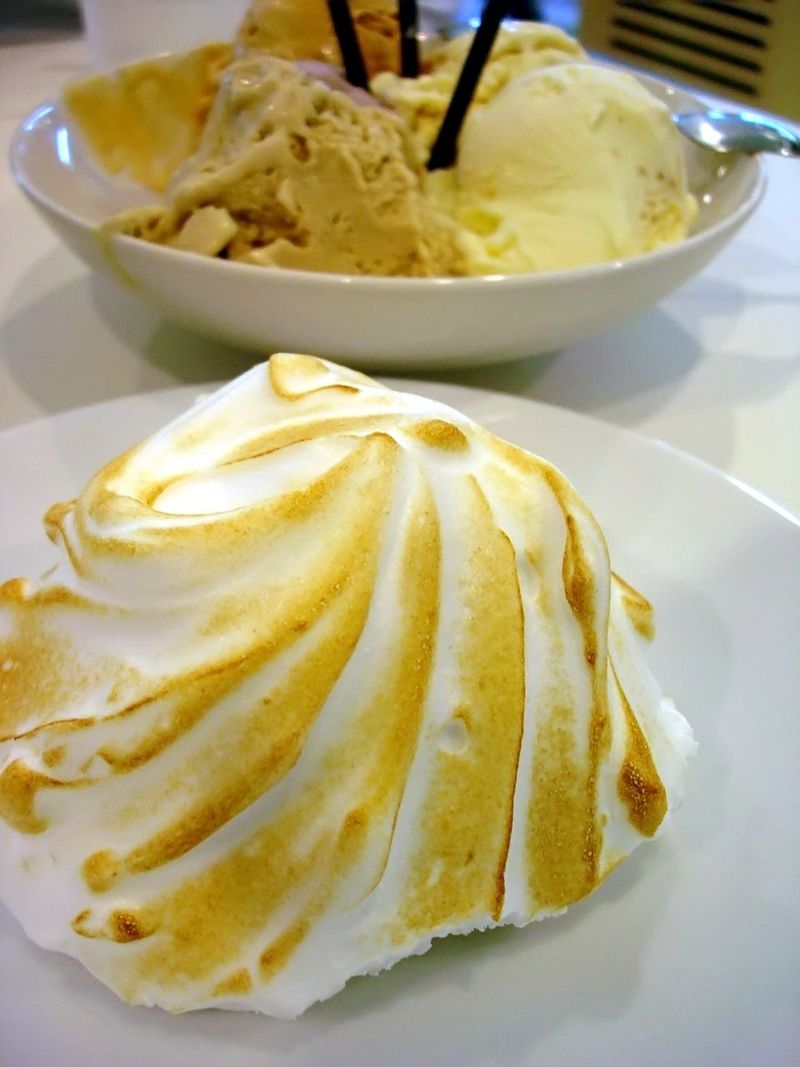
A dessert with ice cream inside that goes into a hot oven and comes out without melting sounds like a trick question, not a recipe. Baked Alaska pulled off this culinary impossibility with theatrical confidence, and every kid who encountered it was left genuinely baffled by the physics.
The meringue insulation trick felt like actual magic.
The dish has a long history in American fine dining, with roots going back to the 1800s, but it hit peak home-cook ambition in the mid-twentieth century. By the 1970s and 1980s, it had become the kind of showstopper dessert that appeared at special dinners specifically to generate gasps and applause from the table.
The browned meringue exterior, the hidden layers of cake and ice cream underneath, the moment of slicing through to reveal the cold interior while the outside was warm. Each element built on the last for maximum dramatic impact.
Baked Alaska did not just taste good. It performed, and that performance was exactly why kids ranked it at the very top of the elegant-dessert ladder.
Chicken Cordon Bleu Was the French-Sounding Dinner That Impressed Everyone
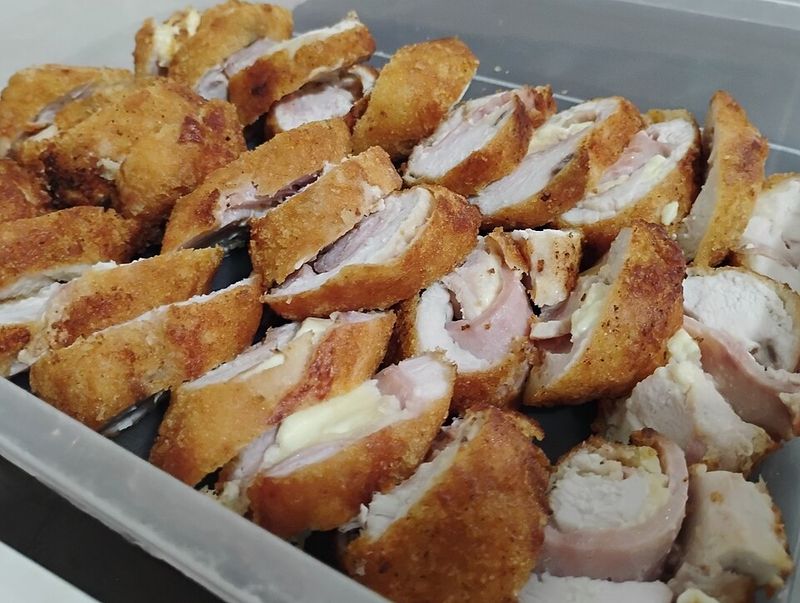
Few things in childhood dining carried more instant prestige than hearing “chicken cordon bleu” announced at the dinner table. The phrase translated to “blue ribbon,” which sounded like a winning entry at an extremely fancy competition.
Even if you had no idea what was inside, the name alone made you sit up straighter.
The dish itself was a masterpiece of simple engineering: a chicken breast pounded flat, layered with ham and Swiss cheese, rolled up tightly, breaded, and baked or fried until golden. Cutting into it and watching the melted cheese pull apart in strings was one of the great small joys of 1970s and 1980s home cooking.
Restaurants served it as a special occasion entree, and home cooks who attempted it earned serious respect from everyone at the table. The combination of French name, golden crust, and hidden filling made it feel genuinely upscale regardless of the occasion.
Chicken cordon bleu remains one of the most effective illusions of gourmet cooking ever to appear on a weeknight dinner plate.
Share this story