 Unearth The Voyage
Even in a world where travel is easier than ever, there are still places you simply cannot visit. These forbidden locations are off-limits for reasons ranging from extreme danger and environmental protection to military secrecy and cultural preservation.
Some are guarded by law, others by nature itself, and a few by communities determined to remain completely isolated. What they all share is an air of mystery that continues to fascinate travelers — here are 14 forbidden places around the world that remain closed to the public, and why.
North Sentinel Island, India
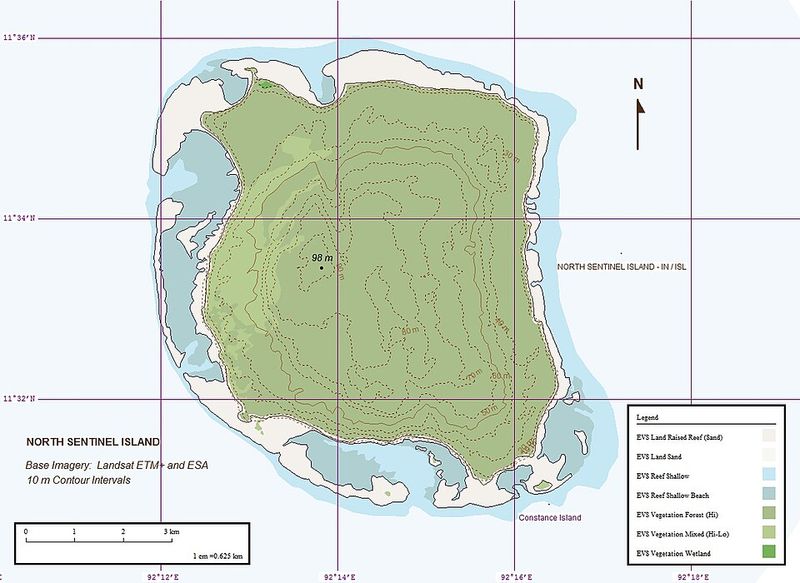
Somewhere in the Bay of Bengal sits a small island that the modern world has never truly reached — and that is exactly how its residents want it. North Sentinel Island is home to the Sentinelese, one of the last uncontacted tribes on Earth.
They have lived there for an estimated 60,000 years, completely cut off from civilization.
The Indian government enforces a strict exclusion zone extending several kilometers around the island. Approaching it is illegal, and for good reason.
The Sentinelese have made their feelings about outsiders very clear, often responding to boats and helicopters with arrows and spears.
In 2018, an American missionary illegally traveled to the island and was killed. The tragedy underscored just how serious the restrictions are.
Authorities did not attempt to retrieve the body, out of respect for the tribe’s sovereignty.
The ban is not just about protecting outsiders — it is about protecting the Sentinelese themselves. They have no immunity to common diseases like the flu, meaning a single visitor could accidentally trigger a devastating epidemic.
This island is off-limits for deeply human reasons, and that boundary deserves full respect.
Area 51, USA
Few places on Earth have sparked more wild theories, late-night debates, and Hollywood movies than a patch of Nevada desert known simply as Area 51. Officially called the Nevada Test and Training Range, this classified U.S.
Air Force facility has been shrouded in mystery for decades. The government did not even publicly acknowledge its existence until 2013.
The base has been used to test experimental aircraft, including the famous U-2 spy plane and the SR-71 Blackbird. Sightings of strange lights in the sky during those test flights likely helped fuel the alien conspiracy theories that still swirl around the site today.
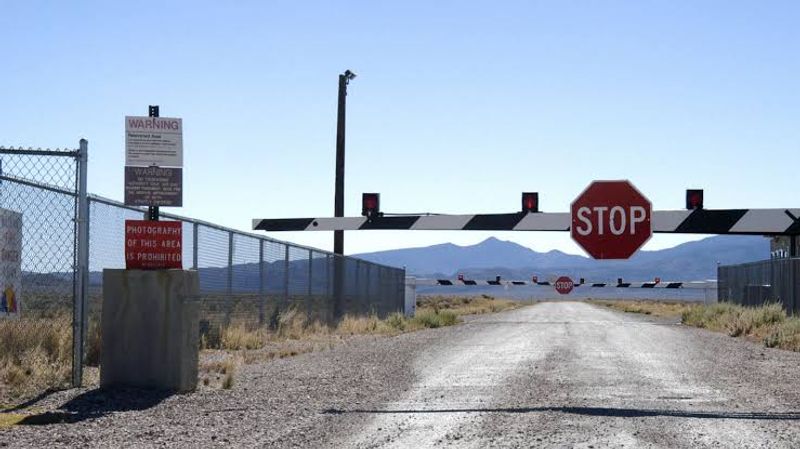
Getting anywhere near the perimeter is a bad idea. Warning signs, motion sensors, armed guards, and unmarked patrol vehicles make sure of that.
A 2019 viral joke about storming Area 51 attracted over two million online sign-ups — but only a few dozen people actually showed up, and none got close to the gates.
Whatever secrets Area 51 holds, they are locked up tight. The base remains one of the most heavily guarded and genuinely restricted locations on the planet, and trespassing there is a federal offense with serious consequences.
Snake Island (Ilha da Queimada Grande), Brazil
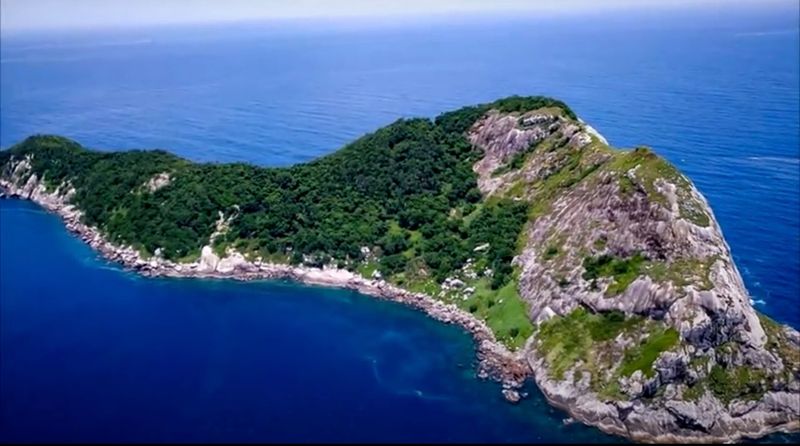
Picture a beautiful island off the coast of Brazil — lush, green, and completely uninhabited. Sounds like paradise, right?
Now add somewhere between 2,000 and 4,000 of the world’s deadliest snakes per square kilometer, and suddenly that paradise becomes a nightmare. Welcome to Ilha da Queimada Grande, better known as Snake Island.
The island is home to the golden lancehead pit viper, a species found nowhere else on Earth. Its venom is so potent it can melt human flesh around the bite wound.
Local fishermen tell stories of anyone who accidentally landed on the island never making it back alive.
Brazil’s navy strictly prohibits public access to the island. Even scientists who receive rare permission to visit must bring a doctor along.
The Brazilian government takes the restriction seriously — and honestly, so should everyone else.
The snakes ended up there because rising sea levels thousands of years ago cut the island off from the mainland, trapping them without ground-level predators. Over generations, they evolved into an incredibly efficient killing machine.
Snake Island is a fascinating case of nature doing exactly what it wants — and humans wisely deciding to stay far, far away.
Vatican Apostolic Archive, Vatican City
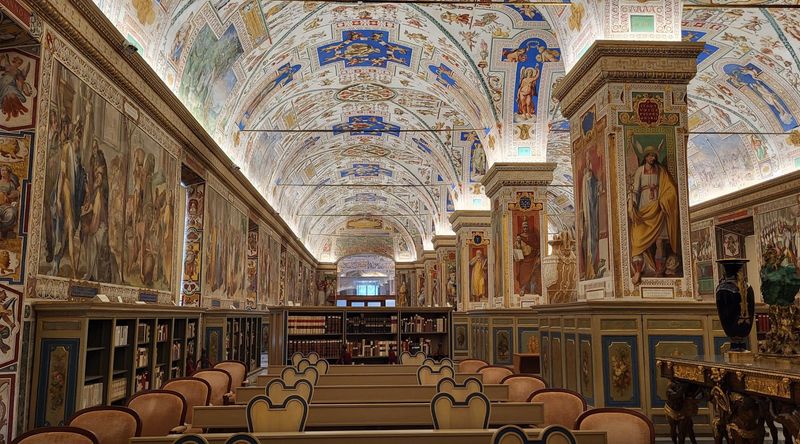
Hidden beneath the Vatican lies one of the most extraordinary collections of historical documents ever assembled. The Vatican Apostolic Archive — formerly called the Secret Archive — holds over 85 kilometers of shelving packed with letters, papal decrees, trial records, and diplomatic correspondence dating back more than a thousand years.
The word “secret” in its old name did not mean hidden in a sinister way. It referred to the Pope’s private collection, separate from the public library.
Still, the mystique stuck, and the archive has become one of the most talked-about restricted spaces in the world.
Access is not open to the general public. Qualified scholars and researchers must apply in advance, prove their academic credentials, and even then, they can only request specific documents — not browse freely.
The archive does not allow photography of certain materials, and fragile items are handled with extreme care.
Among its most famous holdings are letters from Mary Queen of Scots written before her execution, documents from Galileo’s trial, and correspondence between King Henry VIII and Pope Clement VII during the famous divorce controversy. It is essentially a treasure chest of history — one that most people will never get to open.
Svalbard Global Seed Vault, Norway
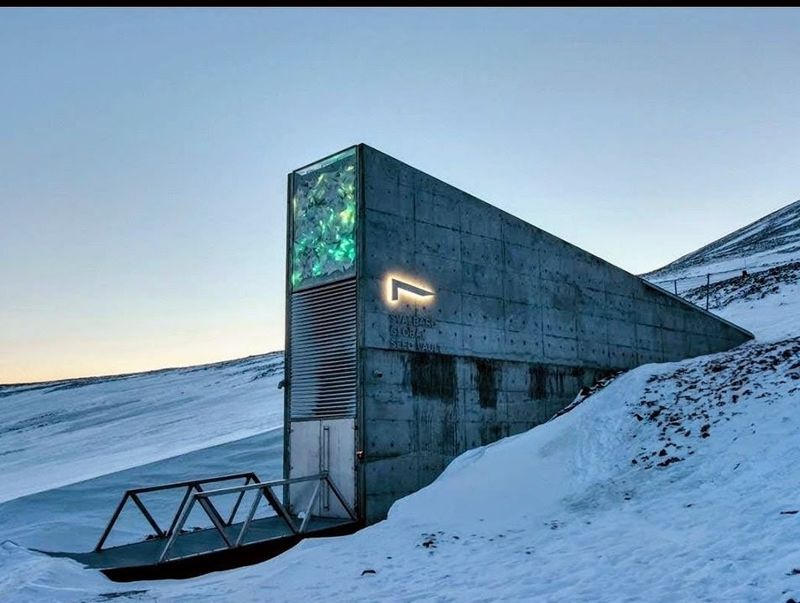
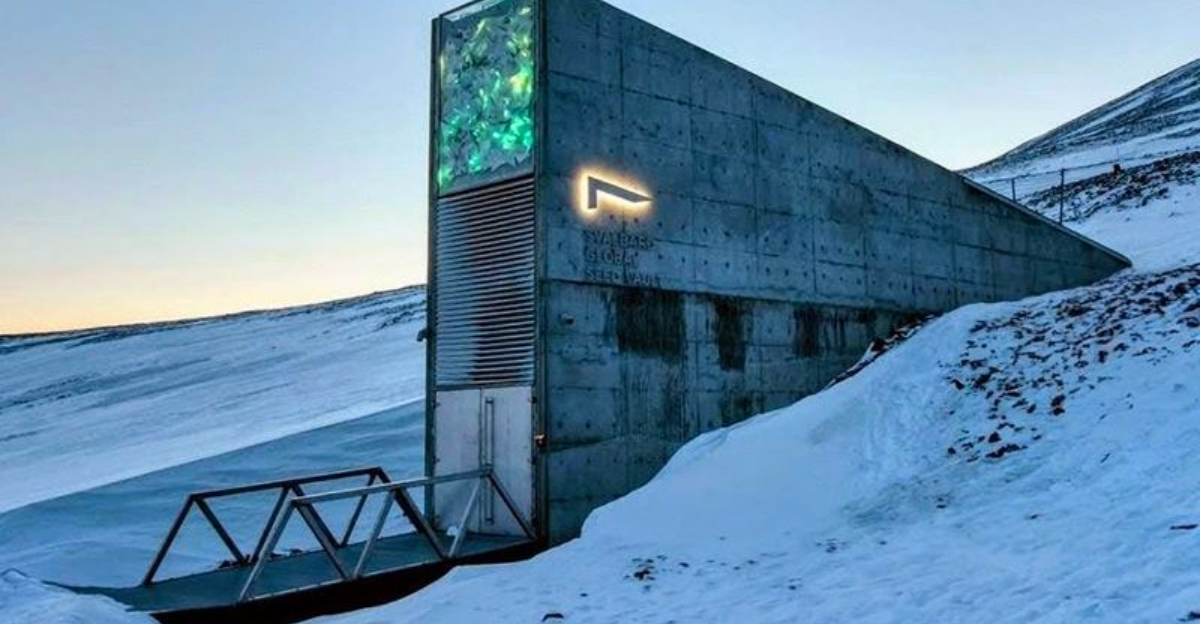
Buried inside a frozen Arctic mountain on a remote Norwegian island sits what might be humanity’s most important insurance policy. The Svalbard Global Seed Vault was opened in 2008 and now holds over 1.3 million seed samples from nearly every country on Earth.
If a war, pandemic, or climate catastrophe wiped out global agriculture, this vault could help restart it.
The location is not accidental. Svalbard sits about 1,300 kilometers from the North Pole, keeping temperatures naturally cold even without power.
The mountain itself provides permafrost protection, meaning the seeds stay frozen and viable for centuries. It is about as close to indestructible as a building can get.
Access is tightly restricted to authorized personnel — mainly representatives from the depositing nations and vault staff. There are no public tours, no drop-in visits, and certainly no Instagram opportunities inside the main seed chambers.
Security is low-key on the outside but serious on the inside.
In 2015, the vault was used for the first time when Syrian researchers withdrew seeds after their gene bank in Aleppo was damaged by the civil war. That moment proved the vault was not just a symbolic gesture — it is a real, working safeguard for the future of food on our planet.
Surtsey Island, Iceland
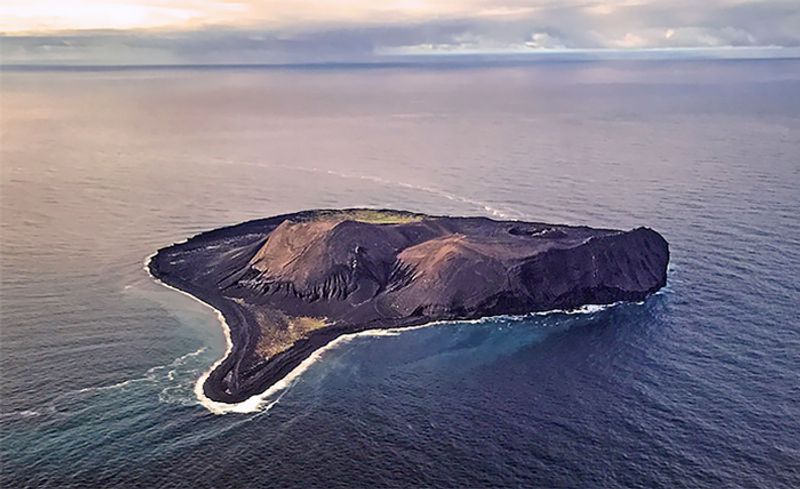
In November 1963, fishermen off the coast of Iceland watched in amazement as the ocean began to boil. Over the next four years, a brand-new island rose from the sea floor — the result of an underwater volcanic eruption.
That island is Surtsey, and scientists have been studying it ever since as a living experiment in how life colonizes bare rock.
The island was granted UNESCO World Heritage status in 2008. Only a small group of scientists is allowed to visit each year, and even they must follow strict protocols to avoid accidentally introducing seeds, insects, or bacteria that could contaminate the natural colonization process.
Every visitor is carefully monitored.
Since its formation, Surtsey has been slowly but steadily filling with life. Mosses, grasses, birds, seals, and even earthworms have arrived entirely on their own.
Researchers have documented over 80 plant species and dozens of bird species making the island their home without any human help.
The entire point of the restriction is to keep human influence out so scientists can observe nature doing its thing completely undisturbed. For anyone interested in ecology, biology, or just how life finds a way, Surtsey is one of the most scientifically valuable — and completely off-limits — places on the planet.
Lascaux Caves, France
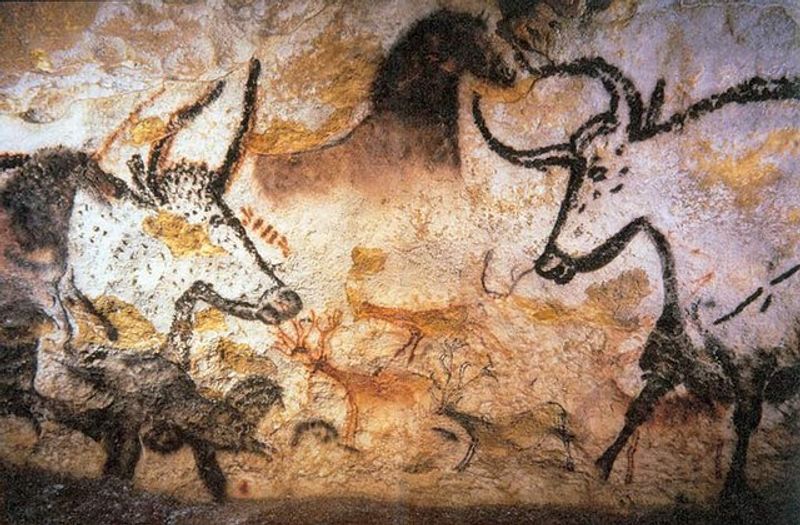
About 17,000 years ago, someone crawled deep into a cave in southwestern France and painted some of the most breathtaking artwork in human history. The Lascaux Caves contain over 600 painted figures — horses, bulls, deer, and abstract symbols — created with remarkable skill and vivid natural pigments.
They were rediscovered in 1940 by a group of teenage boys and their dog.
For a brief period, the caves were open to the public, drawing around 1,200 visitors per day. That turned out to be a disaster.
Human breath, body heat, and the carbon dioxide exhaled by thousands of visitors introduced fungi and bacteria that began destroying the paintings. The caves were closed in 1963, just 15 years after opening.
Today, no one visits the original caves except a small team of conservationists who monitor the artwork’s condition. The public can visit Lascaux IV, a stunning replica nearby that recreates the cave experience with impressive accuracy.
It is a smart solution that keeps the originals safe while still sharing the wonder.
The story of Lascaux is a cautionary tale about tourism and preservation. Sometimes the best way to protect something truly irreplaceable is simply to keep people away from it — even when everyone desperately wants to see it.
Mezhgorye, Russia
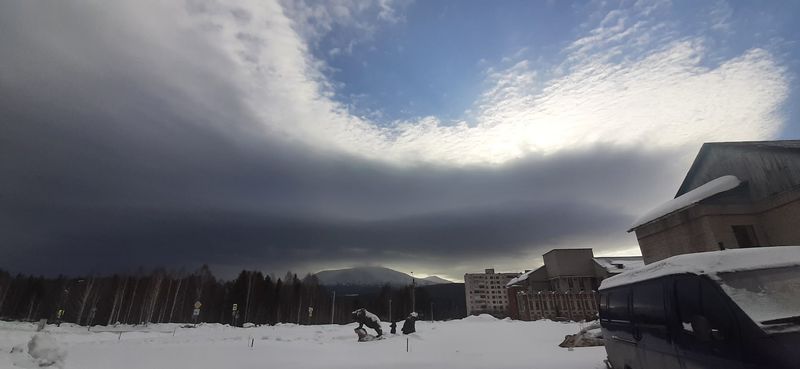
Most towns welcome visitors with road signs and tourist maps. Mezhgorye, a small town nestled in Russia’s Ural Mountains, does the opposite — it has been classified as a closed administrative-territorial formation since 1995.
Outsiders need special government permission just to enter, and that permission is almost never granted.
What exactly is happening in Mezhgorye? Nobody outside the Russian government seems to know for certain.
The most persistent theory is that the town is connected to a massive underground nuclear facility called Yamantau Mountain, located nearby. Some analysts believe it could be a Cold War-era bunker designed to shelter government officials during a nuclear attack.
Russian officials have given vague and contradictory explanations over the years, describing the site as everything from a mining operation to a food storage facility. None of those explanations have fully satisfied Western intelligence agencies or curious researchers.
The secrecy itself has become the story.
The town has a population of roughly 17,000 people who live and work there under strict regulations. They are not prisoners, but their community is essentially sealed off from the outside world.
Mezhgorye stands as a reminder that even in the modern age of satellite imagery and internet access, some places manage to stay genuinely mysterious.
Qin Shi Huang’s Tomb, China
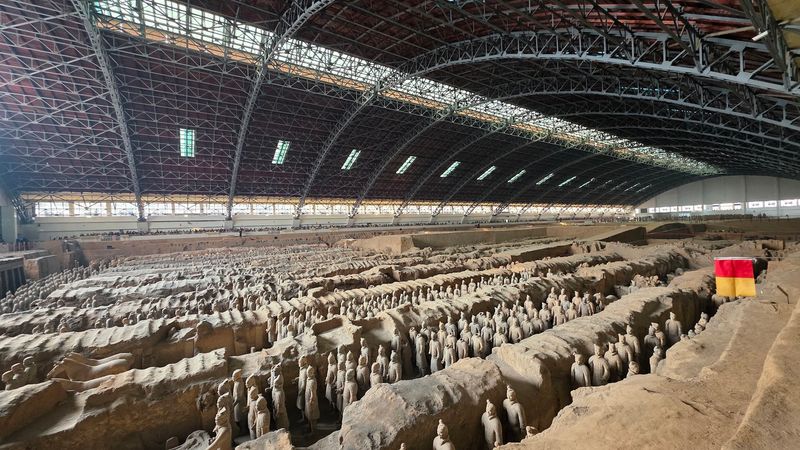
Buried beneath a man-made hill near Xi’an, China, lies one of the greatest archaeological mysteries in the world. The tomb of Qin Shi Huang, China’s first emperor, was constructed over 38 years by a workforce estimated at 700,000 people.
According to ancient texts, it contains an entire underground palace complete with rivers of mercury, crossbow booby traps, and a miniature version of his empire.
The famous Terracotta Army — thousands of life-sized clay soldiers discovered in 1974 — was just the outer guard of this massive burial complex. The main tomb itself has never been opened.
Chinese authorities have deliberately chosen not to excavate it, and for good reason.
Current technology cannot preserve everything inside once it is exposed to air. When archaeologists first uncovered the Terracotta Warriors, the original bright paint on the figures faded within minutes of air exposure.
Opening the main chamber without the right tools could mean permanently destroying priceless artifacts and irreplaceable history.
There is also the mercury problem. Soil samples around the tomb show mercury levels hundreds of times higher than normal, suggesting the ancient texts about mercury rivers might be accurate.
Until preservation technology catches up with the ambition of the discovery, the emperor’s tomb stays sealed — and the world waits.
Heard Island, Australia
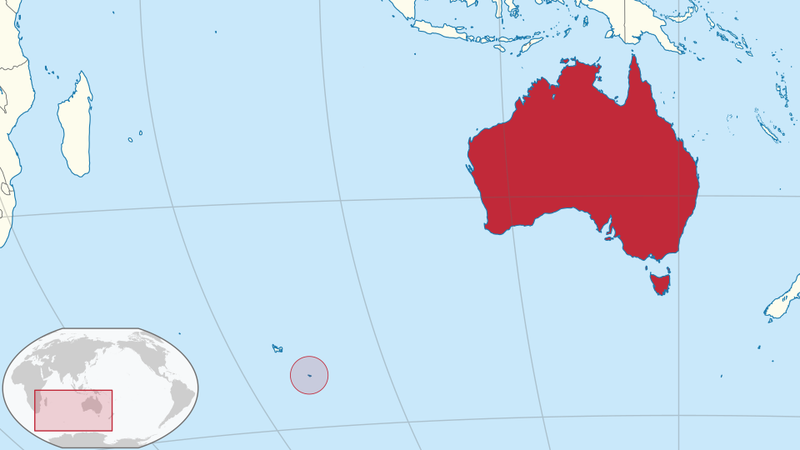
Getting to Heard Island requires a 10-day voyage through some of the roughest seas on Earth. That alone should tell you something about how accessible this place is.
Located in the Southern Ocean between Madagascar and Antarctica, Heard Island is one of the most isolated and untouched places on the entire planet. Almost nobody goes there — and that is precisely the point.
The island is an Australian external territory and a UNESCO World Heritage Site. It features an active volcano called Big Ben, massive glaciers, and wildlife that has never learned to fear humans because it has barely ever encountered them.
Elephant seals and penguins essentially own the place.
Visiting requires a special permit from the Australian government, and those permits are issued only for scientific research. Even approved expeditions face enormous logistical challenges — there are no docks, no airstrips, and no infrastructure of any kind.
You anchor offshore and wade through freezing surf to reach land.
Because human activity has been so minimal, Heard Island offers scientists a rare baseline for studying climate change, glacial retreat, and volcanic activity in an environment that pollution and development have barely touched. It is an ecological treasure — and one that most people will experience only through photographs taken by the very few who have actually been there.
Poveglia Island, Italy
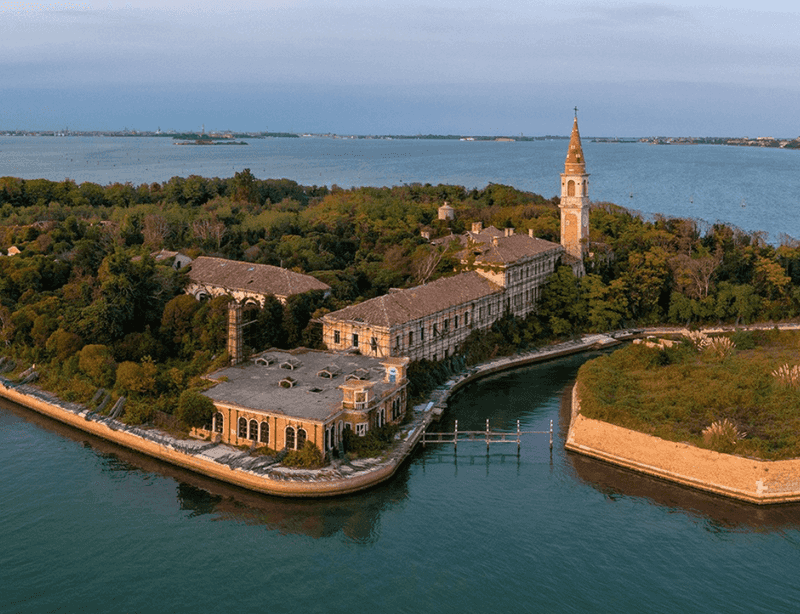
Tucked inside the Venice Lagoon, Poveglia Island looks like something straight out of a gothic horror novel — and its history is dark enough to match the atmosphere. For centuries, the island served as a quarantine station where plague victims were sent to die.
Historians estimate that over 160,000 people perished there during various outbreaks, and their remains were burned in mass pyres on the island’s soil.
In the early 20th century, a psychiatric hospital was built on the island. Stories circulated about a doctor who conducted cruel experiments on patients before allegedly going mad himself and jumping — or being thrown — from the bell tower.
The hospital closed in 1968, and the island has been abandoned ever since.
The Italian government has kept Poveglia closed to the public for decades. A private developer once purchased it with plans to convert it into a luxury hotel, but those plans collapsed.
A group of Italian citizens then campaigned to turn it into a public park, though that project has stalled as well.
Ghost hunters and thrill-seekers have tried to sneak onto the island, but local authorities patrol the lagoon regularly. Whether you believe in the supernatural or not, Poveglia’s layered history of suffering makes it one of the most hauntingly compelling restricted places in the world.
Niihau Island, Hawaii, USA
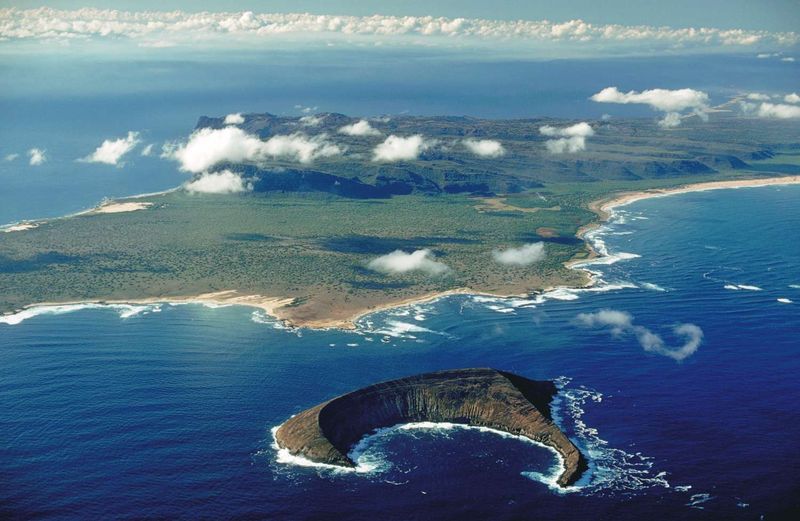
Just 17 miles southwest of Kauai lies an island that feels like it exists in a completely different century. Niihau has been privately owned by the Robinson family since 1864, when they purchased it from the Kingdom of Hawaii for $10,000.
Since then, the family has maintained a strict closed-door policy that has earned the island its nickname: the Forbidden Isle.
About 70 to 130 Native Hawaiian residents call Niihau home, living without running water, public electricity, or paved roads in many areas. Hawaiian is the primary language spoken there, making it one of the last places on Earth where the language is used in daily life.
The Robinsons have long argued that isolation is the best way to preserve that culture.
Outside visitors are not welcome without explicit permission from the family. A small number of supervised hunting safaris and helicopter tours are offered to a very limited group of guests, but access to the actual community remains off-limits.
Residents can leave whenever they choose, but few outsiders get to come in.
Opinions are divided on whether the arrangement protects or isolates the island’s residents. What is certain is that Niihau offers a rare glimpse into a way of life that the rest of Hawaii — and the world — has largely left behind.
That alone makes it endlessly fascinating.
Mount Weather Emergency Operations Center, USA
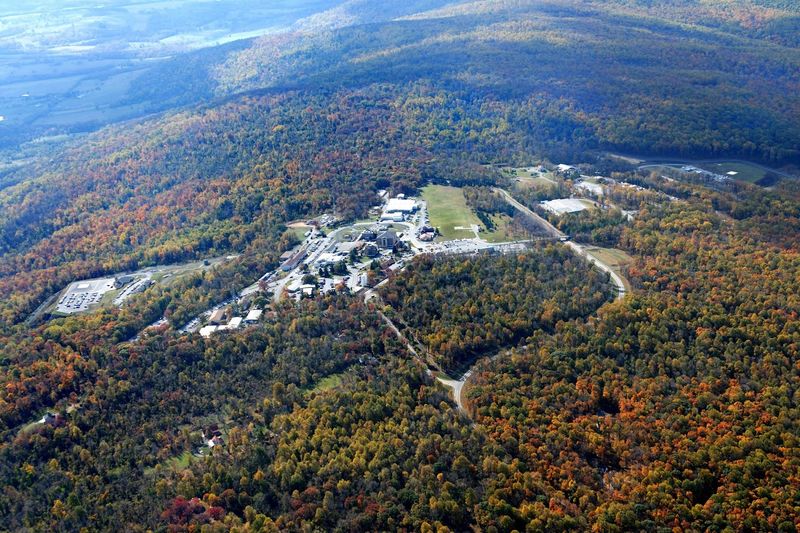
Tucked into the Blue Ridge Mountains of Virginia, about 75 kilometers from Washington D.C., sits a facility that most Americans have never heard of — but that exists specifically to keep the government running if they ever do. Mount Weather Emergency Operations Center is the United States government’s primary backup command post, designed to shelter top officials during a catastrophic national emergency.
The facility was built during the Cold War, when the threat of nuclear attack made underground bunkers a genuine priority. It reportedly contains its own power supply, water treatment system, hospitals, and even a radio and television studio.
Some accounts suggest it has enough resources to function independently for months.
Public access is absolutely prohibited. The Federal Emergency Management Agency officially oversees the site, and the perimeter is secured with fencing, surveillance, and armed personnel.
Even mentioning its specific capabilities in detail is considered sensitive.
Mount Weather gained brief public attention after the September 11 attacks, when Vice President Dick Cheney was reportedly taken to an undisclosed secure location — widely believed to be this facility. It also appeared in news coverage after a 1974 plane crash on the mountain revealed its existence to the public for the first time.
It is not a secret in name, but its inner workings remain firmly classified.



