America is famous for its national parks and big cities, but some of its most breathtaking places are surrounded by water and barely known to the public. Scattered across the Pacific, Atlantic, Gulf Coast, and even the Bering Sea, these islands offer wild landscapes, rich history, and a rare sense of total escape.
Whether you love wildlife, history, or simply quiet beaches with no crowds, these hidden American islands are worth knowing about. Get ready to discover places that most people have never heard of but will never forget.
1. Palmyra Atoll, Pacific Ocean
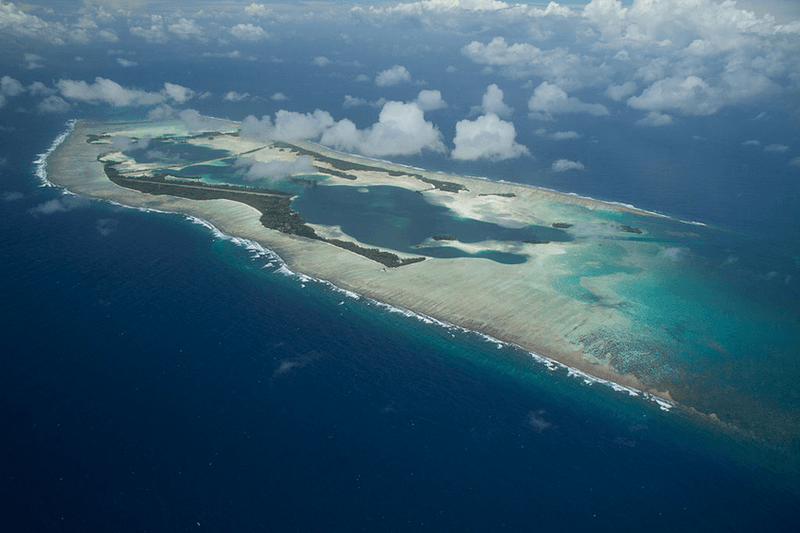
Roughly 1,000 miles south of Hawaii, Palmyra Atoll sits in the middle of the Pacific like a secret the ocean decided to keep. This remote U.S. territory is made up of about 50 small islets surrounding crystal-clear lagoons and some of the healthiest coral reefs on the planet.
No one permanently lives here, which means nature runs the show completely.
The atoll is managed by the U.S. Fish and Wildlife Service and The Nature Conservancy, making it one of the most protected marine environments in the country.
Rare seabirds nest here by the thousands, and sharks patrol the reefs in impressive numbers. Scientists visit regularly to study its nearly untouched ecosystems.
Getting there requires special permission and a long boat or plane ride. For those lucky enough to visit, Palmyra feels less like Earth and more like a living nature documentary playing out in real time.
2. Anacapa Island, California
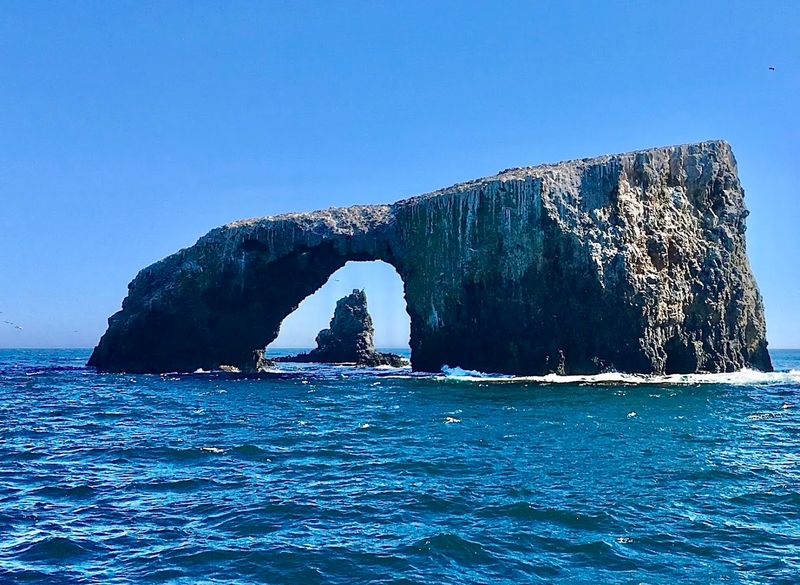
Channel Islands National Park is sometimes called the Galapagos of North America, and Anacapa Island is one of its most dramatic stops. This tiny volcanic island sits about 14 miles off the coast of Ventura, California, and rewards visitors with some of the most jaw-dropping sea arches and cliff scenery on the West Coast.
Anacapa is actually made up of three small islets connected at low tide. The eastern islet is the only one open to visitors and features a short trail system with sweeping views of the Pacific.
Brown pelicans, western gulls, and Brandt’s cormorants nest here in large numbers during spring.
Boat trips run from Ventura Harbor, but the island has no stores, hotels, or restaurants. Visitors must bring everything they need.
That self-sufficient quality is exactly what makes Anacapa feel like stepping into a wilder, quieter version of the California coast most people never see.
3. Culebrita Island, Puerto Rico
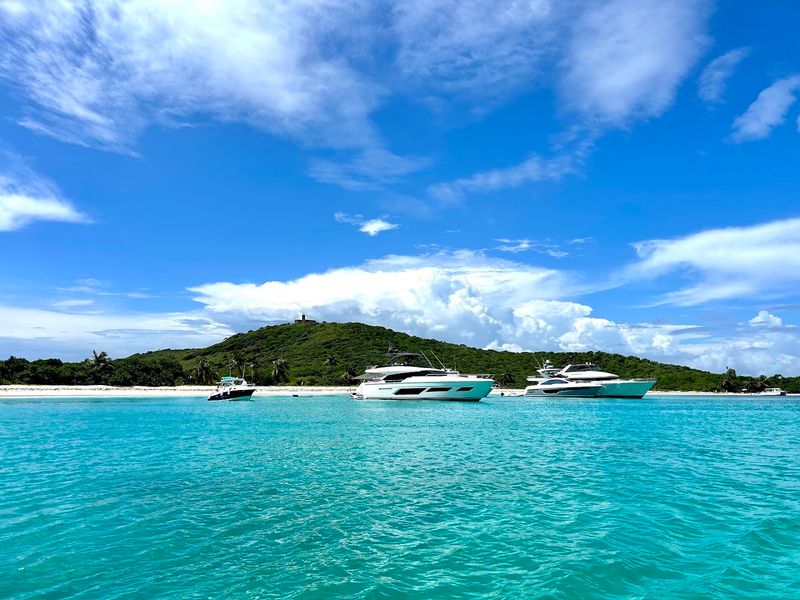
Just a short ferry or water taxi ride from the small Puerto Rican island of Culebra, Culebrita is one of the Caribbean’s best-kept secrets. This tiny, uninhabited island is part of the Culebra National Wildlife Refuge, which means no hotels, no beach bars, and no crowds fighting over lounge chairs.
Just pure, uninterrupted Caribbean beauty.
The beaches here are the kind that appear in travel magazines but rarely get named. Tamarindo Beach on the island’s southern side is especially stunning, with calm, shallow water perfect for snorkeling.
An old lighthouse sits at the island’s highest point, offering panoramic views that stretch across the sea.
Natural tide pools on the eastern shore are a favorite with visitors, especially kids who love exploring them. Culebrita is a reminder that some of the most beautiful places in U.S. territory are the ones that stayed simple, quiet, and blissfully undeveloped.
4. St. Matthew Island, Alaska
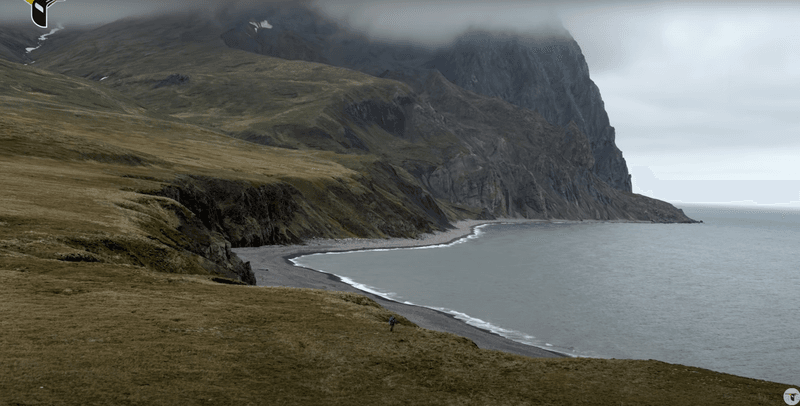
St. Matthew Island may be the loneliest piece of American land most people have never heard of. Located deep in the Bering Sea, roughly 200 miles from the nearest Alaskan mainland community, this island has no permanent residents and no infrastructure whatsoever.
Getting there requires a chartered flight or boat, and the weather can turn dangerous without warning.
The island is part of the Alaska Maritime National Wildlife Refuge and serves as critical habitat for Arctic foxes, polar bears, and enormous seabird colonies. The terrain is raw and rugged, covered in tundra grasses, mossy cliffs, and rocky shores battered by cold ocean winds.
St. Matthew Island is also known for a haunting ecological story from the 1960s, when a reindeer population introduced by the U.S. Coast Guard rapidly grew and then collapsed due to overgrazing.
Today, the island stands as a powerful example of nature’s fragility and resilience in one of America’s most extreme environments.
5. Endicott Rock Islands, Maine
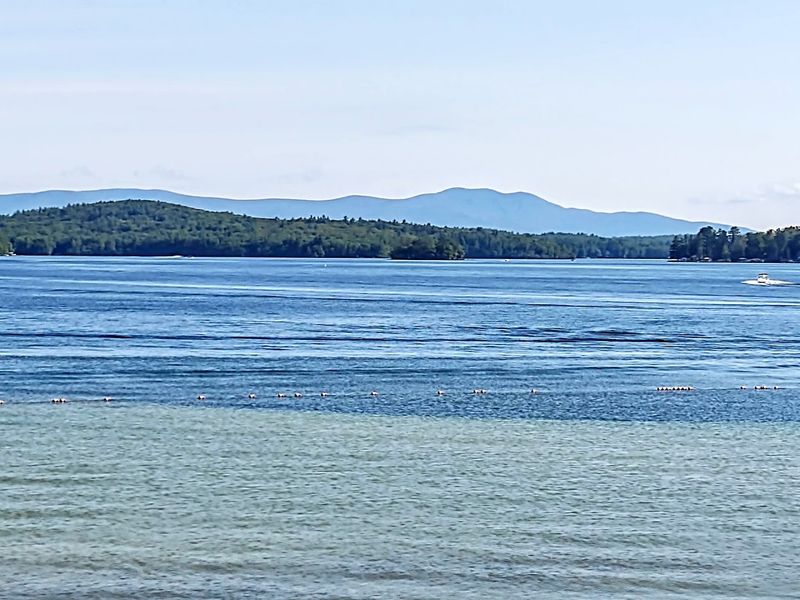
Maine’s coastline is dotted with thousands of small islands, but the Endicott Rock Islands stand out even among them for their sense of total seclusion. These tiny Atlantic outcroppings are rarely visited, even by people who live nearby, making them one of New England’s most overlooked natural treasures.
The islands are characterized by dark granite rocks, hidden coves, and the kind of rugged beauty that feels untouched by modern life. Sea kayakers occasionally paddle out to explore the shoreline, and birders come hoping to spot nesting ospreys, cormorants, and common eiders.
The cold, clear Atlantic water surrounding the islands is rich with marine life.
There are no marked trails or visitor facilities, so exploring requires preparation and respect for the environment. Low-impact visits during calmer summer months are ideal.
For anyone craving a raw, authentic slice of coastal Maine without the tourist crowds, the Endicott Rock Islands offer exactly that kind of honest, unhurried escape.
6. Kiska Island, Alaska
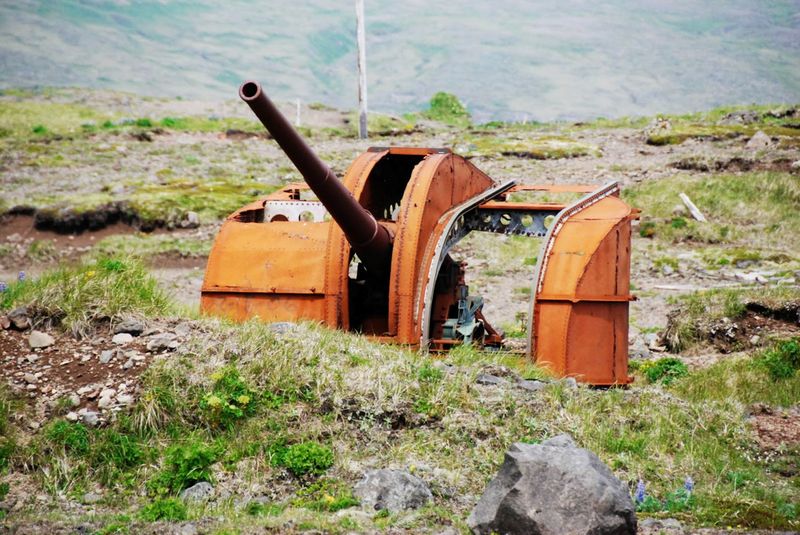
Kiska Island carries a weight that most American islands do not. During World War II, Japanese forces occupied this remote Aleutian island for over a year, making it one of the only pieces of U.S. soil to be held by a foreign military during that conflict.
Walking through the island today still feels like stepping into a forgotten chapter of history.
Rusted submarines, crumbling bunkers, and abandoned equipment are scattered across a volcanic landscape draped in fog and wild grasses. The island sits near the western end of the Aleutian chain, roughly 1,200 miles from Anchorage, and sees very few visitors each year.
Its isolation has actually helped preserve the wartime remnants remarkably well.
Wildlife thrives here too, including Arctic foxes and a wide variety of seabirds. Kiska is managed as part of the Alaska Maritime National Wildlife Refuge.
For history enthusiasts and adventurous travelers, it offers an experience that is equal parts haunting and unforgettable.
7. Caladesi Island, Florida
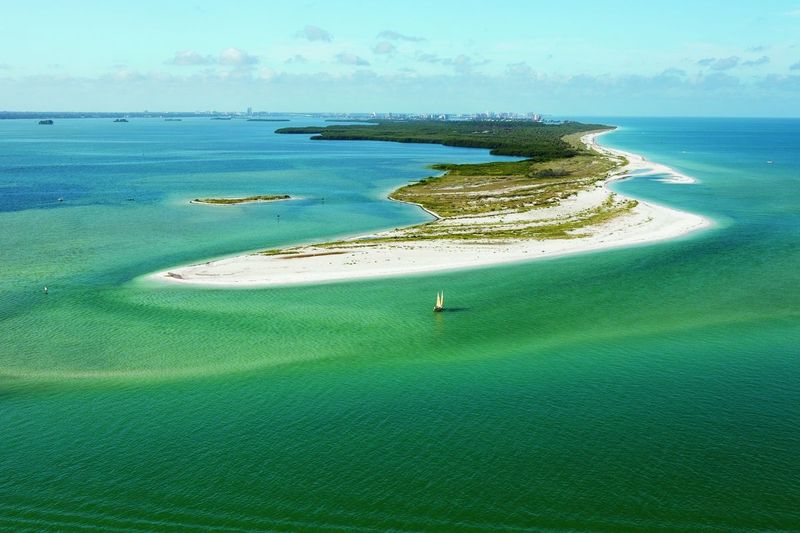
Ranked among the top beaches in the United States multiple times, Caladesi Island somehow manages to stay wonderfully uncrowded. Located just off the coast of Dunedin, Florida, the island is accessible only by ferry or private boat, which naturally filters out anyone unwilling to make a small effort.
That short trip across the water makes all the difference.
The Gulf-side beach stretches for about three miles of soft white sand and calm, shallow water. Because the island is a Florida State Park with no commercial development, it looks much the same as it did centuries ago.
Dolphins are frequently spotted just offshore, and the mangrove forests on the bay side shelter a rich variety of birds and small marine animals.
A kayak trail winds through those mangroves for visitors who want to explore beyond the beach. Caladesi Island proves that one of Florida’s best coastal experiences is also one of its quietest, if you know where to look.
8. Monomoy Island, Massachusetts
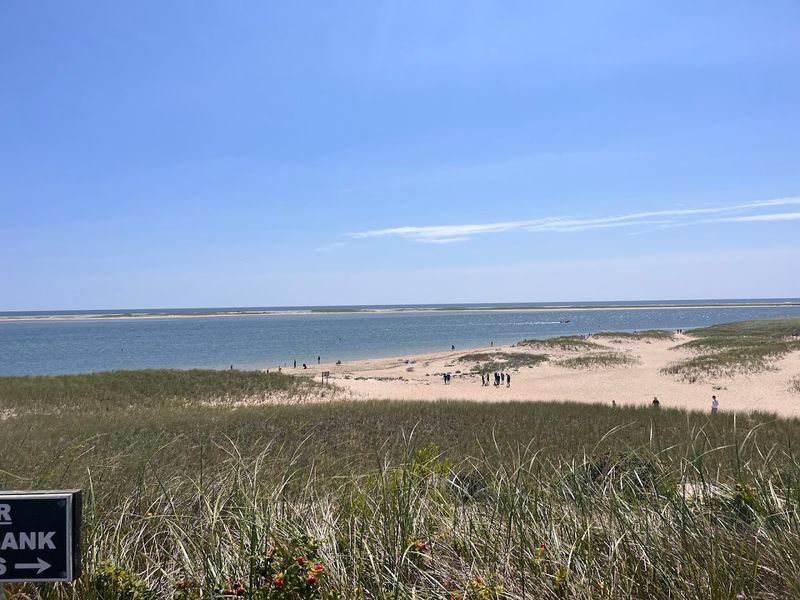
Cape Cod is one of New England’s most visited destinations, but Monomoy Island sits just offshore in a world of its own. This barrier island is a federally designated wilderness area and wildlife refuge, meaning no roads, no buildings, and no development of any kind.
What it does have is seals, shorebirds, and miles of deserted beach.
Gray seals haul out on the sandbars by the hundreds, especially during winter months. Piping plovers, least terns, and American oystercatchers nest here during the warmer seasons.
The island’s shifting dunes and dynamic shoreline make it one of the most ecologically active stretches of coastline on the East Coast.
Boat tours from Chatham offer guided wildlife trips to Monomoy, and kayakers sometimes paddle over independently during calm conditions. The experience of standing on a completely wild beach within sight of mainland Massachusetts, with no other humans around, is surprisingly rare and genuinely moving for most visitors who make the trip.
9. Little Diomede Island, Alaska
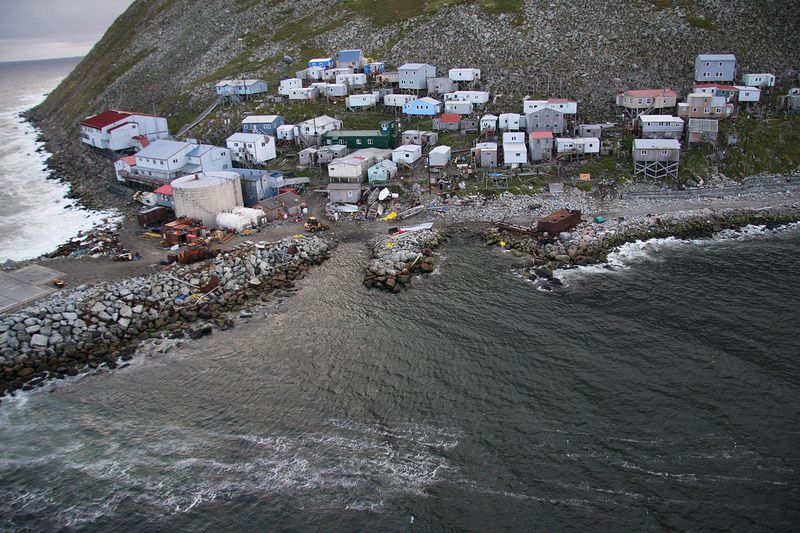
Few places in the United States feel as geographically surreal as Little Diomede Island. Perched in the middle of the Bering Strait, this small rocky island sits just 2.4 miles from Russia’s Big Diomede Island.
On a clear day, you can see another country from the shoreline. The international date line runs between the two islands, meaning they exist in different days of the week.
About 80 to 100 Inupiaq residents live on Little Diomede year-round, making their homes on the steep rocky slopes of this isolated outpost. The community relies on subsistence hunting and fishing, continuing traditions that stretch back thousands of years.
There are no roads connecting the island to anywhere else, and the only regular access is by helicopter when weather allows.
Winters bring sea ice that locals sometimes use to walk to the ice edge for hunting. Little Diomede is one of the most extraordinary and overlooked communities in all of America.
10. Smith Island, Maryland
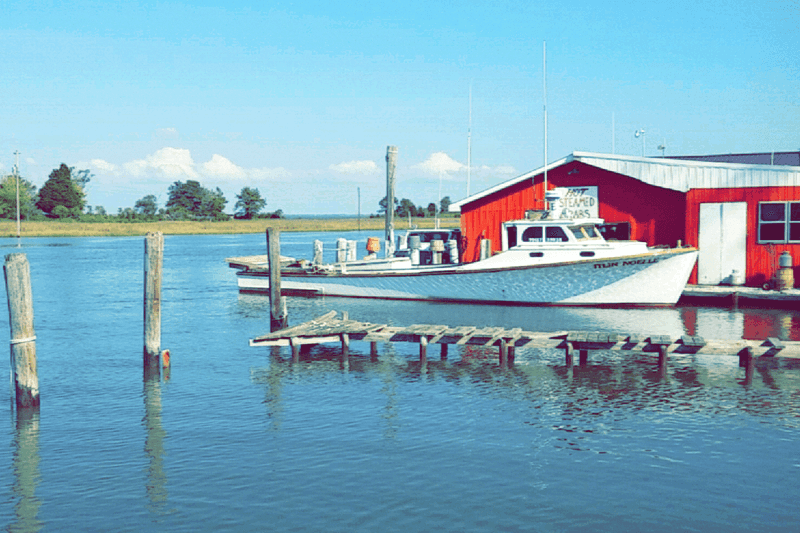
Smith Island is the only inhabited offshore island in Maryland, and it operates on a rhythm entirely its own. Sitting about 12 miles from the mainland in the Chesapeake Bay, it is home to a few hundred residents who have lived and fished here for generations.
The community traces its roots back to English settlers from the 1600s, and the local dialect still carries echoes of that era.
Crabbing and oystering remain the backbone of island life, and the watermen who work these trades are some of the last of a disappearing American tradition. The island is also the birthplace of the famous Smith Island Cake, Maryland’s official state dessert, a multi-layered confection that visitors travel specifically to taste.
Rising sea levels threaten Smith Island’s long-term survival, with erosion steadily shrinking the landmass. That makes visiting now feel especially meaningful.
Ferries run from Crisfield, Maryland, and the trip offers a window into a way of life that is genuinely unlike anywhere else in the country.
11. Destruction Island, Washington
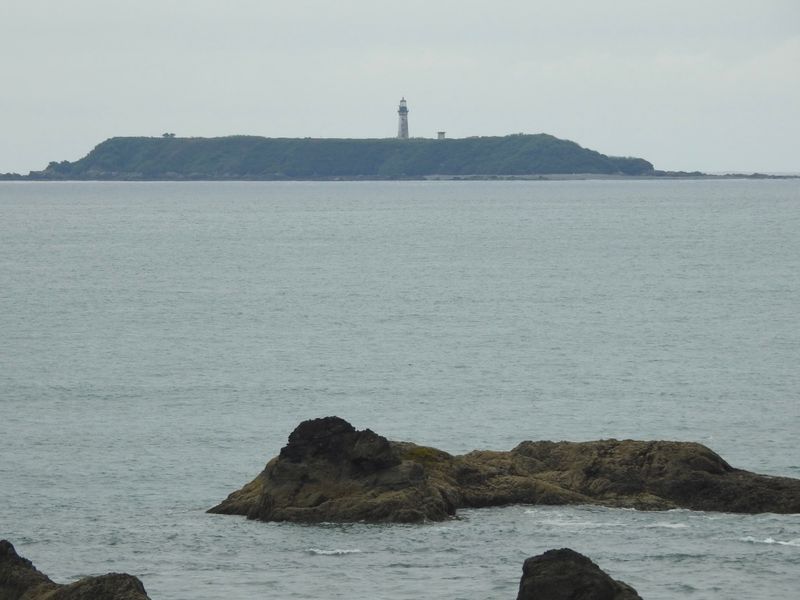
The name alone should tell you something. Destruction Island sits off the rugged Olympic Peninsula coast of Washington state, and it earned its dramatic name from the dangerous waters and fierce storms that have claimed ships over the centuries.
The island is wild, windswept, and almost entirely off-limits to the public, which only adds to its mystery.
A historic lighthouse built in 1891 still stands on the island, operated today by automated systems. The lighthouse tower reaches 94 feet and was once maintained by keepers who lived on the island in near total isolation.
Old keeper quarters and outbuildings still exist, slowly weathering in the Pacific winds.
Seabirds including tufted puffins, rhinoceros auklets, and Leach’s storm-petrels nest here in significant numbers. The surrounding waters are rich with marine mammals.
Viewing the island from a boat offshore is possible and well worth the effort for anyone exploring the wild coast of the Olympic Peninsula.
12. Egmont Key, Florida
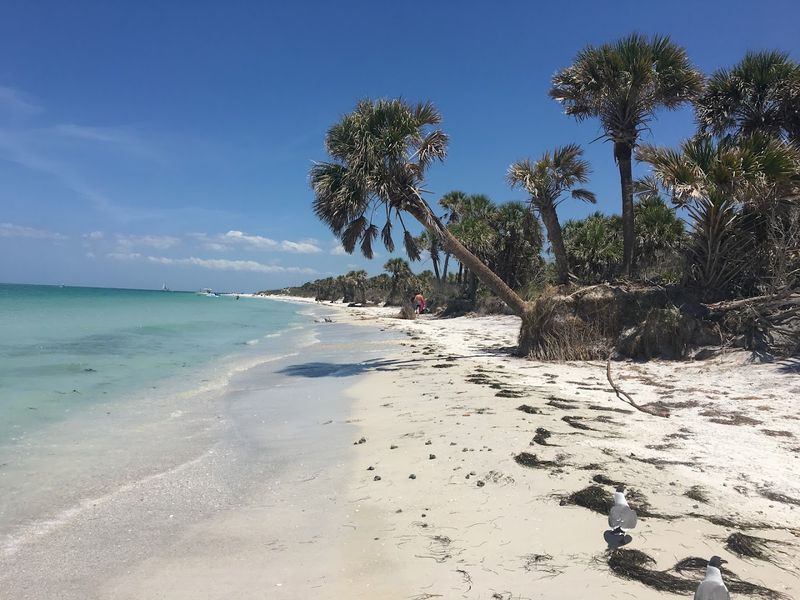
Just a short boat ride from Fort De Soto Park near St. Petersburg, Egmont Key feels like a place time forgot in the best possible way. This small barrier island guards the entrance to Tampa Bay and holds layers of history beneath its sandy surface.
Fort Dade, a Spanish-American War era military installation, left behind brick ruins that visitors can still explore today.
During the Second Seminole War, the island was used as a holding site for captured Seminole people, a somber chapter in Florida’s history that adds depth to any visit. The fort’s old streets and building foundations are slowly being reclaimed by the island’s gopher tortoises, which wander freely and outnumber the visitors on most days.
The waters around Egmont Key are excellent for snorkeling, with sea grass beds full of fish, rays, and the occasional manatee. Dolphins often escort the ferries heading to shore.
For a place this close to a major city, Egmont Key feels remarkably untouched and consistently rewarding.
13. Rose Atoll, American Samoa
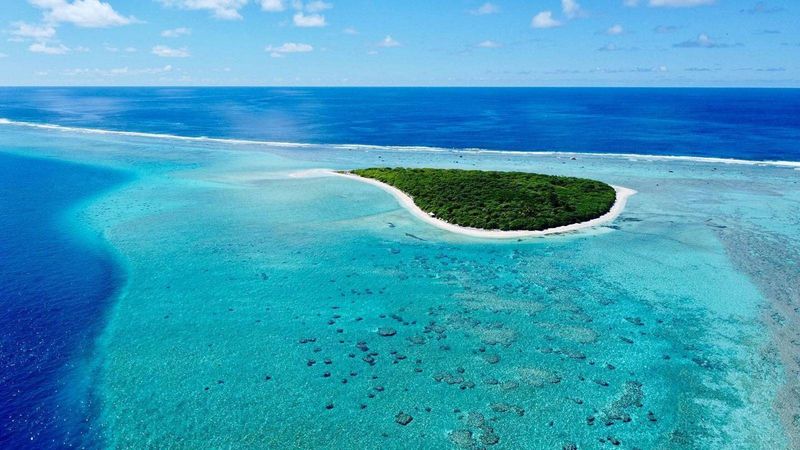
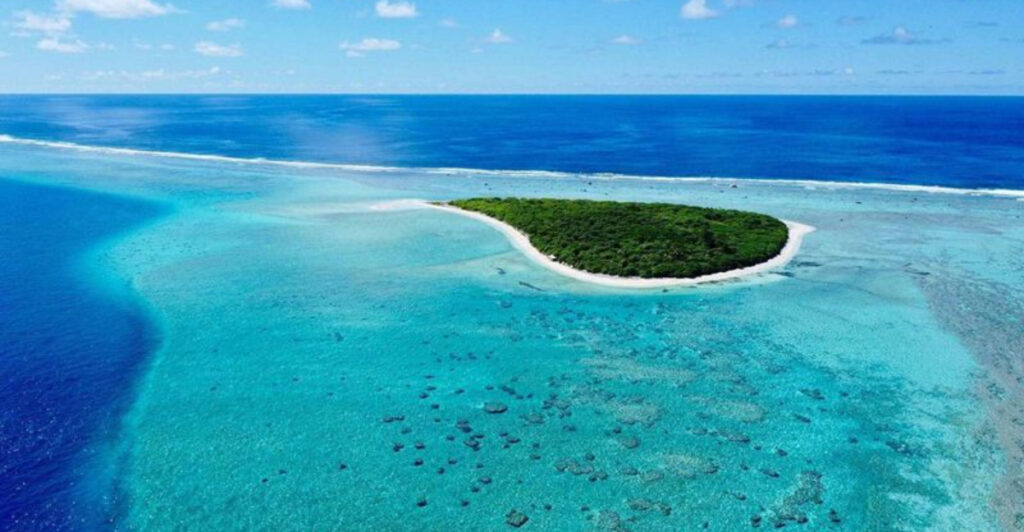
Rose Atoll is one of the smallest and most remote pieces of U.S. territory in the world. Located at the eastern edge of American Samoa, this tiny coral atoll is made up of two small islets barely rising above sea level, surrounded by a shallow lagoon of stunning clarity.
It is part of the National Monument of American Samoa and receives almost no tourist traffic.
The marine environment here is considered among the healthiest in the entire Pacific. Giant clams, sea turtles, and numerous species of reef fish thrive in the lagoon’s warm, clean waters.
The atoll also serves as critical nesting habitat for green sea turtles and hawksbill turtles, both of which are threatened species globally.
Access is tightly restricted to protect the ecosystem, and most visitors are researchers or conservation officials. Seeing Rose Atoll from above in photographs is enough to understand why it deserves protection.
It represents what much of the Pacific once looked like before human activity changed the equation.
14. Sucia Island, Washington
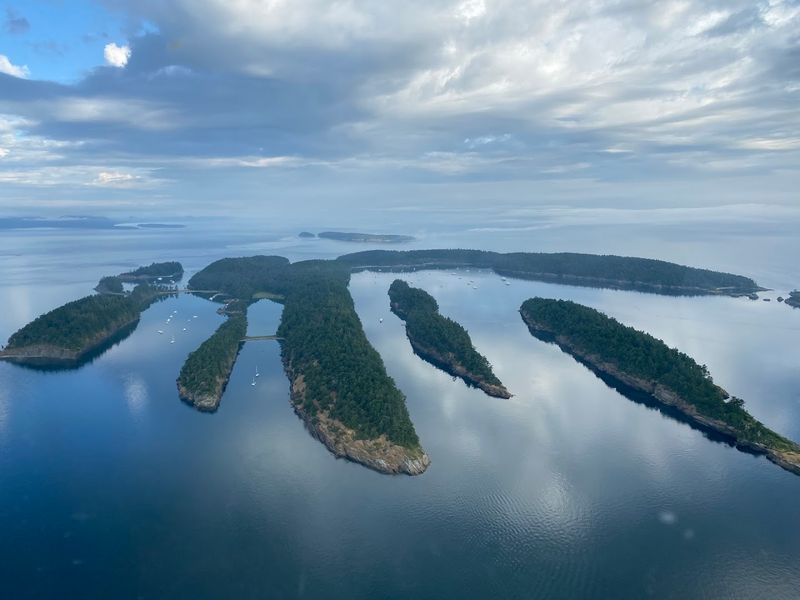
Tucked into the northern end of Washington’s San Juan Islands, just a few miles from the Canadian border, Sucia Island is a quiet gem that most Americans outside the Pacific Northwest have never encountered. The island is a Washington State Park, accessible only by private boat or kayak, which keeps the atmosphere peaceful even during summer months when the anchorage fills with sailboats.
The shoreline is a kayaker’s paradise, with dozens of small coves, sandstone formations sculpted by wind and water, and tide pools teeming with life. Fossil hunters have found marine fossils embedded in the island’s distinctive layered rock formations, some dating back millions of years.
Trails wind through old-growth forest connecting different bays and viewpoints.
Camping on Sucia is a popular experience for boaters exploring the San Juans, and the sunsets from the western shore looking toward the Olympic Mountains are genuinely spectacular. Sucia Island rewards anyone willing to arrive by water with scenery that feels far more remote than it actually is.
Share this story