 Unearth The Voyage
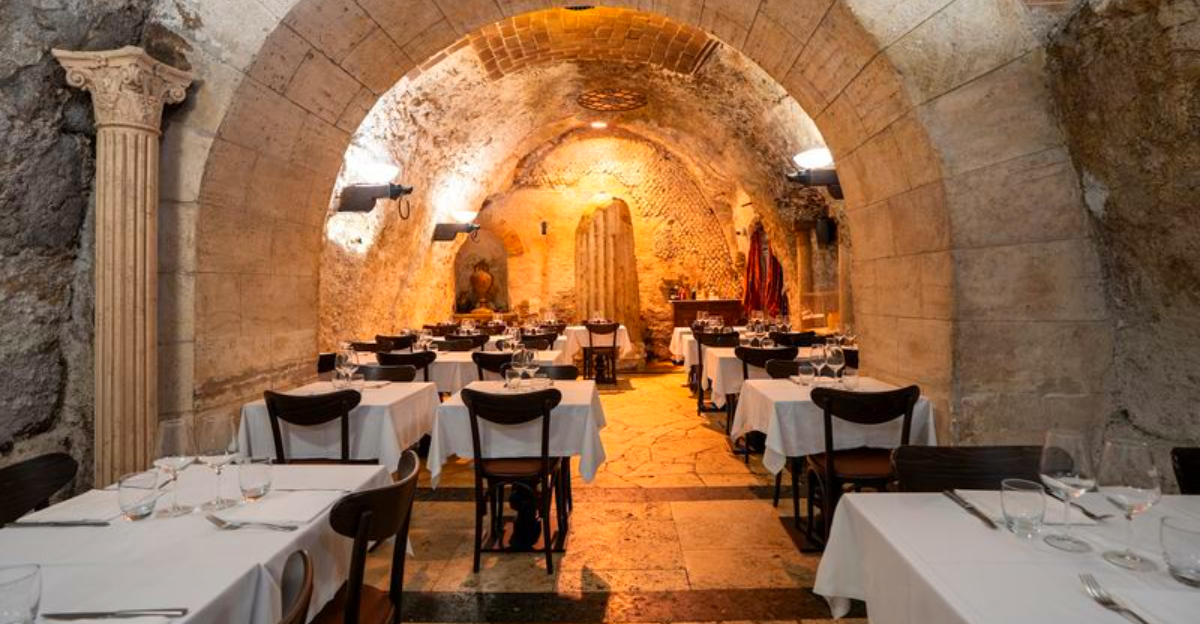
Some restaurants serve more than a meal. They plate up legends, stunts, and history so odd you might spend half the night reading the menu for footnotes.
You are about to meet places where caves became dining rooms, bank vaults turned into lounges, and a movie attic earned a reservation list. Keep going and you will collect practical details, quick backstory bites, and the kind of trivia that makes dinner taste like a plot twist.
1. Clifton’s Republic – Los Angeles, CA
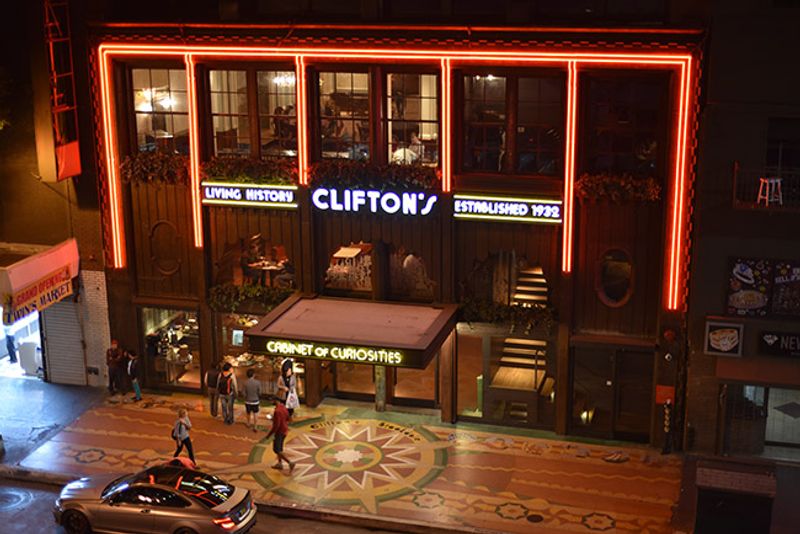
Imagine a cafeteria that behaves like a civic playground, and you have Clifton’s Republic. The founder launched radical hospitality during hard times, serving meals to anyone who needed one and building a forest indoors for morale.
The space sprawls across tiers with bridges, tree trunks, and tucked-away nooks that turn lunch into a small expedition. Self-service lines echo classic cafeteria logic, funneled by trays, carving stations, and dessert pedestals.
History hangs in plain view through museum-like vitrines and a documented link to early Los Angeles fantasy building. Ray Bradbury held court here, and storytellers credit the escapist layout with sparking ideas that influenced theme parks.
A genuine meteorite anchors the curiosities. Guests drift between artifacts and seating alcoves, comparing plate options as if browsing a cabinet of wonders.
Food follows a comfortable script: roast meats, sides with vintage flair, and desserts that lean nostalgic rather than experimental. Ordering is straightforward, though timing lines with showy moments on the mezzanine keeps people lingering.
Dress codes do not apply, but an appetite for oddball history does. You exit understanding why a cafeteria could change a city’s sense of welcome.
2. Jessop’s Tavern – New Castle, DE
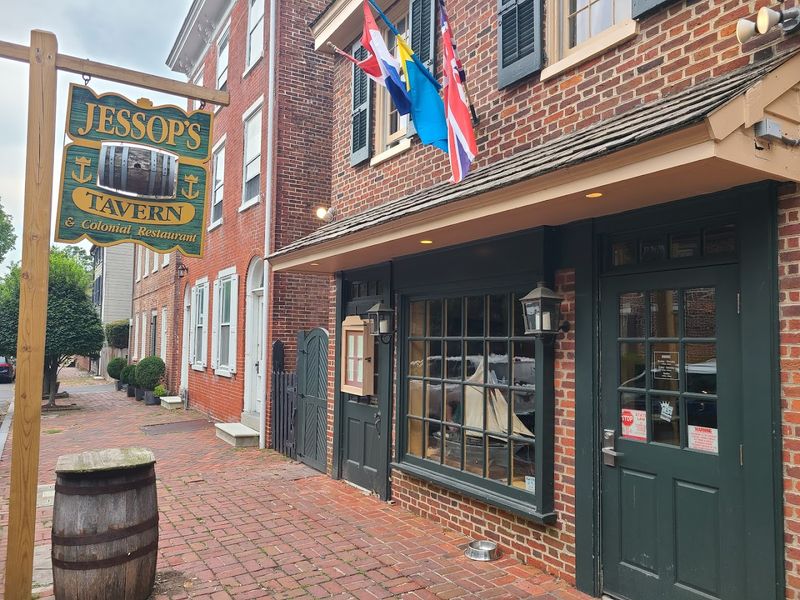
Menus do not always come with a history quiz, but this one could. Jessop’s Tavern recreates an 18th-century dining stop with staff in period dress and a recipe lineup that references early American staples.
The room structure is compact, dotted with fireplaces and tight stairways that frame separate nooks. Seating favors small parties, and the pacing encourages conversation more than quick turnover.
Plates highlight hearty fare like pot pies, roast meats, and simple fish preparations. Side items rely on seasonal vegetables and grains, staying faithful to what a colonial pantry could manage.
Service doubles as interpretive guidance. Ask about an ingredient and you will likely hear a short origin story tied to trade routes or local farms.
Tourists arrive for the costumes, but locals return for dependable portions and calm pricing. The tavern location near a historic district means lunch can pair with museum visits without a long commute.
The backstory feels built-in rather than staged. You step out with a clearer snapshot of everyday dining before menus chased trends.
3. Grotta Palazzese – Polignano a Mare, Italy
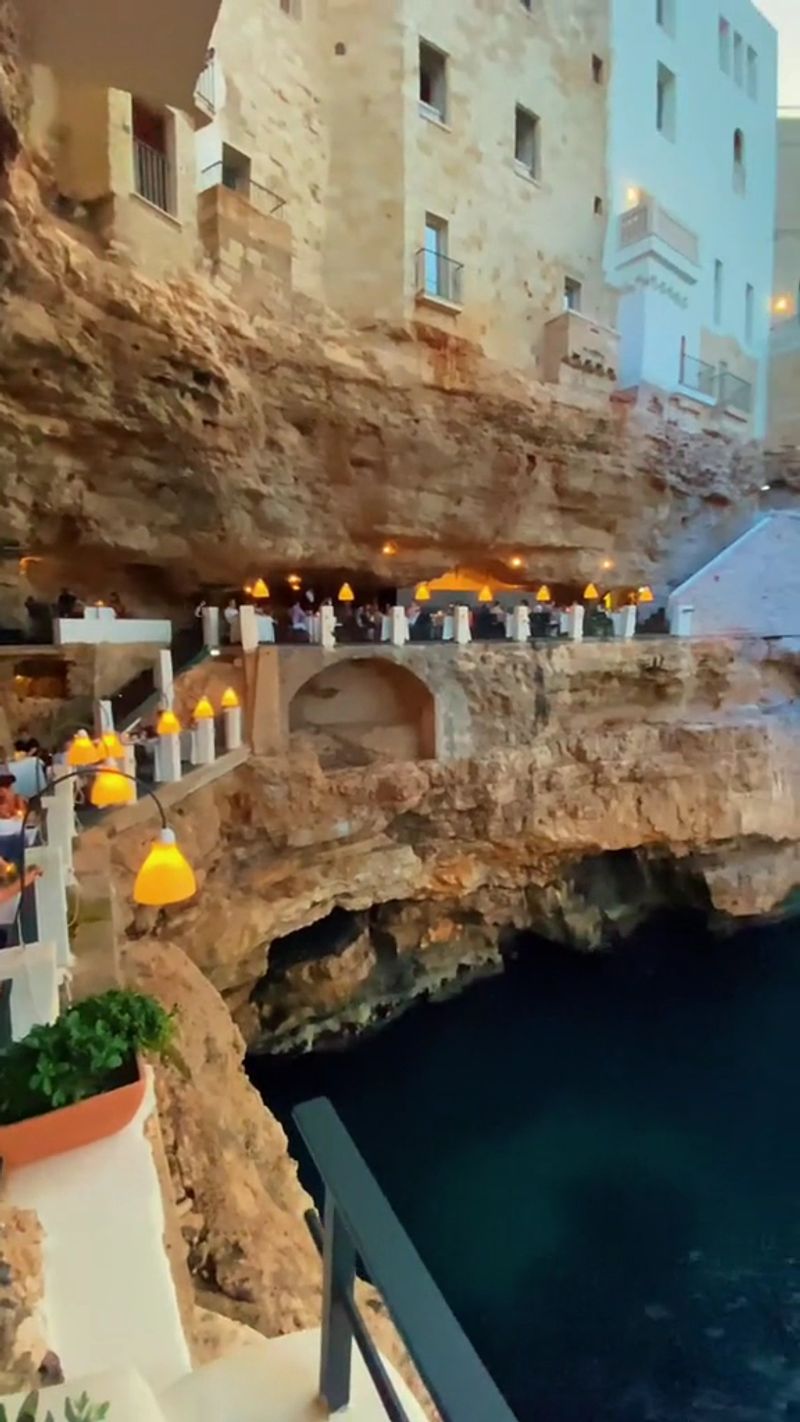
Dining in a cave sounds theatrical until you see how orderly this one runs. Grotta Palazzese has hosted prominent guests for centuries, and the present operation treats the grotto as a disciplined dining room with zones and clear table mapping.
Tables line the carved terraces in geometric rows, leaving walking lanes for servers to navigate without traffic jams. Seating charts factor wind and edge proximity to keep service efficient.
The menu weighs seafood heavily and changes with coastal availability. Courses are paced with European formality, and plating remains elegant without spills or showmanship.
Reservations operate like time slots at a theater. You arrive, settle quickly, and the staff keeps a steady tempo to match late seatings.
The backstory is concise: nobles gathered here in the 1700s and the site kept evolving into a destination restaurant. That continuity gives dinner a historical timestamp without turning it into a reenactment.
You exit through neat corridors and quiet stairways as if leaving a gallery. It is a rare case where atmosphere and logistics share the spotlight equally.
4. Ali Barbour’s Cave Restaurant – Diani Beach, Kenya
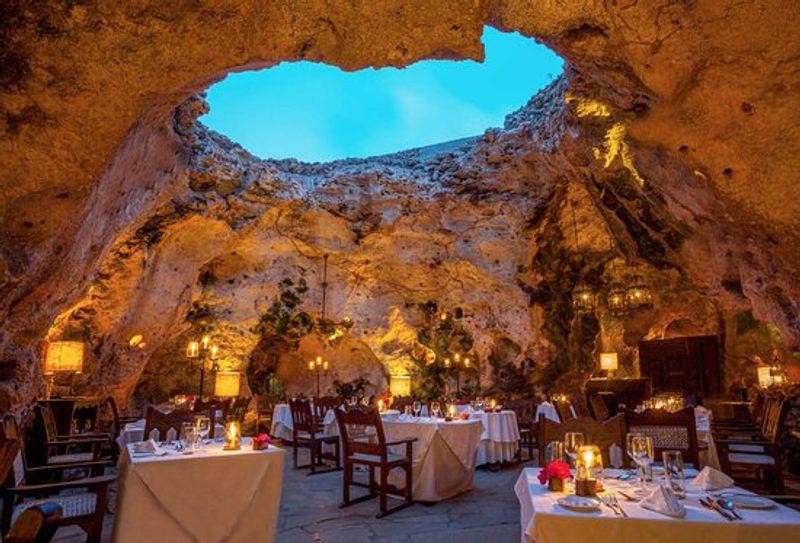
A coral cave becomes a dining room here, and not a small one. Ali Barbour’s uses chambers and open shafts to arrange tables in clusters, giving each party a defined pocket of space.
The structure reportedly dates back thousands of years, and the modern buildout respects that by keeping furniture low-profile and pathways clear. Staff are practiced at leading guests through the cave grid without blocking service.
The kitchen focuses on seafood with regional touches and a few continental standards. Starters and mains are balanced to support leisurely multi-course dinners that do not drag.
There is theater in the tableside preparations, though timing stays precise so other orders do not stall. Couples mark it for celebrations, but groups can coordinate set menus to keep pacing uniform.
Guides often recommend booking in advance and noting preferred seating zones. Early slots catch the transition to night, while later ones feel more intimate under open shafts.
History is present as a steady drone of facts rather than a lecture. You leave with the map of the cave imprinted in memory almost as clearly as the menu.
5. Ristorante Da Pancrazio – Rome, Italy
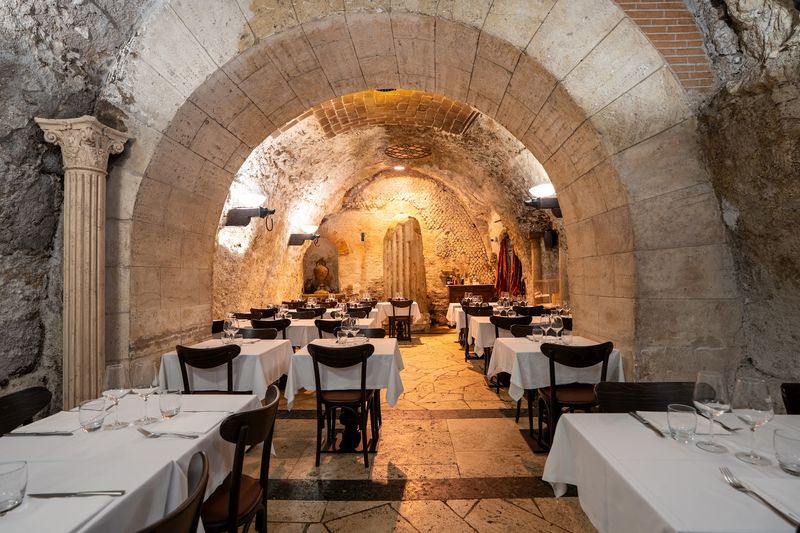
Archaeology meets antipasti below street level here. Da Pancrazio sits over remnants of Pompey’s Theatre, placing guests a short walk from one of history’s most cited political plots.
Dining rooms split across brick-vaulted spaces that feel like chapters. Each chamber holds a modest number of tables, trimmed with framed photos that anchor the timeline.
The menu reads like a Roman checklist. Cacio e pepe, amatriciana, and seasonal offal cuts appear with quiet confidence and sturdy portion control.
Service is brisk and practiced, honed by decades of mixed crowds that include curious travelers and Roman regulars. Staff can steer you to regional choices without a speech.
The backstory is acknowledged without grandstanding. A few steps and plaques convey what stands underfoot, then the meal resumes center stage.
You leave with a receipt that feels part museum ticket, part trattoria tab. It is a tidy fusion of pasta and primary source.
6. The Cave Restaurant (Ristorante Francesca) – Matera, Italy
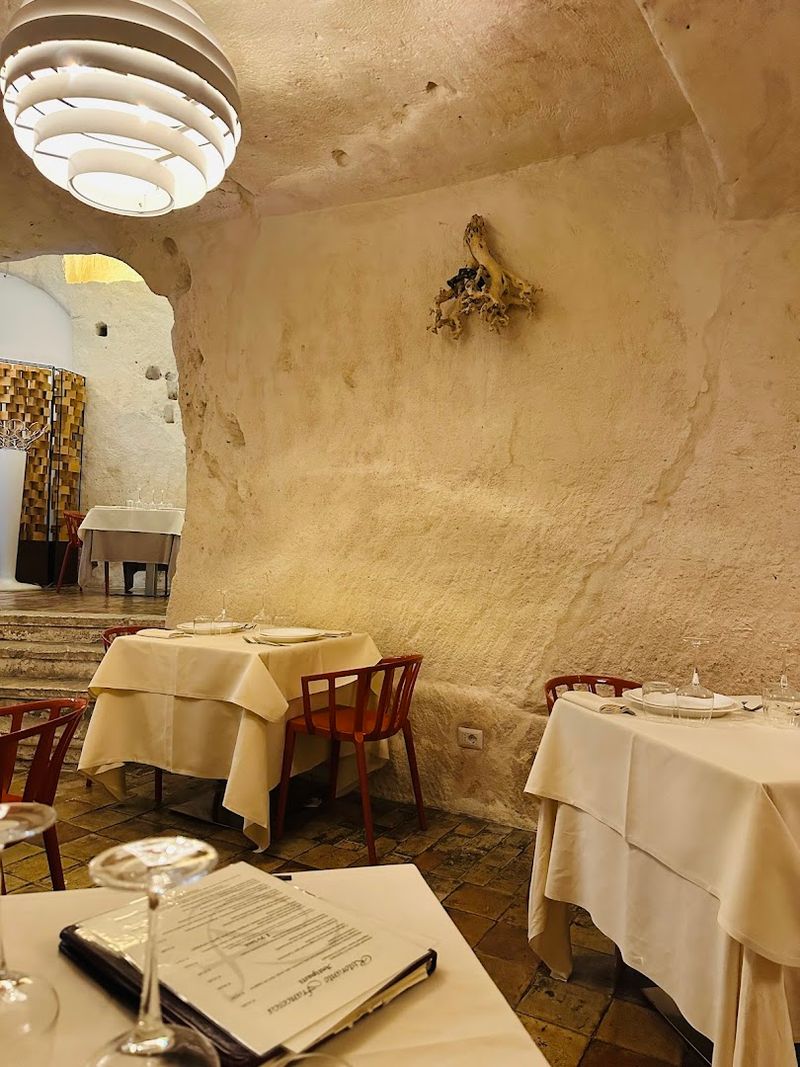
Matera’s rock dwellings are not just photogenic, they are functional dining spaces with a practical logic. This cave restaurant threads small rooms together so servers can move plates swiftly through the passageways.
Seating favors two-tops and a handful of family tables, keeping the energy calm even when bookings are full. The atmosphere is shaped by the rock geometry, not by fancy fixtures.
Menus stick to regional pride. Orecchiette, slow-simmered sauces, and lamb-driven plates appear alongside local cheeses and sturdy breads.
Service is conversational and proud of locality, offering quick notes on producers and why certain pastas pair with specific shapes. Timing is careful to avoid bottlenecks in narrow corridors.
Reservations matter in peak seasons because cave capacity is a literal limit. Early arrivals finish unrushed while late diners enjoy quieter rooms.
The backstory is everyday life turned restaurant blueprint. You taste tradition arranged for modern service and slide back into the alley feeling oddly grounded.
7. The Olde Pink House – Savannah, GA
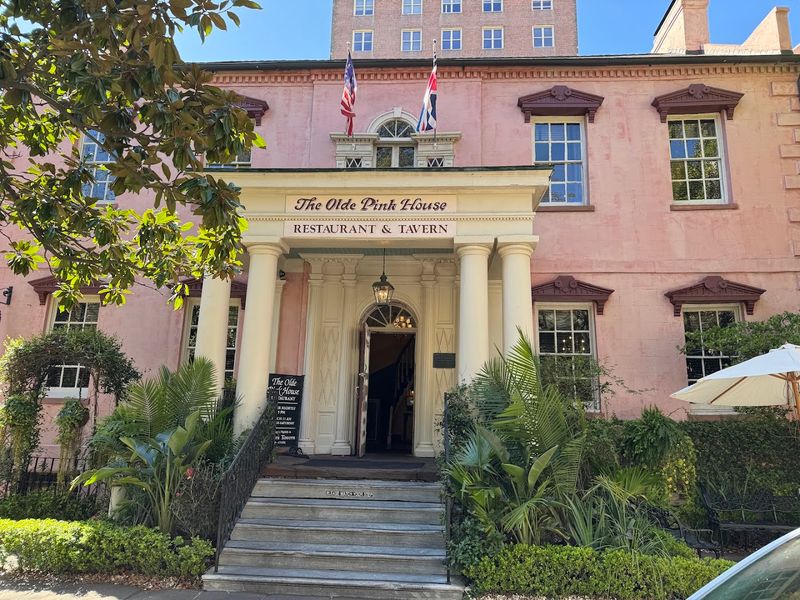
A pastel mansion carries more lore than a guidebook chapter here. The Olde Pink House organizes dining across multiple rooms so each space feels like its own small restaurant.
Staff direct guests through a warren of parlors and the garden-level tavern, assigning tables to balance noise and keep service routes clean. The building’s age adds steps and turns that the team handles with practiced ease.
The menu champions Lowcountry staples with polished execution. Expect crab cakes, shrimp-styled starters, and pork with crisp edges alongside dependable greens and cornbread.
Servers offer table-side explanations of the house’s architectural quirks and the plans that once unfolded inside. Those anecdotes stay short so timing on entrees remains tight.
Reservations are advised for prime evening hours, though the tavern level can absorb walk-ins with patience. Groups often split small plates to sample more without stretching the clock.
By the end, the color is not the main memory. The choreography of a historic home running like a modern restaurant is.
8. The Bedford – Chicago, IL
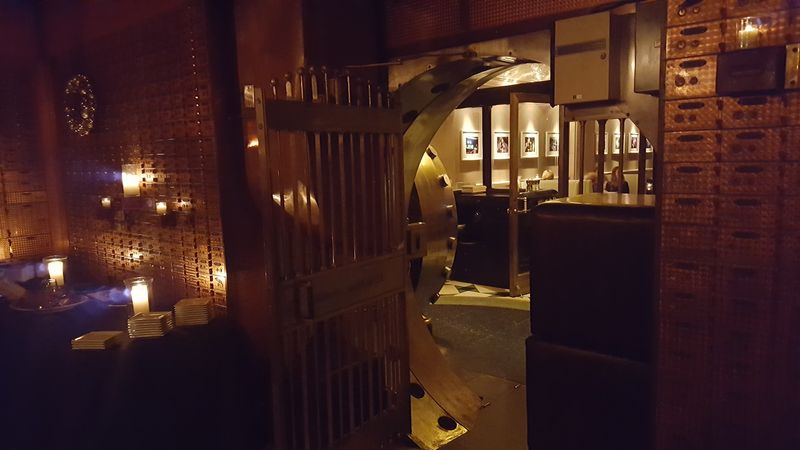
Nothing says reservation like a vault door swinging open. The Bedford refits a 1926 bank into a lounge and dining space that keeps the original hardware on proud display.
Booths align along walls of safety deposit boxes, while a central bar acts as traffic control. Lighting and spacing favor conversation without crowding service aisles.
The menu centers on American comfort with chefly flourishes. Small plates cater to groups that like to share, while mains stay approachable for casual nights out.
Staff use the architecture to guide seating, often pointing out historic plaques or original fixtures during the walk-in. That quick tour keeps the story present without slowing orders.
Reservations help on weekends. Early arrivals can request a seat nearest the vault door for maximum novelty.
You leave after passing the same steel threshold, which makes the bill feel oddly ceremonial. The bank never lost its knack for transactions, just the kind it counts now.
9. Buckhorn Exchange – Denver, CO
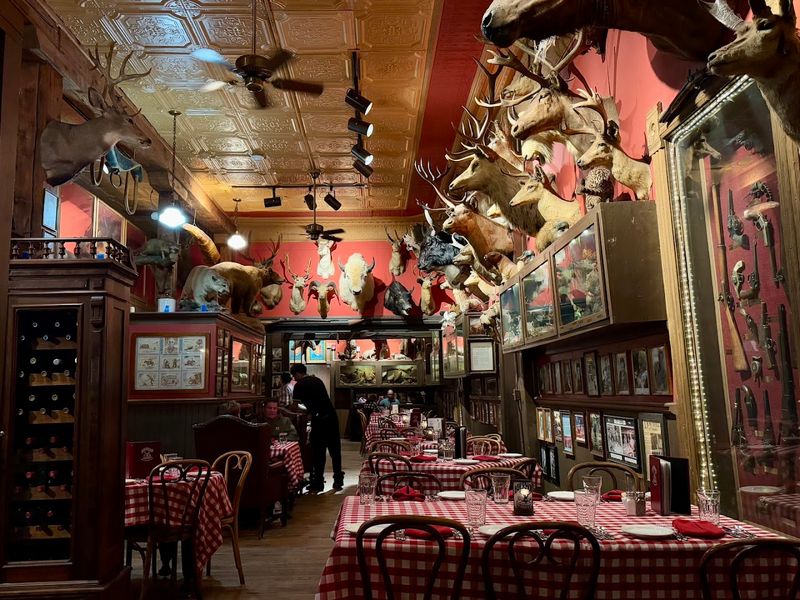
An Old West museum decided to serve dinner and never looked back. Buckhorn Exchange opened in 1893 and stacks memorabilia across every reachable surface, turning the room into a timeline with tables.
Service follows a steady, no-nonsense rhythm honed over a century. Servers juggle classic cuts, game options, and sides that complement heavy mains.
Menu highlights include bison, elk, and steakhouse staples. Portions reflect tradition, so sharing works well for variety.
Walls read like a scrapbook of notable guests and frontier artifacts. Staff are quick with context, adding a name or date to any piece you ask about.
Reservations make sense for weekends, and bar seats handle solo diners fast. Pricing sits in special-occasion territory, justified by history and portion size.
The restaurant sells the past without getting stuck in it. You exit with a brisk education and a very complete appetite.
10. St. Elmo Steak House – Indianapolis, IN
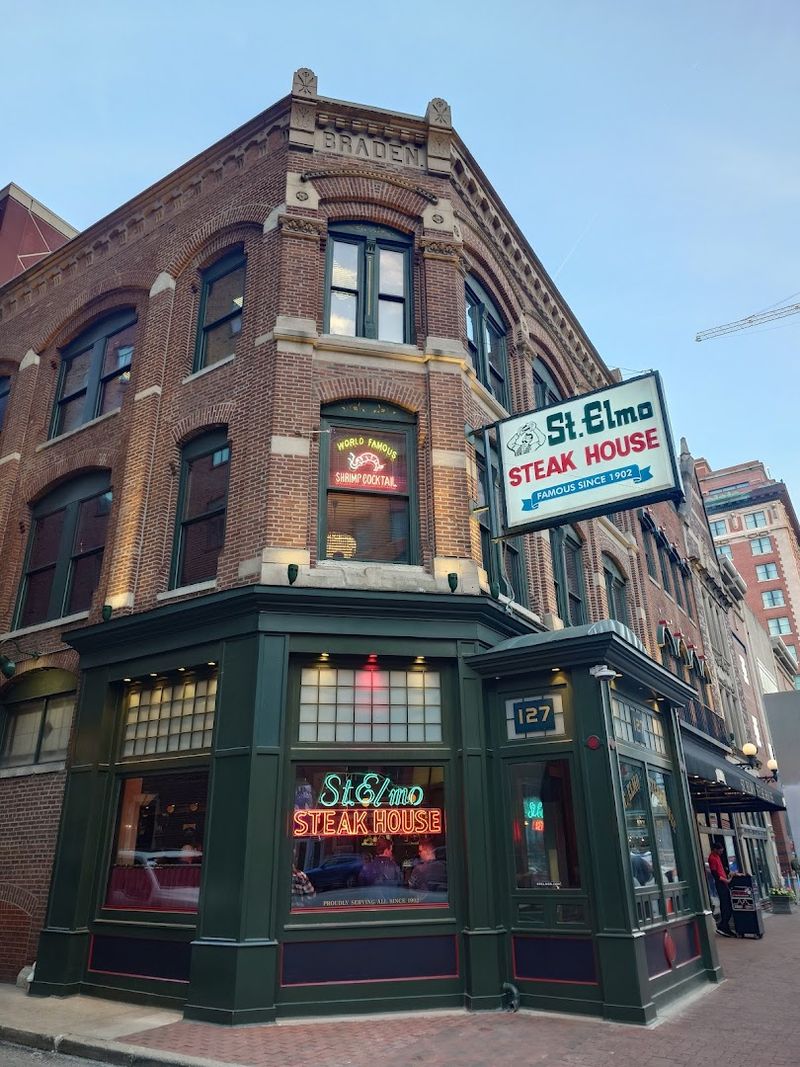
Some institutions thrive on a single signature that dares you to order anything else. St. Elmo’s claim is a shrimp cocktail that starts conversations before steaks even arrive.
The room looks built for long careers in service. Dark wood, crisp linens, and servers who track courses with a memory like a ledger define the experience.
Steak cuts dominate, supported by sides that favor classic pairings. Timing keeps mains hot and punctual, even during peak hours when booths rotate on schedule.
Guests swap stories about first visits while pointing at framed photos on the walls. The staff’s efficiency means you get narration without schedule drift.
Reservations are smart for evenings and event weekends. Solo diners can slip into the bar area to sample the icon and exit satisfied.
This is a playbook that does not need reinvention. You come for a page of history printed on a menu and leave nodding at its precision.
11. Cattlemen’s Steakhouse – Oklahoma City, OK
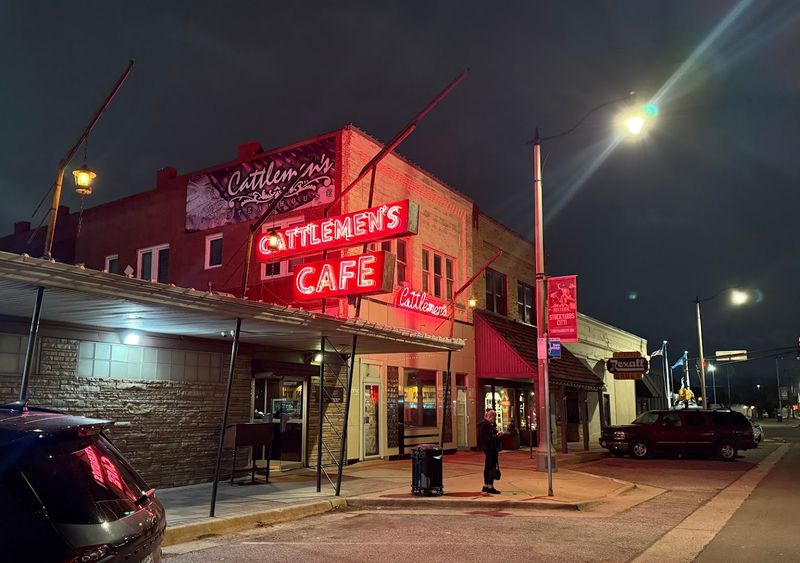
Ownership by dice roll is not a common business plan, but it worked here. Cattlemen’s started in 1910 and famously changed hands after a late-night wager.
The dining room holds steady with wood booths, vintage photos, and servers who move with practiced routes between tables. A neon sign outside sets the tone before you even sit.
Steaks are the headline, cut thick and served on simple platters. Sides cover baked potatoes, salads, and bread that lands quickly.
Regulars order the Presidential Choice T-bone or try lamb fries for bragging rights. Newcomers get friendly guidance without pressure.
Prices are fair for portion sizes, and turnover stays brisk thanks to a focused menu. The staff keeps a sharp eye on doneness requests and refills.
You leave with a story to repeat, the kind that makes a dinner bill double as folklore. Not many restaurants can credit a dice cup for their destiny.
12. El Avión – Quepos, Costa Rica
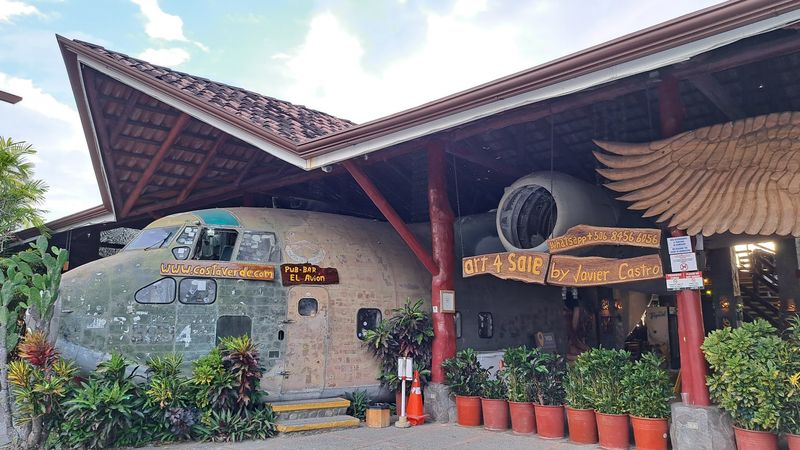
A full-size airplane parked at table height will stop your scrolling. El Avión repurposes a Fairchild C-123 as a dining feature, with seating integrated around the fuselage.
Terraces step down toward the coast with simple tables that keep sightlines clear. Service patterns adapt to the split-level layout so plates arrive together.
Menu items lean casual and coastal. Expect fresh-catch preparations, rice plates, and salads with local produce.
Families like the novelty while travelers compare notes about park visits nearby. The plane becomes a conversation station, with quick walk-throughs between courses.
Reservations are flexible, though sunset times get popular. Staff handle photo requests efficiently so flow does not slow.
The backstory includes rescue and rebuild of an abandoned aircraft. You exit with vacation photos that look improbably staged yet absolutely practical.
13. Bientang’s Cave – Hermanus, South Africa
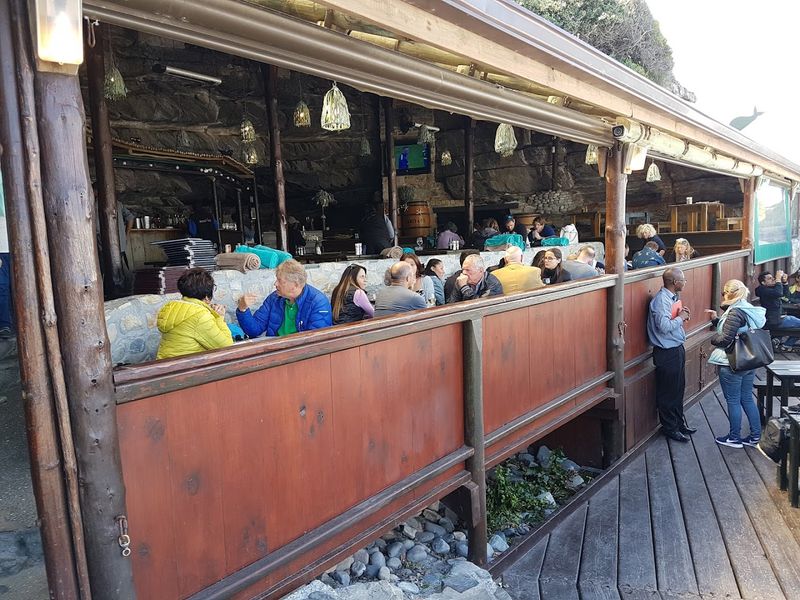
Lunch with a built-in history lesson comes standard here. Bientang’s Cave occupies a natural cavern once linked to a local hunter-gatherer, and interprets that heritage through signs and simple displays.
Tables run along terraced rock ledges with coordinated seating charts. Staff communicate the safest paths and keep courses moving without bunching.
Seafood drives the menu, joined by salads and sides calibrated for daylight dining. Portions match a beachside schedule, letting people come and go around coastal plans.
Whale seasons draw extra eyes to the railings, so reservations help during peak months. The team staggers arrivals to keep sightlines fair for everyone.
The cave’s natural layout dictates where service stations can live, and it works. Orders queue smoothly, and plates reach tables at consistent temperatures.
It is a straightforward coastal operation wearing an unusual address. You finish content and a bit more informed than when you arrived.
14. The Pink Door – Seattle, USA
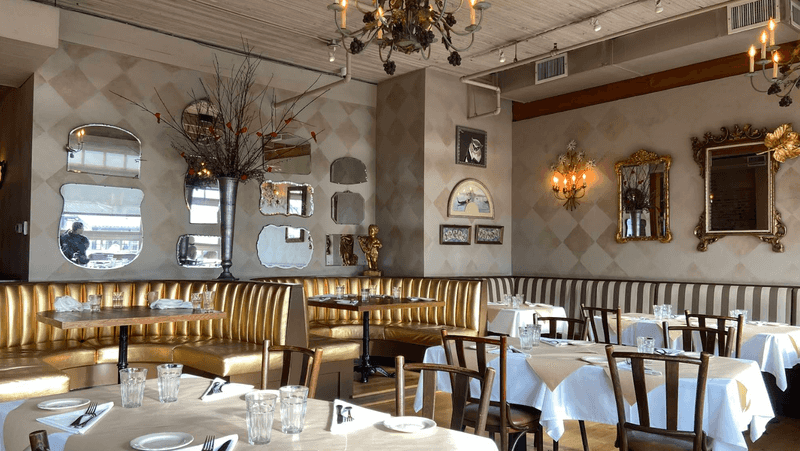
An unmarked entrance with a rosy hint sets the tone for theater around the table. The Pink Door pairs Italian cooking with scheduled performances that give the dining room a pulse without stealing the fork.
Post Alley keeps the front discreet, then the interior opens to a mix of banquettes, stage-sight tables, and bar spots. Hosts plan seating around show times so servers can run clean routes.
The menu works through trattoria hits with Northwest produce. Pastas, antipasti boards, and whole-fish presentations share space with dependable desserts.
Performance nights require punctual arrivals. The staff orchestrates order-taking before acts begin, then resumes full service after sets.
Reservations are recommended, especially for tables with line-of-sight to the stage. Walk-ins may land at the bar where snacks and a full menu still flow.
The door is pink, the plan is precise, and the result is a night that blends plate and program. You leave humming the schedule more than the tune.



