Most travelers hit Marrakech, Fes, and the Sahara, then call it a day. But Morocco has a whole other side that rarely makes it onto the glossy travel posters.
I stumbled into some of these places by accident, and honestly, they blew the “classics” out of the water. If you want the real Morocco, pack your curiosity and keep reading.
Taroudant, Souss-Massa
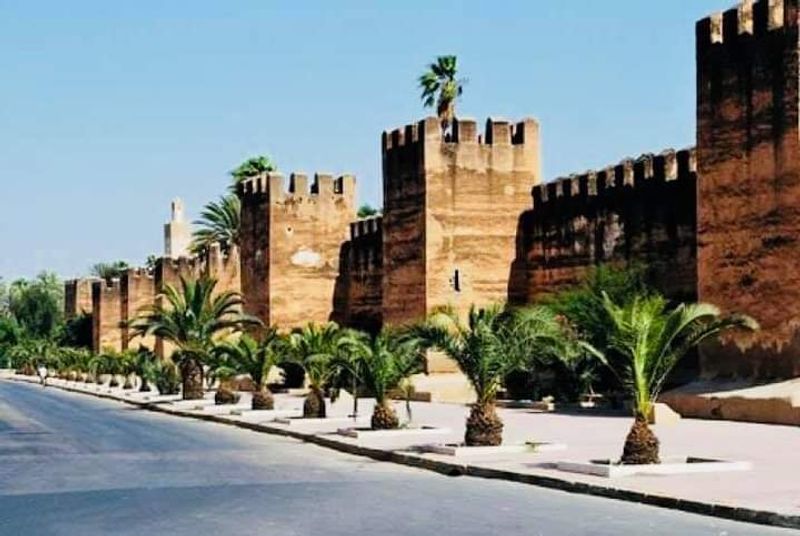
Called the “grandmother of Marrakech,” Taroudant has all the charm of its famous cousin but none of the tourist chaos. The medina walls here are thick, terracotta-red, and seriously photogenic.
You can walk the entire circuit by bike or calèche without fighting off a single selfie stick.
The souks are refreshingly low-pressure. Sellers here are happy to chat without chasing you down the alley.
Local argan oil cooperatives nearby offer honest prices and zero performance anxiety for either party.
Taroudant sits at the foot of the High Atlas and Anti-Atlas ranges, which means the mountain views are free and spectacular. The town is calm, the mint tea is strong, and the pace is gloriously slow.
This is Morocco at a volume you can actually hear yourself think in.
Tafraoute, Anti-Atlas, Souss-Massa
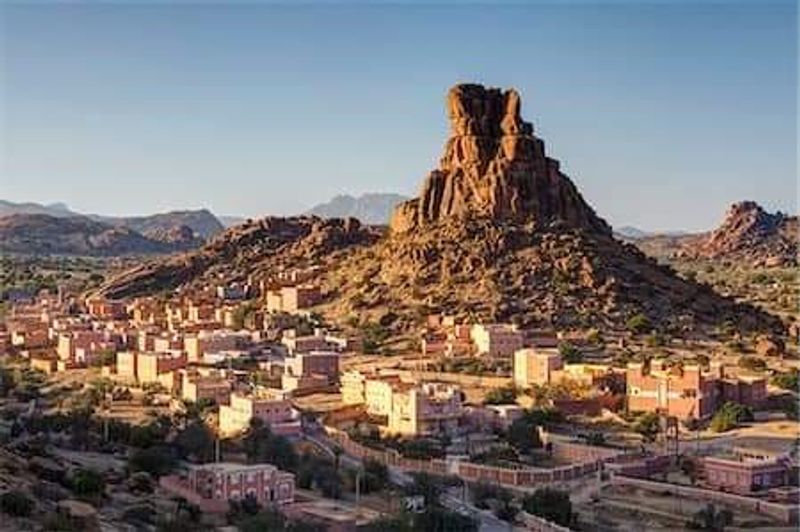
Pink granite boulders the size of small houses are scattered around Tafraoute like a giant forgot their marbles. The landscape looks almost unreal, and that is before you spot the painted rocks left by Belgian artist Jean Verame in the 1980s.
He literally spray-painted boulders blue, red, and purple, and somehow it works.
The village itself is a Berber stronghold with excellent silver jewelry and handwoven slippers. Every shop owner has a cousin who makes the best argan oil in the region, which is fine because the oil really is excellent here.
Spring is the best time to visit, when almond trees explode into pink and white blossoms across the valley. The hiking trails are quiet, the guesthouses are cozy, and the night sky is absurdly full of stars.
Tafraoute is the kind of place that makes you seriously reconsider your city lease.
Aït Bouguemez, Azilal Province, Béni Mellal-Khénifra
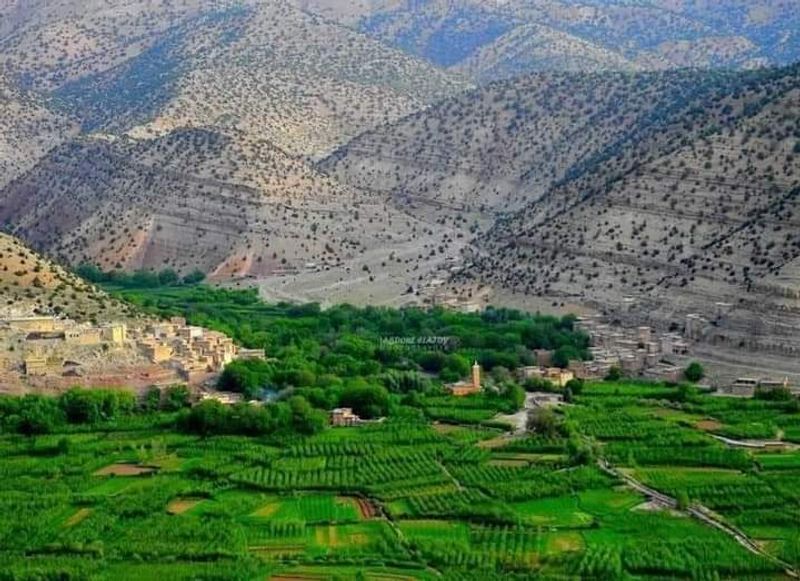
Known as the Happy Valley, Aït Bouguemez earns that nickname without even trying. Tucked deep into the High Atlas, this lush green valley is home to Berber farming communities who have been cultivating the same terraced fields for centuries.
The scenery is stunning in a way that feels quietly earned.
Getting here requires commitment. The road is winding and occasionally dramatic.
But arriving feels like a reward, and the villages of mud-brick homes with flat rooftops are genuinely unlike anything else in Morocco.
The valley is a top trekking base, with trails leading up to Mount M’Goun, the second highest peak in Morocco. Guesthouses are family-run, meals are home-cooked, and the welcome is completely genuine.
I once shared a dinner table here with three generations of one family, and nobody touched their phone. That alone felt like a miracle worth the mountain drive.
Bin El Ouidane, Azilal Province, Béni Mellal-Khénifra
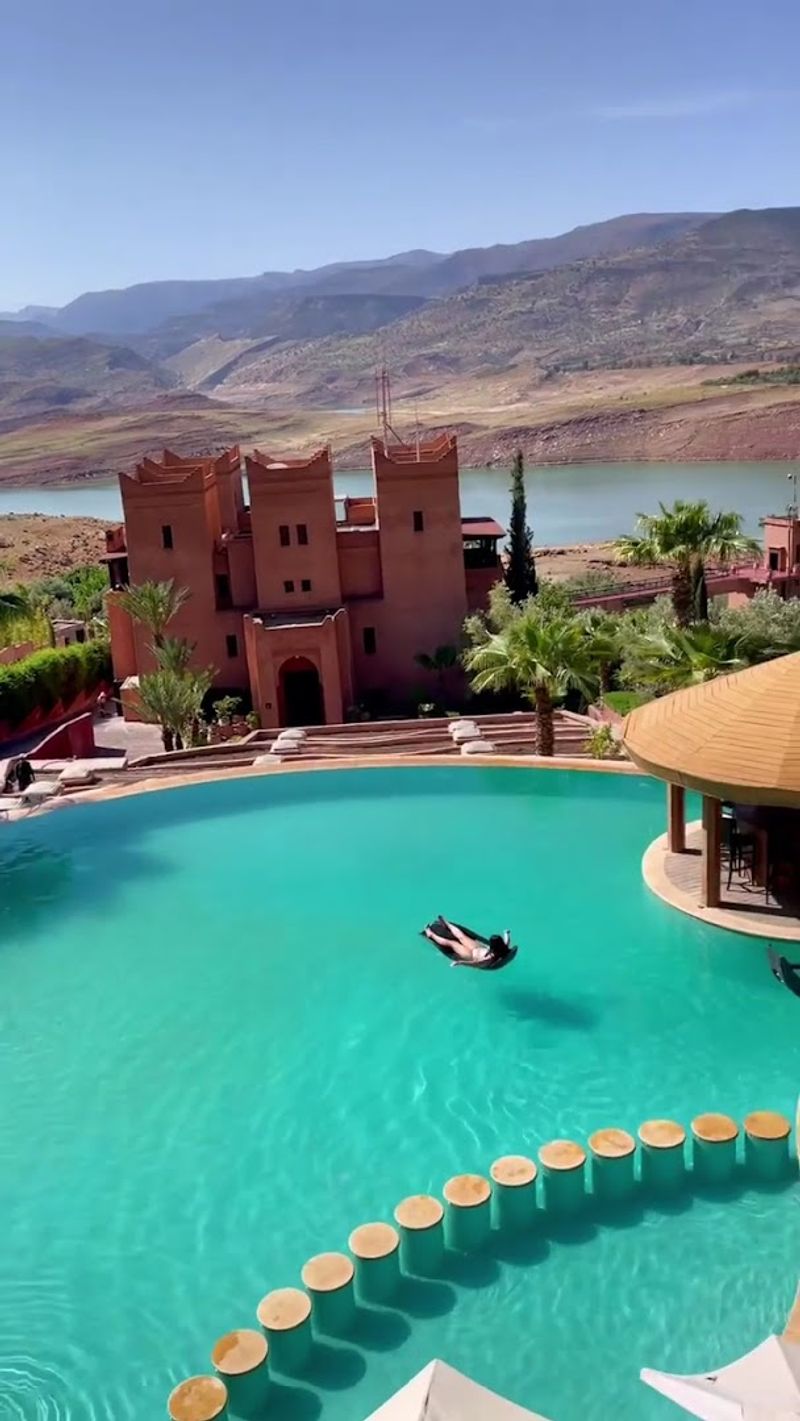
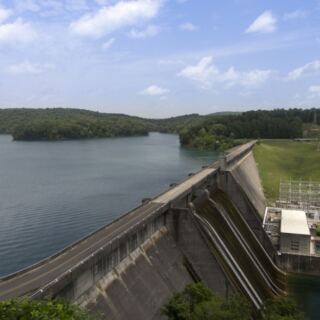
Bin El Ouidane is Morocco’s best-kept lake secret, and it would very much like to stay that way. The reservoir sits in a dramatic gorge setting, its water a striking shade of turquoise that looks almost photoshopped against the dry, rocky hills.
It is absolutely real, though, and absolutely worth the detour.
Kayaking and fishing are popular here, and a handful of lakeside guesthouses offer surprisingly comfortable stays. Watching the sunset turn the water from blue to gold to deep orange is one of those simple experiences that requires zero explanation.
The area also serves as a gateway to the Aït Bouguemez valley and the Cascades d’Ouzoud, so you can easily combine all three into one brilliant off-the-beaten-path loop. Very few tourists make this circuit, which means you get the good stuff without the crowd tax.
Pack a swimsuit and a flexible schedule.
Imi N’Ifri, near Demnate, Azilal Province, Béni Mellal-Khénifra
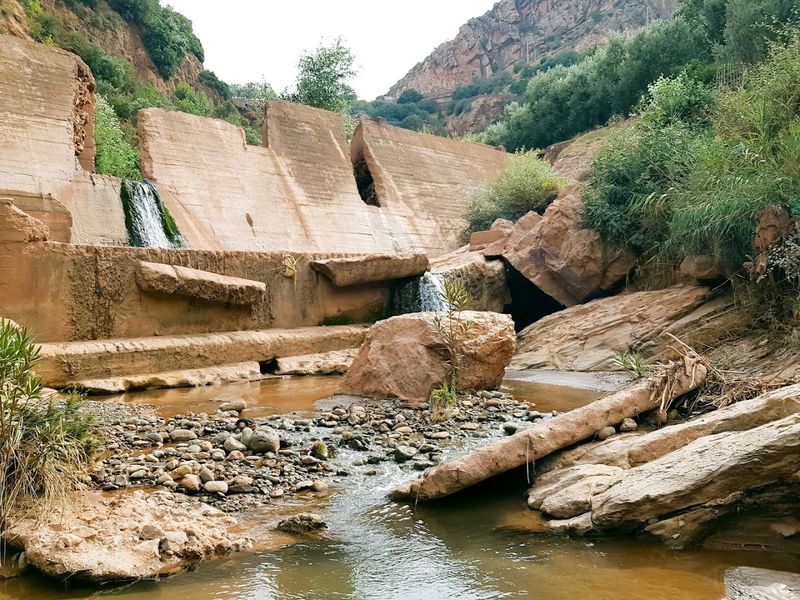
A natural rock arch spanning a deep gorge, Imi N’Ifri translates to “the mouth of the cave” in Tamazight, and it absolutely delivers on that dramatic name. Hundreds of swallows nest in the cliff walls and swirl through the arch in noisy, chaotic loops.
It is genuinely theatrical.
The gorge walk below the arch takes about an hour and winds through cool, shaded canyon walls. Local guides from the nearby town of Demnate know every corner of this place and are well worth hiring for the stories alone.
The town itself has a Sunday souk that is wonderfully authentic and completely tourist-free.
Imi N’Ifri sits close to the more famous Cascades d’Ouzoud but gets a fraction of the visitors. That gap in popularity makes no logical sense once you see it.
If you are already heading to Ouzoud, adding this stop costs you about 30 minutes and rewards you enormously.
Legzira Beach, near Sidi Ifni, Guelmim-Oued Noun
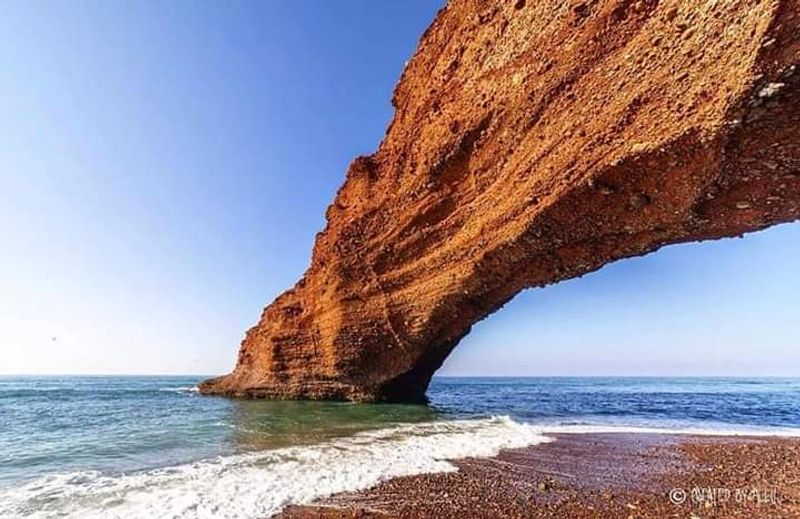
Legzira Beach has arches. Big, red, sandstone arches rising straight out of the Atlantic surf like nature decided to show off.
One of the original arches collapsed in 2016, which was heartbreaking, but the ones remaining are still jaw-dropping and completely free to walk under at low tide.
The beach stretches for several kilometers with very few people on it. No beach clubs, no jet skis, no overpriced sunbeds.
Just sand, arches, waves, and the occasional fisherman who looks like he has absolutely nowhere else to be.
Getting here from Agadir takes a couple of hours, and most visitors skip it entirely in favor of the resort beaches further north. Their loss is your gain.
A simple cafe at the clifftop serves fresh fish and the kind of views that make you forget what you were worrying about. Legzira is genuinely one of Morocco’s most spectacular coastal secrets.
Sidi Ifni, Guelmim-Oued Noun
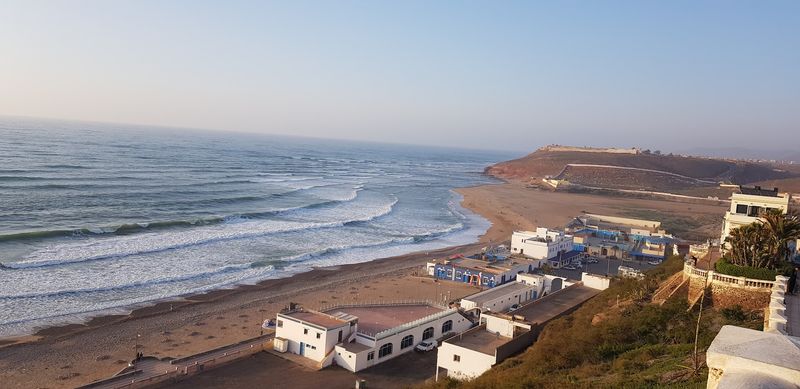
Sidi Ifni is what happens when a former Spanish enclave meets the Moroccan Atlantic coast and just decides to stay weird in the best possible way. The town has a collection of crumbling Art Deco buildings that look like they were airlifted from 1940s Havana and gently set down by the sea.
Spain only handed Sidi Ifni back to Morocco in 1969, and the architectural legacy is still very visible. A former Spanish consulate, a church-turned-mosque, and a lighthouse all sit within a short walk of each other.
Urban explorers and architecture fans go slightly unhinged here, and rightly so.
The Sunday market draws Saharan Berber traders from surrounding villages and is one of the most authentic market experiences in the whole country. The town has a slow, end-of-the-world energy that is oddly relaxing.
Sidi Ifni does not try to impress you, and that is exactly why it does.
El Jadida, Casablanca-Settat
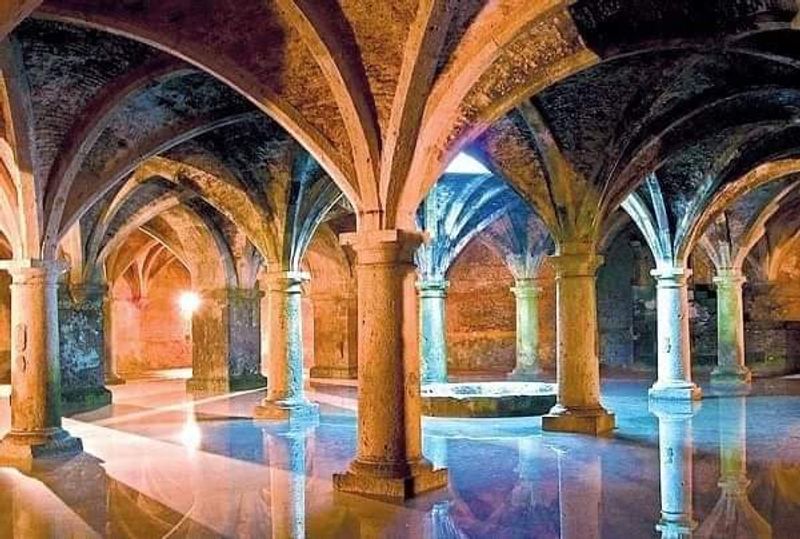
El Jadida holds one of Morocco’s most atmospheric spaces inside a 16th-century Portuguese cistern that was rediscovered by accident in 1916. The vaulted underground chamber, with its columns reflected in a thin layer of water and light filtering through a single hole in the ceiling, is genuinely unforgettable.
Orson Welles filmed part of Othello here, which tells you everything about the mood.
The walled Portuguese city, a UNESCO World Heritage Site, sits right on the Atlantic and is remarkably well-preserved. Unlike the medinas of Fes or Marrakech, it is calm and easy to navigate.
You can walk the ramparts, peer over the sea walls, and feel like you have the whole place to yourself.
El Jadida is only an hour from Casablanca, making it an easy day trip that most Casa visitors somehow never take. The fresh seafood at the port restaurants is excellent and absurdly affordable.
Go before the secret gets out.
Tetouan, Tanger-Tetouan-Al Hoceima
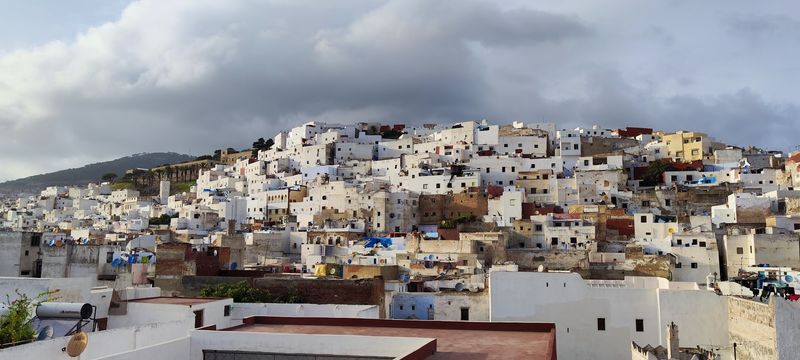
Tetouan’s medina is a UNESCO World Heritage Site that somehow flies completely under the radar. While tourists flood Chefchaouen for the blue walls, Tetouan sits just 60 kilometers away with its own striking whitewashed medina and a fraction of the foot traffic.
The irony is real and entirely in your favor.
The city has a strong Andalusian heritage, shaped by Muslim and Jewish refugees who arrived from Spain in the 15th century. That history shows up in the architecture, the crafts, and the incredibly detailed woodwork you see in workshops throughout the medina.
Tetouan’s artisan school is one of the finest in Morocco and occasionally open to visitors.
The food scene here leans heavily on fresh Mediterranean ingredients, and the seafood pastilla is something I still think about regularly. Tetouan is serious, layered, and deeply interesting.
It rewards slow walkers and curious eaters more than any highlight-tour could.
Asilah, Tanger-Tetouan-Al Hoceima
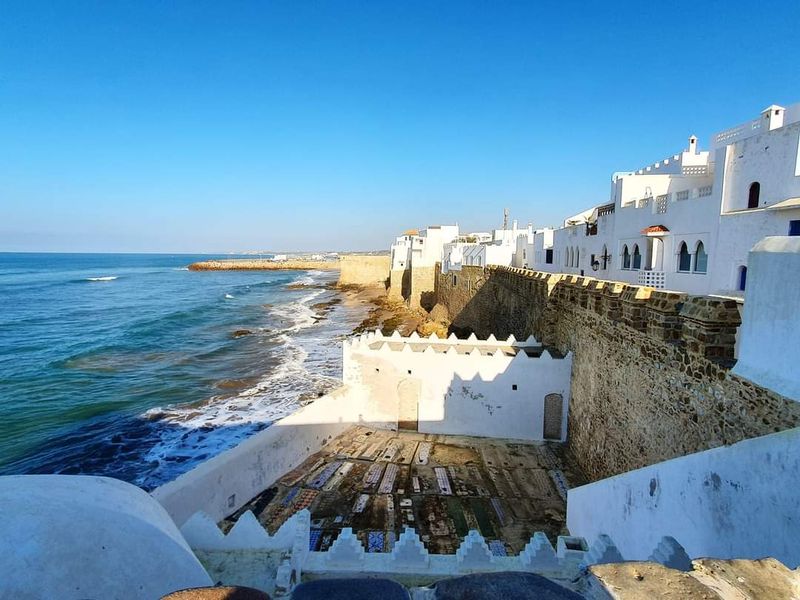
Every August, Asilah turns into an open-air gallery. The annual Asilah Arts Festival invites international artists to paint the medina walls, and the results are spectacular.
Year-round, layers of murals from past festivals overlap and fade in the most beautiful way, giving the whole town a living, breathing art-history-book quality.
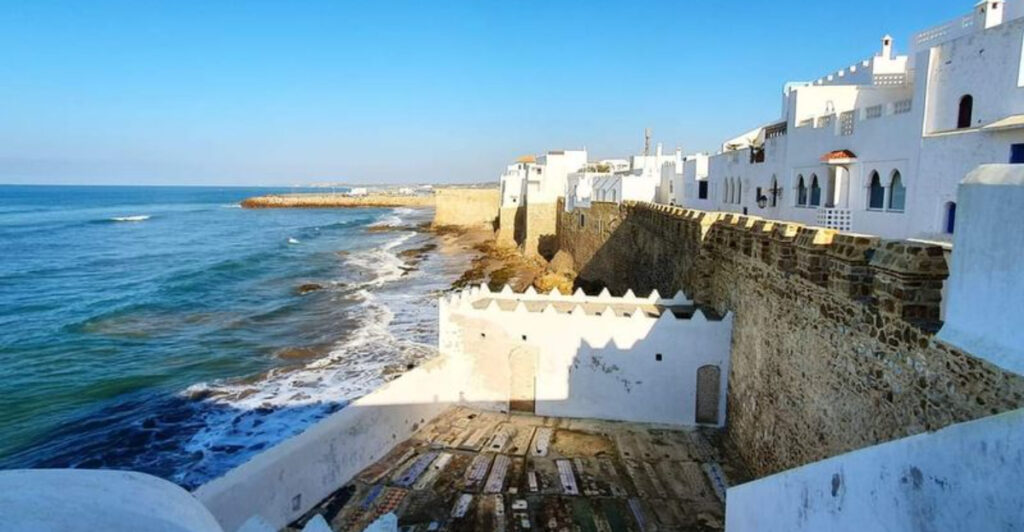
The medina itself is small, clean, and very walkable, perched on a cliff above the Atlantic. Portuguese ramparts line the seafront, and the views from the walls at sunset are the kind that make people miss their bus home on purpose.
Not that I would know anything about that.
Asilah attracts artists, writers, and creatives who want Atlantic air without Tangier’s intensity. The cafe scene is strong, the galleries are genuinely good, and the fresh fish grilled by the port is the kind of simple meal that ruins restaurant fish forever.
Come for a night, stay for three.
Volubilis, near Meknes, Fès-Meknès
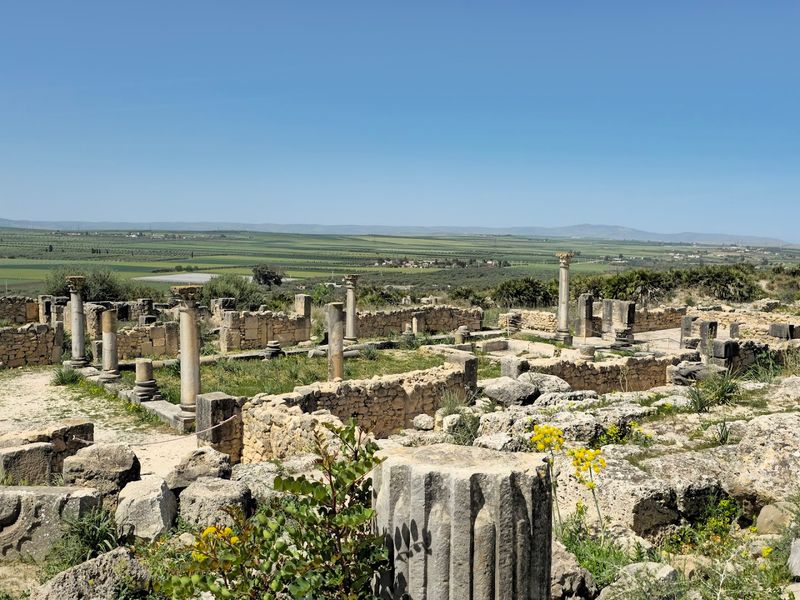
Morocco has Roman ruins, and they are extraordinary. Volubilis is one of the best-preserved Roman archaeological sites in North Africa, sitting in an open valley near Meknes with wheat fields rolling around it like a pastoral postcard.
The mosaics here are still in their original spots, unprotected by glass, and you can walk right up to them.
The site dates back to the 3rd century BC and reached its peak under Roman rule around the 1st and 2nd centuries AD. A triumphal arch, a basilica, and dozens of private homes with intact mosaic floors make this a genuinely world-class heritage site.
It is also consistently undervisited, which is one of travel’s great mysteries.
Combine Volubilis with nearby Moulay Idriss Zerhoun for a full day of history that most Morocco itineraries skip entirely. Entry is cheap, guides are available at the gate, and the whole experience feels uncrowded and unhurried.
Ancient Rome, Moroccan sun, zero queues.
Moulay Idriss Zerhoun, near Meknes, Fès-Meknès
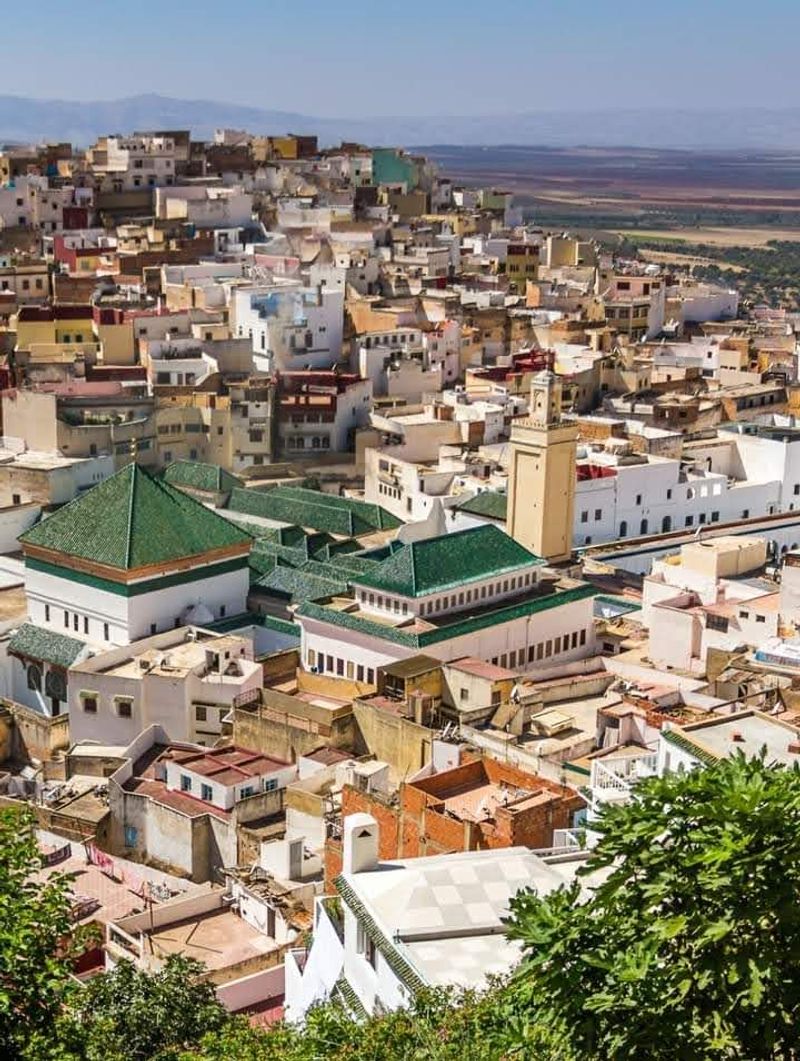
Until 2005, non-Muslims were not allowed to spend the night in Moulay Idriss Zerhoun. The town is Morocco’s holiest city, built around the tomb of Moulay Idriss I, who brought Islam to Morocco in the 8th century.
That recent opening to outside visitors means the town has barely had time to develop tourism infrastructure, which is genuinely a blessing.
The town spills down two hills around the cylindrical mausoleum like white sugar cubes arranged by someone with excellent taste. The streets are narrow, the residents are welcoming, and the pace is contemplative without being sleepy.
A handful of excellent guesthouses have opened in recent years, and staying overnight is now possible and highly recommended.
The panoramic viewpoint above the town offers one of the finest views in all of Morocco, with Volubilis visible in the valley below. Come during the September moussem festival if you can.
The whole town turns into a celebration that is warm, colorful, and completely genuine.
Akchour, near Chefchaouen, Tanger-Tetouan-Al Hoceima
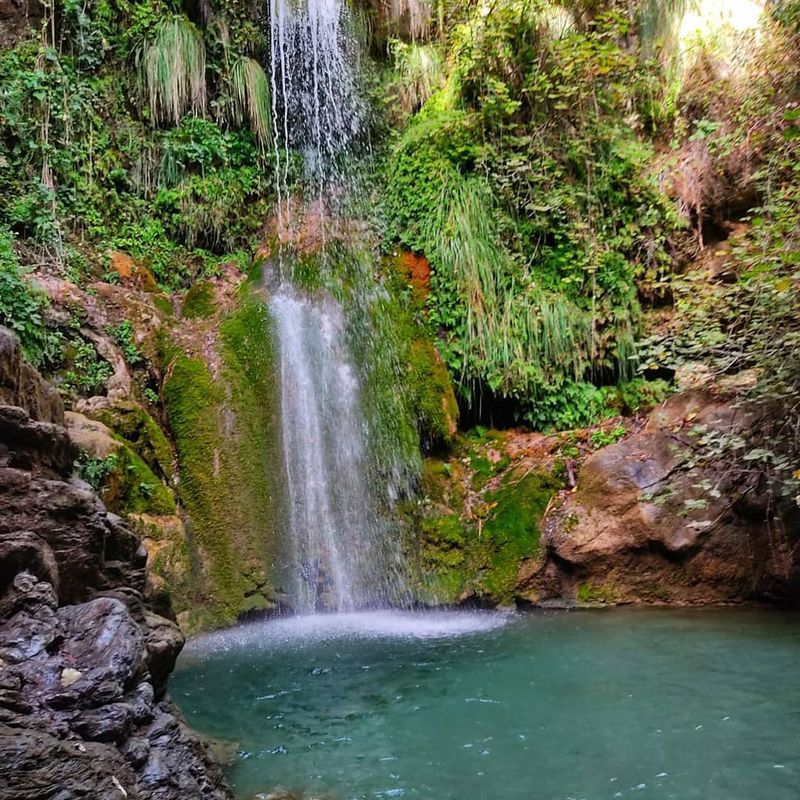
While everyone is busy photographing Chefchaouen’s blue stairs, the real magic is hiding 25 kilometers away in Akchour. The Talassemtane National Park here has emerald pools, cascading waterfalls, and forested canyon trails that feel nothing like the rest of Morocco.
It is like the country decided to sneak in a bit of Swiss scenery just to keep things interesting.
The hike to the God’s Bridge natural rock arch takes about two hours each way and passes through cedar and oak forest with a river running alongside most of the route. It is moderately challenging and completely worth every uphill step.
Local guides from Akchour village offer their services at the trailhead and genuinely know the terrain.
Pack lunch, wear proper shoes, and start early to beat the midday heat in summer. The pools near the lower waterfall are swimmable and refreshingly cold.
Akchour is the adventure that Chefchaouen visitors are missing while they queue for the same blue-door photo.
Ifrane, Fès-Meknès
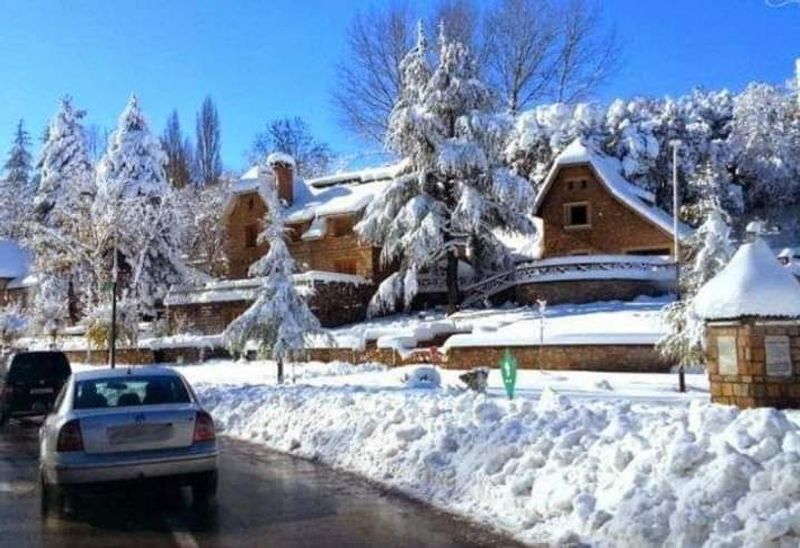
Ifrane is Morocco’s most surprising plot twist. Built by the French in the 1930s as a mountain retreat, this town in the Middle Atlas looks so much like a Swiss alpine village that first-time visitors frequently do a double-take.
Red-roofed chalets, manicured parks, and clean streets sit at 1,650 meters altitude, and in winter the whole thing gets buried in proper snow.
The famous stone lion sculpture in the town center has become an unlikely symbol of Ifrane’s quirky identity. The surrounding cedar forests are home to one of the last wild Barbary macaque populations in the world.
Those monkeys have zero personal boundaries and will absolutely steal your lunch if you give them half a chance.
Ifrane is also home to Al Akhawayn University, which gives the town a lively, youthful energy year-round. Summer temperatures hover around 20 degrees Celsius while the rest of Morocco bakes, making it a genuinely brilliant escape.
Nobody expects Morocco to have a mountain town this charming.
Share this story