 Unearth The Voyage
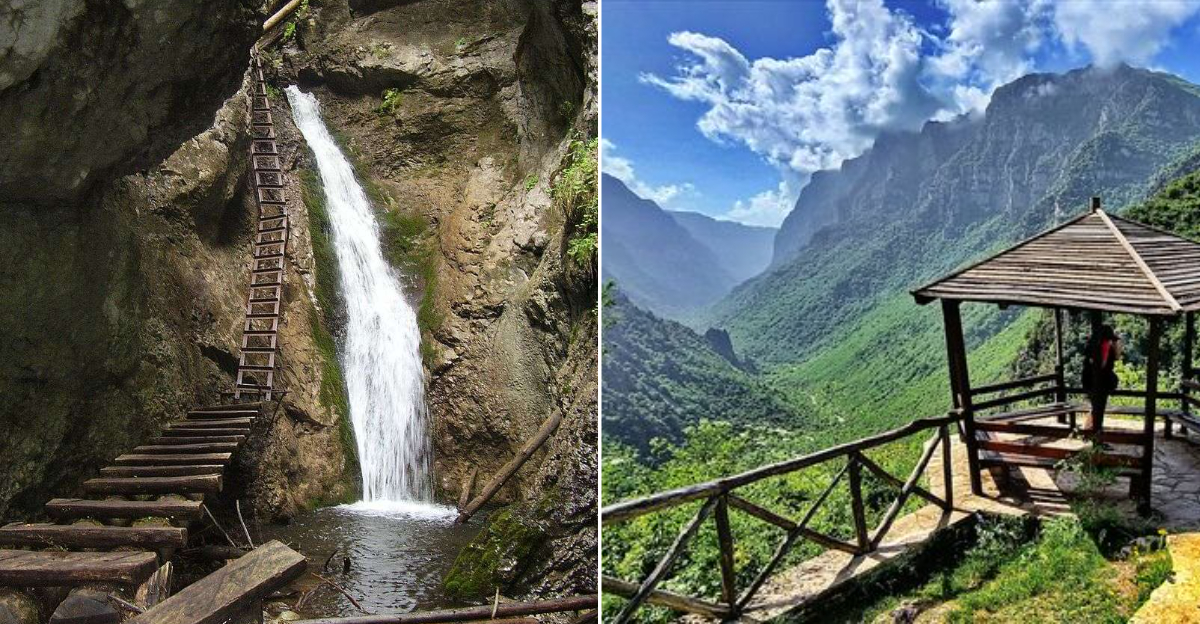
Europe is full of famous landmarks, but some of its most jaw-dropping places are still flying under the radar. These hidden natural spots look like they were designed specifically for a movie hero’s big moment.
I stumbled onto a few of these by accident while backpacking, and honestly, each one felt like the universe was showing off. If you are ready to feel like the main character for a change, this list is your starting point.
Tolmin Gorges, Slovenia: The Emerald Canyon That Feels Like a Fantasy Opening Scene
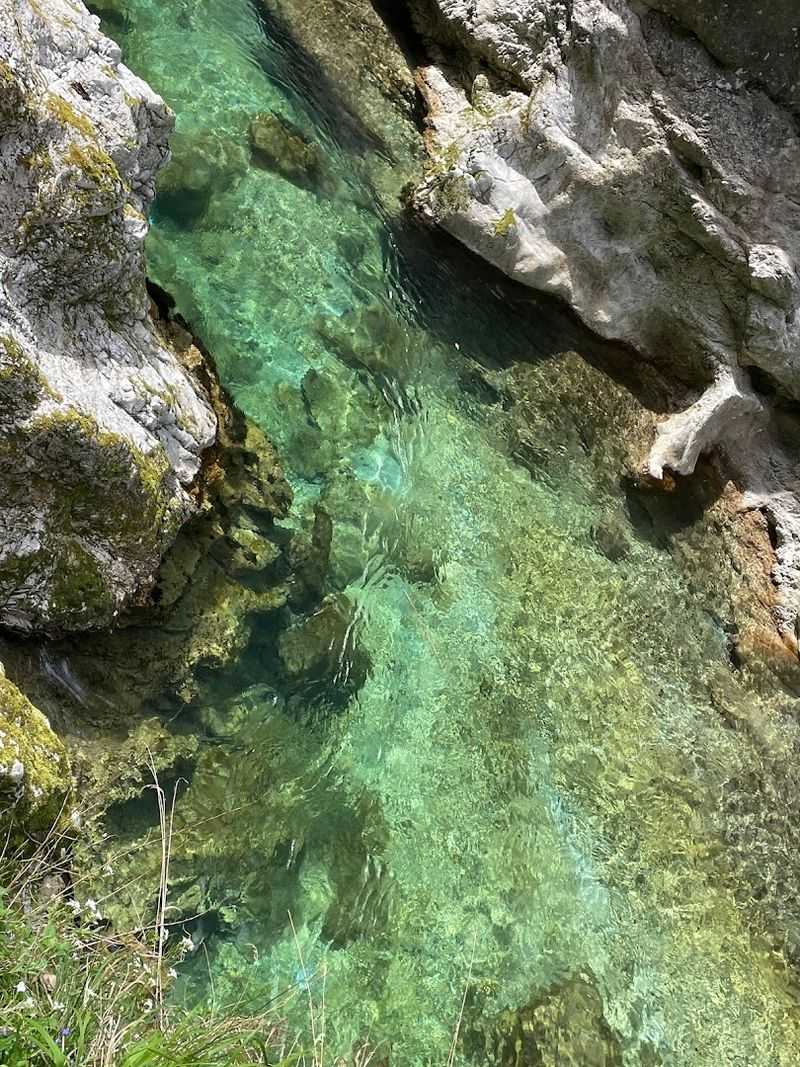
Slovenia is small, but it punches way above its weight in the scenery department. Tolmin Gorges carve through the Julian Alps like nature got bored and decided to show off.
The water runs an almost unreal shade of green, and the narrow canyon walls tower above you on both sides.
Getting there is easy from the town of Tolmin, and the entrance fee is very affordable. The gorge has two main sections connected by a path that winds through tunnels and over bridges.
Spring and early summer are the best times to visit, when the snowmelt keeps the water extra vivid.
Fun fact: the confluence of the Tolminka and Zadlascica rivers inside the gorge creates a natural whirlpool locals call the Bear’s Head. Pack good walking shoes because the paths get slippery near the water.
This spot rewards curious travelers who skip the crowds and go looking for something genuinely spectacular.
Oulanka National Park, Finland: The Wild River Landscape That Makes Every Hike Feel Cinematic
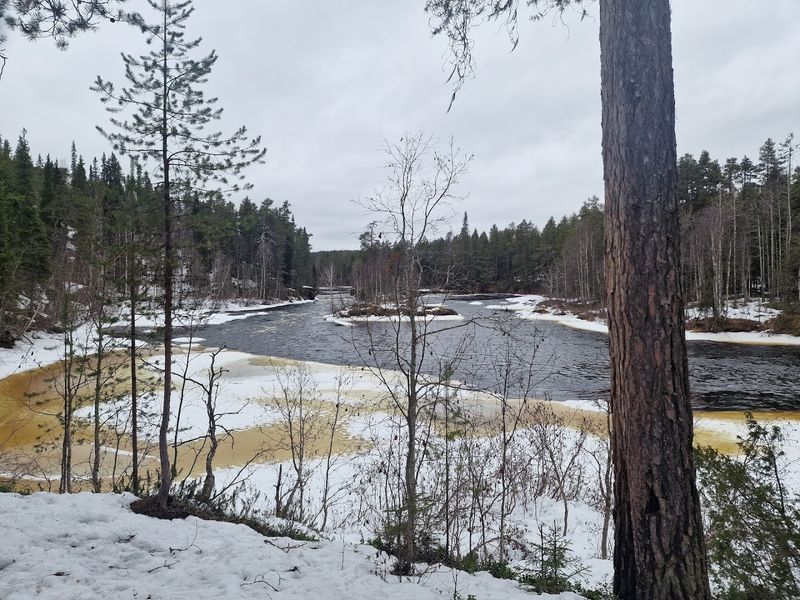
Finland does not get nearly enough credit for its wild landscapes. Oulanka National Park sits near the Russian border and delivers river scenery so dramatic it almost feels staged.
The Oulankajoki River crashes through forested canyons with the kind of energy that makes you feel genuinely alive.
The park is famous for the Karhunkierros trail, one of Finland’s best long-distance hikes at around 80 kilometers. Even doing just a short section along the riverbanks is worth every step.
Suspension bridges swing above rushing water, and the forest shifts from pine to birch depending on how far you wander.
Late August and September bring the ruska season, when the leaves turn fiery orange and red across the entire park. Wildlife sightings here are common, including bears, wolverines, and elk if you are patient and quiet.
Bring a rain jacket regardless of the forecast because Finnish weather writes its own rules entirely.
Bardenas Reales, Spain: Europe’s Desert-Like Badlands With Full Final-Boss Energy
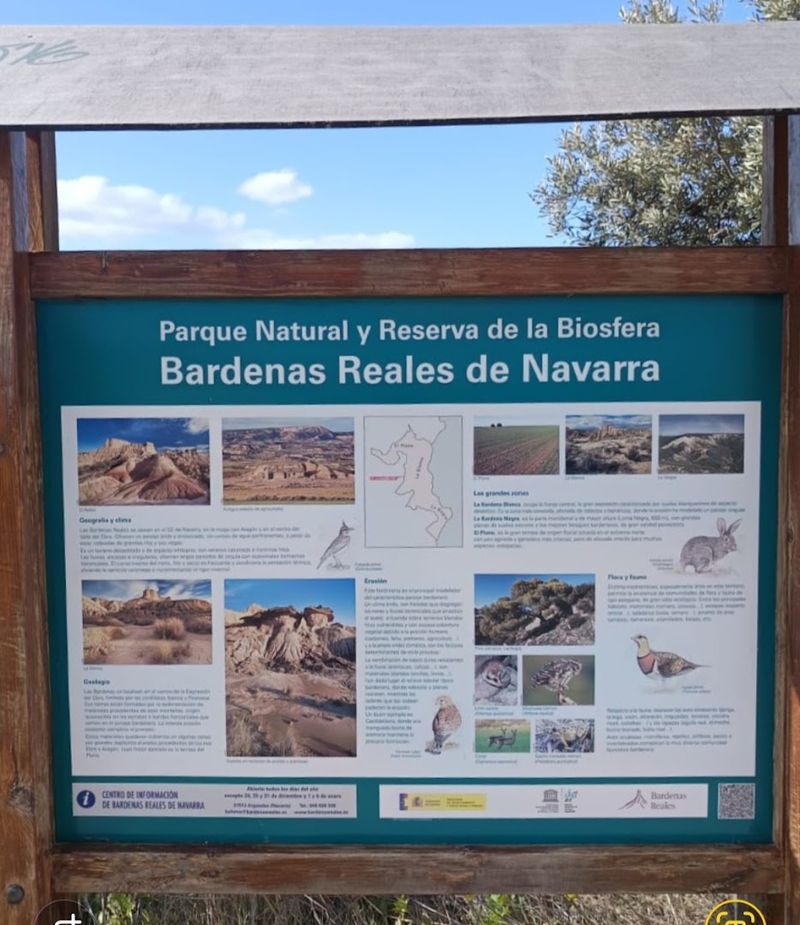
Most people go to Spain for beaches and tapas, which is completely fair. But Bardenas Reales in Navarre is the kind of place that makes you forget the beach ever existed.
The landscape looks like it was borrowed from New Mexico and quietly dropped into northern Spain when nobody was watching.
This UNESCO Biosphere Reserve covers over 42,000 hectares of eroded cliffs, flat plains, and bizarre rock formations called cabezos. The most iconic is Castildetierra, a towering clay column that has appeared in Game of Thrones.
Visiting at sunrise means golden light on every surface and zero crowds competing for your shot.
Cycling through the badlands is a popular option, and several rental shops operate nearby. The terrain is mostly flat, which makes it surprisingly accessible.
Summer gets brutally hot here, so spring and autumn visits are smarter choices. This is Europe being dramatic on purpose, and honestly, it earns every bit of that energy.
Peneda-Gerês National Park, Portugal: The Misty Mountain Escape That Feels Like a Secret Kingdom
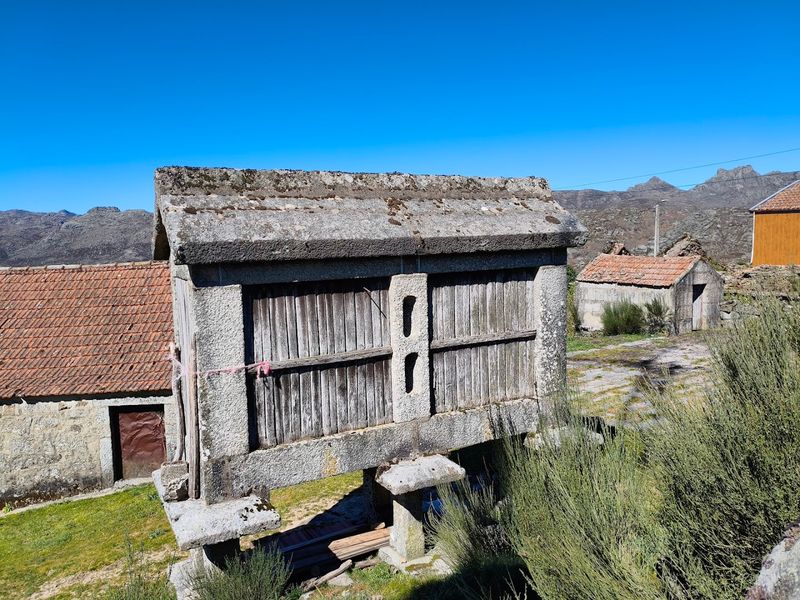
Portugal’s only national park is somehow one of the country’s best-kept secrets. Peneda-Gerês sits tucked into the northwest corner, right along the Spanish border, draped in mist more often than not.
The landscape feels ancient in a way that is hard to put into words without sounding dramatic.
Wild Garrano horses roam freely through the park, and spotting them on a misty morning road is genuinely unforgettable. The park has dozens of waterfalls, including the spectacular Tahiti waterfall near Gerês village.
Stone-paved Roman roads still cut through the forest, left behind by an empire that clearly had good taste in hiking routes.
Accommodation options range from camping to small guesthouses in traditional granite villages. The village of Soajo is worth a detour for its communal granaries perched dramatically on rock outcrops.
Visit between April and June for wildflowers and manageable temperatures. This park delivers mountain drama without the mountain crowds, which is a genuinely rare combination.
Lake Sørvágsvatn and Bøsdalafossur, Faroe Islands: The Cliffside Illusion That Barely Looks Real
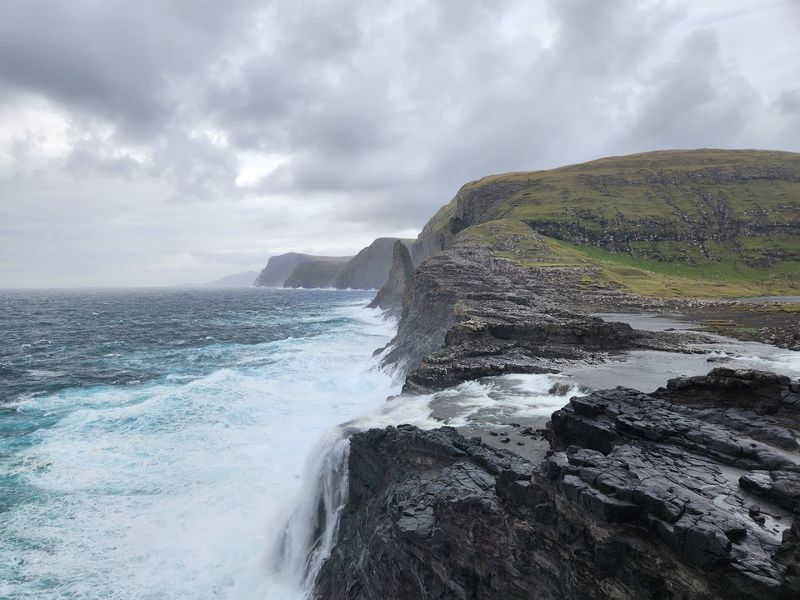
Lake Sørvágsvatn is the kind of place that makes photographers question whether they need to edit their photos at all. The lake appears to float above the Atlantic Ocean due to a dramatic optical illusion created by the cliff angle.
It is one of the most genuinely mind-bending natural sights in all of Europe.
The lake drains over the cliff edge through Bøsdalafossur, a waterfall that drops directly into the sea below. Getting there requires a guided hike from the village of Sørvágur, and guides are mandatory to protect the fragile landscape.
The hike takes about two hours round trip and crosses open clifftop terrain with serious wind exposure.
Faroe Islands weather is notoriously unpredictable, so layering up is non-negotiable regardless of season. I visited on a grey drizzly day and the scene still looked unreal.
The islands are small enough to explore by rental car, making this lake an easy day trip from the capital Tórshavn.
Senja, Norway: The Arctic Island Where Every Turn Looks Like a Movie Trailer
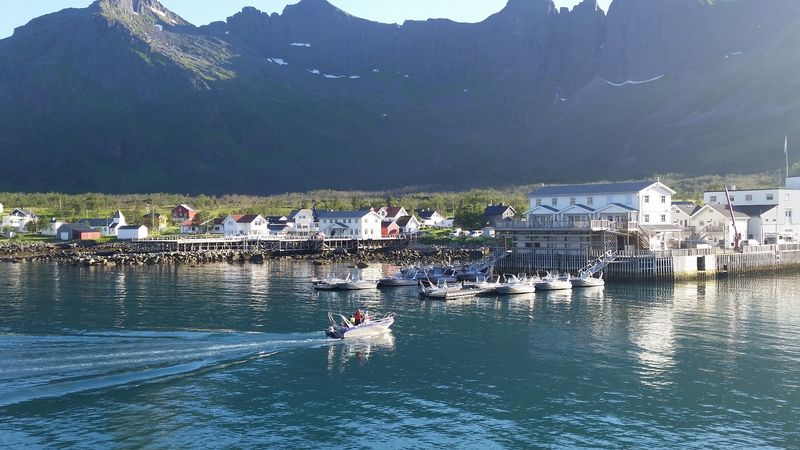
Norway has no shortage of spectacular islands, but Senja somehow stays off most tourist itineraries. Located north of the Arctic Circle in Troms county, the island packs fjords, mountains, and fishing villages into a space compact enough to drive in a single day.
Every single viewpoint looks unreasonably good.
The Senja Scenic Route connects the island’s highlights, including the dramatic Segla mountain that shoots straight up from the fjord like a giant stone fin. The village of Husøy sits on a tiny islet connected to the main island by a short bridge and looks exactly like a postcard that forgot to be realistic.
Northern lights are visible here from late September through March.
Renting a car is the best way to explore Senja at your own pace. The island has a handful of cozy guesthouses and cabins perfect for multi-night stays.
Hikers will find trails ranging from gentle coastal walks to full-day summit scrambles. Senja rewards slow travelers who take time to pull over and just stare.
Verdon Gorge, France: The Emerald Ravine That Delivers Pure Main-Character Drama
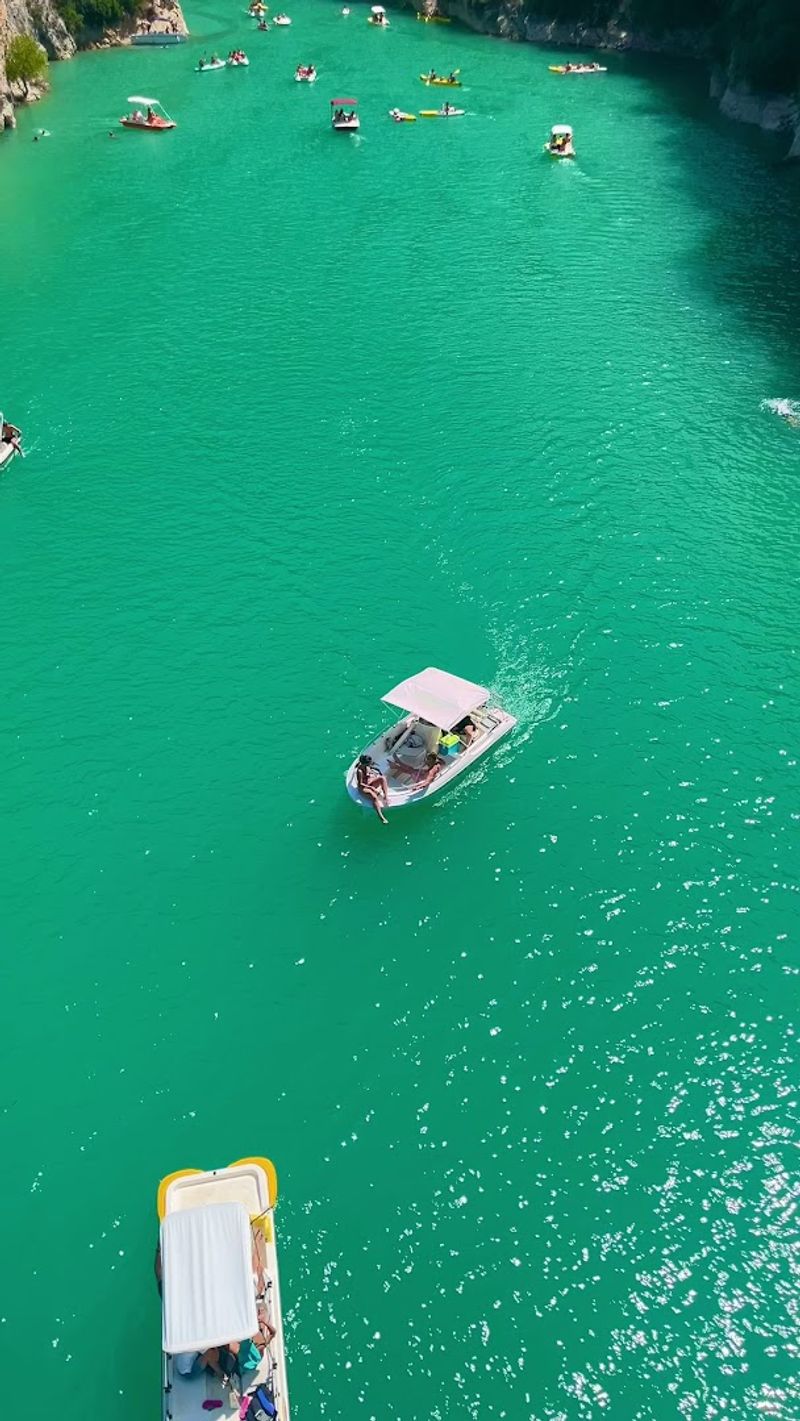
France has the Eiffel Tower and croissants, sure, but Verdon Gorge is the country’s true flex. Carved by the Verdon River in Provence, this canyon stretches 25 kilometers and drops up to 700 meters at its deepest points.
The river at the bottom runs a shade of turquoise so vivid it looks digitally enhanced.
The gorge is a playground for kayakers, rock climbers, and hikers who all share the space surprisingly well. The Sentier Martel trail is the most famous hiking route, running along the canyon floor for about 14 kilometers one way.
Driving the rim road offers dramatic viewpoints every few minutes for those who prefer scenery without the sweat.
The nearby Lac de Sainte-Croix is a reservoir where you can rent pedal boats and paddle right up to the gorge entrance. Summer gets busy, but visiting in May or September keeps the crowds manageable.
Accommodation options in the surrounding villages are charming and affordable compared to the Riviera just a short drive away.
Durmitor National Park, Montenegro: The High-Altitude Wilderness That Feels Bigger Than Life
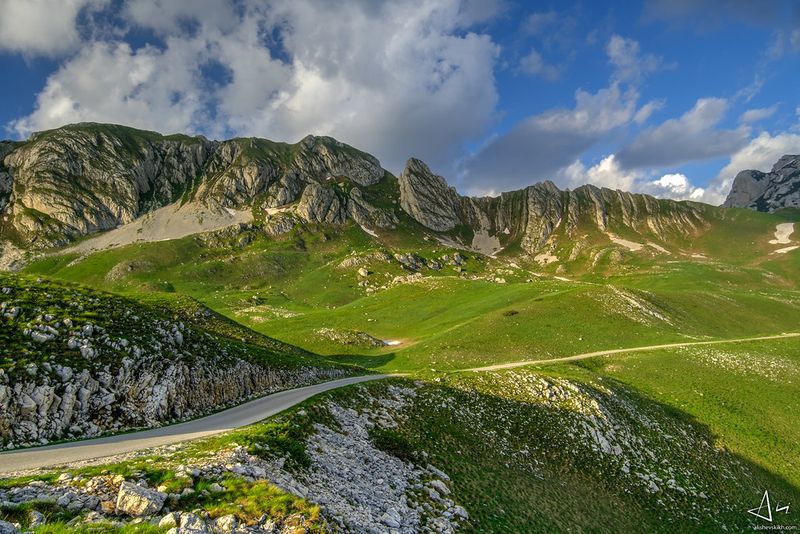
Montenegro is tiny, but Durmitor National Park makes the whole country feel enormous. This UNESCO World Heritage Site in the Dinaric Alps contains 48 glacial lakes, deep canyons, and peaks that top 2,500 meters.
The Black Lake near Zabljak is the park’s most photographed spot, and the reflection of the surrounding peaks on a calm morning is genuinely ridiculous.
The Tara River Canyon running along the park’s edge is the deepest canyon in Europe, dropping over 1,300 meters at its deepest point. Rafting the Tara is one of the most thrilling river experiences on the continent and is accessible to beginners with a guide.
Zabljak town serves as the main base and has solid restaurants and affordable guesthouses.
Winter transforms the park into a skiing destination, while summer brings hikers from across the Balkans. The trails are well-marked but serious, so solid footwear is essential.
Wildlife in the park includes brown bears, wolves, and chamois, though spotting them requires patience and early starts.
Slovak Paradise National Park, Slovakia: The Ladder-Filled Gorge Network Built for an Adventure Arc
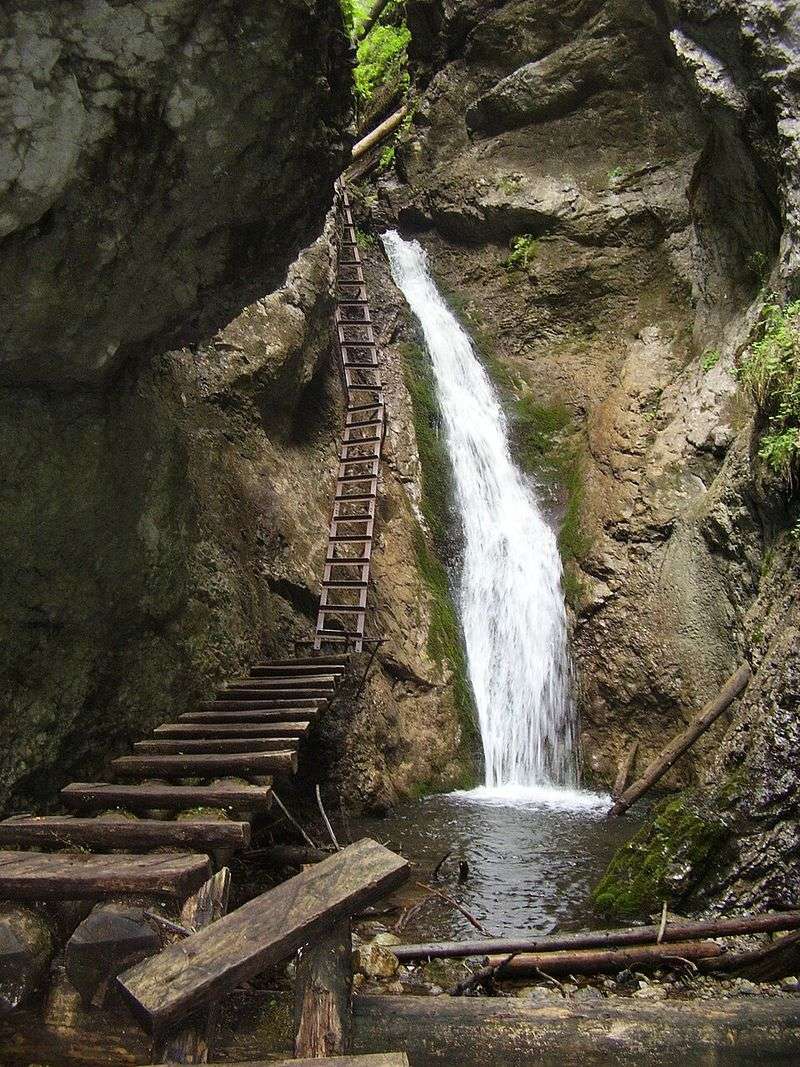
Slovak Paradise National Park might be the most literally named place in Europe. The park’s gorges are so narrow that the trails literally go through the waterfalls rather than around them.
Iron ladders, wooden walkways, and chain handholds are bolted directly into the canyon walls to help hikers get through.
The Sucha Bela and Piecky gorges are the most popular routes and are strictly one-directional to keep traffic moving safely. Most trails require basic fitness and a willingness to get wet, because the waterfalls are not optional.
I did the Sucha Bela loop on a weekday and still had the most fun I had on any hike that year.
The town of Hrabusice makes a convenient base, with parking available near the main gorge entrances. Entrance fees are modest and go toward trail maintenance.
Visit on weekdays if possible, because weekends bring serious crowds. Slovakia in general is criminally underrated as a travel destination, and this park is the main reason why.
Vikos Gorge, Greece: The Deep Stone Canyon That Deserves Its Own Epic Soundtrack
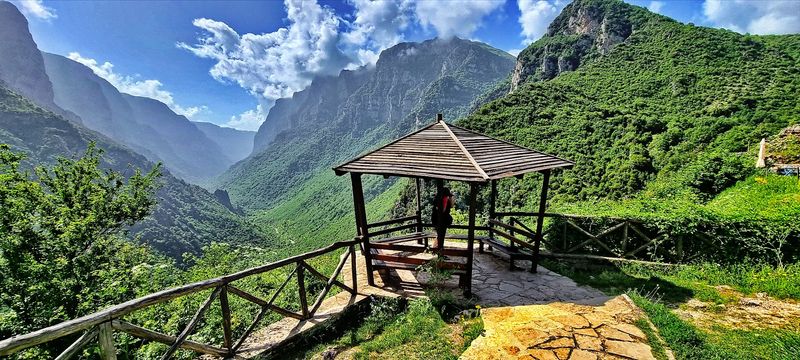
Greece is famous for its islands, but the mainland has been quietly hiding one of the world’s deepest gorges. Vikos Gorge in the Zagori region of Epirus holds a Guinness World Record for its depth-to-width ratio.
The canyon walls drop over 900 meters and the whole thing looks like it belongs in a geography textbook under the heading “dramatic.”
The Zagori villages perched above the gorge are worth a full day of wandering on their own. Stone bridges, cobblestone streets, and traditional guesthouses make the region feel genuinely timeless.
The Voidomatis River at the gorge floor is one of the clearest rivers in Europe and popular with kayakers.
Hiking the gorge takes around five to six hours and requires good fitness and proper footwear. The trailheads near the villages of Monodendri and Vikos are well-signed.
Spring is the best season when the river runs high and wildflowers cover the upper slopes. This corner of Greece is still refreshingly crowd-free compared to the islands.
Apuseni Natural Park, Romania: The Mountain World of Forests and Waterfalls That Still Feels Undiscovered
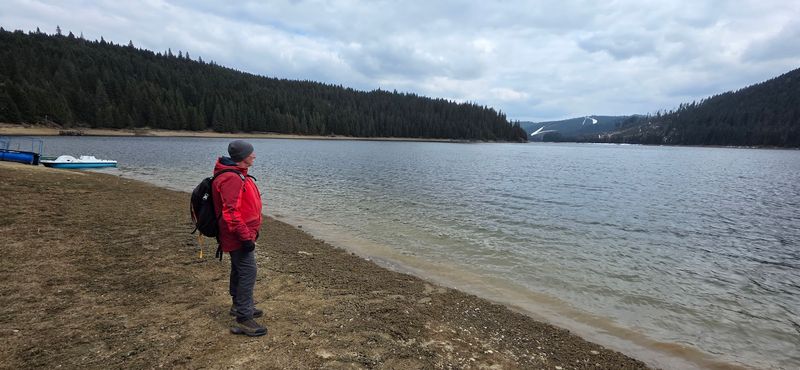
Romania’s Apuseni Natural Park is the kind of place that travel writers have been collectively sitting on for years. The park covers the western Carpathians and contains over 400 caves, dozens of waterfalls, and some of the most intact traditional villages left in Europe.
It is not polished or packaged, and that is exactly the point.
The Scarisoara Ice Cave is one of the park’s biggest draws, housing a permanent underground glacier that is over 3,500 years old. The Varciorog and Bohodei waterfalls are less visited but genuinely beautiful.
Local guesthouses, called pensiuni, offer home-cooked meals that are frankly better than most restaurant food in the country.
Getting around Apuseni requires a car because public transport is limited. Roads range from decent to adventurous depending on which valley you choose.
The best time to visit is May through October, before the mountain passes close for winter. Romania rewards travelers who are willing to put in a little extra effort to get somewhere real.
Glenveagh National Park, Ireland: The Donegal Landscape That Feels Like You’ve Walked Into a Legend
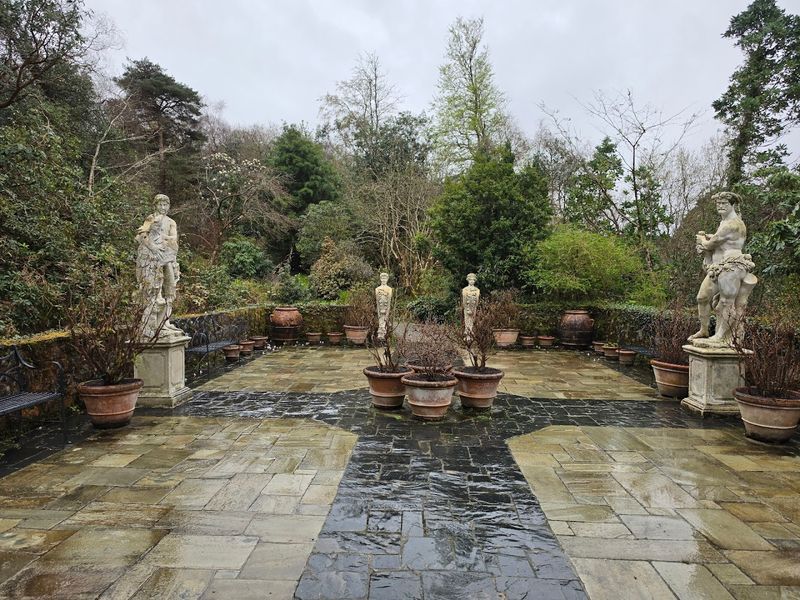
Donegal is Ireland’s least visited county, which is both a crime and a gift for anyone who makes the trip. Glenveagh National Park covers nearly 17,000 hectares of blanket bog, heather moorland, and glacially carved valleys that look exactly as wild as the Irish mythology suggests.
The park also has a Victorian castle sitting right on the lakeshore, because of course it does.
Red deer roam freely through the park and are regularly spotted near the castle grounds. The golden eagle reintroduction program has also brought these birds back to Donegal skies after a long absence.
Hiking trails range from short lakeside walks to full ridge traverses with views clear to the Atlantic on a good day.
The visitor centre near the park entrance has excellent exhibits on the local ecology and history. A shuttle bus runs between the entrance and the castle during peak season.
Donegal weather is famously unpredictable, so waterproof layers are not optional. The park is free to enter, which makes it one of Ireland’s best value natural experiences.
Białowieża National Park, Poland: The Primeval Forest That Feels Older Than Time Itself
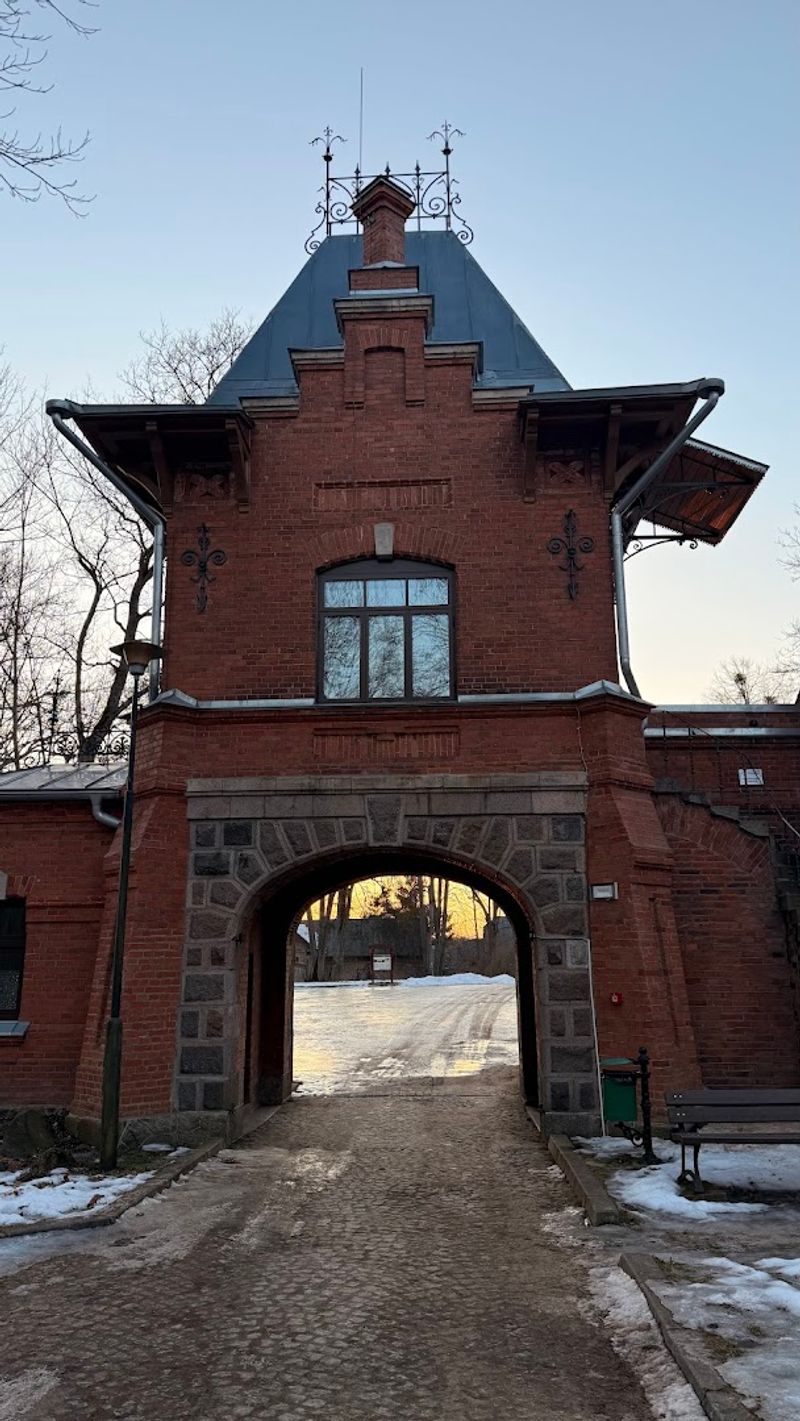
Białowieża is not just a forest. It is the last remaining fragment of the ancient woodland that once covered the entire European lowland plain thousands of years ago.
Walking through it feels genuinely different from any other forest experience, because the trees here have never been logged and the undergrowth has never been cleared.
The park is home to the largest population of European bison on the continent, with around 600 animals living freely in the forest. Guided tours are required in the strictly protected zone, but the bison can often be spotted near the village of Białowieża without any special access.
The national park straddles the Polish-Belarusian border, adding to its sense of remoteness.
The best time to visit is spring or autumn, when the forest light is extraordinary and wildlife activity peaks. Accommodation in the village is simple but comfortable.
Renting a bicycle and cycling the forest trails is a popular and very pleasant way to spend a full day. This forest genuinely earns every superlative thrown at it.
Adršpach-Teplice Rocks, Czechia: The Stone Labyrinth That Looks Straight Out of a Dream Sequence
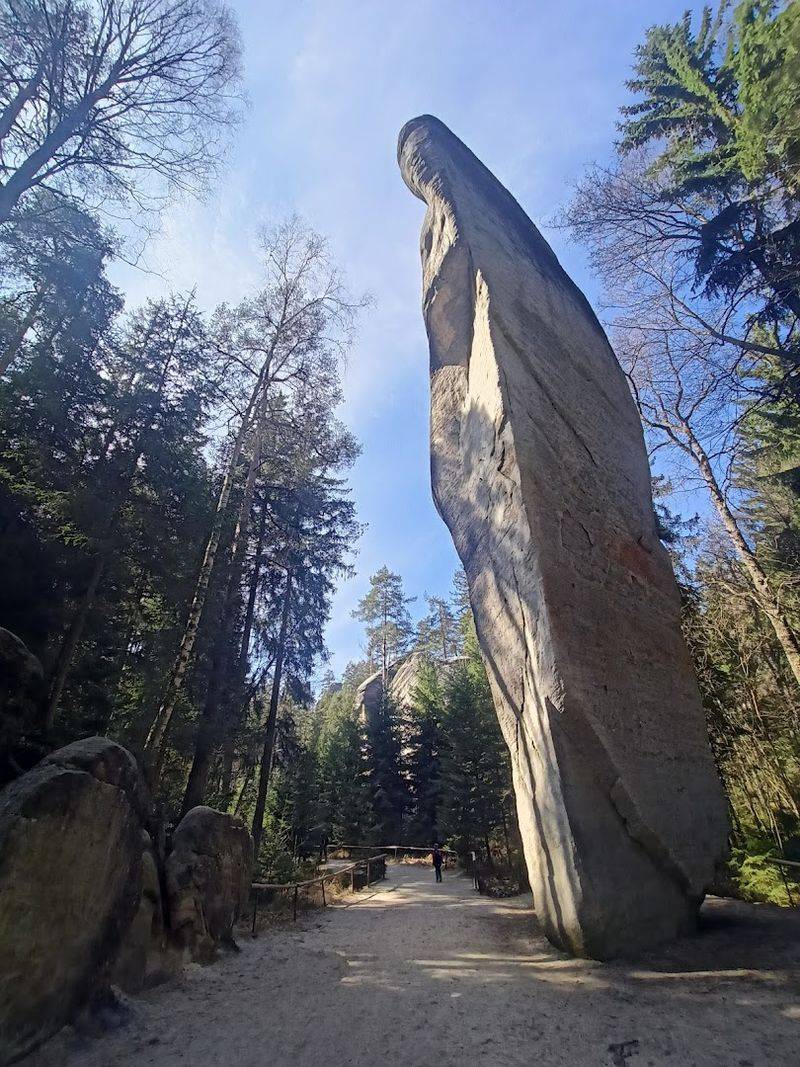
Czechia keeps its most dramatic scenery well away from the Prague tourist trail. Adršpach-Teplice Rocks in northeastern Bohemia is a sandstone city of towers, corridors, and hidden chambers that took millions of years of erosion to build.
The rock formations stand up to 100 meters tall and cluster so tightly that some passages are barely shoulder-width.
The site is divided into two connected rock towns, Adršpach and Teplice, each with its own marked trail network. A small lake sits at the heart of the Adršpach section, and rowboats are available to rent during summer.
The combination of towering rocks reflected in still water is one of those scenes that genuinely stops you in your tracks.
Crowds peak on summer weekends, so arriving early or visiting midweek makes a noticeable difference. The nearest town of Teplice nad Metuji has affordable guesthouses and good local food.
Autumn is arguably the best season, when mist settles between the rock towers in the morning and the surrounding forest turns every shade of amber.
Ķemeri National Park, Latvia: The Bog Boardwalk That Turns a Quiet Walk Into a Moody Masterpiece
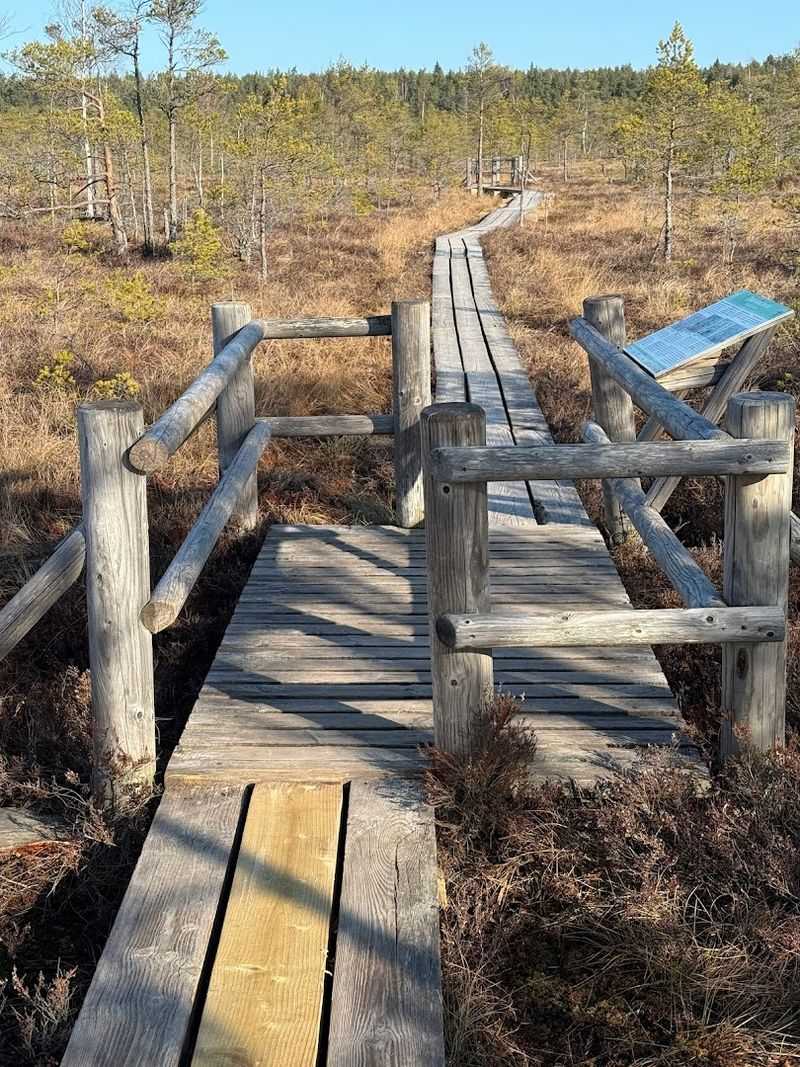
Bogs do not usually make the travel highlight reel, but Ķemeri National Park is here to change that completely. Located just 40 kilometers from Riga, this park protects one of the largest raised bogs in the Baltic states.
The Great Kemeri Bog boardwalk is a 3.4-kilometer loop that floats above a landscape so still and vast it feels like the world just paused.
The dark bog pools reflect the sky so perfectly that the horizon disappears on calm days. Carnivorous plants, rare orchids, and over 200 bird species call this park home.
Birdwatchers come specifically for the black stork, white-tailed eagle, and lesser spotted eagle that nest in the surrounding forests.
The boardwalk is accessible year-round and free to use, making it one of the best value day trips from Riga. Winter visits offer a completely different atmosphere, with frost-covered bog grass and a silence that is almost theatrical.
Sunrise here is particularly worth the early alarm. This park proves that the quietest landscapes often have the most to say.



