Travel history is full of upgrades that looked brilliant at first, until the fine print arrived with a queue, a form, a fee, or a rule nobody saw coming. Across the 20th and 21st centuries, inventions, conflicts, security scares, economic shocks, and mass tourism steadily turned movement from a relatively casual act into a managed system of checkpoints, documents, restrictions, and calculated inconvenience.
That does not mean travel became all bad, since many changes improved safety and opened new places, but the trade-offs reshaped how you pack, plan, pay, wait, and even think about crossing a border. These 14 moments show how the romance of going somewhere was repeatedly interrupted by history, bureaucracy, technology, and the stubborn fact that the world never stays easy to navigate for long.
1. The Sinking of the Titanic (1912)
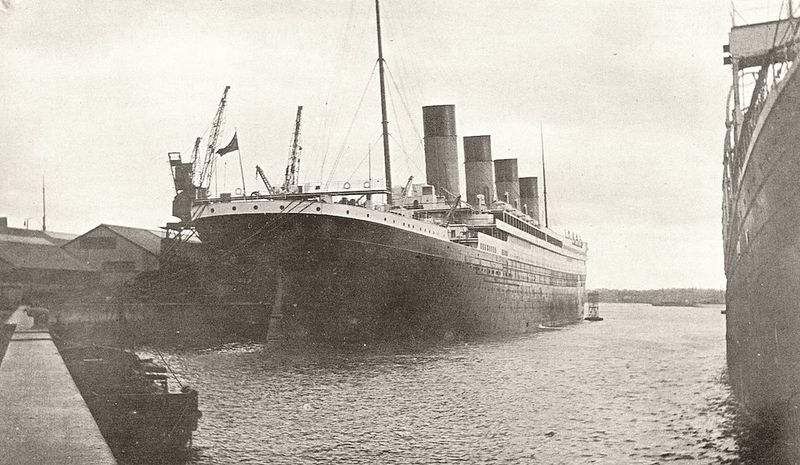
Few travel promises aged worse than calling a giant ocean liner practically unsinkable. When the Titanic went down in April 1912, it changed sea travel from a symbol of engineering confidence into a heavily regulated undertaking.
Before the event, lifeboat rules lagged behind ship size, and Titanic legally carried boats for only a portion of everyone aboard. Inquiries exposed weak emergency planning, limited radio watch practices, and design assumptions that no longer fit enormous passenger vessels.
The response was swift and lasting. The 1914 Safety of Life at Sea convention required enough lifeboat capacity, regular drills, improved communications, and better international standards.
Travelers gained safer ships, but they also inherited a new awareness that luxury did not cancel risk. Ocean liners never fully recovered their effortless aura, and maritime travel became more formal, inspected, and rule-bound than the confident brochure writers of 1912 had imagined.
2. World War I Closes Borders (1914–1918)
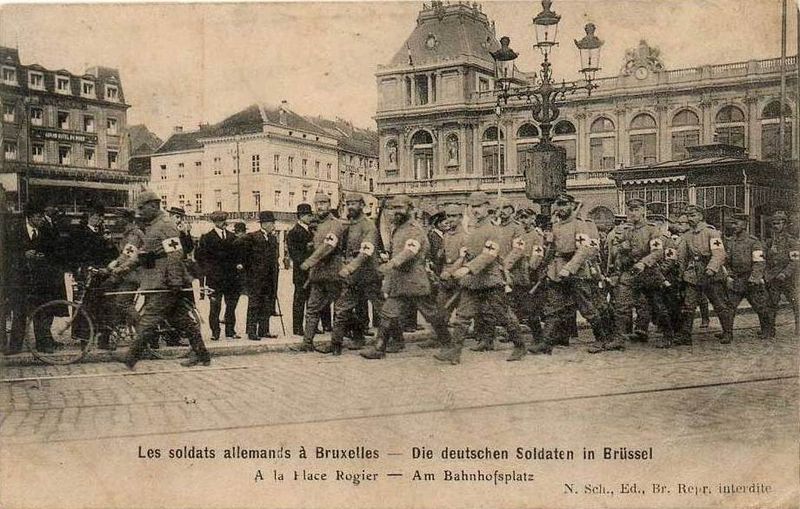
A train ticket once carried more power than a passport in much of Europe. That loose, mobile world narrowed sharply after 1914, when wartime governments decided people needed tracking as carefully as freight.
Before World War I, many travelers crossed borders with minimal paperwork, especially across parts of Europe. The war introduced emergency controls, identity documents, exit permissions, and visa systems meant to monitor movement and protect national security.
Temporary measures proved remarkably sticky. After the fighting ended, many governments kept passport requirements, and League of Nations conferences in the 1920s helped standardize the modern travel document.
The result was one of travel’s least glamorous revolutions. International movement became less spontaneous and more dependent on stamps, photographs, consulates, fees, and official approval.
You can still feel that shift every time you check expiration dates before booking. The border became not just a line on a map, but an administrative machine travelers could not ignore.
3. The Hindenburg Disaster (1937)
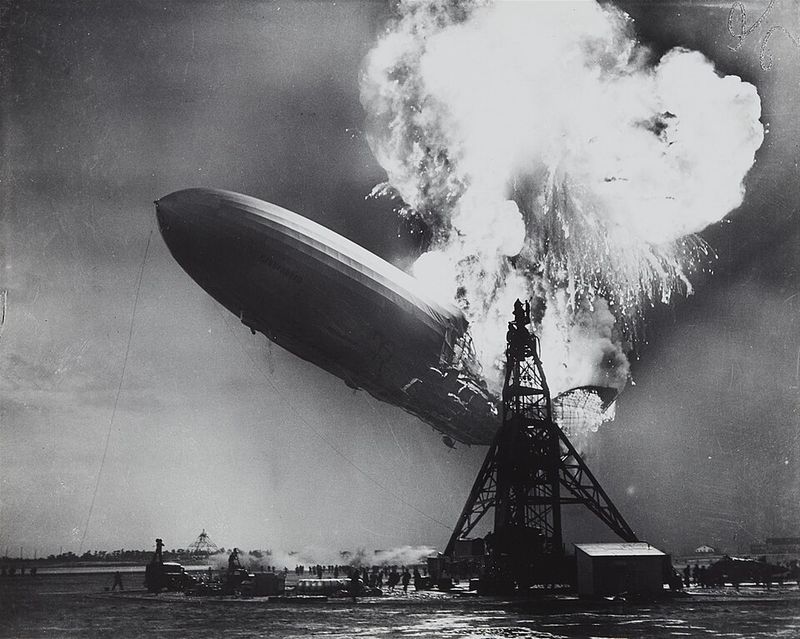
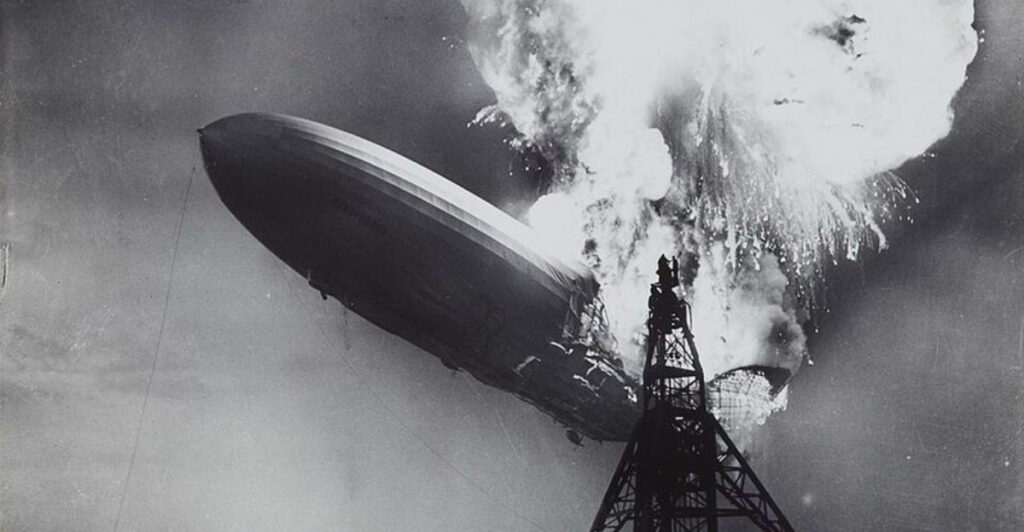
The future of luxury flight once looked like a hotel held aloft by daring chemistry. Rigid airships promised roomy cabins, dining rooms, and transatlantic trips that felt more refined than cramped early airplanes.
The Hindenburg disaster in May 1937 ended that confidence with stunning speed. Although Zeppelin services had previously carried many passengers, the widely filmed event at Lakehurst, New Jersey, made hydrogen airships impossible to sell as safe public transport.
Public trust collapsed, and commercial rigid airship travel effectively disappeared. Airlines and engineers shifted attention toward heavier-than-air aircraft, which were less elegant at first but better aligned with future safety expectations.
The loss for travelers was not only one mode of transportation. It was the disappearance of a spacious, slow, premium aerial experience before it could mature.
Air travel moved forward, but in narrower cabins and faster schedules. The sky became practical rather than grand, and one dramatic failure helped choose the airplane’s future for everyone.
4. The Rise of Hijackings in the 1960s–70s
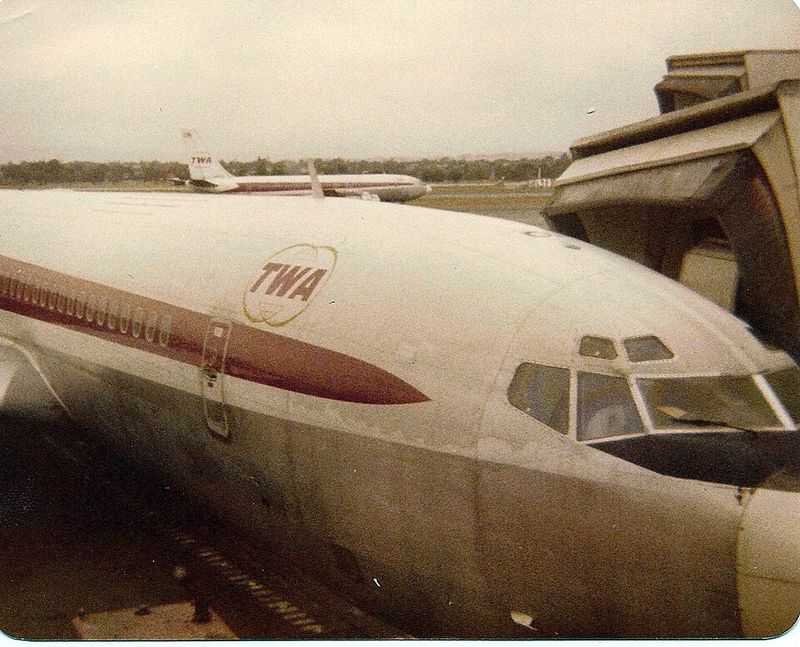
Airports did not always treat every passenger like a puzzle to be solved. During the 1960s and 1970s, a surge of hijackings forced aviation to trade casual boarding for systematic suspicion.
Incidents became frequent enough to alarm governments and airlines worldwide. Some were politically motivated, others involved demands or diversions, and the pattern exposed how easy it could be to board aircraft with dangerous intentions.
By the early 1970s, regulators acted. In the United States, mandatory passenger and carry-on screening began in 1973, bringing metal detectors, X-ray machines, and more controlled access to gates.
The new procedures helped reduce hijacking risk, but they changed the culture of flying. The gate was no longer a social space where friends could linger freely.
For travelers, the shift introduced the first familiar rhythm of modern airport inconvenience: line up, empty pockets, wait, comply. Glamour gave way to controlled movement, and it never really came back.
5. The Oil Crisis (1973)
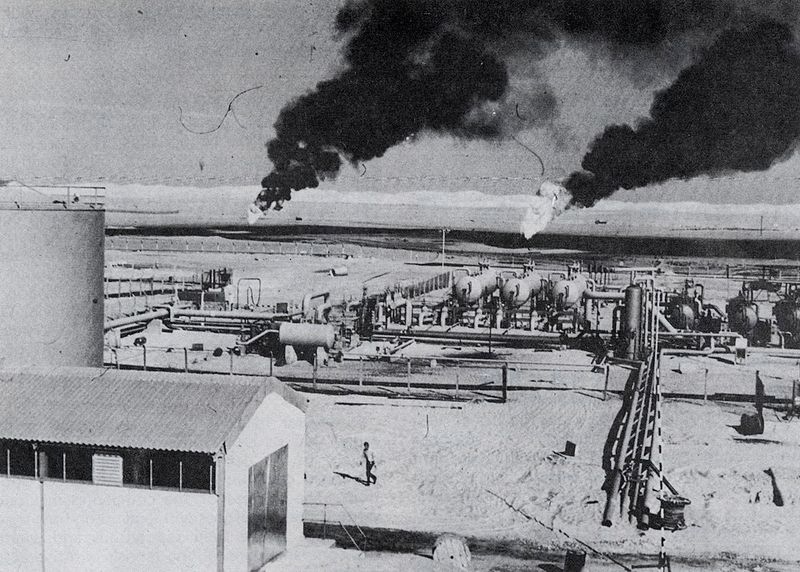
Cheap fuel was the quiet travel perk nobody appreciated until it vanished. The 1973 oil crisis hit airlines hard, turning jet fuel from routine expense into a financial headache that passengers quickly felt.
After the OAPEC embargo, oil prices rose sharply, and airline operating costs climbed with them. Carriers cut flights, reduced routes, removed discount deals, and adjusted fares to survive a new energy reality.
The crisis also accelerated a less generous approach to flying. Airlines paid closer attention to aircraft efficiency, seating density, route profitability, and anything that added weight or cost without clear return.
For passengers, the consequences were familiar: higher prices, fewer options, and less room for spontaneity. Travel became more vulnerable to global energy politics and market swings.
The crisis did not end mass air travel, but it punctured the idea that fares would simply keep getting easier. Every fuel surcharge since carries a little 1973 in its paperwork.
6. The Tenerife Airport Disaster (1977)
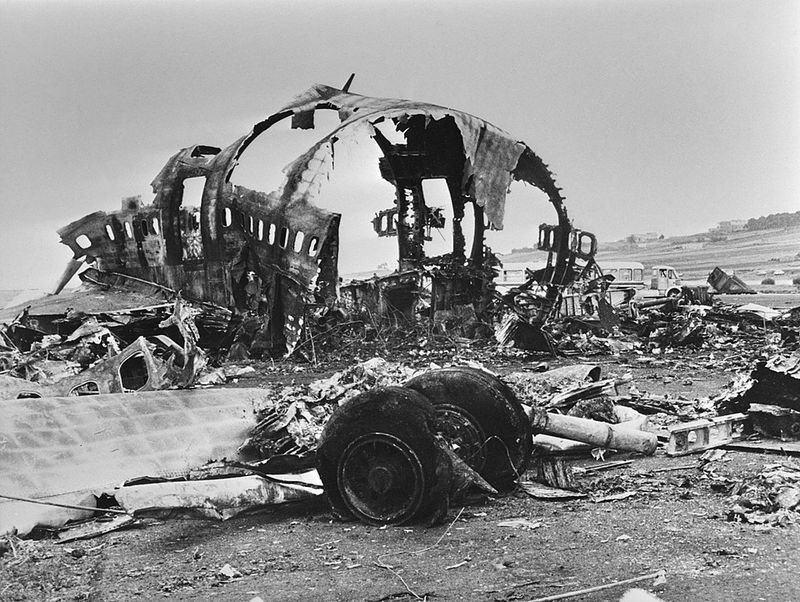
One runway misunderstanding rewrote the language of aviation. The 1977 Tenerife airport disaster showed that even experienced crews and modern aircraft could be defeated by congestion, pressure, and unclear communication.
Two Boeing 747s were diverted to Los Rodeos Airport after disruption elsewhere in the Canary Islands. The small airport became crowded, taxiways were blocked, and radio exchanges grew critical as crews relied on instructions in difficult conditions.
Investigations emphasized ambiguous phrasing, cockpit hierarchy, and the need for sharper procedural discipline. Aviation authorities strengthened standardized radio language, especially for takeoff clearance, and promoted Crew Resource Management training.
Those reforms made flying safer, yet they also helped make aviation more procedural than ever. Pilots gained clearer rules but less room for informal judgment.
Passengers rarely notice these changes directly, which is the point. Behind every calm boarding process sits a system shaped by Tenerife, where communication became tightly scripted because casual wording had proved too costly for modern travel.
7. Lockerbie Bombing (1988)
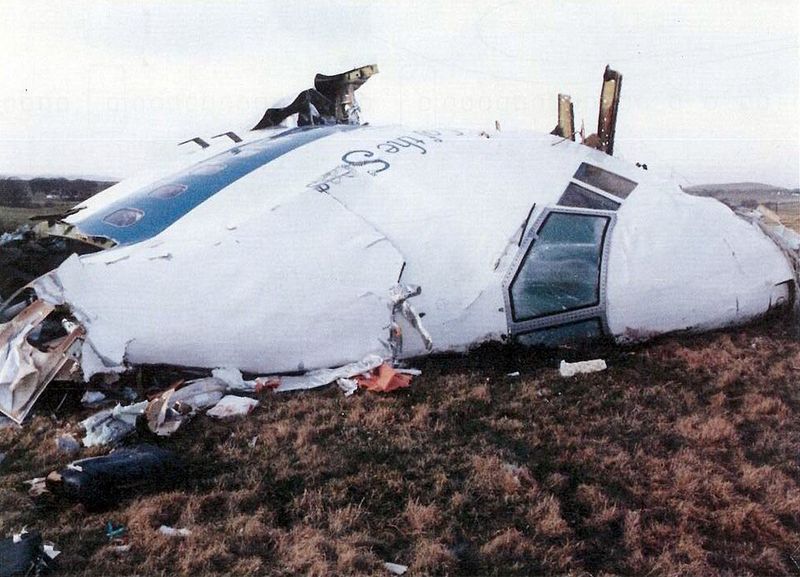
A suitcase became the focus of aviation security in a way travelers still recognize. After the 1988 bombing of Pan Am Flight 103 over Lockerbie, checked baggage could no longer be treated as an afterthought.
Before then, screening for luggage was inconsistent and often weaker than passenger checks. Investigators found that baggage transfer systems and passenger-bag matching rules had serious gaps that demanded international attention.
Security procedures tightened across airports. Authorities expanded explosive detection technology, improved inspection of checked bags, and adopted rules ensuring luggage generally traveled only with the passenger who checked it.
The changes made flying safer, but they also complicated one of travel’s simplest rituals. Dropping a bag at the counter became part of a larger security chain involving machines, tracking, and verification.
Lockerbie deepened the idea that risk could be hidden far from the traveler’s view. The airport became more cautious, luggage became more scrutinized, and routine flying felt less routine thereafter.
8. The Fall of the Soviet Union (1991)
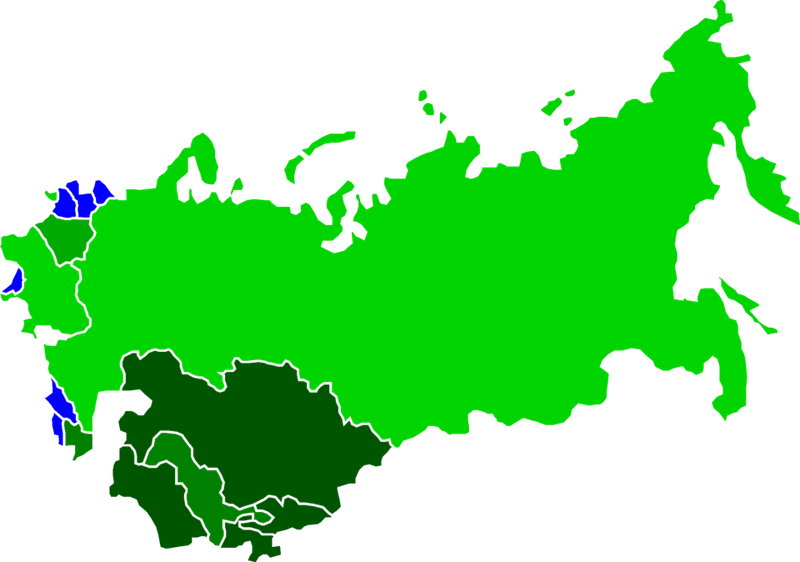
Suddenly, maps offered destinations that had spent decades behind thick political curtains. The fall of the Soviet Union in 1991 opened remarkable routes, but access arrived bundled with uncertainty.
Travelers could explore newly independent states and cities once difficult for outsiders to visit. Yet the transition from centralized rule to new political and economic systems brought uneven infrastructure, confusing procedures, and rapidly changing local conditions.
Rail networks, hotels, roads, and services often reflected older planning priorities. Visitors sometimes faced unreliable transport, limited amenities, visa complications, and advice that politely translated to: be flexible or stay home.
The shift also reshaped travel culture. Adventure tourism expanded, guidebooks rushed to explain new borders, and independent travelers discovered that openness did not always mean convenience.
For all its promise, the post-Soviet travel boom showed that newly accessible places could still be difficult to navigate. Freedom of movement increased, but predictability often decreased, making the 1990s a fascinating and frustrating travel decade.
9. 9/11 Terror Attacks (2001)
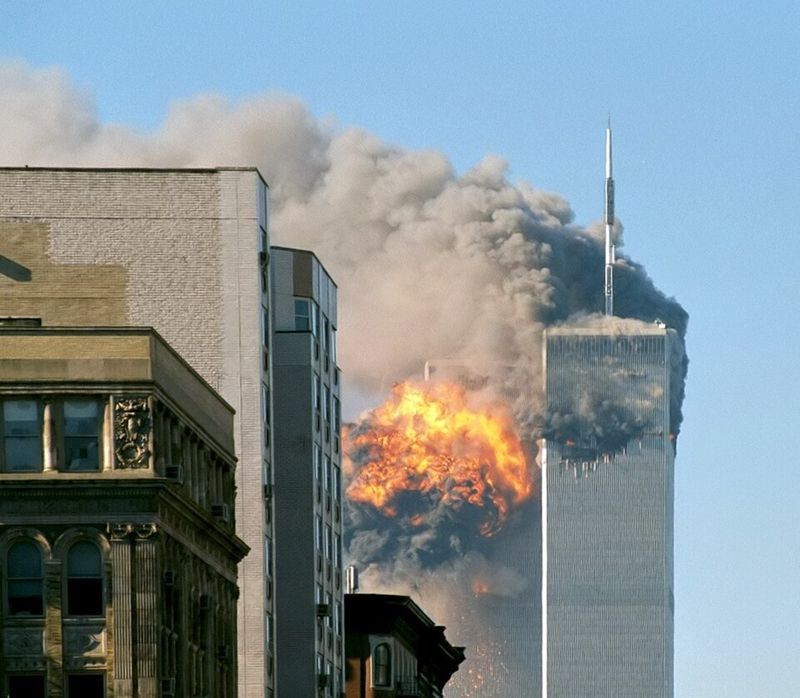
Modern airport patience was largely born in the security lines after 2001. The 9/11 attacks transformed flying more dramatically than any other recent event, especially in the United States.
Before then, airport screening existed but felt lighter, and non-travelers could often accompany passengers to gates. Afterward, the Aviation and Transportation Security Act created the TSA, federalized screening, and introduced a new security culture.
Checked baggage screening expanded, cockpit doors were reinforced, and air marshal programs grew. Later rules, including shoe removal after a separate 2001 incident and liquid limits after a 2006 plot, added more steps to the routine.
The airport became a place of preparation rather than quick passage. Travelers learned to arrive early, separate electronics, measure toiletries, and dress with checkpoints in mind.
These procedures improved security, but they permanently altered the emotional math of flying. A trip now begins with compliance, queues, and reminders that convenience lost its argument with caution.
10. The Introduction of Full-Body Scanners (2000s)
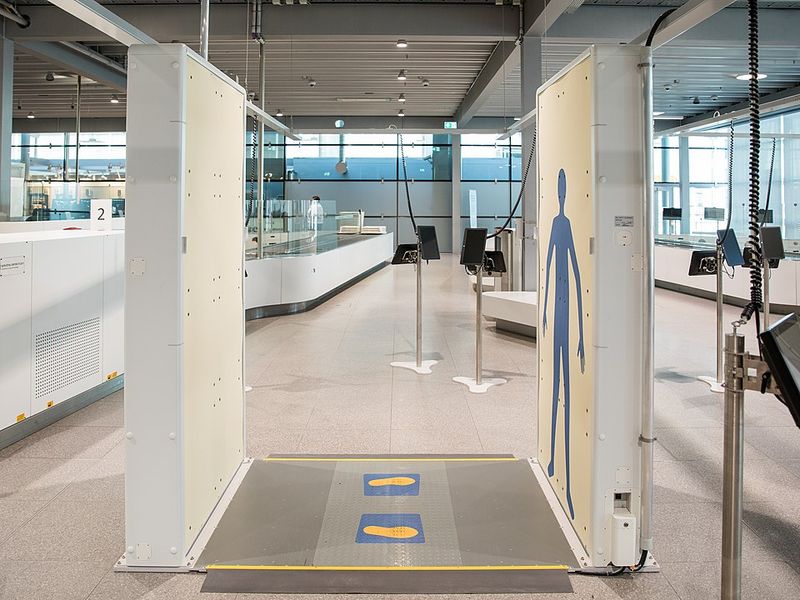
Just when travelers mastered the art of checkpoint choreography, the machines got more personal. Full-body scanners entered airports in the 2000s and pushed security into a new privacy debate.
Advanced imaging technology was designed to detect metallic and non-metallic items that older metal detectors could miss. Deployment accelerated after late 2000s security concerns, and passengers soon encountered machines requiring specific poses and extra patience.
Early scanner images raised strong objections because they seemed too revealing. Authorities later shifted toward software that displayed generic outlines, but the public conversation had already changed.
The technology added another layer to the preflight ritual. You no longer just walked through a detector; you stepped into a device, followed instructions, and waited for clearance.
For many travelers, this marked a psychological shift. Airport security became less about bags and more about bodies, turning personal space into part of the screening process and making travel feel increasingly procedural.
11. The Rise of Budget Airlines (2000s)
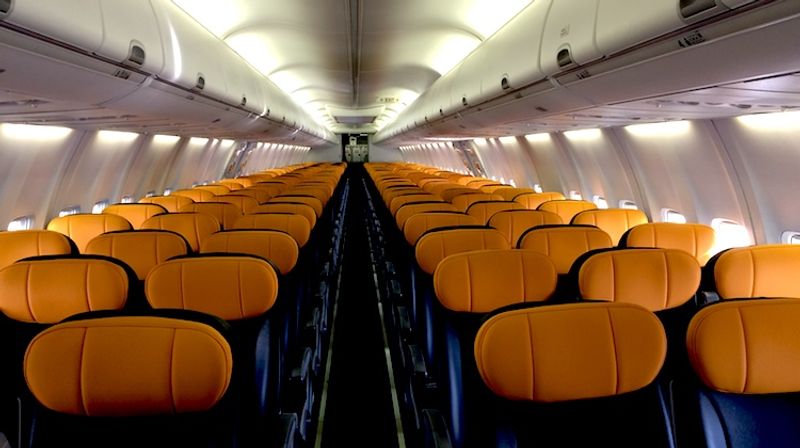
The bargain fare looked innocent until the add-ons started multiplying. Budget airlines expanded rapidly in the 2000s, making flights accessible while teaching travelers that cheap often meant carefully unbundled.
Low-cost carriers built their model around efficiency, dense seating, quick turnarounds, and charging separately for services once included. Bags, seat selection, food, priority boarding, and even airport check-in could turn a tiny fare into a math exercise.
The model changed passenger expectations. Travelers learned to compare total costs, measure luggage like engineers, and accept less legroom in exchange for reaching more places.
There were clear benefits, especially for students, families, and weekend travelers. But comfort and simplicity often took the hit.
Budget airlines also popularized secondary airports that could sit far from the city printed on the ticket. The result was a travel revolution with a catch: more people could fly, but the experience became more transactional, cramped, and fee-conscious than earlier airline marketing suggested.
12. Volcanic Ash Cloud Disruption (2010)
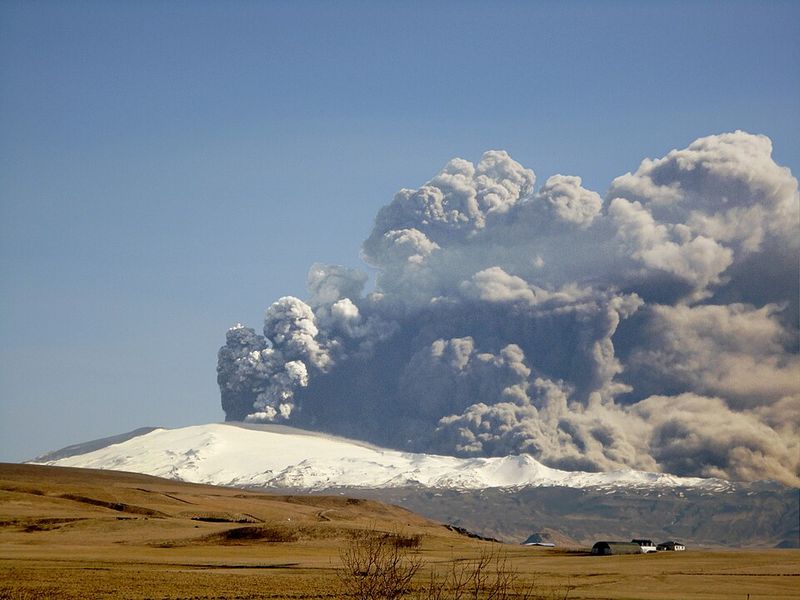
A volcano with a famously difficult name reminded aviation who was really in charge. In April 2010, Iceland’s Eyjafjallajökull eruption sent ash across European airspace and grounded thousands of flights.
Volcanic ash can damage aircraft engines, so aviation authorities closed large sections of airspace. From mid-April onward, cancellations spread across Europe, disrupting around 100,000 flights and affecting millions of passengers.
The shutdown exposed how tightly connected global travel had become. A natural event in Iceland stranded people in Asia, North America, Africa, and Europe because routes, crews, and aircraft schedules depend on one another.
Airlines lost enormous revenue, travelers missed events, and alternative transport systems struggled with sudden demand. Planning apps and printed itineraries offered little comfort when airspace itself was unavailable.
The disruption led to revised ash guidelines and better risk assessment, but it also left a lasting lesson. Modern air travel may look seamless, yet one unexpected plume can still turn the whole network into a waiting room.
13. The Global Spread of Overtourism (2010s)
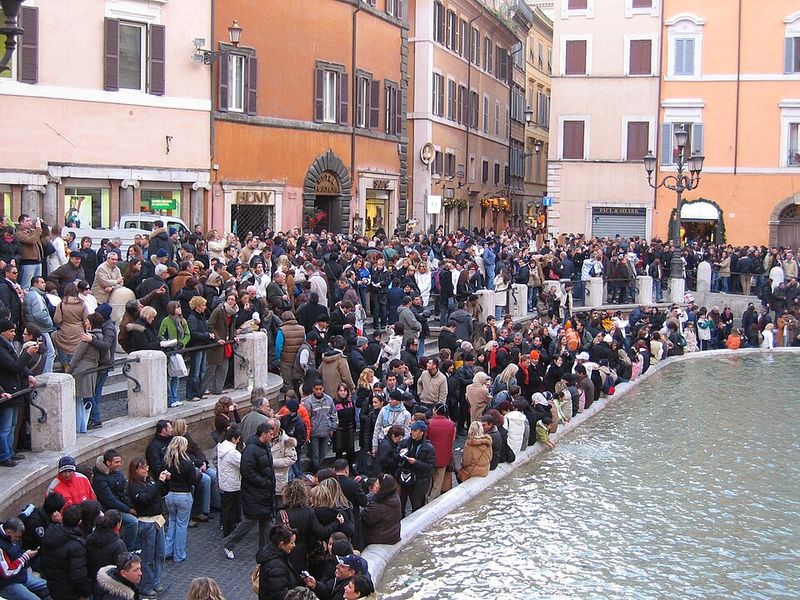
At some point, the postcard destination became a crowd management problem. During the 2010s, overtourism turned popularity into pressure for cities, islands, parks, and historic neighborhoods.
Cheap flights, cruise growth, short-term rental platforms, and social media helped concentrate visitors in the same famous places. Venice, Barcelona, Kyoto, Bali, and other destinations became shorthand for the strain of too many arrivals.
Local impacts included rising rents, crowded public transport, stressed infrastructure, environmental pressure, and resentment toward tourism that no longer felt balanced. Residents watched neighborhoods shift from lived-in communities to visitor zones.
Travelers felt the downgrade too. Famous sites required timed reservations, queues lengthened, and spontaneous wandering gave way to crowd rules and entry fees.
Destinations responded with limits, taxes, bans, and campaigns steering visitors elsewhere. Those policies may be necessary, but they changed the bargain of travel.
The world’s most desired places became less open, less relaxed, and more carefully controlled because too much enthusiasm arrived at once.
14. The COVID-19 Pandemic (2020)
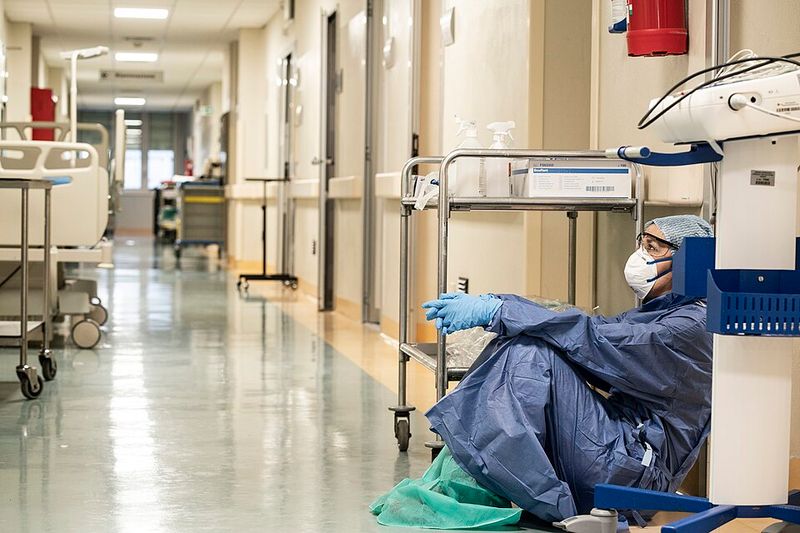
The travel world did not slow down in 2020; it hit the brakes. The COVID-19 pandemic closed borders, grounded flights, and made once-routine trips dependent on health rules that changed constantly.
Governments introduced entry bans, quarantines, testing requirements, health declarations, and later vaccination documentation. Planning a trip became less about dates and hotels and more about monitoring official updates before every connection.
The tourism industry took a historic hit as international arrivals collapsed. Airlines reduced routes, airports emptied, businesses dependent on visitors struggled, and recovery brought higher prices, labor shortages, and fewer direct options in many markets.
Even after restrictions eased, the mindset changed. Travelers became more aware that routes could disappear, borders could close, and paperwork could return with little notice.
The pandemic also normalized flexible booking policies, remote meetings, and a reevaluation of business travel. It left travel possible but more conditional, reminding everyone that global mobility can be paused faster than any frequent-flyer program can explain.
Share this story