 Unearth The Voyage
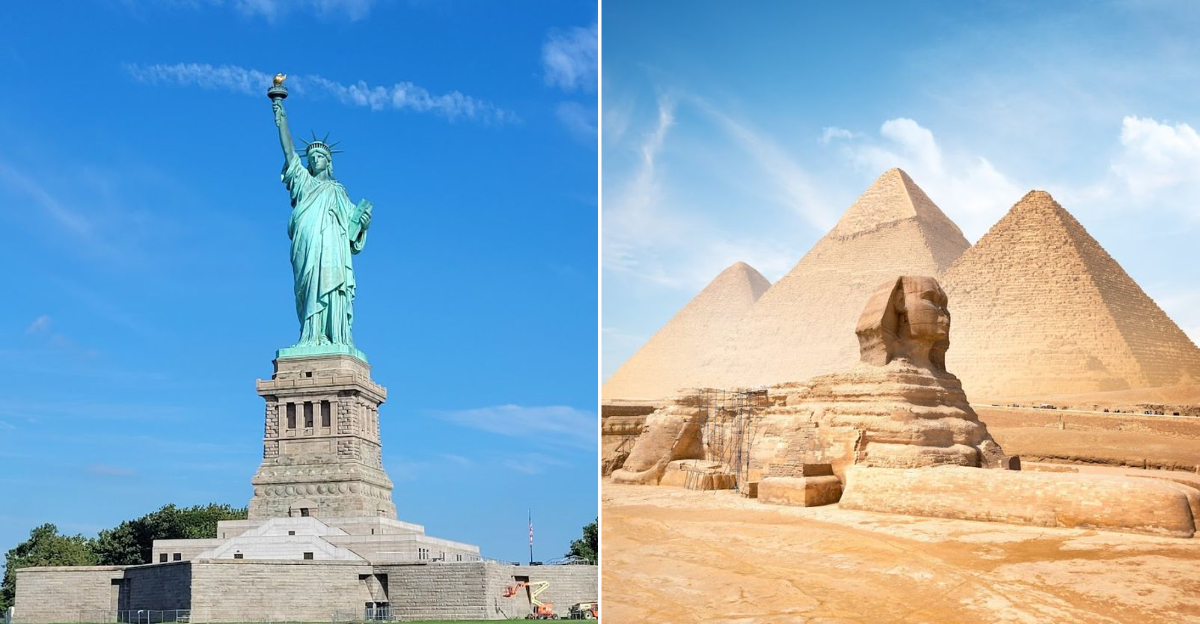
Some places get so much attention that you start to wonder if they can possibly be worth it. Spoiler: the best ones absolutely are.
From ancient ruins to modern masterpieces, these 14 iconic attractions around the world have earned their legendary status fair and square. Pack your curiosity and maybe a good camera, because this list is about to make your travel bucket list a lot longer.
Eiffel Tower, Paris
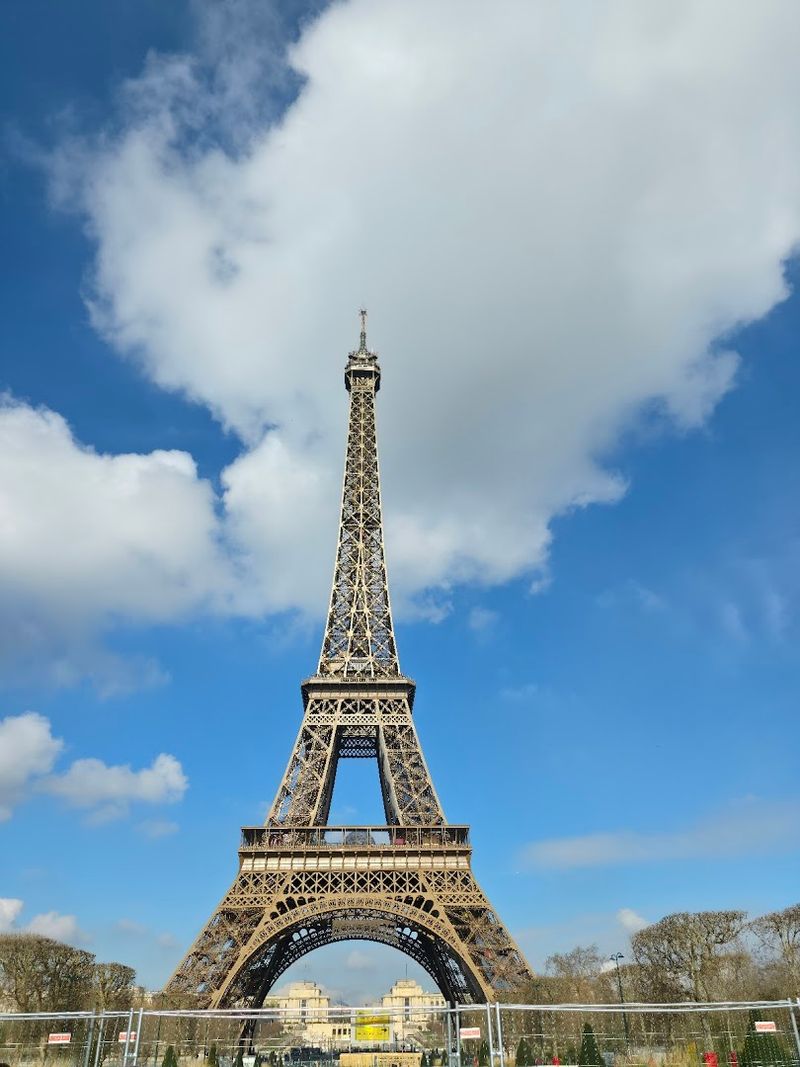
Everyone warned me it would be overcrowded and overrated. They were wrong on the second count.
The Eiffel Tower, built for the 1889 Exposition Universelle, rises about 330 meters above Paris and somehow manages to be more stunning in person than in any photo.
Yes, there are crowds. Yes, everyone has a selfie stick.
But the moment you step onto one of the observation levels and see the city sprawling beneath you, none of that matters. Paris just clicks into place like a puzzle completing itself.
The tower actually changes personality depending on the time of day. Daytime gives you crisp panoramic views, evening turns it golden, and after dark the light show kicks in every hour on the hour.
Book your tickets online well in advance, go at dusk, and prepare to eat your skepticism with a side of croissant. It is genuinely, stubbornly magical.
Colosseum, Rome
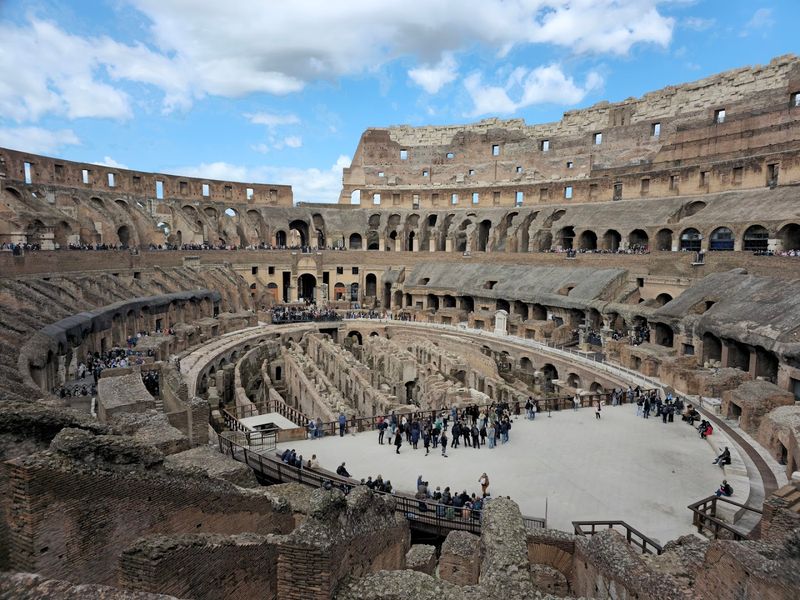
There is a moment when you first spot the Colosseum from the street and your brain just stops working for a second. It is enormous, ancient, and somehow completely real.
Built in the first century AD under the Flavian emperors, this amphitheater held up to 80,000 spectators for gladiatorial contests and public spectacles.
The Colosseum Archaeological Park also includes the Roman Forum and Palatine Hill, which means one ticket unlocks a serious chunk of ancient history. Walking through the arched corridors, you get a very clear sense of just how sophisticated Roman engineering actually was.
My favorite tip: book a timed entry slot as early as possible. The lines outside can be brutal.
Once inside, take your time on the upper levels where the views over the arena floor are genuinely dramatic. This is a place where the scale alone hits you before the history even gets a word in edgewise.
Machu Picchu, Peru
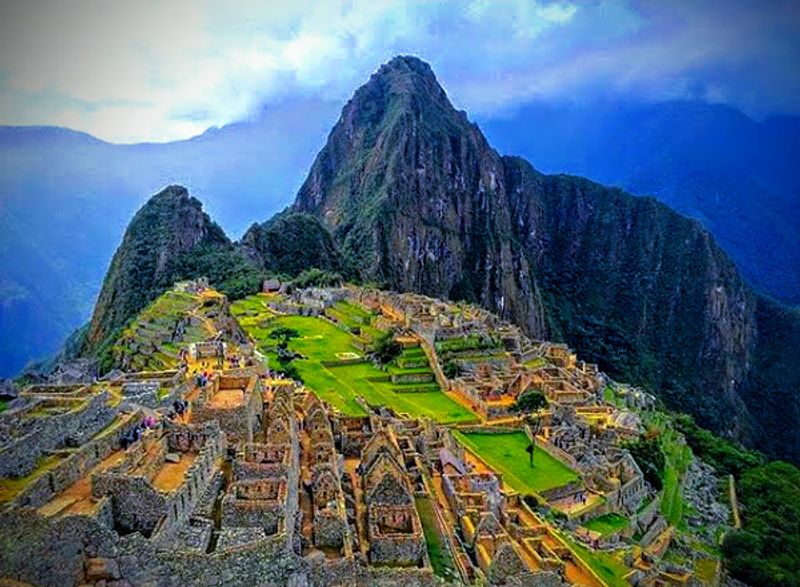
Machu Picchu would be remarkable if it sat at sea level in a parking lot. The fact that it is perched on a mountaintop in the Peruvian Andes, surrounded by dramatic peaks and rolling cloud cover, is almost unfair.
It is like the universe decided to show off.
The UNESCO-listed Historic Sanctuary protects both the cultural ruins and the extraordinary natural landscape around them. That combination is what separates Machu Picchu from most other archaeological sites.
The stonework is precise and fascinating, but the setting is what makes your jaw drop first.
Getting there requires planning. Whether you hike the Inca Trail or take the train to Aguas Calientes, you need to book well ahead since daily visitor numbers are limited.
Arrive early to beat the crowds and catch the morning mist drifting between the ruins. It feels suspended between history and cloud, and that is not just poetic language.
It is literally what happens up there.
Taj Mahal, India
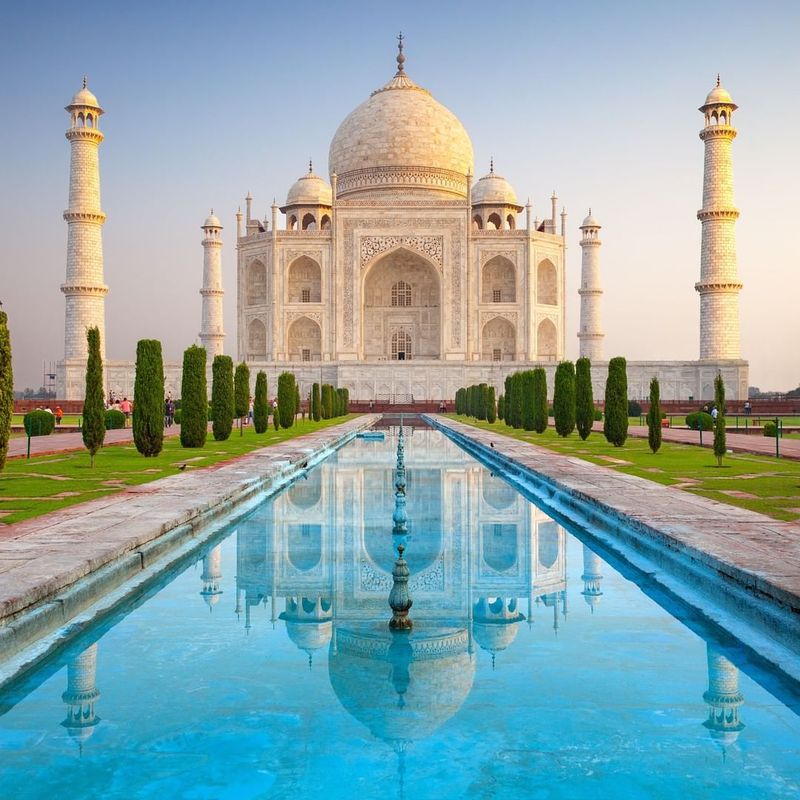
The Taj Mahal has been photographed approximately one billion times, and yet first-time visitors almost universally report the same reaction: the real thing is even more stunning than expected. That says something.
Built by Mughal emperor Shah Jahan in memory of his wife Mumtaz Mahal, it is a monument to grief that somehow became one of the most beautiful buildings on Earth.
The white marble shifts color depending on the light. At sunrise it blushes pink, at midday it gleams bright white, and at sunset it turns a warm amber.
The symmetry of the whole complex, from the reflecting pool to the flanking minarets, feels almost mathematically perfect.
Get there early, right when the gates open. The crowds grow quickly and the experience is far better with breathing room.
Skip the queues by booking entry tickets online beforehand. Stand at the far end of the reflecting pool and take a moment before reaching for your phone.
Some things deserve a second of pure attention first.
Petra, Jordan
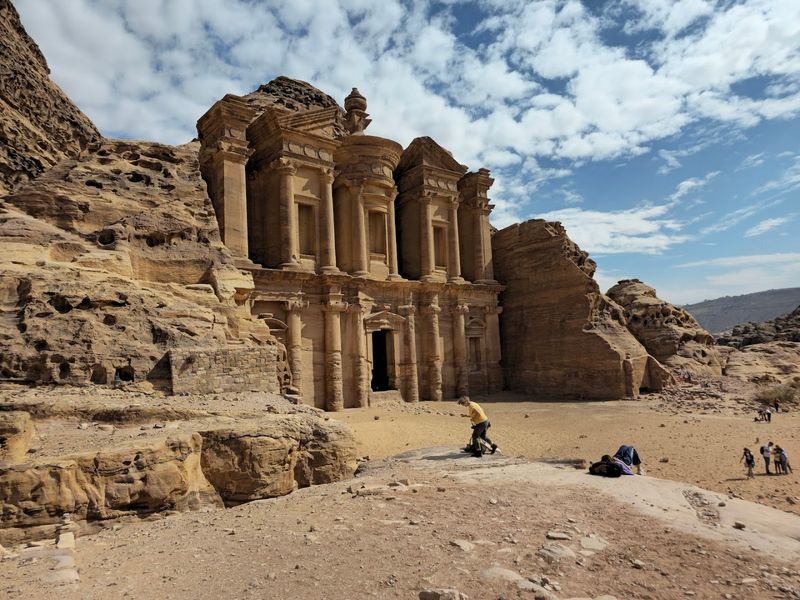
Few travel moments match the reveal at the end of the Siq. You walk for about 1.2 kilometers through a narrow, winding canyon with towering rock walls pressing in on both sides.
Then the gap opens and there it is: the Treasury, carved directly into rose-red sandstone, glowing in the desert light. It is pure cinematic drama.
Petra was built by the Nabataeans, a sophisticated ancient civilization that turned a remote canyon into a thriving trading city. UNESCO calls it one of the world’s most precious cultural properties, and that title is well earned.
Beyond the Treasury, there are hundreds of tombs, temples, and paths to explore across the wider site.
Wear comfortable shoes because the site is massive and the terrain is uneven. The Treasury is just the beginning.
Hike up to the Monastery for a view that most visitors miss entirely. Go early, bring water, and budget a full day at minimum.
Petra rewards the people who stay longer than the tour buses do.
Great Wall of China
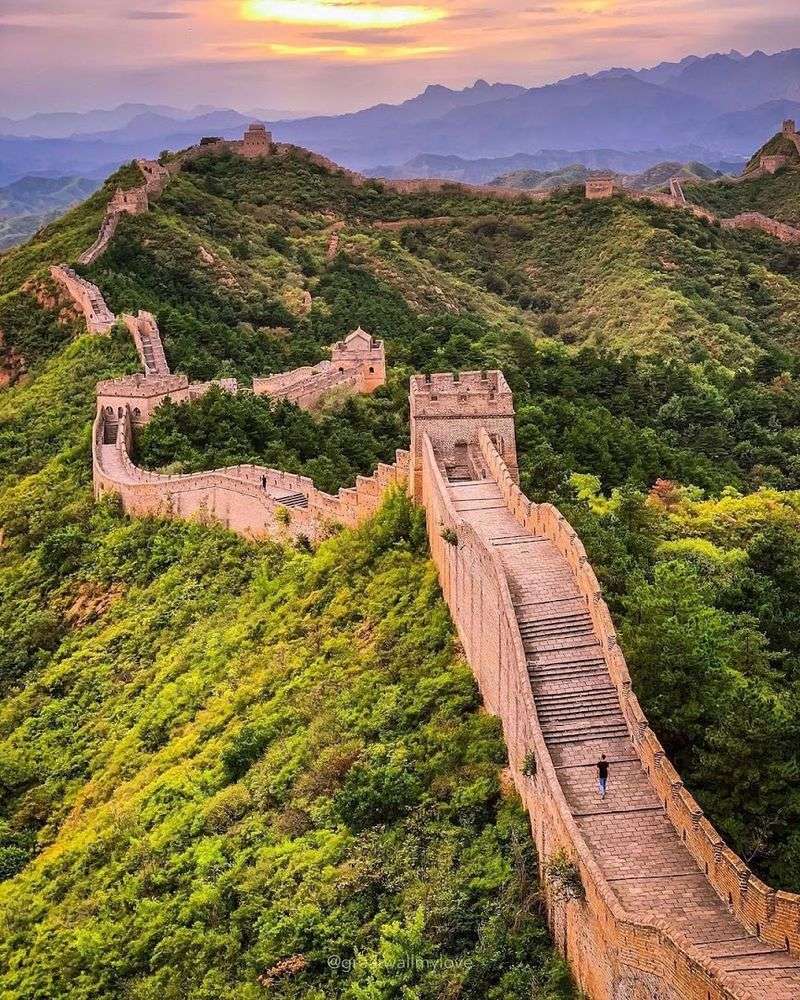
Here is a fun reality check: the Great Wall is not one wall. It is a vast system of walls, watchtowers, and fortifications built across multiple dynasties over many centuries.
The total length of all sections combined runs into the thousands of kilometers. Standing on it, you realize very quickly that the word “great” is doing some serious heavy lifting.
UNESCO recognizes it as an extraordinary feat of human history and military construction. In person, the wall’s ridgelines roll over mountain after mountain, disappearing into the distance in both directions.
The scale is genuinely hard to process at first.
The Mutianyu section near Beijing is a solid choice for most visitors. It is well-restored, less crowded than Badaling, and offers a cable car option for those who prefer their history without the cardio.
Go on a weekday if possible and arrive early. The wall looks spectacular in morning light, and sharing it with fewer people makes the whole experience feel much more personal.
Angkor Wat, Cambodia
Waking up at 4:30 a.m. is not usually something I celebrate. At Angkor Wat, I did it twice.
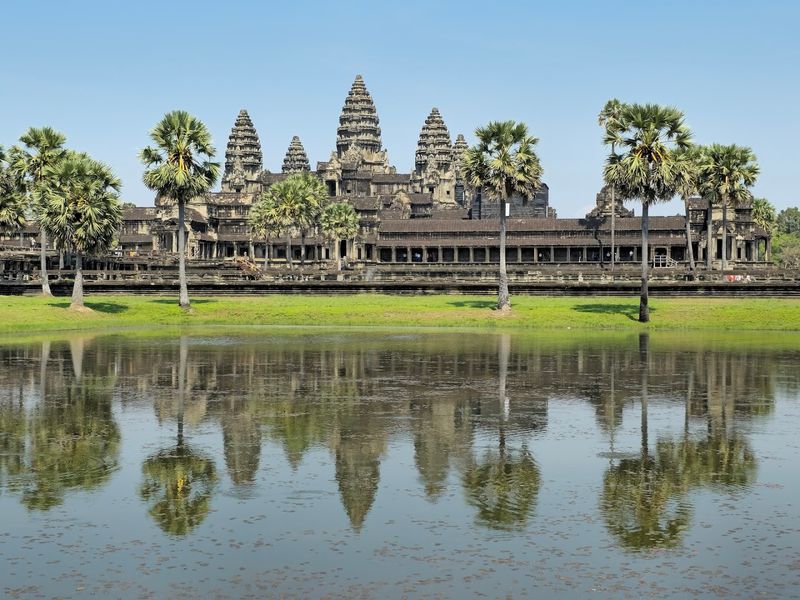
The sunrise here is one of those rare travel experiences that fully justifies the alarm clock. The temple towers rise out of the early morning mist and reflect in the long pool in front, and the whole scene looks almost too perfect to be real.
Angkor Wat is the largest religious monument in the world, according to Cambodia’s official Angkor ticket authority. The wider Angkor archaeological site spans roughly 400 square kilometers, with temples, reservoirs, and roads built by the Khmer Empire.
The carvings covering the walls of Angkor Wat alone could keep you occupied for hours.
Buy a multi-day pass. One day is not enough.
The site includes dozens of temples, each with its own character, and rushing through them would be a genuine waste. Ta Prohm, where massive tree roots have swallowed entire stone walls, is not to be skipped under any circumstances.
Grand Canyon, Arizona
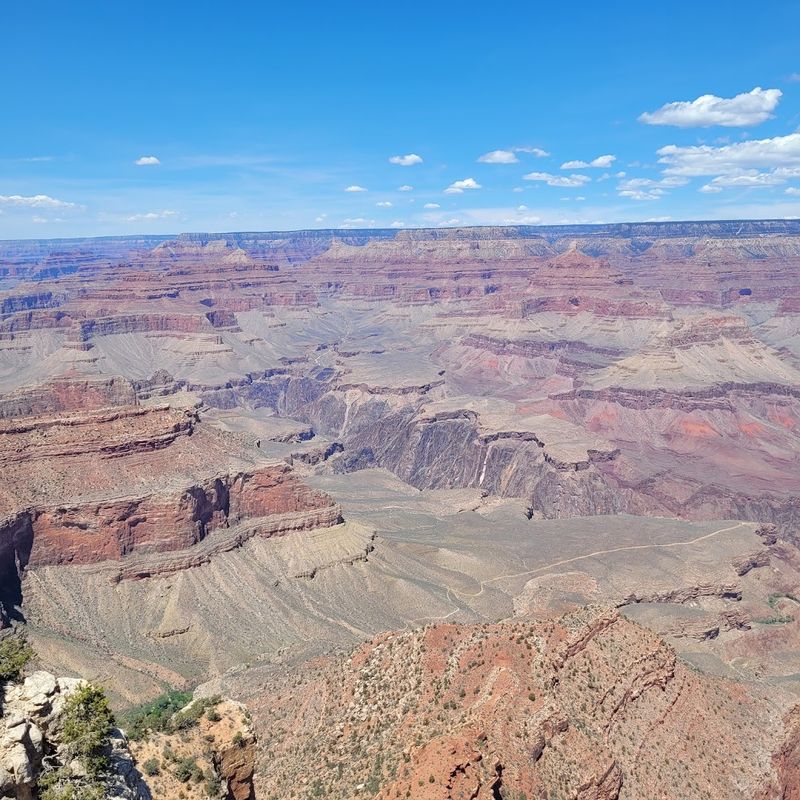
No screen, no matter how big or high-resolution, does justice to the Grand Canyon. I stood at the South Rim for the first time and genuinely could not figure out how to look at it.
There was simply too much of it. UNESCO calls it one of the most spectacular gorges in the world, carved by the Colorado River over millions of years, revealing around two billion years of geological history in its layered walls.
The U.S. National Park Service notes the park spans 278 miles of river corridor and surrounding uplands.
The depth alone, dropping over a mile from rim to river, makes your brain quietly malfunction in the best possible way.
The South Rim is open year-round and offers the most accessible viewpoints. Sunrise and sunset are the magic hours when the rock layers shift through shades of red, orange, and purple.
If hiking is on the agenda, start early and carry far more water than you think you need. The canyon has a way of humbling the underprepared.
Pyramids of Giza, Egypt
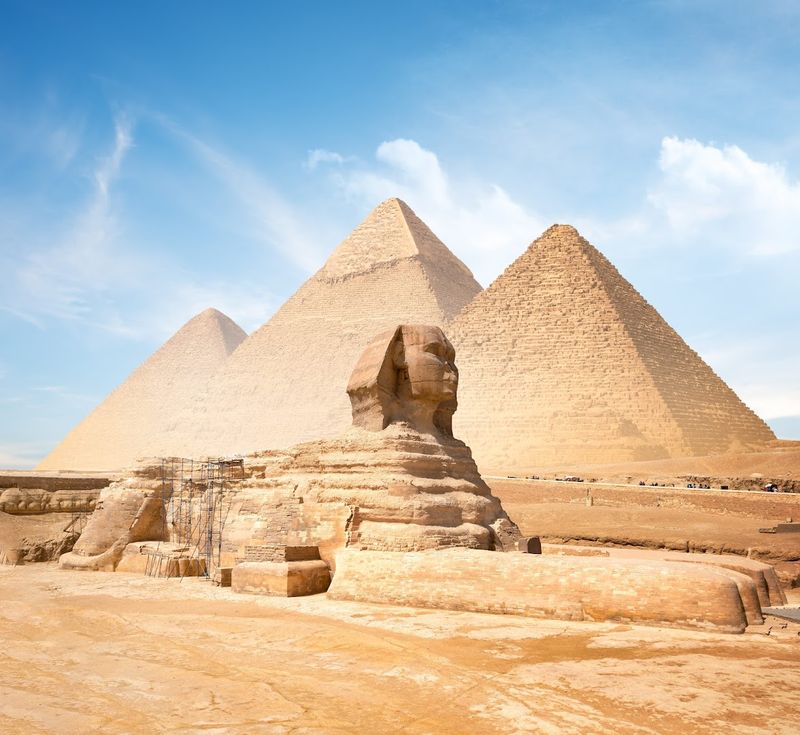
The Pyramids of Giza are the only surviving Wonder of the Ancient World, and they have been standing for roughly 4,500 years. That number sounds abstract until you are standing at the base of the Great Pyramid of Khufu, craning your neck back, and realizing the blocks above you were placed there before writing was even common.
It resets your sense of time completely.
The Giza Plateau, part of the UNESCO World Heritage site Memphis and its Necropolis, is home to the pyramids of Khufu, Khafre, and Menkaure, plus the Great Sphinx. The engineering precision involved in their construction still sparks debate among historians and archaeologists today.
Visit early morning to beat both the heat and the crowds. A guide is genuinely worth hiring here.
The context and history they provide transforms the experience from impressive to extraordinary. And yes, you can go inside some of the pyramids.
It is claustrophobic, a little dusty, and completely unforgettable. Absolutely do it.
Sagrada Familia, Barcelona
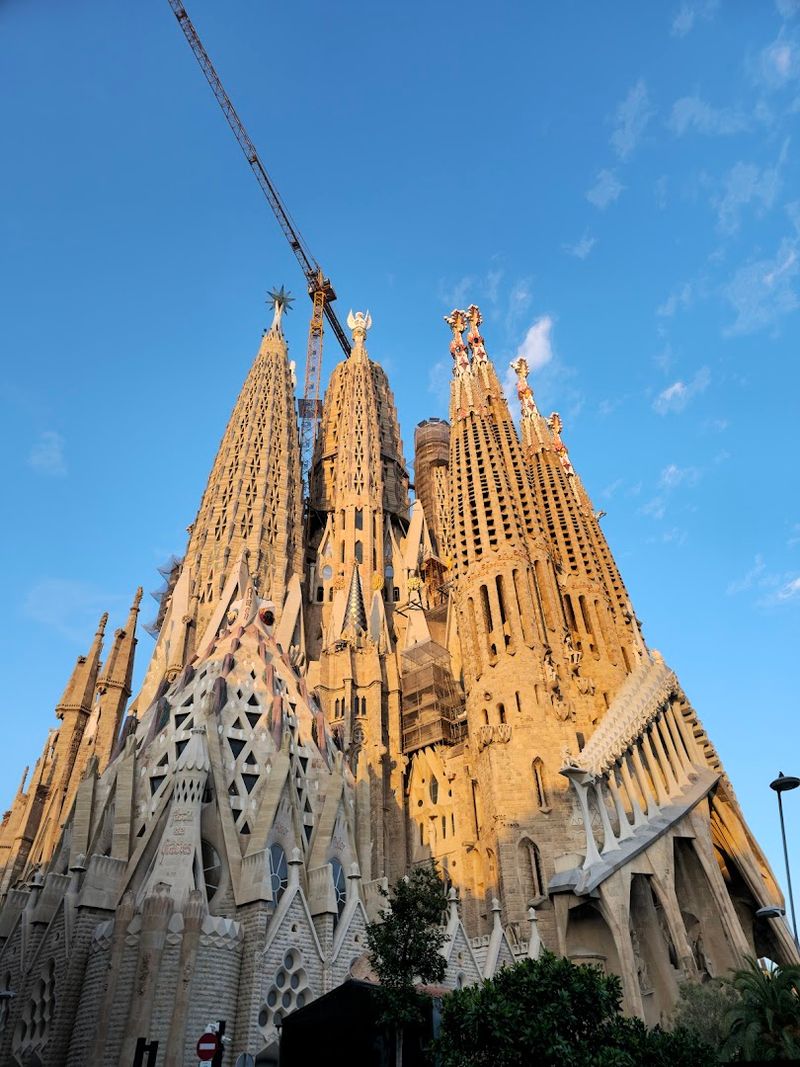
Antoni Gaudi started the Sagrada Familia in 1882 and never finished it. Construction is still ongoing today, funded entirely by visitor tickets.
That backstory alone makes it one of the most unusual buildings in the world, and the architecture makes it one of the most extraordinary. It is a church that looks like it was grown rather than built.
UNESCO includes it within the Works of Antoni Gaudi World Heritage listing. Step inside and the interior hits you differently than any other cathedral you have ever visited.
The columns branch upward like a stone forest canopy, and the stained glass floods the space with shifting color depending on the time of day and the direction you face.
Book tickets well in advance because they sell out fast, often weeks ahead. Pay extra for tower access if you can.
The views over Barcelona from the towers are spectacular and the detail on the facades up close is astonishing. Morning light through the eastern windows is particularly worth planning around.
Statue of Liberty, New York City
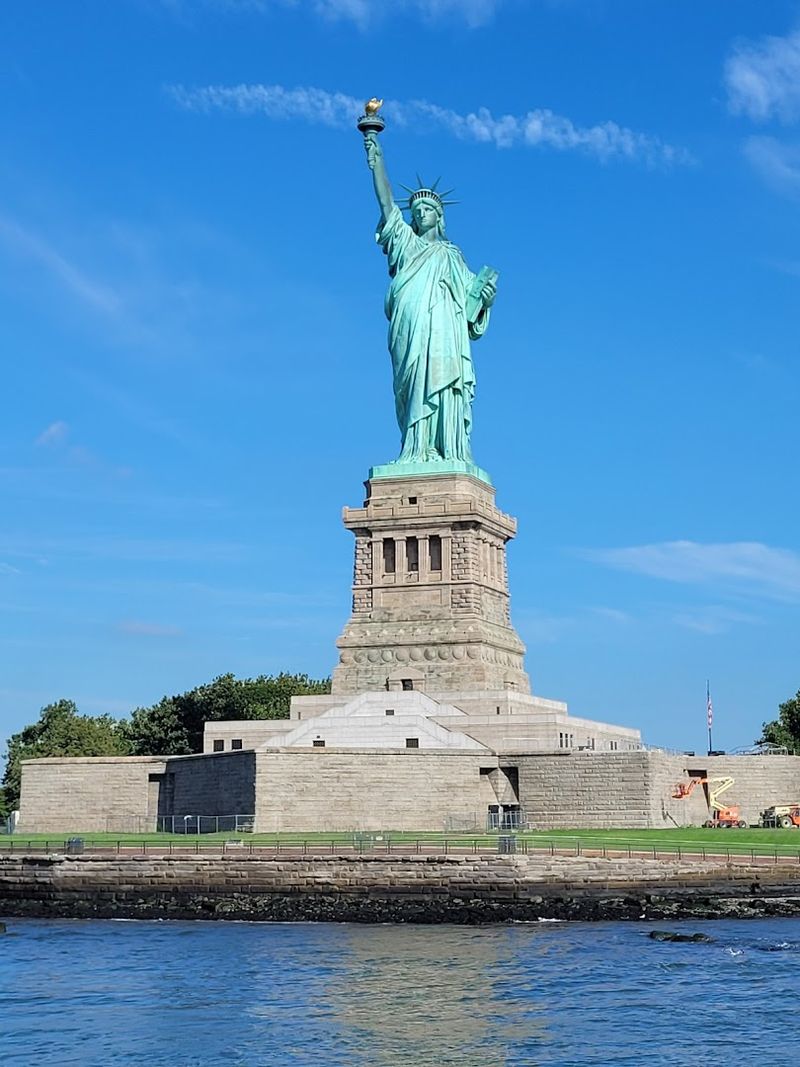
There is something that happens when the Statue of Liberty comes into view from the ferry. People stop talking.
Some pull out cameras, some just stand there. It is one of those rare landmarks that still carries genuine emotional weight, even after you have seen it in a hundred movies and on a thousand coffee mugs.
Dedicated on October 28, 1886, the statue was a gift from France and has since become one of the world’s clearest symbols of freedom and democracy. UNESCO recognizes it for its universal significance, and that recognition feels well deserved.
Some monuments are famous simply for being old or large. This one is famous because it still means something.
Book ferry tickets and monument access early, especially if you want to visit the crown, which requires reservations months in advance. Even staying on the grounds of Liberty Island is worthwhile.
The views of Manhattan from the island are stunning, and the museum inside the pedestal adds real historical depth to the visit.
Sydney Opera House, Australia
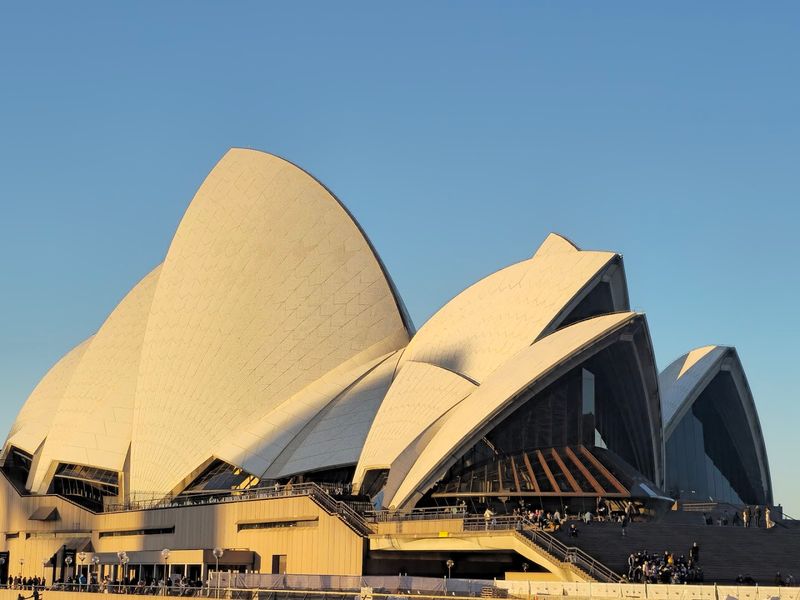
The Sydney Opera House looks like someone challenged an architect to design a building using only abstract geometry and stubbornness. Danish architect Jorn Utzon won the international design competition in 1957 and created something so structurally innovative that engineers had to invent new construction methods to build it.
That is how you earn a UNESCO listing.
UNESCO recognizes it as a masterpiece of 20th-century architecture and a world-class performing arts center. Up close, the precast concrete shells covered in over a million ceramic tiles are far more intricate than they appear from a distance.
The building genuinely improves the closer you get to it.
A tour of the interior is worth booking, especially if you cannot catch a live performance. The Concert Hall acoustics are legendary, and the building’s history is packed with drama, including Utzon resigning mid-construction after a political dispute and never returning to see it completed.
Catch a show if you can. The Opera House is a venue first and a landmark second, and it performs both roles beautifully.
Acropolis of Athens, Greece
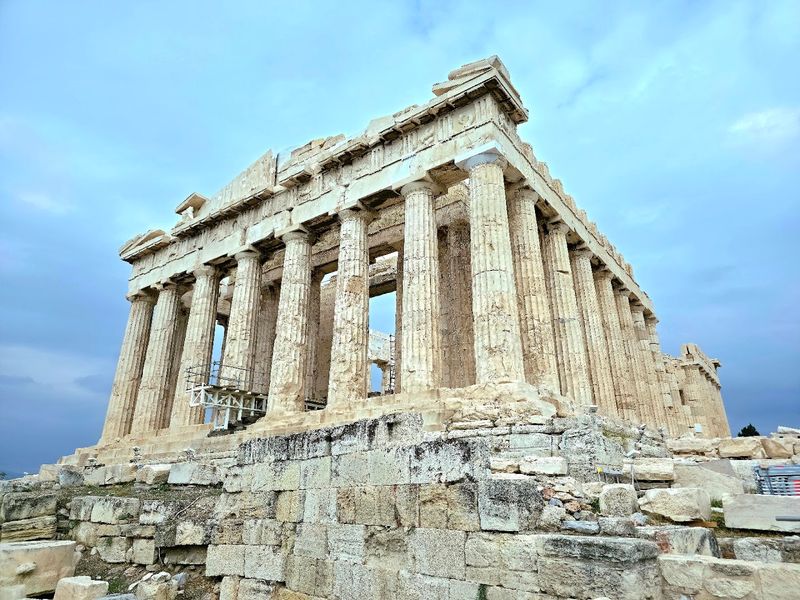
The Parthenon has been a ruin for centuries, partially blown up in 1687 when gunpowder stored inside it ignited during a siege. Despite that, it remains one of the most recognizable and influential buildings ever constructed.
Standing on the Acropolis looking at it, you are looking at the architectural blueprint for countless buildings that came after, from government buildings to banks to museums worldwide.
UNESCO describes the Acropolis as a universal symbol of the classical spirit and one of the greatest architectural complexes inherited from Greek antiquity. Official Acropolis resources frame it as a foundational site of democracy, philosophy, and Western civilization.
That is a lot of weight for one rocky hill to carry, and it carries it effortlessly.
Visit in the early morning or late afternoon to avoid both the midday heat and the largest tour groups. The site slopes and the paving stones can be slippery, so wear proper footwear.
The Acropolis Museum at the base of the hill is excellent and provides crucial context. Do not skip it just because you are tired from the climb.
Iguazu Falls, Argentina and Brazil
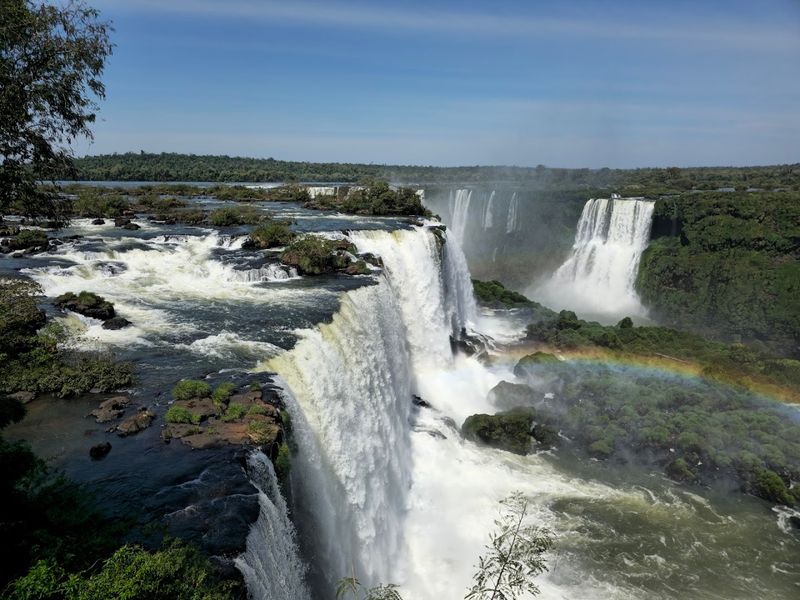
Eleanor Roosevelt reportedly saw Niagara Falls after visiting Iguazu and said, “Poor Niagara.” Whether or not that story is entirely true, the sentiment is completely understandable. Iguazu is not just a waterfall.
It is a system of roughly 275 individual falls stretching about 2,700 meters across, with the main drop at the Devil’s Throat reaching around 80 meters. UNESCO calls it one of the most spectacular waterfall systems in the world.
Both Argentina and Brazil have national parks protecting the site, and each side offers a genuinely different experience. The Argentine side puts you right in the middle of the falls on walkway platforms, while the Brazilian side gives you the sweeping panoramic view of the full semicircle.
If you have time, visit both sides. They complement each other perfectly and the contrast is striking.
Waterproof gear is a practical necessity, not optional, especially at the Devil’s Throat viewpoint where the mist soaks everything within range. The sound alone is extraordinary.
Iguazu is the kind of place that stays lodged in your memory long after you have dried off.



