Idaho may not be the first place you associate with the Swiss Alps, but its scenery makes a surprisingly strong case. Across the state, you’ll find jagged mountain peaks, crystal-clear lakes, charming alpine towns, and lush valleys that look straight out of Europe.
From the renowned ski destinations of the north to the rugged beauty of the Sawtooth Range, Idaho offers some of the most spectacular mountain landscapes in America. Whether you’re dreaming of a Swiss getaway or simply searching for breathtaking scenery closer to home, these 14 Idaho destinations are sure to impress.
1. Sun Valley, Idaho
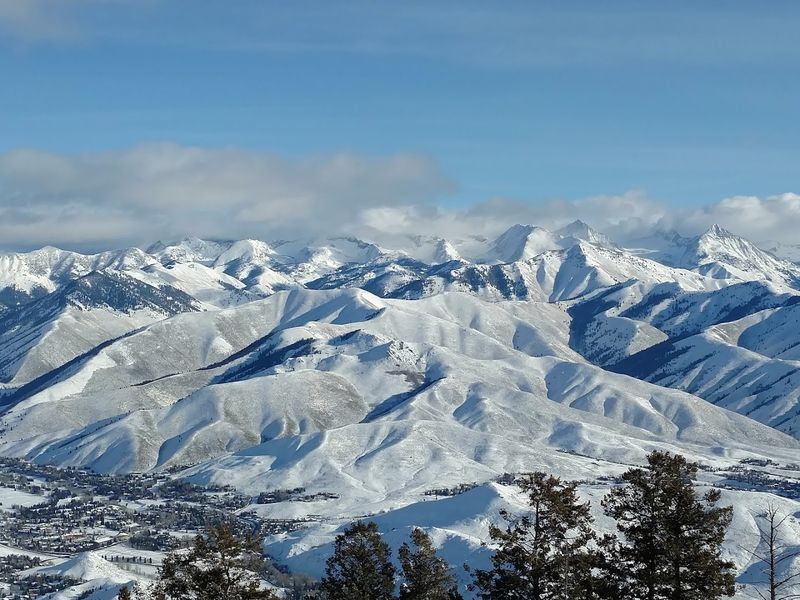
America’s very first destination ski resort did not happen by accident. Sun Valley was deliberately designed in the 1930s to mirror the great Alpine resort villages of Europe, and Austrian count Felix Schaffgotsch personally scouted the location on behalf of Union Pacific Railroad.
The Swiss-style Sun Valley Inn opened in 1937 and set the tone for everything that followed. Today, the resort still carries that carefully crafted European mountain identity, with ski chalets, groomed runs, and a walkable village that feels nothing like a typical American ski town.
Celebrities, Olympic athletes, and everyday skiers have all made the pilgrimage here. The skiing is world-class, the mountain scenery is genuinely dramatic, and the lodge culture is warm and welcoming.
Sun Valley is not pretending to be European. It was built to be.
2. Ketchum, Idaho
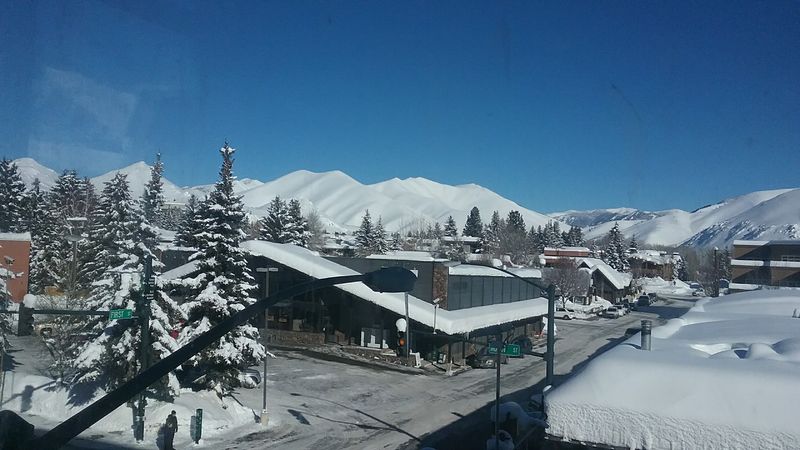
Right next door to Sun Valley, Ketchum has its own distinct personality that sets it apart from your average mountain town. The streets are walkable, the art galleries are genuinely interesting, and the surrounding peaks rise so sharply above town that they dominate the skyline in every direction.
Ernest Hemingway loved this place enough to make it his permanent home, and his connection to the town adds a layer of cultural depth that most ski towns simply do not have. The combination of world-class skiing, a thriving arts community, and that unmistakable Alpine backdrop has earned Ketchum favorable comparisons to top-tier winter destinations worldwide.
Summer here is equally compelling, with hiking trails cutting through wildflower meadows and mountain bikers threading through the surrounding hills. Ketchum does not need to shout about how great it is.
The mountains do that for it.
3. Sandpoint, Idaho
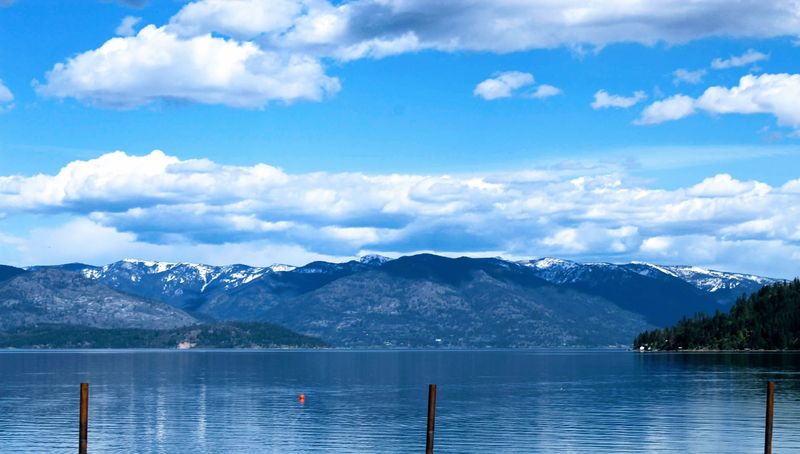
Sandpoint has a trick up its sleeve that most Idaho towns can only dream about. It sits right on the edge of Lake Pend Oreille, the largest and deepest lake in the state, while being completely ringed by three separate mountain ranges.
That combination of deep blue water and dramatic forested peaks is exactly the kind of scenery that fills Swiss travel posters. The downtown area is charming and compact, with local shops and restaurants that give it a genuine village character rather than a tourist-trap feel.
The Selkirk and Cabinet mountains provide a constantly shifting backdrop depending on the season, and the views across the lake on a clear day are genuinely hard to believe. Visitors who stumble onto Sandpoint for the first time often describe it as one of the most beautiful towns they have ever encountered anywhere in the United States.
4. Schweitzer Mountain Resort, Sandpoint, Idaho
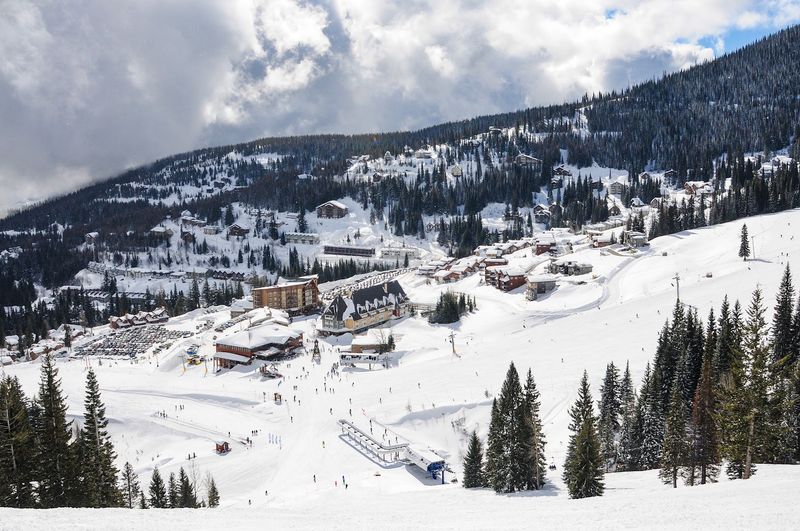
High above Sandpoint, Schweitzer is Idaho’s largest ski area, and it earns that title with a landscape that genuinely earns the Alpine comparison. The resort village sits at elevation, surrounded by mountain terrain on all sides, with Lake Pend Oreille shimmering far below in the valley.
The European-style lodge setup, complete with cozy mountain accommodations and ski-in, ski-out access, gives the whole place a distinctly Old World resort atmosphere. Skiers and snowboarders here get over 2,900 acres of terrain, which means the crowds spread out in a way that keeps the experience feeling peaceful rather than chaotic.
Summer brings mountain biking and hiking to the same trails that skiers carve in winter. The panoramic views from the summit are among the most striking in the entire Pacific Northwest.
Schweitzer is not a hidden secret anymore, but it still manages to feel like one.
5. McCall, Idaho
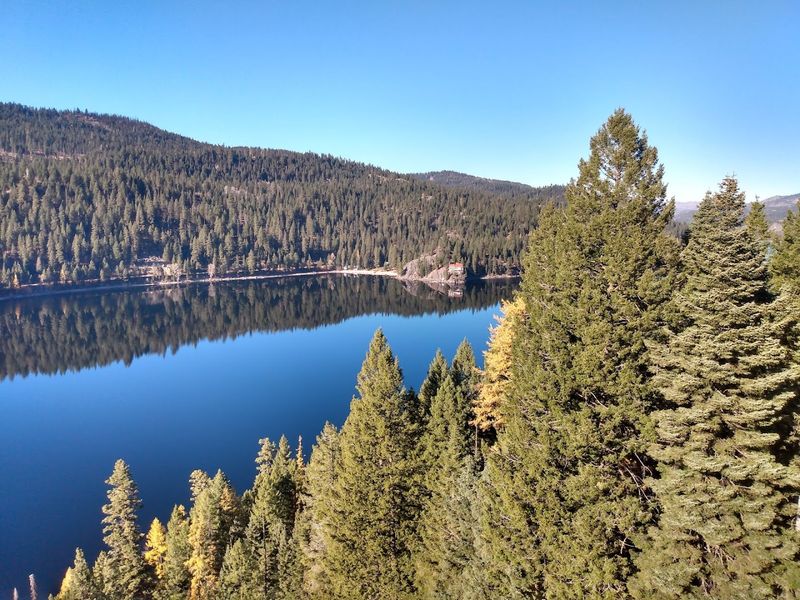
Payette Lake sits at the center of McCall’s identity, and the town has built an entire lifestyle around it. In winter, snow blankets the surrounding pine forests and mountain ridges, creating a scene that genuinely earns the Swiss postcard comparison.
The annual Winter Carnival draws thousands of visitors each February for snow sculpture competitions and outdoor events.
The lake itself is a major draw in summer, with boating, kayaking, and paddleboarding taking over where skiing and snowshoeing left off. McCall operates at a relaxed pace that feels intentional rather than sleepy.
Local restaurants and shops line the main streets without overwhelming the natural character of the town. The surrounding Payette National Forest adds millions of acres of wilderness to the backyard of an already scenic community.
McCall is the kind of place where people visit for a weekend and quietly start looking at real estate listings before they leave.
6. Stanley, Idaho
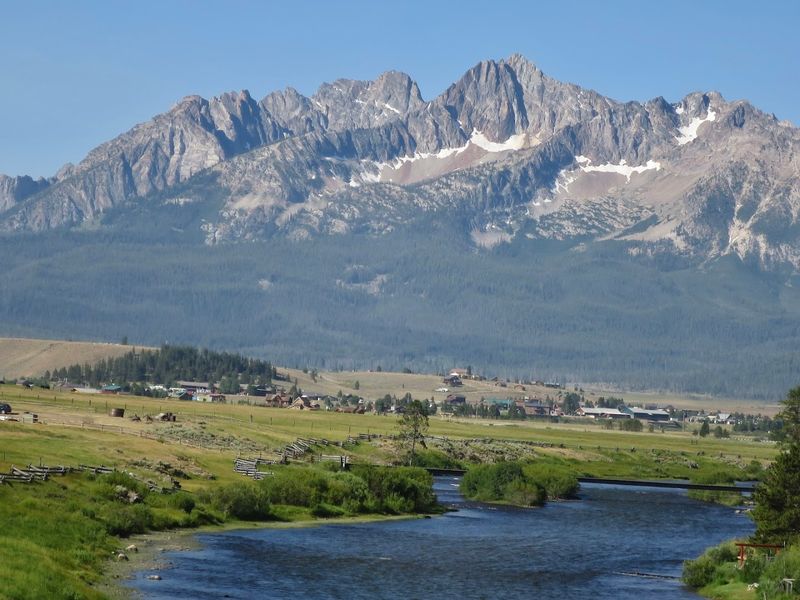
Stanley has a population that hovers around 100 people, which makes it remarkable that the scenery surrounding it rivals some of the most famous mountain landscapes on the planet. The Sawtooth Mountains rise behind the town in a jagged, dramatic wall that photographers and hikers travel hundreds of miles to reach.
Comparisons to Lauterbrunnen in Switzerland are not exaggerated. The sheer verticality of the peaks, combined with alpine meadows, clear rivers, and a handful of chalet-style buildings, creates an atmosphere that feels genuinely European.
Stanley also sits near natural hot springs, which adds another layer of Alpine spa culture to the experience.
The town itself is tiny and unpretentious, which is part of its appeal. There are no chain restaurants or big-box stores cluttering the view.
Just mountains, meadows, and the kind of quiet that reminds you how big the world actually is.
7. Redfish Lake, Stanley, Idaho
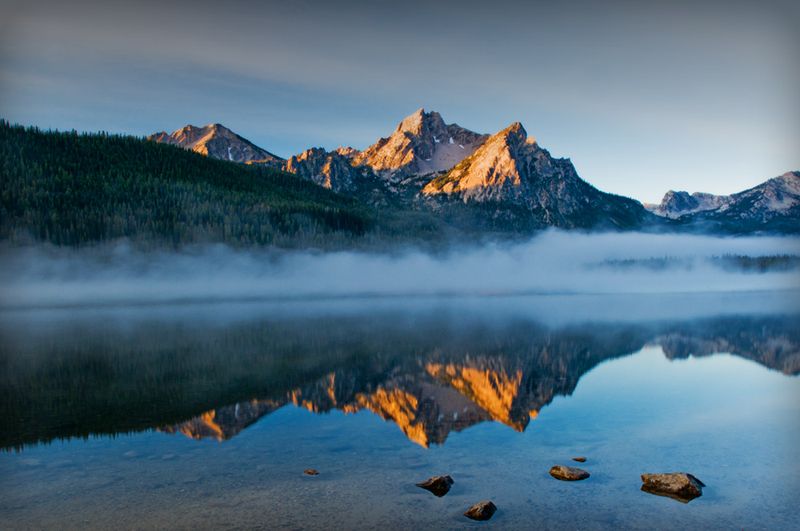
Few lakes in the American West pull off what Redfish Lake does on a calm morning. The turquoise water reflects the jagged Sawtooth peaks with such clarity that the reflection itself looks like a photograph.
It is the kind of scene that makes people stop mid-sentence and just stare.
The lake sits at roughly 6,500 feet in elevation within the Sawtooth National Recreation Area, and its Alpine setting draws frequent comparisons to Lake Lucerne in Switzerland. Kayaking across it puts you directly in the middle of one of Idaho’s most iconic landscapes.
A small lodge operates near the shore, offering cabins and a marina that serve as a base for exploring the surrounding wilderness. Hiking trails fan out from the lake into the peaks above, giving visitors access to an even broader Alpine panorama.
Redfish Lake is not just scenic. It is legitimately world-class.
8. Driggs, Idaho

Most people visit the Tetons from the Wyoming side, which means Driggs sits on the quieter, less crowded Idaho side of one of the most dramatic mountain ranges in North America. That is either a well-kept secret or a geographical injustice, depending on how you look at it.
The Teton peaks rise with almost comical drama above the flat valley floor, creating a backdrop that has been compared to Switzerland’s most iconic mountain silhouettes. Green pastures and open farmland in the foreground give Driggs a Swiss-Tyrolean quality that feels surprisingly authentic.
The town itself has a small but growing collection of local businesses, restaurants, and outdoor outfitters that cater to hikers, skiers, and cyclists. Grand Targhee Resort sits just up the road, offering skiing with Teton views that rival anything on the Wyoming side.
Driggs rewards those willing to look just slightly off the beaten path.
9. Victor, Idaho
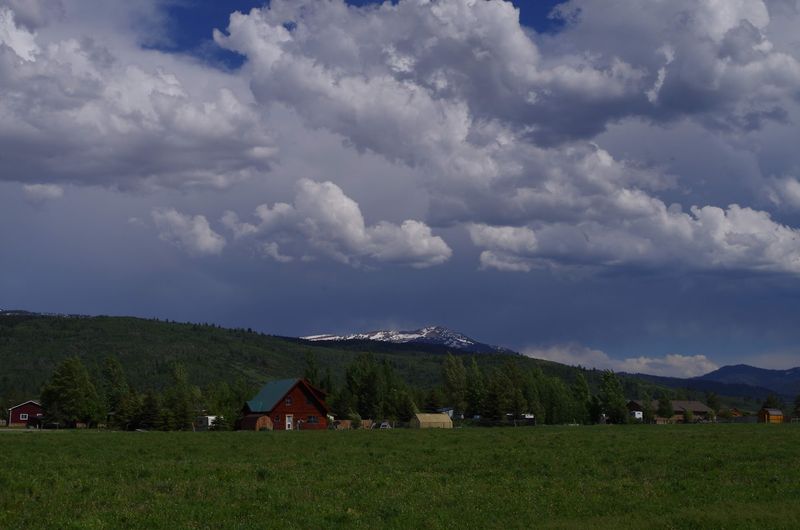
Just a short drive south of Driggs, Victor occupies some of the most photogenic real estate in the entire Teton Valley. The peaks dominate the eastern skyline with a presence that makes even routine errands feel cinematic.
In summer, the surrounding meadows fill with wildflowers that add a burst of color to an already impressive landscape.
Victor has grown steadily in recent years, attracting outdoor enthusiasts, remote workers, and families who want mountain access without the resort town price tag. The community has a genuine, small-town character that has not been entirely overrun by tourism.
Cycling is huge here, with the Teton Valley Trail connecting Victor to Driggs and beyond through open countryside with mountain views at every turn. The combination of accessible outdoor recreation, an authentic community feel, and that extraordinary Alpine backdrop makes Victor one of Idaho’s most underrated mountain towns by a considerable margin.
10. Sawtooth National Recreation Area, Idaho
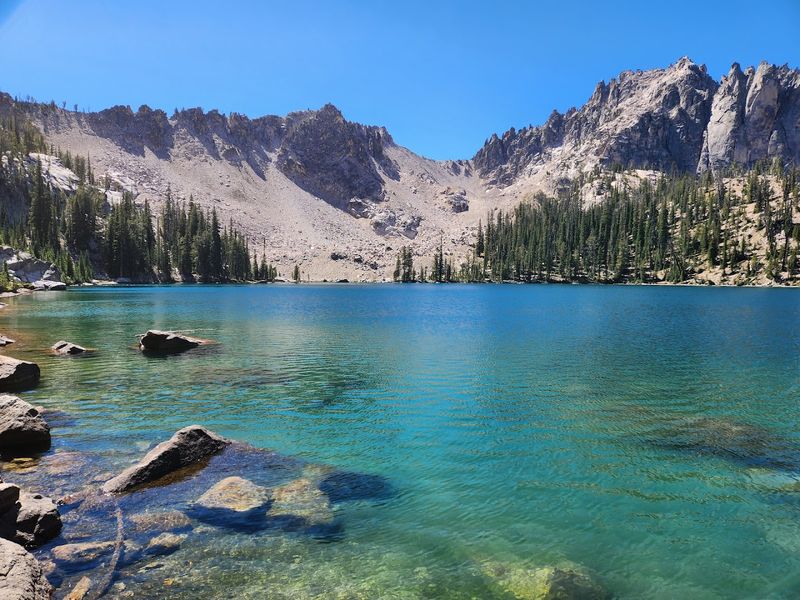
Over 750,000 acres of rugged Idaho wilderness make up the Sawtooth National Recreation Area, and the scale of it takes a moment to fully process. The region contains more than 40 peaks above 10,000 feet, over 300 alpine lakes, and hundreds of miles of hiking trails that cut through terrain regularly described as Switzerland’s American counterpart.
The Sawtooth Range itself is the visual centerpiece, with peaks so jagged and dramatic that geologists and photographers alike make special trips just to study and capture them. Each trail bend reveals a new combination of rocky summits and glassy lakes that makes navigation feel like a reward in itself.
Wildlife is abundant throughout, with elk, mountain goats, and black bears making regular appearances. The area is accessible from Stanley to the north and Ketchum to the south, giving visitors multiple entry points into one of the most spectacular landscapes in the American West.
11. Bonners Ferry, Idaho
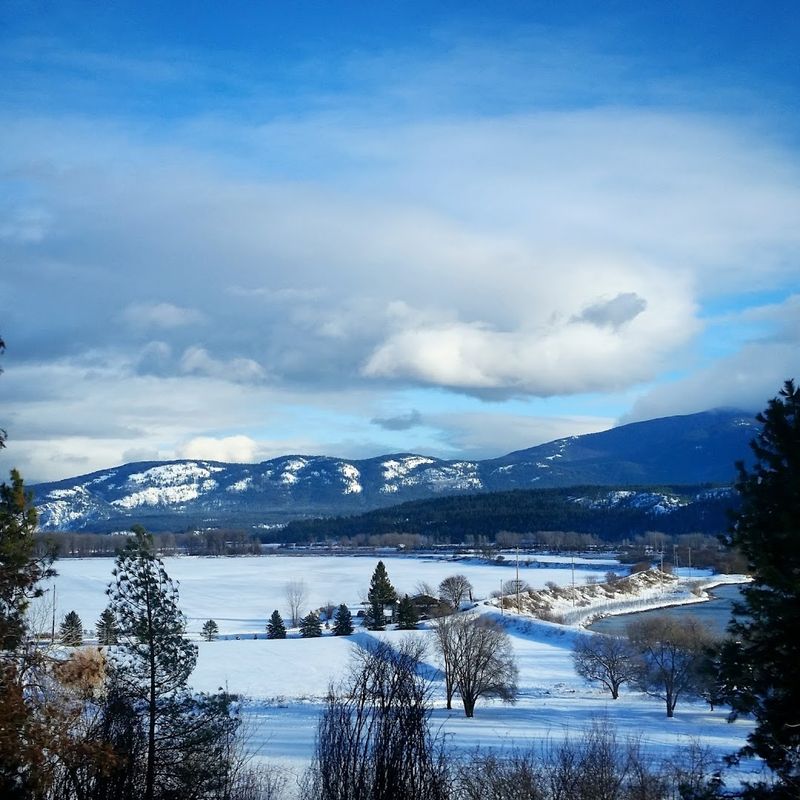
Tucked into Idaho’s northern panhandle, Bonners Ferry is the kind of town that geography chose very well. The Kootenai River runs right through it, the Selkirk Mountains frame it on the west, and the Cabinet Mountains close in from the east, creating a valley setting that feels distinctly European in its proportions.
Snow-dusted peaks in winter give the surrounding landscape a quality that visitors from the Swiss border regions would immediately recognize. The town itself is small and unpretentious, with a main street that reflects its history as a river crossing and trade hub rather than a tourist destination.
Kootenai National Wildlife Refuge sits just outside town, adding a wetlands and wildlife dimension to an already diverse natural environment. The Selkirk Mountains are home to woodland caribou, one of the rarest mammals in the lower 48 states.
Bonners Ferry is genuinely off the radar, which is precisely what makes it worth finding.
12. Wallace, Idaho
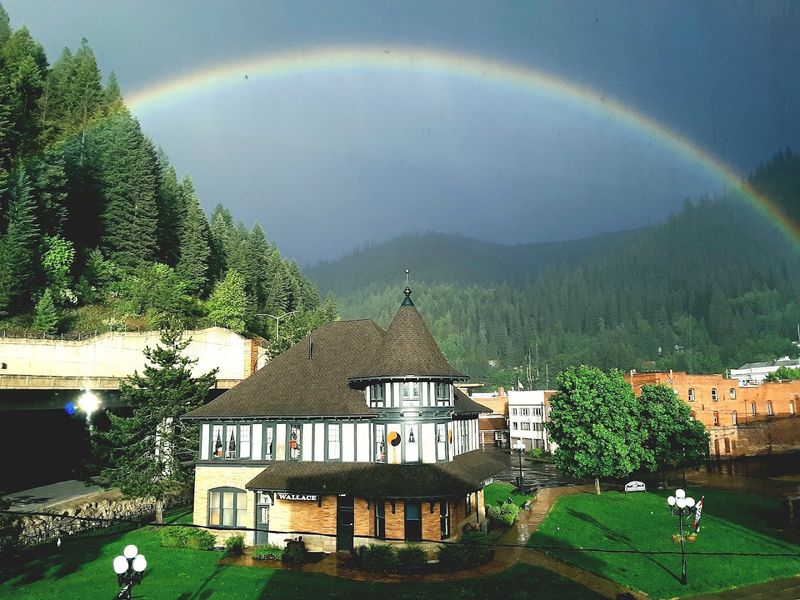
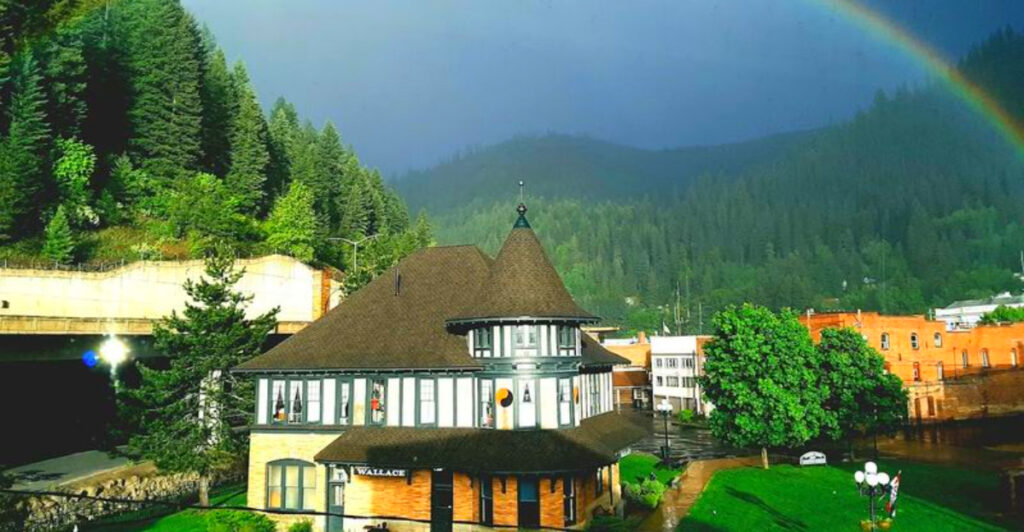
Wallace has the distinction of being the only town in America where the entire downtown is listed on the National Register of Historic Places. Every building on the main streets is protected, which means the Victorian-era brick storefronts and wrought-iron balconies have been preserved in a way that gives the town an almost theatrical quality.
The setting amplifies the effect considerably. Wallace sits in a narrow valley carved by the South Fork of the Coeur d’Alene River, with steep forested mountains rising sharply on both sides.
That geography creates the tight, enclosed feel of an old European mountain settlement rather than a typical western American town.
The Silver Valley mining history adds another dimension to Wallace’s character. Museums, trail systems, and the Route of the Hiawatha bike trail all draw visitors who quickly realize this town offers far more than its modest size suggests.
Wallace is quietly extraordinary.
13. Coeur d’Alene, Idaho
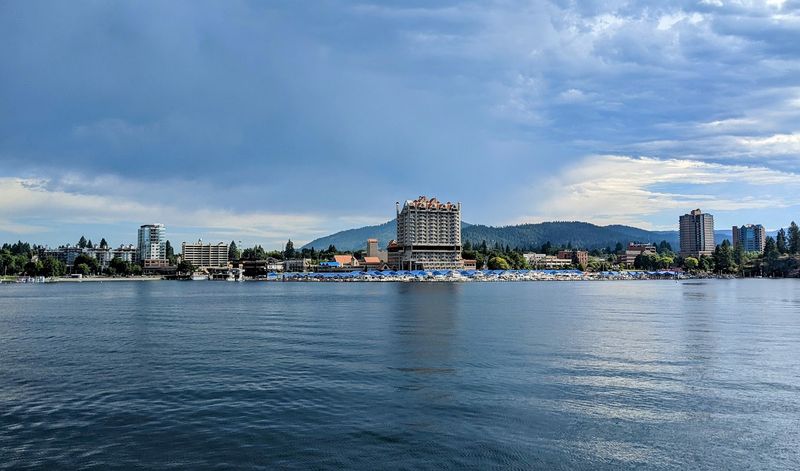
Coeur d’Alene sits on the northern edge of a lake that has been turning heads for well over a century. The combination of clear blue water, forested hills rolling down to the shoreline, and a well-developed waterfront gives the city a resort-town polish that feels more European than most American lakeside destinations manage to achieve.
The lake itself stretches 25 miles long with over 109 miles of shoreline, providing an almost inexhaustible supply of scenic angles. Boat cruises operate from the downtown marina, offering views of the surrounding landscape that are difficult to appreciate from land alone.
The city has invested heavily in its waterfront infrastructure, including a lakeside boardwalk, resort amenities, and a golf course that famously features a floating green. Coeur d’Alene draws visitors from across the Pacific Northwest and beyond who come specifically for the lake views.
It is not hard to understand why they keep returning.
14. Galena Summit, Blaine County, Idaho
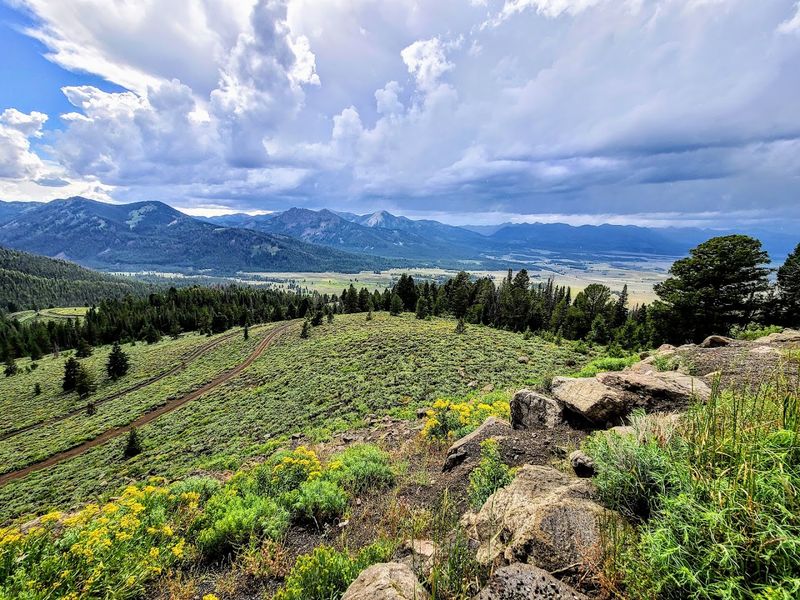
At 8,701 feet above sea level, Galena Summit delivers one of the most complete mountain panoramas available from a paved road anywhere in Idaho. The overlook faces directly into the heart of the Sawtooth Range, with a sea of jagged peaks filling the horizon from one end to the other.
The Big Wood River Valley spreads out below in a wide, green sweep that provides a dramatic contrast to the rocky summits above. This is the kind of overlook that appears in travel magazines without needing any editing or enhancement.
Visitors regularly pull over here for far longer than they originally planned, which is entirely understandable. The summit sits on State Highway 75 between Ketchum and Stanley, making it accessible without any off-road driving.
On clear days, the view extends deep into the Sawtooth Wilderness, revealing a landscape that requires no imagination to connect to the great mountain panoramas of the Swiss Alps.
Share this story