Chile’s 4,000-mile Pacific coastline is filled with spectacular destinations that many travelers overlook. Beyond the country’s best-known beaches lie dramatic cliffs, quiet bays, charming fishing villages, and wildlife-rich shores that showcase the remarkable diversity of Chile’s coast.
From the arid landscapes of the Atacama to the fjord-lined waters of northern Patagonia, these 14 coastal regions each offer something unique. Whether you’re seeking outdoor adventure, scenic beauty, or peaceful seaside escapes, these hidden gems are well worth exploring.
1. Caleta Chañaral de Aceituno, Freirina, Atacama Region
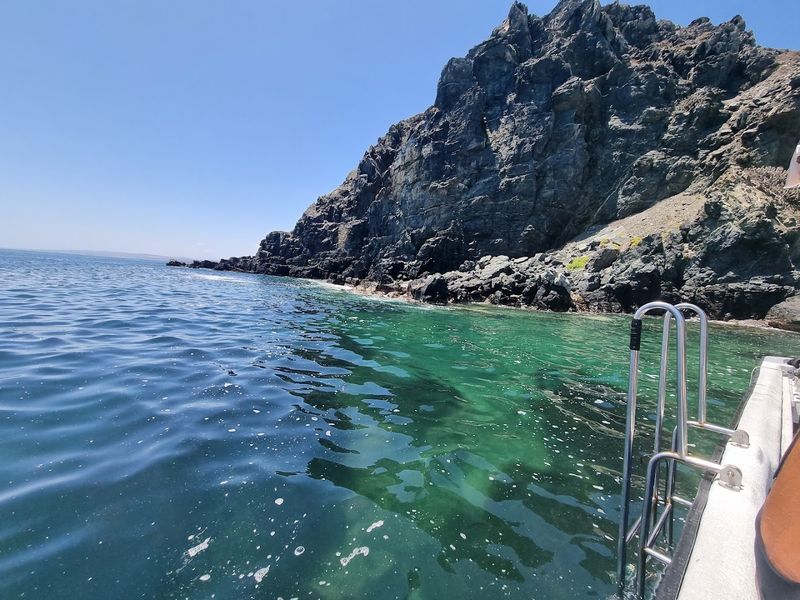
Forget crowded whale-watching tours with hundreds of passengers. Caleta Chañaral de Aceituno runs small boat excursions out of a genuine working fishing village, which means the experience feels personal rather than packaged.
Humpback whales, bottlenose dolphins, sea lions, and Humboldt penguins all appear regularly in these waters, and the dramatic rocky coastline provides a backdrop that no tour brochure could fully capture. The cliffs here are steep and rugged, and the Pacific water runs remarkably clear for a northern latitude.
After a morning on the ocean, the village itself offers a refreshingly low-key atmosphere. There are no souvenir shops competing for attention, no resort pools, and no shuttle buses. Just fishing nets drying in the breeze and a handful of local restaurants where the catch of the day is exactly that. It is the kind of place that rewards travelers who actually seek it out.
2. Punta de Choros, La Higuera, Coquimbo Region
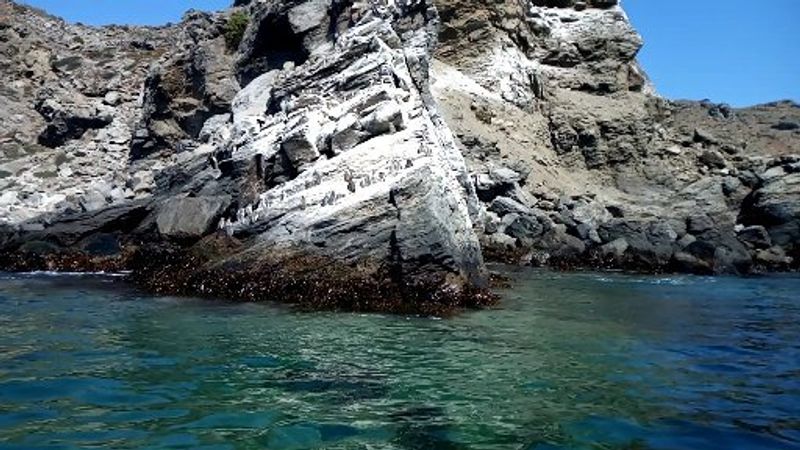
There is a national reserve right off the coast here, and most of the world has no idea it exists. Punta de Choros sits at the edge of the Humboldt Penguin National Reserve, where Isla Damas, Isla Choros, and Isla Gaviota sit just a short boat ride from the village dock.
Daily excursions head out to these islands where penguins, dolphins, sea lions, and a wide variety of seabirds congregate in impressive numbers. The reserve protects one of the largest Humboldt penguin colonies in Chile, and the surrounding waters are biologically rich enough to attract blue whales during certain seasons.
Back on shore, the village maintains its identity as a working fishing community. Local boats unload catches in the morning, and small restaurants serve the results by lunchtime. The combination of accessible wildlife, rugged Pacific scenery, and an unhurried coastal atmosphere gives Punta de Choros a personality that larger tourist destinations simply cannot replicate.
3. Pichidangui, Los Vilos, Coquimbo Region
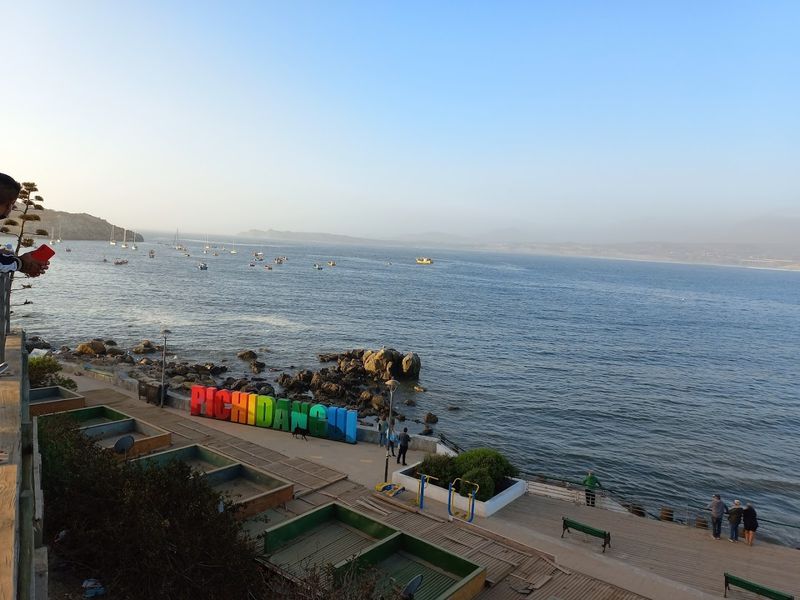
A broad, sheltered bay does wonders for a beach town’s reputation, and Pichidangui has built its entire identity around exactly that advantage. The calm water here makes it a natural hub for kayaking and paddleboarding, with conditions that beginners can handle comfortably and experienced paddlers still find enjoyable.
Palm-lined paths run along the waterfront, connecting seafood restaurants and small shops in a layout that encourages walking rather than driving. The overall atmosphere leans easygoing, and the town never seems to be in a hurry about anything.
Compared to the larger and more developed resort towns along Chile’s central coast, Pichidangui operates on a quieter scale that suits travelers who prefer long beach walks to organized excursions. Sunsets over the bay draw locals and visitors alike to the waterfront, and the seafood options are genuinely excellent without being overpriced. It is a straightforward, satisfying coastal stop that earns repeat visits.
4. Los Molles, La Ligua, Valparaíso Region
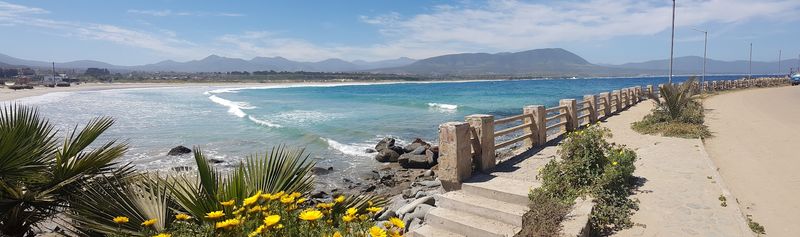
Rocky coves and clear water are a combination that snorkelers and nature lovers tend to seek out quietly, and Los Molles has both in abundance. The village sits along a stretch of the Valparaíso Region coast that manages to feel genuinely off the beaten path despite being reachable from Santiago in under three hours.
A nearby protected marine reserve adds significant ecological value to the area, supporting diverse marine life that draws underwater explorers and birdwatchers in roughly equal numbers. The beaches themselves alternate between gentle sandy stretches and dramatic rock formations, giving the coastline a varied character that changes with each visit.
High-rise hotels and resort infrastructure have not arrived here, and the village intends to keep things that way. Accommodation options run toward small guesthouses and family-run cabins rather than chain properties. That deliberate simplicity is a big part of the appeal for visitors who want a coastal experience that still feels connected to the actual sea.
5. Isla Negra, El Quisco, Valparaíso Region
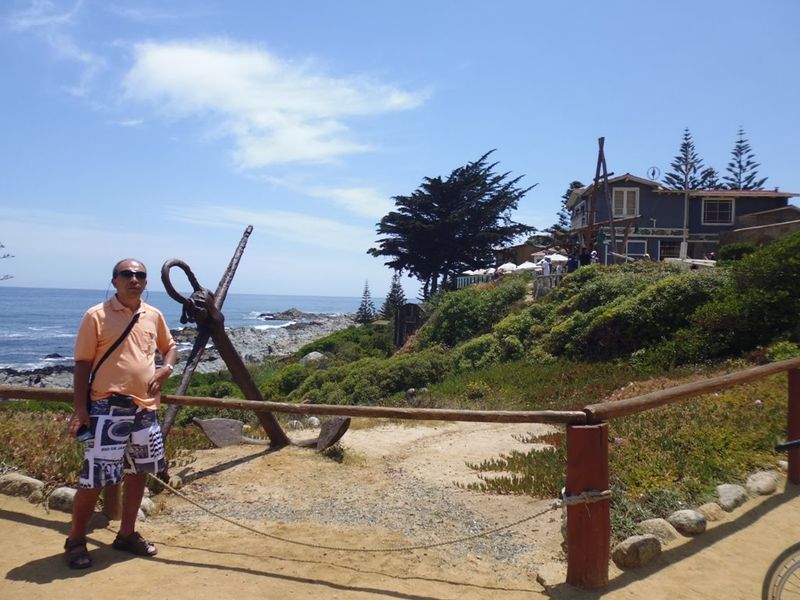
Pablo Neruda collected ships’ figureheads, antique maps, and colorful glassware, then built a house on a rocky cliff above the Pacific and filled it with all of them. That house, now a museum, sits at the heart of what makes Isla Negra worth visiting even for travelers with no particular interest in poetry.
The museum tour is fascinating on its own terms, offering a detailed look at how one of Latin America’s most celebrated writers actually lived and thought. But the coastline surrounding it deserves equal attention. Powerful waves roll in against dark volcanic rocks, and quieter beaches nearby offer calmer spots to sit and think.
The town of El Quisco, just up the road, provides practical options for food and accommodation without overwhelming the area’s character. Isla Negra manages to balance literary history, dramatic scenery, and a relaxed coastal pace in a way that makes it genuinely hard to leave on schedule.
6. Bahía Inglesa, Caldera, Atacama Region
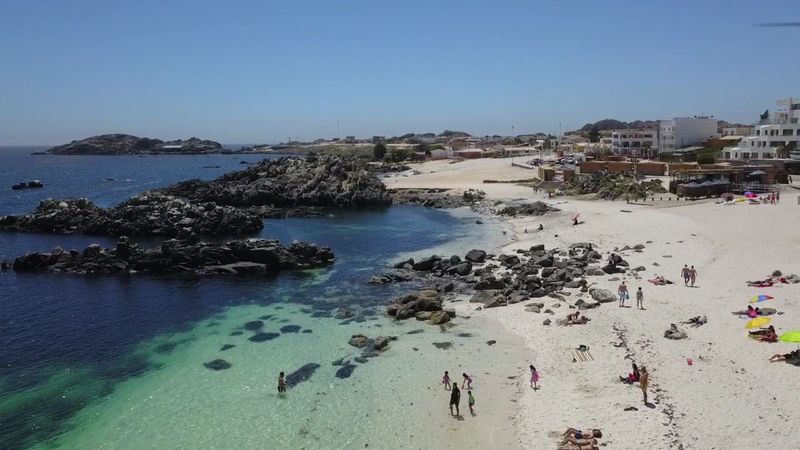
Most people associate turquoise water with the Caribbean, but Bahía Inglesa makes a very convincing argument for northern Chile. The bay sits just northwest of Copiapó and features pale, fine sand alongside water so clear you can see the bottom from a kayak.
The calm conditions make it ideal for swimming and paddleboarding without the rough surf found elsewhere on the Chilean coast. Waterfront restaurants serve fresh seafood caught the same morning, and the overall pace is relaxed enough that two hours can easily stretch into an entire afternoon.
Chilean families have claimed this spot as their favorite summer retreat for decades, yet international visitors rarely show up. That gap between local love and global recognition is exactly what keeps it charming. Getting here requires a drive through dramatic desert landscape, which somehow makes arriving at that blue water feel even more rewarding.
7. Quintay, Casablanca, Valparaíso Region
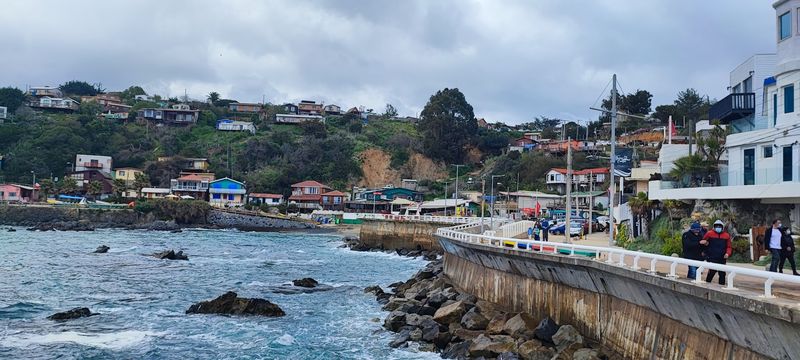
Quintay has one of the more unusual origin stories of any Chilean beach village. For decades it operated as an active whaling station, processing catches that supplied markets throughout the country. Today the old industrial ruins still stand along the waterfront, preserved as a historical site that offers a surprisingly compelling look at a chapter of Chilean maritime history most visitors never encounter.
Beyond the history lesson, the sheltered cove is genuinely beautiful. The water stays calm enough for swimming, and several well-regarded seafood restaurants have established themselves along the shore, taking full advantage of the local catch.
Getting to Quintay requires navigating a winding road through the Casablanca Valley, which is known primarily for its vineyards rather than its coast. That geographic quirk keeps casual visitors away and gives the village a slightly exclusive feel that it has done nothing to manufacture. Quintay earns its charm honestly, through good food, real history, and a bay that needs no embellishment.
8. Matanzas, Navidad, O’Higgins Region
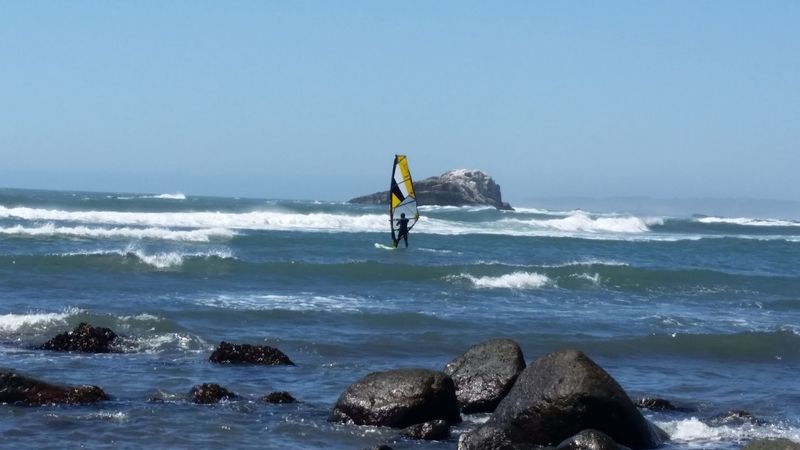
Wind is usually something beach travelers try to avoid, but Matanzas has built an entire identity around embracing it. Consistent and strong Pacific winds have made this wide beach one of Chile’s top destinations for kitesurfing and windsurfing, attracting riders from across South America and beyond.
The setup here is straightforward. A broad sandy beach faces the open ocean, rolling dunes rise behind it, and the waves deliver enough power to keep experienced riders entertained for hours. Several small schools and rental operators cater to beginners who want to try the sport without committing to expensive gear upfront.
Non-riders are not left out. Cafés with ocean-facing windows provide front-row views of the action, and the beach itself is wide enough that spectators and sunbathers have plenty of undisturbed space. Matanzas sits just two hours south of Santiago, which makes it a very achievable weekend trip for anyone willing to trade a calm beach day for something a bit more kinetic.
9. Bucalemu, Paredones, O’Higgins Region
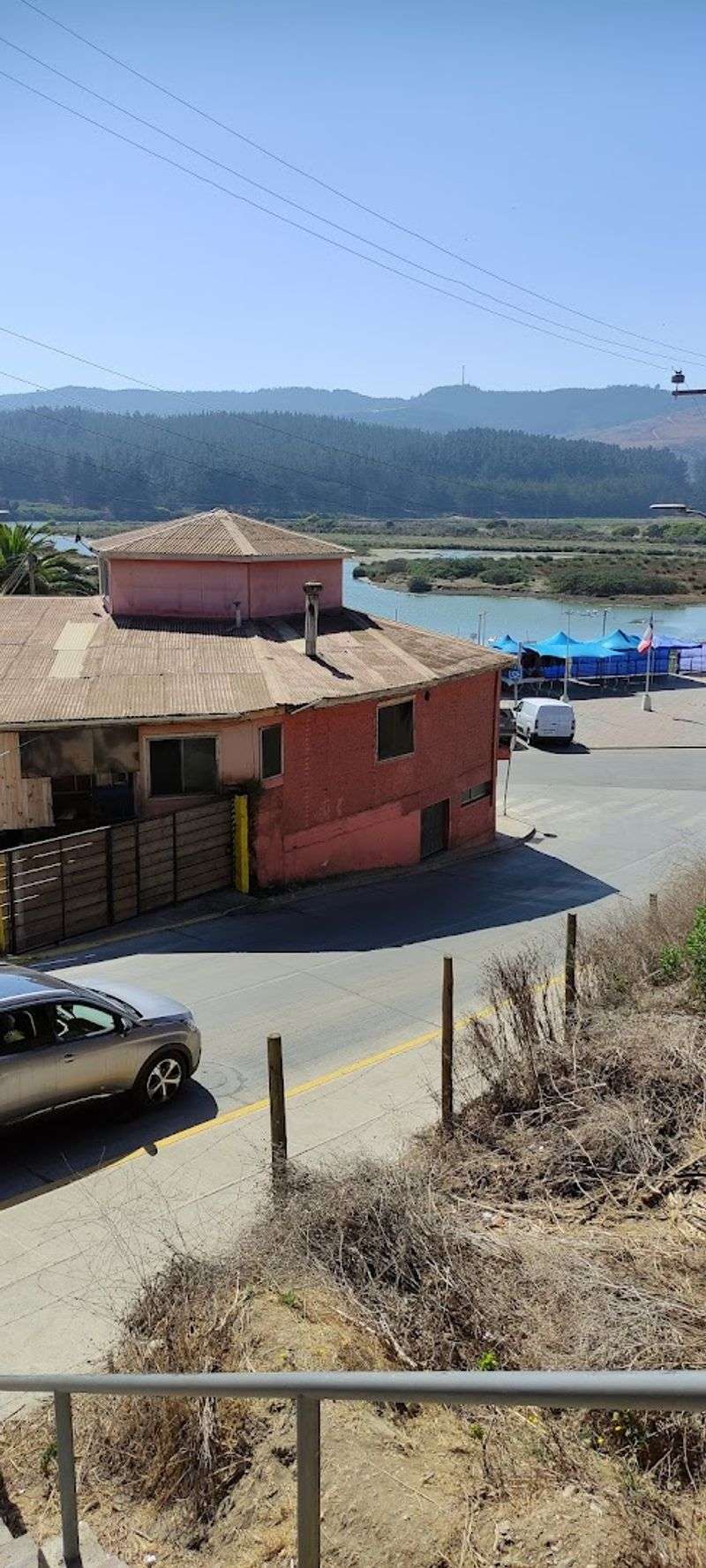
Not many beaches come with their own estuary, but Bucalemu sits at exactly the point where a river mouth meets the open Pacific, creating a dynamic coastal environment that shifts character depending on the tide. That natural intersection supports a wide variety of birdlife, making this one of the better birdwatching spots along Chile’s central coast.
Kayaking is popular here, particularly in the calmer estuary waters where paddlers can explore without dealing with heavy surf. Horseback riding along the beach is another option, offered by local operators who know the terrain well. The long sandy shore stretches far enough that even on busy weekends it never feels crowded.
Bucalemu operates at a pace that most coastal towns have long since abandoned. Fishing boats come and go on their own schedule, and the surrounding landscape of low hills and open shore creates a setting that feels genuinely rural rather than developed. Travelers who need constant stimulation may find it too quiet. Everyone else will find it just right.
10. Cobquecura, Ñuble Region
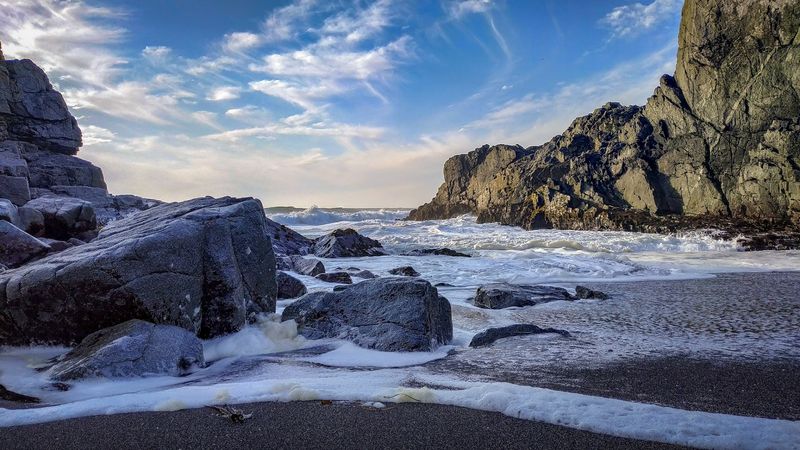
The rock formations at Cobquecura are the kind of thing photographers drive hours to reach and then spend the entire afternoon trying to capture correctly. Massive stone structures rise directly from the coastline, shaped by centuries of Pacific erosion into forms that look almost architectural from certain angles.
Just as impressive is the sea lion colony that has established itself along the nearby shore. Hundreds of South American sea lions gather on the rocks year-round, visible from the coast without any need for a boat. The colony is large enough that it has become one of the region’s main wildlife attractions, drawing nature enthusiasts who might otherwise skip the Ñuble coast entirely.
The town itself adds a third reason to visit. Cobquecura’s historic center features traditional adobe architecture and a relaxed small-town character that contrasts pleasantly with the dramatic scenery just a short walk away. It is a rare place where wildlife, geology, and history all show up in the same afternoon.
11. Dichato, Tomé, Biobío Region
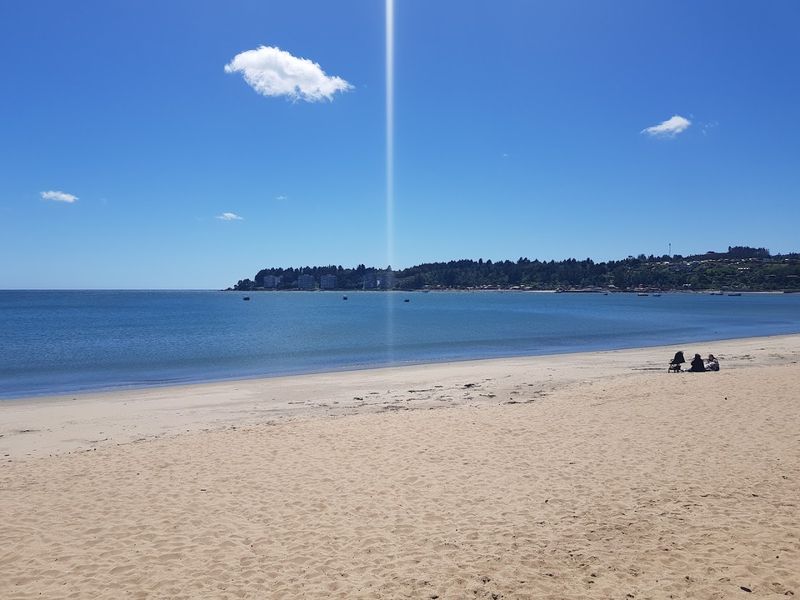
Dichato’s story involves more resilience than most beach towns ever have to demonstrate. The 2010 earthquake and tsunami caused severe damage here, and the community spent years rebuilding from the ground up. The result is a waterfront that feels fresh and well-organized without losing the character of a genuine coastal town.
The curved bay is one of the prettiest along the Biobío coast, and the promenade that runs along the waterfront gives visitors a pleasant route for walking between restaurants and viewpoints. Seafood options are plentiful and reflect the region’s strong fishing traditions, with dishes that go well beyond standard tourist fare.
Despite all of that appeal, Dichato remains well below the radar for most travelers passing through the region. The town fills up with Chilean families during summer months but never reaches the saturation levels of more famous beach destinations.
12. Tirúa, Tirúa, Biobío Region
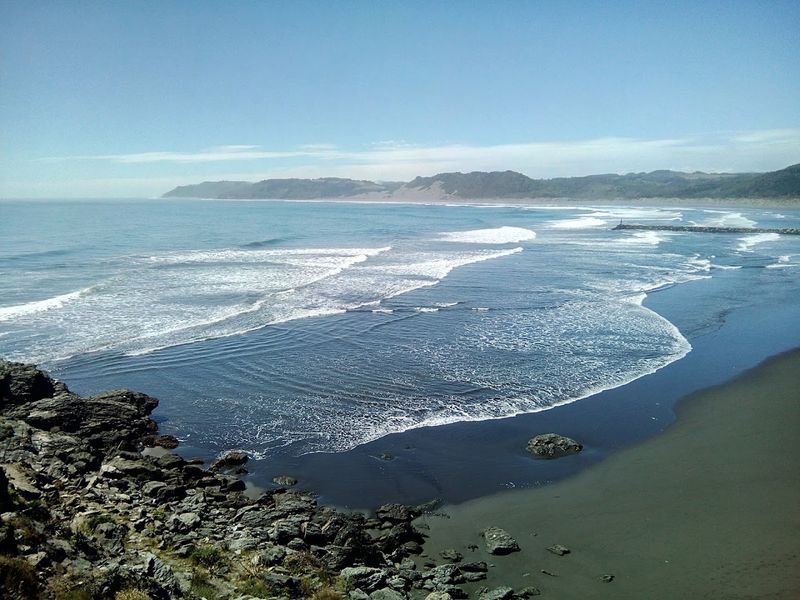
At the southern edge of the Biobío Region, Tirúa occupies a stretch of coastline where the Pacific meets temperate forest, and where Chilean geography starts to feel distinctly wilder. The beaches here are windswept and raw, with none of the development that defines the country’s more accessible coastal towns.
Mapuche cultural heritage is central to this area’s identity. Local communities maintain strong traditions in weaving, ceramics, and other crafts, and visitors who take time to engage with that culture leave with a much richer understanding of this part of Chile. Craft markets and cultural events provide accessible entry points for travelers unfamiliar with the region’s history.
The slower pace here is not a limitation but a feature. Tirúa rewards travelers who are content to walk long beaches, visit local workshops, and spend evenings without organized entertainment.
13. Ancud, Chiloé Island, Los Lagos Region
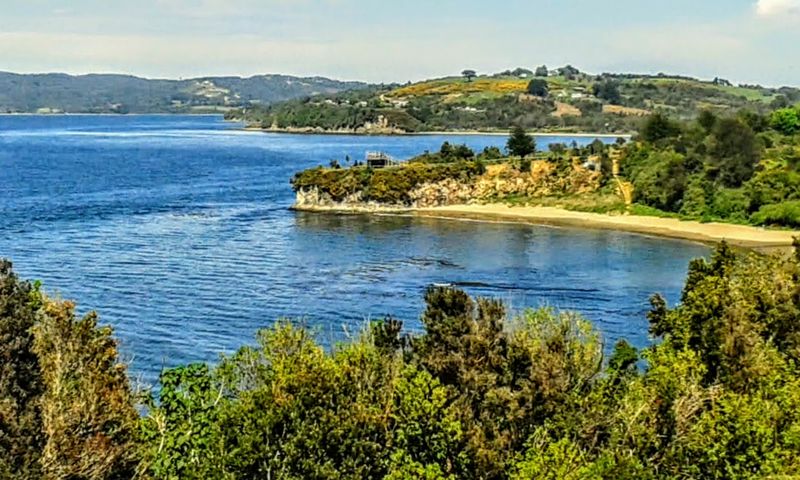
Chiloé Island operates by its own set of cultural rules, and Ancud is the best place to start understanding them. The town sits at the northern tip of the island and serves as the main entry point for most visitors, but calling it just a gateway dramatically undersells what it actually offers on its own terms.
Historic Spanish fortifications overlook the sea from strategic positions around the town, providing both history lessons and excellent panoramic views. The waterfront seafood market is one of the most authentic in southern Chile, stocked daily by local fishing families who have worked these waters for generations. Nearby beaches and access to penguin-watching excursions add outdoor appeal to the cultural offerings.
Chiloé’s distinctive wooden churches, recognized by UNESCO, are scattered across the island, and Ancud provides a logical base for exploring them. The town’s palafitos, those iconic colorful stilt houses built directly over the water, are best photographed at high tide when they appear to float. Ancud is a destination that rewards curiosity at every turn.
14. Hornopirén, Hualaihué, Los Lagos Region
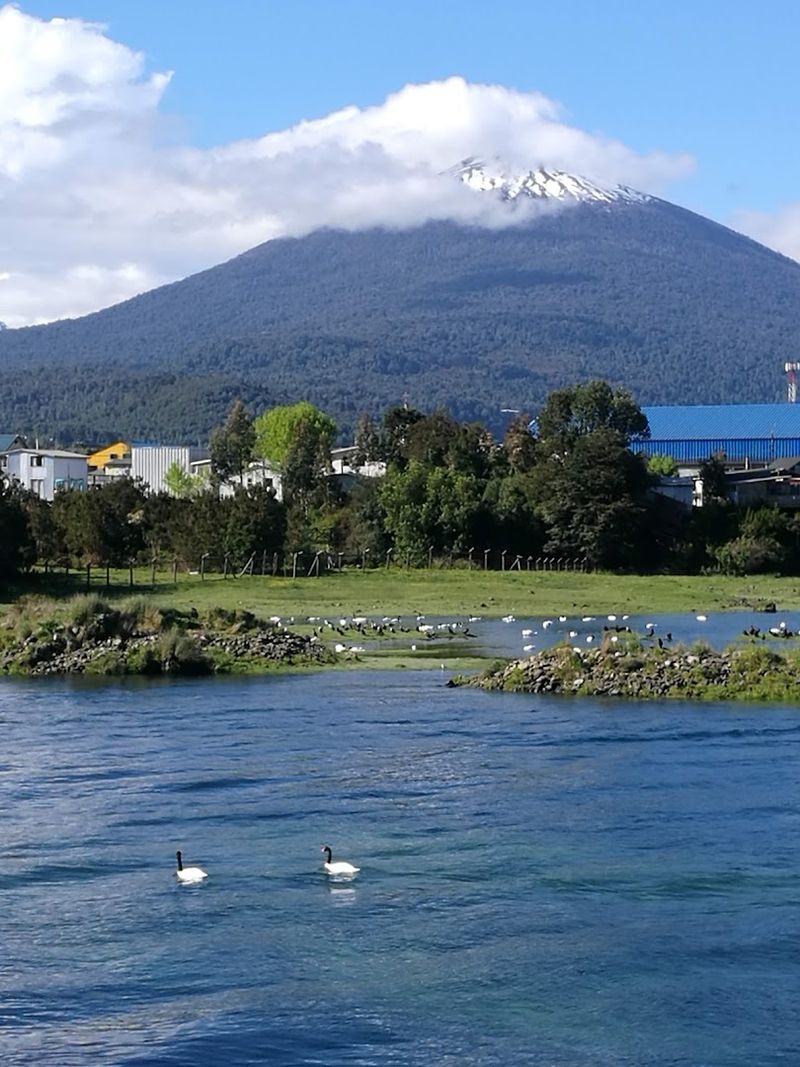
Hornopirén sits at the point where the road runs out and the boats take over, which is exactly the kind of geographic drama that makes northern Patagonia so compelling. The town serves as a key gateway to the Carretera Austral, Chile’s legendary southern highway, but it is far more than a transit point for travelers heading further south.
Hornopirén National Park begins practically at the edge of town, offering trails through ancient temperate rainforest and access to thermal pools set within wild landscape. Boat trips through the surrounding fjords reveal coastline that very few travelers ever see, with mountains rising directly from the water and forest covering every available slope.
The town itself is small and functional, with accommodation options that prioritize practicality over luxury.
Share this story