 Unearth The Voyage
Imagine strolling down peaceful streets where the only sounds are footsteps, bicycle bells, and the gentle clip-clop of horse hooves. Around the world, some incredible places have chosen to ban cars entirely, creating havens of tranquility and preserving their unique character.
These car-free destinations offer a refreshing escape from traffic jams and exhaust fumes, inviting visitors to slow down and experience travel in a whole new way.
Mackinac Island — Michigan, USA
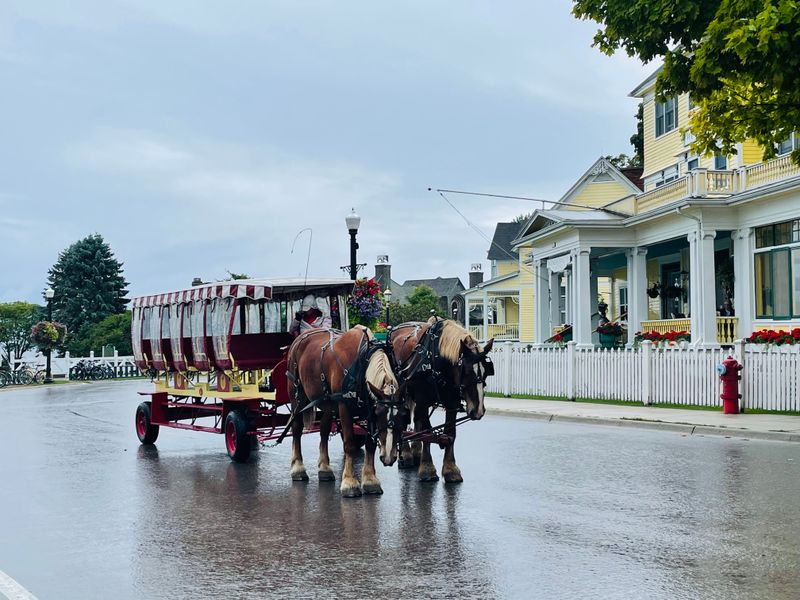
Step back in time to 1898, when Mackinac Island made a bold decision that still shapes its identity today. Perched in the blue waters of Lake Huron, this island paradise ditched automobiles over a century ago, and honestly, nobody misses them.
The clip-clop of horses and the whir of bicycle wheels create a soundtrack that feels like pure nostalgia.
Getting around here is half the fun. Horse-drawn carriages offer leisurely tours past grand Victorian hotels and fudge shops that smell absolutely heavenly.
Rent a bike and pedal the eight-mile loop around the island, stopping at hidden coves and limestone formations. Your legs might protest a bit, but the views make every pedal stroke worthwhile.
Summer brings crowds of tourists eager to taste the famous fudge and explore Fort Mackinac, but even then, the absence of car engines keeps things surprisingly peaceful. Winter transforms the island into a quiet wonderland where only year-round residents and hardy visitors brave the frozen lake crossing.
The Grand Hotel, with its world’s longest porch, stands as a testament to an era when life moved at a gentler pace, and Mackinac Island keeps that spirit alive beautifully.
Sark — Channel Islands, UK
Tucked between England and France, Sark operates like a living time capsule where feudal laws still apply and engines are strictly forbidden. This tiny island spans just over two square miles, yet it packs in dramatic clifftop views, hidden gardens, and a way of life that feels delightfully out of step with the modern world.
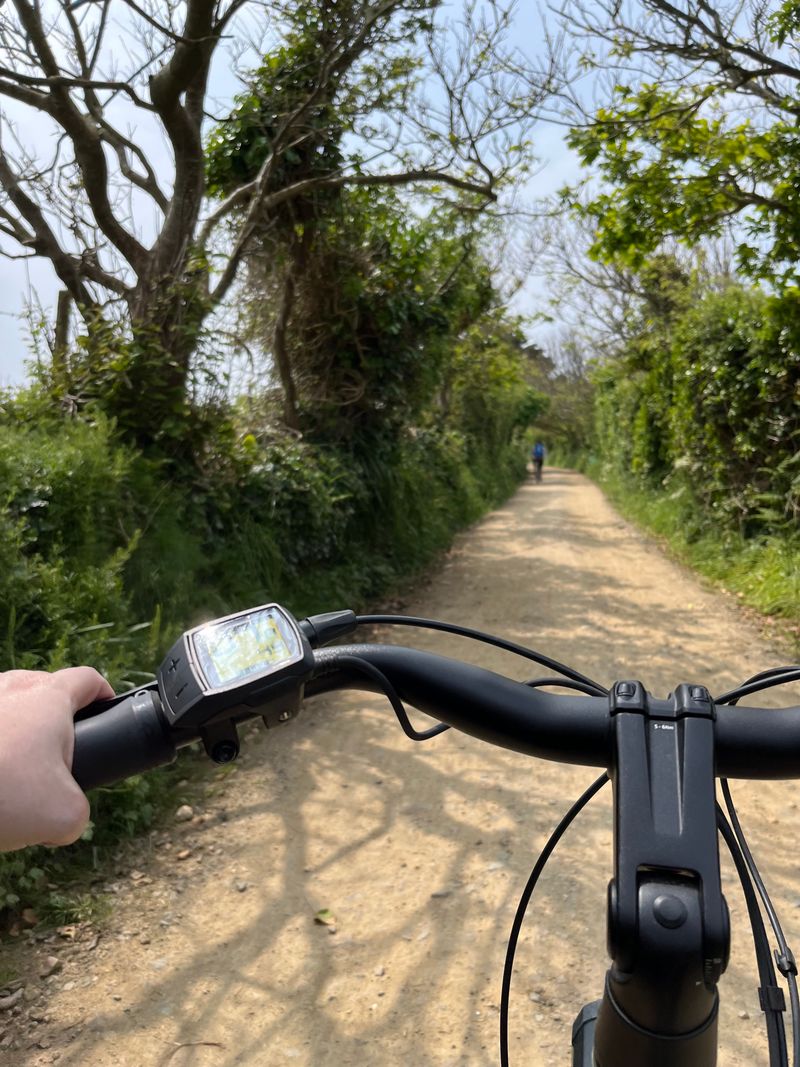
Tractors handle heavy lifting, but otherwise, it’s all pedal power and hooves.
Cycling here means navigating narrow lanes bordered by wildflowers and ancient stone walls. The island’s rugged coastline reveals itself slowly as you wind through countryside that seems untouched by the rush of contemporary life.
Horse-drawn carriages called “toast racks” ferry visitors and luggage from the harbor, adding a charming touch to arrivals.
Dark sky enthusiasts flock here because Sark became the world’s first Dark Sky Island in 2011. Without streetlights or light pollution, the Milky Way stretches overhead in breathtaking clarity.
The island’s tiny population of around 500 residents maintains traditions that larger places abandoned decades ago, creating an atmosphere where slowing down isn’t just encouraged—it’s mandatory. Sark proves that sometimes the best way forward is to look backward.
Hydra — Greece
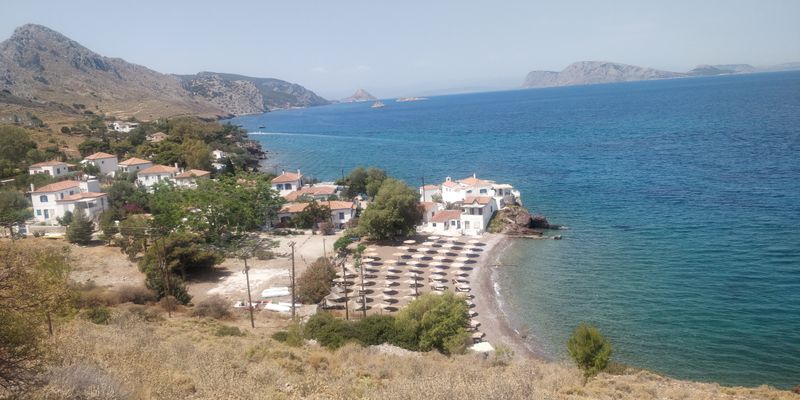
Donkeys rule the streets of Hydra, and they wear their status with admirable dignity. This rocky Greek island banned cars decades ago, preserving its labyrinth of stone pathways and whitewashed houses that tumble down to a picture-perfect harbor.
Artists and writers have long sought inspiration here, drawn by the combination of dramatic beauty and blessed silence.
Walking is the primary way to explore, and honestly, that’s perfect because every twist in the narrow alleys reveals something worth stopping for. Bougainvillea cascades over ancient walls, cats nap in sunny doorways, and tavernas serve fresh seafood with views that make you forget about checking your phone.
The island’s mules and donkeys transport everything from groceries to building materials, their bells jingling as they navigate steep staircases.
Water taxis connect different parts of the coastline, offering access to secluded swimming spots and monasteries perched on clifftops. The main town buzzes with energy during summer evenings when visitors and locals alike promenade along the waterfront.
Yet despite the crowds, Hydra maintains its peaceful character. Without engine noise, conversations carry across the harbor, and the sound of waves lapping against stone becomes the island’s gentle heartbeat.
Rottnest Island — Western Australia
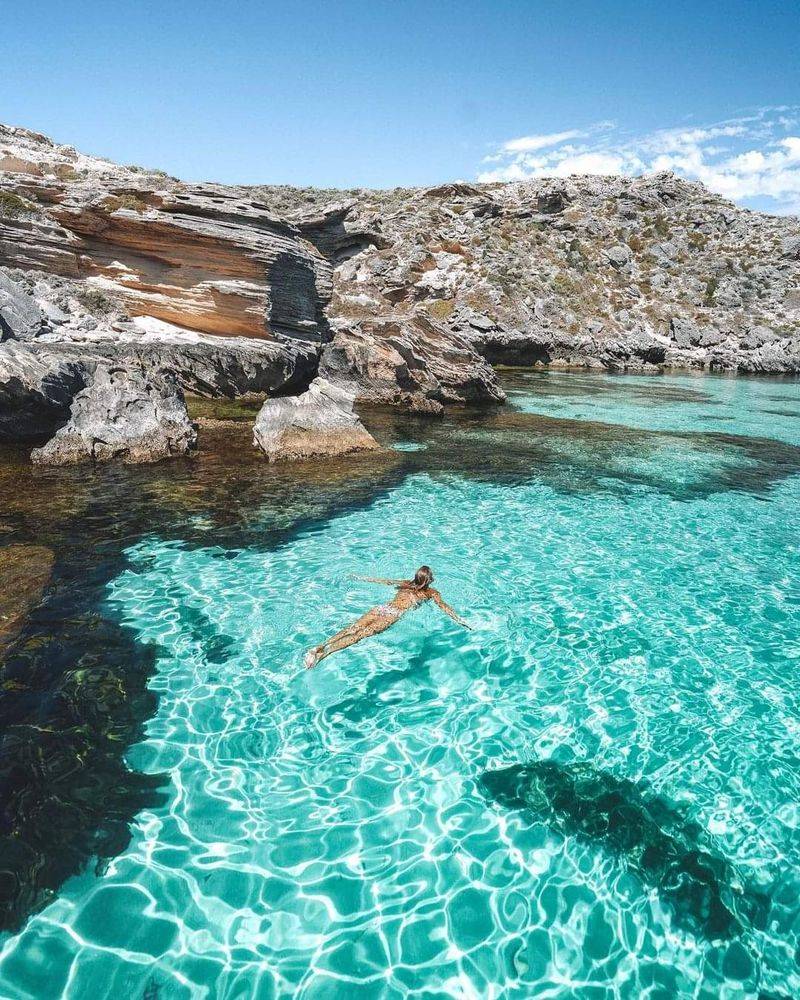
Quokkas steal the show on Rottnest Island, but the car-free environment deserves equal billing. Just off Perth’s coast, this island sanctuary limits vehicles to essential services, leaving bicycles as the transport of choice for exploring 63 beaches and countless hidden bays.
The result? An island where wildlife thrives and visitors actually relax instead of rushing from spot to spot.
Renting a bike feels almost mandatory here. The island’s relatively flat terrain makes cycling accessible for most fitness levels, and dedicated paths wind past salt lakes where ospreys hunt and through areas where those famously photogenic quokkas munch on vegetation.
These small marsupials have become internet sensations for their seemingly permanent smiles, and encountering them on quiet paths beats any zoo experience.
Snorkeling and swimming rank among the top activities, with waters so clear you can spot fish from the shore. The Basin and Parakeet Bay offer family-friendly swimming, while more adventurous souls head to Cathedral Rocks for impressive underwater landscapes.
Accommodation ranges from glamping to historic buildings, but wherever you stay, you’ll notice something remarkable: the absence of traffic noise lets you actually hear the ocean. Rottnest reminds visitors that sometimes less really is more.
Gili Islands — Indonesia
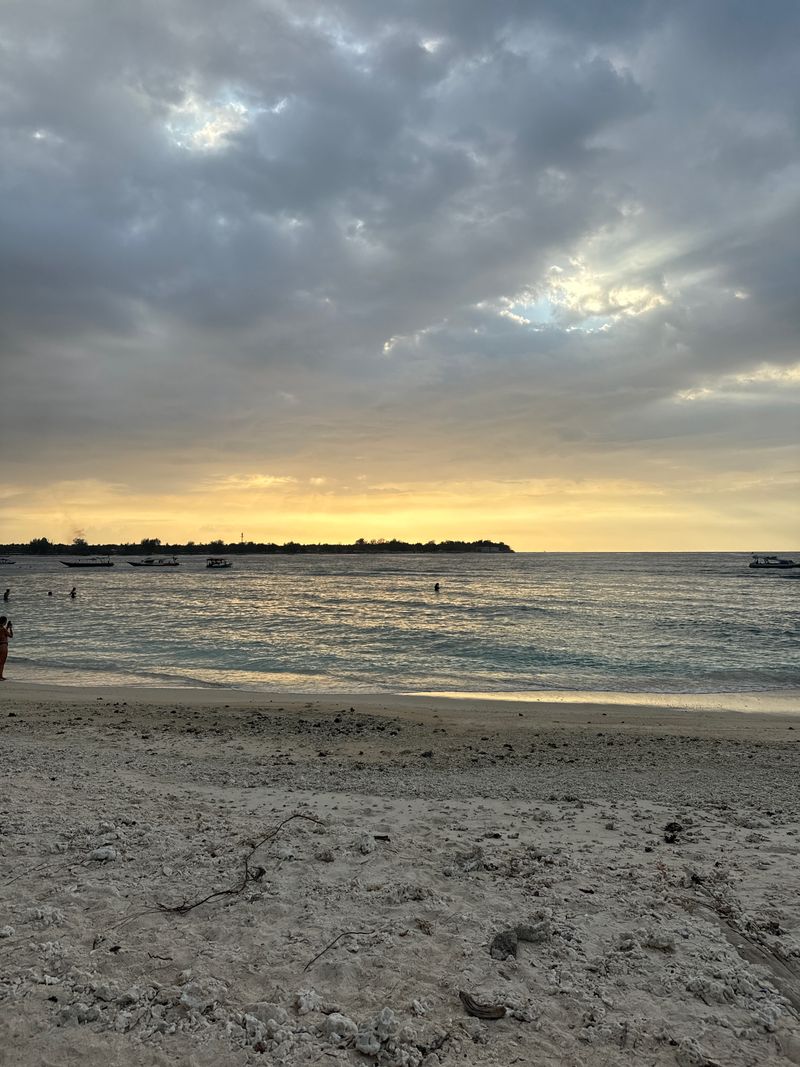
Three tiny islands off Lombok’s coast have cracked the code for tropical paradise living: ban the engines and let the waves do the talking. Gili Trawangan, Gili Meno, and Gili Air each have distinct personalities, but they share a commitment to keeping motor vehicles off their sandy streets.
Horse carts called cidomos provide transport for luggage and lazy travelers, their bells announcing arrivals at beachfront bungalows.
Bicycles rule here, though many visitors find that walking barefoot in the sand works just fine. Gili Trawangan draws the party crowd with beach bars and sunset celebrations, while Gili Meno appeals to honeymooners seeking serious seclusion.
Gili Air splits the difference, offering a mellow vibe with enough restaurants and dive shops to keep things interesting.
The underwater world surrounding these islands rivals anything on land. Sea turtles glide through coral gardens, and the famous underwater sculptures near Gili Meno create an eerie, beautiful diving experience.
Snorkeling straight from the beach yields impressive results, with colorful fish darting around in water so clear it barely seems real. Evenings bring spectacular sunsets that paint the sky in shades of orange and pink, best enjoyed from a beanbag on the sand with a fresh coconut in hand.
Caye Caulker — Belize
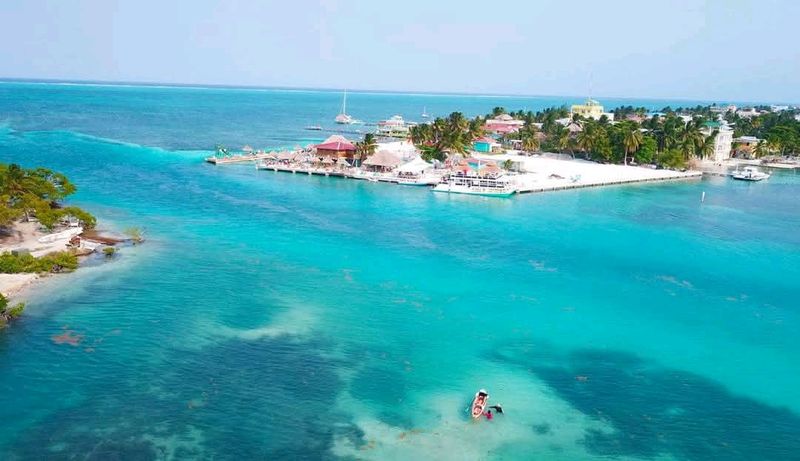
“Go Slow” isn’t just a motto on Caye Caulker—it’s a lifestyle enforced by the absence of cars. This narrow strip of Caribbean paradise measures barely a mile long, yet it packs in coral reefs, friendly locals, and a laid-back atmosphere that makes stress seem like a foreign concept.
Golf carts and bicycles handle transportation needs, though many visitors discover that walking barefoot down sandy streets works perfectly fine.
The Split, a channel dividing the island, serves as the social hub where locals and tourists gather to swim, sunbathe, and watch tarpon cruise through crystal-clear water. Wooden piers jut into the sea, providing perfect platforms for sunset watching and impromptu diving.
Small restaurants serve fresh lobster and conch, often caught that same morning, while reggae music drifts from colorful beach bars.
Snorkeling trips to the nearby barrier reef reveal an underwater world teeming with life. Nurse sharks and stingrays glide through shallow waters at Shark Ray Alley, allowing close encounters that thrill without threatening.
Manatees occasionally visit the island’s mangroves, delighting wildlife enthusiasts. The island’s compact size and slow pace encourage genuine connections—with nature, with other travelers, and with a simpler way of living that feels increasingly rare in our hurried world.
Fes el-Bali (Medina) — Morocco
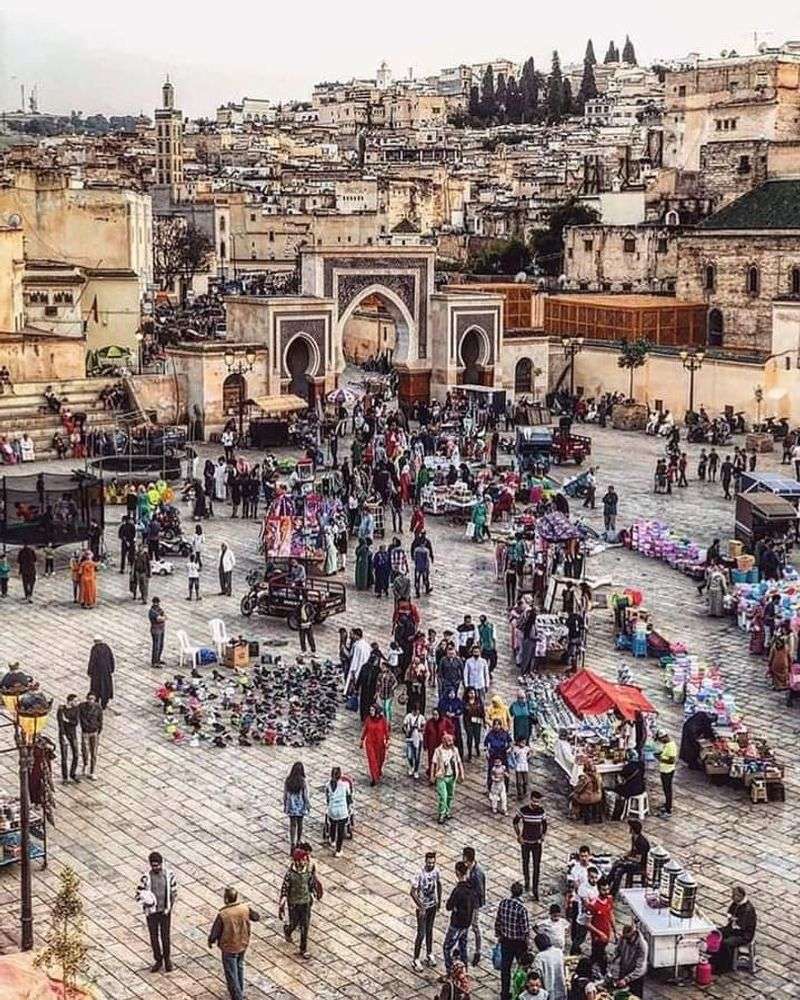
Cars couldn’t navigate Fes el-Bali even if they wanted to—the medieval medina’s alleys are so narrow that two donkeys can barely pass each other. Founded over a thousand years ago, this UNESCO World Heritage site remains one of the world’s largest car-free urban areas, where life unfolds much as it has for centuries.
Donkeys and mules shoulder the burden of commerce, hauling everything from leather hides to mint for tea through the labyrinthine passages.
Getting lost here is practically inevitable, and honestly, it’s part of the charm. The medina contains over 9,000 alleys, many unmarked and confusing even to locals.
Craftsmen hammer copper in tiny workshops, the rhythmic clanging echoing off ancient walls. The famous tanneries spread across rooftops in a patchwork of dye-filled pools where leather has been processed using medieval methods for generations.
Sensory overload hits immediately—the smell of spices mixing with leather, the calls of merchants, the visual feast of colorful ceramics and textiles. Children dart through crowds with surprising agility, while elderly residents navigate the maze with practiced ease.
Modern life exists here, but on medieval terms. The absence of vehicles preserves not just the physical structures but an entire way of urban living that vanished elsewhere centuries ago.
Giethoorn — Netherlands
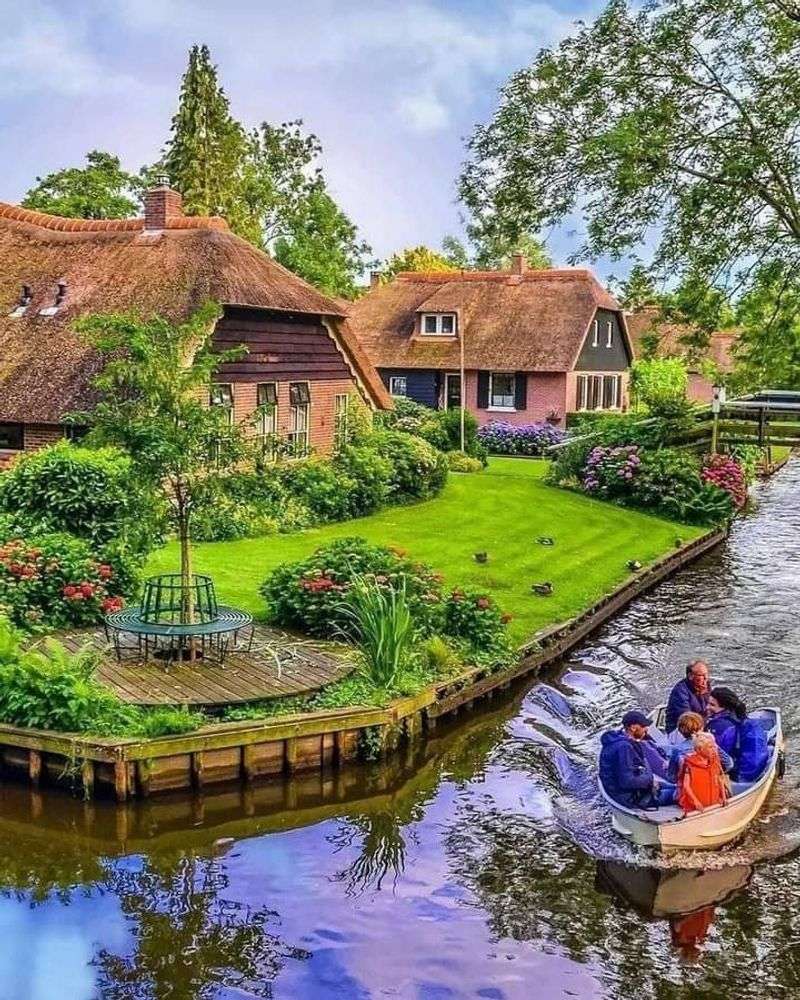
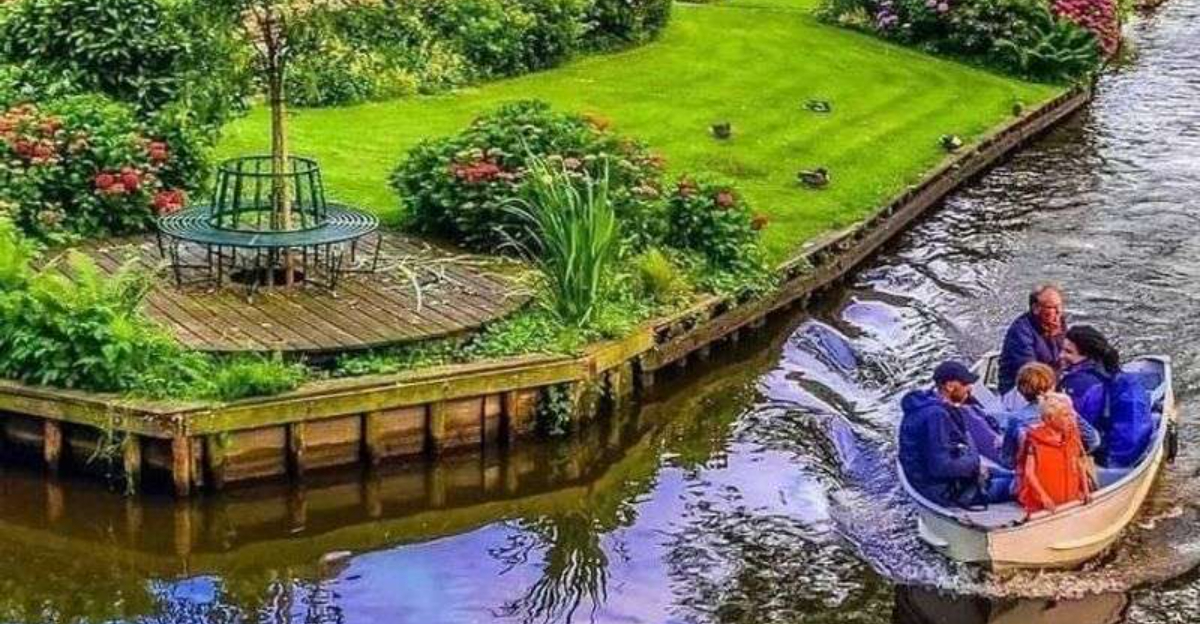
Nicknamed the “Dutch Venice,” Giethoorn takes the concept of waterways to an extreme that would make even Venetians jealous. The historic center has no roads whatsoever—just canals, footpaths, and wooden bridges connecting thatched-roof farmhouses that look like they escaped from a fairy tale.
Boats serve as the primary transport, gliding silently through narrow waterways bordered by perfectly manicured gardens.
Visiting feels like entering a storybook. Electric whisper boats can be rented by anyone, no license required, allowing visitors to captain their own exploration through the village’s 180 bridges.
Cycling paths run alongside the canals, offering a faster way to cover ground while still soaking in the impossibly picturesque scenery. Every cottage seems more charming than the last, with flower boxes overflowing and ducks paddling contentedly past.
Winter transforms Giethoorn into something even more magical when canals freeze solid. Locals strap on ice skates and glide to neighbors’ houses, continuing a Dutch tradition that dates back centuries.
Summer brings crowds of tourists, but early mornings and late evenings reveal the village’s true peaceful nature. The absence of car noise lets you hear everything—birds singing, water lapping, the creak of wooden bridges.
Giethoorn proves that sometimes the best roads are made of water.
Little Corn Island — Nicaragua
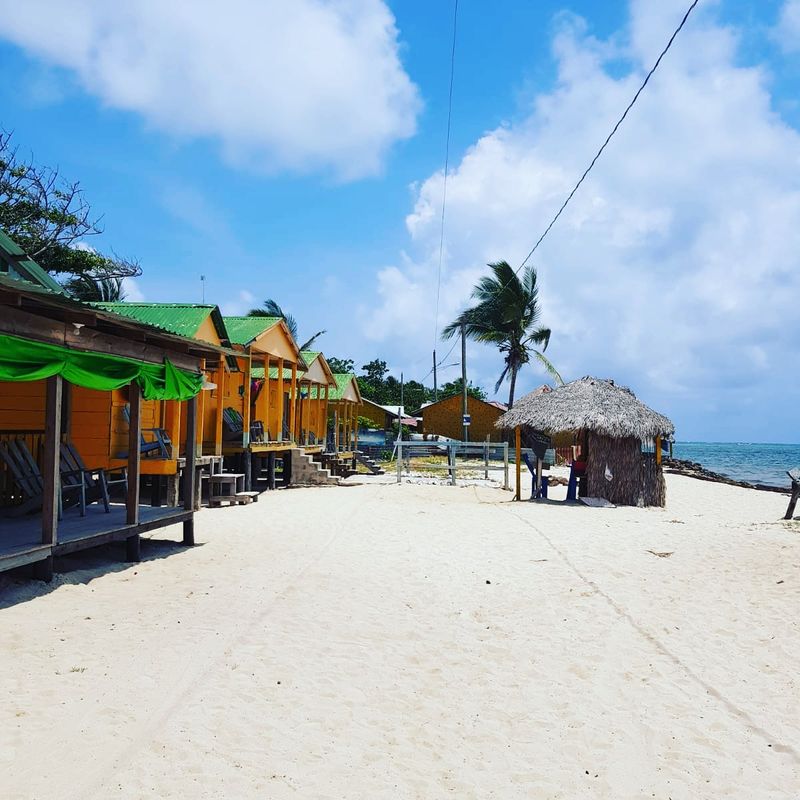
Tiny doesn’t begin to describe Little Corn Island—you can walk around the entire place in about an hour, assuming you don’t get distracted by the ridiculous beauty at every turn. This Caribbean speck off Nicaragua’s coast has no roads suitable for cars, leaving sand paths and jungle trails as the only routes between beaches and bungalows.
The result? An island where the loudest sounds are waves crashing and reggae music drifting from beachside bars.
Backpackers and divers flock here for the combination of affordability and natural splendor. The surrounding waters offer some of Central America’s best diving, with healthy coral reefs, shipwrecks, and frequent turtle sightings.
Snorkeling straight from shore yields impressive results, though venturing out with dive operators reveals the really spectacular stuff. Above water, hammocks strung between palms provide the perfect spot for reading, napping, or simply watching the Caribbean do its thing.
Electricity comes from generators that run on schedules, adding to the off-grid atmosphere. Accommodations range from basic cabins to slightly-less-basic cabins, but nobody comes here for luxury anyway.
The island attracts people seeking genuine escape from modern life’s constant connectivity. Without cars, without stress, without the usual tourist infrastructure, Little Corn Island delivers pure, unfiltered island living.
Bald Head Island — North Carolina, USA
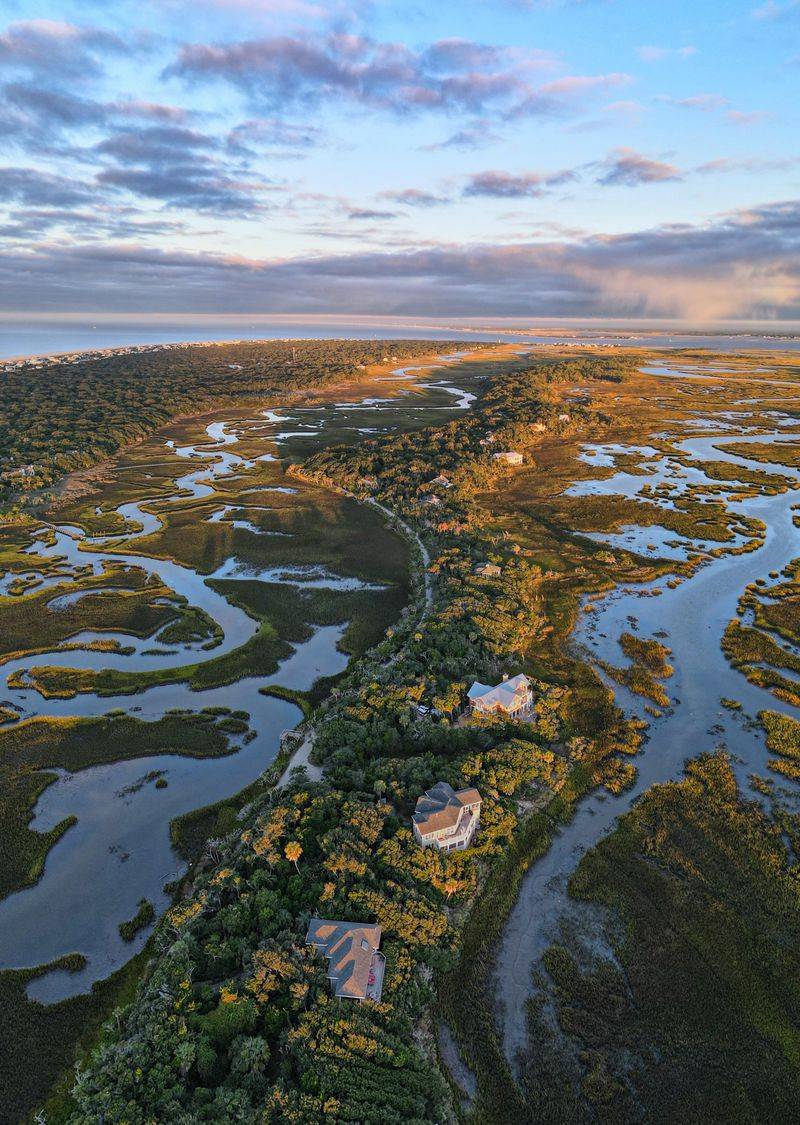
Golf carts zip along shaded paths on Bald Head Island, but that’s as motorized as things get on this North Carolina barrier island. Accessible only by ferry or private boat, the island maintains a deliberately slower pace that stands in stark contrast to the development creeping along much of the Atlantic coast.
Maritime forests, pristine beaches, and the historic Old Baldy Lighthouse create an environment where nature takes priority over convenience.
Families particularly love Bald Head for its safety and freedom. Kids can bike independently without parents worrying about traffic, and the beaches offer gentle waves perfect for young swimmers.
The island’s turtle protection program allows visitors to learn about loggerhead sea turtles that nest here each summer, with guided walks revealing nesting sites and conservation efforts.
Kayaking through the island’s tidal creeks provides up-close encounters with herons, egrets, and other wading birds. The lack of light pollution makes stargazing spectacular, and the absence of car engines means you can actually hear the ocean from most places on the island.
Real estate here commands premium prices, but day visitors can experience the island’s charms without committing to property ownership. Bald Head proves that some places are worth the extra effort required to reach them, and that golf carts make perfectly adequate transportation when you’re not in a hurry.
Halibut Cove — Alaska, USA
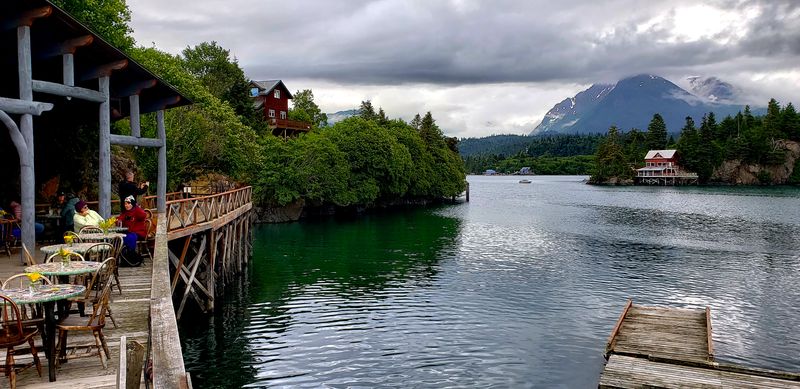
Floating on the edge of wilderness, Halibut Cove exists without a single road, let alone cars. Located within Kachemak Bay State Park across from Homer, this tiny community of around 80 residents lives literally on the water in houses perched on pilings.
Boats serve as the only connection to the outside world, and walking the boardwalks that link buildings provides the only way to visit neighbors.
Artists have claimed Halibut Cove as their own, drawn by the dramatic scenery and profound quietness. Several galleries showcase paintings, sculptures, and crafts inspired by Alaska’s raw beauty.
The Saltry Restaurant, accessible only by boat, serves fresh seafood with views across the bay to mountains and glaciers that seem close enough to touch.
Wildlife viewing here happens naturally rather than through organized tours. Sea otters float past on their backs, cracking open shellfish.
Bald eagles perch in spruce trees, surveying the water for fish. Occasionally, orcas cruise through the bay, their fins slicing through the surface.
The absence of roads means the environment remains pristine, with nature operating on its own terms. Visiting requires planning—the ferry runs on a limited schedule—but that’s precisely what keeps Halibut Cove special.
Some places should require effort to reach, rewarding those willing to slow down and meet Alaska on its own wild terms.
Princes’ Islands (e.g., Büyükada) — Turkey
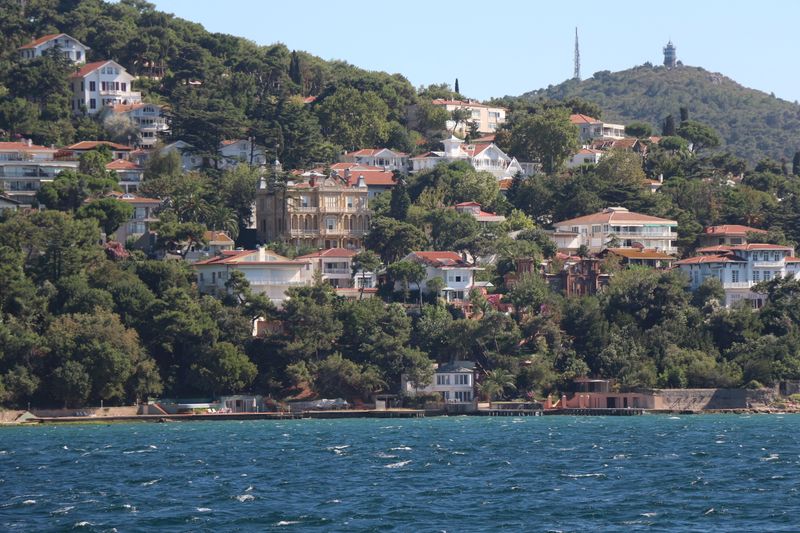
Escape Istanbul’s chaos by hopping a ferry to the Princes’ Islands, where horses have replaced horsepower and pine-scented air replaces exhaust fumes. Büyükada, the largest island, banned motor vehicles long ago, preserving its collection of ornate Ottoman mansions and Orthodox monasteries that climb wooded hills overlooking the Sea of Marmara.
Horse-drawn carriages called faytons clip-clop along roads shaded by trees, offering tours that feel delightfully old-fashioned.
Bicycles provide another popular way to explore, with rental shops near the ferry dock supplying everything from basic bikes to tandems for couples. The island’s hilly terrain provides a workout, but coasting downhill with sea breezes in your face makes the climbing worthwhile.
Beaches on the southern shore offer swimming spots where locals have gathered for generations, while clifftop restaurants serve fresh fish and mezze with panoramic views.
History buffs appreciate the island’s layers of heritage—Byzantine monasteries, Ottoman summer homes, and traces of the Greek community that once dominated island life. Leon Trotsky lived in exile here during the 1930s, and his former residence draws visitors interested in that turbulent period.
Summer weekends bring crowds from Istanbul seeking relief from city heat, but weekdays and shoulder seasons reveal the island’s peaceful character. The Princes’ Islands prove that sometimes the best way to experience a major city is to leave it behind entirely.
Île de Batz — France
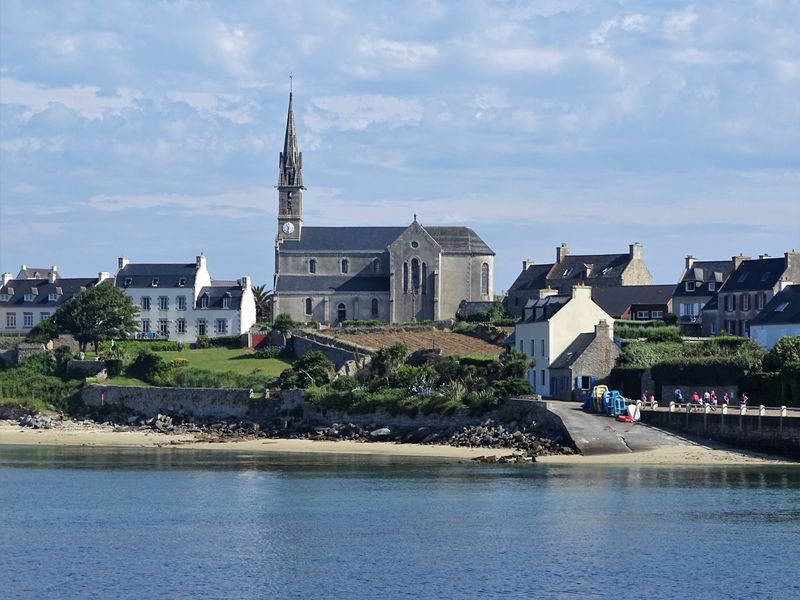
Just a fifteen-minute boat ride from Roscoff, Île de Batz feels worlds away from mainland France. This small Breton island measures barely two miles long, yet it packs in exotic gardens, sandy beaches, and enough charm to justify a full day’s exploration.
Cars are essentially absent, leaving bicycles and walking as the transport options on an island where rushing seems almost offensive.
The Georges Delaselle Garden showcases an astonishing collection of subtropical plants that somehow thrive in this northern climate thanks to the Gulf Stream’s warming influence. Palm trees and agaves grow alongside native flora, creating an unexpected botanical wonderland.
The island’s lighthouse stands as a landmark visible from the mainland, while beaches on the southern shore offer sheltered swimming spots popular with families.
Fishing remains important to the island’s economy, and the harbor bustles with working boats alongside tourist ferries. Local restaurants serve incredibly fresh seafood—you can literally watch the boats that caught your lunch.
The island’s compact size means you can easily circle it on foot in a few hours, but most visitors stretch the experience across a day, stopping frequently for photos, picnics, and impromptu swims. Île de Batz embodies the French art of taking time to savor simple pleasures, proving that the best islands are often the ones you’ve never heard of.
Isola dei Pescatori — Italy (Borromean Islands)
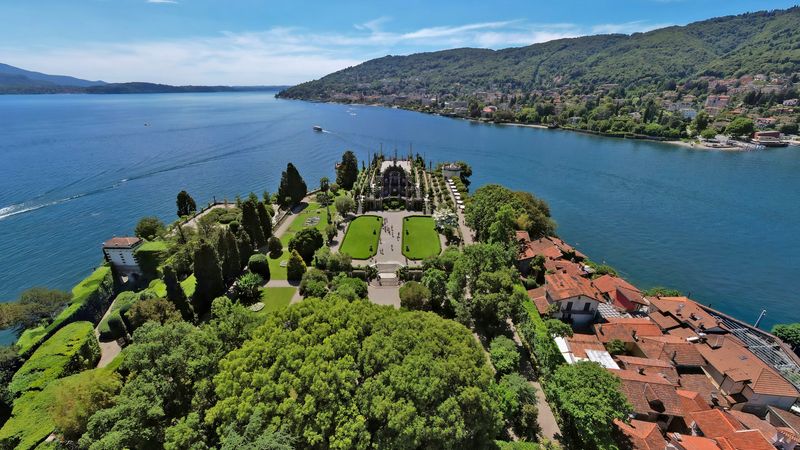
Fishing nets draped over railings and the smell of grilled lake fish announce your arrival at Isola dei Pescatori, the only permanently inhabited island among Lake Maggiore’s famous Borromean Islands. Unlike its glamorous neighbors—palatial Isola Bella and botanical Isola Madre—this tiny island remains authentically working-class, where residents still earn their living from the lake.
Cars and scooters have no place on these narrow cobbled lanes barely wide enough for two people to pass.
The island’s entire population hovers around fifty year-round residents, though summer brings tourists who pack the waterfront restaurants for fresh perch and stunning lake views. Walking the perimeter takes maybe fifteen minutes, but the island’s charm encourages lingering.
Pastel-colored houses lean against each other like old friends, their shutters faded by sun and lake spray. Cats nap in doorways while laundry flutters overhead, creating scenes that Italian painters have captured for centuries.
Boats from Stresa and other lakeside towns make visiting easy, but most tourists rush through on their way to the more famous islands. That’s their mistake.
Isola dei Pescatori rewards those who stay for a meal, savoring the slow rhythm of island life while watching ferries come and go. The absence of vehicles preserves an atmosphere that feels genuinely timeless, offering a glimpse of how Italian lakeside communities lived before tourism changed everything.



