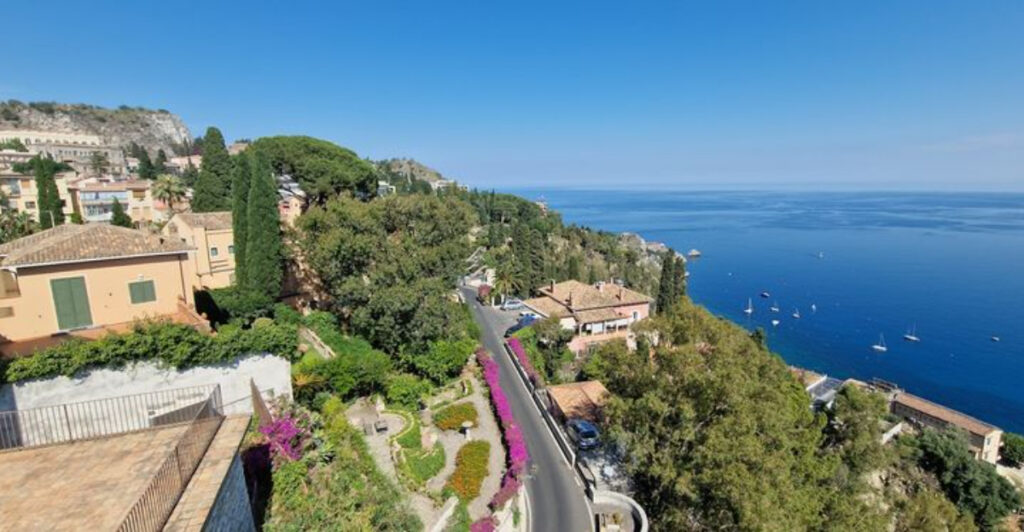
Not all island trips are about parking yourself on a lounger with a frozen drink. Some islands will take you on hikes through ancient forests, feed you food you will talk about for years, and show you skies so clear they almost feel fake.
I have spent time chasing these kinds of places, and the difference between a great island and a basic beach vacation is massive. These 14 destinations prove that islands can be so much more than just sand and sunscreen.
Madeira, Portugal
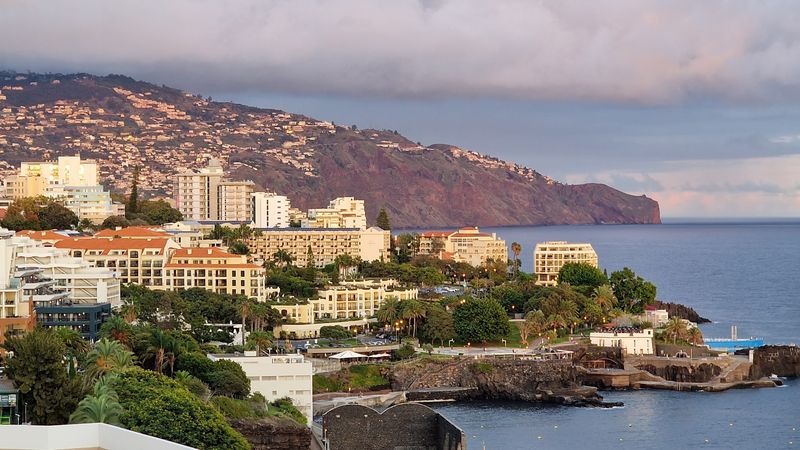
Madeira is the kind of place that makes you question every beach vacation you ever took. Perched in the Atlantic, this Portuguese island is essentially a mountain range that refused to be fully submerged.
The result is jaw-dropping.
Levadas are the real stars here. These ancient irrigation channels double as hiking trails, winding through forests and along cliff edges.
You walk for hours without seeing the same view twice. It is genuinely wild.
The food scene is seriously underrated. Espada fish, poncha cocktails, and the famous bolo do cmel cake are all worth the flight alone.
Funchal, the capital, is compact and easy to explore on foot.
Flowers bloom here year-round, earning Madeira the nickname “Island of Eternal Spring.” The weather rarely gets extreme, which makes it a solid pick for any month. Skip the beach chair and book a levada walk instead.
Jeju Island, South Korea
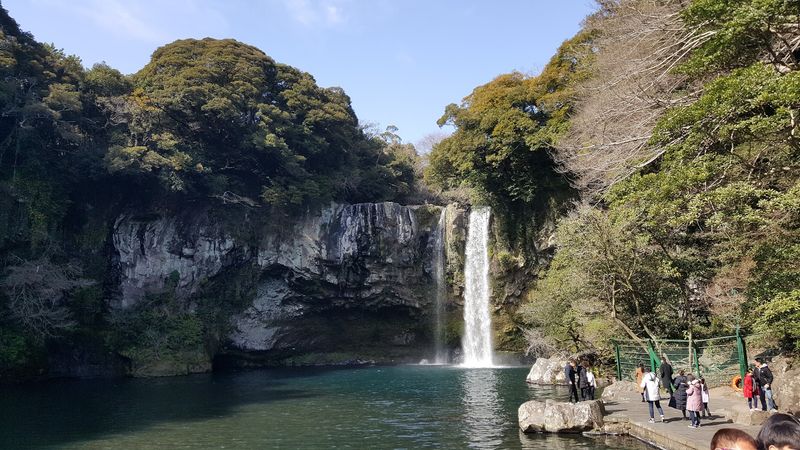
South Korea has a secret, and it goes by the name Jeju. Locals call it the “Island of the Gods,” which sounds like marketing until you actually arrive and realize they are not exaggerating at all.
Hallasan, a dormant volcano sitting at the island’s center, is the highest peak in South Korea. Hiking it rewards you with crater lake views that genuinely stop conversations.
The lava tube caves scattered across the island are equally spectacular and completely unique.
Jeju’s food culture is fiercely local. Black pork barbecue, abalone porridge, and raw seafood caught by the famous haenyeo diving women are not found anywhere else quite like this.
The haenyeo themselves are a UNESCO-recognized cultural treasure.
Getting around is easy with a rental car, and the coastline changes character every few kilometers. Volcanic rock beaches, green cliffs, and waterfall-fed shores keep things interesting.
Jeju rewards slow travelers who stay more than two nights.
The Azores, Portugal
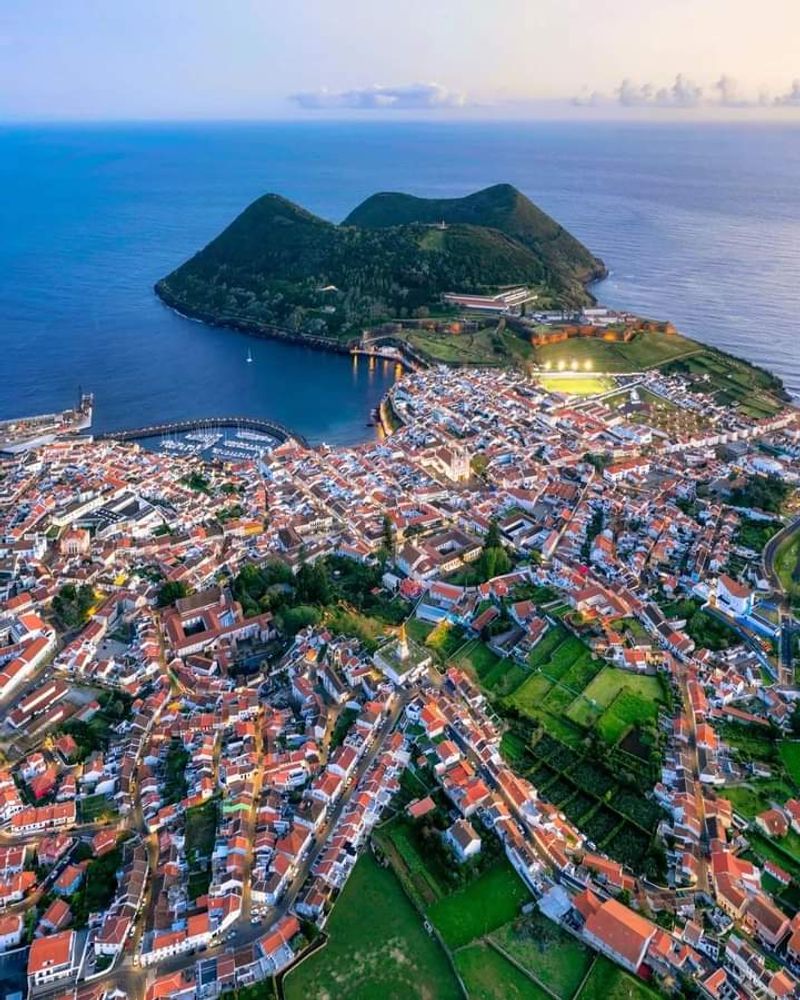
The Azores sit in the middle of the Atlantic Ocean like they got lost on the way somewhere else and decided to just stay. Nine volcanic islands, each dramatically different from the last, make up this Portuguese archipelago that most people still have not heard of.
Sao Miguel is the most visited island, and for good reason. Twin volcanic crater lakes at Sete Cidades glow green and blue depending on the light.
Furnas valley has bubbling hot springs where locals literally cook stew underground. That is not a tourist gimmick.
That is Tuesday.
Whale watching here is among the best on the planet. The deep Atlantic waters around the islands attract sperm whales year-round.
Dolphins join boats like they are on the payroll.
Prices are remarkably reasonable compared to other European destinations. Flights from Lisbon are short, and accommodation options range from budget guesthouses to boutique farm stays.
The Azores punch well above their weight.
Tasmania, Australia
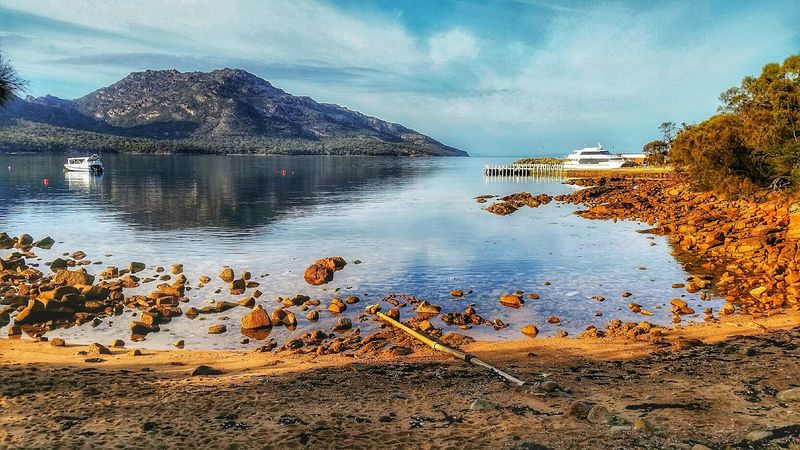
Tasmania is the island Australia seems to keep for itself. Tucked below the mainland like a footnote, this island state is actually one of the most biodiverse places on earth.
The wildlife alone is worth the trip south.
Cradle Mountain and the Overland Track are legendary among serious hikers. But even casual walkers can access stunning scenery in Freycinet National Park, where pink granite boulders frame turquoise Wineglass Bay.
It is postcard material without the postcard crowds.
Tasmanian devils are real, loud, and genuinely alarming to encounter at dusk. Sanctuaries across the island let you see them up close without losing a finger.
Wombats and wallabies wander so freely here that hitting one on a night drive is a serious concern.
The food and wine culture in the Huon Valley and Coal River regions rivals anything on the mainland. Oysters, salmon, and cool-climate pinot noir make every meal feel like an occasion.
Tasmania does not try to impress you. It just does.
Faroe Islands
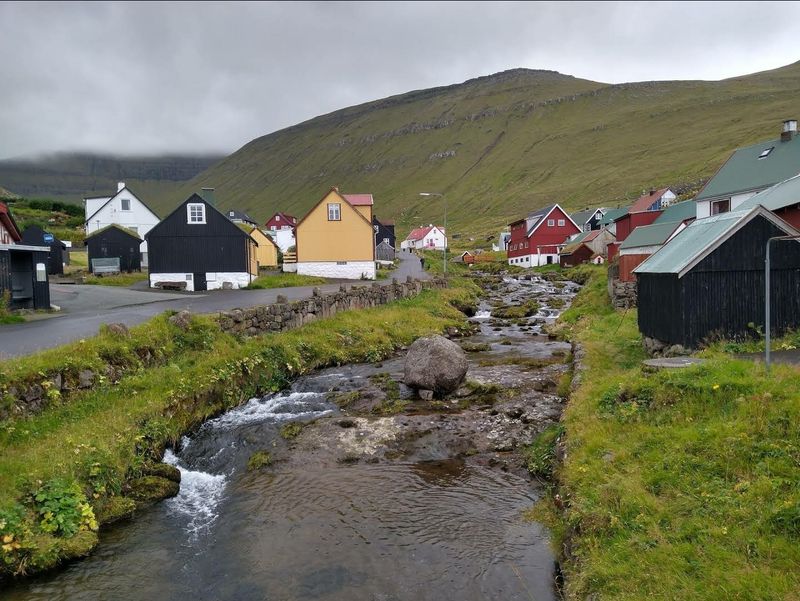
The Faroe Islands have grass on their roofs and sheep outnumbering people two to one. That ratio alone tells you everything you need to know about this place.
It is remote, raw, and absolutely magnificent.
Located between Norway and Iceland, the 18 islands of the Faroe archipelago look like they were designed by someone who wanted to stress-test photographers. Vertical cliffs, waterfalls that pour directly into the ocean, and villages clinging to impossible hillsides are just normal Tuesday scenery here.
Hiking is the main activity, and trails are well-marked despite the rugged terrain. Lake Sorvagsvatn appears to float above the ocean from certain angles, creating one of the most disorienting and spectacular optical illusions in nature.
I stood there for a long time just trying to make sense of it.
The Faroese people are exceptionally welcoming and speak excellent English. Accommodation is limited, so booking early is essential.
Come prepared for wind, rain, and the occasional burst of golden sunlight that makes everything glow.
Isle of Skye, Scotland
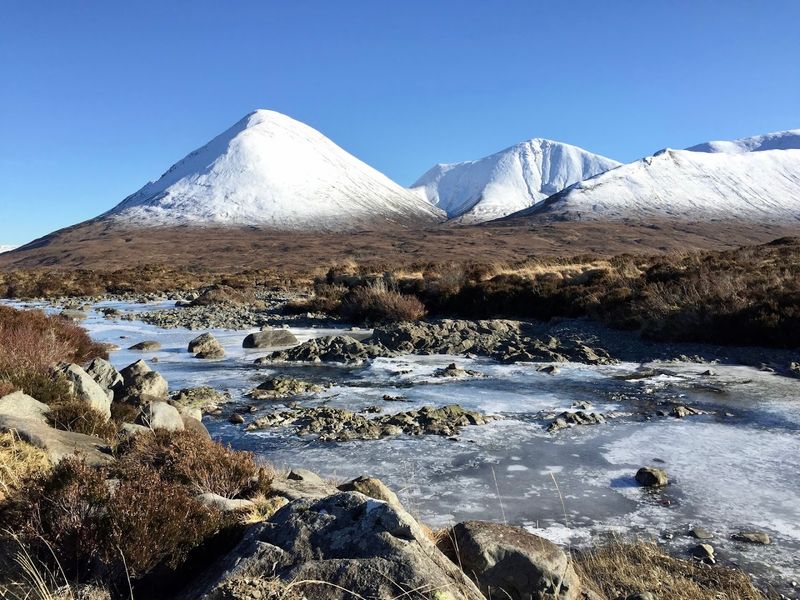
Few places on earth have a name as perfectly suited to their atmosphere as the Isle of Skye. The sky here is genuinely the main character.
Clouds move fast, light shifts constantly, and landscapes that looked grey an hour ago suddenly burst into gold.
The Cuillin mountain range offers some of the most technical and rewarding hiking in the British Isles. But you do not need to be a mountaineer to enjoy Skye.
The Fairy Pools, Old Man of Storr, and Quiraing are accessible to most walkers and deliver scenery that feels almost mythological.
Skye has strong Gaelic roots, and that cultural layer adds real depth to a visit. Local distilleries produce some excellent single malts.
A dram of whisky after a wet hike is basically a spiritual experience at this point.
Accommodation fills up fast from May through September. Driving the island is the best way to explore.
The roads are narrow, sheep wander freely, and nobody seems to be in a hurry. Match that energy and you will have a great time.
Palawan, Philippines
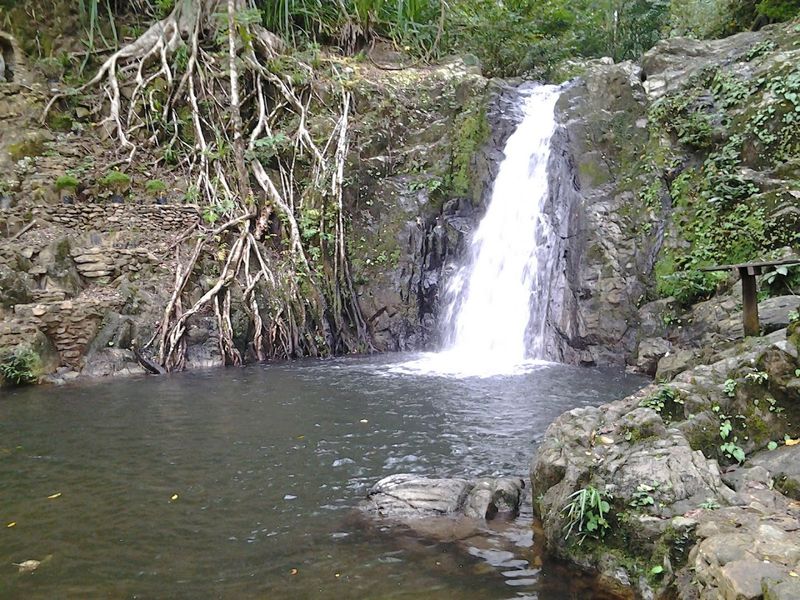
Palawan keeps winning travel awards, and at some point you have to stop being surprised and just book the flight. Named the world’s best island multiple times by various publications, it earns those titles with very little effort.
El Nido is the most famous spot, where towering limestone karst cliffs surround hidden lagoons accessible only by boat. Island-hopping tours take you through secret beaches and snorkeling spots that look digitally enhanced but are completely real.
The water is that clear.
Puerto Princesa, the island’s capital, is the gateway to the Underground River, a UNESCO World Heritage Site where you paddle through cathedral-sized cave chambers with a guide narrating the geology. It is genuinely one of the coolest things I have ever done.
Food in Palawan is fresh and cheap. Grilled seafood by the beach costs almost nothing and tastes extraordinary.
Getting between towns involves small propeller planes or ferries, which adds to the adventure rather than detracting from it.
Raja Ampat, Indonesia
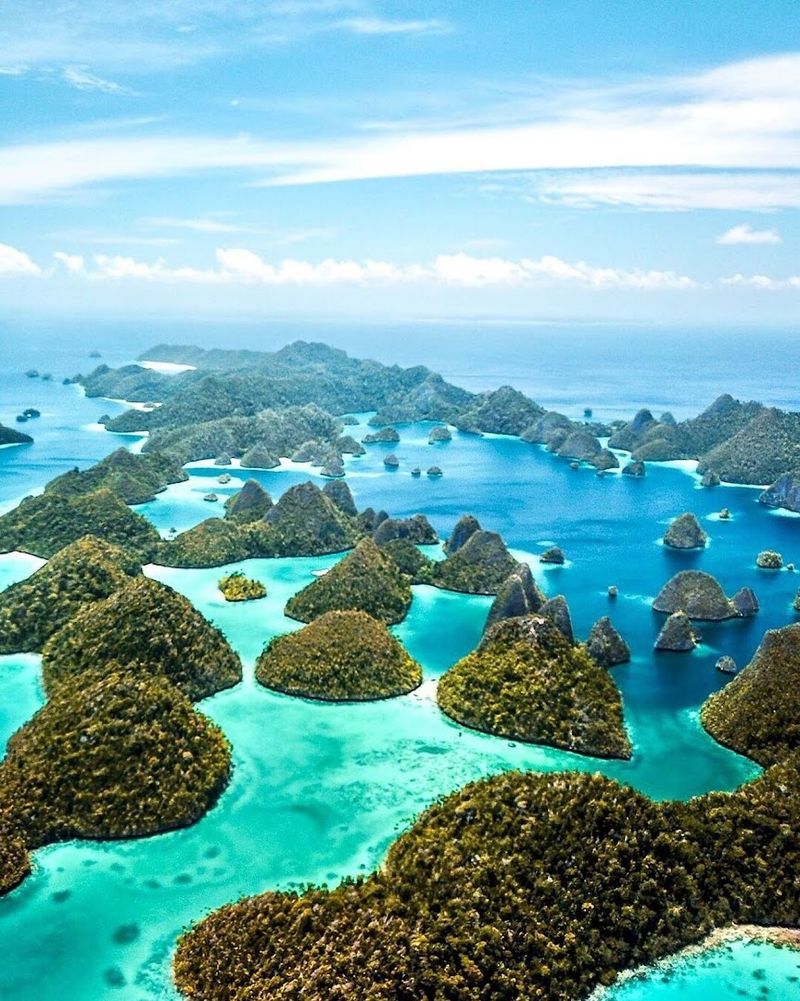
Marine biologists get a specific look in their eyes when someone mentions Raja Ampat. It is the look of someone who has seen more fish species in one reef system than most people see in a lifetime of diving.
This place is not normal.
Located in West Papua, Indonesia, Raja Ampat contains the highest recorded marine biodiversity on the planet. Over 1,500 fish species and 600 coral species live in these waters.
Snorkelers see things here that scuba divers dream about at other destinations.
The islands themselves are extraordinary. Hundreds of mushroom-shaped limestone islands rise from the sea, covered in dense jungle.
Kayaking between them at sunrise is the kind of experience that makes you reconsider your entire life back home.
Getting here takes effort. Flights to Sorong, then a ferry, then sometimes a boat to your resort.
But the remoteness is the whole point. Crowds are minimal, reefs are pristine, and the silence above and below water is absolutely remarkable.
Worth every transfer.
Kauai, Hawaii
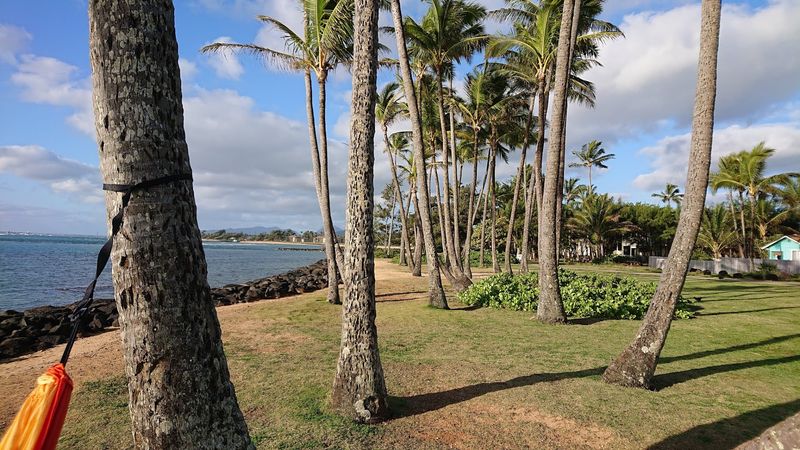
Kauai is the island that made Hollywood fall in love with Hawaii. Jurassic Park, Raiders of the Lost Ark, and Pirates of the Caribbean all filmed here, which makes sense the moment you see the Na Pali Coast for the first time.
Your jaw does the work.
The Napali coastline stretches 17 miles of fluted green sea cliffs with no road access. You can hike the Kalalau Trail, take a boat tour, or view it from a helicopter.
All three options are spectacular in completely different ways.
Waimea Canyon, nicknamed the Grand Canyon of the Pacific, cuts deep into the island’s interior. The red and green layers of volcanic rock look genuinely unreal.
Kokee State Park sits above it and offers cooler temperatures and forest trails that feel nothing like a typical Hawaiian vacation.
Kauai is deliberately less developed than Maui or Oahu. No building exceeds the height of a coconut palm by law.
That detail alone keeps it feeling wild, uncrowded, and worth every extra dollar spent getting there.
Sicily, Italy
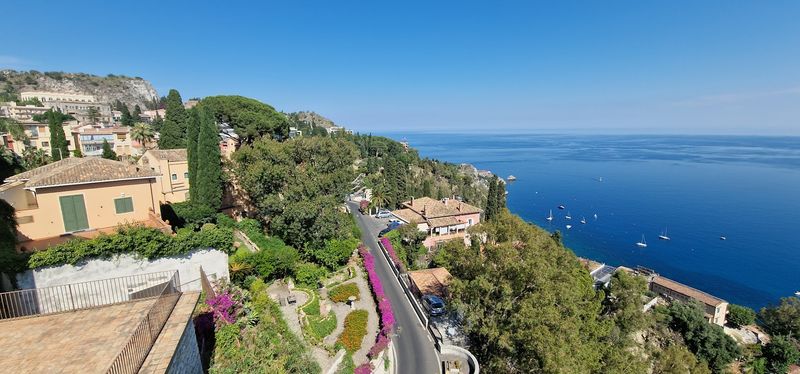
Sicily is not subtle. It throws history, food, volcanoes, and baroque architecture at you simultaneously and dares you to keep up.
The largest island in the Mediterranean has been fought over by Greeks, Romans, Arabs, Normans, and Spanish rulers, and each one left something behind worth seeing.
Mount Etna is Europe’s most active volcano and one of the island’s biggest draws. You can drive or hike to the upper craters, taste wine grown in volcanic soil, and watch steam rise from vents while eating arancini.
That is a very specific kind of Tuesday.
The food culture here is serious business. Sicilian cuisine blends North African, Greek, and Italian influences into something entirely its own.
Street food in Palermo’s Balaro market, fresh pasta in Catania, and almond pastries from Noto are all mandatory experiences.
Valley of the Temples near Agrigento contains Greek ruins better preserved than most things in Greece itself. Syracuse, Taormina, and Ragusa each offer completely different architectural and cultural experiences.
Sicily rewards those who stay longer than a week.
Sardinia, Italy
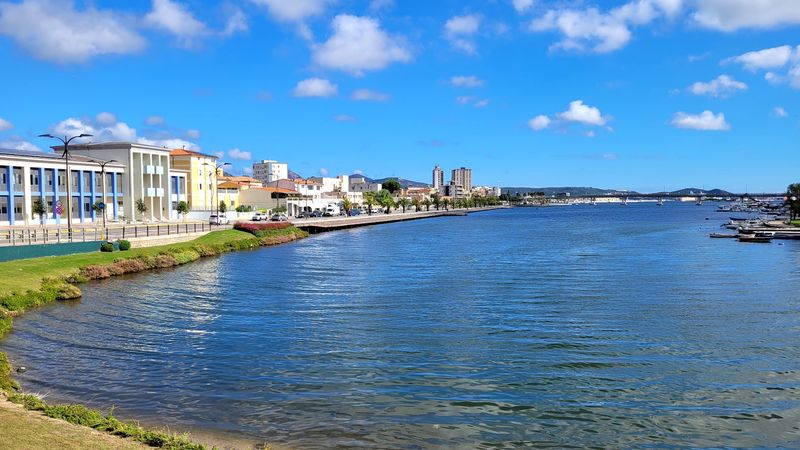
Sardinia has beaches that genuinely compete with the Caribbean, but the island keeps insisting it is more than just pretty water. It is right.
The interior of Sardinia is a completely different world that most tourists miss entirely.
The nuraghi are ancient stone towers scattered across the island, built over 3,000 years ago by a civilization that archaeologists are still trying to fully understand. Over 7,000 of these structures exist across Sardinia.
That is a lot of mysterious ancient architecture to stumble upon between beach days.
Sardinia is one of the world’s five Blue Zones, where people consistently live past 100. Researchers credit the local diet, red wine, and a relaxed pace of life.
The Cannonau wine produced here has some of the highest antioxidant levels of any wine on earth. Drinking it feels practically medicinal.
The island’s interior villages serve food nothing like what you find in coastal tourist areas. Culurgiones pasta, roasted suckling pig, and sheep cheese from Barbagia are all extraordinary.
Rent a car and get off the coast.
Dominica, Caribbean
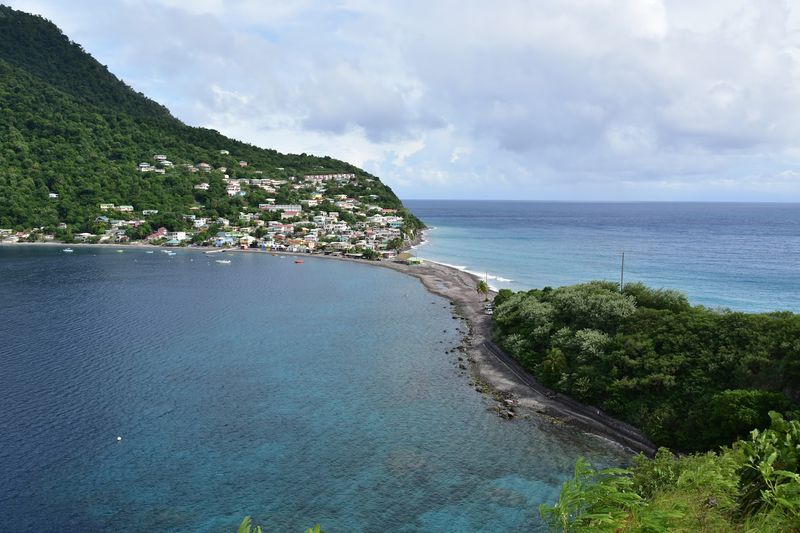
Dominica calls itself the Nature Isle of the Caribbean, and unlike most tourism slogans, this one is completely accurate. There are no big resort strips here.
What you get instead is the most biologically intact island in the entire Caribbean region.
The Boiling Lake is one of the world’s largest hot springs, sitting inside a volcanic crater accessible only by a full-day hike through rainforest and sulfur-smelling valleys. It is challenging, weird, and completely unforgettable.
The guides who lead the trail know every plant and bird by name.
Dominica has over 365 rivers, one for every day of the year locals like to say. Freshwater swimming holes, hot spring rivers, and waterfall pools are scattered across the island.
Titou Gorge, a narrow slot canyon with warm water, featured in a Pirates of the Caribbean film.
The island is actively rebuilding after Hurricane Maria in 2017 and positioning itself as the world’s first climate-resilient nation. Visiting supports that mission directly.
Whale watching here, particularly for sperm whales, is world-class year-round.
Rapa Nui, Chile
Easter Island is so remote that the nearest inhabited land is over 2,000 kilometers away. That isolation is exactly what makes it one of the most fascinating places on earth.
The moai did not build themselves, and the mystery of how and why they were made has kept archaeologists arguing for decades.
The 1,000 moai statues scattered across the island are staggering in person. Ahu Tongariki, with 15 statues lined up against a volcanic backdrop, is the most dramatic site.
Watching sunrise there is the kind of experience that rewires something in your brain permanently.
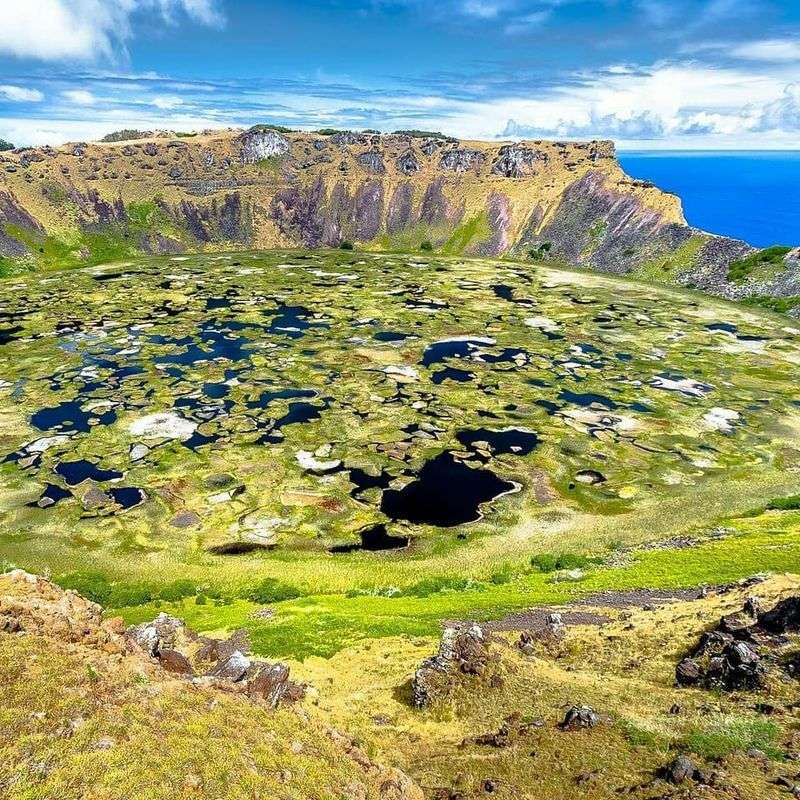
Rapa Nui National Park covers most of the island and is a UNESCO World Heritage Site. Hiking to Rano Kau, a volcanic crater lake filled with floating vegetation, takes about an hour and delivers views in every direction.
The Orongo ceremonial village perched at the crater rim adds another layer of history.
The Rapa Nui people are deeply proud of their heritage and actively involved in preserving it. Cultural performances, local restaurants, and guided tours by native islanders make this more than a sightseeing trip.
It is a genuine encounter with a living culture.
Newfoundland, Canada
Newfoundland is where icebergs go to retire. Every spring, massive chunks of ancient ice drift down from Greenland along what locals cheerfully call Iceberg Alley.
Watching a 10,000-year-old iceberg float past a brightly painted fishing village is the kind of visual that simply does not get old.
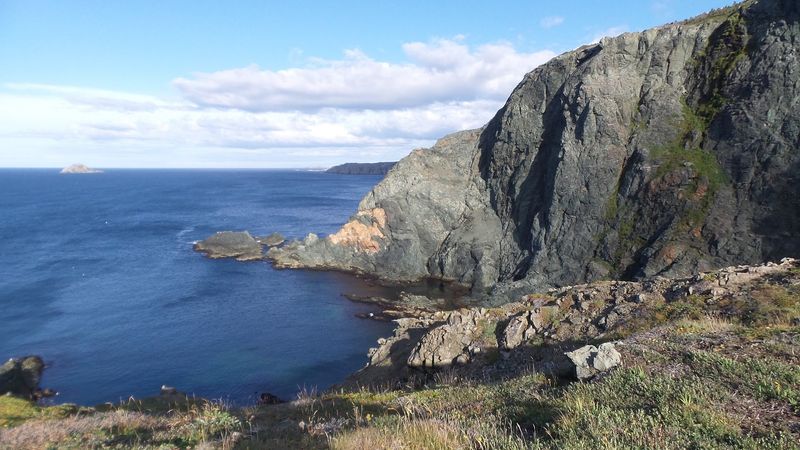
The island’s coastline is wild and largely untouched. Gros Morne National Park contains some of the world’s best exposed ancient geology.
The Tablelands, a flat orange plateau, are literally part of the earth’s mantle pushed to the surface. Geologists lose their minds here in the best possible way.
Newfoundlanders themselves are the secret ingredient that makes visiting so memorable. The accent is unlike anything else in Canada, the humor is dry and constant, and the hospitality is completely genuine.
Screech-in ceremonies, where visitors are officially made honorary Newfoundlanders, are ridiculous and wonderful in equal measure.
Moose outnumber cars on many roads, puffins nest by the millions on coastal cliffs, and humpback whales feed near shore in summer. For wildlife density, this island genuinely competes with anywhere on the planet.
Share this story