Kansas might not be the first place that comes to mind when you think about stargazing, but the state is hiding some seriously impressive night skies. Far from the city lights, the wide open plains and rolling hills create natural dark sky conditions that rival some of the best spots in the country. Many Kansas state parks have earned Bortle Class 2 ratings, which means the skies above them are among the darkest you can find anywhere. This list covers 14 remarkable locations across the state where the stars put on a real show, and some of them might surprise you with how spectacular they truly are.
1. Cedar Bluff State Park, Ellis, Kansas
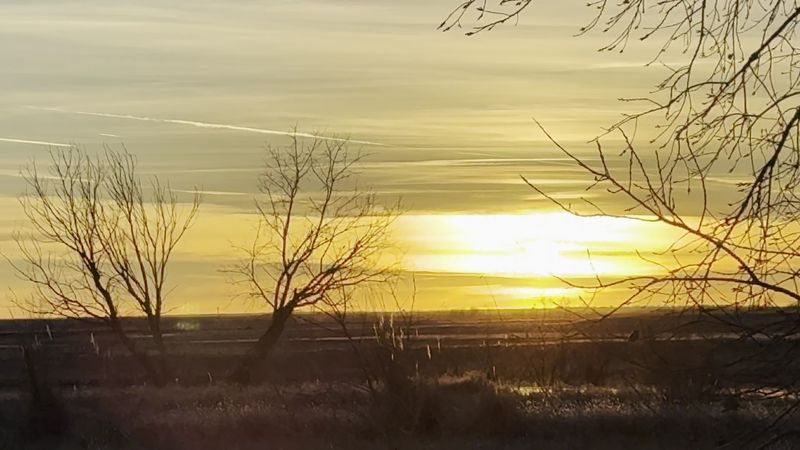
Few places in Kansas can claim a Bortle Class 2 dark sky rating, but Cedar Bluff State Park earns it without question. Located 13 miles south of Interstate 70, this 1,100-acre park wraps around Cedar Bluff Lake and keeps artificial light far enough away that the Milky Way becomes a nightly headline act.
The park is split into two areas: Bluffton on the north shore and Page Creek on the south. Page Creek is the go-to for serious stargazers, offering primitive camping beneath large shade trees with minimal light interference.
With 96 utility campsites and 250 primitive sites just in Bluffton alone, you have plenty of options for spending the night. Astrophotographers especially love this spot for its consistently clear views after dark.
2. Little Jerusalem Badlands State Park, Oakley, Kansas
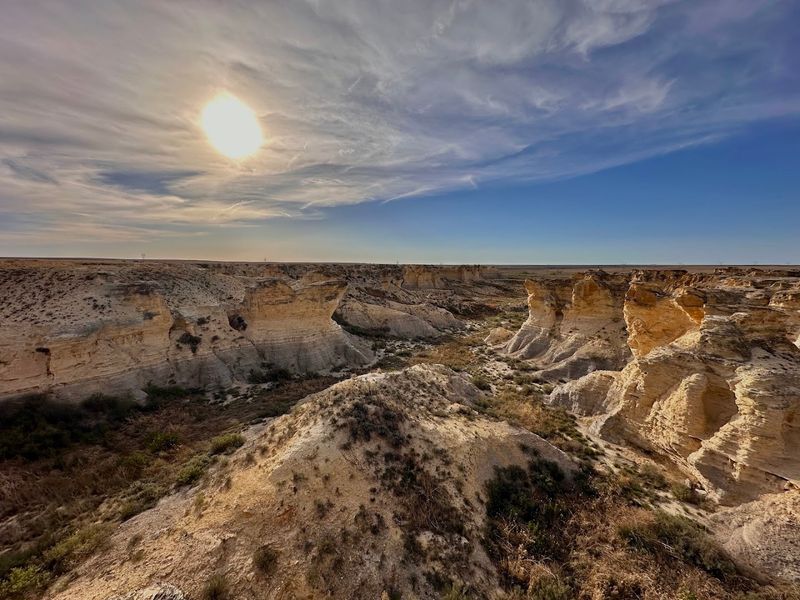
Imagine 100-foot chalk spires rising from the Kansas prairie, and then picture them framed by a sky packed wall to wall with stars. That is exactly what Little Jerusalem Badlands State Park delivers, and it does so with a Bortle Class 2 dark sky rating to back it up.
This 332-acre park was established in 2018 and features a mile-long stretch of Niobrara Chalk formations that date back roughly 85 million years. The park hosts night sky watching events up to twice a year, and during those events, staff guide visitors to designated trails and overlooks for the best views.
Off-trail photography excursions are available by reservation, giving astrophotographers access to some truly dramatic foreground scenery. The park is situated about 22 miles south of Oakley via US Highway 83.
3. Kanopolis State Park, Marquette, Kansas
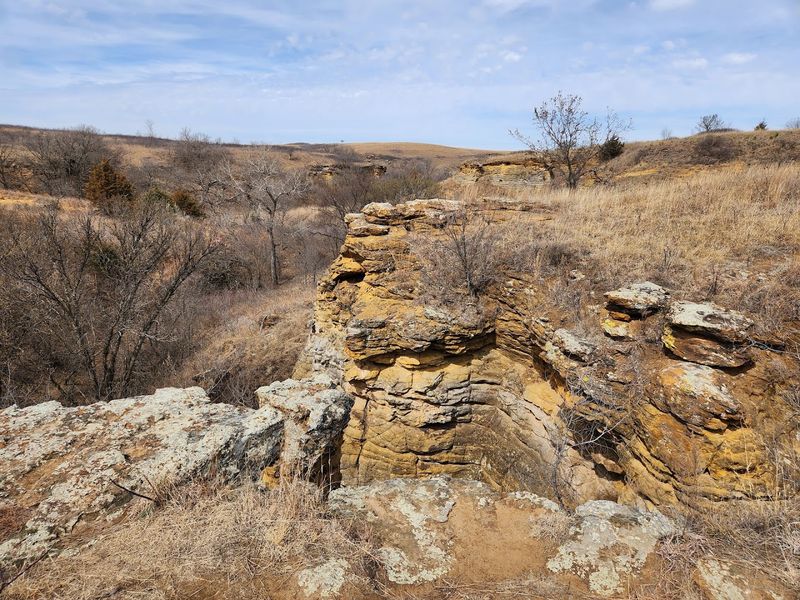
Kansas’ very first state park turns out to also be one of its best spots for stargazing, which feels like a fitting bonus for such a historic place. Kanopolis State Park spans 1,585 acres in the Smoky Hills Region and carries a Bortle Class 2 dark sky rating that makes meteor shower nights genuinely exciting.
After a day exploring sandstone bluffs or the trails near Horsethief Canyon, campers can head to Eagle Point on the north side or Mulberry on the south end for the least light interference. The park offers 450 campsites ranging from primitive tent spots to full RV hookups, plus six rental cabins for those who prefer a roof overhead.
With 31 miles of trails for hiking, biking, and horseback riding available during the day, Kanopolis manages to impress visitors from sunrise all the way through to starfall.
4. Wilson State Park, Sylvan Grove, Kansas
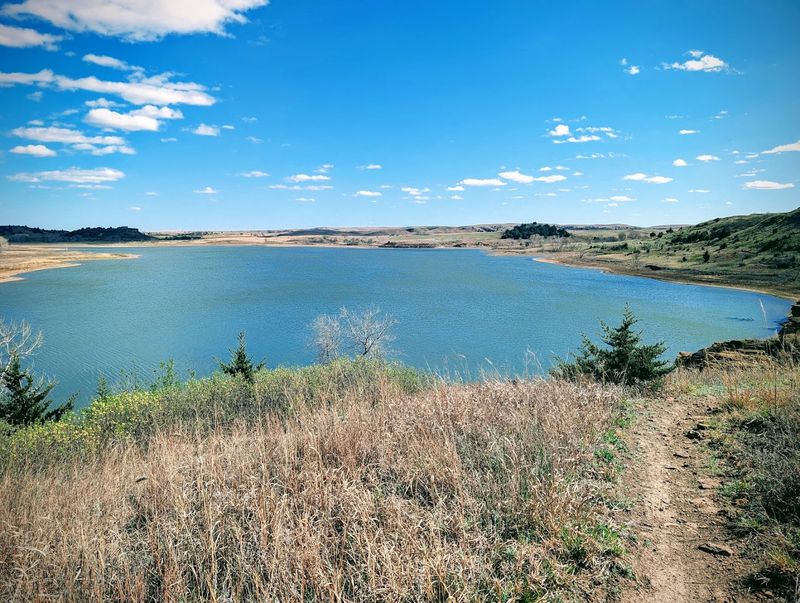
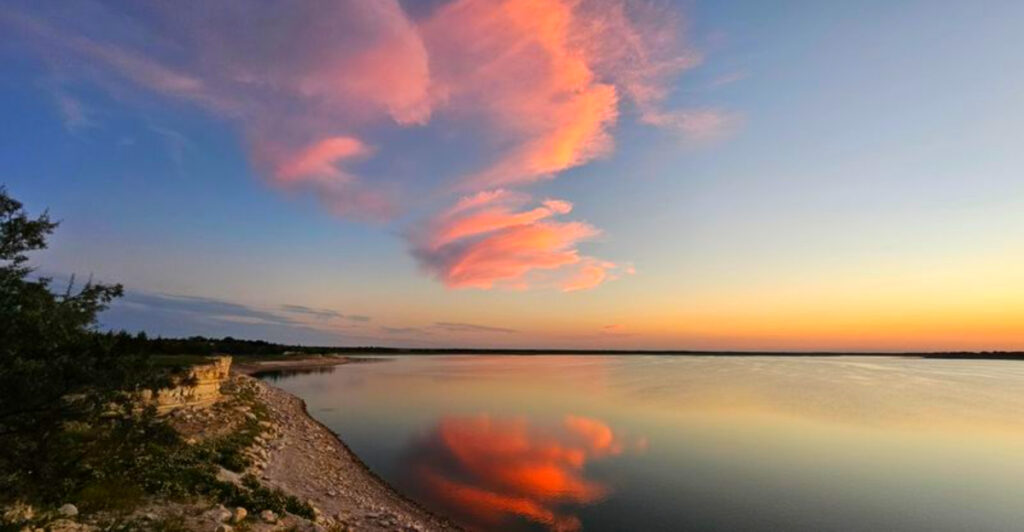
Wilson Lake has a reputation as one of the clearest reservoirs in Kansas, and it turns out that clarity works just as well for reflecting stars as it does for fishing. Wilson State Park holds a Bortle Class 2 rating, and the rugged landscape surrounding the lake provides a dramatic setting for watching constellations appear overhead.
Camping on the south side of the park is the smart move for stargazers, since the north side can catch more light interference from wind turbines. The park has even been recognized as one of the top state parks for camping in the entire country, so comfort and dark skies come as a package deal here.
On a clear night, the view from a south-side campsite can feel almost unreal, with bright stars scattered across the sky and their reflections spread across the calm water below.
5. Historic Lake Scott State Park, Scott City, Kansas
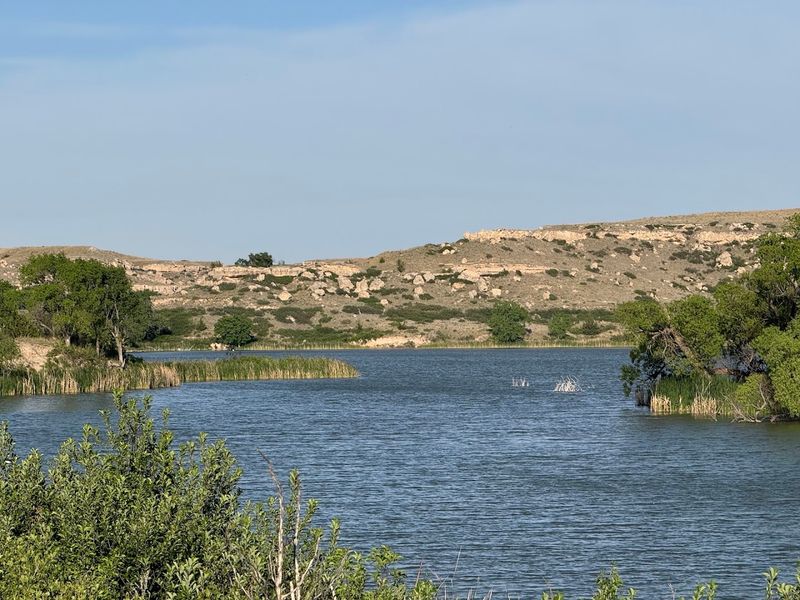
Most visitors come to Historic Lake Scott State Park expecting a pretty lake and maybe some history, and they are right on both counts. What catches people off guard is how genuinely dark the skies get here after sunset, earning the park a Bortle Class 2 rating alongside its more famous daytime attractions.
The park sits in a secluded valley surrounded by limestone bluffs, wooded areas, and natural springs that feel completely out of place on the surrounding flat prairie. That seclusion is exactly what keeps light pollution at bay and makes moonless nights here particularly impressive.
Camping options within the park place visitors right in the middle of some of the darkest skies in the state. The combination of unusual terrain and excellent night sky access gives Historic Lake Scott a personality that very few Kansas parks can match.
6. Meade State Park, Meade, Kansas
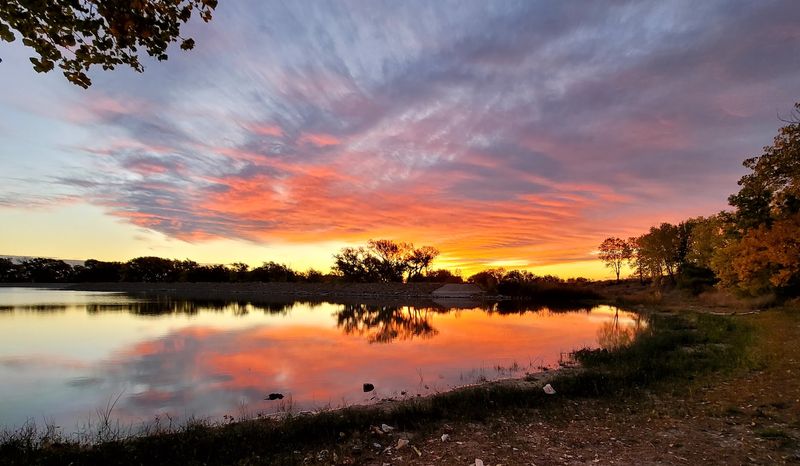
Deep in southwest Kansas, Meade State Park sits in some of the most open and undeveloped countryside in the entire state, which turns out to be a major advantage once the sun goes down. The park holds a Bortle Class 2 dark sky rating, and on a clear night, the Milky Way arches overhead with a clarity that makes first-time visitors stop mid-sentence.
Campers who set up near the lake find that the surrounding open countryside amplifies the feeling of being completely under the stars with nothing blocking the view in any direction. There are no major cities nearby to wash out the horizon, which means the sky stays dark from edge to edge.
Meade is the kind of place where the phrase “half the park is after dark” actually holds up. The quiet campgrounds make it easy to simply pull up a chair and enjoy the show.
7. Cross Timbers State Park, Toronto, Kansas
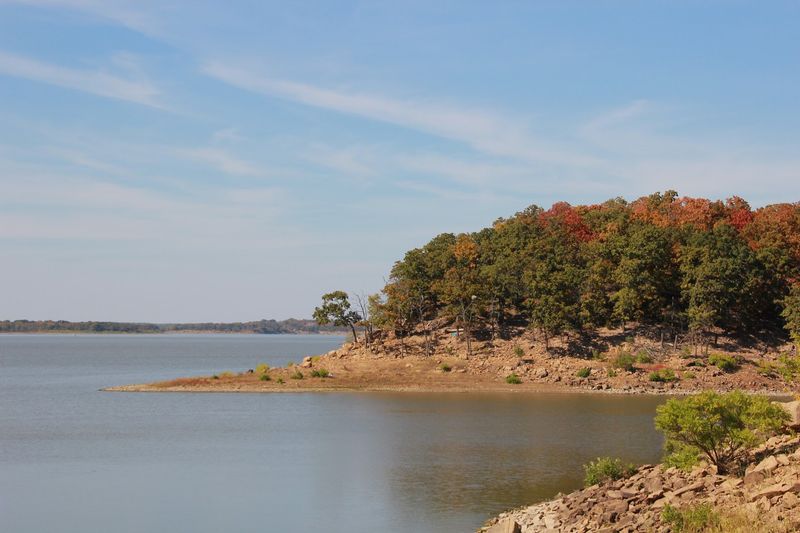
Cross Timbers State Park is one of those places that surprises people who expect Kansas to be nothing but flat fields. The park covers 1,075 acres of hardwood trees and grasslands in the Cross Timbers region, and it holds a Bortle Class 2 dark sky rating that makes nighttime just as rewarding as the daytime scenery.
Toronto Lake sits at the heart of the park, and the shaded campsites along its shore offer a comfortable base for an evening of constellation hunting. The park features both full RV hookup sites and primitive camping spots, along with four modern cabins for those who want to stay without roughing it too much.
Once the trees fade into silhouettes and the sky opens up above the lake, the star density overhead can be genuinely impressive. The oak forest canopy creates natural framing for wide-angle sky views from open clearings.
8. Fall River State Park, Fall River, Kansas
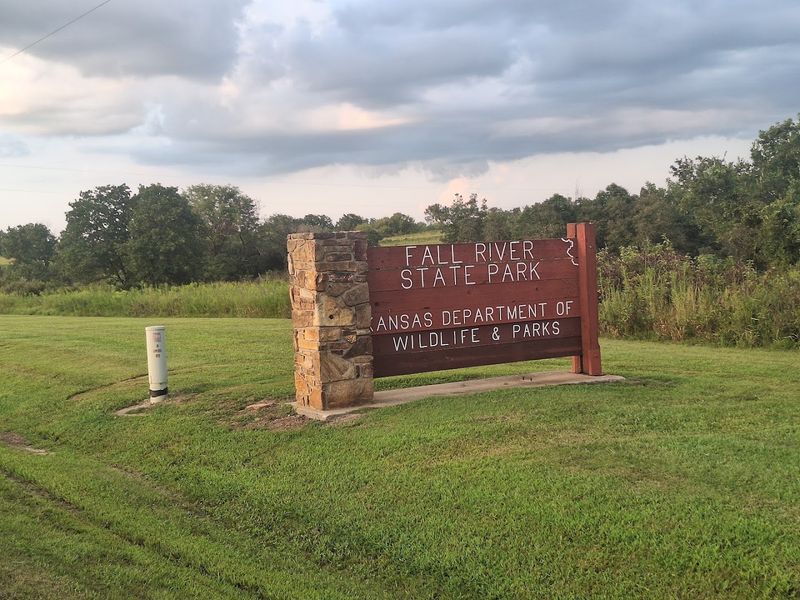
Fall River State Park has a secret weapon that most parks cannot offer: an organized annual star party hosted by the Kansas Astronomical Observers at the Casner Creek Campgrounds. During these events, park rangers actually switch off the park lights to maximize the dark sky experience, which is the kind of commitment stargazers appreciate.
The park holds a Bortle Class 2 dark sky rating, and the wooded shoreline and rolling hills help block distant light sources from interfering with the view. Educational programs during star party events cover planets, moons, constellations, and nebulae, and telescopes provided by the KAO give visitors a close-up look at things invisible to the naked eye.
Visitors are encouraged to use red lights instead of white flashlights to protect night vision during events. A park vehicle permit is required for entry, so plan accordingly before making the trip.
9. Webster State Park, Stockton, Kansas
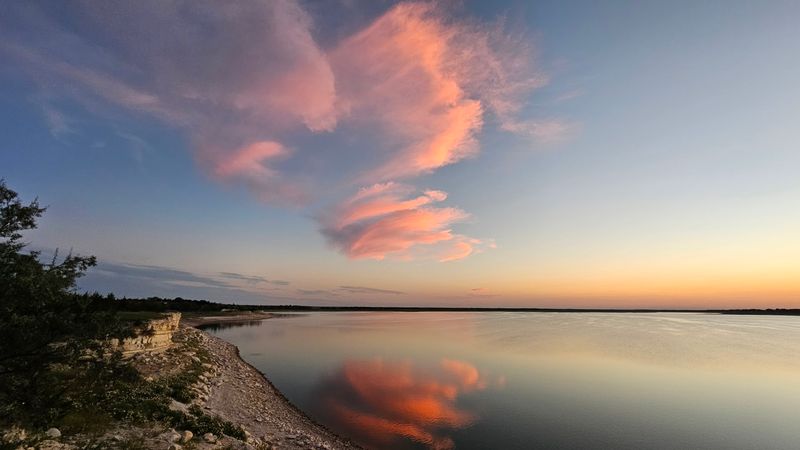
Northwestern Kansas does not get nearly enough credit for its night skies, and Webster State Park is a prime example of what that corner of the state has to offer. The park earns a Bortle Class 2 dark sky rating, placing it among the darkest locations available to overnight visitors in the entire state.
Webster Lake anchors the park and provides a calm, open surface that stretches the visual field nicely on clear evenings. The surrounding landscape is flat enough to give unobstructed views toward the horizon in multiple directions, which matters a lot when planets are rising low in the east or a meteor shower is active near the edge of the sky.
Passing satellites are easy to spot here on most nights, and bright planets can often be tracked without any equipment. The quiet setting makes it a genuinely relaxing place to spend a night outdoors.
10. Tallgrass Prairie National Preserve, Strong City, Kansas
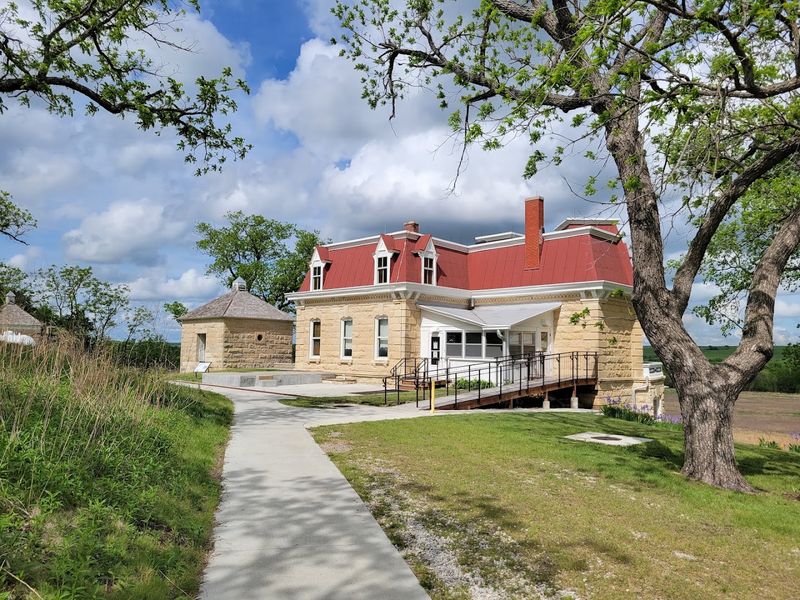
The Flint Hills region of Kansas is one of the last places in North America where tallgrass prairie still exists at a large scale, and the night sky above it is just as impressive as the landscape below. Tallgrass Prairie National Preserve is a recognized dark sky location where the Milky Way is clearly visible on most clear nights throughout the year.
The preserve hosts regular night sky events featuring astronomy programs and telescope viewing guided by experts from the Emporia State University Planetarium. The historic Lower Fox Creek Schoolhouse within the preserve serves as a noted gathering point for stargazing groups.
Trails throughout the preserve remain open 24 hours a day, seven days a week, giving night visitors the freedom to explore after dark. The preserve is located two miles north of Strong City on Kansas State Highway 177 and is easy to find.
11. Prairie Dog State Park, Norton, Kansas
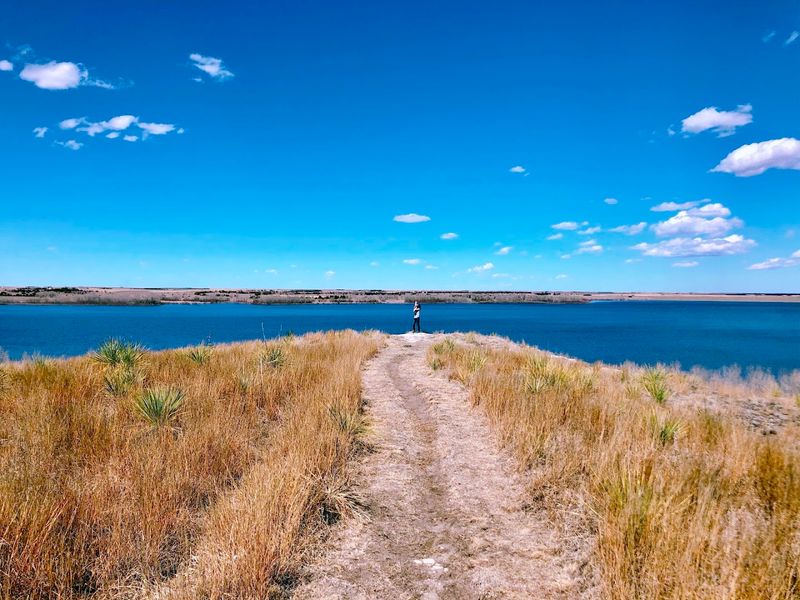
Named after one of the prairie’s most entertaining residents, Prairie Dog State Park in Norton is quietly one of the most underrated stargazing destinations in Kansas. The park is listed as a recognized dark sky location, and its open reservoir and wide prairie landscape create the kind of unobstructed sky views that serious sky watchers look for.
The campgrounds here tend to stay peaceful and uncrowded, which means fewer lights from neighboring campers to disrupt the darkness. That low-key atmosphere makes it easy to set up a chair, look straight up, and spend an unhurried evening tracking constellations across the sky.
Norton sits in a part of northwestern Kansas where the nearest major city is a comfortable distance away, keeping the horizon dark in nearly every direction. For anyone curious about what Kansas looks like after dark, this park makes a convincing argument.
12. Lovewell State Park, Webber, Kansas
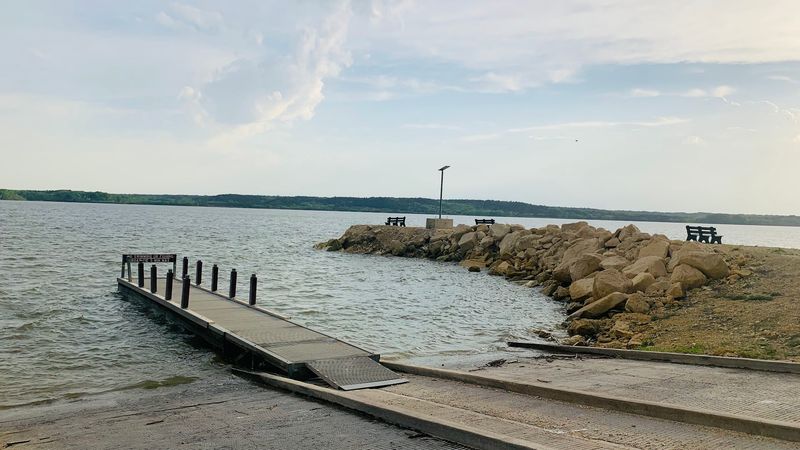
Tucked near the Nebraska border in north-central Kansas, Lovewell State Park benefits from the kind of rural isolation that keeps light pollution from creeping into the night sky. The park carries a Bortle Class 2 dark sky rating, which puts it in the top tier of stargazing destinations the state has to offer.
Lovewell Reservoir sits at the center of the park and provides a calm, reflective surface that doubles the visual impact of a clear, star-filled sky on quiet evenings. Overnight campers consistently report excellent viewing conditions, particularly during periods when the moon is new and the sky stays fully dark from dusk onward.
The combination of peaceful lakeside scenery, minimal traffic, and genuinely dark horizons makes Lovewell feel like a well-kept secret. Visitors who make the trip up to this corner of Kansas rarely leave disappointed by what the night has in store.
13. Clinton State Park, Lawrence, Kansas
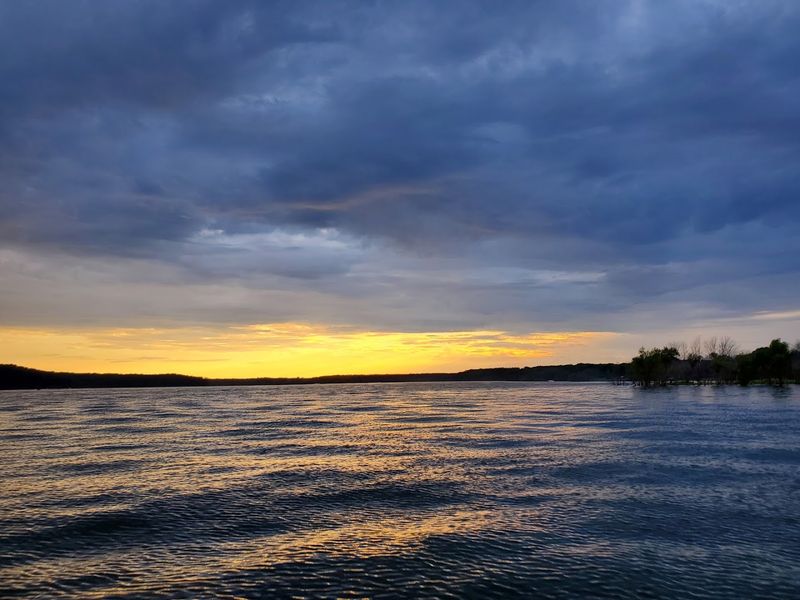
Clinton State Park might be the closest thing to a compromise on this list, sitting within range of Lawrence but still offering night sky views that reward patient visitors willing to find the right spot. Unlike the remote western Kansas parks, Clinton works with its surroundings rather than against them, and on clear evenings, bright constellations and occasional meteor activity are still very much on the table.
The park wraps around Clinton Lake, and certain areas farther from the main entrance tend to produce noticeably darker skies than spots near the busier campgrounds. Knowing where to position yourself makes a real difference here.
For anyone based in eastern Kansas who wants a stargazing outing without a three-hour drive, Clinton State Park offers a practical and accessible option. It may not match the Bortle Class 2 parks to the west, but it still delivers a solid night sky experience.
14. Teter Rock, Cassoday, Kansas
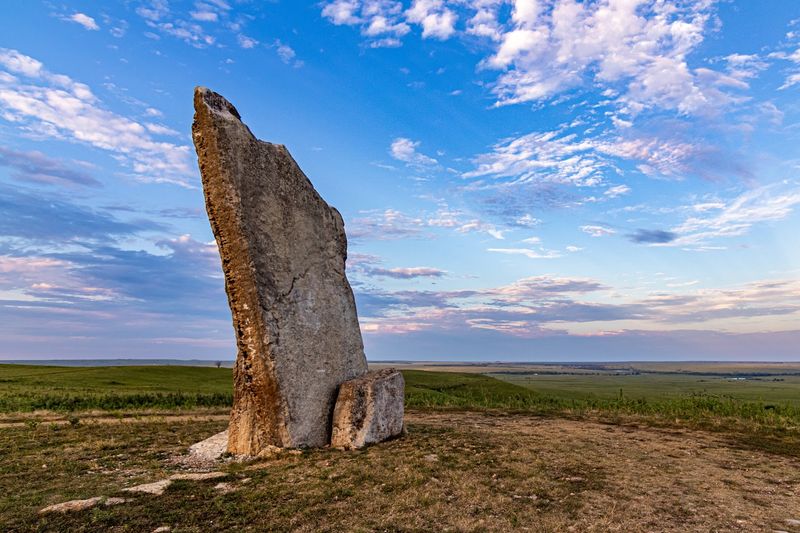
Standing 16 feet tall on a Flint Hills hilltop, Teter Rock was originally built around 1880 as a navigational landmark for travelers crossing the open prairie. Today, it serves a completely different kind of navigation: helping astrophotographers and stargazers find their way to one of the most panoramic night sky views in Kansas.
The site is accessible via gravel roads between Emporia and El Dorado, and the surrounding area stays genuinely rural, with cattle occasionally wandering on fenceless roads nearby. Skies in most directions remain dark, with only faint distant light from Emporia and El Dorado and some flashing lights from a wind farm to the south.
Major meteor showers draw significant crowds of photographers to Teter Rock, which is a reliable sign that the location delivers. The monument itself makes for a compelling foreground subject when paired with a Milky Way backdrop on a clear night.
Share this story