 Unearth The Voyage
Some lakes are so beautiful that travelers show up, take a photo, and leave without realizing they just skipped the best part. The world is full of lakeside destinations that reward slow travel, long mornings, and the kind of wandering that has no fixed schedule.
I learned this the hard way after spending exactly forty-five minutes at a stunning lake before rushing to catch a bus, only to hear later about the hidden trails, boat rides, and local restaurants I had completely missed. These fourteen places are worth more than a quick visit, and here is why you should actually stay.
Hallstatt, Austria
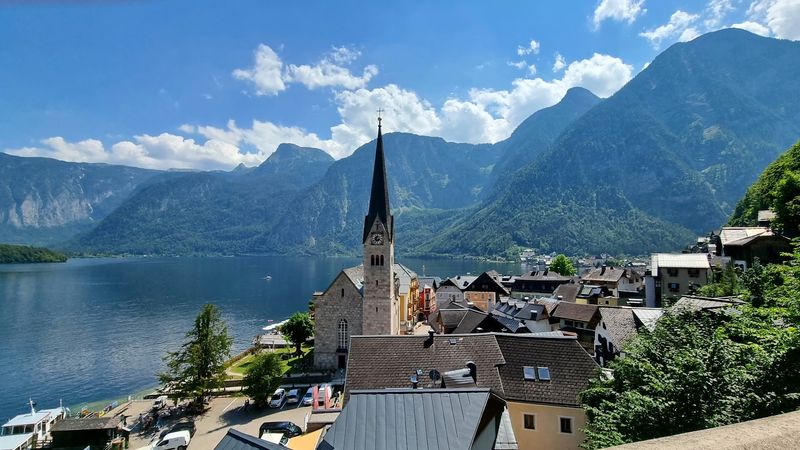
Hallstatt has been photographed so many times that it almost feels like a postcard come to life, but the real magic kicks in after the day-trippers leave. This UNESCO World Heritage village sits on the edge of a glittering Alpine lake in the Salzkammergut region, and its history runs incredibly deep.
Salt mining here dates back over 7,000 years, making it one of the oldest continuously inhabited settlements in Europe.
The lakefront promenade is gorgeous, but the old salt mine tour is genuinely fascinating and worth every step of the climb. Local restaurants serve hearty Austrian food that pairs perfectly with the mountain air.
Plan to stay at least two nights so you can explore at your own pace without competing with tour groups. Early mornings here are almost criminally peaceful, with mist rolling off the water before the crowds arrive.
Bled, Slovenia
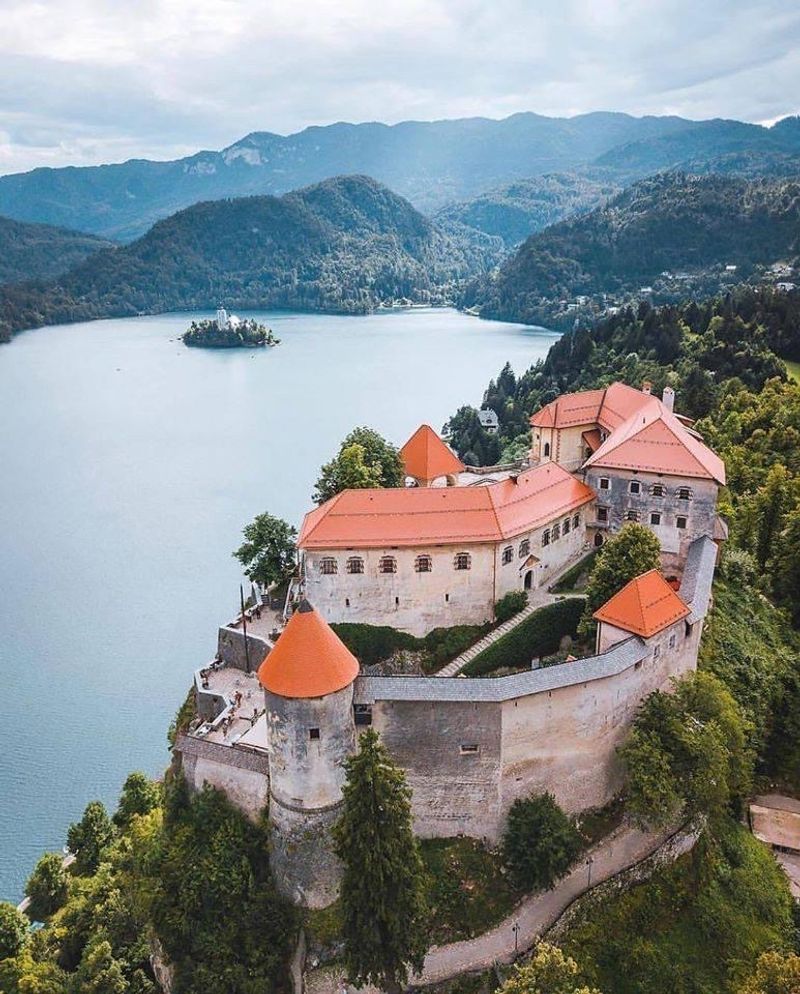
There is a tiny island in the middle of Lake Bled with a church on it, and yes, you can row yourself there in a wooden boat called a pletna. That detail alone should convince you this place deserves more than a half-day visit.
Slovenia’s most famous destination has a way of pulling you in with one view and keeping you there with a dozen more.
Bled Castle sits dramatically on a cliff above the lake and offers one of the best panoramic views in Central Europe. The town below has solid restaurants, hiking trails, and a cream cake called kremna rezina that locals take very seriously.
Seasonal events add another layer of appeal throughout the year. Give yourself at least two full days here, and you will still leave wishing you had booked one more night.
Annecy, France
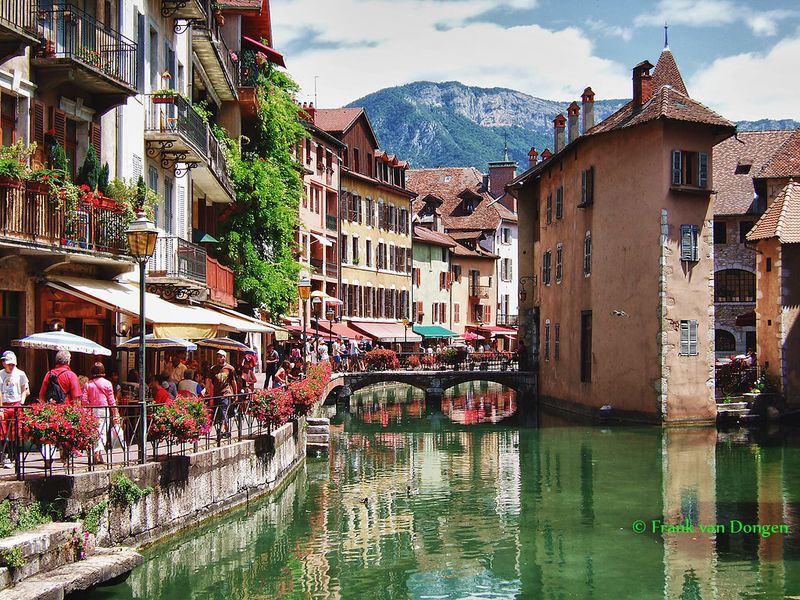
Called the Venice of the Alps, Annecy has canals, a medieval old town, and one of the cleanest lakes in Europe all packed into one very charming corner of southeastern France. The Lake Annecy Tourist Office promotes this as a full-region destination, and they are not exaggerating.
There is genuinely a lot going on here beyond the famous Instagram canal shot.
Cycling around the lake is a popular and very rewarding activity, covering about 40 kilometers of well-maintained paths with mountain views the entire way. Paddleboarding, kayaking, and sailing are all easy to organize from the lakeshore.
The restaurant scene in the old town is excellent, with plenty of Savoyard specialties like fondue and raclette to keep you warm after a day outdoors. Annecy works beautifully as a base for several days of mixed activities, and the surrounding mountain villages are worth exploring too.
Bellagio, Italy
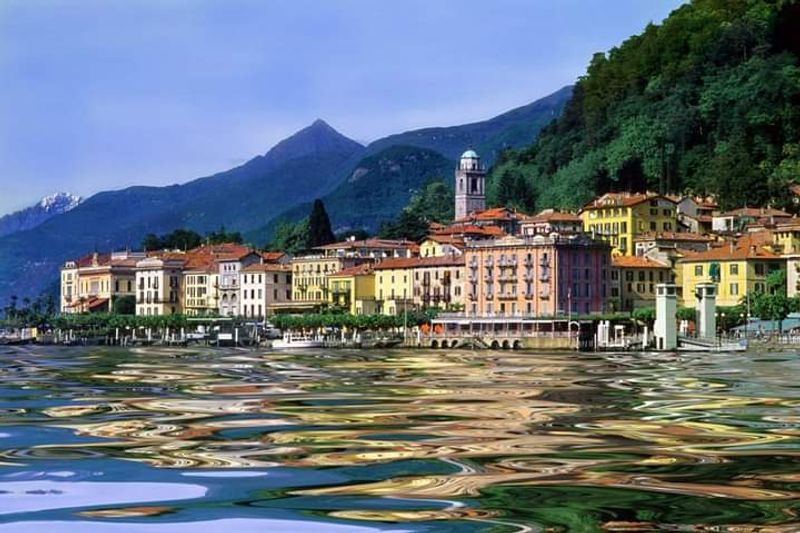
Bellagio sits at the exact point where Lake Como splits into two branches, giving it views in almost every direction and a geographic drama that no amount of tourism brochures can oversell. Most visitors zip through on a ferry, snap a few photos from the waterfront, and head back to Milan.
That is a genuinely regrettable choice.
The town has narrow cobblestone lanes climbing steeply uphill, filled with local shops, trattorias, and gardens that bloom spectacularly in spring. Villa Melzi and Villa Serbelloni both offer manicured grounds that are worth a proper afternoon.
Lombardy’s official tourism resources frame Bellagio as a year-round destination, which tracks because autumn here brings golden light and far fewer tourists. Two unhurried days gives you time to catch a sunset from the promenade, eat well, and actually feel like you belong somewhere rather than just passing through.
Montreux, Switzerland
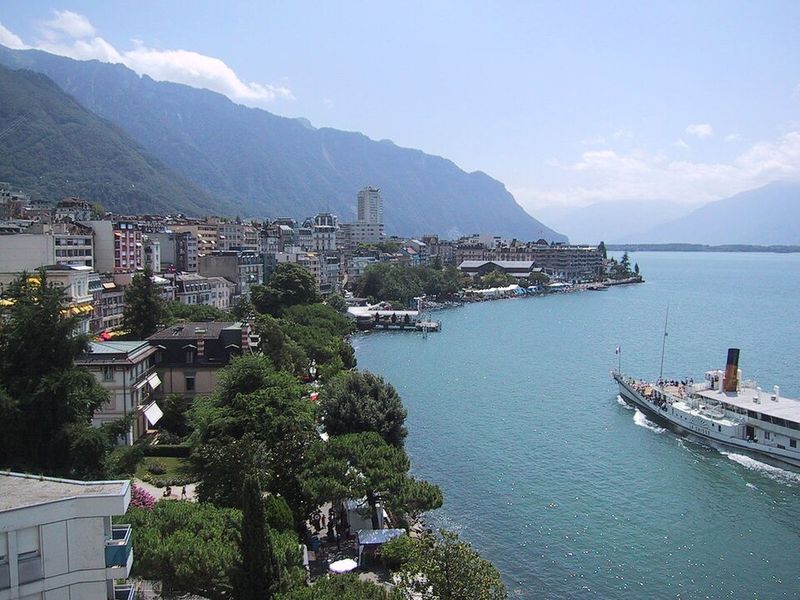
Montreux is the kind of place where the lake and the mountains compete for your attention at the same time, and somehow neither one wins because both are spectacular. Best known for its jazz festival and the nearby Chillon Castle, this Swiss Riviera town has a lot more going on than its postcard reputation suggests.
The lakeside promenade stretches for several kilometers and is lined with palm trees, which feels slightly surreal given the snowy Alps looming in the background. Chillon Castle alone is worth a dedicated half-day visit, with its medieval towers, dungeon, and lakefront setting making it one of the best-preserved castles in Europe.
The Montreux Riviera tourism network is well-organized, with mountain excursions, wine routes, and cultural events available throughout the year. Stay long enough to take the train up to Rochers-de-Naye for mountain views that reframe everything you thought you knew about this lake.
Ohrid, North Macedonia
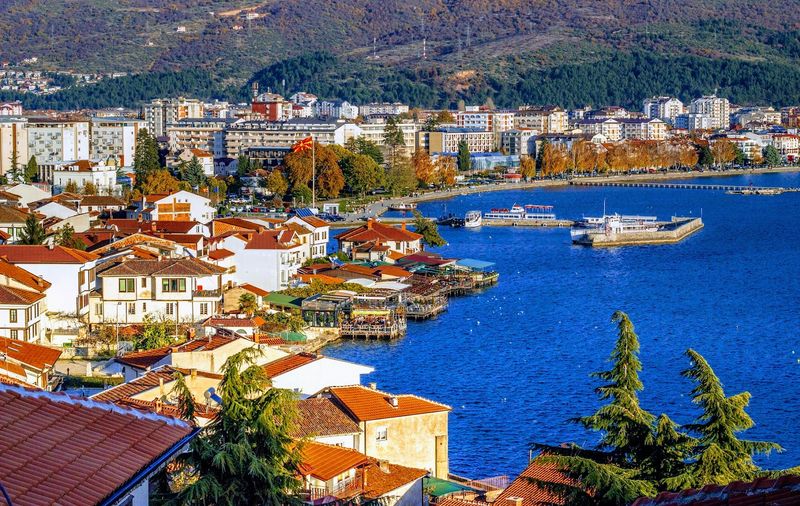
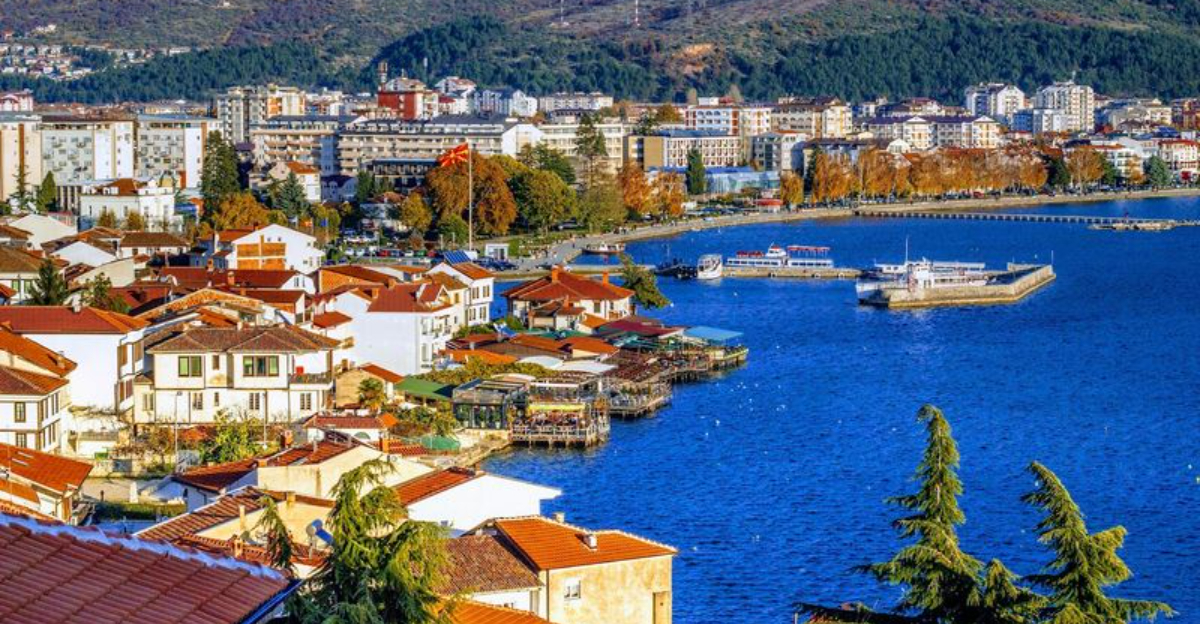
Ohrid might be the most underrated lake destination in all of Europe, and that is not a small claim. North Macedonia’s crown jewel sits on one of the world’s oldest lakes, which is estimated to be between three and five million years old and home to species found nowhere else on Earth.
The old town is a UNESCO World Heritage Site packed with Byzantine churches, some of which are carved directly into the rock face above the lake. The fortress of Tsar Samuel offers sweeping views over the water that genuinely stop you mid-step.
Unlike many European lake towns, Ohrid still has an authentic local character that has not been entirely swallowed by tourism. Prices are refreshingly reasonable, the food scene centers on freshwater fish and Balkan classics, and the pace of life encourages lingering.
Budget at least three days and you will likely start looking at longer-stay apartments.
Lake Kawaguchiko, Japan
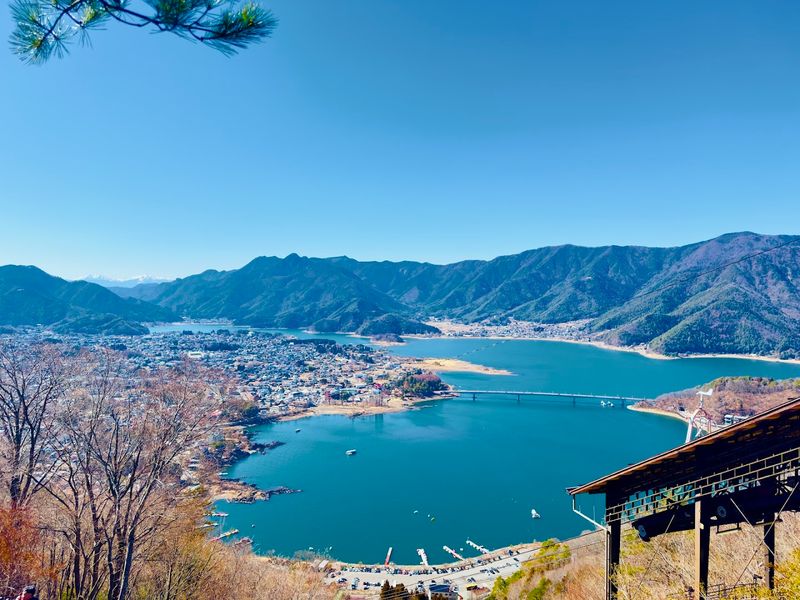
Mount Fuji gets all the credit, but Lake Kawaguchiko is quietly doing most of the heavy lifting in terms of actual visitor experience. Yes, the reflection of Fuji on the lake is as good as every photo suggests, but the lake itself is a full destination with hot springs, boat excursions, cycling paths, and a string of small museums worth visiting.
The Fuji Five Lakes region surrounding Kawaguchiko changes dramatically with each season, from cherry blossoms in spring to vivid red maples in autumn. Japan’s official tourism board and Yamanashi’s regional guides both present this area as a multi-day destination, and the onsen options alone could fill a lazy afternoon very happily.
I once rushed through here on a day trip and missed the evening light on the water entirely, which remains a genuine regret. Give it two nights minimum and you will leave with photos that actually look different from everyone else’s.
Udaipur, India
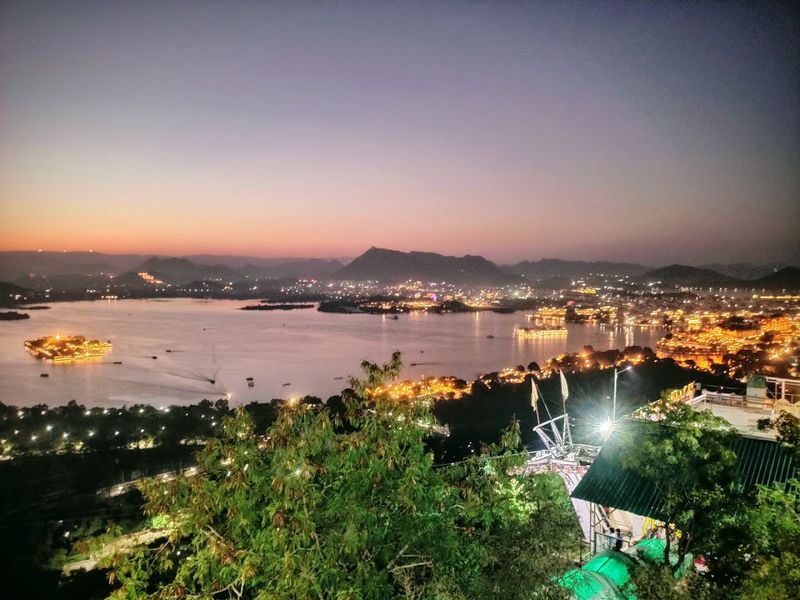
Udaipur is the kind of city that makes you feel like you accidentally walked into a film set, except the palaces, ghats, and lake views are entirely real. Lake Pichola has been the centerpiece of this Rajasthani city for centuries, and its two famous islands, Jag Niwas and Jag Mandir, both carry history that rewards a proper visit rather than a passing glance from the shore.
The City Palace complex overlooking the lake is one of the largest palace complexes in Rajasthan and takes a solid half-day to explore properly. Rooftop restaurants around the old city offer sunset views over the water that are genuinely hard to leave.
Rajasthan Tourism describes Udaipur as a destination built around the lake experience, and that framing is accurate. Three to four days here gives you time to explore the old city lanes, catch a classical dance performance, and take a boat ride without feeling like you are racing a clock.
Pokhara, Nepal
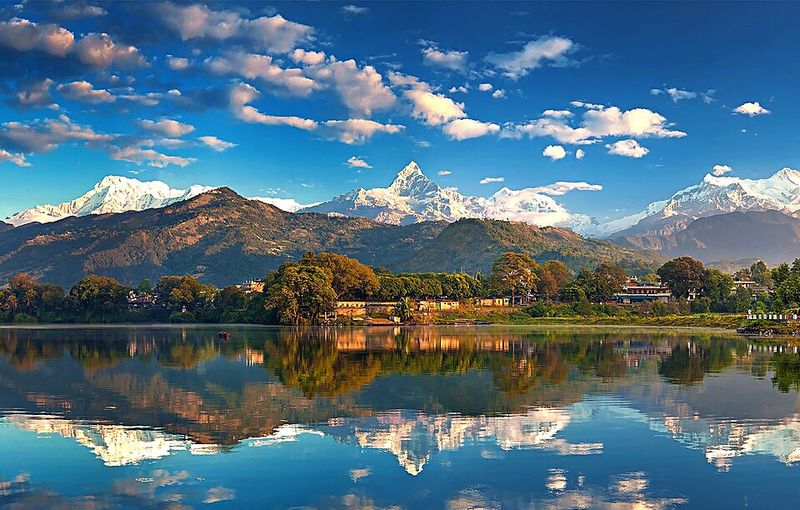
Pokhara has a relaxed energy that sneaks up on you, and before you know it, a planned two-night stop has turned into a week. Phewa Lake sits at the heart of the city, and the Annapurna range visible behind it creates one of the most jaw-dropping backdrops of any lakeside town on the planet.
The Nepal Tourism Board promotes Pokhara as an adventure hub as well as a scenic retreat, and both descriptions are accurate. Paragliding launches from the hills above the lake, kayaking and rowing are available on the water, and the trailheads for major Himalayan treks start nearby.
The lakeside strip called Lakeside Road has restaurants, cafes, and gear shops that cater to every kind of traveler. Phewa Lake also holds the Tal Barahi Temple on a small island, which is accessible by rowboat and adds a cultural element that balances out all the adrenaline-fueled activity options nearby.
Panajachel and Lake Atitlan, Guatemala
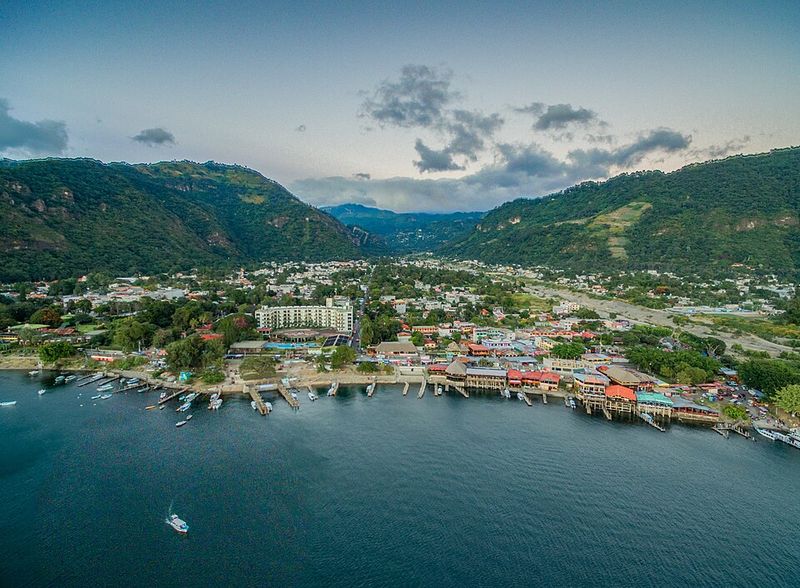
Lake Atitlan sits in a volcanic caldera and is surrounded by three active volcanoes, which gives it a geological drama that very few lakes in the world can match. Panajachel is the main gateway town on the northern shore and serves as a comfortable base with a solid range of accommodation, restaurants, and boat connections to the smaller villages around the lake.
Each village on Lake Atitlan has its own distinct personality, from the artisan markets of Santiago Atitlan to the bohemian vibe of San Marcos La Laguna. Regional tourism sources describe this as one of Guatemala’s most visited attractions, and the surrounding communities make it genuinely worth several days of exploration by boat.
The lake itself changes color throughout the day depending on cloud cover and light, shifting from deep blue to green to silver. A rushed afternoon here misses almost everything that makes it special.
Lake Kivu, Rwanda
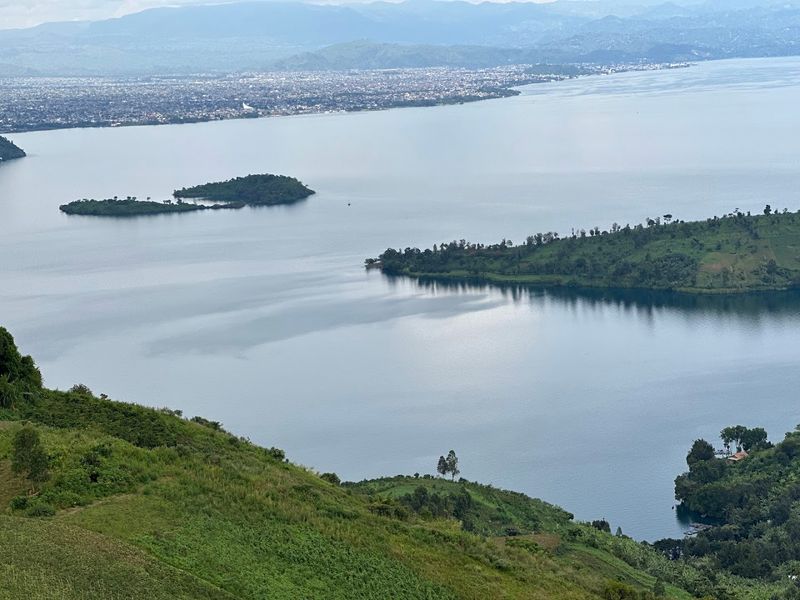
Lake Kivu sits on the border between Rwanda and the Democratic Republic of Congo, and it is one of those places that feels genuinely off the well-worn tourist trail in the best possible way. Visit Rwanda promotes it as a destination for kayaking, the Congo Nile Trail, and slow lakeside exploration, which immediately sets it apart from the more crowded lake destinations elsewhere in the world.
The Congo Nile Trail is a multi-day hiking and cycling route that runs along the lake’s Rwandan shore for about 227 kilometers, passing through tea plantations, fishing villages, and dramatic hillside scenery. Gisenyi and Kibuye are the main towns on the lake and both have waterfront guesthouses that make excellent bases.
The lake itself is unusually calm and warm, making swimming and kayaking genuinely pleasant. Coming here for just a quick stop would be like reading only the first chapter of a very good book and then putting it down.
Frutillar on Lake Llanquihue, Chile
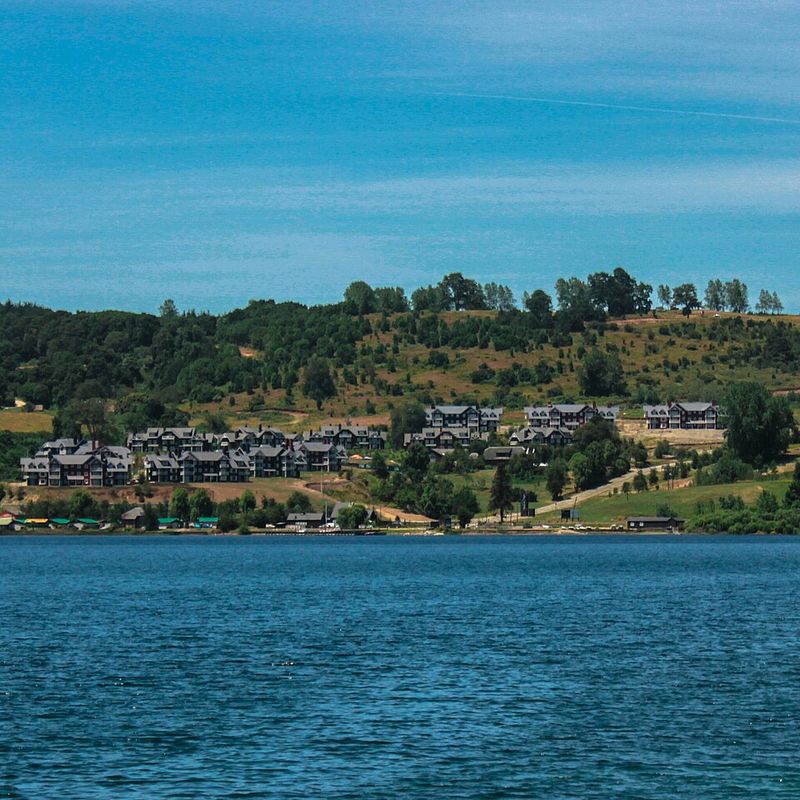
Frutillar is one of those small towns that quietly delivers more than it promises, which in this case is already quite a lot. Sitting on the western shore of Lake Llanquihue in Chile’s Los Lagos region, the town has a strong German-immigrant heritage that shows up in its architecture, pastry shops, and the annual classical music festival held every January and February.
The view of Osorno Volcano reflected in the lake is the kind of thing that makes you stop mid-sentence. Chile’s official travel resources highlight Llanquihue as a lake region worth exploring across multiple towns, including Puerto Varas and Puerto Octay, all of which are easily accessible from Frutillar.
The Teatro del Lago performing arts center right on the waterfront is a genuinely world-class venue that feels wonderfully out of place in such a small town. Plan at least two days to cover the lake region properly and sample the kuchen.
Banff and Lake Louise, Canada
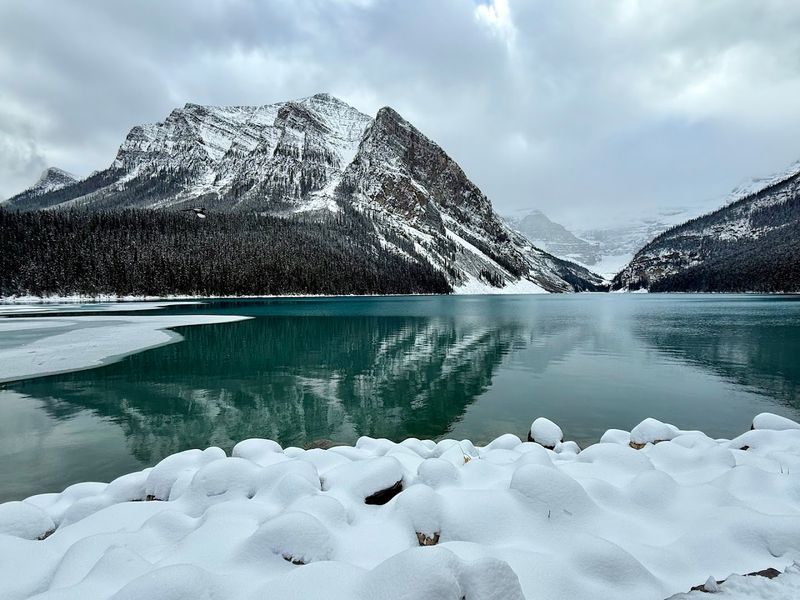
Yes, everyone has seen the photos of Lake Louise, and yes, it still looks exactly like that in real life. Famous does not mean overrated, and Banff National Park backs up its reputation with an enormous amount of actual things to do beyond standing at the lakeshore with your mouth open.
The official Banff and Lake Louise tourism site and Parks Canada both frame this as a full destination with hiking, wildlife watching, skiing, dining, and cultural programming spread across all four seasons. Lake Louise in winter, surrounded by ice and snow with skaters on the frozen surface, is an entirely different and equally spectacular experience.
Moraine Lake nearby is arguably even more dramatic and requires an early start to beat the crowds. A rushed visit here barely scratches the surface of what the park offers.
Give it at least four days and let the mountains do their thing at a pace that actually lets you appreciate them.
Queenstown, New Zealand
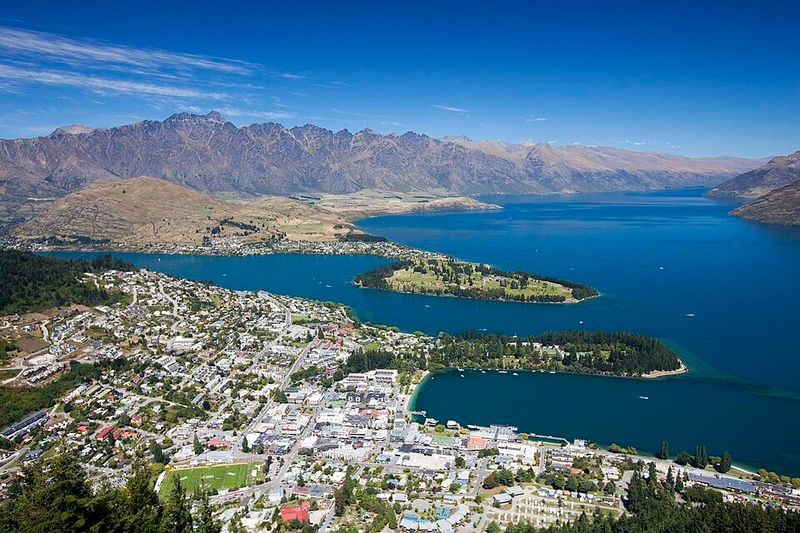
Queenstown has a reputation as the adventure capital of the world, but the town itself, sitting snugly on Lake Wakatipu with the Remarkables mountain range as a backdrop, is worth visiting even if you have zero interest in throwing yourself off anything. The lake is glacier-fed, strikingly deep, and surrounded by scenery that makes every direction a good photo.
Official tourism pages for Queenstown emphasize that this is a genuine hub for dining, hiking, skiing, and lakeside leisure, not just a launching pad for adrenaline sports. The waterfront area has excellent restaurants, craft breweries, and wine bars that make evenings here very easy to stretch out.
Nearby Glenorchy at the northern end of the lake is a stunning half-day trip that most visitors skip entirely. Queenstown is not a scenic pause on the way to somewhere else.
It is the destination, and it rewards travelers who actually treat it that way.



