 Unearth The Voyage
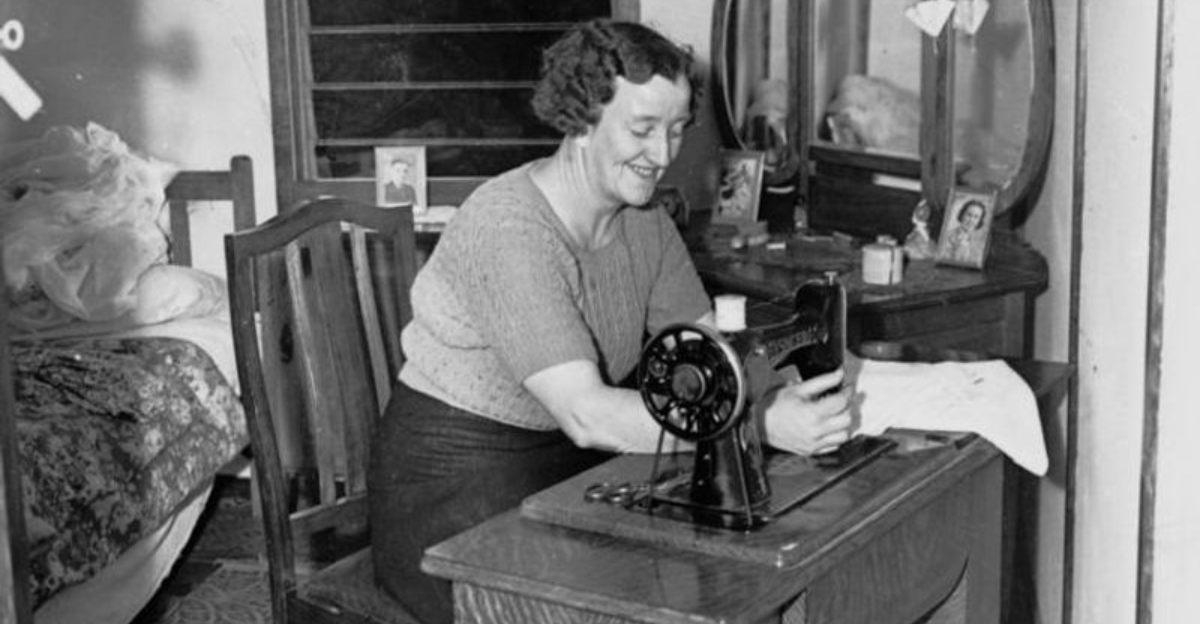
You can probably feel it already: life moves faster, but not always better. Our grandparents did more with less, building comfort and security from skills we rarely practice today. These lost arts made families resilient, creative, and connected to real results you can taste, hold, and share. Ready to borrow a few timeless tricks and bring them back home?
1. Cooking from Scratch (Without Gadgets)
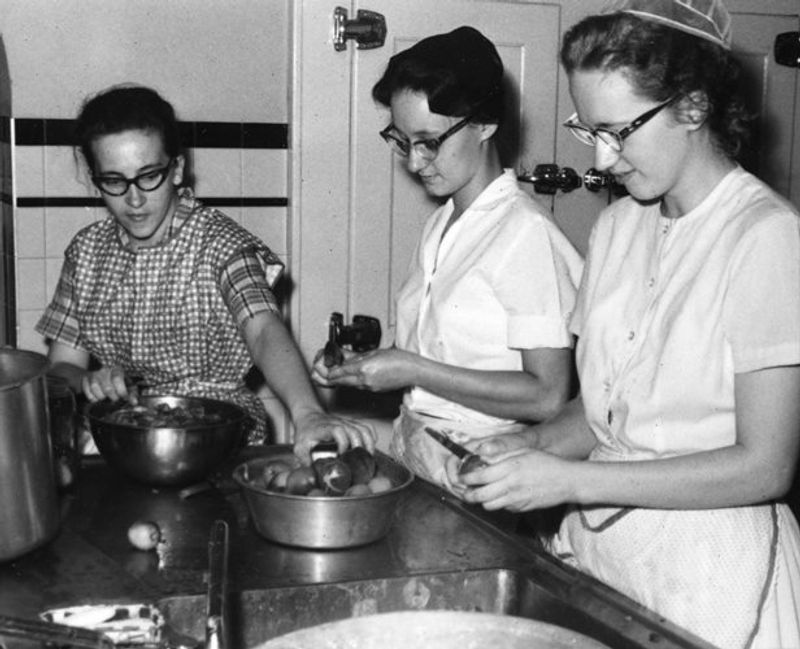
Imagine turning simple flour, onions, and bones into dinner that fills the house with aroma. Cooking from scratch teaches rhythm, patience, and trust in your senses. You salt by feel, taste as you go, and let time do its quiet magic.
Start small with a soup, a roast chicken, or a basic dough. You learn to stretch ingredients, reduce waste, and nourish people you love. No gadgets needed, just a knife, a pot, and heat. The reward is confidence that grows with every meal you master.
2. Food Preservation: Canning, Pickling, Fermenting
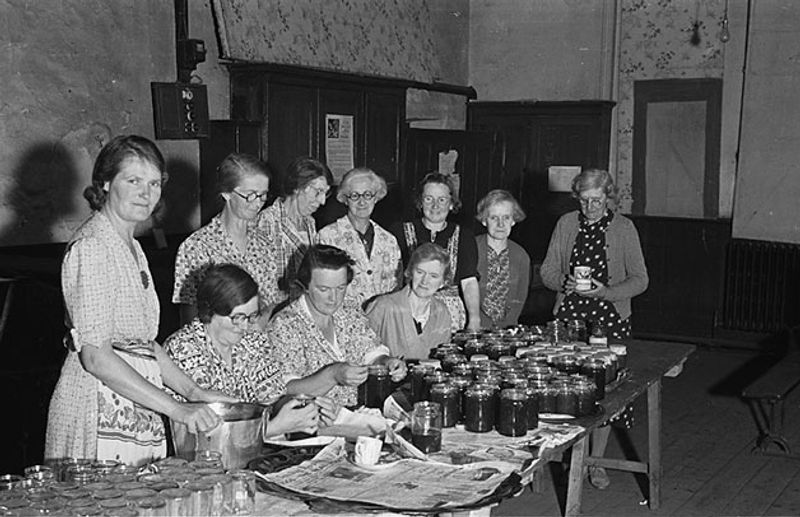
When harvests were plenty, preservation made abundance last. Canning locks in summer, pickling adds tang and crunch, and fermenting deepens flavor while boosting nutrition. You control ingredients, reduce waste, and create shelves of quick, reliable food.
Start with refrigerator pickles or small batch jam. Learn safe canning methods and respect temperature, acidity, and cleanliness. Ferment cabbage into sauerkraut for a lively side that keeps for months. With practice, your pantry becomes a colorful archive of seasons and effort.
3. Using a Whetstone & Sharpening Tools by Hand
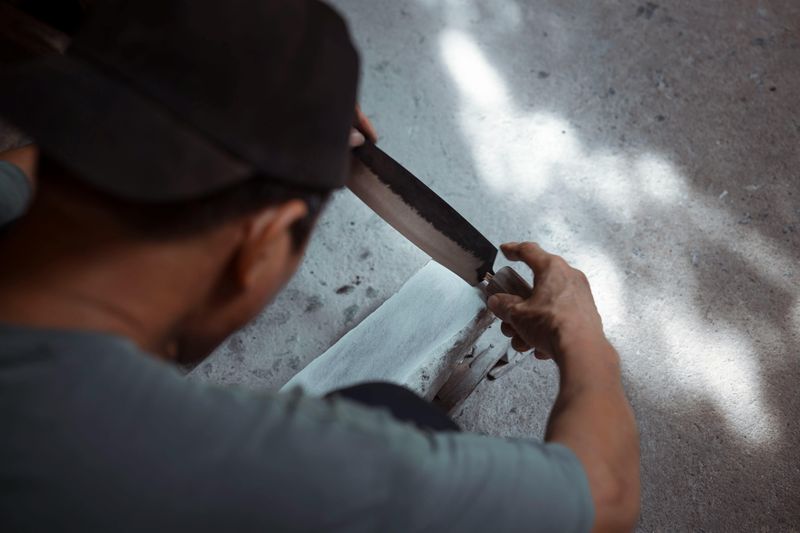
Sharp tools are safer and more satisfying. Our grandparents maintained edges with stones, not plug-in gadgets. You learn angles, pressure, and patience while bringing steel back to life.
Soak a water stone, mark the bevel with a pen, and keep a steady stroke. Feel the burr, flip, repeat, and finish with light passes. Hone between tasks to keep edges crisp. The payoff is cleaner cuts, less strain, and the calm focus that comes from doing a simple thing well.
4. Washing Clothes By Hand (Washboard & Manual Methods)
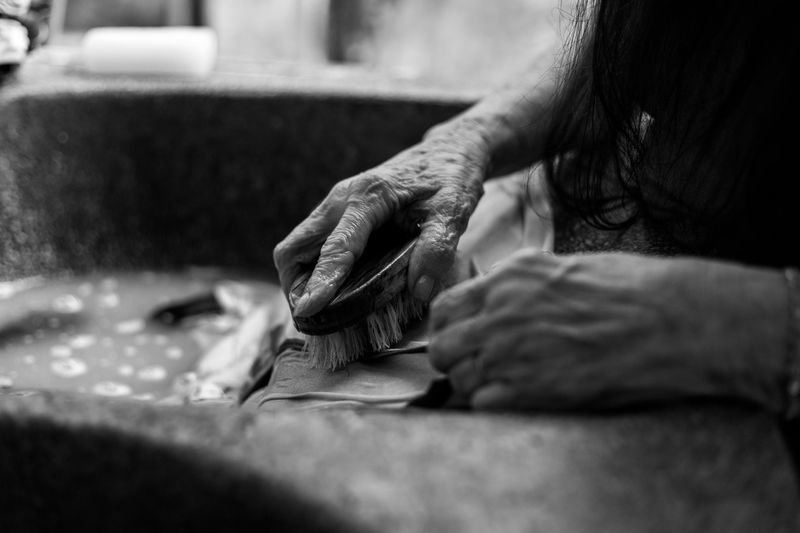
Before buttons and screens, laundry meant muscle. A tub, a bar of soap, and a washboard could rescue muddy clothes and sweaty work shirts. It is slow, but effective, meditative, and surprisingly empowering.
Sort, soak, scrub, rinse, and wring, then hang to dry in clean air. Stubborn stains meet focused attention, not extra cycles. Hand washing teaches fabric care and reduces wear. Even if you only hand wash delicates, you gain control, save energy, and appreciate every clean shirt a little more.
5. Rolling Dough, Baking & Breadmaking by Hand
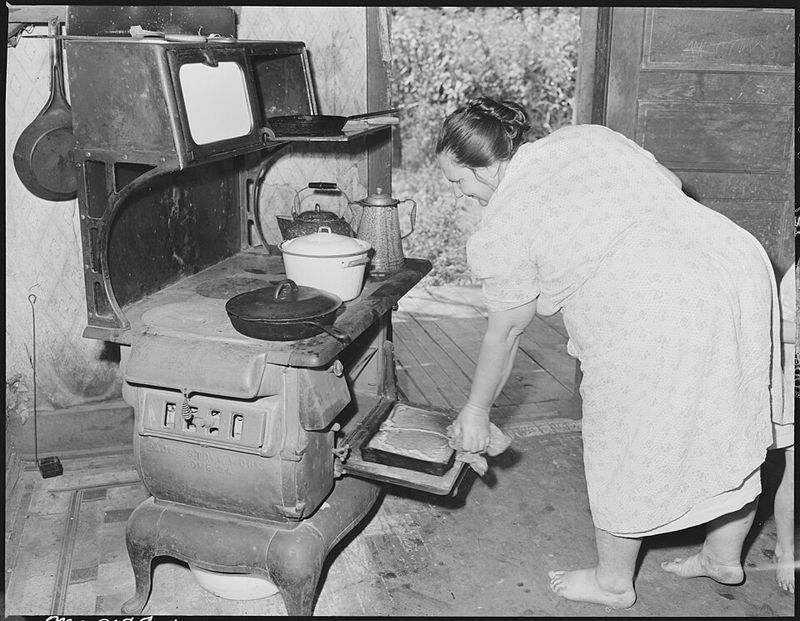
Bread is simple and miraculous. Flour, water, yeast, and salt become a fragrant loaf through touch and time. Rolling pie crusts and laminating pastry build finesse you can taste.
Mix, rest, knead, and fold, feeling gluten develop under your palms. A home oven and a Dutch oven can mimic a bakery. Score boldly and let heat do the rest. Even imperfect loaves disappear fast. Each bake teaches patience, timing, and the delicious reward of work well done.
6. Gardening, Growing Food & Saving Seeds
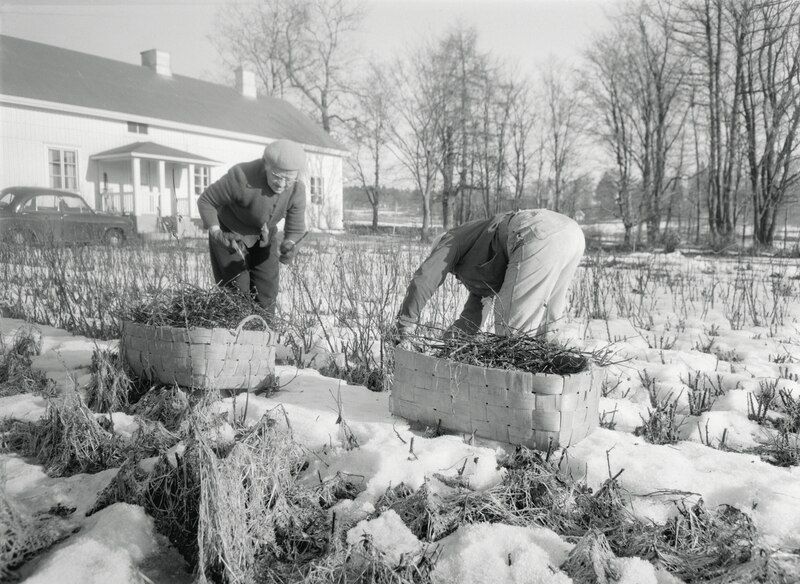
Gardens teach you to plan, wait, and adapt. A few beds of tomatoes, greens, and herbs transform meals and moods. Saving seeds closes the loop, keeping favorite varieties alive and resilient.
Start with sun, good soil, and compost. Choose reliable crops suited to your climate. Label plants, observe pests gently, and harvest with gratitude. Dry seeds from the healthiest plants and store them cool and dark. Over seasons, your garden becomes a teacher, your pantry a partner, and your table a celebration.
7. Composting & Reusing Organic Waste
Composting turns peels and coffee grounds into black gold. It keeps waste out of landfills and feeds soil life that feeds your garden. You learn to balance greens and browns, air, and moisture.
Collect scraps, add leaves or shredded cardboard, and turn the pile when it needs breath. Smell for earthiness, not rot. Finished compost crumbles in your hand and disappears into beds. The habit reshapes how you shop, cook, and discard. Waste becomes resource, and your plants show their thanks.
8. Sewing, Darning & Mending Clothes
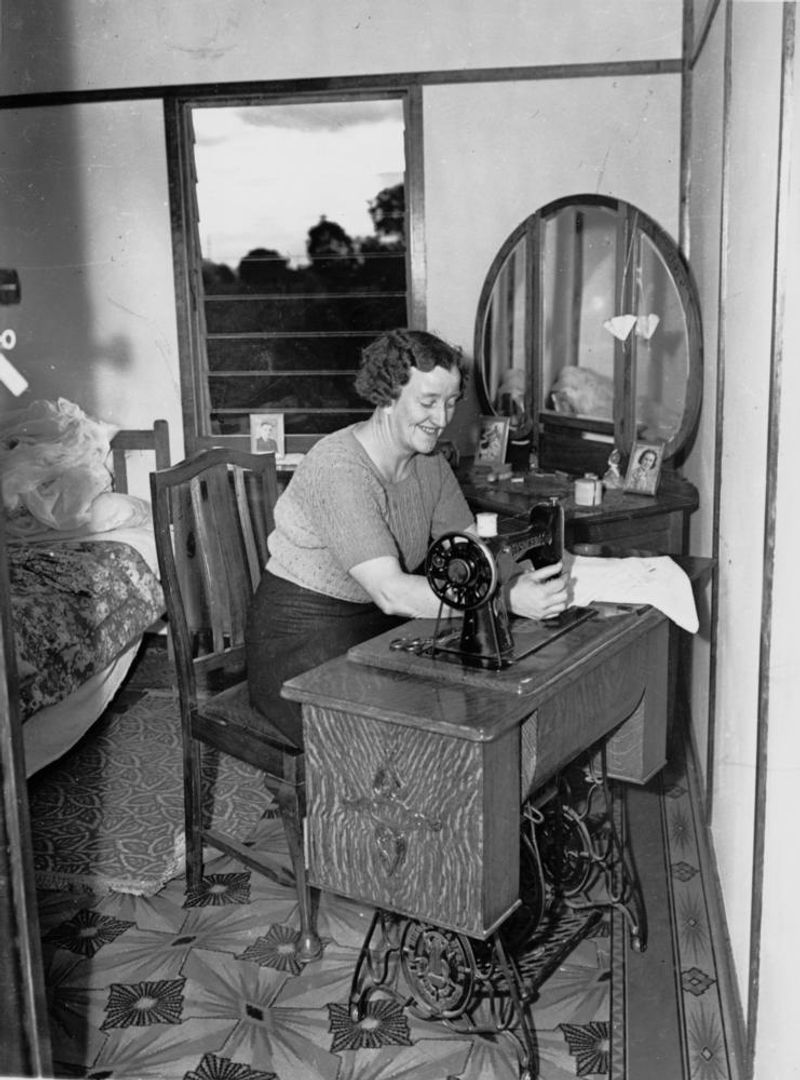
A popped seam or moth hole does not require a shopping trip. With a needle, thread, and a bit of patience, clothes live longer and fit better. Darning socks, patching knees, and reattaching buttons cultivate care and thrift.
Start with a simple running stitch, then try invisible mending. Keep a small kit handy and practice on worn items. Your wardrobe gains personality, and your budget thanks you. Mending also slows you down just enough to notice textures, craftsmanship, and the stories clothes carry.
9. Manual Home Repairs & Handy Crafts
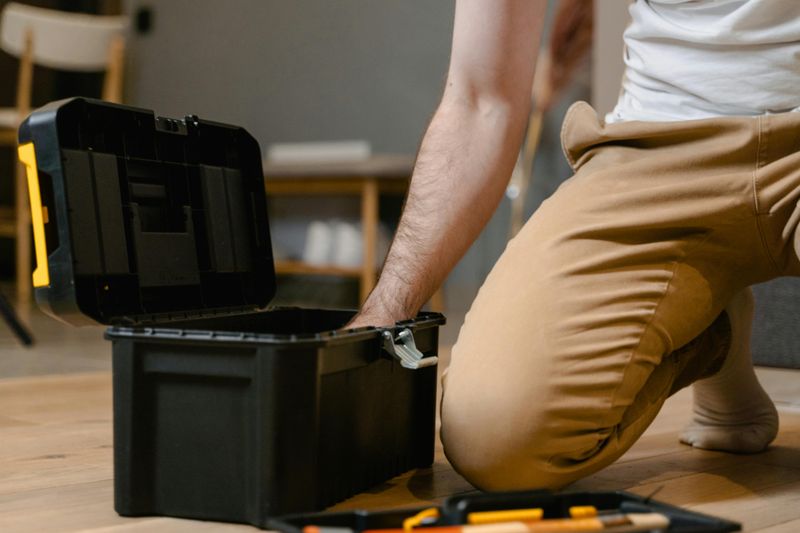
Fixing a wobbly chair or building a shelf used to be Saturday normal. With basic tools, you can repair, reuse, and customize instead of replacing. Woodwork and simple metal fixes build problem solving and pride.
Learn to measure twice and cut once. Practice with pine offcuts, a hand saw, and a sharp chisel. Glue, clamps, and patience do most of the magic. Each solved squeak or fitted joint saves money and keeps good materials in circulation.
10. Mental Math, Budgeting & Financial Literacy Without Tech
Before apps, families tracked every penny with heads and paper. Mental math sharpens focus and gives instant clarity at the store or market. Budgeting without screens builds discipline and control.
Try envelope systems and weekly check-ins. Add receipts, estimate totals before paying, and balance by hand. Knowing your numbers reduces stress and impulse spending. You gain a calm sense that money follows your choices, not the other way around.
11. Map Reading & Navigating Without GPS

Signals fail, paper does not. Reading maps and using a compass makes travel safer and more interesting. You begin to notice contours, landmarks, and direction by sun and stars.
Practice orienting the map, taking bearings, and estimating distance by pace. Fold it well and keep it dry. The world expands when you are not staring at a blue dot. You remember routes because you truly saw them, not because an app recited turns.
12. Writing by Hand, Cursive & Letter Writing

Handwritten words slow your thoughts just enough to say what matters. Cursive flows, anchoring memory and attention. A letter feels like presence through paper, carrying voice, scent, and care across distance.
Practice loops and joins on plain paper, then draft a note to someone you miss. The rhythm calms nerves and clarifies ideas. Keep a small stack of stamps and envelopes nearby. You will be surprised how eagerly people write back.
13. Patience, Creativity & Self Reliance

Slowing down is not laziness. It is room for craft, taste, and intention. Doing things manually builds grit and curiosity. Problems become puzzles, not roadblocks.
Choose one skill, schedule practice, and embrace imperfect results. Let repetition make you confident. Creativity blooms when constraints guide choices. Self reliance is not isolation, either. It grows alongside community as you trade tips, share tools, and celebrate small wins.
14. Living with Less, Resourcefulness & Frugality
Our grandparents stretched every dollar and every scrap. Living with less does not mean scarcity. It means clarity and gratitude. You keep what serves you and repair what still has life.
Track needs, not wants. Cook leftovers into tomorrow’s lunch. Swap, borrow, and buy used. Learn to recognize quality and maintain it. The payoff is lighter closets, lower bills, and a home that reflects choices instead of trends. Frugality becomes freedom.



