 Unearth The Voyage
The 1970s gave us some of the most polarizing pop hits in music history. These songs climbed the charts, dominated the radio, and somehow managed to annoy just as many people as they entertained.
Whether you secretly hum along or change the station in horror, these guilty pleasures deserve another spin on modern airwaves.
1. Disco Duck by Rick Dees & His Cast of Idiots (1976)

Rick Dees recorded this silly tribute to disco fever, complete with quacking sound effects and a bouncy beat that somehow convinced America to dance along. Despite being absolutely ridiculous, it shot straight to number one on the Billboard Hot 100 and stayed there for a full week.
Critics and music fans have spent decades shaking their heads at this one. Rolling Stone readers crowned it the absolute worst song of the entire 1970s in a poll summarized by MeTV.
That is quite an achievement when you consider all the competition from that decade.
But here is the thing: novelty records exist because they make people smile, even if that smile comes with a groan. Radio stations played it constantly back then, and kids loved the goofy duck voice.
It captured a moment when disco was everywhere and people were willing to laugh at themselves.
Modern radio could use more songs that do not take themselves too seriously. Sure, it is cheesy and over-the-top, but that is exactly the point.
Sometimes you just need a three-minute break from serious music to quack along with a disco duck.
2. Afternoon Delight by Starland Vocal Band (1976)
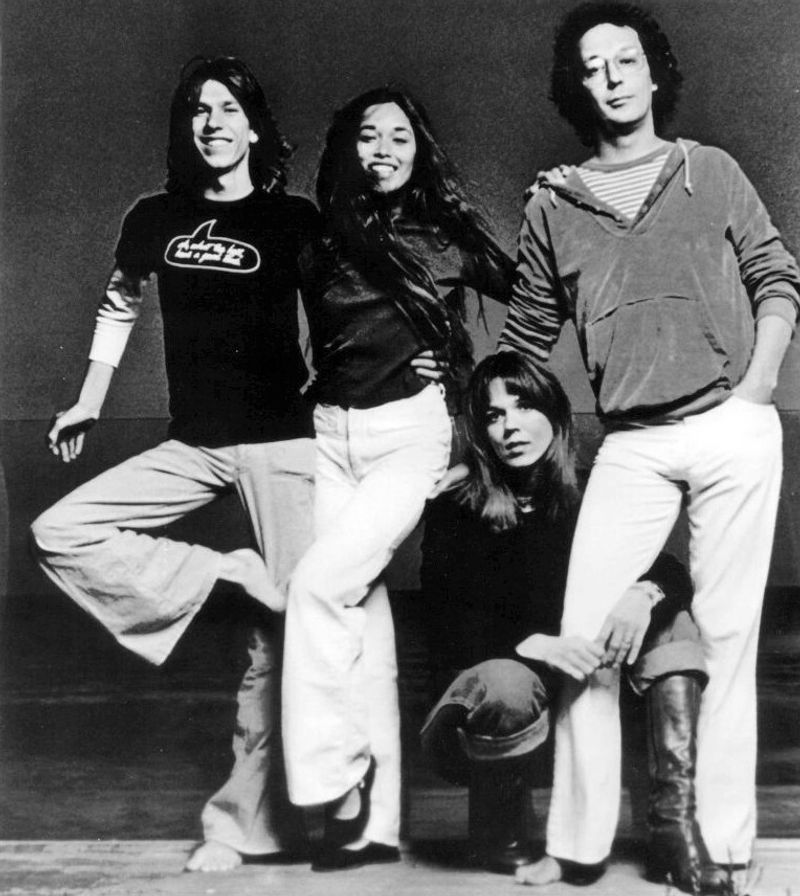
Starland Vocal Band managed to create one of the most awkward sing-alongs in pop history with this breezy tune. On the surface, it sounds like an innocent song about enjoying a pleasant afternoon break.
Dig a little deeper into the lyrics, though, and you realize the band is singing about something much more adult.
That contrast between the cheerful melody and the suggestive words made it a massive hit in 1976, reaching number one on the charts. It also made it incredibly uncomfortable when people figured out what they had been happily humming along to at family barbecues.
GQ reports that Rolling Stone readers voted it the second-worst song of the entire decade.
The song has become a punchline in pop culture, showing up in TV shows and movies as the go-to example of cheesy 1970s music. Yet it won a Grammy Award and sold over a million copies, proving that plenty of people genuinely enjoyed it at the time.
Modern listeners might cringe at the overly sweet harmonies and the dated production style. But that earnest, slightly awkward energy is part of what made 1970s pop so memorable.
Radio today plays it safe with focus-grouped hits, while songs like this one took weird risks and somehow became classics anyway.
3. (You’re) Having My Baby by Paul Anka (1974)
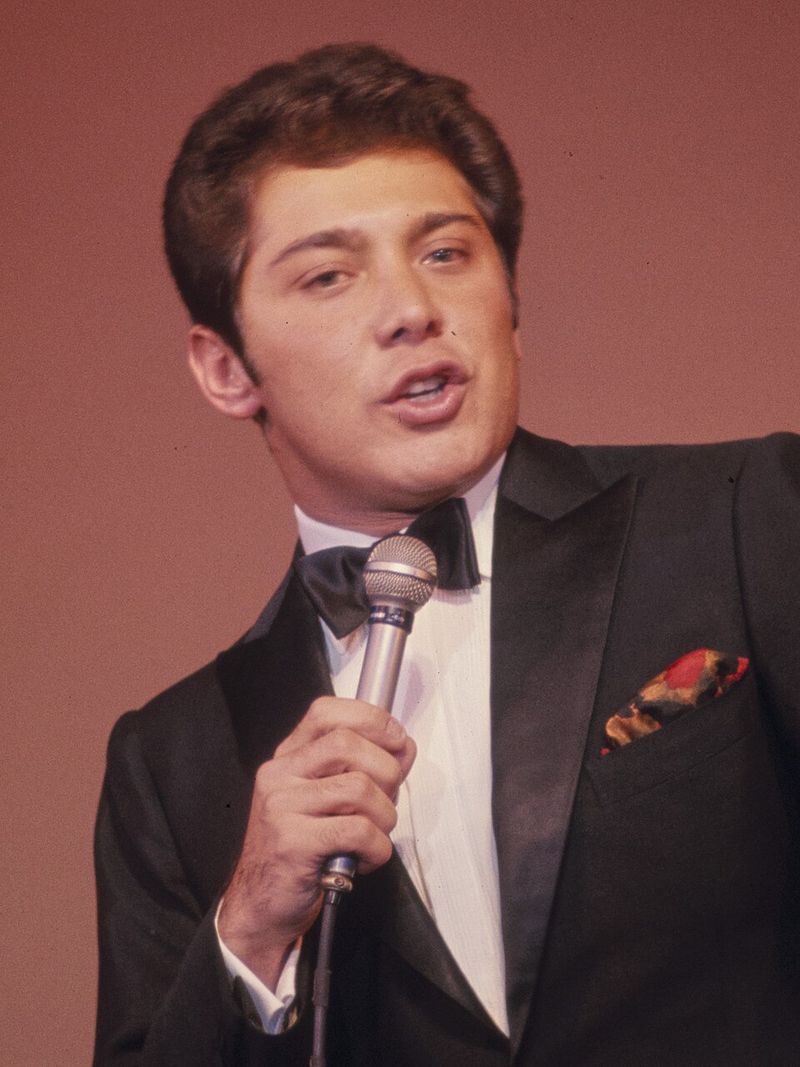
Paul Anka wrote this sentimental ballad about impending fatherhood, and it became one of the most controversial number one hits of the decade. The song celebrates a man’s feelings about his partner’s pregnancy, but many listeners found the lyrics patronizing and outdated even by 1974 standards.
Lines that seemed romantic to some came across as possessive to others.
Despite the backlash, it climbed straight to the top of the Billboard Hot 100 and became a major seller. Minnesota Public Radio reported that it even won a CNN.com user poll for worst song of all time, beating out thousands of other candidates.
That is an impressive level of dislike for a chart-topper.
The song sparked debates about gender roles and relationships that continued long after it left the airwaves. Critics argued that it reduced a woman’s experience to being about the man’s emotions.
Fans countered that it was simply a heartfelt expression of joy about becoming a parent.
Looking back now, the song feels like a time capsule of 1970s attitudes. Modern radio avoids anything this potentially divisive, sticking to safer lyrical territory.
But controversial songs spark conversations, and conversations keep music relevant. Love it or hate it, nobody forgot this one.
4. You Light Up My Life by Debby Boone (1977)

Debby Boone’s soft-rock ballad became an unstoppable force in 1977, holding the number one spot on the Billboard Hot 100 for an incredible ten weeks. That kind of chart dominance meant you could not escape this song no matter where you went.
Grocery stores, dentist offices, and car radios all played it on endless repeat.
The song started as a movie theme and became a cultural phenomenon. Boone’s gentle vocals and the inspirational lyrics about finding hope resonated with millions of listeners.
It won Grammy Awards and sold millions of copies worldwide.
Yet despite all that success, it also earned a spot on Rolling Stone readers’ worst songs of the 1970s list, as presented by MeTV. Critics found it too syrupy and overly sentimental.
The repetitive melody and earnest delivery that charmed so many people drove others absolutely crazy.
Radio programmers loved it because it appealed to a broad audience without offending anyone. That same quality made it boring to listeners who wanted more edge or originality in their music.
The song represents a divide that still exists today between commercially successful music and critically respected artistry.
Modern radio could learn something from its massive appeal, even if it also serves as a cautionary tale about overplaying a hit.
5. Muskrat Love by Captain & Tennille (1976)
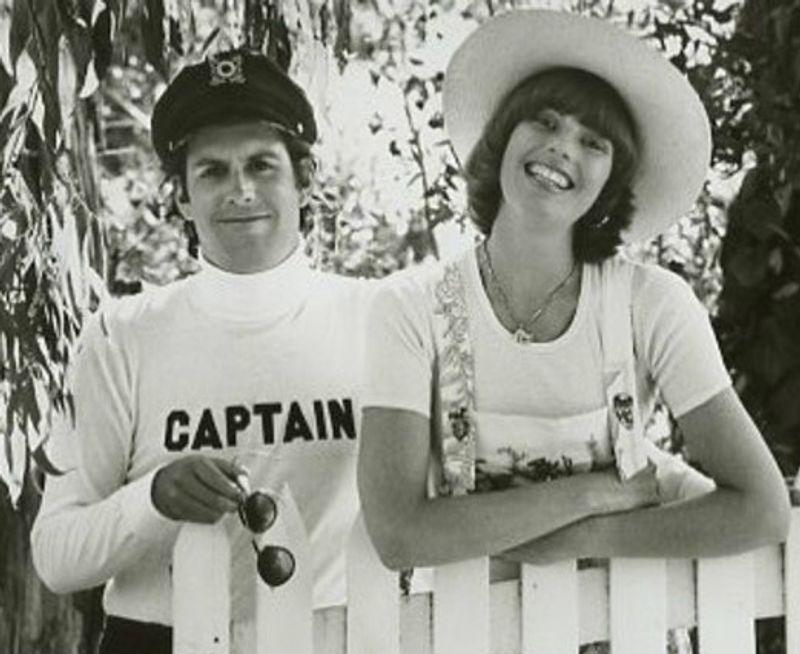
Captain and Tennille took a song about two muskrats named Susie and Sam and somehow turned it into a top five hit. Yes, you read that correctly.
This is a love song from the perspective of rodents, complete with sound effects that mimic muskrat noises. The whole concept sounds like a joke, but the duo played it completely straight.
Their version climbed all the way to number four on the charts in 1976. Radio stations played it constantly, and people either found it adorably quirky or absolutely unbearable.
There was no middle ground with this one.
Rolling Stone readers included it on their worst songs of the 1970s list, as reported by MeTV. Critics mocked the silly lyrics and the weird production choices.
Yet the song has endured in pop culture memory precisely because it is so bizarre.
Captain and Tennille were known for their wholesome, easy-listening style, and this song fit perfectly into their brand. The gentle melody and Toni Tennille’s sweet vocals made even a song about muskrats sound romantic.
That takes genuine talent, even if the end result is completely ridiculous.
Modern radio plays it safe with generic love songs about humans. Maybe we need more songs willing to celebrate muskrat romance, just to keep things interesting and remind us that pop music can be playful.
6. Escape (The Piña Colada Song) by Rupert Holmes (1979)

Rupert Holmes crafted one of the strangest relationship stories in pop music history with this catchy tune. The narrator is bored with his relationship, so he answers a personal ad in the newspaper looking for romance.
He shows up to meet this mysterious woman and discovers it is actually his own girlfriend, who was also looking to cheat.
Instead of breaking up or feeling guilty, they both laugh it off and apparently live happily ever after. The moral of the story seems to be that cheating is fine as long as you accidentally cheat with each other.
That questionable message did not stop the song from becoming the final number one hit of 1979, and it returned to the top spot again in 1980.
Rolling Stone readers put it on their worst songs of the 1970s list, as shared by MeTV. Many people find the whole premise deeply problematic and the upbeat resolution completely unearned.
Others argue it is just a fun, silly story song that should not be taken seriously.
The catchy chorus about pina coladas and getting caught in the rain has become more famous than the actual plot. People sing along without really thinking about what they are celebrating.
That disconnect between a memorable hook and bizarre lyrics is peak 1970s pop songwriting.
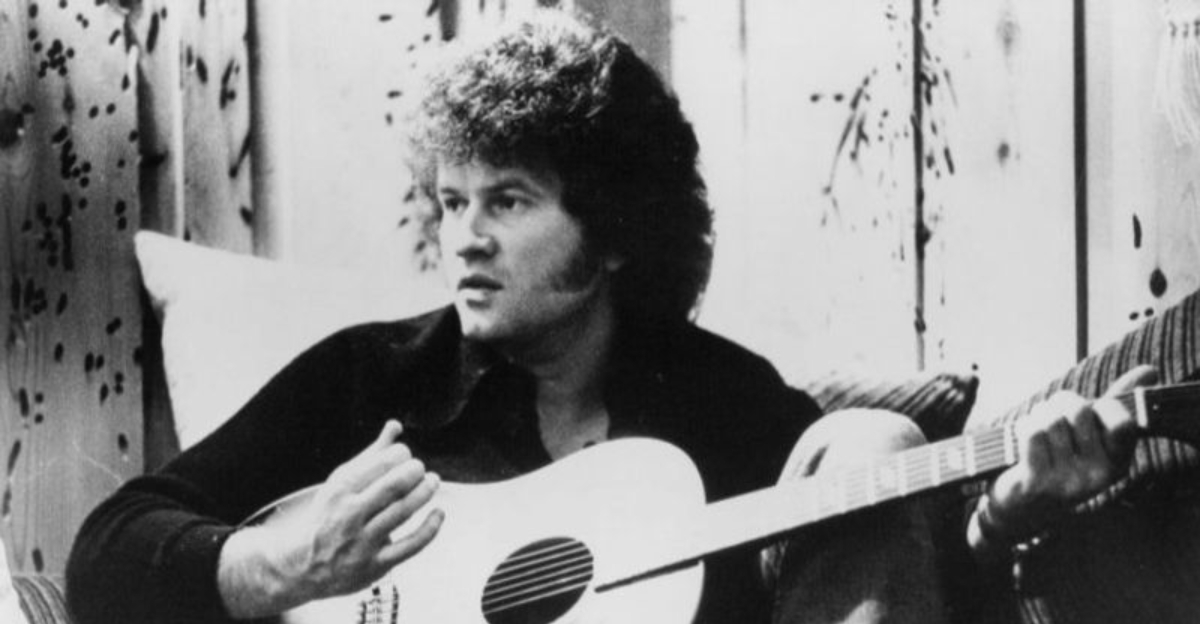
7. Seasons in the Sun by Terry Jacks (1974)
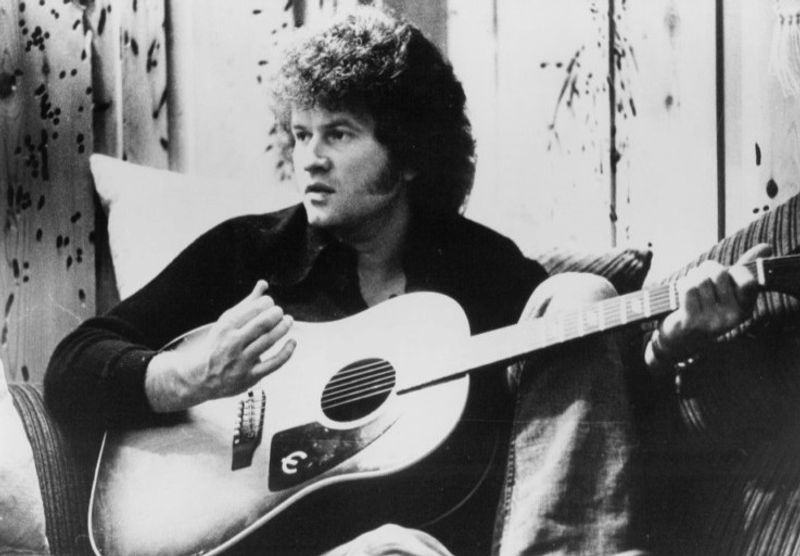
Terry Jacks recorded this tearjerker about a dying man saying goodbye to his loved ones, and it became one of the saddest hits of the decade. The song is adapted from a French original, and Jacks gave it an English translation that pulls no punches about mortality and regret.
Every verse is another goodbye to someone important in his life.
Listeners either found it deeply moving or unbearably maudlin. There was no casual listening experience with this one.
It demanded an emotional response, and many people resented being manipulated into sadness by a pop song.
Despite the criticism, it became a massive international hit in 1974. It has been cited in various worst songs conversations, including mentions in CNN polls.
It also appears on Rolling Stone readers’ worst of the 1970s list via MeTV.
The song represents a time when pop music was not afraid to be earnest and sentimental. Modern hits tend to approach sadness with more irony or distance.
This song just dumps raw emotion all over you and expects you to deal with it.
Critics call it manipulative and overly sentimental. Fans call it honest and heartbreaking.
Both sides have valid points. What nobody can deny is that it made an impact and stuck in people’s memories for decades, which is more than most perfectly polished modern hits can claim.
8. Lovin’ You by Minnie Riperton (1974/1975)

Minnie Riperton possessed one of the most extraordinary voices in music history, with a five-octave range that could hit notes most singers cannot even imagine. She showcased that incredible talent on this gentle love song, which features her signature high-pitched whistle register.
The result is either beautiful or grating, depending on who you ask.
The song climbed to number one on the Billboard Hot 100 in 1975. Critics praised Riperton’s technical skill while also noting that the song itself is fairly simple and repetitive.
Those high notes became the whole point, overshadowing everything else about the track.
Somehow, despite being a chart-topper featuring genuinely impressive vocals, it ended up on Rolling Stone readers’ worst of the 1970s list via MeTV. That seems particularly harsh for a song that demonstrates real musical talent.
Perhaps the sweet, dreamy vibe felt too lightweight for some listeners.
The production is minimal, letting Riperton’s voice do most of the work. She famously included bird sounds at the end, which she performed herself using her whistle register.
That playful touch shows an artist having fun with her abilities.
Modern radio rarely features singers with that kind of vocal range anymore. Everything is compressed and Auto-Tuned to fit a narrow sound.
This song reminds us that unique voices deserve space, even when they make some people uncomfortable with their unusual beauty.
9. The Streak by Ray Stevens (1974)
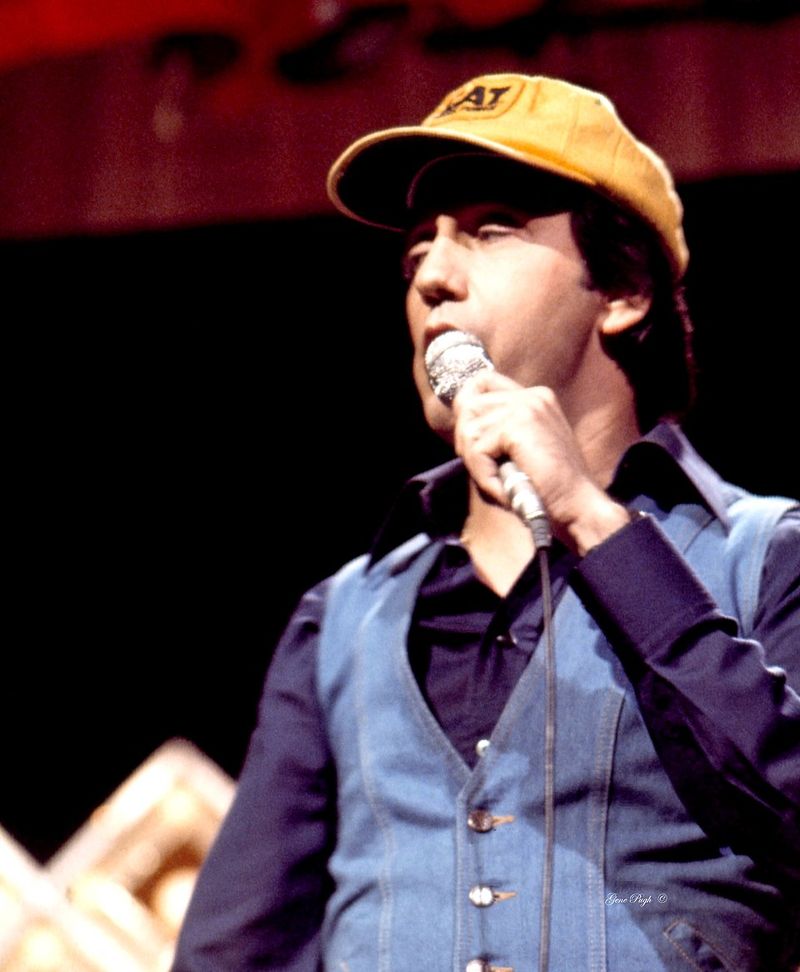
Ray Stevens built his career on comedy songs, and this one captured a genuine 1970s phenomenon: streaking. For those too young to remember, streaking meant running naked through public places as a prank or protest.
It was everywhere in the mid-1970s, from college campuses to sporting events.
Stevens turned this cultural moment into a novelty hit that spent three weeks at number one on the Billboard Hot 100. The song features a narrator describing various streaking incidents, complete with sound effects and comedic voices.
It is silly, dated, and completely of its moment.
HubPages included it in their list of the fifty worst songs of the 1970s. Comedy songs rarely age well because humor is so tied to specific cultural contexts.
What seemed hilarious in 1974 just seems weird and outdated now.
But novelty records serve an important purpose in pop music history. They capture moments that serious songs ignore.
They remind us that music does not always have to be important or meaningful. Sometimes it can just be a goofy three minutes about a ridiculous fad.
Modern radio has almost completely abandoned comedy songs. Everything is serious and carefully branded.
Maybe we need more artists willing to be silly and topical, even knowing the song will sound dated in a few years. At least it would be memorable and capture something real about this moment in time.
10. My Ding-a-Ling by Chuck Berry (1972)
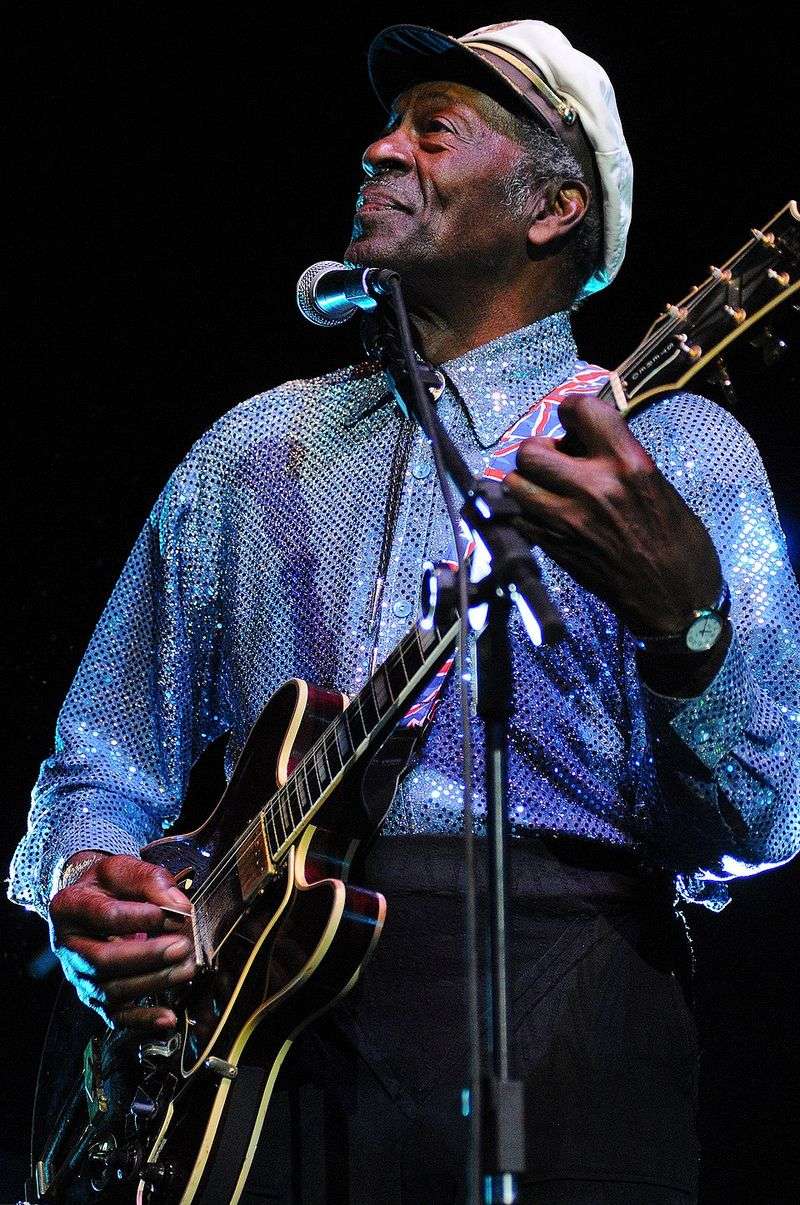
Chuck Berry is a legitimate rock and roll pioneer who influenced countless musicians and helped invent the genre. His guitar playing and songwriting changed music forever.
Then, in 1972, he recorded this juvenile novelty song about a bell, except it is not really about a bell at all. The double entendre is about as subtle as a brick.
Incredibly, this became Chuck Berry’s only number one single on the Billboard Hot 100. All his groundbreaking rock and roll classics never reached the top spot, but this silly sing-along did.
Music fans have been shaking their heads about that irony for decades.
Stereogum, in its Hot 100 history column, bluntly calls it a terrible novelty song. Critics view it as a sad footnote to an otherwise legendary career.
Berry recorded it live with audience participation, and you can hear people laughing and singing along, clearly having a great time with the joke.
The song is immature and ridiculous, but it also shows Berry’s playful side. He never took himself too seriously, even at the height of his fame.
That willingness to be goofy and risk his reputation for a laugh shows genuine confidence.
Modern legacy artists carefully protect their brands and would never release something this silly. Maybe they should.
Berry got his number one hit and made people smile, even if it embarrassed some of his fans.
11. Angie Baby by Helen Reddy (1974)

Helen Reddy is best known for feminist anthem I Am Woman, but she also recorded one of the strangest hit songs of the decade. Angie Baby tells the story of a girl who lives in her own fantasy world, listening to the radio in her room all day.
A neighbor boy with bad intentions comes to visit, and then things get really weird.
The song strongly implies that Angie somehow makes the boy disappear into her radio, trapping him in her fantasy world forever. It is dark, bizarre, and completely open to interpretation.
That mysterious quality helped it reach number one on the Billboard Hot 100 in late 1974.
HubPages listed it among the fifty worst songs of the 1970s, though the criticism seems to focus more on the weirdness than any actual musical flaws. Reddy’s performance is strong, and the production creates an appropriately eerie atmosphere.
The song just tells a really strange story.
Story songs were common in the 1970s, but this one stands out for its surreal, almost horror-movie plot. Modern pop songs rarely attempt anything this narratively ambitious or weird.
Everything is focused on universal emotions and relatable situations.
Angie Baby took risks and created something genuinely unsettling and memorable. Radio today could use more songs that challenge listeners and spark debates about meaning.
Not everything needs to be instantly understandable or comfortable.
12. Let Her In by John Travolta (1976)

Before he blasted off in Grease and Saturday Night Fever, Travolta crooned this featherlight ballad straight into teen hearts. It is syrupy, earnest, and undeniably catchy, with every note begging you to sway even if you resist.
You roll your eyes, then find yourself humming along in the produce aisle.
Hearing it now feels like opening a scrapbook stuffed with glossy posters and TV Tiger Beat smiles. The arrangement is simple, emotions big, drama bigger.
Radio needs that shameless sincerity again, the kind that makes you blush while you sing the chorus at full volume.
13. Don’t Give Up on Us by David Soul (1976)
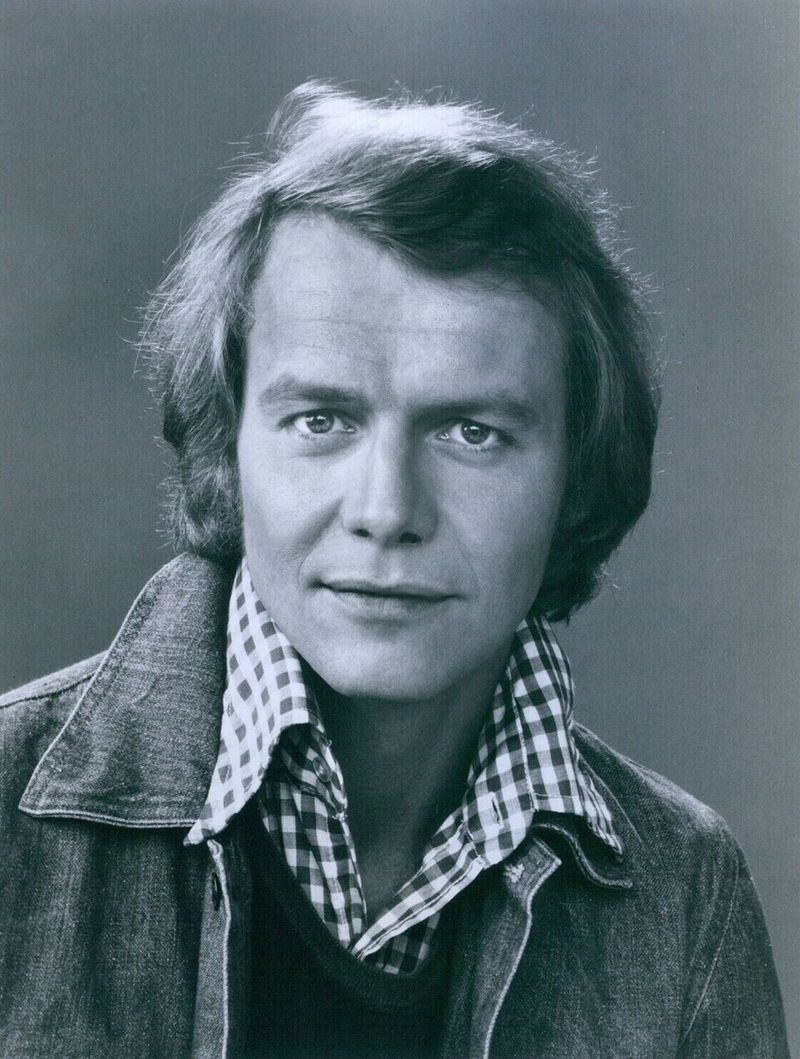
Here is a soft-focus ballad from TV cop to crooner, all candlelight and pleading. The melody floats like a love note folded twice and slipped under a door.
You might call it corny, yet it melts your stubborn mood in under a minute.
When radio gets too slick, this track brings back fragile warmth and late-night confession energy. The strings ache, the chorus reassures, and suddenly you are forgiving everything.
Sometimes what you need is comfort food for the ears, gracious and guileless.
14. Basketball Jones (featuring Tyrone Shoelaces) by Cheech & Chong (1973)
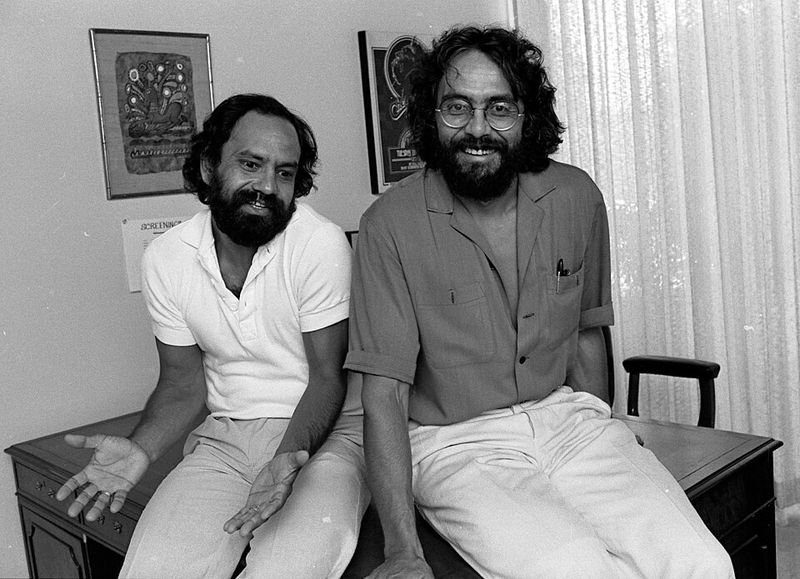
Part parody, part psychedelic soul, this cult oddity bounces like a rubber ball through your brain. Cheech’s falsetto is ridiculous and weirdly moving, surrounded by starry session players elevating the joke.
You laugh, then you nod to the groove, then you laugh again.
Modern radio could use that playful looseness, humor stitched to musicianship. The song spoofs obsession while celebrating it, giving you permission to be goofy and sincere.
Cue it up and suddenly the drive home feels like a cartoon, but the bassline slaps.



