 Unearth The Voyage
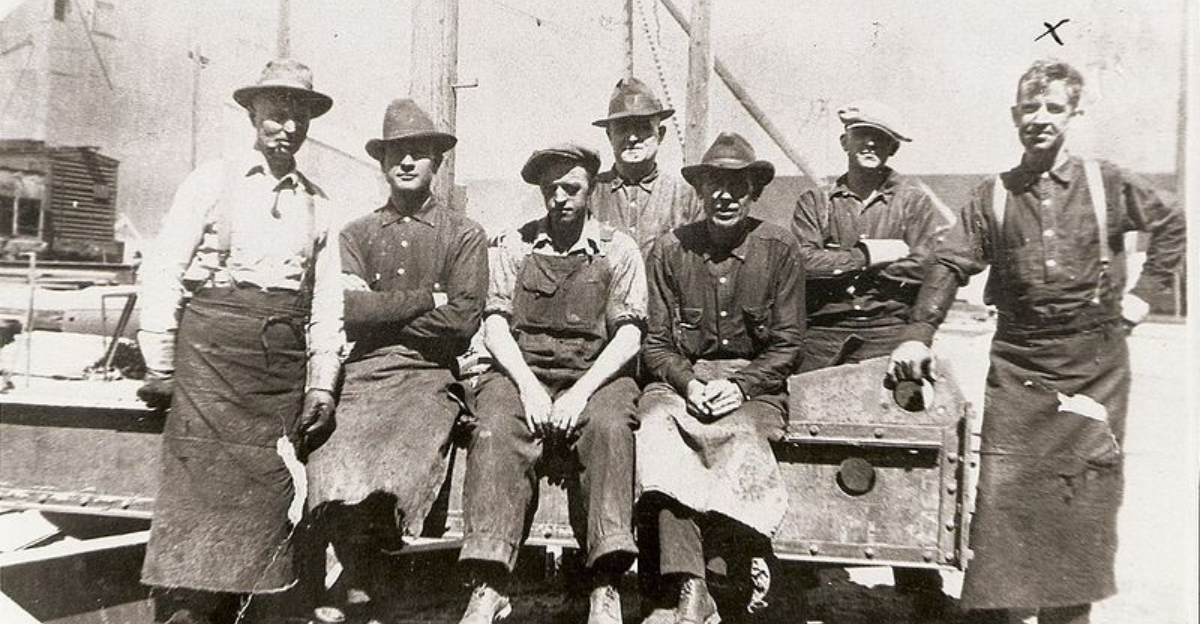
Back in the 1950s, many jobs were unofficially or even officially closed to women, with entire industries treating certain work as strictly men’s territory. Cultural norms, discriminatory hiring practices, and even laws kept women out of roles that today seem perfectly ordinary for anyone to hold.
Fast-forward to 2026, and the landscape has changed dramatically – though progress in some fields has been slower than others. Here are 14 jobs from the 1950s that were considered men-only, a notion that would shock and puzzle most people today.
1. Combat Infantry and Frontline Combat Roles
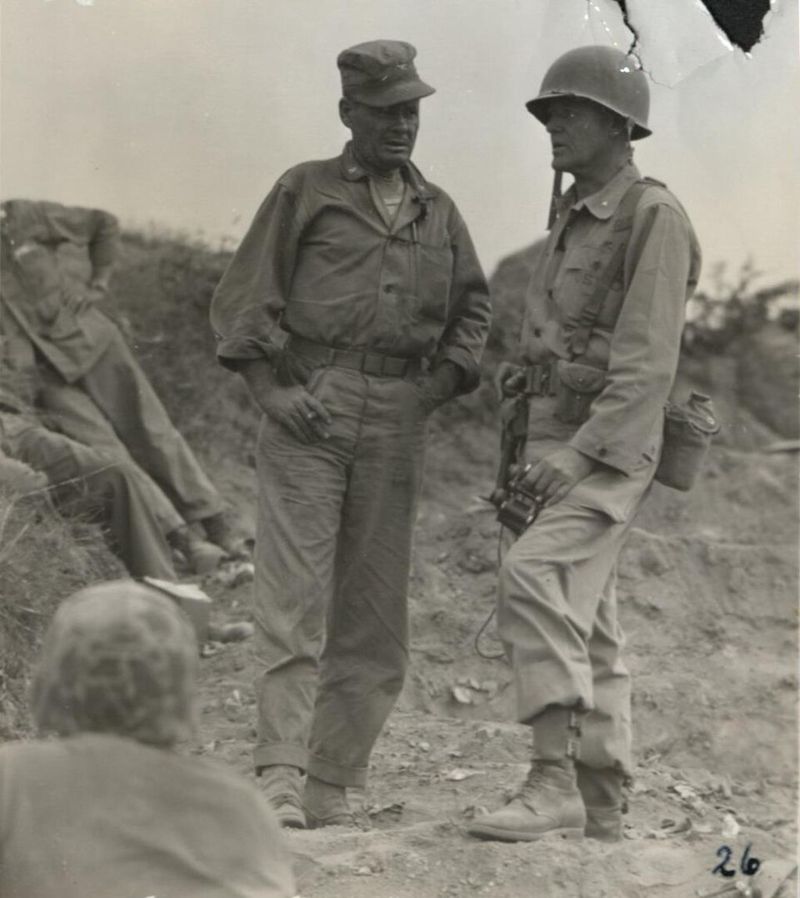
Soldiers crouched in trenches, machine guns rattling, and not a single woman in sight on the front lines. For decades, the U.S. military formally barred women from direct combat positions, treating warfare as an exclusively male domain.
The reasoning ranged from concerns about physical capability to deeply ingrained cultural beliefs about gender roles and protection.
Women served with distinction in support roles – nurses, clerks, communication specialists, but the infantry and other combat arms remained off-limits. This wasn’t just tradition; it was policy, written into military regulations and defended by leaders who couldn’t imagine women in foxholes.
Today, that world feels like ancient history. In 2016, the Department of Defense opened all military occupations to women who meet the required standards, including the most grueling combat specialties like infantry, armor, and special operations.
Women have since graduated from Ranger School, served in combat zones, and proven themselves in roles once deemed impossible.
The cultural reversal is enormous. What was once an absolute, unquestioned barrier is now a relic of the past, illustrating how far society has come in recognizing capability over stereotype.
2. Municipal Firefighter
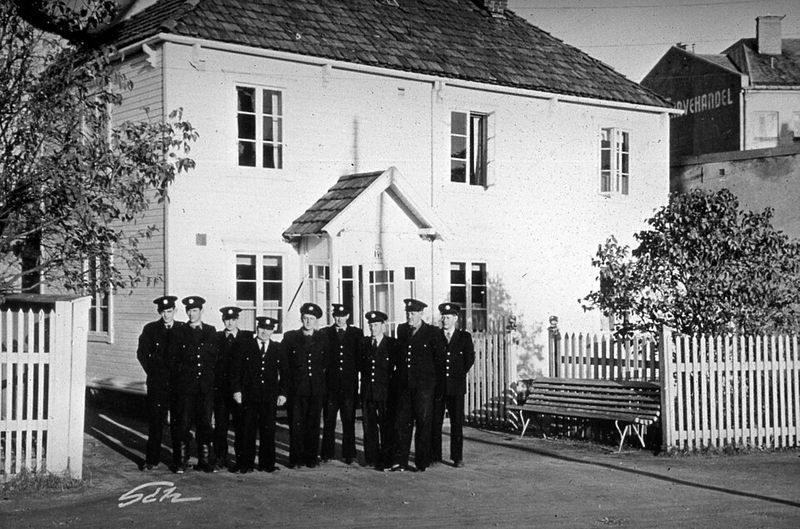
When the alarm bell rang in a 1950s firehouse, the crew racing to the truck was always a brotherhood – literally. Firefighting was treated as a men-only profession, with physical demands and dangerous conditions cited as reasons women couldn’t handle the job.
Fire departments across the country operated under the assumption that only men possessed the strength, stamina, and courage to battle blazes and rescue victims from burning buildings.
This wasn’t just workplace culture; it was often official policy. Many municipalities had explicit bans or simply refused to hire women, and the idea of a female firefighter was met with skepticism or outright hostility.
Fast-forward to today, and while firefighting remains male-dominated, women serve in fire departments nationwide. They’ve proven themselves capable of carrying hoses, climbing ladders, and performing the same life-saving work as their male colleagues.
The notion of a blanket gender ban is not only outdated but legally unacceptable.
Modern departments are working to recruit more women, recognizing that diversity strengthens teams. The sight of a woman in turnout gear, once shocking, is now a symbol of progress and the breaking down of barriers that once seemed unshakable.
3. Police Patrol Officer
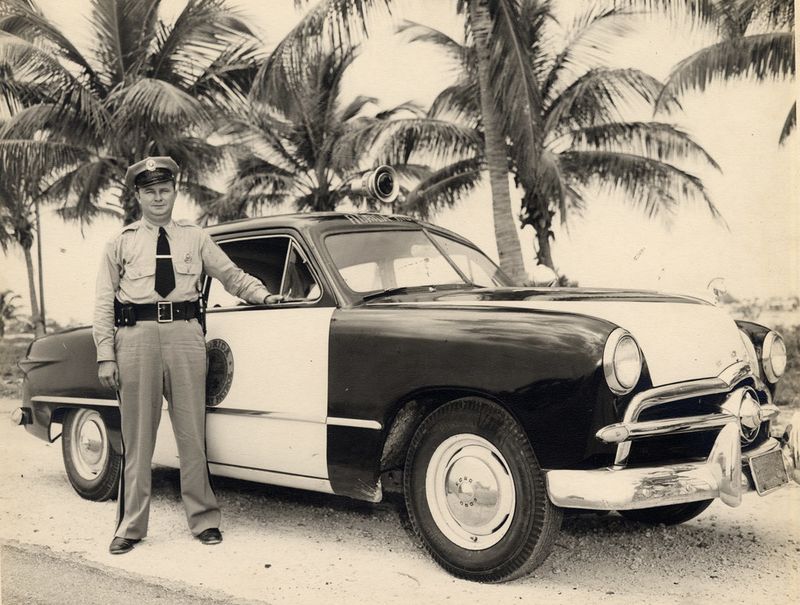
Patrol cars cruising city streets in the 1950s were driven almost exclusively by men. Women did work in policing, but their roles were sharply limited – often relegated to juvenile cases, clerical work, or duties deemed more suitable for their gender.
The idea of a woman responding to a robbery call, making arrests, or walking a beat was largely unthinkable in mainstream police culture.
Departments justified this segregation by pointing to physical confrontations and the dangers of street patrol. Many believed women lacked the authority or toughness to command respect from suspects and the public.
These attitudes were reinforced by policies that kept women in auxiliary or specialist roles rather than frontline policing.
Today, women patrol officers are a visible part of law enforcement across the country. They wear the same uniforms, carry the same weapons, and handle the same calls as male officers.
According to 2024 U.S. data, women made up 14.2 percent of police officers—a minority, but a significant presence that would have been shocking mid-century.
The journey hasn’t been easy, with women facing discrimination and harassment along the way. But the old barriers have crumbled, and the notion that patrol work is men’s work alone is firmly in the past.
4. Airline Pilot
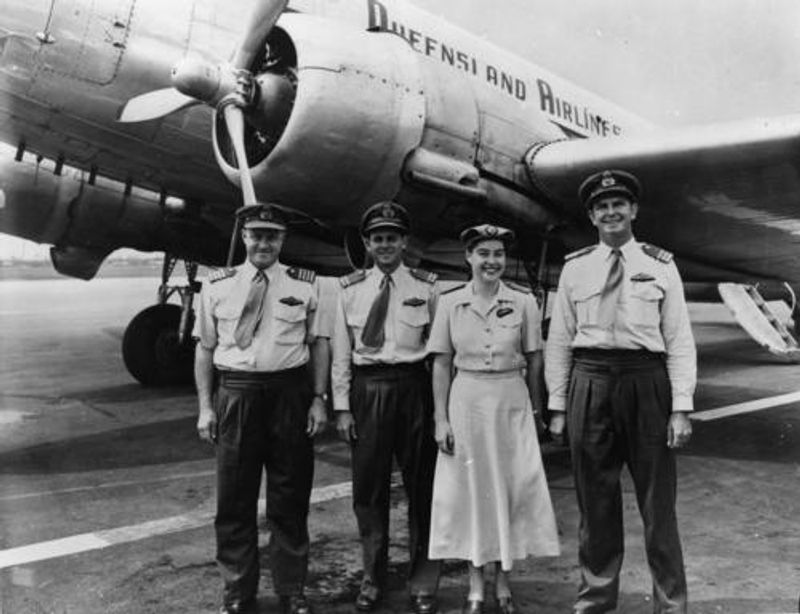
Imagine boarding a commercial flight in the 1950s and seeing a woman in the cockpit. It simply didn’t happen.
Major airlines refused to hire female pilots, treating the captain’s seat as an exclusively male space. The reasons given ranged from concerns about physical ability to outright prejudice, with many believing women couldn’t handle the responsibility or technical demands of flying large aircraft.
A handful of pioneering women had proven themselves capable pilots in earlier decades – flying mail routes, ferrying military planes during World War II, but commercial aviation remained stubbornly closed. The first wave of women hired by major U.S. airlines didn’t arrive until the 1970s and 1980s, decades after men had dominated the profession.
Today, women are still a minority in airline cockpits, but they’re a visible and growing part of the pilot workforce. The FAA tracks pilot certificates by gender, and the numbers show steady progress.
Passengers barely blink when a female voice announces from the flight deck, a normalcy that would have been unimaginable in the 1950s.
The shift reflects broader changes in aviation training, hiring practices, and cultural attitudes. What was once an impenetrable boys’ club is now open to anyone with the skill and determination to fly.
5. Railroad Conductor / Yardmaster
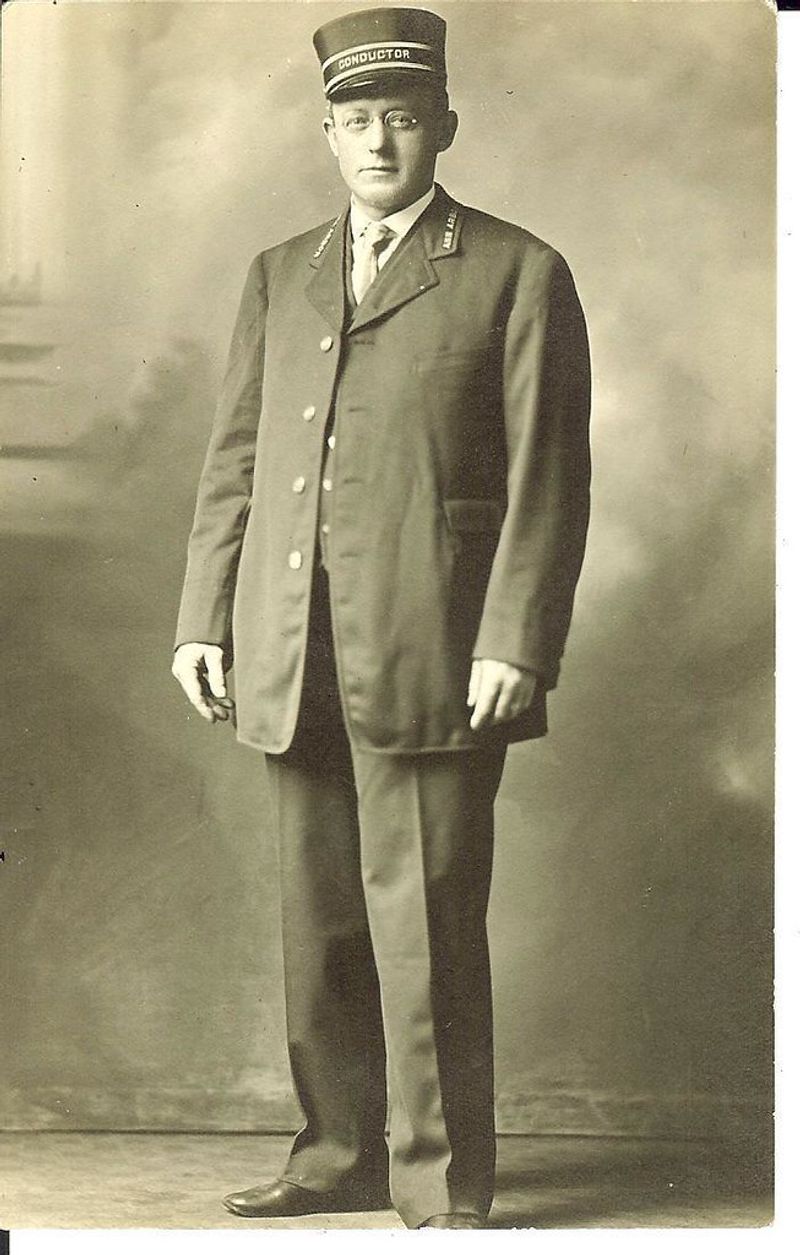
Railroads were the backbone of American transportation in the 1950s, and the men who kept trains moving—conductors and yardmasters—wore their roles like badges of honor. These jobs involved coordinating freight cars, managing schedules, and overseeing the safe movement of trains through busy yards.
It was hard, physical work in all weather, and the industry treated it as strictly men’s territory.
Women were virtually invisible in rail operations during this era. The culture was rough, the hours long, and the assumption that women couldn’t handle the demands was rarely questioned.
Unions and management alike reinforced the gender divide, and few women even considered applying.
Today, the landscape has changed, though not dramatically. According to 2024 data, women made up just 3.9 percent of railroad conductors and yardmasters – a small fraction, but a presence that would have been unthinkable mid-century.
Women now climb aboard freight trains, coordinate complex switching operations, and manage rail yards alongside men.
The barriers have fallen legally and culturally, even if progress has been slow. The sight of a woman in a conductor’s vest, radio in hand, directing a train through a busy junction, is no longer shocking—it’s just another day on the rails.
6. Locomotive Engineer / Operator
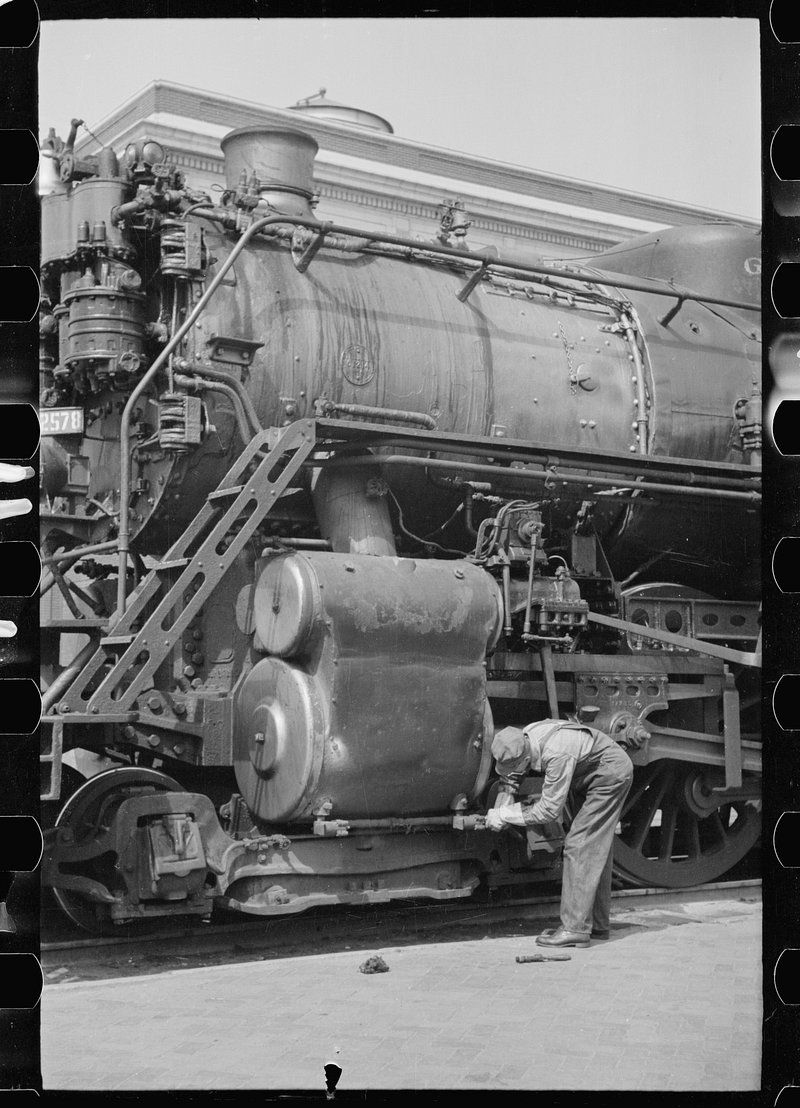
Few jobs in the 1950s were as iconic or as male-coded as driving a locomotive. Engineers sat at the controls of massive machines, guiding tons of steel and cargo across the country.
It was a position of responsibility and skill, and it was understood to be a man’s job – period. The physical demands, the long hours away from home, and the rough-and-tumble culture of the railroads all reinforced this assumption.
Women simply weren’t considered for locomotive engineer roles. The idea of a woman at the throttle of a freight train was so far outside the norm that it barely registered as a possibility.
Unions and railroad companies maintained this status quo without much question.
Today, women engineers are still rare, but they exist. In 2024, women made up 4.2 percent of locomotive engineers and operators, a tiny slice of the workforce but a significant shift from zero.
These women operate the same heavy machinery, navigate the same routes, and face the same challenges as their male counterparts.
The cultural shift is profound. What was once one of the most gender-segregated jobs in transportation now includes women who’ve proven that skill, not gender, determines who can drive a train.
The old assumptions have been left behind, like stations along a long-completed route.
7. Long-Haul (Heavy & Tractor-Trailer) Truck Driver
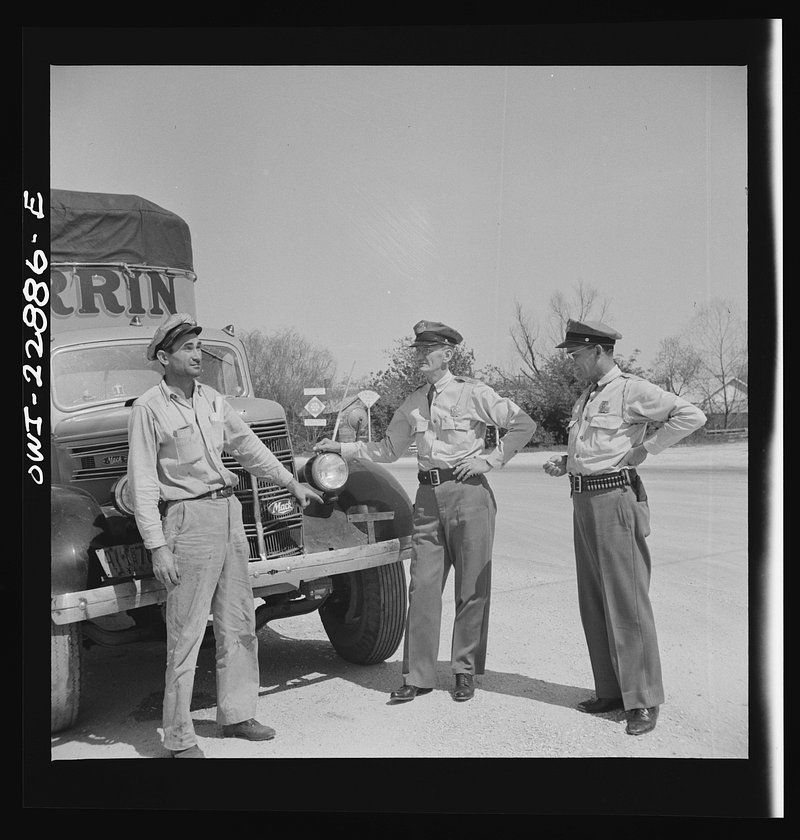
The open road, a big rig, and a lone driver behind the wheel – this was the image of trucking in the 1950s, and that driver was almost always a man. Long-haul trucking was culturally framed as a man’s job, a rugged profession requiring strength, endurance, and the willingness to spend days away from home.
Women were largely absent from the industry, held back by cultural stereotypes and practical barriers like night-work restrictions in many states.
While women had been part of trucking history for over a century in small numbers, the 1950s saw the job become even more entrenched as male territory. Trucking companies rarely hired women, and the few who did drive faced skepticism and discrimination at truck stops and loading docks.
Today, women are still a minority in long-haul trucking, but their presence is growing. In 2024, women made up 7.0 percent of heavy and tractor-trailer truck drivers, a figure that reflects real progress.
Women now navigate interstates, haul freight coast to coast, and operate the same rigs as men.
The industry has evolved, and the old notion that trucking is exclusively a man’s job has faded. Women drivers are no longer curiosities—they’re professionals doing the same demanding work, proving that the road is open to anyone willing to take the wheel.
8. Electrician

Wiring a building, troubleshooting circuits, working with high voltage – these were tasks firmly in the male column during the 1950s. Electricians were almost exclusively men, trained through apprenticeships and union programs that often didn’t welcome women.
The skilled trades were treated as a brotherhood, and women were steered away from careers that involved tools, crawling through attics, or working on construction sites.
The barriers were both cultural and structural. Apprenticeship programs didn’t recruit women, and many believed women lacked the technical aptitude or physical ability for electrical work.
The few women who expressed interest faced discouragement from guidance counselors, employers, and even family members.
Today, women electricians are still rare, but they’re making their mark. In 2024, women made up just 1.5 percent of electricians, a tiny fraction that nonetheless represents a break from the past.
Women now run wire, install panels, and work on job sites alongside men, proving that gender has nothing to do with skill with a voltmeter.
The trade remains male-dominated, and women often face challenges breaking in. But the old assumption that electrical work is men’s work alone is crumbling, replaced by a slow but steady recognition that anyone with the training and talent can do the job.
9. Plumber / Pipefitter / Steamfitter
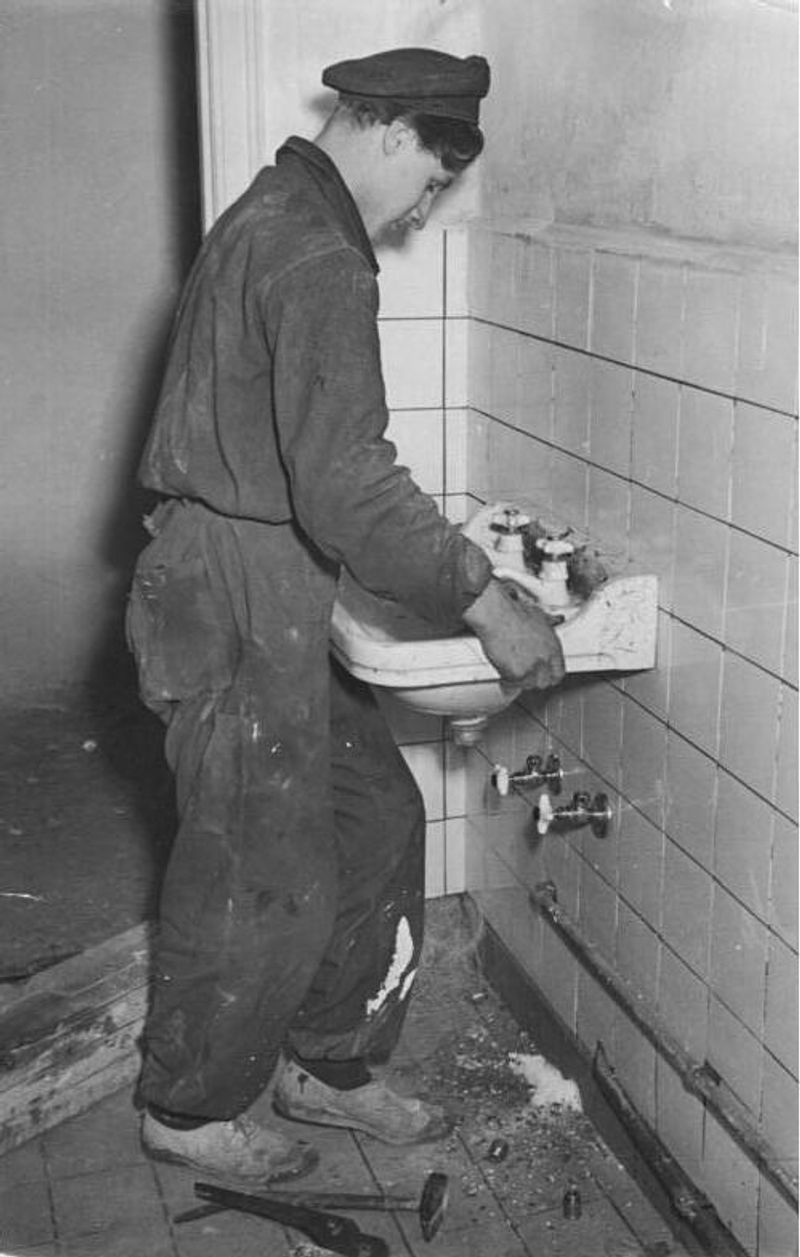
Crawling under sinks, sweating copper pipes, installing boilers – plumbing and pipefitting were quintessentially male trades in the 1950s. The work was physical, often dirty, and took place in tight spaces or industrial settings.
It was understood that this was men’s work, and women were simply not part of the picture. Apprenticeships were closed to them, and the culture of the trade reinforced the idea that women didn’t belong.
The reasoning was familiar: the work was too hard, too technical, too rough for women. Plumbers and pipefitters worked with heavy tools, dealt with challenging conditions, and often labored in environments considered unsuitable for women.
These assumptions went largely unchallenged for decades.
Today, women in plumbing and pipefitting remain a small minority, but they’re present. In 2024, women made up 1.9 percent of plumbers, pipefitters, and steamfitters.
They install piping systems, repair leaks, and work on industrial projects, doing the same demanding work as their male colleagues.
The trade is still overwhelmingly male, and women entering it often face skepticism and barriers. But the old idea that plumbing is men-only territory is fading.
Women have proven they can handle wrenches, torches, and blueprints as well as anyone, and the industry is slowly—very slowly—opening its doors wider.
10. Carpenter
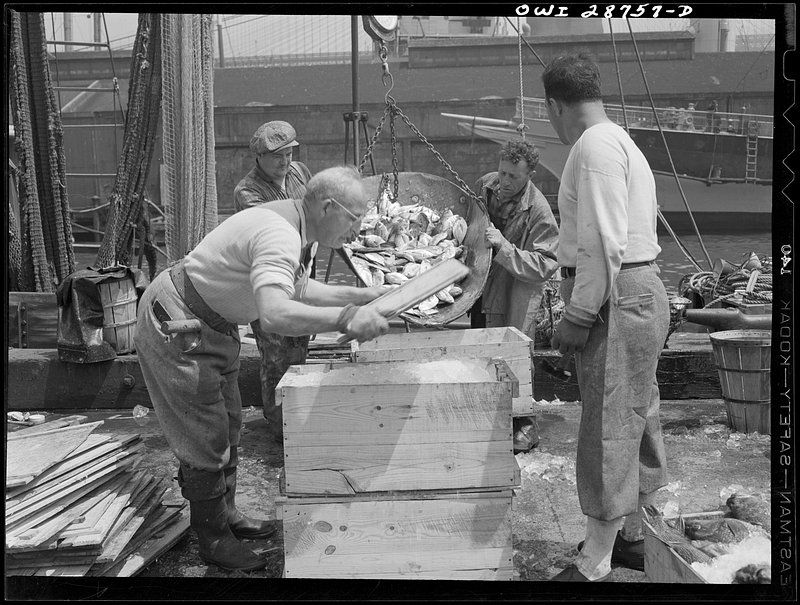
Sawdust in the air, the sound of hammers on wood, and rows of men framing houses – this was the construction site of the 1950s. Carpentry was treated as a quintessentially male trade, with a long tradition of fathers teaching sons and apprenticeships that rarely included women.
The work involved heavy lifting, power tools, and long days outdoors, all reasons cited for why women weren’t suited for the job.
Women were largely invisible in carpentry during this era. The culture was deeply masculine, and the assumption that women couldn’t handle the physical demands or technical skills went unquestioned.
Vocational schools and union training programs didn’t recruit women, and the few who tried to break in faced resistance.
Today, women carpenters are still uncommon but no longer shocking. In 2024, women made up 3.0 percent of carpenters, a small but meaningful presence on job sites.
Women now frame walls, build cabinets, and work with the same tools and materials as men, proving that skill and training matter more than gender.
The trade remains male-dominated, and women often report facing bias and challenges. But the old notion that carpentry is exclusively men’s work is outdated.
Women have picked up hammers and tape measures, and they’re building careers in a field once closed to them, one board at a time.
11. Ironworker
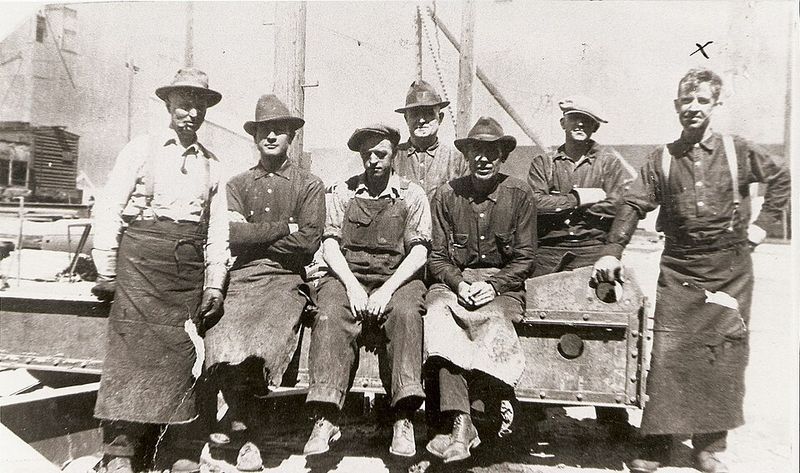
High above the city, walking steel beams hundreds of feet in the air – ironworkers in the 1950s were the stuff of legend, and they were exclusively men. Structural iron and steel work was one of the most aggressively gendered construction jobs, with a reputation for danger, physicality, and a culture that left no room for women.
The work involved hoisting massive beams, riveting connections, and balancing on narrow steel high above the ground.
Women were not just rare in this trade; they were essentially nonexistent. The barriers were both practical and cultural: the physical demands were real, but the assumption that women couldn’t or shouldn’t do the work was even stronger.
Ironworkers’ unions and contractors maintained an all-male workforce without question.
Today, women ironworkers are still a tiny minority, but they’re out there. In 2024, women made up 3.5 percent of structural iron and steel workers, a small fraction but a dramatic shift from zero.
Women now climb steel, operate cranes, and build skyscrapers alongside men.
The work remains male-dominated and challenging for women to break into. But the old assumption that ironwork is men-only territory has been proven wrong.
Women have shown they can handle the heights, the heavy loads, and the demanding conditions, reshaping a trade once closed to them.
12. Roofer
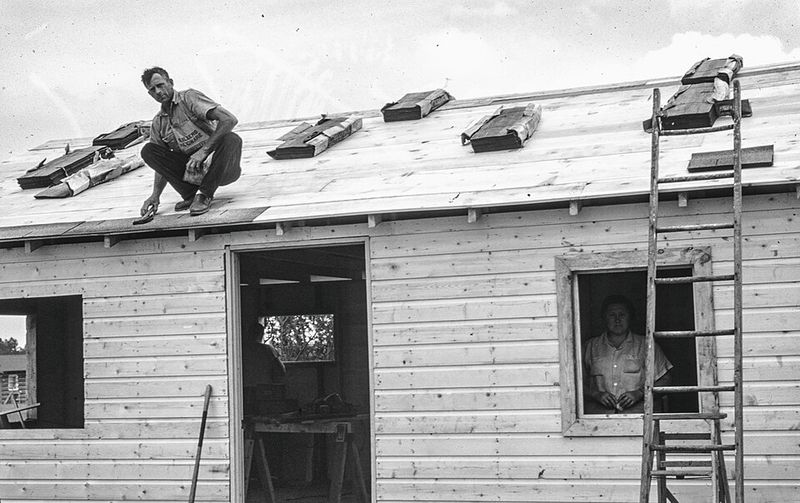
Clambering up ladders, hauling shingles, and working in blazing sun or freezing cold – roofing in the 1950s was hard, dangerous work, and it was done almost entirely by men. The job required physical stamina, balance, and a willingness to work at heights in all weather.
It was taken for granted that women simply didn’t do this kind of work, and the industry operated accordingly.
Roofing crews were all-male, and the culture was rough and informal. Women were not recruited, not trained, and not considered for the job.
The assumption that roofing was men’s work was so ingrained that it was rarely even articulated—it was just the way things were.
Today, roofing is still overwhelmingly male-dominated, but the 1950s assumption that women simply don’t do that job is culturally and legally outdated. In 2024, women made up 4.4 percent of roofers, a small but growing presence.
Women now climb roofs, install shingles, and work in the same demanding conditions as men.
The trade hasn’t changed much in terms of gender balance, and women entering it often face skepticism. But the old barriers have fallen.
The sight of a woman on a rooftop, hammer in hand, is no longer shocking—it’s a sign that the construction industry is slowly opening doors once firmly closed.
13. Construction Equipment Operator
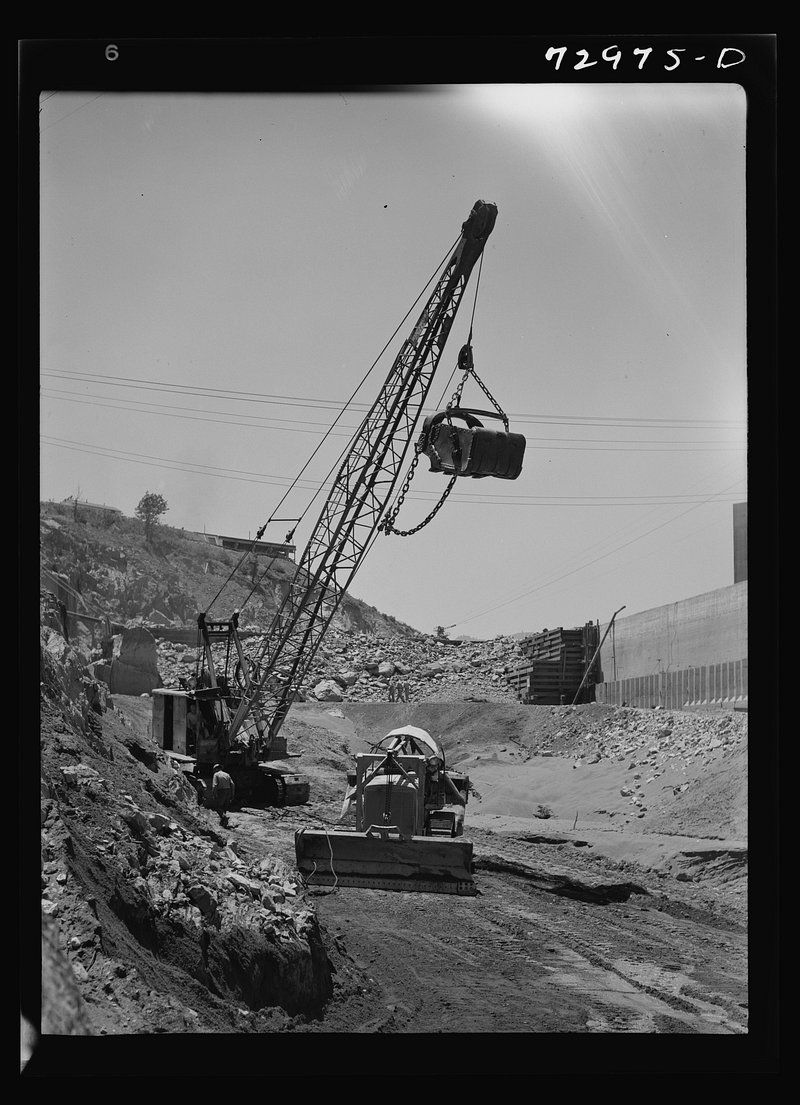
The rumble of bulldozers, the swing of excavator arms, the careful maneuvering of cranes – construction equipment operation in the 1950s was a job for men, no questions asked. Operating heavy machinery required training, skill, and physical coordination, but it was also wrapped in cultural assumptions about who belonged on a construction site.
Women were simply not part of the equation.
The barriers were both formal and informal. Some states had laws limiting women’s work in hazardous or night-time roles, which included operating heavy equipment.
Even where legal barriers didn’t exist, cultural norms and employer bias kept women out. The idea of a woman driving a bulldozer or operating a crane was almost unthinkable.
Today, women equipment operators are still a small minority, but they’re present on job sites across the country. In 2024, women made up 3.2 percent of operating engineers and other construction equipment operators.
Women now sit in the cabs of excavators, graders, and cranes, performing the same precision work as men.
The trade remains male-dominated, and women often face challenges breaking in and being taken seriously. But the old assumption that heavy equipment operation is men’s work has been proven false.
Women have demonstrated that skill at the controls matters more than gender, and they’re reshaping a field once closed to them.
14. Construction Laborer
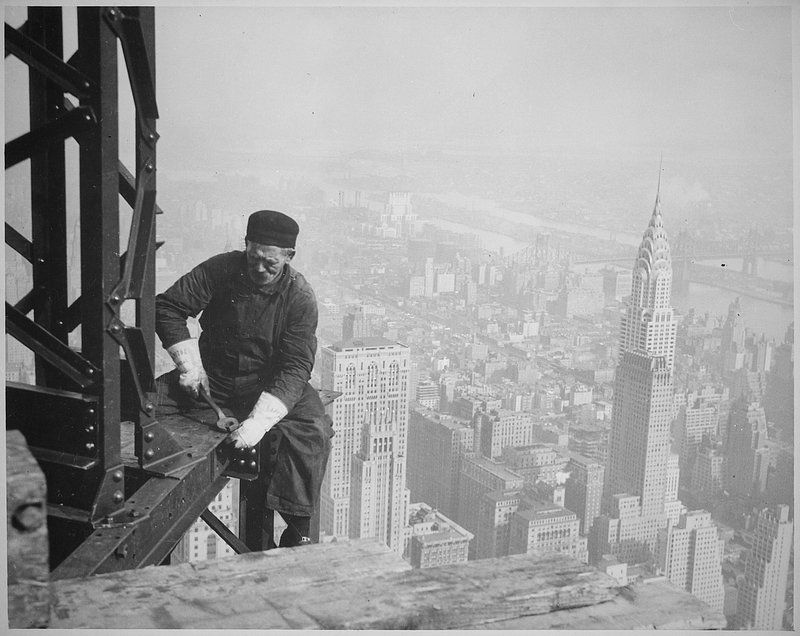
Digging trenches, hauling materials, pouring concrete – general construction labor in the 1950s was grueling, physical work, and it was overwhelmingly performed by men. Construction sites were male spaces, and the assumption that women couldn’t handle the demands of manual labor was so pervasive it was rarely questioned.
Women were steered toward clerical work, nursing, teaching—anything but the hard, dirty work of building.
The culture of construction was rough, informal, and deeply masculine. Women weren’t recruited for laborer positions, and the few who might have been interested faced discouragement from all sides.
The work was framed as too physically demanding, too dangerous, and simply inappropriate for women.
Today, construction labor remains one of the most gender-segregated categories in U.S. work culture, but change is happening. In 2024, women made up 10.2 percent of construction laborers, the highest percentage of any construction trade listed here.
Women now dig, lift, and build alongside men, proving that physical capability isn’t determined by gender.
Progress has been slow, and women in construction still face bias, harassment, and challenges. But the old assumption that construction labor is men-only work is fading.
Women have picked up shovels and hard hats, and they’re building careers in a field once closed to them, reshaping the landscape one job site at a time.



