 Unearth The Voyage

History is full of moments when widely accepted ideas turned out to be wrong. This list looks at times when experts, institutions, and the public backed beliefs that later collapsed under new evidence or real-world outcomes.
From technology and finance to science and culture, each example shows how confidence can build quickly and spread before being tested. Many of these ideas felt certain at the time, which is what makes their reversal so notable.
What makes these stories worth revisiting is the pattern. They highlight how easily consensus can form, and how often it takes time, data, or failure to challenge it.
1. Galileo Was Condemned

A telescope pointed at the sky ended up challenging far more than astronomy. Galileo used observation to support heliocentrism, the idea that Earth moves around the sun, but many educated people still favored older models backed by tradition, authority, and inherited teaching.
His arguments were not casual guesses. By the early seventeenth century, Galileo had gathered evidence from Jupiter’s moons and the phases of Venus, details that fit badly with the claim that everything revolved neatly around Earth.
Yet public and institutional resistance remained powerful, because changing the cosmic map meant unsettling accepted philosophy as well as religious interpretation. His condemnation in 1633 now stands as a classic reminder that consensus can defend familiar errors for a long time, especially when a new idea threatens the structure of belief more than the evidence itself.
2. “The Internet Is a Fad”

Nothing dates a confident prediction faster than calling the internet temporary. In the early 1990s, plenty of commentators, executives, and everyday users saw online life as clunky, niche, and far less important than television, print, or traditional retail.
That skepticism made some sense at first. Connections were slow, websites were basic, and most households had no obvious reason to spend time on a network that seemed designed for researchers, hobbyists, and people patient enough to wait for images line by line.
Still, the crowd missed the pattern. Email, search, e-commerce, digital media, and later smartphones turned the internet from a curiosity into the infrastructure for work, shopping, entertainment, banking, and social life.
The phrase “just a fad” now reads like a perfect example of how people underestimate new technology when its earliest form looks awkward, limited, and slightly annoying.
3. The “Unsinkable” Titanic

Confidence boarded this ship long before many passengers did. Advertisements, newspaper coverage, and repeated claims about advanced watertight compartments helped build the idea that Titanic represented modern engineering at its peak, and that belief spread quickly across classes and continents.
The vessel was impressive, but the label “unsinkable” encouraged a dangerous level of trust in design and procedure. Lifeboat capacity reflected outdated rules rather than a full passenger load, and some travelers reportedly treated warnings lightly because the ship’s reputation made serious trouble seem unlikely.
When the maiden voyage failed in April 1912, public certainty collapsed with stunning speed. Titanic became a lasting lesson in how branding, technology, and social status can combine to create false security, especially when a crowd prefers reassurance over caution and assumes prestige is the same thing as proof.
4. The Salem Witch Trials
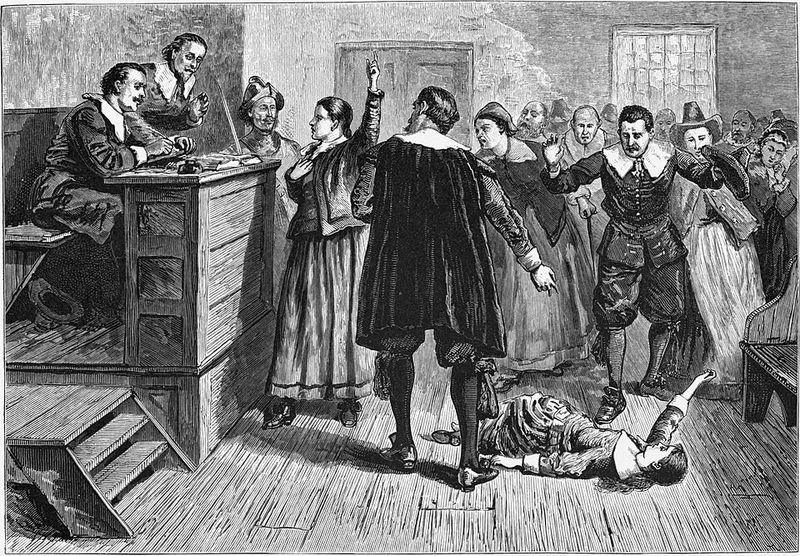
Few episodes show the danger of shared panic more clearly than Salem in 1692. A mix of local tensions, religious rigidity, rumor, and spectral accusations pushed neighbors to treat suspicion as evidence and fear as a form of certainty.
The trials spread because communities reinforced one another. Once accusations gained momentum, doubt itself could look suspicious, and ordinary disputes over property, status, or personal grudges became tangled with claims of invisible wrongdoing.
What makes Salem endure in cultural memory is not just the scale of error, but how normal the process first appeared to participants. Many people thought they were defending order and truth, yet the episode exposed how quickly a crowd can reward conformity, punish skepticism, and build a false reality that feels persuasive simply because so many voices repeat it.
5. The Beatles Were Rejected
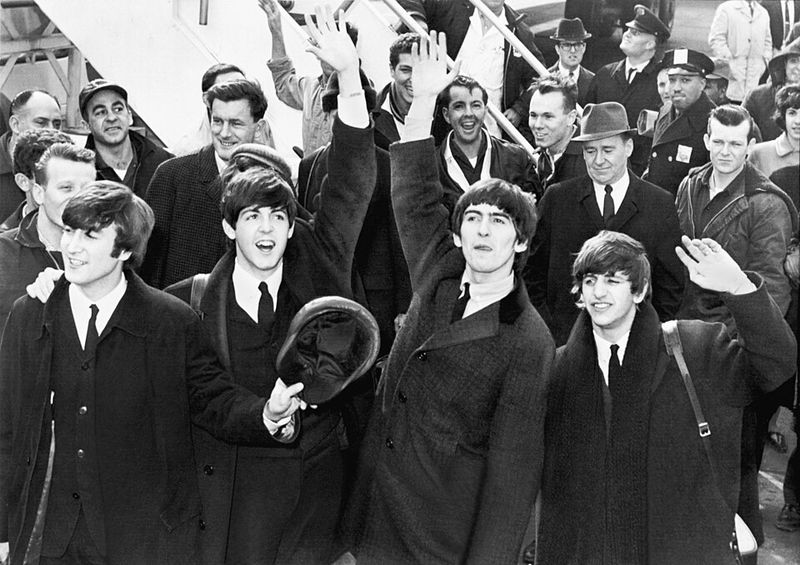
One of pop culture’s most famous misfires began with a shrug from the gatekeepers. Before Beatlemania reshaped music, the group faced rejection from industry figures who believed guitar bands were fading and that the future lay elsewhere.
That judgment now looks almost comic, but it reflected how record labels often evaluated acts through current formulas. Executives wanted familiar market signals, polished odds of radio success, and proof that a style already had momentum rather than the power to create one.
The Beatles changed those assumptions with songwriting, image, humor, and relentless audience connection. Once success arrived, it did not stay confined to chart positions.
They altered fashion, youth identity, studio experimentation, and the global business of popular music. The rejected audition remains a useful reminder that crowds, and the experts they trust, often mistake today’s patterns for permanent rules.
6. Stock Market Euphoria Before 1929
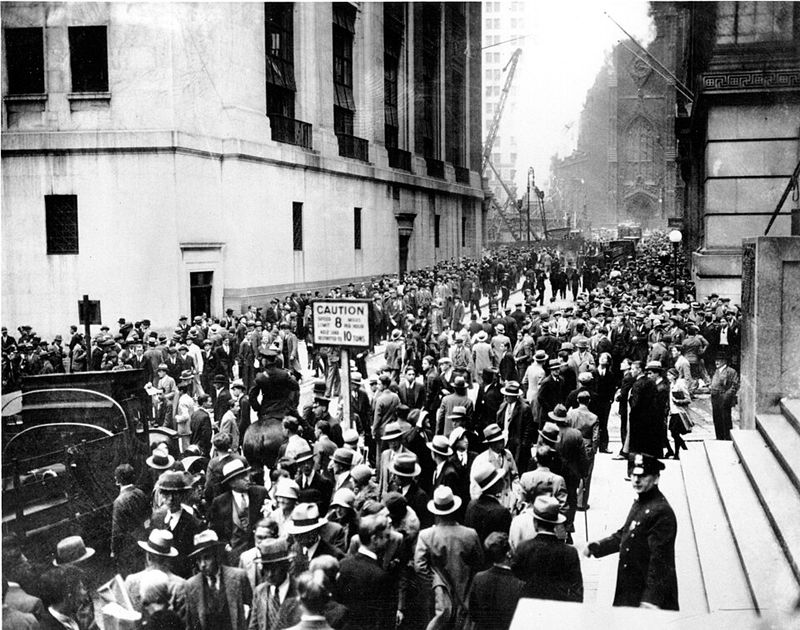
Prosperity can make bad assumptions look smart for longer than they deserve. In the late 1920s, many investors came to believe stock prices would keep rising, helped by easy credit, bullish headlines, and the thrilling sense that modern finance had discovered a new normal.
Buying on margin magnified that confidence. People could control large positions with borrowed money, which made gains look irresistible during the climb and made risk easier to ignore when friends, brokers, and newspapers seemed equally convinced.
When the market turned in 1929, the cheerful consensus was exposed as fragile arithmetic dressed up as wisdom. The episode still matters because it shows how crowds can confuse momentum with value and treat rising prices as evidence that prices deserve to rise.
That habit never really left financial culture, which is why 1929 remains more than a history lesson.
7. Smoking Was Considered Safe

Few marketing victories aged worse than the campaign to normalize cigarettes. For decades, companies sold smoking as stylish, ordinary, and even reassuring, while many consumers accepted the message because advertising, social habits, and selective science all leaned the same way.
Doctors appeared in ads, celebrities endorsed brands, and smoking spread through movies, workplaces, restaurants, and homes as if it were simply part of modern adult life. Public skepticism stayed limited because the product was everywhere, and ubiquity often masquerades as evidence of safety.
As stronger medical research accumulated through the mid twentieth century, that comfortable consensus began to crack. Findings on lung disease, heart risks, and secondhand smoke forced a broad cultural reversal, though not overnight.
The long delay shows how hard it is for a crowd to question a behavior woven into commerce, identity, and routine, especially when powerful industries benefit from confusion.
8. The Challenger Launch Decision

Some bad decisions do not come from ignorance, but from pressure dressed as confidence. Before Challenger launched in January 1986, engineers had raised concerns about O-ring performance in unusually cold conditions, yet the broader decision process moved ahead anyway.
NASA’s shuttle program had accumulated public prestige and an institutional rhythm that encouraged normalcy. Repeated launches can create the impression that a system is more reliable than it truly is, especially when schedules, expectations, and image begin competing with caution.
The result became one of the clearest modern examples of group judgment failing in full view of warnings. Investigations later highlighted communication breakdowns, managerial assumptions, and the tendency to accept risk because previous missions had not produced the same outcome.
It remains a sobering case study in how organizations can convince themselves that concern is excessive right up until facts prove otherwise.
9. “No One Needs a Personal Computer”

Nothing reveals the limits of expert forecasting like dismissing a machine now sitting in nearly every pocket. For years, influential voices assumed computers would remain expensive institutional tools used by governments, corporations, and universities rather than ordinary households.
That view reflected the era’s reality. Early computers were large, specialized, and dependent on trained operators, so the idea of a personal machine for writing, games, budgeting, communication, and creative work sounded unnecessary to people judging from existing hardware and business models.
Then microprocessors, hobbyist culture, and companies like Apple, IBM, and later many clone makers changed the equation. Software made machines useful beyond technical environments, and falling prices made ownership practical.
The old skepticism now reads as a cautionary tale about assuming current limitations define future demand. People often reject a product not because it lacks potential, but because they have not yet imagined their own use for it.
10. The Dot-Com Bubble
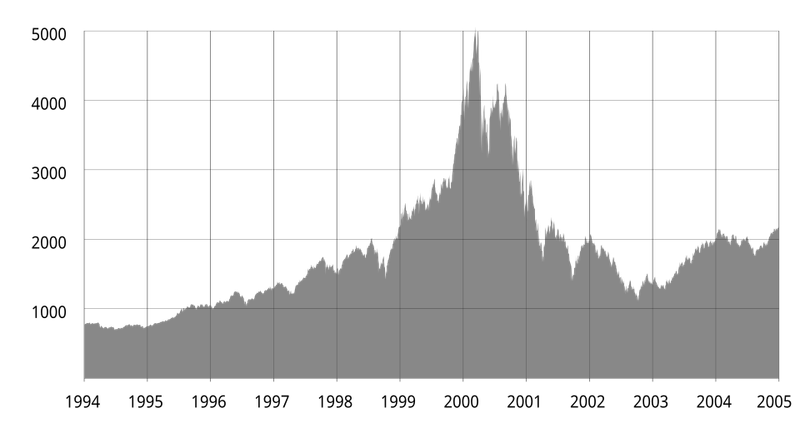
By the late 1990s, adding “dot-com” to a company name could attract attention faster than a sensible business plan. Investors, analysts, and the public embraced internet startups with extraordinary enthusiasm, often rewarding traffic projections and vague promises more than revenue or durable strategy.
The excitement was not entirely irrational. The web was transforming communication and commerce, and some companies truly were building the future.
The problem was that crowds began treating every online venture as if growth alone guaranteed profits, which turned speculation into a kind of social ritual.
When the bubble burst in 2000, many firms vanished and valuations collapsed. Yet the story is more useful than a simple joke about hype.
It shows how new technology can be genuinely important while the market around it becomes wildly unrealistic. Crowds were right about the internet’s significance, but badly wrong about how quickly every website would become a gold mine.
11. The Housing Market Before 2008

There was a period when “housing always goes up” sounded less like an opinion and more like a law of nature. Across the early and mid 2000s, buyers, lenders, investors, and commentators repeated the idea until it became part of everyday financial common sense.
Cheap credit, complex mortgage securities, speculative buying, and light scrutiny all fed the story. Rising prices seemed to validate the belief, which encouraged even riskier behavior as more people assumed they needed to enter quickly or be left behind by permanent appreciation.
When prices fell and the system buckled in 2008, the crowd’s confidence turned out to rest on fragile lending and dangerous incentives. The episode remains powerful because housing feels concrete, familiar, and dependable, which made the belief especially persuasive.
Yet markets tied to homes are still markets, and markets do not become safe merely because they are attached to driveways, kitchens, and the language of stability.
12. Ignoring Early Climate Warnings

Long before climate change became a daily headline, scientists were already raising careful, documented concerns. Research in the mid twentieth century and especially by the 1970s and 1980s pointed to warming linked to greenhouse gases, yet broad public urgency lagged far behind the evidence.
Part of the problem was scale. Climate systems are complex, effects unfold over decades, and people are often slow to prioritize risks that do not fit neatly into one news cycle, one election, or one monthly budget.
Organized doubt and selective messaging deepened the delay.
Ignoring early warnings did not mean the science was absent. It meant the crowd treated gradual danger as optional reading while other issues felt more immediate.
That gap between evidence and attention has shaped policy, infrastructure, and public debate ever since. It is a textbook case of how societies can postpone action not because information is unavailable, but because response feels inconvenient.
13. The “Y2K Panic” Overreaction
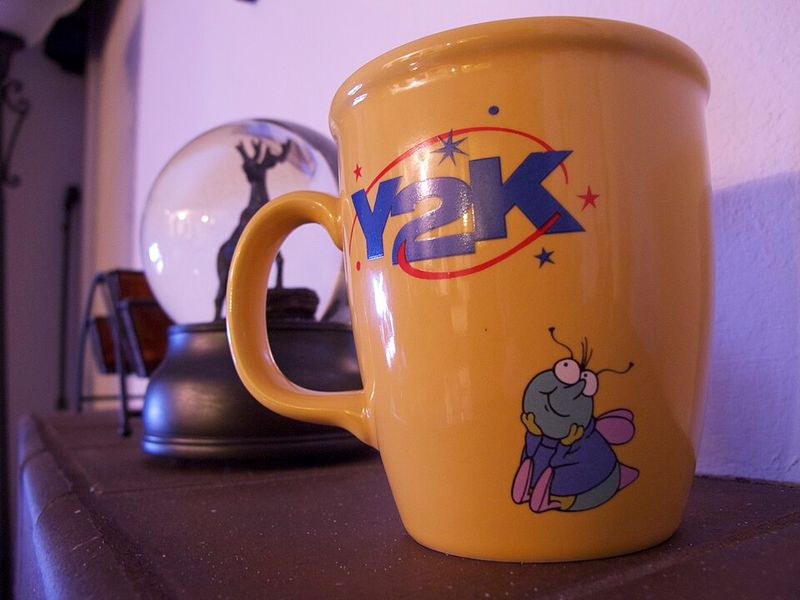
Midnight approached in 1999 with a level of computer anxiety that now seems almost scripted. Because many systems stored years with two digits, experts warned that the change from 99 to 00 could trigger errors across finance, utilities, transport, and government records.
The concern itself was real, but public imagination often sprinted far beyond the evidence. Predictions of total social breakdown spread through media coverage and conversation, turning a technical problem into a cultural event where canned goods and dramatic forecasts briefly shared the spotlight.
When January 1, 2000 arrived without global chaos, many concluded the whole issue had been silly. That verdict misses the interesting part.
Y2K became manageable partly because organizations spent years fixing code, testing systems, and planning contingencies. The crowd was wrong in two directions at once: some predicted collapse, while others later pretended there had never been a substantial technical challenge to address.
14. Early Rejection of Vaccines

Public health has repeatedly faced the same obstacle in different costumes: fear moving faster than evidence. From early smallpox campaigns to more recent vaccine debates, misinformation, rumor, and distrust have often slowed acceptance of tools that medical research strongly supports.
This pattern is older than social media. Concerns about safety, liberty, side effects, and institutional motives have circulated for generations, sometimes amplified by bad information and sometimes by genuine communication failures from authorities who assumed facts alone would settle the matter.
What the crowd often missed was the scale of benefit shown through data, reduced disease spread, and long term public health outcomes. Vaccines are not magic, and no medical intervention is discussed responsibly without attention to risk, but history is clear about their impact.
Repeated early rejection shows how easily people can treat uncertainty as proof of danger when trust is weak and organized misinformation is ready with simple answers.



