New Jersey’s coastline is famous for its beaches, but the real magic often hides just a little further from the shoreline. From salt marshes and pine forests to wildlife refuges and river overlooks, the Garden State is packed with coastal nature spots that most people never bother to find.
I stumbled onto a few of these by accident, and now I can’t stop going back. If you’re ready to trade the crowded boardwalk for something wilder and quieter, this list is your starting point.
Sandy Hook, Highlands, New Jersey
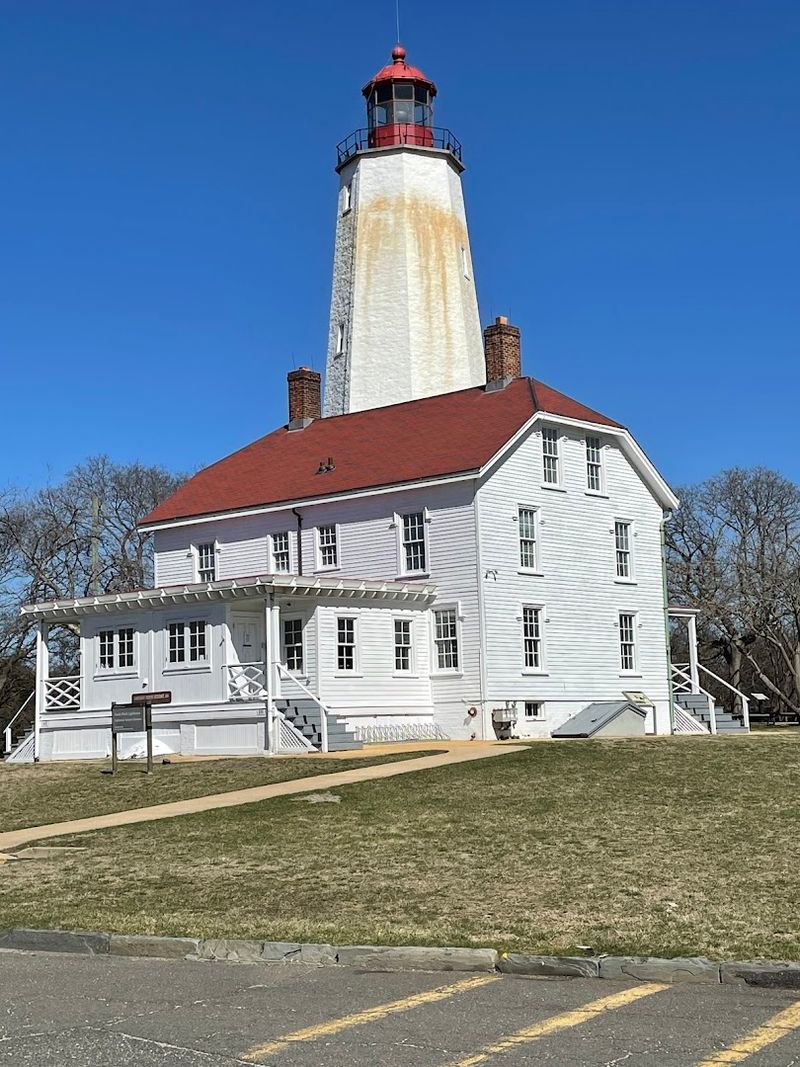
Sandy Hook is basically the overachiever of coastal nature spots. Yes, there is a beach, but the real fun starts when you wander away from it.
Bay views stretch wide in every direction, and the salt marsh edges are full of herons doing their best statue impressions.
The dunes here are serious business. They are tall, stabilized by grasses, and home to nesting piping plovers that get their own fenced-off VIP sections.
Birding is excellent along the historic paths that wind through the park.
Gateway National Recreation Area manages this spot, and it is open daily from 6 a.m. to 9 p.m. Bring water, wear sunscreen, and do not skip the bay-side trails.
The crowds thin out fast once you leave the main beach area, and suddenly you have wide open coastal wilderness all to yourself.
Hartshorne Woods Park, Highlands, New Jersey
Not many people expect to find serious hills along the New Jersey coast, but Hartshorne Woods Park quietly holds some of the highest elevations along the entire Atlantic Coast. That alone should get your attention.
The trails here climb through dense forest and reward hikers with sweeping views of the Navesink River below.
I went on a Tuesday morning and had entire stretches of trail completely to myself. The forest feels genuinely wild, which is a rare thing this close to the shore.
Mountain bikers love this park too, so keep your ears open on the wider trails.
Monmouth County Park System lists the park as open from 7 a.m. to dusk, with seasonal adjustments. There is no admission fee, which makes it one of the better free outdoor deals in the region.
Pack good shoes because some of those climbs are no joke.
Huber Woods Park, Middletown Township, New Jersey
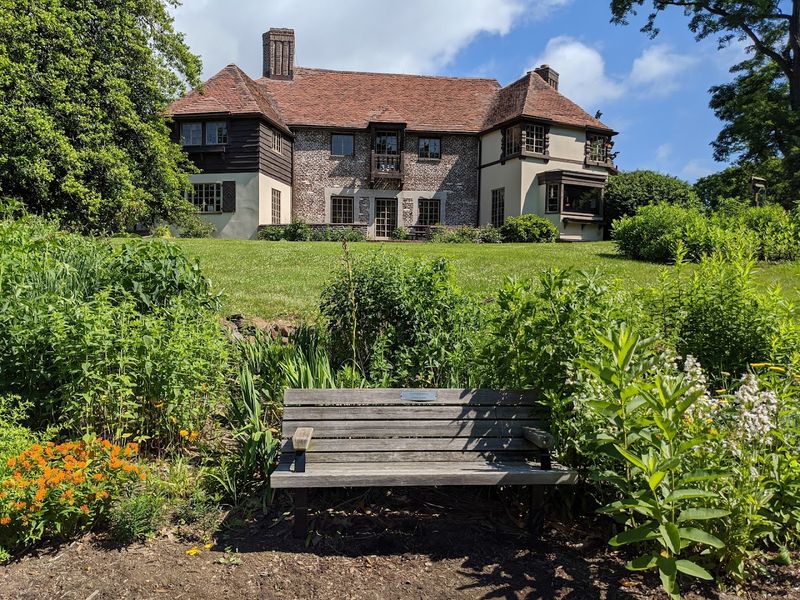
Huber Woods Park is the quieter sibling in the Monmouth County park family, and honestly that is a selling point. The trails move through mature woodland near the Navesink River, and the whole place has a calm, unhurried energy that is hard to find anywhere near the coast.
The environmental center on site is a solid bonus, especially if you are visiting with kids who need something to look at besides trees. It covers local ecology and helps put the surrounding landscape into context.
Weekdays here feel almost meditative.
The park opens at 7 a.m. daily, year-round, and there is no fee to enter. Trail distances are manageable for most fitness levels, making it a reliable pick for families, casual walkers, and anyone who just needs to step away from a screen for a few hours.
Sometimes the best nature spots are the ones nobody talks about.
Liberty State Park Nature Center, Jersey City, New Jersey
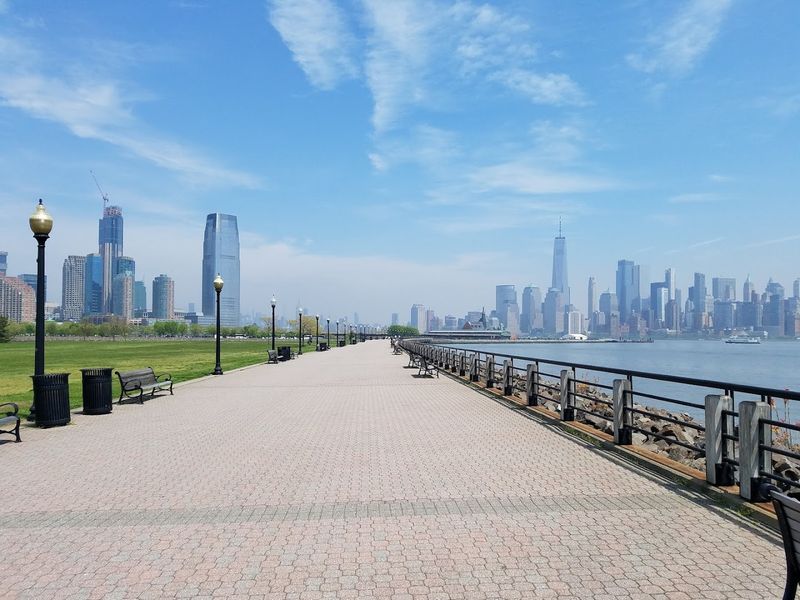
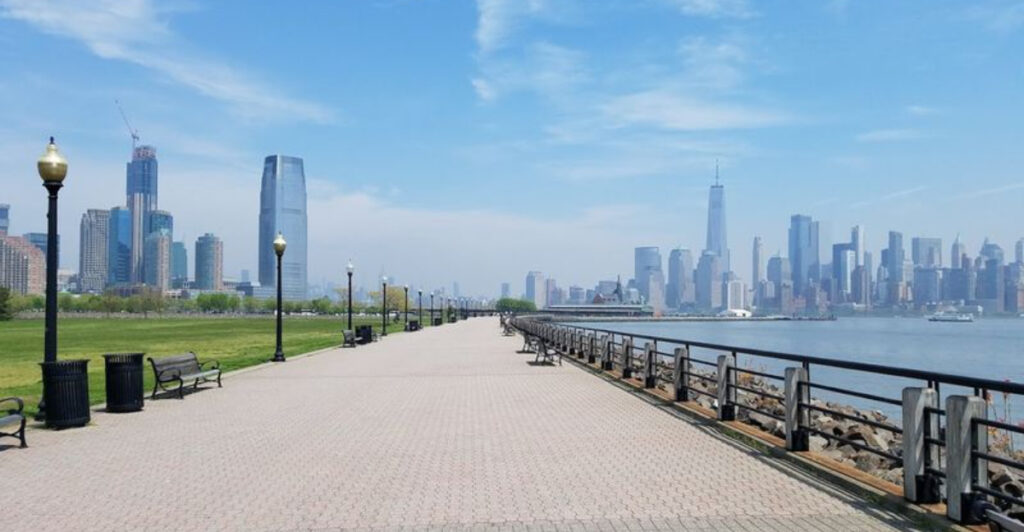
Only in New Jersey can you study estuary ecology with one of the world’s most famous skylines watching over your shoulder. Liberty State Park’s Nature Center focuses on the Hudson River Estuary, and the setting is genuinely unlike anything else on this list.
It is equal parts nature lesson and postcard moment.
The center is open seven days a week from 8 a.m. to 4 p.m. year-round, which makes it an easy add to any Jersey City visit. Programs cover local wildlife, water quality, and the surprising biodiversity that thrives in an urban estuary.
Spoiler: it is a lot more than you would expect.
Getting here by public transit is very doable from Manhattan or Jersey City, which removes the parking headache entirely. The surrounding park also has miles of waterfront paths worth exploring after your visit.
Coastal nature does not always mean escaping the city, and this spot proves it beautifully.
Cheesequake State Park, Matawan, New Jersey
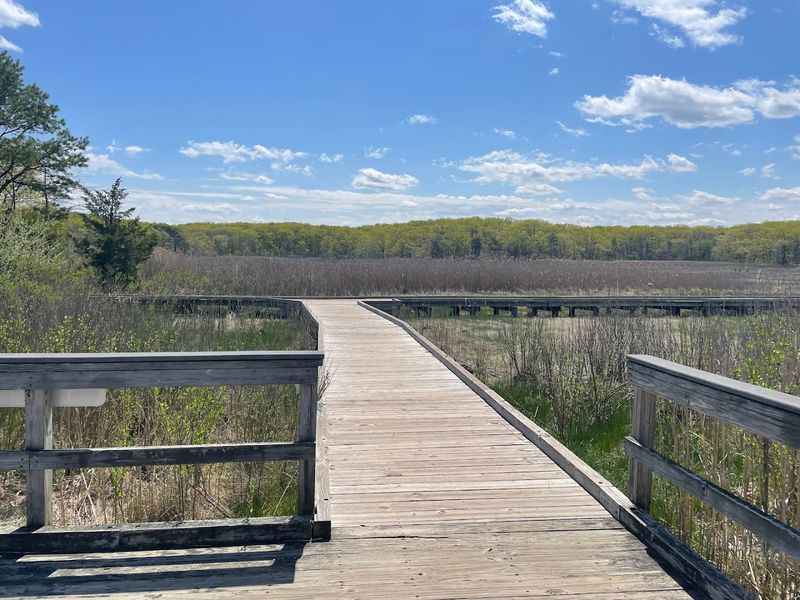
First, yes, the name is real, and no, it has nothing to do with dessert. Cheesequake State Park sits in a rare transition zone where multiple ecosystems overlap, which makes it one of the most ecologically interesting parks in the state.
Salt marsh, freshwater marsh, Atlantic white cedar swamp, pine barrens, and hardwood forest all share the same address here.
That variety means the wildlife list is unusually long. Wading birds, turtles, frogs, and dragonflies all show up depending on the season and trail you choose.
I once counted three different habitat types on a single two-mile loop, which felt like a cheat code for nature nerds.
Activities include hiking, camping, picnicking, kayaking, and biking. The park is listed on the official state page with all those options available.
It is close to the Garden State Parkway, so it is easy to reach even if you are just passing through the area.
Cattus Island County Park, Toms River, New Jersey
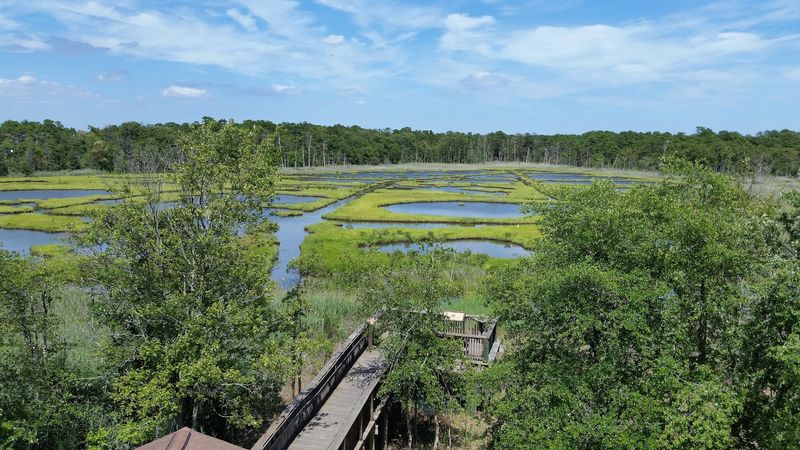
Cattus Island sounds like a place a cartoon villain would own, but it is actually one of Ocean County’s most pleasant nature escapes. The 530-acre park sits along Barnegat Bay and threads its trails through coastal wetlands, tidal flats, and forested uplands that feel genuinely remote despite being close to town.
The Cooper Environmental Center on site is a real asset. It offers exhibits on local ecology and hosts programs for all ages throughout the year.
The center is open Monday through Friday from 8:30 a.m. to 4 p.m. and on weekends from 10 a.m. to 4 p.m., excluding major holidays.
The park itself opens at 7 a.m. daily, with seasonal closing times. Birding is particularly good here during spring and fall migration when the wetland edges fill up with shorebirds and waders.
Bring binoculars and a snack, and plan to stay longer than you originally intended.
Wells Mills County Park, Waretown, New Jersey
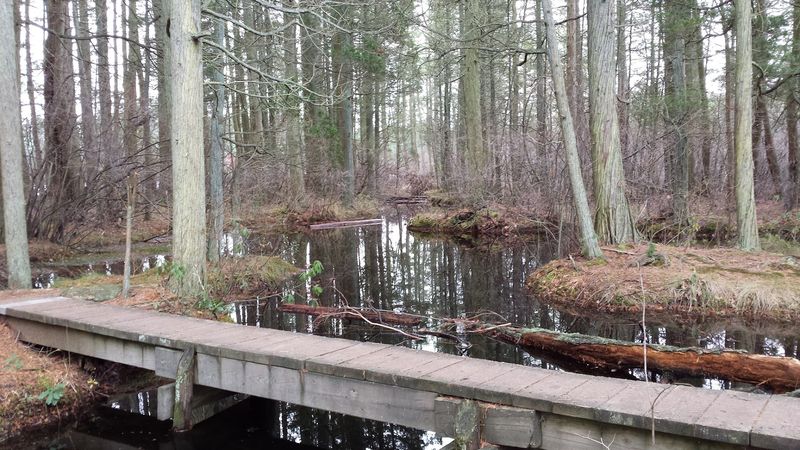
Wells Mills County Park is where the Pine Barrens and the coast shake hands. At 910 acres, it is one of Ocean County’s largest parks, and it delivers a full Pine Barrens experience without requiring a long drive into the interior.
Cedar-edged streams, pitch pine forest, and a scenic lake anchor the landscape.
The nature center recently went through upgrades and remodeling, which makes it worth a stop even if you have visited before. It covers the ecology of the Pine Barrens in depth, which is helpful context for understanding what you are walking through on the trails.
The park is listed for passive recreation, meaning the vibe here is calm and unhurried by design.
Wells Mills is a strong pick for hikers who want solitude. Trail traffic here is noticeably lighter than at more popular parks nearby.
If you have never spent time in the Pine Barrens ecosystem, this is one of the most accessible entry points along the coast.
Edwin B. Forsythe National Wildlife Refuge, Oceanville, New Jersey
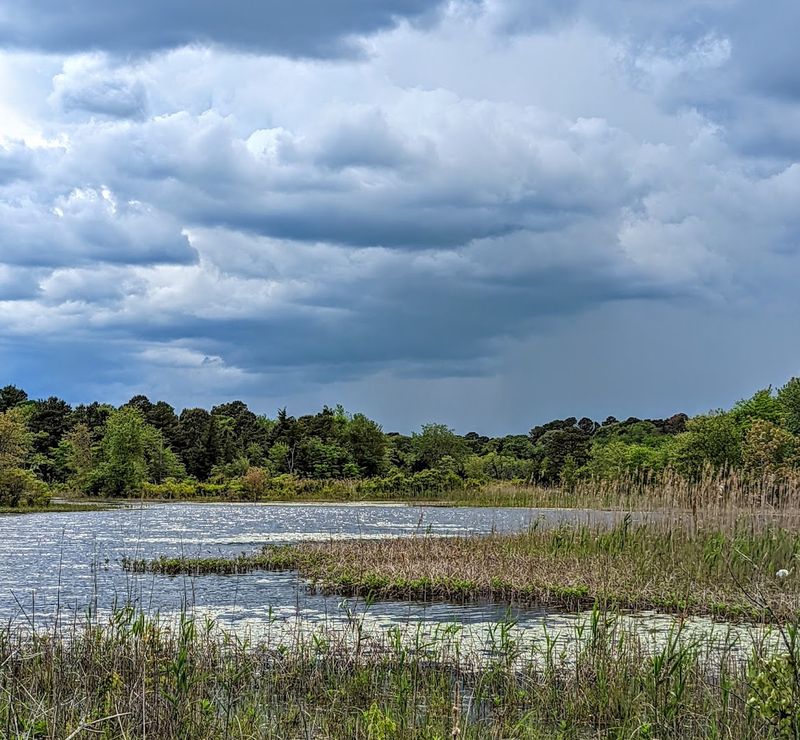
More than 48,000 acres of coastal habitat is not something you stumble past without noticing. Edwin B.
Forsythe National Wildlife Refuge is one of the largest coastal refuges on the East Coast, and it is a genuine destination for birdwatchers, wildlife photographers, and anyone who appreciates wide-open marsh scenery.
The Wildlife Drive is the main attraction, an eight-mile loop through salt marsh and open water that you can drive, bike, or walk. Shorebirds, waterfowl, ospreys, and occasionally bald eagles share the space with visitors.
During fall migration, the numbers of birds here are almost hard to believe.
The gate at 800 Great Creek Road opens at sunrise and closes at sunset according to the U.S. Fish and Wildlife Service.
There is a small entry fee per vehicle. Bring a telephoto lens if you have one.
Binoculars work fine too, but the birds here practically pose for portraits.
Island Beach State Park, Berkeley Township, New Jersey
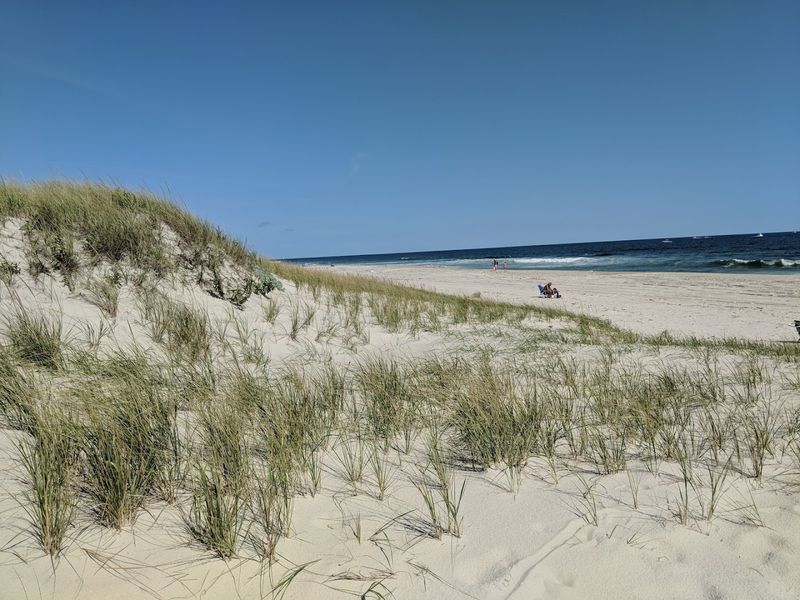
Everyone thinks of Island Beach State Park as a beach destination, and they are not wrong, but they are missing the best parts. The park protects one of the last significant stretches of undeveloped barrier island on the entire East Coast, and most of that protected land has nothing to do with swimming.
Primary dunes, maritime forest, freshwater wetlands, and tidal marshes all exist within the park boundaries. Osprey nest here every season, and peregrine falcons show up during migration.
The official state page also lists wading birds, shorebirds, waterfowl, and migrating songbirds as regular residents and visitors.
The natural area sections at the north and south ends of the park are where the real nature exploration happens. Most visitors cluster near the swimming areas in the middle, so the ecological zones see far less foot traffic.
Go early, head to the natural areas first, and you will have a completely different experience than the average beach-goer.
Cape May Point State Park, Cape May Point, New Jersey
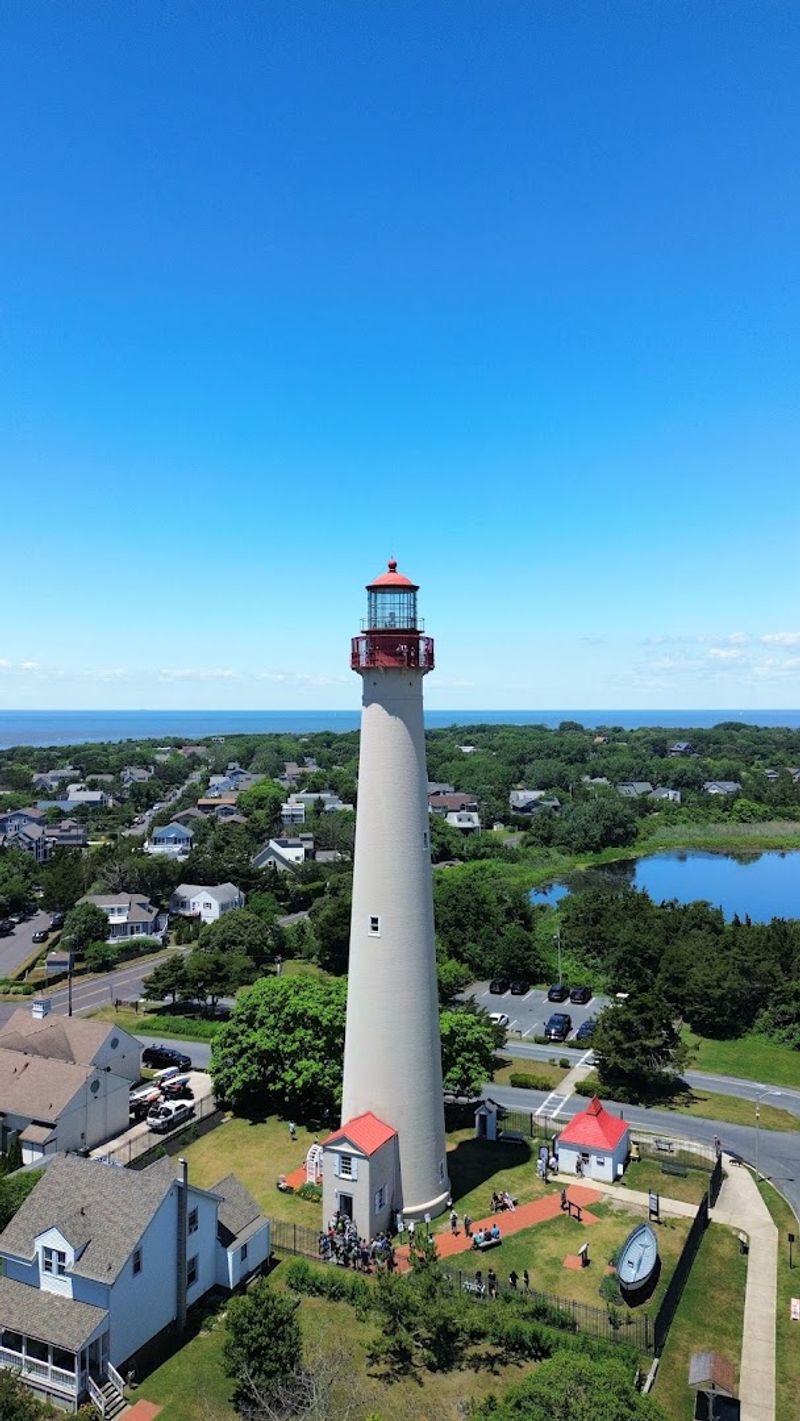
Cape May Point State Park might be the single best coastal nature spot in New Jersey for sheer variety packed into a small footprint. At 244 acres, it holds freshwater meadows, ponds, forests, dunes, and beach, plus one of the most celebrated bird migration corridors on the East Coast.
Fall migration here is genuinely jaw-dropping. Raptors, songbirds, monarch butterflies, and shorebirds all funnel through Cape May Point on their way south.
The hawk watch platform draws serious birders from across the country every September and October. Nature programs are available through the park, which is worth checking before your visit.
The lighthouse on site is an added bonus and worth climbing for the view. Trails are short and easy, making this park accessible to almost everyone.
I have never left Cape May Point feeling like I wasted my time, which is a pretty reliable endorsement for any nature spot.
South Cape May Meadows Preserve, Cape May, New Jersey
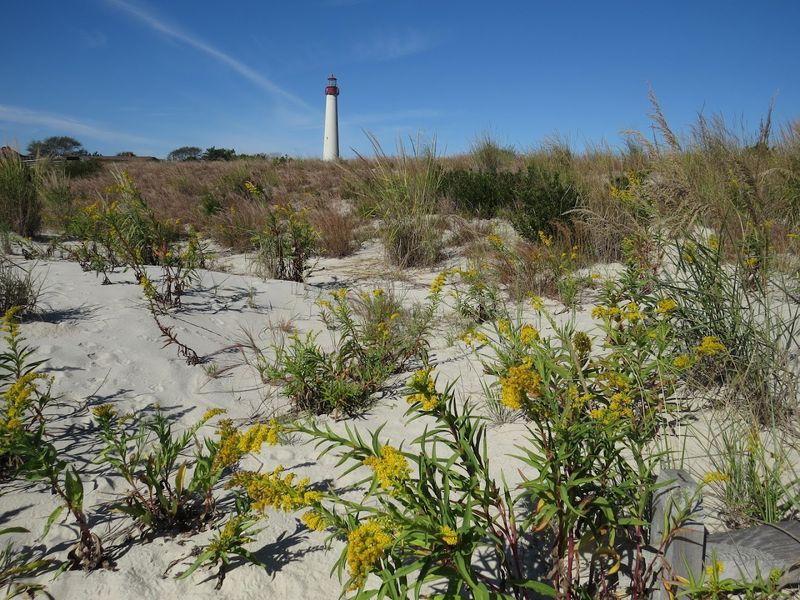
South Cape May Meadows Preserve is proof that 200 acres can punch well above its weight class. This Nature Conservancy property sits right at the tip of the Cape May peninsula, and its location makes it a magnet for migrating birds, turtles, dragonflies, and monarch butterflies moving through in the fall.
Trails pass through freshwater wetlands and lead toward protected coastal habitat near the shoreline. The variety of species you can spot on a single walk here is genuinely impressive.
Birders with life lists treat this place like a shopping spree.
The preserve is open to the public year-round according to Cape May Chamber information. There is no fee to visit, and the trails are easy enough for most fitness levels.
Go early in the morning during spring or fall migration and you will understand immediately why Cape May has a global reputation among serious wildlife watchers. The birds here do not disappoint.
Garrett Family Preserve, Cape May, New Jersey
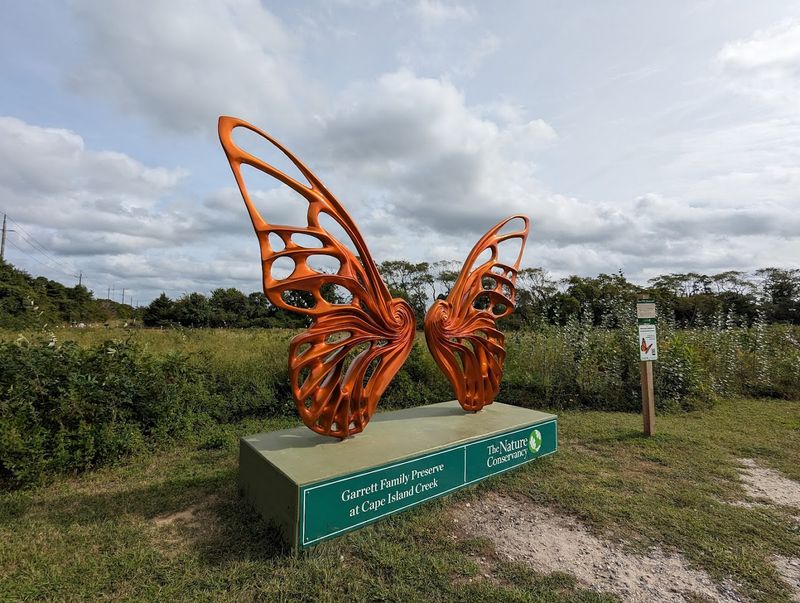
Garrett Family Preserve is the kind of place that makes you feel like you found a secret, even though it is open to the public year-round. It sits along Cape Island Creek and rolls through wildflower meadows, tidal marsh edges, and grassy paths that work just as well for a bicycle ride as a slow walk.
The Nature Conservancy describes it as a salt marsh and meadow landscape, which undersells it a bit. Migrating songbirds and raptors pass through during migration season, and pollinators including bumblebees and monarch butterflies make heavy use of the meadow sections.
It is a working natural landscape that rewards patient visitors.
Cape May visitor information confirms the preserve is accessible on foot or by bicycle, which makes it easy to pair with a visit to nearby South Cape May Meadows. The two properties together cover a solid stretch of critical coastal habitat.
Plan a half day and bring a field guide if you have one.
Cape May National Wildlife Refuge, Cape May Court House, New Jersey
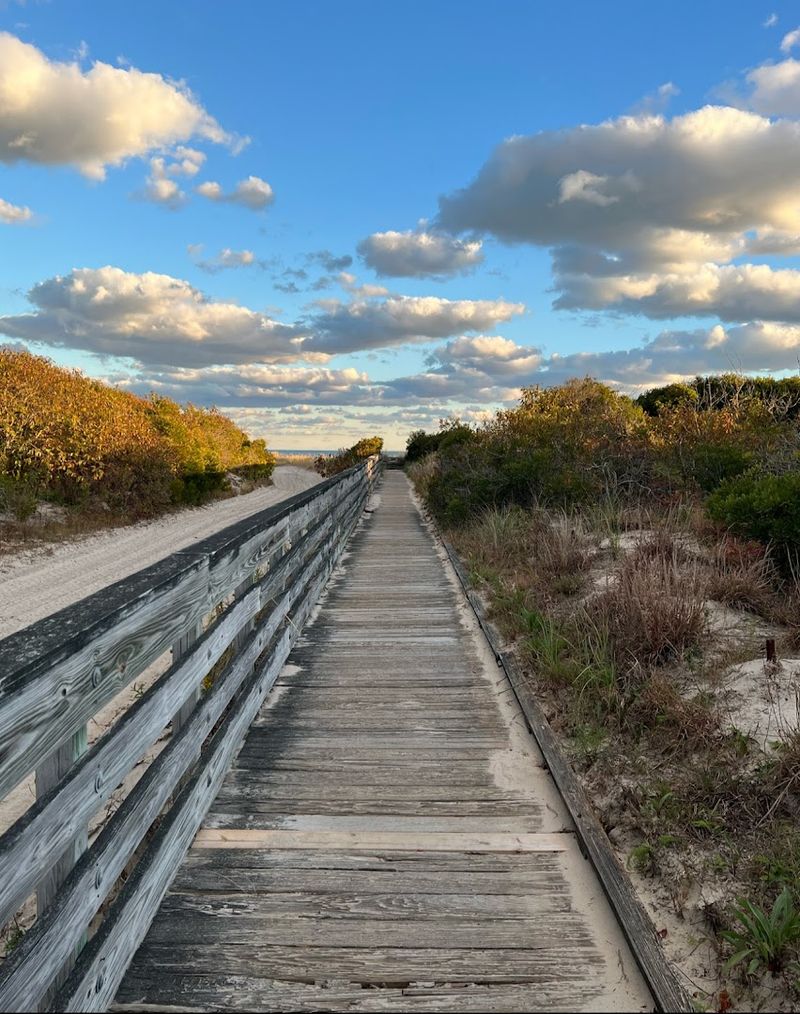
Cape May National Wildlife Refuge does not get nearly enough credit considering what it protects. Beach, bayshore, salt marsh, and upland forest all fall within its boundaries along the Atlantic Flyway, one of the most important bird migration routes in North America.
That combination of habitats in one refuge is genuinely rare.
The refuge is open year-round to the public, and the U.S. Fish and Wildlife Service lists public activities across multiple units.
The Delaware Bay shore section is especially good during late May when horseshoe crabs spawn and shorebirds descend in massive flocks to feed. It is one of the more spectacular wildlife events you can witness in the eastern United States.
Trails are spread across different units of the refuge, so it helps to check the official website before visiting to figure out which areas are currently accessible. Entry is free.
The refuge is a short drive from Cape May town and worth adding to any coastal nature itinerary in the region.
Supawna Meadows National Wildlife Refuge, Pennsville, New Jersey
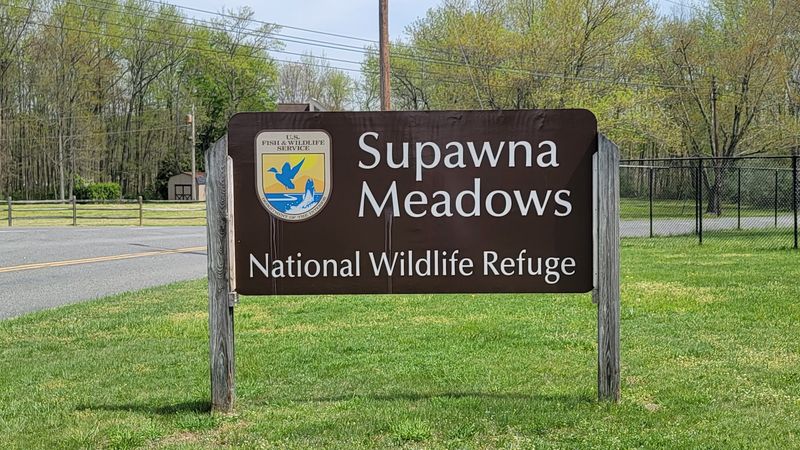
Supawna Meadows National Wildlife Refuge sits on the Delaware River side of New Jersey, which already puts it off most coastal nature radar. That is exactly what makes it worth visiting.
This estuary refuge in Pennsville protects tidal marsh, wet meadows, and upland habitat along one of the most biologically productive rivers in the region.
Wildlife viewing here focuses on waterfowl, wading birds, and raptors that use the Delaware River corridor during migration and winter. Fishing and hunting are also permitted in designated areas, which gives the refuge a more varied visitor base than most wildlife areas.
Special events are held seasonally, so checking the U.S. Fish and Wildlife Service site before your visit is a good idea.
New Jersey Audubon lists access as daily from dawn to dusk. Trails are easy and flat, making this one of the more relaxed refuges to explore.
It is a long drive from the Shore, but the Delaware Bay shoreline views make the trip genuinely worthwhile.
Share this story