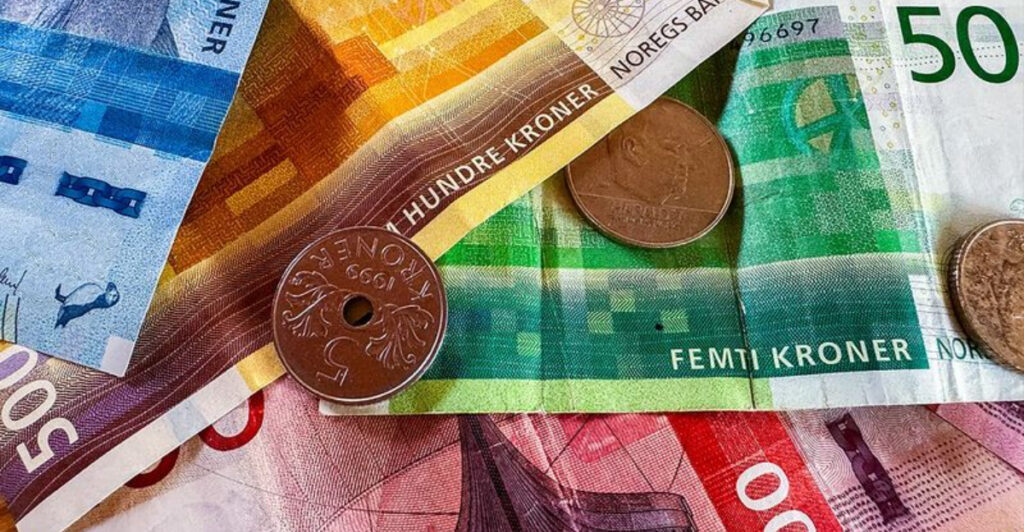
Money is something we use every day, but have you ever stopped to really look at it? Some countries have turned their banknotes into tiny works of art, filled with wildlife, history, architecture, and culture.
From transparent windows to vivid rainbow colors, the world’s most beautiful currencies prove that even something as ordinary as cash can be extraordinary. Here are 14 currencies that are as stunning to look at as they are useful to spend.
1. Swiss Franc (Switzerland)
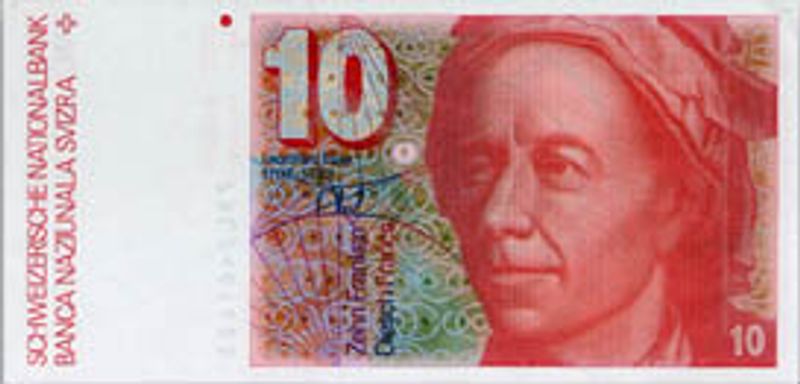
Switzerland is famous for precision, and that same attention to detail shows up on every single banknote. Swiss francs are printed in a vertical orientation, which is unusual and immediately eye-catching.
The colors are vivid and bold, making each denomination easy to tell apart at a glance.
Each note in the current series highlights a different side of Swiss life and culture, from the arts to scientific achievement. The designs include abstract and modern elements that feel more like gallery prints than everyday cash.
Security features are woven into the artwork so cleverly that they become part of the visual story.
Switzerland’s central bank, the Swiss National Bank, collaborates with top designers to create notes that balance beauty and function. Many currency experts rank Swiss francs among the most technically impressive banknotes ever produced.
Holding one feels like holding a miniature masterpiece.
2. Canadian Dollar (Canada)
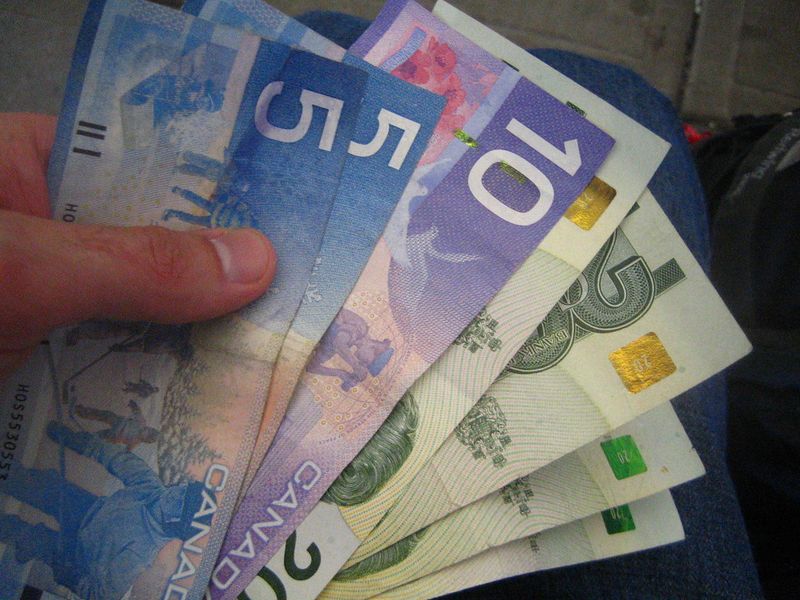
Canada switched to polymer banknotes in 2013, and the results are genuinely impressive. The notes feature a transparent window built right into the design, giving them a futuristic look that stands out in any wallet.
Colors shift and shimmer depending on how you hold the bill up to the light.
Each denomination tells a different chapter of Canada’s story. You will find images of hockey players, maple leaves, the Vimy Ridge memorial, and even a polar bear depending on which bill you pick up.
The artwork is crisp and detailed, making these notes feel more like collectibles than currency.
Beyond their looks, Canadian polymer notes are also incredibly durable and hard to counterfeit. They resist tearing, repel water, and last about two and a half times longer than paper money.
Canada managed to make its currency both beautiful and practical at the same time.
3. New Zealand Dollar (New Zealand)
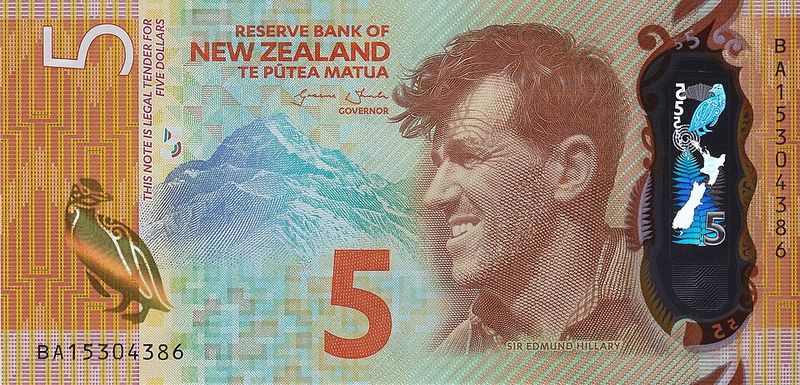
New Zealand’s banknotes are a celebration of the country’s natural world, and they do not hold back. Native birds like the kiwi, the yellow-eyed penguin, and the kea appear alongside stunning landscapes that make you want to book a flight immediately.
The colors are warm, rich, and incredibly well balanced.
The current series, introduced in 2015, upgraded the polymer notes with sharper imagery and stronger security features. Each note pairs a famous New Zealander on the front with a beloved native species on the back.
This pairing gives every denomination a sense of national pride and ecological awareness.
Currency design experts frequently place New Zealand’s dollar on their lists of the world’s most attractive banknotes. The combination of lush imagery, clean layout, and vivid color makes these notes genuinely hard to ignore.
Even tourists often keep a few as souvenirs long after their trip ends.
4. Norwegian Krone (Norway)
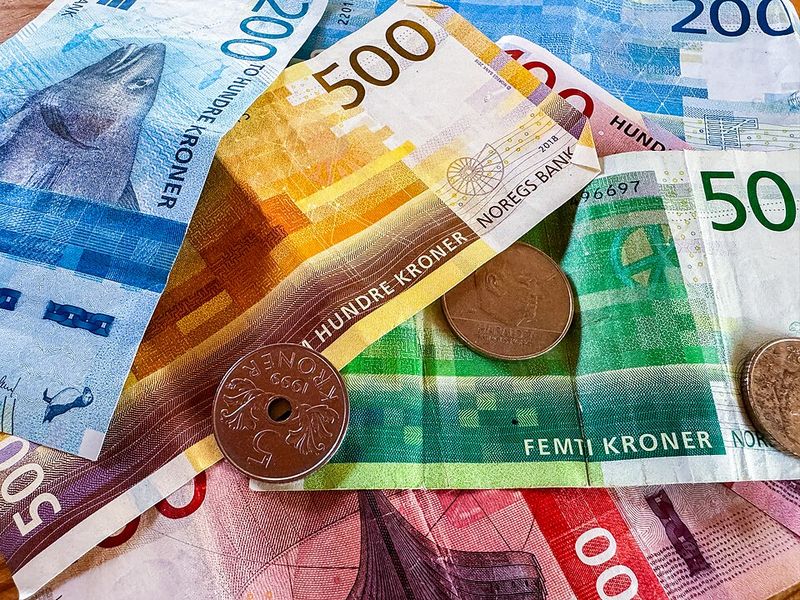
Norway’s krone series pulled off something remarkable: it won the award for Best New Banknote Series at the High Security Printing conference in 2017. The front of each note features classic maritime imagery, honoring Norway’s deep connection to the sea.
Ships, lighthouses, and coastal scenes are rendered in rich, traditional detail.
The back of each note is where things get truly unexpected. A team of designers created a pixelated, abstract landscape that shifts from calm to stormy depending on the denomination.
The pixel art style gives the notes a modern, almost digital look that contrasts beautifully with the traditional imagery on the other side.
This bold creative choice sparked debate and conversation around the world when the designs were first revealed. Some people loved the modern twist, while others preferred the classic side.
Either way, Norway proved that currency design can be genuinely daring and thought-provoking.
5. Australian Dollar (Australia)
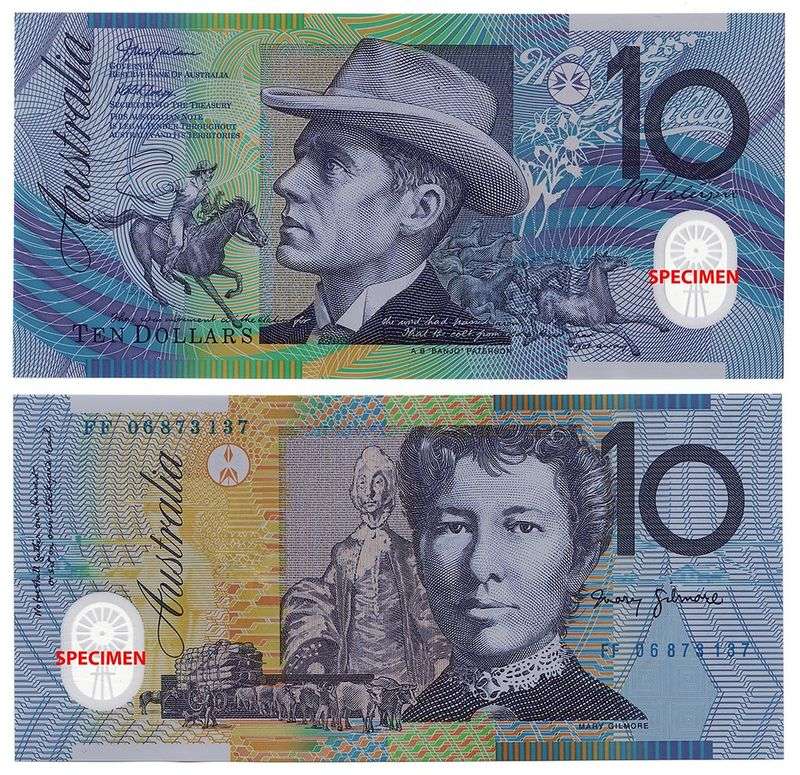
Australia was one of the first countries in the world to introduce polymer banknotes, launching the technology back in 1988. That early start gave Australian designers decades to perfect the art of making money look genuinely beautiful.
The current notes are some of the most colorful and detailed in circulation anywhere.
Each denomination features a prominent Australian figure on one side and a scene representing the nation’s heritage on the other. Poets, inventors, politicians, and humanitarians all appear across the series.
The colors range from golden yellow to deep teal, making the denominations instantly recognizable even from a distance.
Australia updated its series starting in 2016, adding enhanced security features and sharper print quality. Tactile features help visually impaired users identify different notes by touch.
The end result is currency that works beautifully for everyone, whether you are admiring the artwork or just grabbing change at the grocery store.
6. Pound Sterling (United Kingdom)
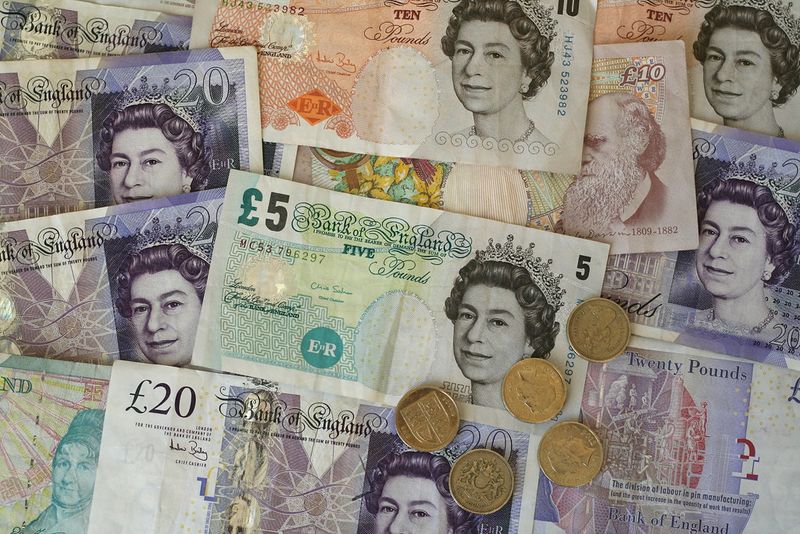
British pounds have gone through a quiet but impressive transformation over the past decade. The UK moved from paper to polymer notes starting in 2016, and the redesigns brought a fresh elegance to one of the world’s oldest currencies.
Security features are cleverly integrated into the artwork rather than sitting awkwardly on top of it.
The notes feature some of Britain’s most celebrated historical figures, including Jane Austen, J.M.W. Turner, and Alan Turing.
Each portrait is surrounded by carefully chosen imagery that reflects the person’s contributions to art, science, or literature. The result feels like a tiny, spendable tribute to British achievement.
King Charles III now appears on the newest notes following the passing of Queen Elizabeth II, marking a historic design shift. Collectors and history enthusiasts have been snapping up both old and new versions.
Few currencies carry the same weight of history while still looking this refined and modern.
7. Euro (European Union)
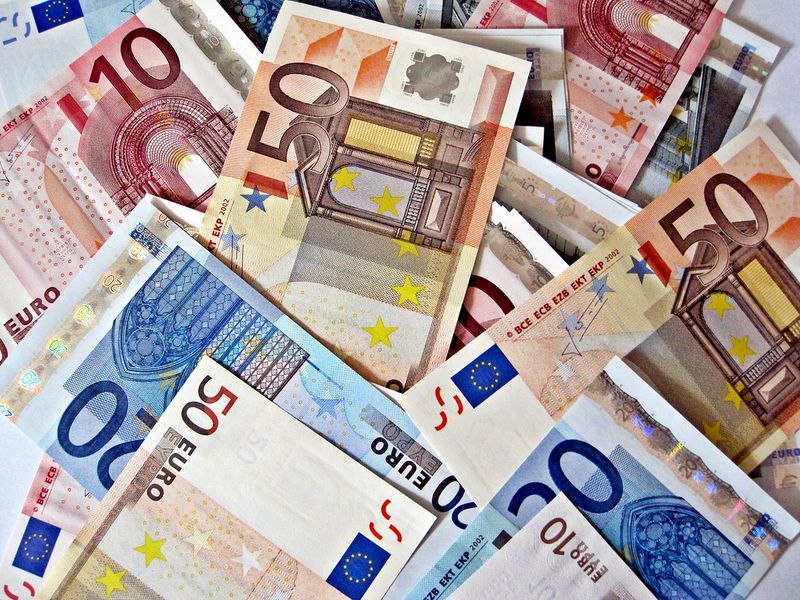
When the euro launched in 2002, it faced an interesting design challenge: how do you represent an entire continent on a single banknote? The solution was elegant.
Each denomination features a different architectural era of European history, from classical antiquity to modern steel and glass construction.
The bridges and doorways on euro notes are not real structures but fictional designs meant to represent unity across member nations. No single country gets preferential treatment, which makes the currency feel genuinely pan-European.
The holographic strips, color-shifting ink, and watermarks add layers of visual interest beyond just the main artwork.
A second series of euros, called the Europa series, began rolling out in 2013 with improved security and sharper printing. The notes are used by over 340 million people daily, making them one of the most widely seen pieces of graphic design on Earth.
That kind of reach makes good design a real priority.
8. Mexican Peso (Mexico)
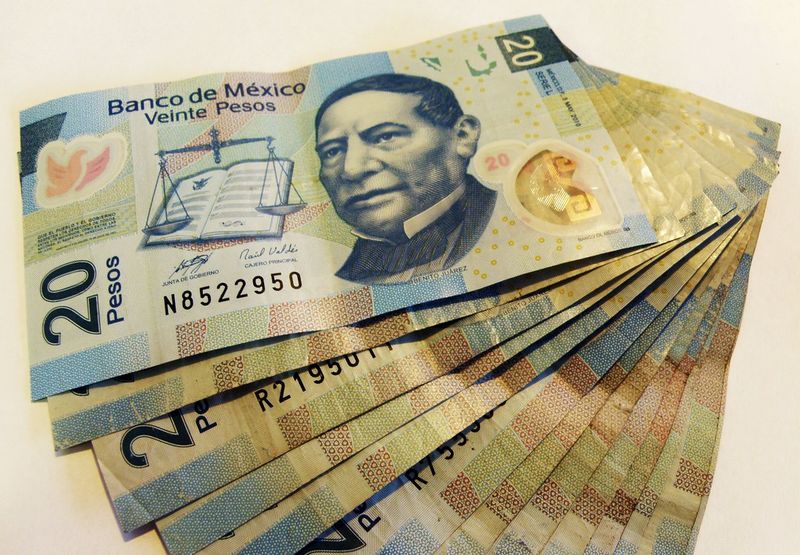
Mexico’s newer peso notes are a vivid showcase of everything the country has to offer. Recent redesigns have leaned into Mexico’s extraordinary biodiversity and rich pre-Columbian history, filling each note with imagery that feels both educational and visually stunning.
The colors are warm and bold, reflecting the energy of Mexican culture.
You will find references to ancient civilizations, notable historical figures, and even rare wildlife species depending on which denomination you pick up. The axolotl, a fascinating salamander found only in Mexico, appears on one note and has become a fan favorite around the world.
Pairing nature with history gives the peso a unique identity among global currencies.
Mexico has also incorporated advanced security features into these colorful designs, making counterfeiting significantly harder. The notes feel premium in the hand and look genuinely impressive under close inspection.
For a country with such a rich cultural legacy, it makes sense that the money reflects that heritage.
9. Fijian Dollar (Fiji)
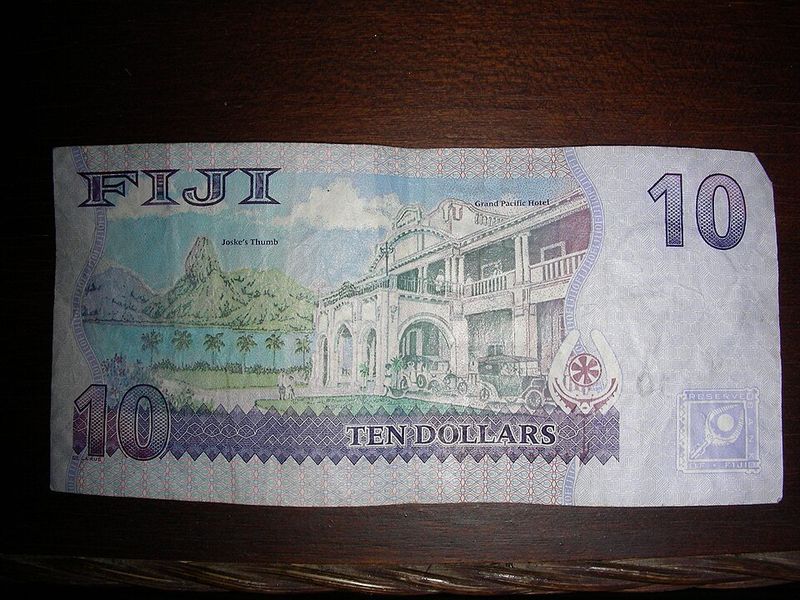
Fiji’s banknotes feel like a postcard from paradise, and that is entirely intentional. The islands are home to some of the most spectacular marine and terrestrial ecosystems on the planet, and the currency captures that beauty with remarkable detail.
Coral reefs, tropical birds, and lush rainforest scenes appear across the denominations.
The Fijian dollar series uses a rich tropical color palette that sets it apart from more subdued currencies elsewhere in the world. Bright blues, greens, and golds give each note a warm, sunlit quality.
Even people who have never visited Fiji can immediately sense the island atmosphere just from looking at the bills.
Beyond aesthetics, Fiji’s notes also carry cultural significance, featuring traditional motifs and imagery tied to Fijian heritage and community life. The combination of natural wonder and cultural pride makes these banknotes genuinely special.
They serve as a small but powerful reminder of what makes the island nation unique.
10. Singapore Dollar (Singapore)
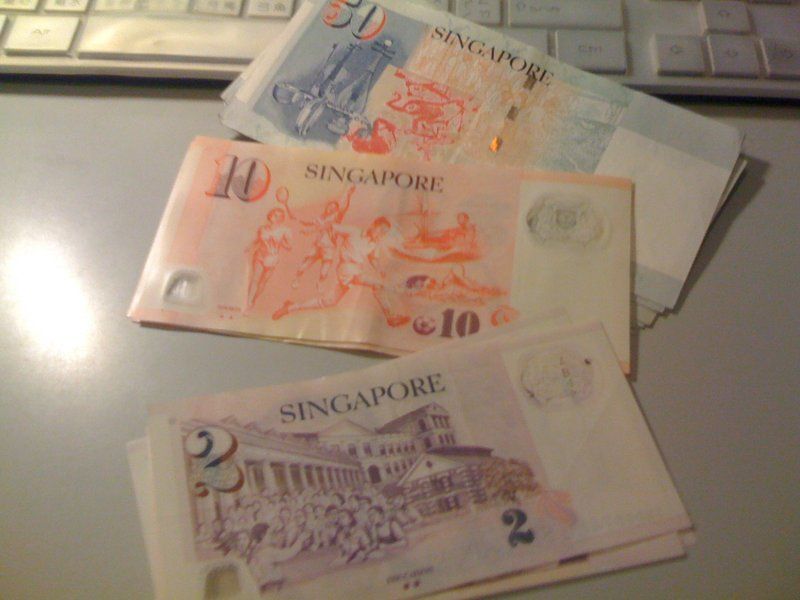
Singapore punches well above its weight when it comes to banknote design. The Portrait Series, which has been in circulation since 1999, features the face of Singapore’s first president, Encik Yusof bin Ishak, on every denomination.
The real visual variety comes from the reverse side of each note, where different themes come to life.
Education, the arts, housing, and national service are among the themes featured across the series, reflecting Singapore’s core national values. The imagery is detailed and layered, rewarding anyone who takes the time to look closely.
Colors range from deep red on the smallest denomination to a rich, warm brown on the highest.
Singapore is also working on updated notes that reflect the country’s growing multicultural identity and modern achievements. The city-state’s commitment to thoughtful, values-driven design makes its currency stand out in a region full of visually interesting banknotes.
Each note tells a piece of the Singapore story.
11. South African Rand (South Africa)
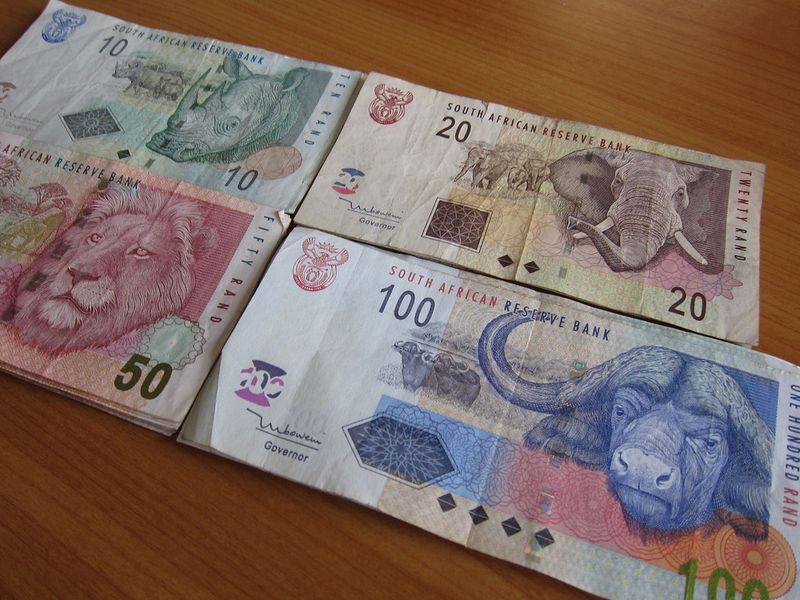
Few currencies in the world wear their national identity as proudly as the South African rand. The Big Five, which includes the lion, elephant, rhinoceros, leopard, and buffalo, appear across the denomination series in stunning illustrated form.
For a country where wildlife tourism is a cornerstone of the economy, this choice feels both natural and deeply meaningful.
The notes use warm earth tones that evoke the colors of the African savanna at golden hour. Each denomination pairs a specific Big Five animal with a portrait of Nelson Mandela, whose presence on the currency carries enormous historical and emotional weight.
The combination of wildlife and human legacy gives the rand a storytelling quality that few other currencies match.
South Africa updated the series in 2023, introducing sharper imagery and stronger security features while keeping the beloved wildlife theme intact. Collectors and wildlife enthusiasts alike treasure these notes for their artistry and symbolism.
12. Hong Kong Dollar (Hong Kong)
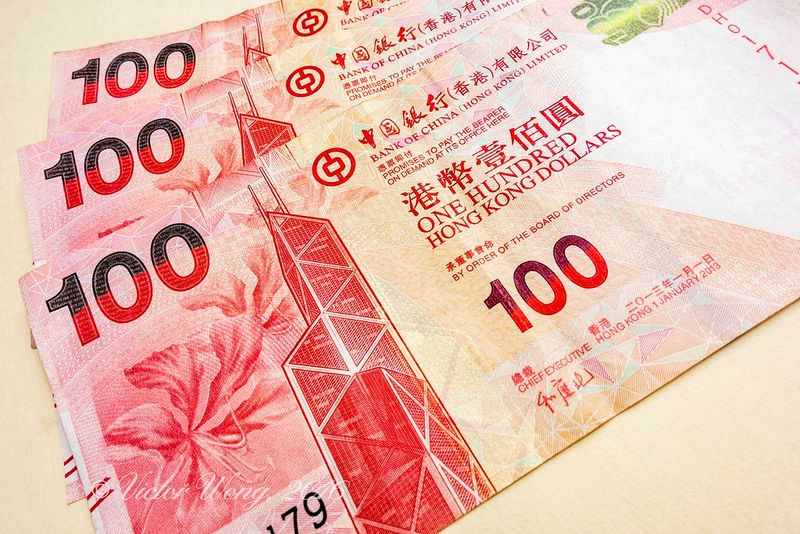
Hong Kong has an unusual currency setup that actually works in its favor when it comes to design. Three different commercial banks, HSBC, Standard Chartered, and Bank of China, are authorized to issue banknotes, each producing their own visually distinct series.
This means Hong Kong effectively has three sets of beautiful currencies circulating at once.
HSBC’s notes are known for their clean, classic look and the iconic lion logo. Bank of China’s series leans into bold geometric patterns and striking color contrasts.
Standard Chartered’s notes feature detailed imagery of Hong Kong landmarks and traditional motifs that celebrate the city’s unique cultural blend.
Collecting notes from all three issuers has become a hobby for many visitors and locals alike. The variety keeps the currency scene in Hong Kong lively and visually interesting.
It is a rare example of competition actually improving the quality and creativity of a country’s money.
13. Maldivian Rufiyaa (Maldives)
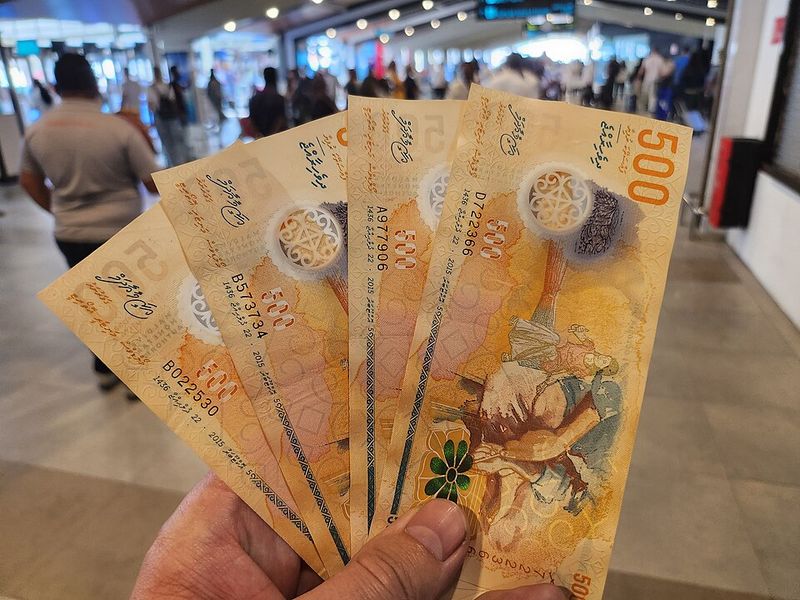
The Maldives is one of the most visually stunning places on Earth, and the rufiyaa does a good job of capturing that magic. Bright blues and turquoises dominate the color palette, reflecting the crystal-clear Indian Ocean waters that surround the islands.
The imagery on these notes feels like a love letter to island life.
Traditional dhoni fishing boats, which have been used by Maldivians for centuries, appear on several denominations. Marine life, mosques, and scenes of daily island life fill the remaining space, giving each note a warm, community-centered feel.
The artwork is detailed enough to reward close inspection without feeling cluttered or overwhelming.
For a small nation that relies heavily on its natural beauty to attract visitors and sustain its economy, putting that beauty front and center on the national currency is a smart and heartfelt choice. The rufiyaa reminds everyone who holds it just how special these islands truly are.
14. Icelandic Krona (Iceland)
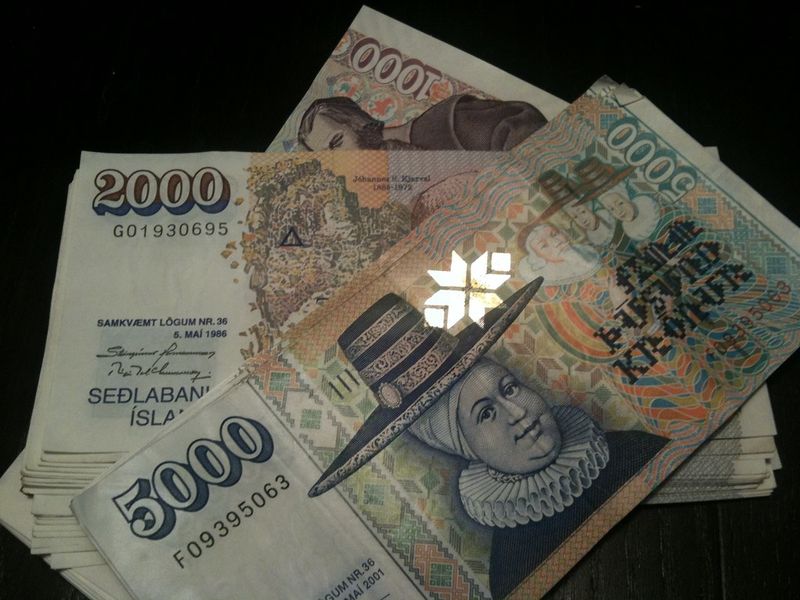
Iceland’s krona series carries a quiet, literary quality that sets it apart from flashier currencies elsewhere. Historical figures from Icelandic sagas, literature, and national history appear on the notes, giving them a storytelling depth that rewards anyone curious enough to look up the faces staring back at them.
The artwork has an almost hand-crafted feel.
Natural imagery plays a strong supporting role across the series. Iceland’s dramatic landscapes, including volcanic fields, glaciers, and the Northern Lights, appear in the backgrounds and borders of several notes.
The colors tend toward cool blues, greens, and purples, which feel perfectly suited to a country known for its otherworldly scenery.
Iceland’s krona may not circulate as widely as the euro or dollar, but within the world of currency collecting it is genuinely admired. The combination of national heroes, folklore, and breathtaking natural imagery makes each note feel like a small piece of Icelandic identity.
Few currencies feel this personal.
Share this story