France has a way of hiding its best secrets in small places. Tucked between mountain ranges, along dramatic coastlines, and deep in wine country, the country’s small towns often outshine its famous cities.
From Normandy’s chalk cliffs to Alsace’s fairy-tale villages, there is a corner of France for every kind of traveler. Whether you are chasing ocean views, great wine, or a proper medieval castle, these 14 towns deliver all three in spades.
Collioure
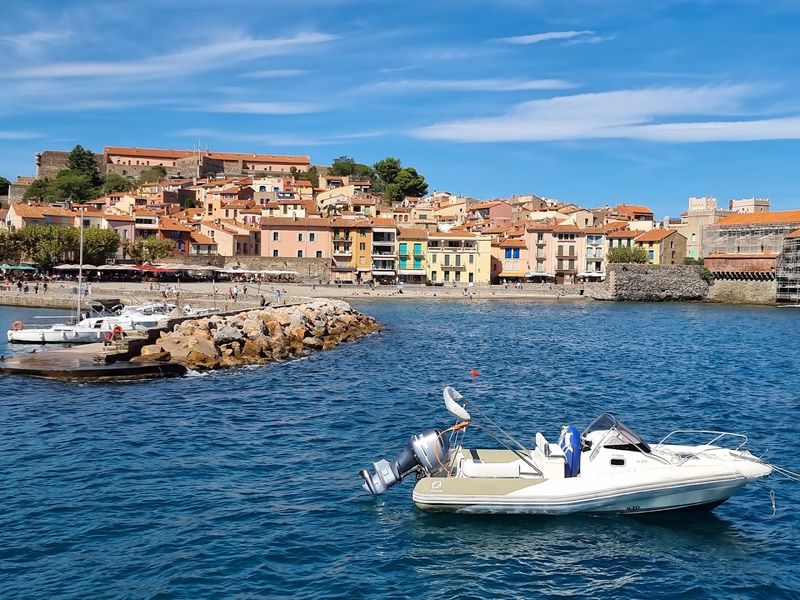
Collioure is the town that made Matisse drop his paintbrush and reach for bright colors instead. Sitting snug on the Côte Vermeille near the Spanish border, this little gem has a Catalan soul, a Mediterranean heart, and vineyards climbing the hills behind it.
The Château Royal sits right by the water, which means your castle selfie also comes with a sea backdrop. That is a two-for-one deal most towns could only dream of.
The old streets are narrow, sun-warmed, and full of small art galleries that make afternoon walks genuinely entertaining.
Wine fans should not leave without trying the local Collioure and Banyuls reds. These are bold, slightly unusual wines that match the town’s dramatic personality perfectly.
Pack light, walk everywhere, and plan to stay at least two nights.
Cassis
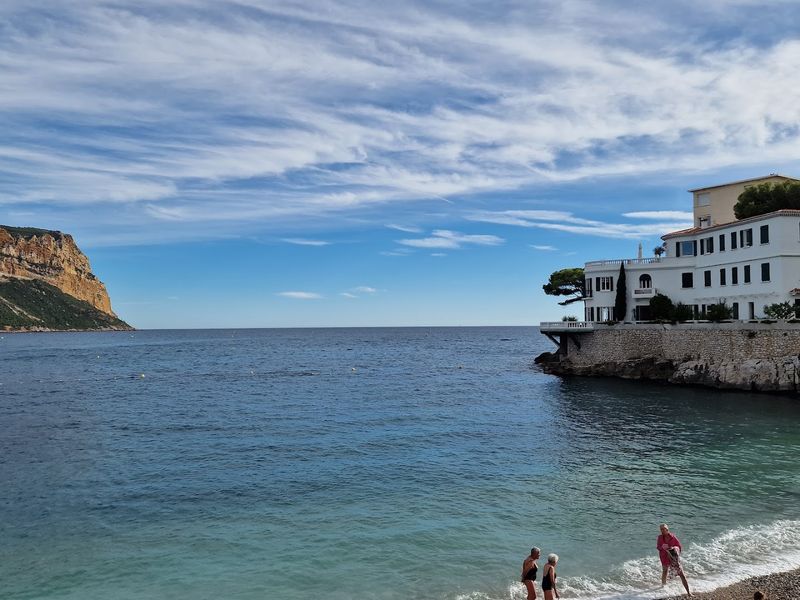
Cassis punches well above its weight for a town you could walk across in twenty minutes. Sitting just east of Marseille, it has turquoise calanques, a sun-soaked harbor, and white wines that pair dangerously well with a long lunch.
I once spent three hours at a harbor café there, fully convinced I would leave after one glass. Cassis has that effect on people.
The Calanques National Park is right on its doorstep, offering boat trips and cliff hikes that genuinely take your breath away.
Wine lovers should book a visit to one of the local vineyards producing the prized Cassis AOC whites. These crisp, mineral wines are rarely exported, which means drinking them here feels like a proper insider treat.
Arrive early in summer, as parking becomes a competitive sport by mid-morning.
Bandol
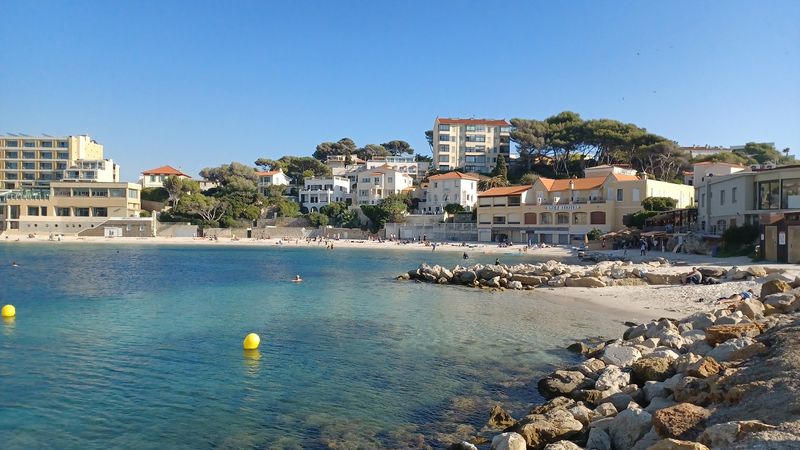
Bandol is the kind of town where a beach morning flows naturally into a vineyard afternoon, and nobody finds that unusual. Located along the Provence coast west of Toulon, it balances resort charm with serious wine credentials in a way few places manage.
The Bandol AOC produces some of southern France’s most respected reds, built on Mourvèdre grapes that thrive in the rocky, sun-blasted hillsides nearby. Tasting rooms and estate visits are easy to arrange, and most producers are genuinely welcoming to curious visitors.
The town itself has a relaxed marina, a lively Tuesday market, and enough café terraces to fill a slow week. Active travelers can explore the coastal path toward Sanary-sur-Mer for excellent sea views.
Bandol works brilliantly as a base for exploring the western Var coast without the price tag of Saint-Tropez.
Antibes
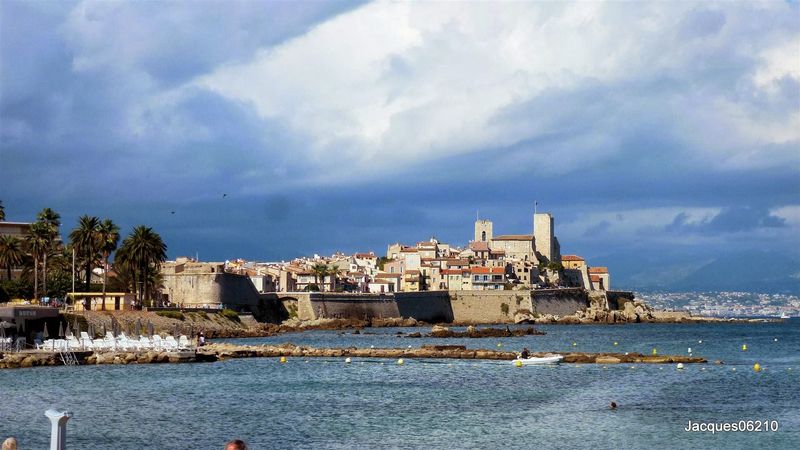
Antibes has been charming visitors since the ancient Greeks founded it around 400 BC, so it has had plenty of practice. The old town sits behind impressive sea walls, with cobblestone lanes, a covered market bursting with Provençal produce, and views across the bay toward Nice.
Fort Carré, a 16th-century star-shaped fortress, guards the northern approach to town and rewards visitors with sweeping coastal panoramas. History buffs and casual walkers both find it worth the short climb.
Picasso also spent time here, and the Musée Picasso is housed in a chateau above the sea.
Sandy beaches stretch south of the old town, making it easy to combine culture and coastline in a single day. Antibes is livelier than many Riviera towns but still walkable and manageable.
It is genuinely one of the best-value stops on the entire French Riviera.
Étretat
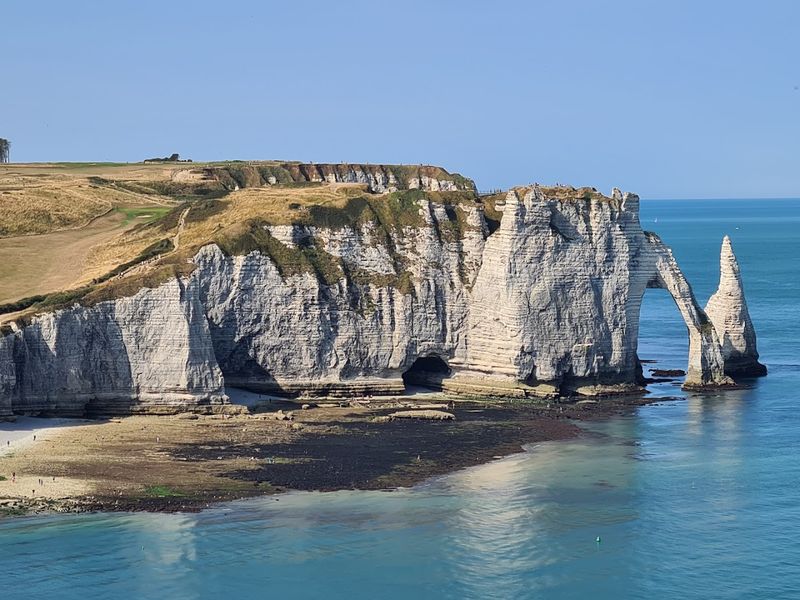
Normandy is not usually the first place people think of for coastal drama, but Étretat will change that opinion fast. The white chalk cliffs here are genuinely jaw-dropping, with a natural arch and a needle-shaped rock rising straight from the sea like nature showing off.
The cliff walks above town are the real highlight, offering views that have inspired painters from Monet to Courbet. Going early in the morning means fewer crowds and better light for photos.
The pebble beach below fills up quickly in summer, so morning visits are strongly recommended.
The Jardins d’Étretat add a clever bonus, with sculpted gardens perched on the clifftop overlooking the coast. They are quirky, photogenic, and worth the entry fee. Étretat has no vineyards to speak of, but its coastal scenery more than earns its place on any list of France’s most dramatic small towns.
Honfleur
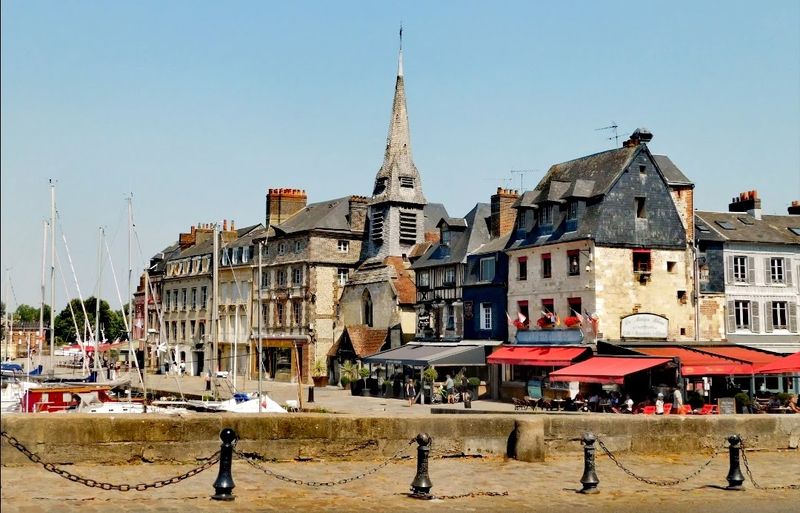
Honfleur is the town that looks like it was assembled by a very talented set designer who had a thing for tall, narrow houses and reflective water. Its Vieux Bassin, or old harbor, is lined with buildings up to seven stories tall, all squeezed together in cheerful mismatched colors.
Artists have been obsessed with Honfleur for centuries, and it is easy to see why. The light, the reflections, and the general prettiness of the place make it almost unfairly photogenic.
Erik Satie, the eccentric French composer, was born here, and his quirky museum is one of the most entertaining cultural stops in Normandy.
Beyond the harbor, half-timbered streets and excellent seafood restaurants keep visitors busy for a full day or two. Honfleur works especially well as a weekend escape from Paris, sitting about two hours from the capital.
Book accommodation well ahead during summer weekends.
Saint-Émilion
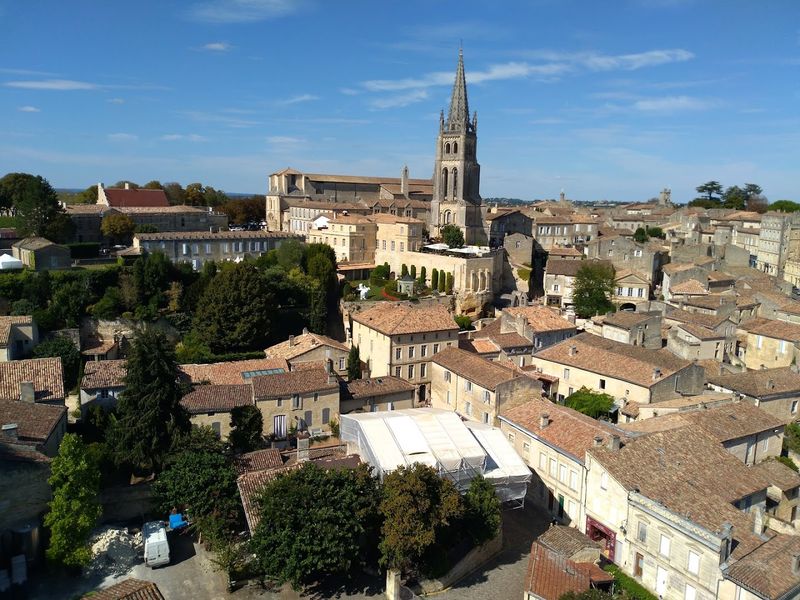
Saint-Émilion is the kind of place where the ground beneath your feet is literally full of wine. The village sits on a limestone plateau riddled with ancient cellars, and the surrounding vineyards produce some of Bordeaux’s most celebrated reds.
The cobblestone streets are steep, pretty, and lined with wine shops that are genuinely hard to walk past without stopping. I made the mistake of entering three of them in one afternoon and emerged significantly lighter in the wallet but very happy.
The underground monolithic church, carved directly into rock, is one of the most unusual religious sites in France.
Wine tastings at nearby châteaux range from casual to seriously impressive, and many welcome visitors without appointments outside peak season. The town is a UNESCO World Heritage Site, which means the architecture is as carefully preserved as the wine.
Stay overnight to enjoy the village after day-trippers leave.
Eguisheim
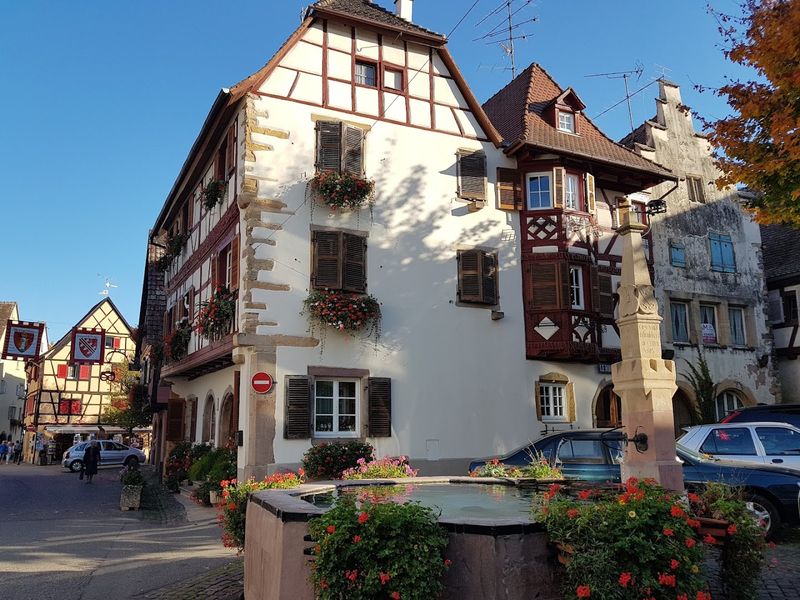
Eguisheim looks like someone took a fairy tale, added geraniums, and turned it into a village. Built in concentric circles around its historic center, this Alsatian gem consistently ranks among the most beautiful villages in France, and the competition for that title is fierce.
The half-timbered houses here are painted in shades of pink, yellow, and ochre, with flower boxes so enthusiastic they practically wave at you. Walking the circular lanes takes about twenty minutes, but most visitors end up doing several laps without noticing.
Eguisheim is also considered the birthplace of Alsatian viticulture, which gives it serious wine credentials alongside its postcard looks.
The surrounding Grand Cru vineyards produce excellent Riesling and Gewurztraminer worth seeking out. The castle ruins at the center of the old town add a nice historic touch.
Visit on a weekday to avoid weekend crowds from nearby Colmar.
Kaysersberg
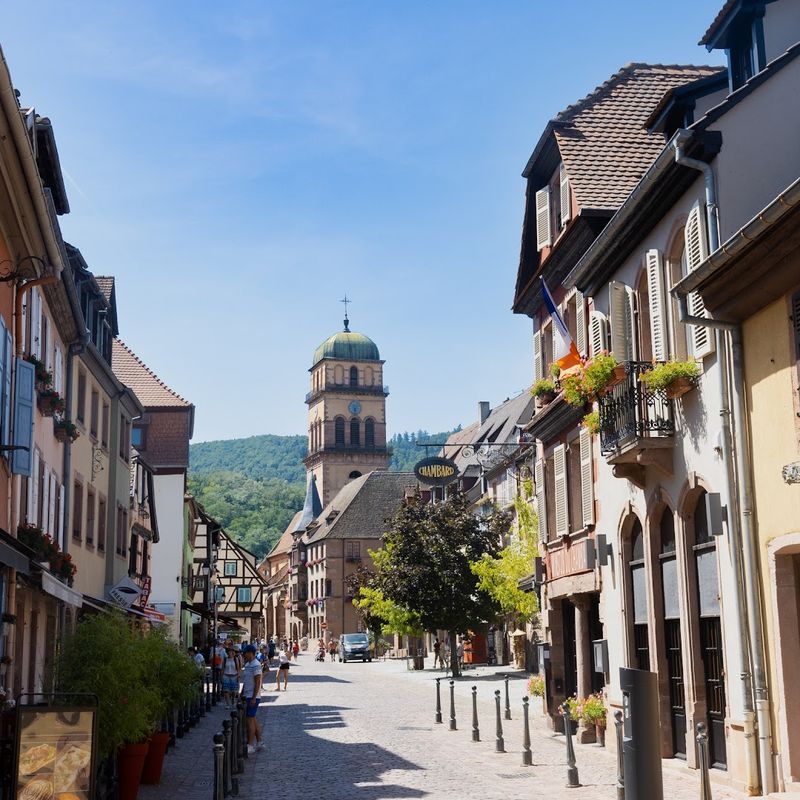
Kaysersberg translates roughly as “emperor’s mountain,” which sets expectations appropriately high. This Alsace town delivers on that promise with a medieval fortified bridge, a ruined imperial castle on the hill above, and colorful streets that look painted by someone with a very good eye for composition.
The castle walk up from the village takes about fifteen minutes and rewards visitors with rooftop and vineyard views that make the climb completely worth the effort. Albert Schweitzer, the Nobel Peace Prize-winning doctor, was born here, and his family home is now a museum worth a quick visit.
Local winegrowers produce excellent Alsatian whites, and several tasting rooms are easy to find in the village center. Kaysersberg sits on the Alsace Wine Route, so combining it with Eguisheim or Ribeauvillé in a single day trip is very doable.
The Christmas market here is also considered one of the best in the region.
Ribeauvillé
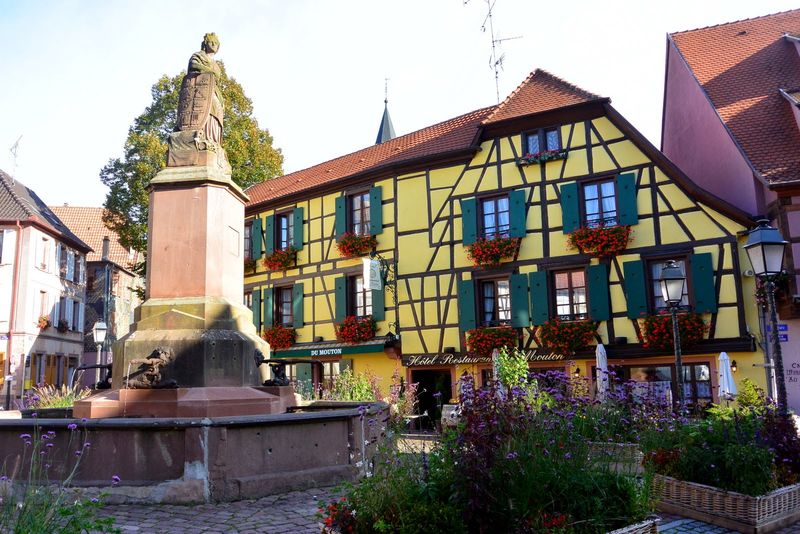
Three castles for the price of one town is a deal that is hard to argue with. Ribeauvillé sits at the foot of the Vosges Mountains on the Alsace Wine Route, and its trio of medieval fortresses, Girsberg, Saint-Ulrich, and Haut-Ribeaupierre, can all be reached on foot from the town center.
The hike up to the castles takes a couple of hours and passes through vineyards, forest paths, and increasingly dramatic viewpoints. It is genuinely one of the best free activities in Alsace for anyone with decent shoes and moderate fitness.
The town below has an attractive medieval center with fountains, towers, and a lively wine street.
After the castle walk, rewarding yourself with a tasting of local Riesling or Pinot Gris feels entirely justified. The annual Pfifferdaj festival in September, celebrating medieval musicians, draws crowds from across the region.
Book accommodation early if visiting in autumn harvest season.
Chinon
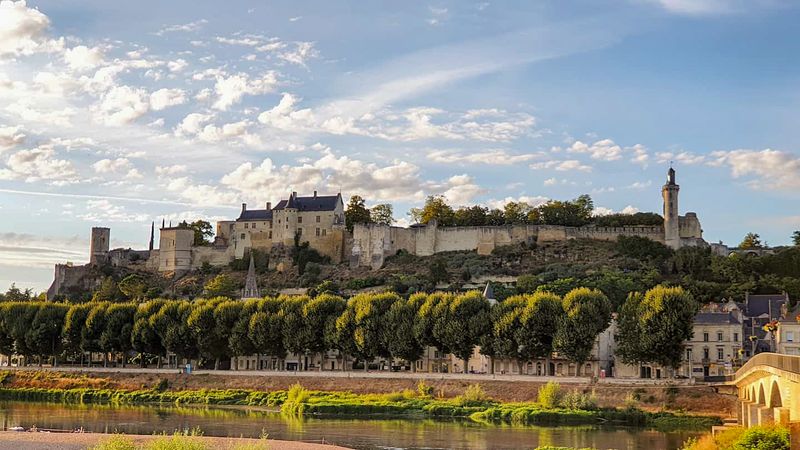
Chinon’s Royal Fortress is so large it practically has its own postcode. Stretching along an entire ridgeline above the town, this medieval complex is where Joan of Arc famously met the future King Charles VII in 1429, which gives Chinon more historical drama per square meter than most places can manage.
Below the fortress, the old town has medieval streets, cave-cut wine cellars, and river views over the Vienne that feel genuinely cinematic. The Chinon AOC produces Cabernet Franc-based reds that are earthy, elegant, and best enjoyed with the local rillettes.
Several wine caves in the tuffeau rock beneath the town offer atmospheric tastings.
Chinon works well as a base for exploring the wider Loire Valley, with Azay-le-Rideau and Langeais châteaux both within easy driving distance. The weekly Saturday market in the old town is lively, local, and worth rearranging your schedule to attend.
Amboise
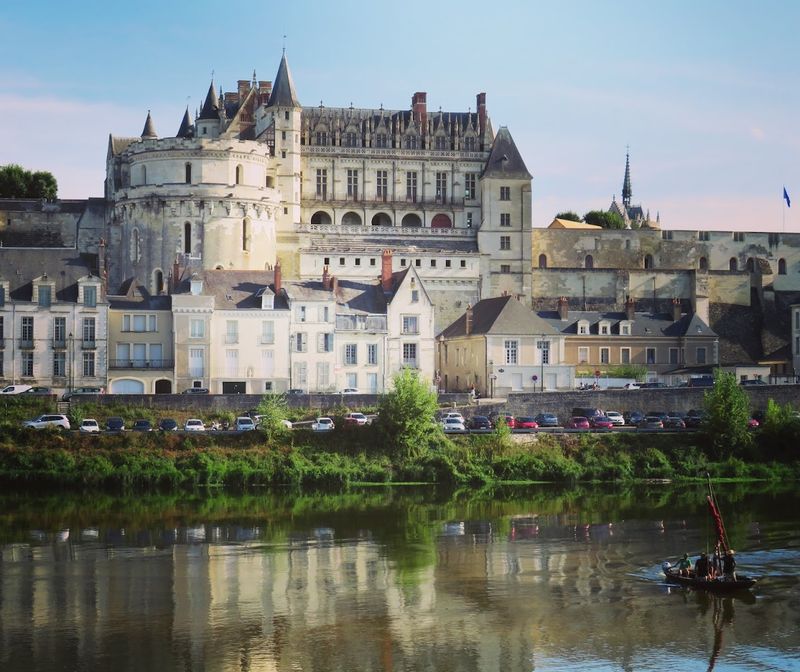
Amboise has a château on a cliff, Leonardo da Vinci’s final resting place, and a river view that makes you want to sit down and write a novel. For a town of around 13,000 people, it carries a remarkable amount of historical weight without feeling the least bit stuffy.
The Royal Château overlooks the Loire from a dramatic rocky promontory, and the rooms inside trace centuries of French royal history with genuine flair. Just a short walk away, the Clos Lucé manor is where Leonardo da Vinci spent his last three years, working for King Francis I.
The models of his inventions on display there are endlessly fascinating.
Amboise also serves as an excellent base for cycling the Loire Valley and visiting nearby châteaux like Chenonceau and Cheverny. The town has good restaurants, a lively weekly market, and enough wine shops to keep any enthusiast busy.
It earns its popularity honestly.
Saumur
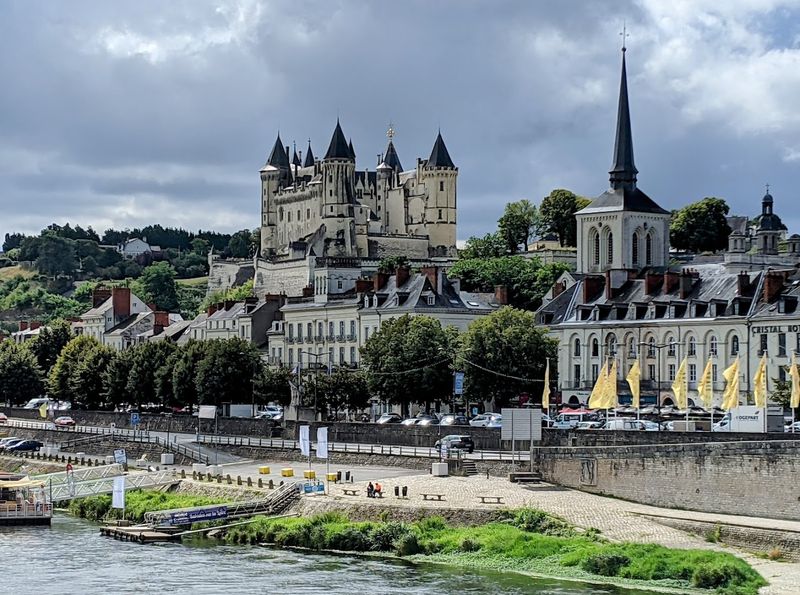
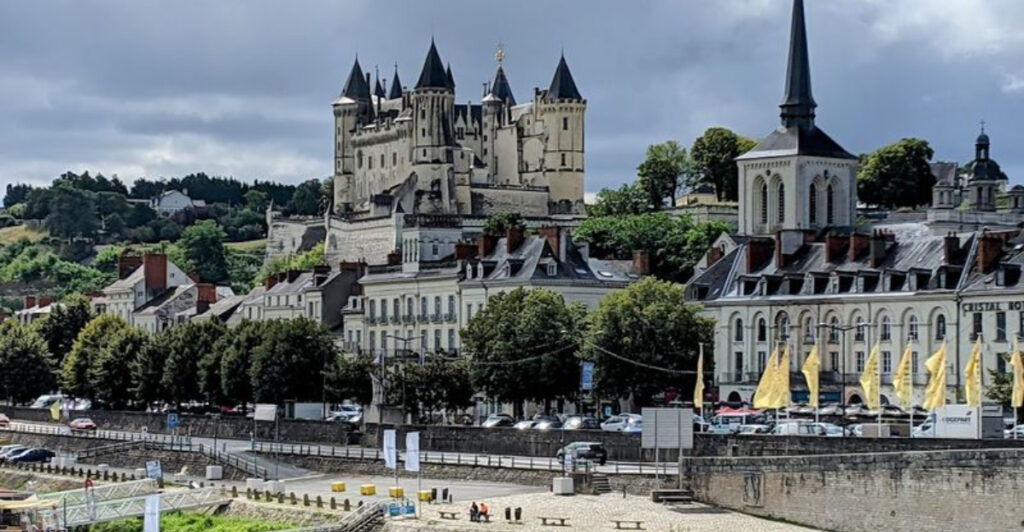
Saumur’s château looks like it floated in from the pages of a medieval illuminated manuscript, which is fitting because it actually appears in one. The Très Riches Heures du Duc de Berry, a famous 15th-century calendar, features Saumur castle in its September illustration, harvesting grapes in the foreground.
The town below is built from pale tuffeau limestone that glows warm yellow in afternoon light, and the riverside setting along the Loire is one of the most graceful in the valley. The equestrian heritage here is also remarkable, home to the Cadre Noir, one of France’s most prestigious riding academies.
Wine lovers can explore the Saumur-Champigny appellation for excellent Cabernet Franc reds, and the local sparkling Saumur wines offer a more affordable alternative to Champagne. The cave cellars carved into the tuffeau cliffs are worth visiting for their atmospheric charm alone.
Saumur rewards slow exploration.
Châteauneuf-du-Pape
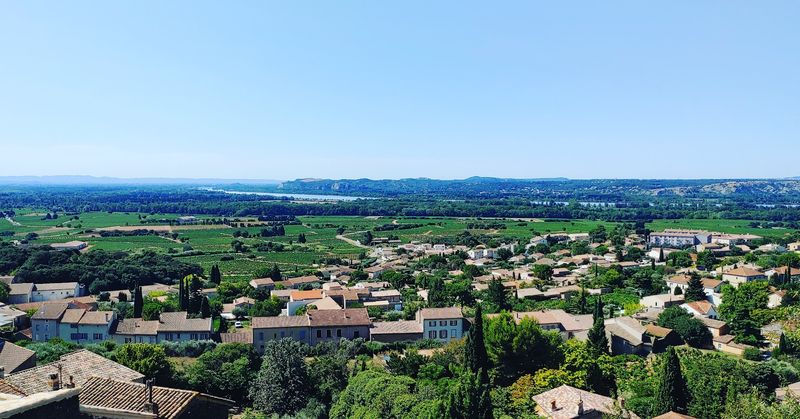
The popes of Avignon clearly had excellent taste in real estate. Châteauneuf-du-Pape, meaning “new castle of the pope,” sits on a rocky hill above the Rhône Valley, surrounded by vineyards growing on a landscape covered in large smooth galets, rounded stones that store heat and help ripen the grapes.
The wines here are among the most famous in France, bold and complex blends dominated by Grenache that age beautifully for decades. Dozens of domaines offer tastings, ranging from small family producers to celebrated estates with international reputations.
Even casual wine drinkers tend to leave genuinely impressed.
The ruined papal castle at the top of the village gives sweeping views over the Rhône Valley that are worth the short climb. The village itself is compact and manageable, with good restaurants and wine shops lining the main street.
This is not a beach destination, but for vineyard atmosphere and serious wine, it is hard to beat.
Share this story