 Unearth The Voyage
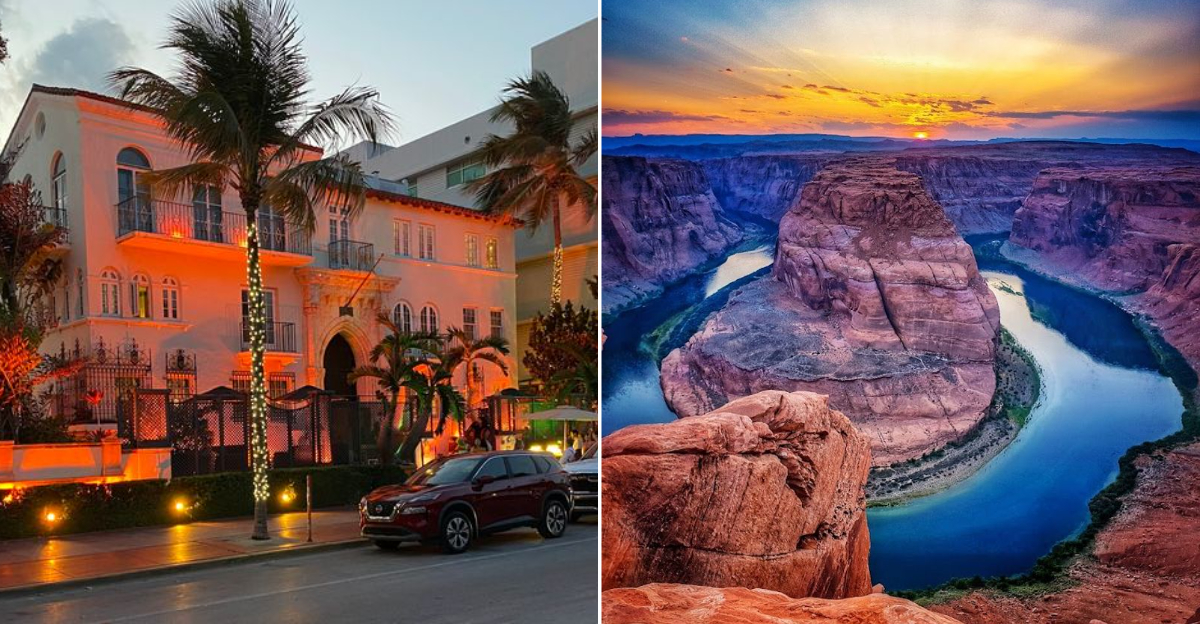
Some places just beg to be photographed, and the USA has no shortage of them. From jaw-dropping canyons to neon-lit city streets, this country is basically one giant photo album waiting to happen.
I’ve been chasing great shots across America for years, and trust me, narrowing it down to 14 was the hardest part. Whether you’re a serious photographer or just want killer content for your feed, these spots will not disappoint.
Grand Canyon National Park
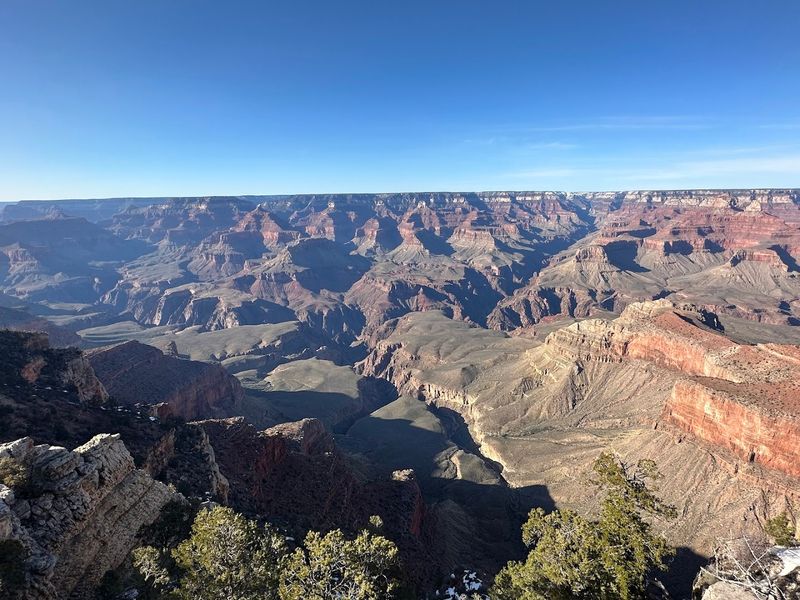
No photo can fully prepare you for your first look at the Grand Canyon. That said, the South Rim comes closest to doing it justice.
The layered rock walls drop over a mile down, and every angle looks like a painting someone forgot to finish.
The South Rim is open year-round, which makes it one of the most accessible viewpoints in the country. Early morning light is your best friend here.
Golden hour turns those canyon walls into something almost unreal.
Mather Point and Yavapai Point are crowd favorites for good reason. Both offer sweeping, unobstructed views that are basically made for wide-angle shots.
Pro tip: arrive before sunrise to snag a good spot before the tour buses roll in. The South Rim never gets old, no matter how many times you visit.
Antelope Canyon
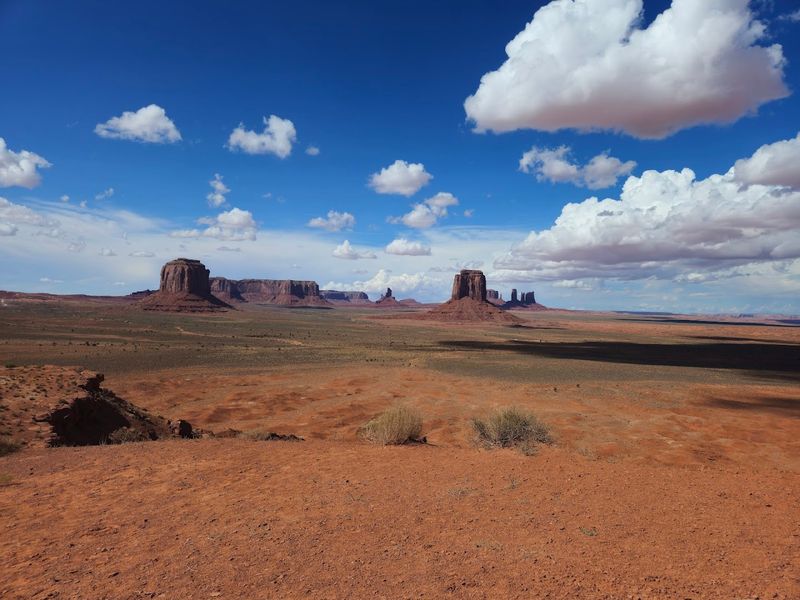
Antelope Canyon is the kind of place that makes you question whether you’re still on Earth. The sculpted sandstone walls twist and curl like they were shaped by hand, and during midday, light beams shoot down through the narrow openings above like something out of a fantasy film.
Access is strictly by guided tour, so you can’t just wander in solo. That’s actually a blessing in disguise.
The guides know exactly when and where the light hits best, and they’ll position you perfectly for the shot.
Upper Antelope Canyon tends to be the most photographed, but Lower Antelope Canyon has its own moody, dramatic charm. Book your tour well in advance, especially for the popular light-beam tours around midday in spring and summer.
The canyon is located on Navajo Nation land, and entry fees support the local community. Worth every penny.
Horseshoe Bend Overlook
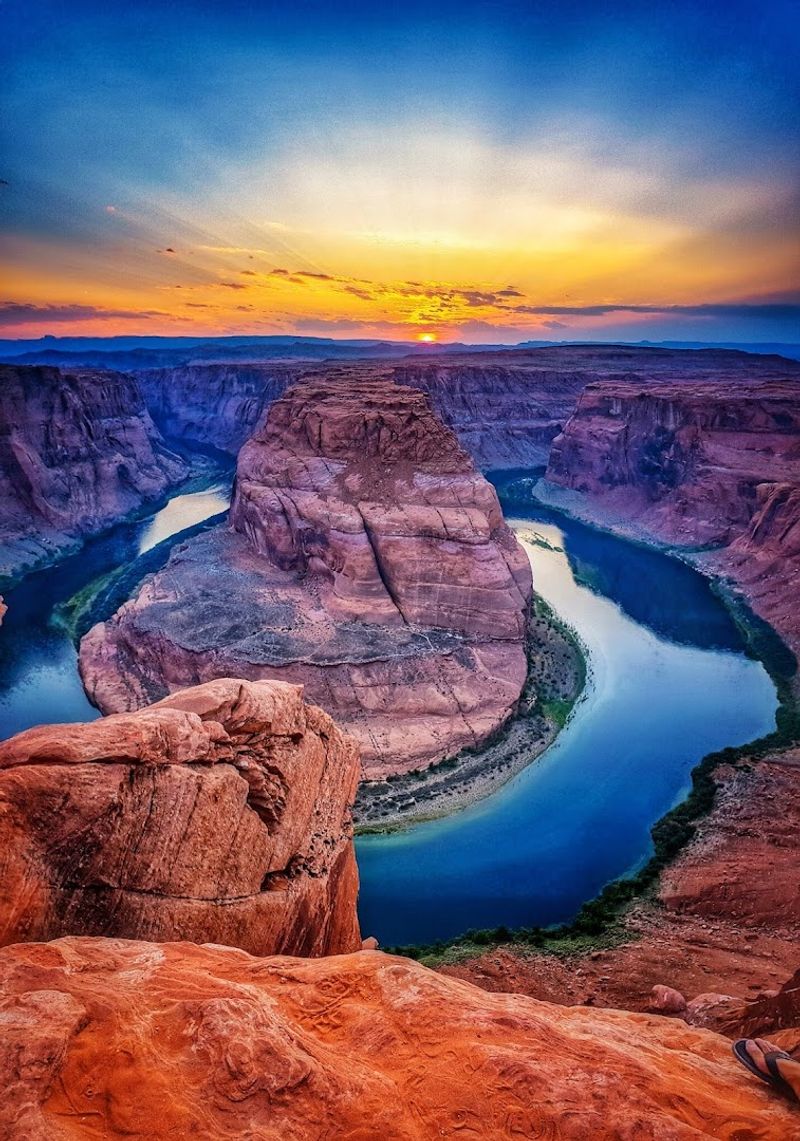
Horseshoe Bend is one of those spots where you walk up, peek over the edge, and immediately grab your phone with shaking hands. The Colorado River wraps around a massive sandstone butte in a near-perfect horseshoe shape, and the overlook sits right at the top of a steep cliff.
The hike from the parking lot takes about 20 to 30 minutes, and it’s mostly flat with a sandy trail. Not exactly a workout, but wear good shoes anyway.
The payoff at the end is absolutely worth the mild effort.
The overlook is generally open from sunrise to sunset year-round, and there’s now a small entrance fee. Wide-angle lenses work brilliantly here to capture the full curve of the river below.
Shooting at sunrise gives you softer light and far fewer people elbowing for space at the railing. Don’t skip this one.
Yosemite National Park
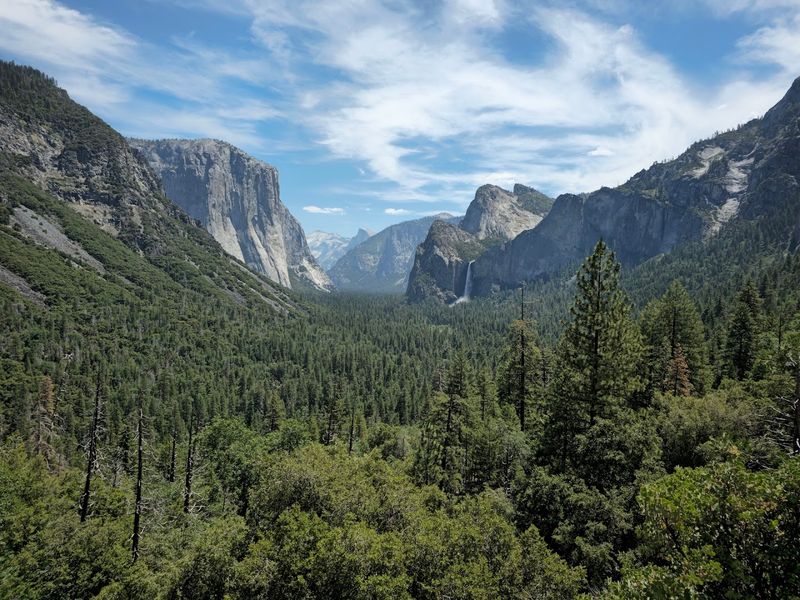
Tunnel View might be the most famous viewpoint in all of American photography, and honestly, the hype is completely deserved. You drive through a tunnel, emerge into daylight, and suddenly El Capitan, Half Dome, and Bridalveil Fall are all lined up in front of you like they planned it.
I remember pulling over here on a foggy morning and watching the mist roll through the valley below. It felt like the park was putting on a private show.
Winter visits add a dramatic snowy layer that takes the scene to another level entirely.
The overlook is a large, established pullout right at the tunnel exit, so parking can fill up fast during peak season. Arrive early or plan for a short wait.
Spring is especially spectacular when Bridalveil Fall is roaring with snowmelt. Every season brings a completely different mood to this classic composition.
Golden Gate Bridge
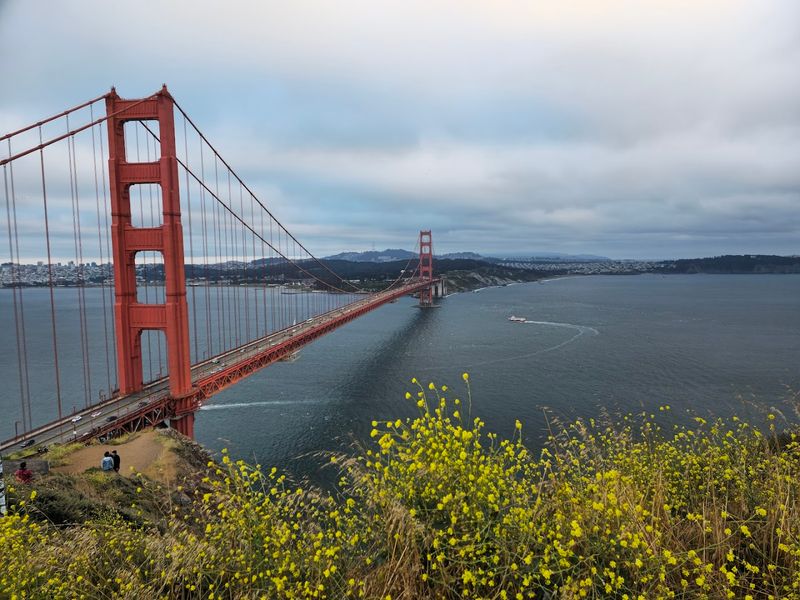
Few landmarks on the planet are as immediately recognizable as the Golden Gate Bridge, and San Francisco has made an art form out of showing it off. The bridge looks stunning from every direction, which is honestly a little unfair to every other bridge in existence.
Baker Beach gives you a low, dramatic angle with the bridge looming overhead. The Marin Headlands overlook on the north side offers a full postcard view of the bridge and city skyline together.
Both are worth the trip, and both are completely free to access.
Walking or biking across the bridge is a solid move for detail shots of the cables and towers. Fog rolls in frequently, especially in summer mornings, which adds a mysterious, cinematic quality to your photos.
Afternoon light tends to be cleaner if you want sharp, vivid shots. Honestly, you could spend a full day just photographing this one landmark and never run out of angles.
Times Square Pedestrian Plazas
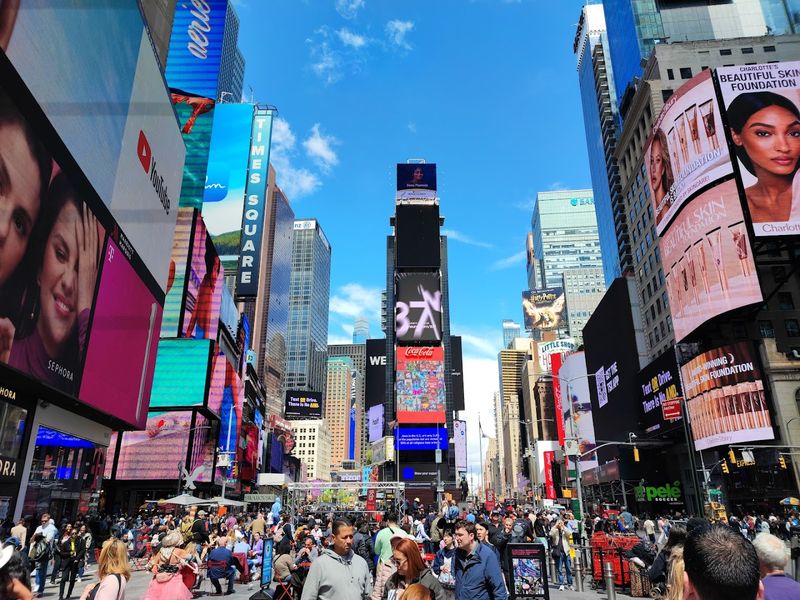
Times Square after dark is basically a free light show that never stops running. The neon signs, giant LED billboards, and constant river of people create a visual chaos that somehow looks incredible in photos.
It’s loud, crowded, and absolutely electric.
The pedestrian plazas along Broadway between 42nd and 47th Streets are the sweet spot for photography. Standing in the middle of the plaza and shooting in any direction gives you that classic NYC sensory overload in frame.
Rainy nights are secretly the best time to shoot here because the wet pavement reflects all those lights beautifully.
Weekday evenings are slightly less packed than weekends, giving you a bit more room to maneuver. A wide-angle lens captures the full spectacle, while a longer lens lets you isolate individual signs or faces in the crowd.
Times Square is one of those rare places that actually looks better in photos than in person, which is saying something.
Central Park
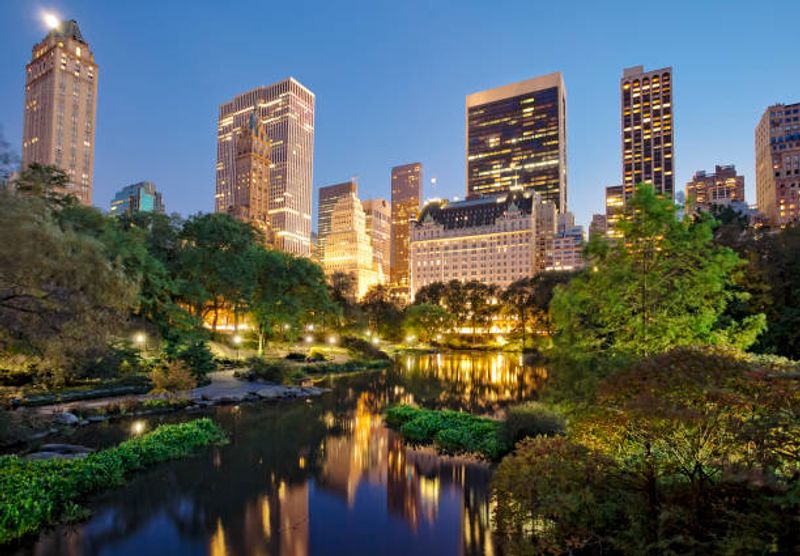
Central Park is 843 acres of pure photographic gold sitting right in the middle of Manhattan. Skyscrapers peek through the treetops, bridges arch over quiet ponds, and joggers, dog walkers, and tourists create endless candid moments at every turn.
Bow Bridge is arguably the most photographed spot in the park, and for good reason. The cast-iron bridge reflects perfectly in the lake below, and the surrounding trees frame the shot like a natural border.
Autumn is peak season for color, but every season brings something completely different to work with.
Bethesda Terrace offers grand, symmetrical architecture that contrasts beautifully with the natural landscape around it. The Jacqueline Kennedy Onassis Reservoir gives you a wide, open view with the skyline reflected in the water.
Belvedere Castle looks like something from a fairy tale. Central Park is proof that New York City has a soft, quiet side hiding behind all that concrete and noise.
National Mall
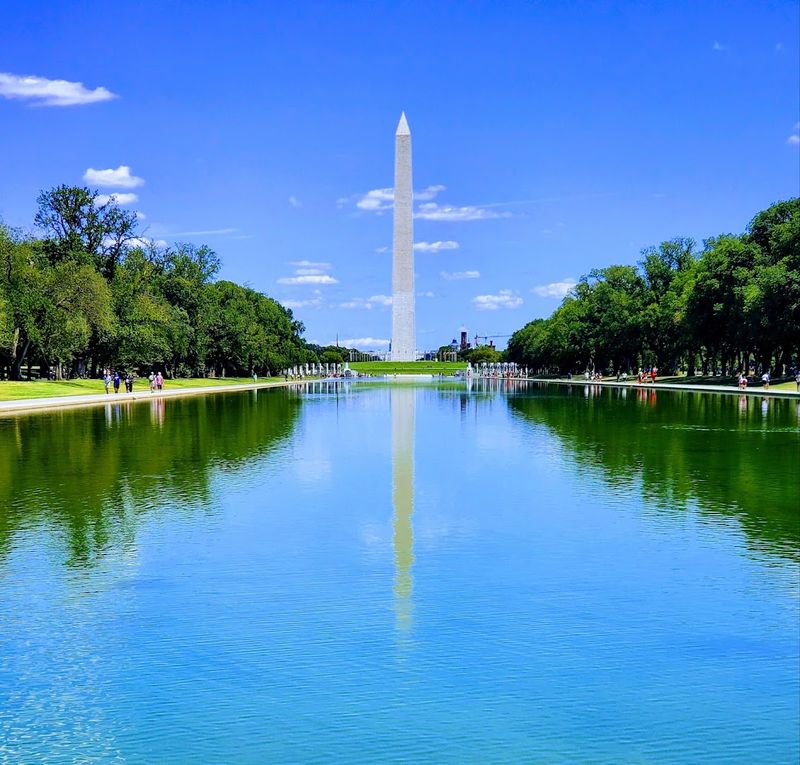
Washington DC’s National Mall was basically engineered for dramatic photography. The long, open stretch between the Lincoln Memorial and the Capitol building creates perfect symmetry, and the reflecting pools double everything beautifully when the water is still.
Sunrise is the undisputed golden hour here. The Lincoln Memorial Reflecting Pool mirrors the Washington Monument in a shot so classic it’s been used on everything from postcards to movie posters.
The whole Mall is open 24 hours a day, seven days a week, so you have zero excuses to miss the best light.
The Korean War Veterans Memorial is hauntingly beautiful in low light, and the Vietnam Veterans Memorial wall reflects the sky in a deeply moving way. Cherry blossom season in late March to early April adds a soft pink layer that transforms the entire area.
Bring a tripod for sunrise shoots. The Mall rewards the early risers every single time.
Yellowstone National Park
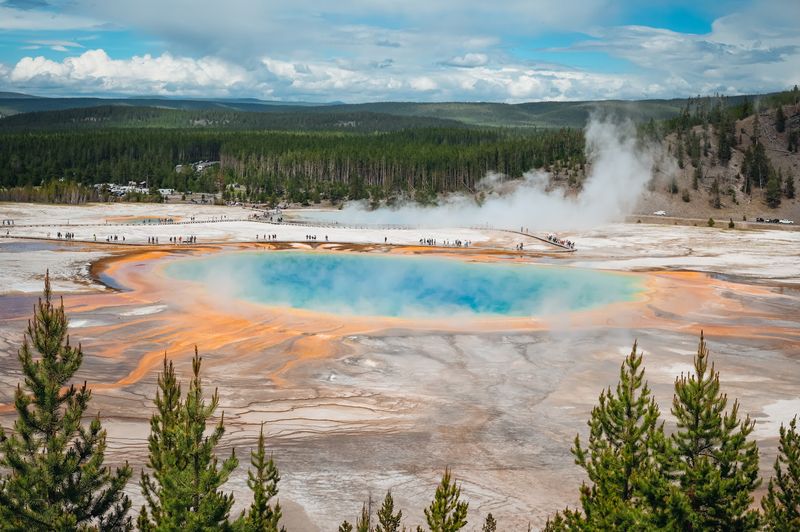
Grand Prismatic Spring is the largest hot spring in the United States, and its color rings are so vivid they look digitally enhanced. Spoiler: they’re completely real.
The colors come from heat-loving microorganisms called thermophiles that thrive at different temperatures around the pool’s edge.
The spring sits in the Midway Geyser Basin, accessible via a boardwalk that loops around the thermal features. Ground level gives you a close-up look at the steaming, colorful edges.
For the full overhead rainbow effect, hike up the nearby Fairy Falls trail to reach the Grand Prismatic Spring Overlook.
The overlook view is the one you’ve seen on every travel blog and nature documentary. It’s worth the extra steps, trust me.
Visit on a clear, calm day for the best colors and minimal steam obstruction. Early morning tends to produce more steam, which adds atmosphere but can partially obscure the rings.
Either way, you won’t leave disappointed.
Bryce Canyon
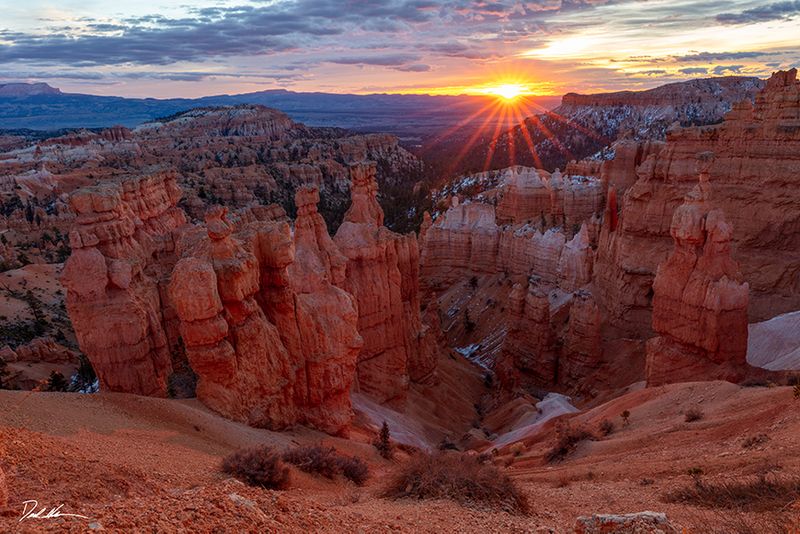
Bryce Canyon doesn’t play fair when it comes to scenery. The main amphitheater is packed with thousands of hoodoos, those tall, skinny rock spires that look like they were sculpted by a very patient and slightly eccentric artist.
The sheer density of them is almost surreal.
Sunrise Point and Bryce Point are the two main overlooks closest to the park entrance, and both deliver jaw-dropping views with minimal hiking required. The warm orange light at sunrise hits the hoodoos at a low angle and turns the whole amphitheater into a glowing, otherworldly landscape.
Snow in winter adds a stunning white contrast to the orange rock that most visitors never see because they skip cold-weather travel. That’s their loss and your gain.
The Queen’s Garden trail drops you down into the amphitheater for a hoodoo-level perspective that no overlook can match. Bryce Canyon is criminally underrated compared to its Utah neighbors, and photographers are slowly figuring that out.
Zion National Park
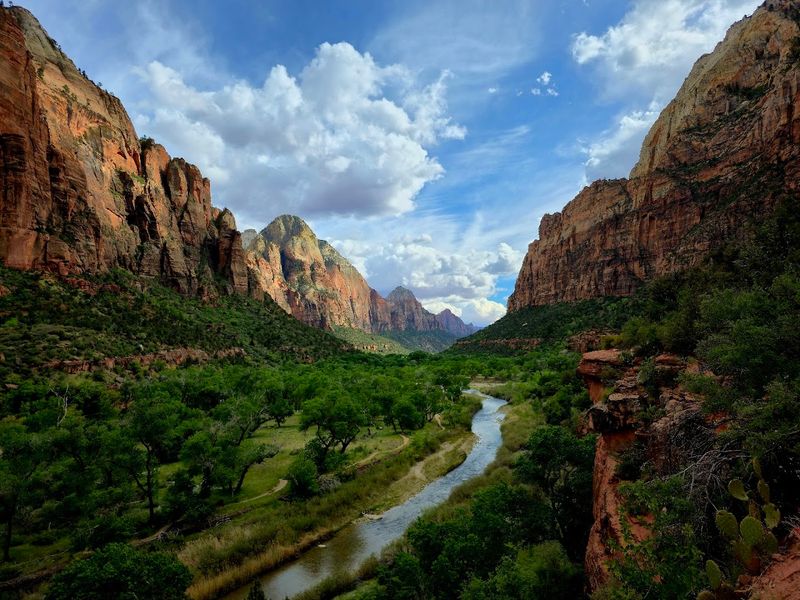
Zion National Park has the kind of dramatic scale that makes you feel pleasantly small. The canyon walls rise over 2,000 feet in some sections, and the contrast between the deep red sandstone and the bright green vegetation along the Virgin River is genuinely stunning in photos.
Canyon Junction Bridge is a classic starting point, offering a clean view down the canyon with the river winding below. The Court of the Patriarchs viewpoint gives you three massive sandstone monoliths named Abraham, Isaac, and Jacob, which sounds biblical because it absolutely is.
Angels Landing, for the brave and the sure-footed, rewards hikers with a panoramic view that belongs in a museum.
Zion is open year-round, but the park shuttle is required in peak season to manage traffic in the canyon. Spring and fall offer the best light and the most comfortable temperatures.
Winter visits are surprisingly beautiful and far less crowded. Zion rewards every season with something genuinely worth photographing.
Cloud Gate at Millennium Park
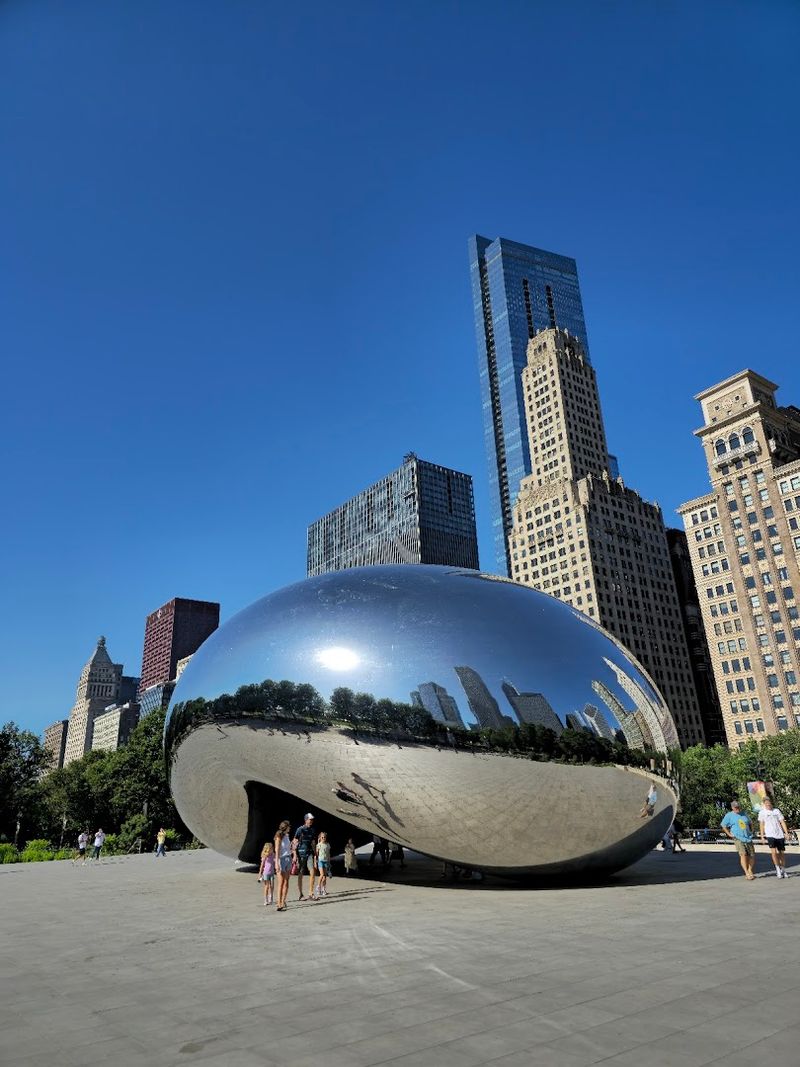
Chicago’s Cloud Gate, affectionately known as The Bean, is possibly the most fun public sculpture in America to photograph. The massive, polished stainless steel surface reflects everything around it in a delightfully distorted way, turning the Chicago skyline into a curved, funhouse-mirror masterpiece.
The must-get shot is standing directly underneath the arch and shooting upward to capture the city reflected in the concave belly of the sculpture. It looks wild every single time.
The surrounding skyline of Michigan Avenue towers makes the background even more dramatic.
Millennium Park is free to enter, and The Bean is accessible year-round. Winter visits come with the bonus of seeing the skyline reflected alongside a snow-dusted park and ice skaters below.
Shoot during blue hour, that short window after sunset when the sky turns deep blue, for a particularly moody and striking composition. The Bean never gets boring, no matter how many times you’ve photographed it.
Miami Beach
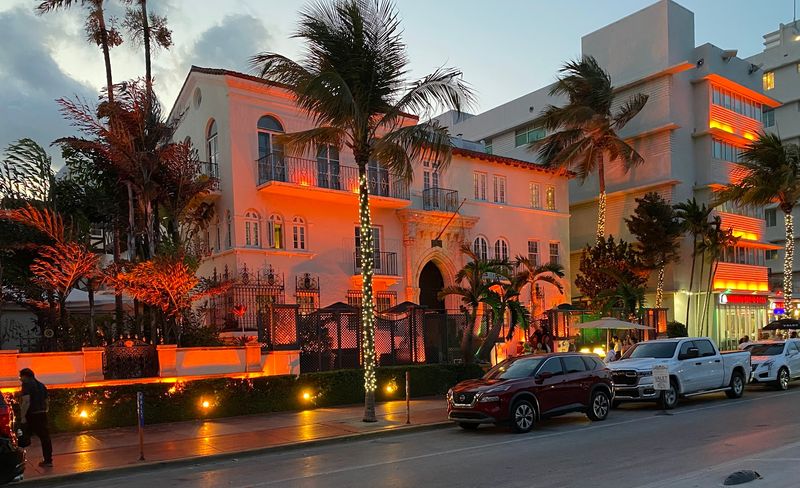
Miami Beach’s Art Deco Historic District is basically a time machine with better weather. Ocean Drive is lined with pastel-painted buildings from the 1930s and 1940s, and the neon signs that light them up at dusk give the whole street a retro, cinematic quality that’s almost impossible to photograph badly.
The district holds one of the largest concentrations of Art Deco architecture in the entire United States, with over 800 protected buildings. Every facade is a different shade of mint, coral, cream, or turquoise, and the geometric details are endlessly interesting up close.
Architecture nerds and Instagram addicts are equally obsessed with this neighborhood.
Shooting during the golden hour before sunset gives the pastel buildings a warm, flattering glow. After dark, the neon signs take over and the whole strip transforms into something straight out of a 1950s postcard.
Collins Avenue and Espanola Way offer equally photogenic angles away from the main Ocean Drive crowds. This district is a genuinely underrated photography destination.
New Orleans
The French Quarter is the kind of neighborhood that looks like it was designed by a set decorator with an unlimited budget. Wrought-iron balconies drip with ferns and string lights, colorful shutters frame every window, and the narrow streets are packed with photogenic texture at every turn.
Royal Street is quieter than Bourbon Street and far more photogenic. The antique shops, historic facades, and ornate ironwork create a layered, richly detailed backdrop that rewards slow, careful shooting.
Courtyards tucked behind wooden gates are hidden gems worth peeking into whenever you spot an open door.
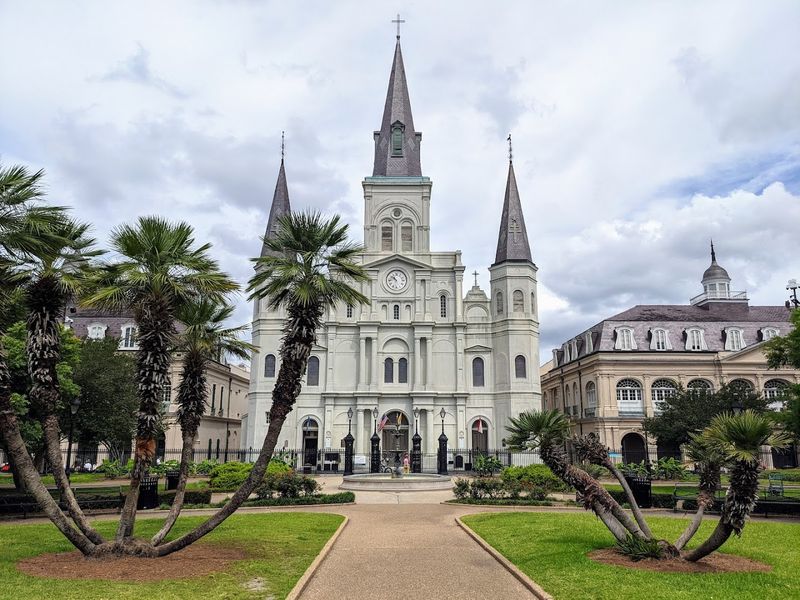
Jackson Square is the beating heart of the Quarter, with St. Louis Cathedral rising behind the park in one of the most iconic compositions in the South. Street musicians, portrait artists, and fortune tellers add life and color to the scene throughout the day.
The French Quarter looks equally compelling at noon and at midnight, which is a rare and genuinely wonderful quality in a photography destination.



