 Unearth The Voyage
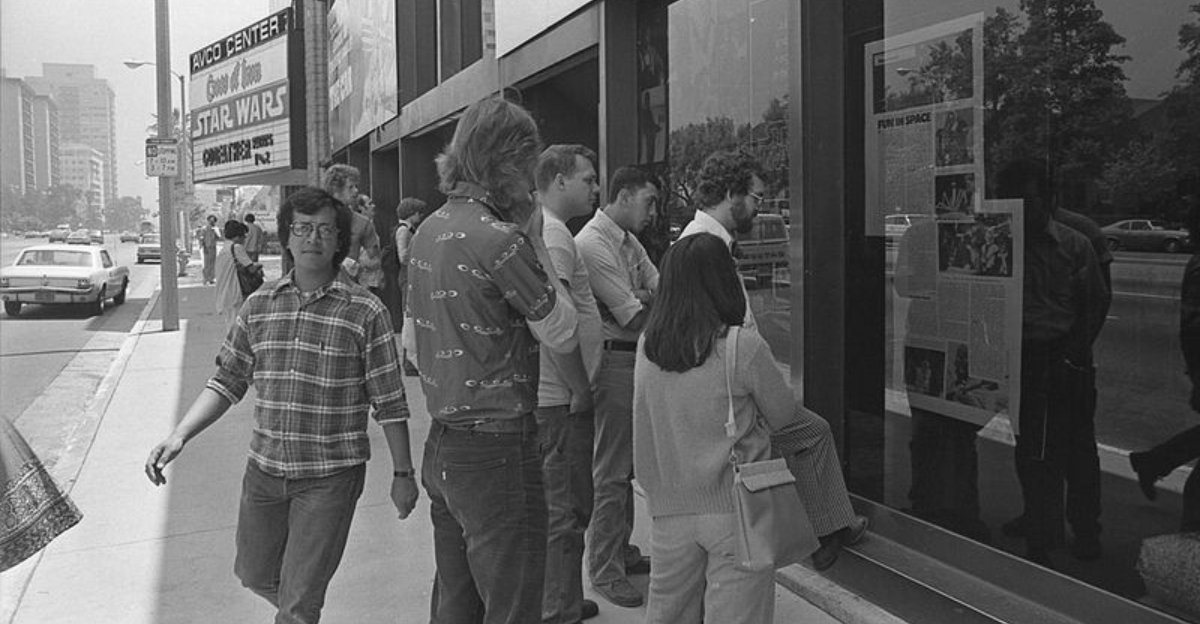
The 1970s turned theaters into gathering spots where lines curled around city blocks and word of mouth worked faster than any trailer. You did not just see a movie then, you felt it in your ribs, carried it home, and argued about it all week.
This list revisits the titles Boomers happily rewatched, quoting lines, humming themes, and noticing fresh details with every pass. Settle in, because the stories ahead still crackle with energy and remind you why the lights dimmed felt like a promise.
1. Jaws (1975)
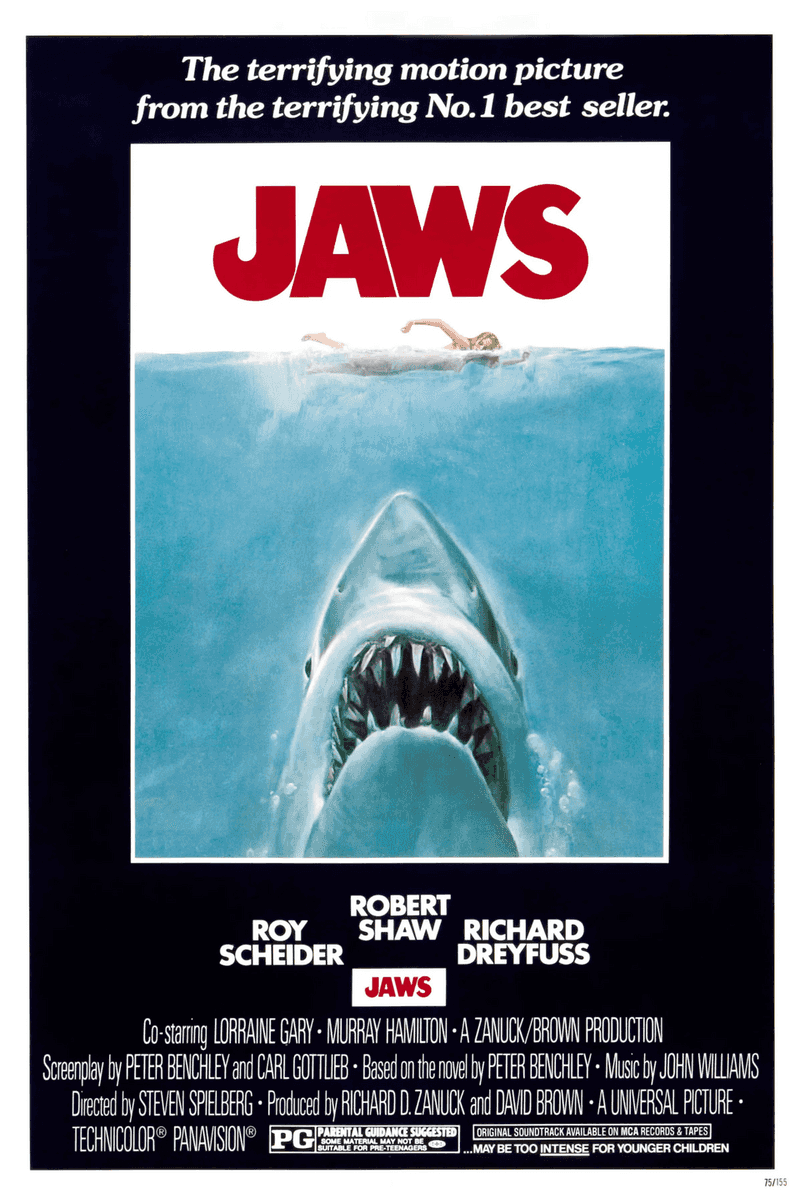
A mechanical shark that barely worked became the engine behind the first true summer blockbuster.
Released in 1975 and directed by Steven Spielberg, Jaws adapted Peter Benchley’s novel into a tightly structured thriller that changed how Hollywood released movies. Universal rolled it out nationally with heavy television advertising, a strategy that helped it become the highest-grossing film of its time until Star Wars surpassed it two years later.
Boomers returned because the structure rewards close attention. The screenplay by Benchley and Carl Gottlieb carefully spaces information, delaying the shark’s full appearance due in part to production limitations.
That constraint forced the film to rely on editing, music, and character conflict rather than constant spectacle. John Williams’ two-note theme became instantly recognizable and demonstrated how a simple musical motif could anchor suspense.
Repeat viewings also highlight the performances. Roy Scheider, Richard Dreyfuss, and Robert Shaw build tension through dialogue-driven scenes that deepen their characters beyond stock archetypes.
The Indianapolis monologue alone became a widely quoted moment that added historical weight to the hunt.
The film earned three Academy Awards and established the modern template for event cinema. For Boomers, seeing it multiple times meant revisiting the moment Hollywood realized how powerful wide releases and strategic marketing could be.
2. The Godfather (1972)
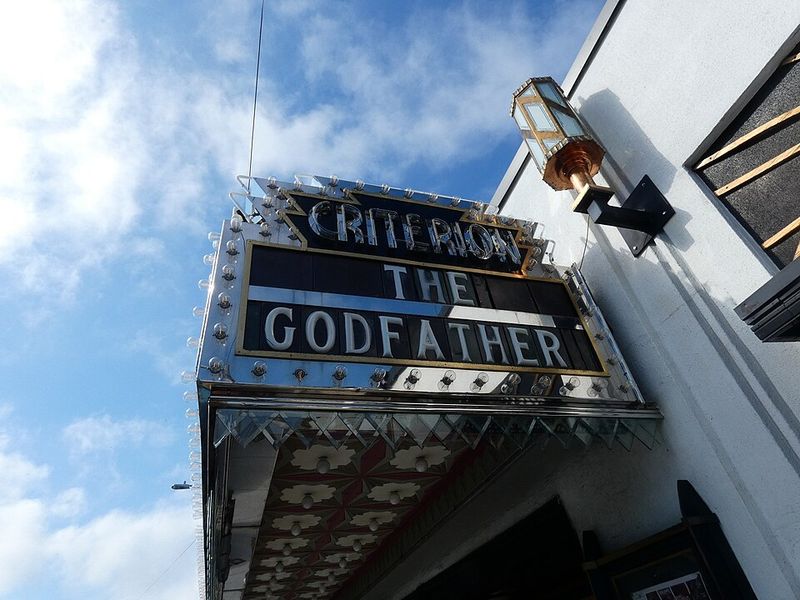
Prestige filmmaking met mainstream popularity in a way few had managed before.
Directed by Francis Ford Coppola and based on Mario Puzo’s novel, The Godfather premiered in 1972 and quickly became both a critical and commercial triumph. It won three Academy Awards, including Best Picture, and held the record as the highest-grossing film of its time.
Boomers revisited it because the layered storytelling reveals new dimensions with familiarity. The film’s pacing allows character motivations to unfold gradually, rewarding attention to gestures and pauses rather than overt exposition.
Marlon Brando and Al Pacino deliver performances that balance restraint with authority, creating characters whose transformations are carefully constructed across scenes.
The narrative structure moves between family ritual and organized crime strategy without sharp tonal breaks, making it feel cohesive rather than episodic. Cinematography by Gordon Willis uses shadow and framing to emphasize loyalty and isolation without flashy technique.
Quotable dialogue entered everyday conversation, strengthening the film’s cultural imprint. Repeat viewings offered the chance to track Michael Corleone’s evolution with greater clarity, turning the movie into a study of power and consequence rather than simply a crime drama.
3. Rocky (1976)
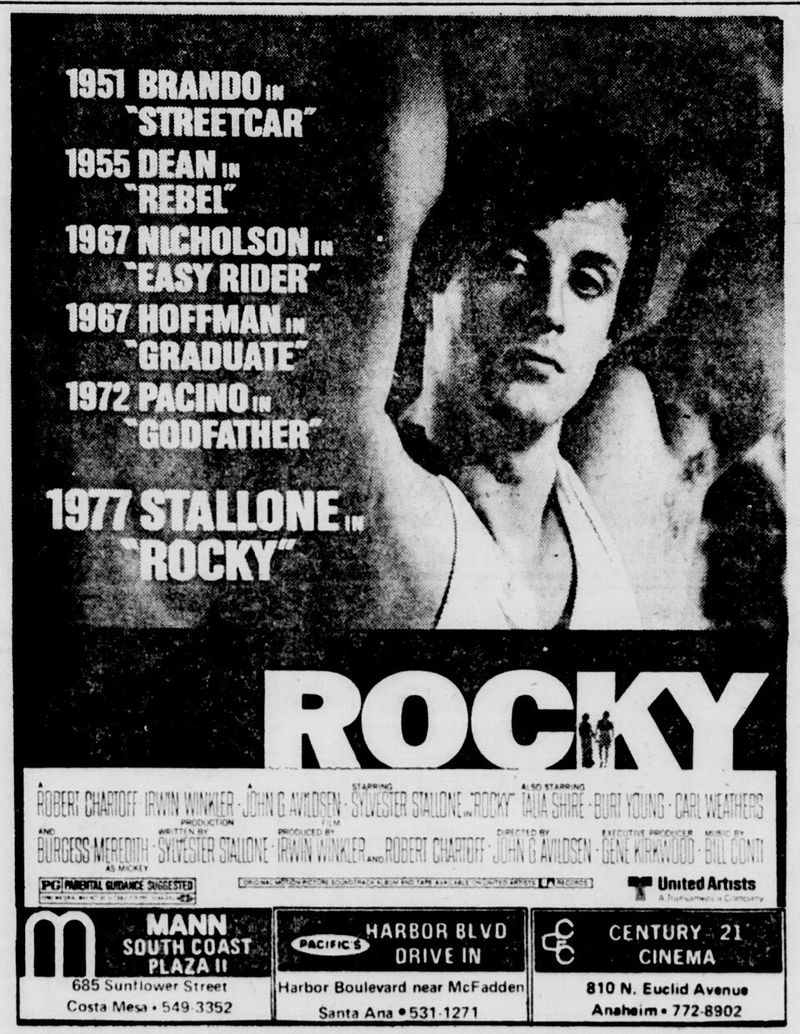
An underdog story made on a modest budget became a defining sports film of its decade.
Released in 1976, Rocky was written by and starred Sylvester Stallone, who insisted on playing the lead despite studio hesitation. Produced for under one million dollars, it became a major box office success and won the Academy Award for Best Picture.
Boomers returned because the structure builds incrementally toward its final match. Training sequences are intercut with personal moments that emphasize discipline and small improvements rather than sudden transformation.
The screenplay avoids excessive speeches, relying instead on short exchanges that clarify motivation.
The climactic fight is staged to emphasize endurance and effort rather than dominance, reinforcing the idea that personal growth matters more than the official result. Bill Conti’s score, particularly “Gonna Fly Now,” became culturally embedded as shorthand for determination.
Repeat viewings reinforced the film’s central message about persistence and self-respect. Its commercial success launched a franchise, but many Boomers continued revisiting the original because its simplicity and focus remained unmatched.
4. Grease (1978)
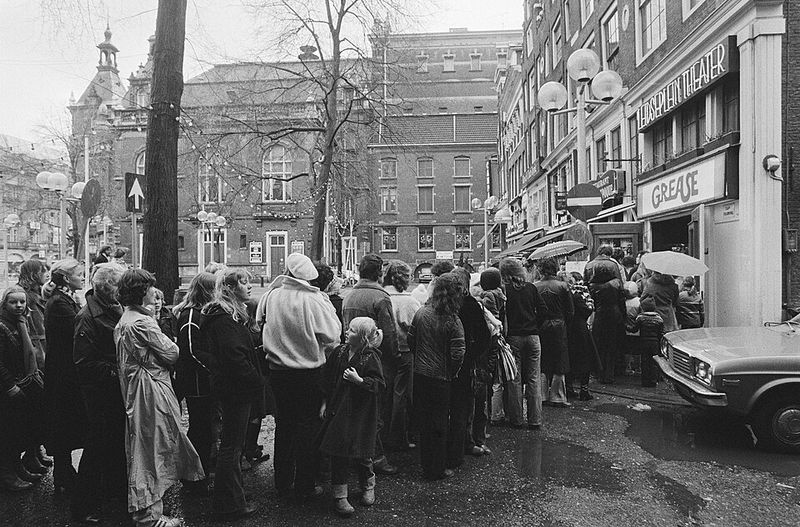
A stage musical adaptation turned into one of the highest-grossing films of the decade.
Released in 1978 and starring John Travolta and Olivia Newton-John, Grease capitalized on nostalgia for 1950s youth culture while appealing directly to 1970s audiences. It became the top-grossing musical film at the time and remained popular through soundtrack sales and television broadcasts.
Boomers rewatched it because its structure alternates between ensemble numbers and character-driven moments. Songs advance relationships rather than interrupting them, which keeps pacing consistent.
Costume design and set pieces reinforce group identity without overwhelming the narrative.
The soundtrack dominated radio play, and several songs became long-term staples. Repeat viewings allowed audiences to anticipate choreography and background details that were easy to miss initially.
The film’s broad appeal across age groups ensured it stayed in circulation. For Boomers, returning meant reconnecting with its balance of romance, humor, and musical performance anchored by recognizable leads.
5. Saturday Night Fever (1977)
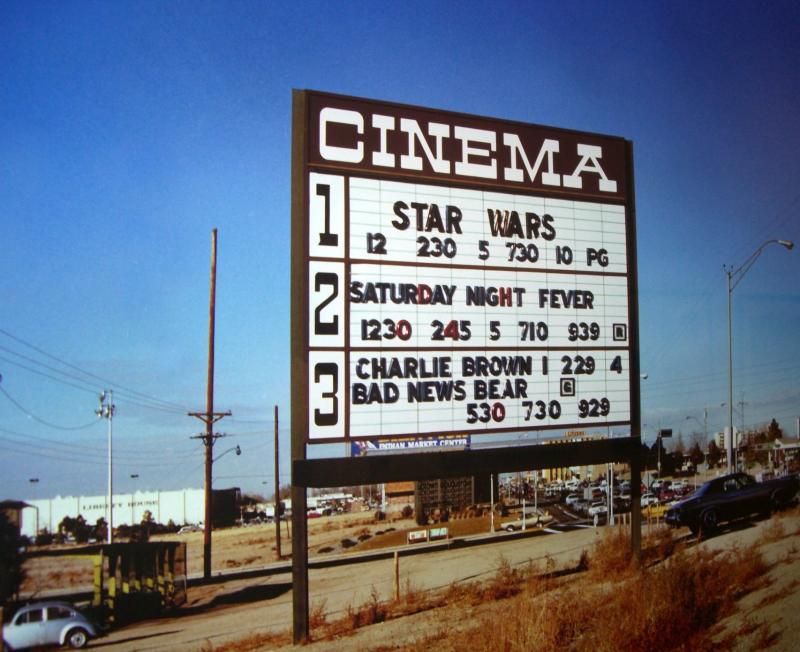
A character study anchored by popular music became a cultural marker of its time.
Directed by John Badham and starring John Travolta, Saturday Night Fever was released in 1977 and grossed over $200 million worldwide. Its soundtrack by the Bee Gees became one of the best-selling albums ever.
Boomers revisited the film because it paired personal ambition with social limitations. The screenplay highlights class tension and limited opportunity while positioning dance competitions as structured goals.
Travolta’s performance earned an Academy Award nomination and elevated him to international fame.
Repeat viewings clarified how the narrative balances aspiration with disappointment. The dance sequences are choreographed for readability, making technique and precision easier to appreciate on subsequent watches.
The film influenced fashion, music trends, and public perception of disco culture. For Boomers, watching it again meant revisiting both the music and the larger conversation about identity and ambition in late-1970s America.
6. The Exorcist (1973)
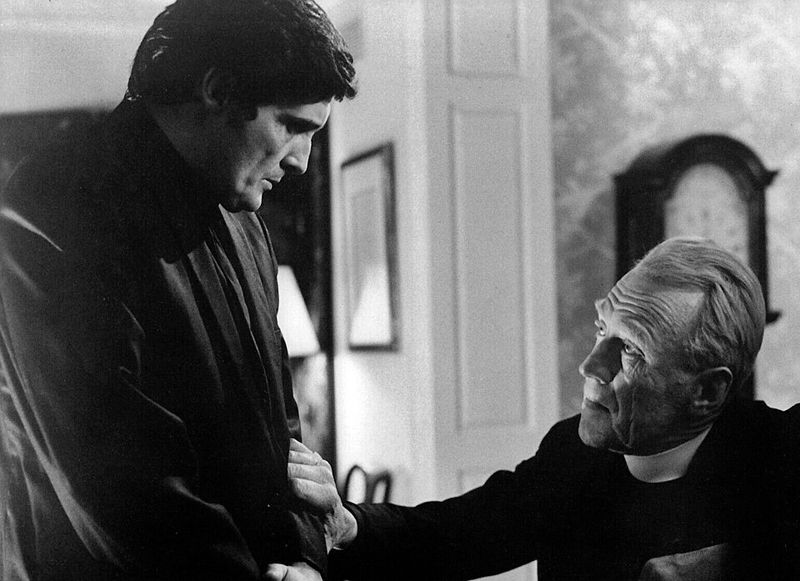
A horror film crossed into mainstream prestige territory.
Released in 1973 and directed by William Friedkin, The Exorcist was nominated for ten Academy Awards and won two. It became one of the highest-grossing films of its era and expanded horror’s commercial credibility.
Boomers returned because the narrative unfolds methodically. The first half presents events through investigation and skepticism, building tension through process rather than spectacle.
Performances by Ellen Burstyn, Linda Blair, and Max von Sydow ground the supernatural premise in emotional realism.
Repeat viewings highlight how editing and pacing escalate gradually. The film’s structure resembles a procedural drama before transitioning into confrontation, which deepens engagement.
Its success demonstrated that horror could compete for awards and serious critical discussion. For many Boomers, rewatching became a way to analyze how the film maintained credibility while exploring extreme themes.
7. One Flew Over the Cuckoo’s Nest (1975)
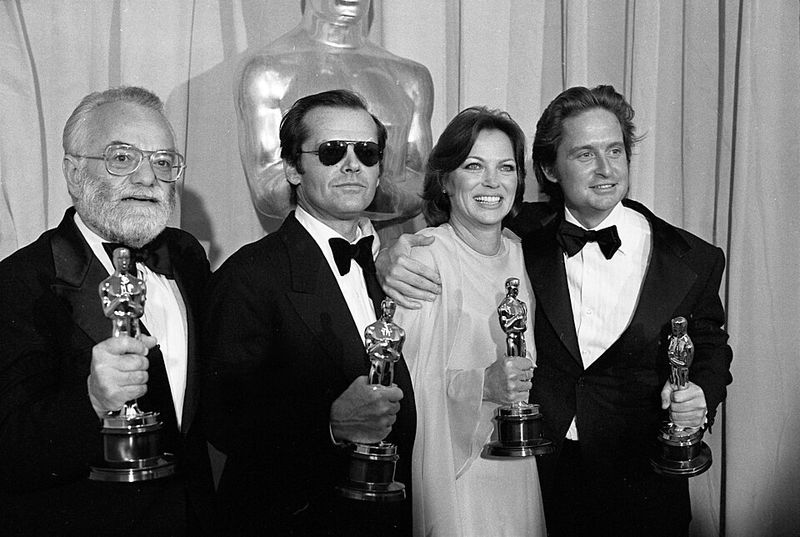
A literary adaptation became one of only three films to win the top five Academy Awards.
Directed by Miloš Forman and starring Jack Nicholson and Louise Fletcher, the film swept the Oscars in 1976. It combined character study with institutional critique in a way that appealed to 1970s audiences.
Boomers revisited it because the ensemble performances reward observation. Small reactions and background exchanges build emotional weight without overt dramatics.
The narrative arc centers on individual resistance within rigid systems, a theme that resonated strongly in the post-1960s climate.
Repeat viewings clarify the gradual shift in group dynamics among the patients. Humor punctuates tension, making the later developments more impactful.
Its cultural relevance extended beyond box office numbers, becoming shorthand for conversations about authority and autonomy. Boomers returned not just for Nicholson’s performance, but to reexamine how power functions within closed environments.
8. American Graffiti (1973)

A modestly budgeted film about one night became a generational touchstone.
Directed by George Lucas before Star Wars, American Graffiti chronicled teenage life in 1962. It earned five Academy Award nominations and grossed more than $100 million against a small production budget.
Boomers rewatched it because its episodic structure allows multiple storylines to unfold simultaneously. The use of continuous period music as a narrative thread was innovative and helped unify separate character arcs.
Repeat viewings made it easier to track overlapping journeys and small turning points. The film examines transition and uncertainty without assigning dramatic consequences, which keeps its tone grounded.
Its commercial success proved that youth-centered ensemble films could attract broad audiences. For Boomers, returning meant reconnecting with formative experiences reflected onscreen in an understated way.
9. The Sting (1973)
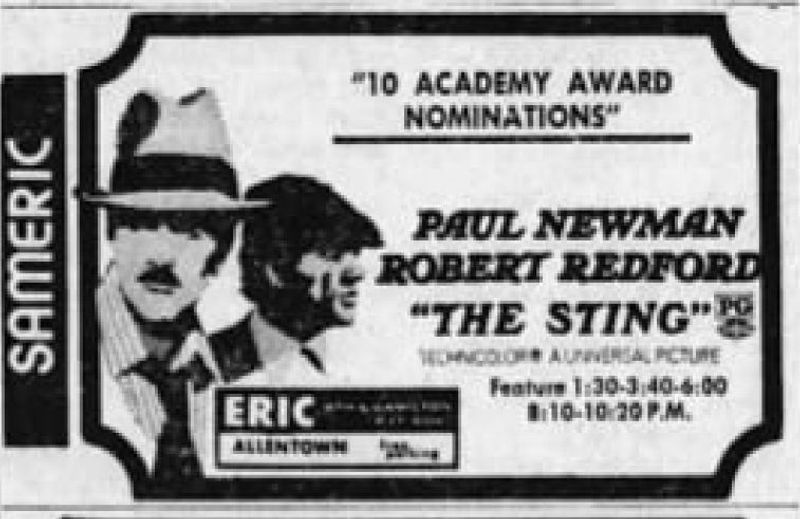
A period caper demonstrated how style and structure can drive repeat engagement.
Directed by George Roy Hill and starring Paul Newman and Robert Redford, The Sting won seven Academy Awards, including Best Picture. Its story centers on layered deception within a carefully staged con.
Boomers returned because the film is constructed around misdirection that becomes clearer with familiarity. Subtle setups gain new significance on repeat viewings, transforming surprise into appreciation of craftsmanship.
The use of chapter cards and ragtime music created a distinct rhythm without overwhelming the narrative. Performances rely on timing and understatement rather than spectacle.
The Sting proved that audience satisfaction could come from understanding how a trick works, not just from being fooled. Repeat visits became part of the pleasure.
10. Star Wars (1977)
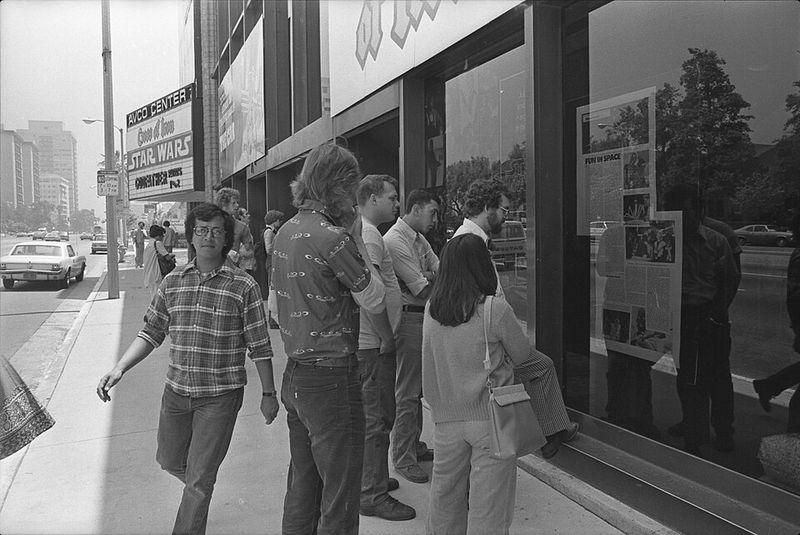
Few films rewrote the rules of franchise filmmaking as decisively as this one.
When Star Wars premiered in 1977, it combined mythic storytelling with cutting-edge visual effects from Industrial Light and Magic. George Lucas structured the narrative around Joseph Campbell’s hero’s journey framework, which gave the space setting a classical backbone that audiences instantly understood.
Boomers returned to theaters because the world-building invited inspection. Production design filled the screen with functional details, from cockpit interiors to alien costumes, encouraging viewers to scan backgrounds and secondary characters.
The editing during the final Death Star assault demonstrated tight pacing that sustained tension through cross-cutting between multiple story threads.
The film became the highest-grossing movie of all time at release and sparked a merchandising strategy that redefined studio economics. Action figures, novelizations, and licensed products extended the experience beyond the theater, turning repeat viewings into part of a larger cultural participation.
John Williams’ score won an Academy Award and reinforced character identity through recurring musical themes. For Boomers, returning meant revisiting a rare blend of optimism, technical innovation, and straightforward storytelling that felt expansive without being complicated.
11. Animal House (1978)
A campus comedy reset expectations for R-rated humor.
Released in 1978 and directed by John Landis, Animal House became one of the most profitable comedies ever made at the time. Its irreverent tone influenced decades of college-set films.
Boomers returned because the jokes are densely layered. Background gags and throwaway lines reward repeat attention.
John Belushi’s performance as Bluto became culturally iconic.
The narrative structure moves briskly through escalating set pieces without slowing for sentimentality. Repeat viewings strengthened its quotability and social impact.
It proved that broad comedy could dominate the box office while remaining sharply constructed.
12. Superman (1978)
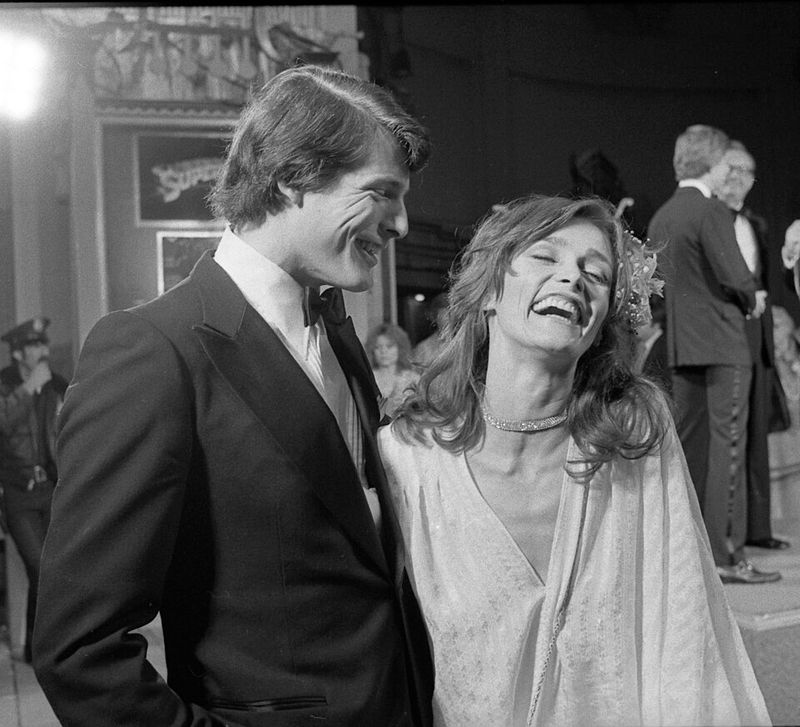
A comic book adaptation treated its source material with seriousness.
Directed by Richard Donner and starring Christopher Reeve, Superman premiered in 1978 and grossed over $300 million worldwide. It established the template for future superhero films.
Boomers revisited it because it balances origin story with large-scale stakes. Reeve’s portrayal emphasizes restraint and optimism, giving the character credibility.
The visual effects, including early wirework and optical compositing, were groundbreaking for their time. John Williams’ theme reinforced the character’s identity across scenes.
Repeat viewings highlighted how carefully the film transitions from Smallville upbringing to global heroics. It demonstrated that comic book material could support large-scale filmmaking.
13. The French Connection (1971)
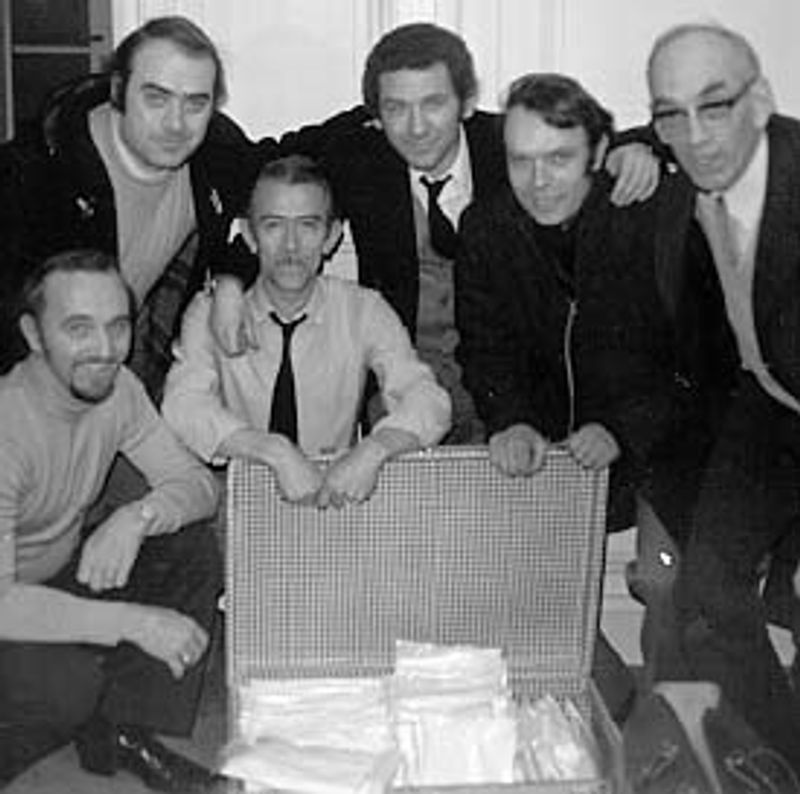
A crime thriller won Best Picture while maintaining documentary-style grit.
Directed by William Friedkin, The French Connection earned five Academy Awards, including Best Picture and Best Actor for Gene Hackman. Its narrative follows narcotics detectives tracking an international smuggling ring.
Boomers returned because the pacing feels procedural rather than sensational. The famous car chase sequence remains influential due to its tight editing and urban geography clarity.
Repeat viewings reveal how much tension derives from surveillance and patience rather than action alone. Hackman’s performance presents competence mixed with flaw, avoiding heroic exaggeration.
The film influenced future crime dramas by emphasizing realism and ambiguity. Its reputation held up through repeated screenings.
14. Dirty Harry (1971)
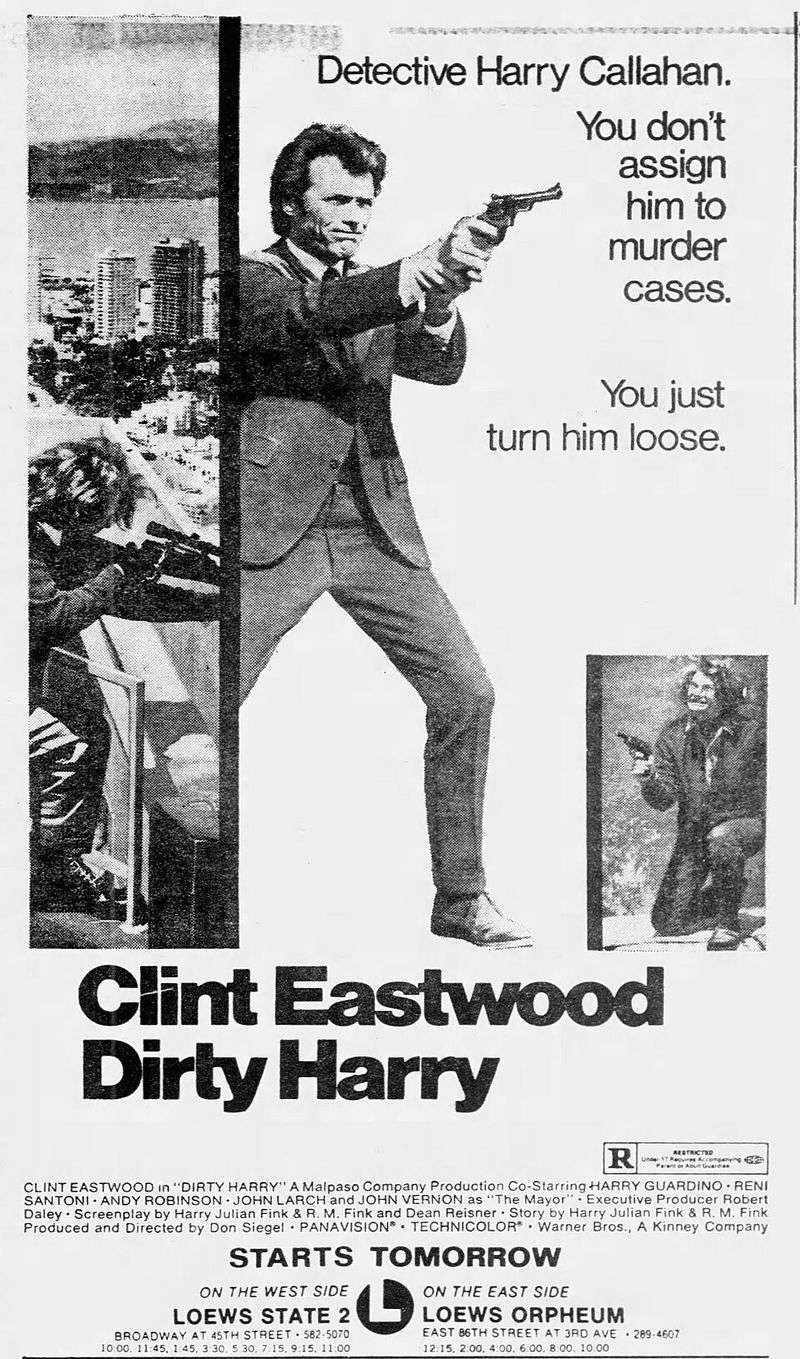
A crime film sparked debate about justice and authority.
Released in 1971 and starring Clint Eastwood, Dirty Harry became a commercial success and launched a franchise. Its portrayal of law enforcement methods generated discussion about moral boundaries.
Boomers revisited it because its structure pits a determined officer against systemic limitations. Eastwood’s restrained performance relies on minimal dialogue and steady physical presence.
The film’s staging of confrontations emphasizes geography and tension clarity. Quotable lines reinforced its cultural staying power.
Repeat viewings encouraged audiences to reassess its stance on power and consequence, keeping it relevant long after initial release.



