 Unearth The Voyage

Standing nose-to-nose with a spacecraft that orbited Earth or walking beneath wings that changed history forever creates a feeling words barely capture. Aviation and space museums preserve the machines and moments that pushed humanity skyward, offering visitors a chance to witness the real deal up close.
These institutions aren’t just collections of metal and glass but living monuments to human ambition, engineering brilliance, and the relentless drive to explore beyond our limits. Whether you’re drawn to military jets, moon missions, or the earliest attempts at powered flight, these 14 museums deliver experiences that make the past feel startlingly present.
Smithsonian National Air and Space Museum (Washington, D.C.)
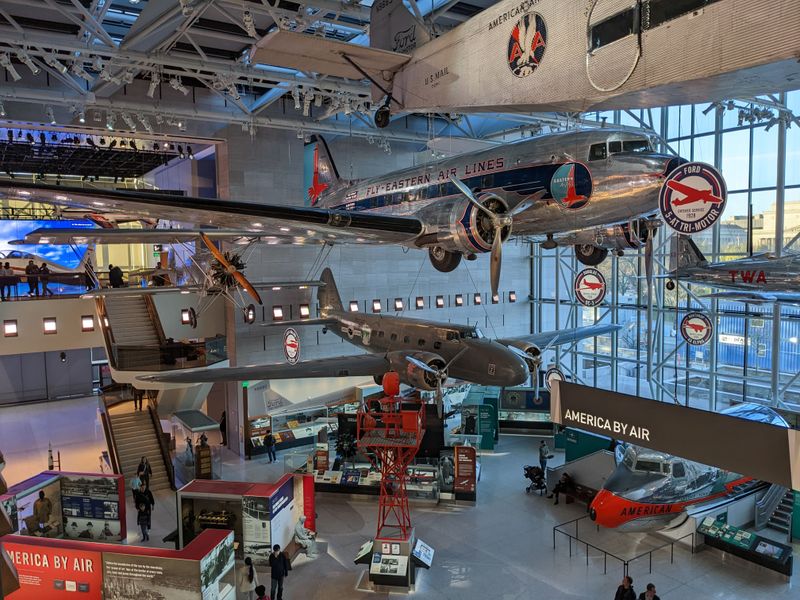
You haven’t really met aviation history until you’re standing near the 1903 Wright Flyer, the genuine article that started everything. It’s the kind of place where you keep whispering to whoever came with you, asking if that’s actually the real one.
Every corner holds something that rewrote the rulebook. From Charles Lindbergh’s Spirit of St. Louis to Apollo 11’s command module, the collection reads like a greatest-hits album of human achievement.
Kids sprint between exhibits while adults stand frozen, mentally rewinding a century of progress.
The museum underwent massive renovations recently, so displays feel fresh and immersive. Interactive elements let you test principles of flight without risking your neck.
Touch screens explain complex engineering in language that doesn’t require a PhD.
Crowds can be intense, especially during peak tourist season, so arriving early pays off. Free admission sweetens the deal, though timed-entry passes keep things manageable.
You’ll leave with sore feet and a head buzzing with inspiration, wondering why humans ever thought staying on the ground was enough.
Steven F. Udvar-Hazy Center (Chantilly, Virginia)
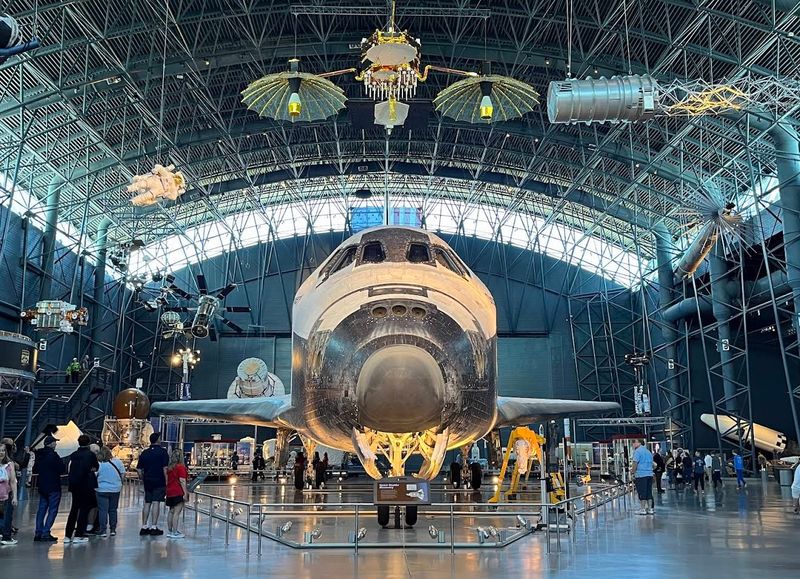
Walking into this place makes you feel small in the best possible way. Two massive hangars stretch farther than seems reasonable, packed with aircraft that look like they’re staging a reunion tour.
Space Shuttle Discovery dominates one building, and you’ll probably forget how to form sentences for a solid minute.
The sheer scale staggers first-time visitors. An SR-71 Blackbird sits casually near a Concorde, as if supersonic legends just hang out together on weekends.
Boeing’s 367-80 prototype shares space with vintage fighters, each one representing a leap forward in aviation thinking.
Unlike its downtown counterpart, this facility offers breathing room. Fewer tourists mean you can linger without feeling rushed or elbowed.
The observation tower provides runway views of Dulles Airport, so you watch modern jets while surrounded by their ancestors.
Admission costs a parking fee but nothing for entry, making it absurdly affordable for what you get. Plan several hours minimum because rushing through feels criminal.
Bring comfortable shoes and maybe some snacks, because once you’re inside, leaving seems like the wrong choice entirely.
National Museum of the U.S. Air Force (Dayton, Ohio)
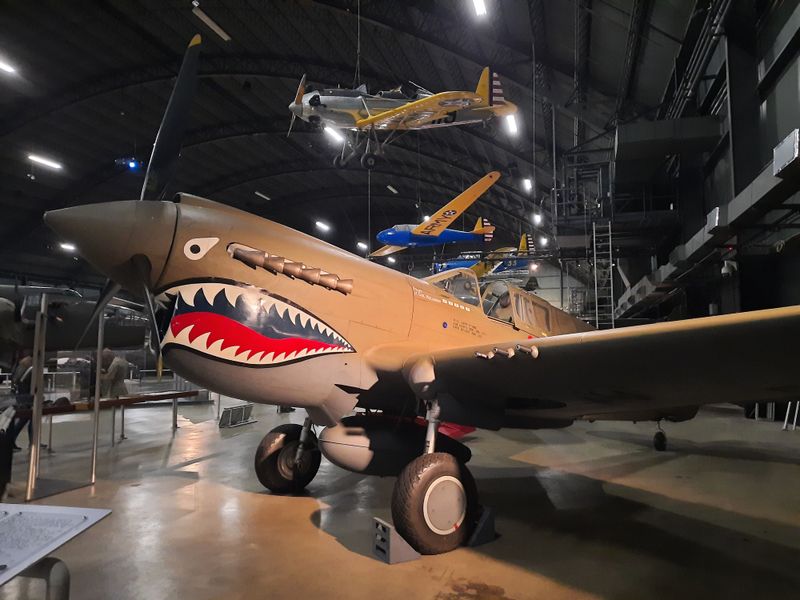
This place is enormous, free, and packed with hundreds of aerospace vehicles that tell America’s military aviation story from every angle. It’s widely considered the world’s largest military aviation museum, which explains why your feet will stage a protest before you finish exploring.
Four massive hangars cover different eras, from early flight through space exploration. Presidential aircraft get their own gallery, including the actual planes that carried Roosevelt, Truman, and Eisenhower.
Walking through Air Force One feels surreal, like stepping into a history documentary.
The Cold War gallery hits different when you’re standing beneath a B-2 stealth bomber. Missiles line the walls like oversized pencils, each one representing years of engineering and geopolitical tension.
Veterans often visit, sharing stories that guidebooks never capture.
Dayton’s aviation heritage runs deep since the Wright brothers called it home. The museum honors that legacy while showcasing how far technology has advanced.
Interactive simulators let visitors experience flight dynamics firsthand, though lines can stretch during busy periods. Budget a full day minimum, or accept that you’ll need multiple visits to absorb everything properly.
Kennedy Space Center Visitor Complex (Merritt Island, Florida)
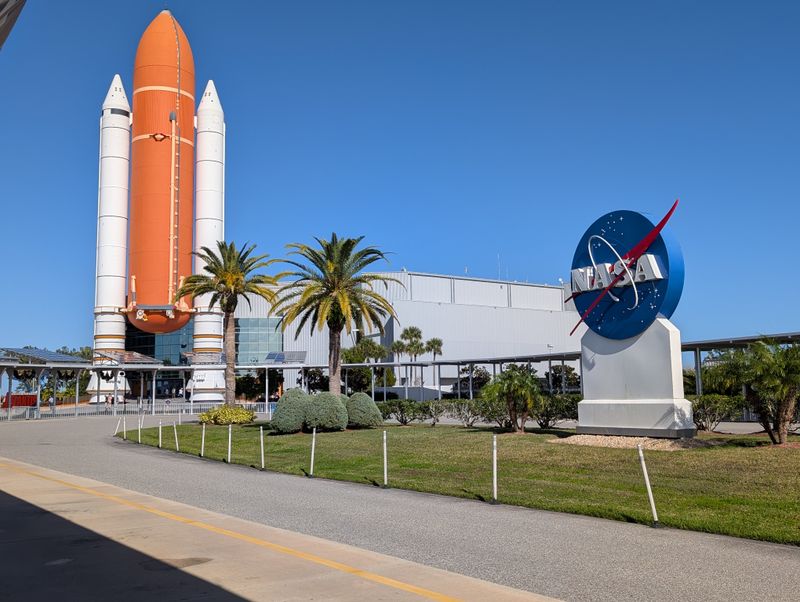
Seeing Space Shuttle Atlantis up close triggers a grin so wide you’ll look like you personally helped assemble it. The exhibit positions the orbiter dramatically, payload bay doors open, as if it just completed a mission yesterday.
Interactive elements surround you, transforming a museum visit into full-blown space obsession.
The complex sprawls across multiple buildings and outdoor exhibits. Rocket Garden displays genuine Mercury, Gemini, and Apollo-era hardware standing upright like metallic trees.
Bus tours take visitors to restricted areas where actual launches happened, and sometimes still do if timing works out.
Astronaut encounters happen regularly, offering chances to meet people who’ve actually left the planet. Their stories carry weight that no textbook can match.
The Apollo/Saturn V Center houses a complete moon rocket lying horizontally, so massive it seems impossible anything that size ever flew.
Admission isn’t cheap, but the experience justifies the cost. Plan a full day because rushing through feels wrong.
Florida heat can be brutal, so hydration matters. If you time your visit with a SpaceX launch from nearby pads, you’ll witness history actively unfolding instead of just remembering it.
Intrepid Sea, Air & Space Museum (New York City)

One museum, one aircraft carrier, one reaction that sounds like “how is this even real?” The Space Shuttle Pavilion houses Enterprise, NASA’s prototype orbiter that never flew in space but paved the way for everything that did. The setup leans hard into retro-future vibes that somehow work perfectly.
The Intrepid itself served as an aircraft carrier for decades, surviving kamikaze attacks and Cold War tensions. Walking its flight deck puts you where jets screamed off into combat missions.
Below deck, cramped quarters show how sailors lived for months at sea.
Manhattan’s skyline provides a backdrop that no other aviation museum can match. It’s a perfect New York experience: loud city chaos outside, quiet awe inside.
The Concorde sits on the pier, looking sleek and impossible even while stationary.
Submarine Growler offers tours through claustrophobic spaces that housed nuclear missiles during tense decades. The whole complex feels like someone crammed three museums into one location.
Crowds can be thick during tourist season, but timed tickets help manage flow. The museum stays open year-round, though winter visits mean bundling up on outdoor decks.
California Science Center (Los Angeles, California)

Space Shuttle Endeavour currently calls this place home, though it’s off display for several years while a new air and space center gets built. The shuttle will eventually stand vertically with external tank and solid rocket boosters attached, creating what promises to be an absolutely jaw-dropping exhibit.
Even during construction, the museum belongs on this list because “Endeavour lives here” carries serious time-travel energy. The orbiter flew 25 missions, including the first Hubble repair mission and multiple International Space Station assembly flights.
Its arrival in Los Angeles involved an epic road trip through city streets, a journey so improbable it became legendary.
The Science Center itself offers plenty while you wait. Ecosystems exhibits explore Earth’s environments, while the IMAX theater shows space documentaries on a screen that makes you feel tiny.
Admission to permanent exhibits stays free, making it accessible to everyone.
Check current exhibit status before visiting if you specifically want shuttle access. The museum’s website provides construction updates and projected opening dates.
Once the new exhibit opens, it’ll rank among the most impressive space displays anywhere, worth planning an entire trip around.
Space Center Houston (Houston, Texas)
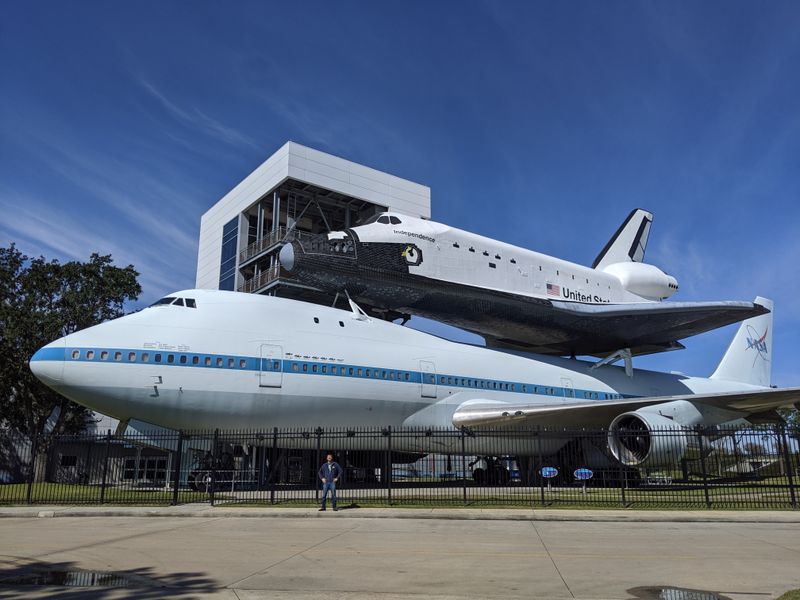
The only place where a shuttle rides a jumbo jet like it’s completely normal. Independence Plaza commits fully to this concept: you can walk inside a shuttle replica mounted on NASA’s original Shuttle Carrier Aircraft.
It’s equal parts history lesson and “I need 400 photos immediately.”
The setup shows exactly how NASA transported orbiters between facilities. Climbing inside both aircraft reveals the engineering required to make such an absurd-looking combination actually work.
Kids lose their minds, and honestly, adults aren’t far behind.
Tram tours take visitors onto actual NASA property, passing Mission Control and astronaut training facilities. Seeing where controllers guided Apollo 11 to the moon creates goosebumps that refuse to quit.
The Saturn V rocket lying in its own building measures longer than a football field, making you wonder how anything that massive ever left Earth.
Houston’s space heritage runs deeper than most cities. This museum captures that legacy while staying current with modern missions.
Astronaut encounters happen regularly, and rocket park displays historic spacecraft outdoors. Summer heat can be intense, so indoor exhibits provide welcome relief between outdoor adventures.
Evergreen Aviation & Space Museum (McMinnville, Oregon)
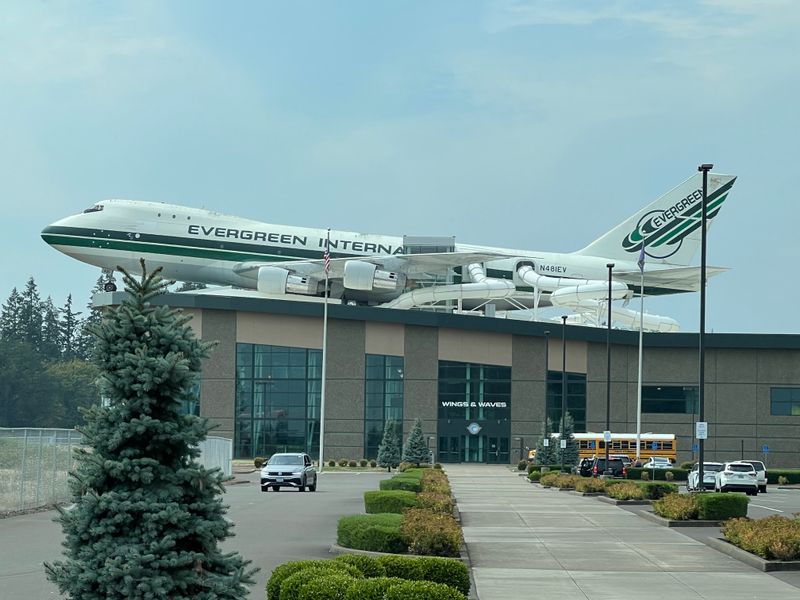
The Spruce Goose lives here, and it’s so huge it feels like it should have its own zip code. Hughes H-4 Hercules represents one man’s obsessive vision carried to absurd extremes, and standing beneath its wings makes your brain struggle with scale.
Built almost entirely from laminated birch, the flying boat was designed to carry troops during World War II. By the time it flew once in 1947, the war had ended and critics called it a colossal waste.
Today it’s a colossal attraction, the kind of artifact that makes visitors stop talking mid-sentence.
The museum ties its origin story directly to the Goose’s arrival and reassembly. Moving something that large required serious planning and effort, making the whole visit feel like a living chapter of aviation lore.
Other exhibits include significant aircraft from multiple eras, but the Goose dominates physically and mentally.
McMinnville sits in Oregon wine country, so combining museum visits with vineyard tours makes a solid weekend plan. The attached water park and IMAX theater expand options for families.
Admission covers both aviation and space buildings, delivering solid value for the price.
Pima Air & Space Museum (Tucson, Arizona)
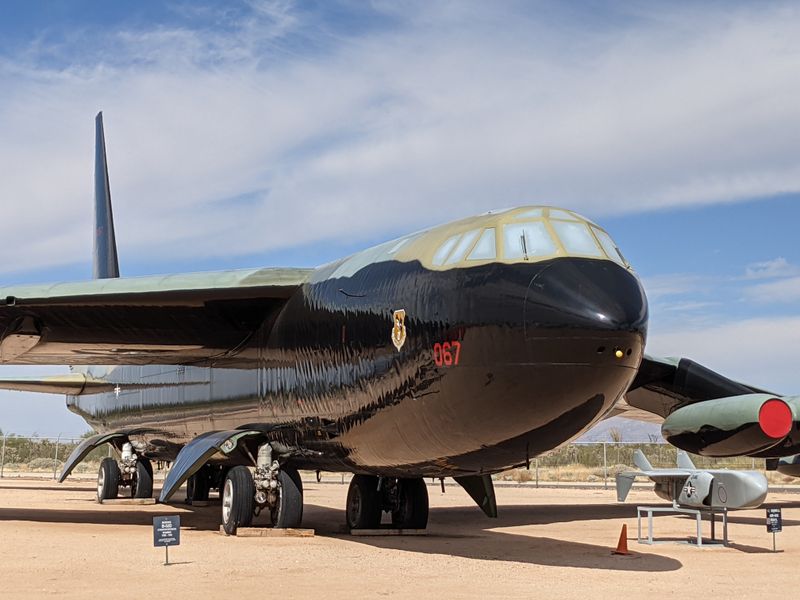
Eighty acres of “wait, there’s MORE?” spread across the Arizona desert. This museum keeps surprising you with another hangar around every corner.
They claim over 400 aircraft across six hangars and outdoor displays, which basically guarantees your fitness tracker will celebrate.
The collection spans everything from early biplanes to modern jets. Presidential aircraft, experimental prototypes, and combat veterans all share space like an aviation retirement community.
Desert climate preserves metal beautifully, so even outdoor displays look remarkably intact.
Adjacent to Davis-Monthan Air Force Base, the museum offers tours of the “boneyard” where military aircraft go when retired. Seeing thousands of planes lined up in storage creates an eerie, post-apocalyptic vibe.
Photography restrictions apply, but the tour itself makes a lasting impression.
Arizona sunshine means visiting in cooler months feels smarter. Summer heat turns outdoor exhibits into endurance tests.
Indoor hangars provide air-conditioned relief between outdoor adventures. The museum operates year-round, and admission prices stay reasonable considering the sheer volume of aircraft.
Serious aviation enthusiasts should budget a full day minimum, possibly two if the boneyard tour gets added.
The Museum of Flight (Seattle, Washington)
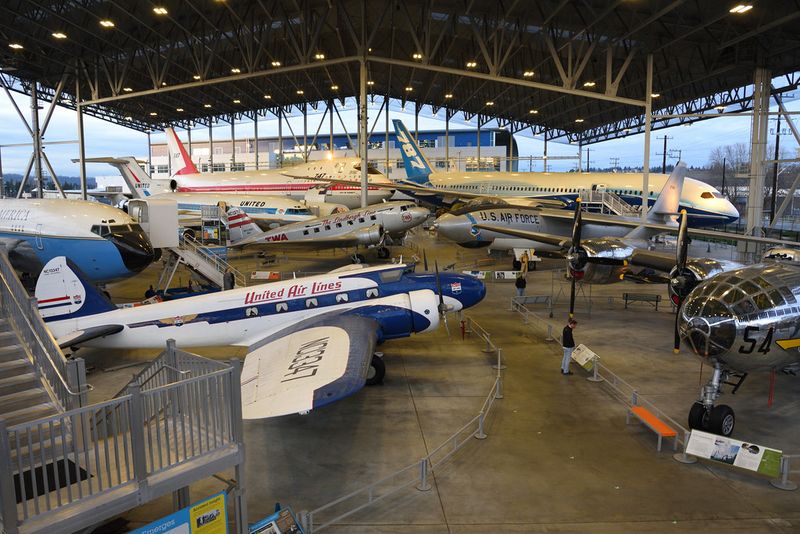
Seattle’s Museum of Flight brings the Apollo era uncomfortably close, making the space race feel like it happened five minutes ago instead of decades back. Apollo Command Module 007A sits on display, a genuine spacecraft that trained astronauts for moon missions.
Standing near it triggers weird realizations about how small those capsules actually were.
The collection sprawls across multiple buildings. The main gallery houses everything from the first Boeing-built plane to modern jets.
An outdoor airpark displays massive aircraft including the first 747 prototype and a Concorde. Walking through these giants reveals engineering details photos never capture.
Boeing’s presence in Seattle means the museum has special access to company history. Exhibits trace commercial aviation’s evolution with artifacts and stories you won’t find elsewhere.
The personal courage wing honors military aviators with displays that balance patriotism and sobering reality.
Restoration work happens on-site, so visitors sometimes watch technicians working on historic aircraft. Educational programs run constantly, making it popular with school groups.
The museum sits near Boeing Field, so modern planes take off and land while you explore their ancestors. Plan several hours minimum because the collection deserves attention.
Frontiers of Flight Museum (Dallas, Texas)
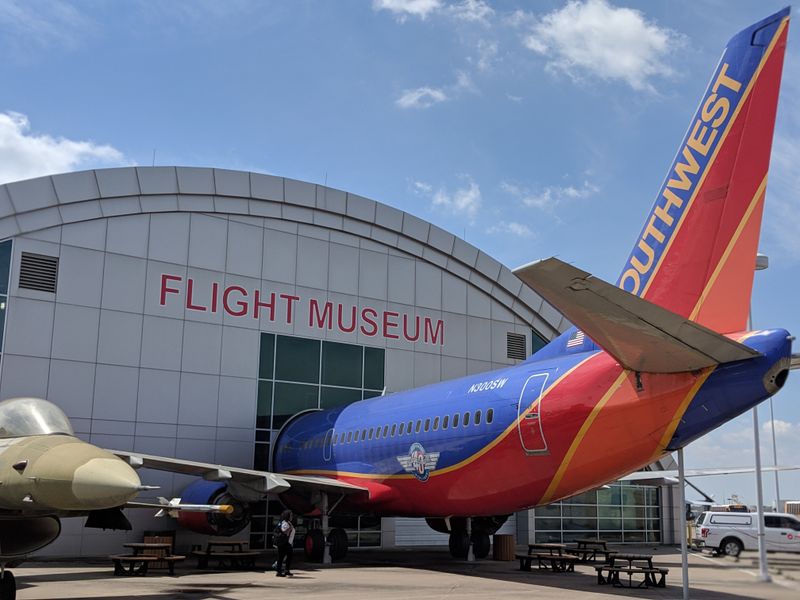
Dallas quietly flexes with actual space hardware most cities can’t claim. The space gallery includes Apollo 7 Command Module, the first manned Apollo mission that proved systems worked after the tragic Apollo 1 fire.
Mercury, Gemini, and Apollo artifacts surround it, telling the complete story of America’s race to the moon.
The museum occupies space at Love Field, Dallas’s original commercial airport. Aviation history here runs deep, from early airmail routes to modern aerospace manufacturing.
Exhibits cover both local contributions and broader achievements, connecting regional pride to national accomplishments.
Aircraft displays range from vintage warbirds to experimental designs. The collection may be smaller than some massive museums, but curation stays tight and informative.
Less overwhelming crowds mean you can actually read placards without getting jostled.
Love Field’s continued operation as an active airport adds atmosphere. Watching Southwest jets taxi past while examining 1960s spacecraft creates interesting temporal dissonance.
Admission prices stay modest, and the museum operates year-round. It’s a sharp reminder that the space story isn’t just rockets but people, places, and countless rivets holding dreams together.
Cradle of Aviation Museum (Long Island, New York)
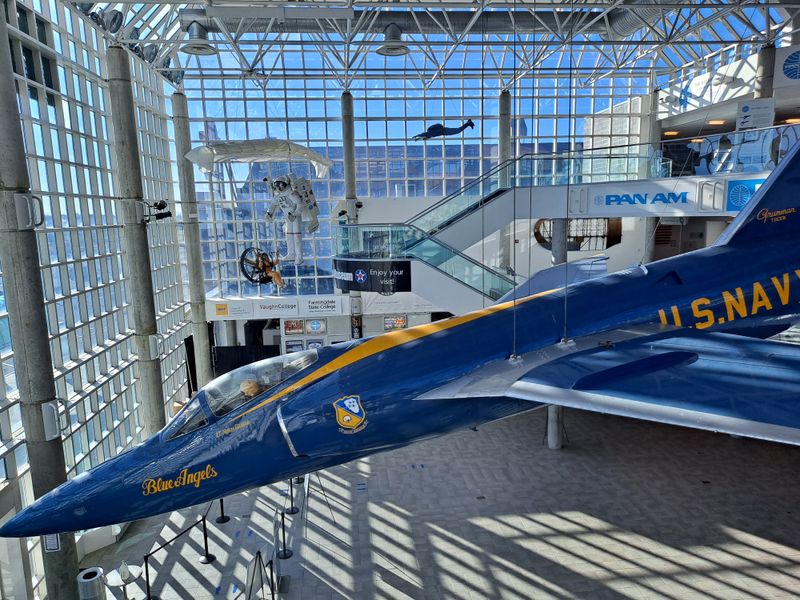
An almost-moon lander sits calmly like it didn’t have plans to make history. Grumman Lunar Module LM-13 was originally intended for Apollo 18 or 19 before budget cuts canceled those missions.
It’s a museum moment with a tiny sting: so close to history, yet history took a different turn.
Long Island’s aviation legacy gets proper respect here. The region manufactured countless military and civilian aircraft, including the lunar modules that actually reached the moon.
Exhibits trace this heritage from early aviation pioneers through the space age, connecting local industry to global achievements.
The museum building itself impresses, purpose-built to showcase aircraft properly. Galleries flow chronologically, making the progression of flight technology easy to follow.
Interactive exhibits let kids experience flight principles hands-on, keeping younger visitors engaged while adults geek out over hardware.
Located near the former Mitchel Air Force Base, the site carries its own military history. Outdoor displays include jets and helicopters that served during various conflicts.
The IMAX theater shows aviation and space films on a screen that makes everything feel more epic. Admission stays reasonable, and the museum operates year-round with special events throughout the year.
New England Air Museum (Windsor Locks, Connecticut)
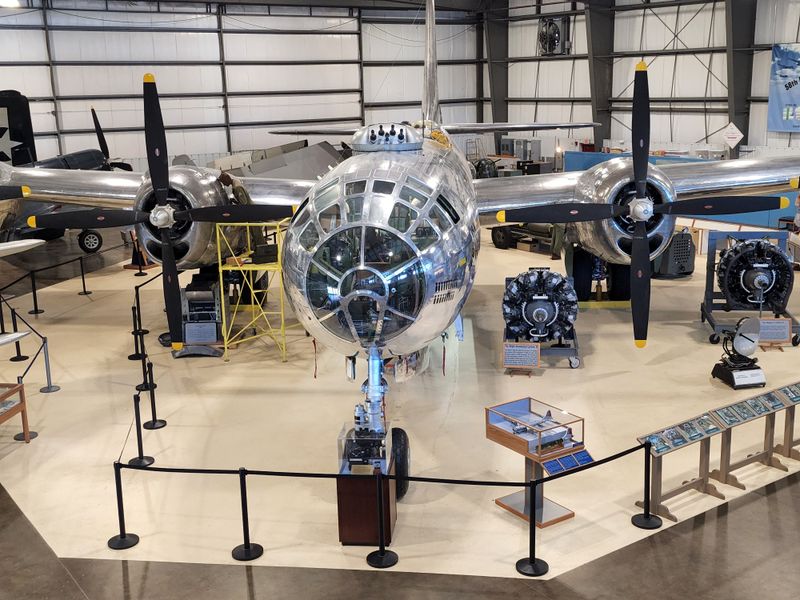
Right next to an airport, because of course it is. NEAM sits beside Bradley International Airport, so modern jets roar overhead while you examine their ancestors.
The location feels appropriate for a museum dedicated to telling aviation’s story through a broad collection that includes major Sikorsky-related exhibits.
Sikorsky Aircraft’s Connecticut roots mean the museum has exceptional helicopter coverage. Igor Sikorsky pioneered practical helicopter design, and seeing early models shows how radically different they looked from modern versions.
The progression from experimental prototypes to reliable workhorses plays out across the hangars.
Fixed-wing aircraft fill the remaining space, representing multiple eras and purposes. Military fighters, civilian transports, and experimental designs all share real estate.
The collection may not rival massive national museums, but quality beats quantity here.
Three hangars and outdoor displays provide plenty to explore without feeling overwhelming. It’s a great pick when you want deep cuts and less tourist-crowd buzz.
Restoration work happens on-site, and volunteers often share knowledge enthusiastically. The museum operates year-round, though Connecticut winters mean dressing appropriately for outdoor exhibits.
Admission prices stay modest, making it accessible for families and aviation enthusiasts alike.
Strategic Air Command & Aerospace Museum (Ashland, Nebraska)

Cold War history served at hangar scale makes you walk slower just to absorb the size and stakes. This museum preserves and displays historic aircraft, missiles, and space artifacts from an era when global annihilation felt genuinely possible.
Famous Cold War giants fill the collection, including a B-52 that carried nuclear deterrent missions.
Strategic Air Command represented America’s long-range strike capability for decades. The museum honors that legacy while explaining the complex geopolitics behind it.
Standing beneath a B-52’s wings reveals engineering meant to deliver devastating payloads across continents, a sobering reminder of what these machines represented.
The modern facility opened in 1998, purpose-built to showcase large aircraft properly. Glass walls flood spaces with natural light, making the displays feel less tomb-like than some older museums.
Missiles stand upright outside, their presence both impressive and unsettling.
Nebraska’s location in America’s heartland feels appropriate for a museum about strategic defense. The flat landscape surrounding the museum echoes the Great Plains where many SAC bases operated.
Interactive exhibits explain Cold War strategy without glorifying conflict. It’s the kind of place that makes history feel weighty and immediate, not distant and abstract.



