 Unearth The Voyage
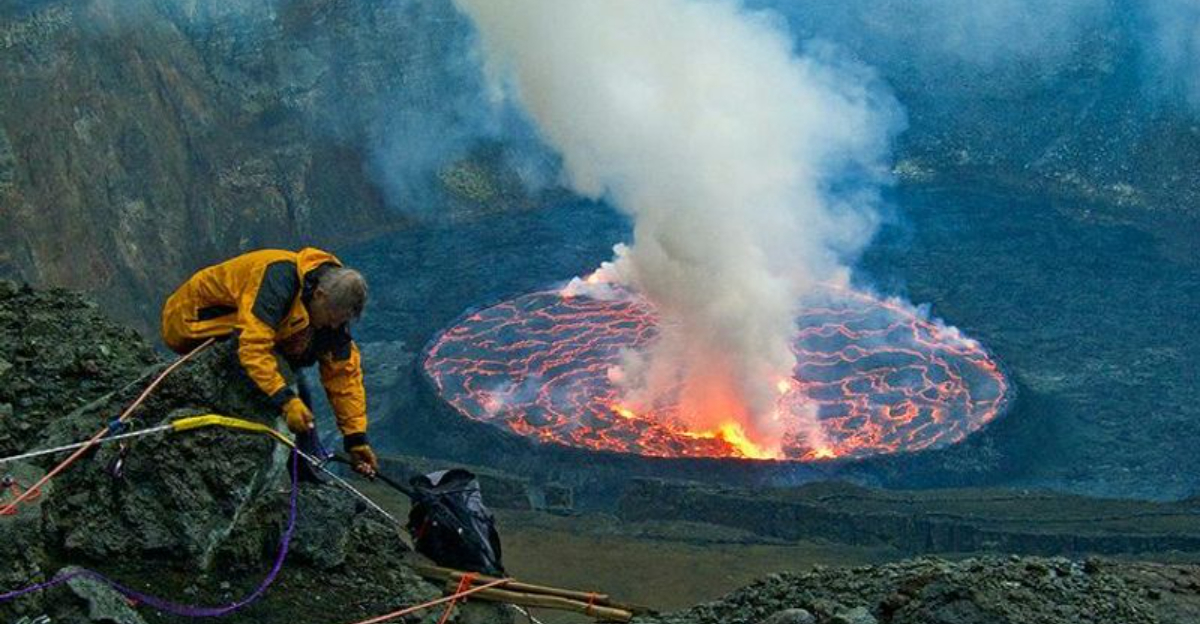
Our planet is home to some of the most breathtaking natural wonders you will ever see, but not all of them are safe to visit. From scorching deserts to volcanic craters and venomous islands, nature can be just as deadly as it is beautiful.
Many of these places have claimed lives and continue to pose serious risks to explorers, tourists, and even locals. Understanding what makes these destinations so hazardous can help you appreciate the raw power of nature while staying informed and safe.
1. Mount Everest, Nepal/China
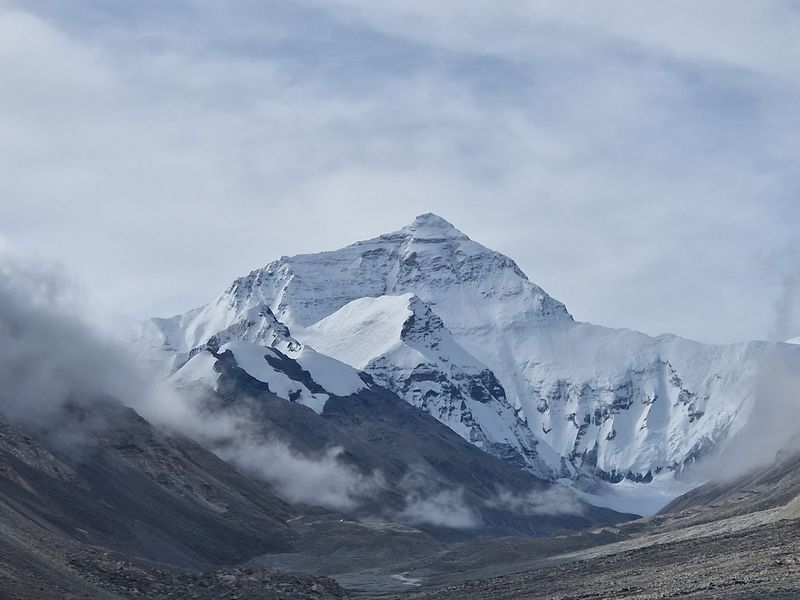
Standing at 8,849 meters, Mount Everest is the highest point on Earth, and reaching its summit is one of the most dangerous journeys a human can attempt. Above 8,000 meters lies what climbers call the “death zone,” where oxygen levels are so low that the human body begins to shut down.
Avalanches, blinding blizzards, and temperatures that can plunge below -60°C make every step a calculated risk.
Over 300 people have died on Everest, and many bodies remain frozen on the mountain to this day. Altitude sickness can strike even experienced climbers, causing confusion, fluid in the lungs, and worse.
Some climbers spend years training before attempting the ascent.
Despite the dangers, thousands of people apply for permits each year. The mountain demands respect, preparation, and an honest understanding of the very real possibility of not coming back down.
2. Death Valley, USA
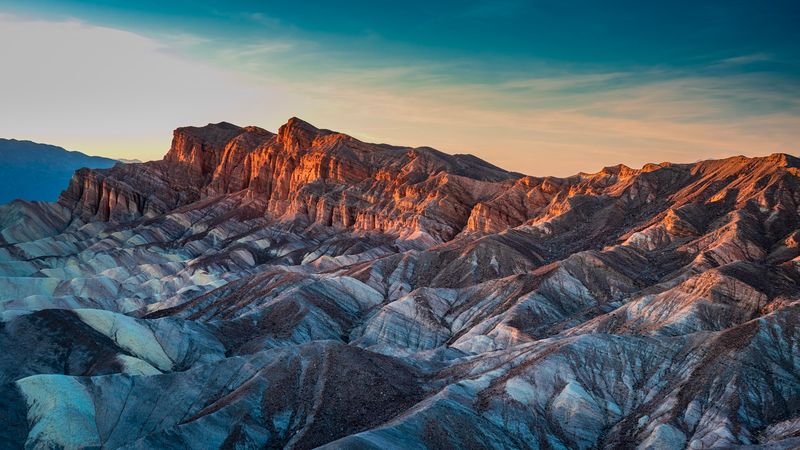
On July 10, 1913, a thermometer in Death Valley, California recorded 56.7 degrees Celsius, the highest air temperature ever reliably measured on Earth. That record still stands today, and it tells you everything you need to know about this unforgiving landscape.
Tourists who underestimate the heat have paid with their lives.
Heatstroke can develop in minutes when temperatures are this extreme, especially if you are unprepared or run out of water. The dry air tricks your body into thinking it is cooler than it actually is, which makes dehydration sneak up fast.
Park rangers consistently warn visitors to carry large amounts of water and avoid hiking during midday hours.
Flash floods also pose a surprise threat, as sudden rainstorms in nearby mountains can send walls of water rushing through narrow desert canyons with almost no warning. Death Valley is stunning, but it demands serious caution.
3. Danakil Depression, Ethiopia
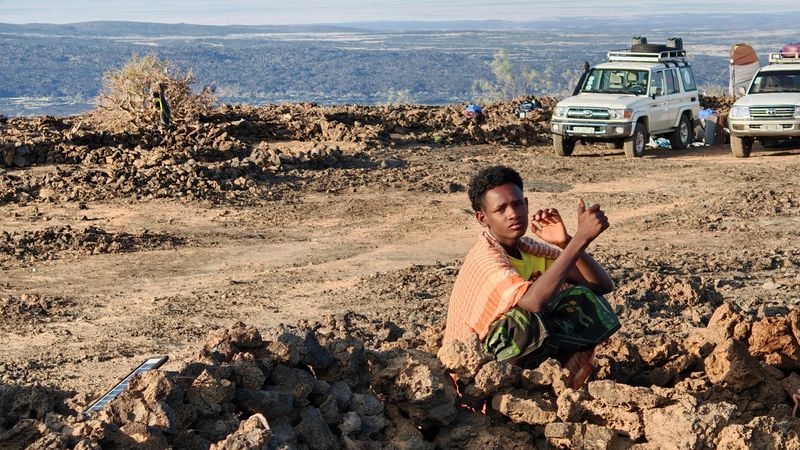
Sitting roughly 125 meters below sea level, the Danakil Depression in northeastern Ethiopia is often described as the closest thing to another planet you can find on Earth. Temperatures regularly climb above 50 degrees Celsius, making it one of the hottest inhabited regions on the planet.
The landscape is dotted with lava lakes, sulfur springs, and bubbling acidic pools that glow in vivid yellows and greens.
The toxic gases that rise from volcanic vents can cause serious respiratory damage with prolonged exposure. Hydrogen sulfide and sulfur dioxide fill the air near the active hydrothermal fields, and visitors are strongly advised to wear gas masks.
Even short visits require careful planning and a local guide.
Despite all of this, the Afar people have lived here for generations, harvesting salt from ancient lake beds. Their survival in such an extreme environment is a remarkable testament to human endurance and adaptability.
4. Yellowstone National Park Thermal Areas, USA
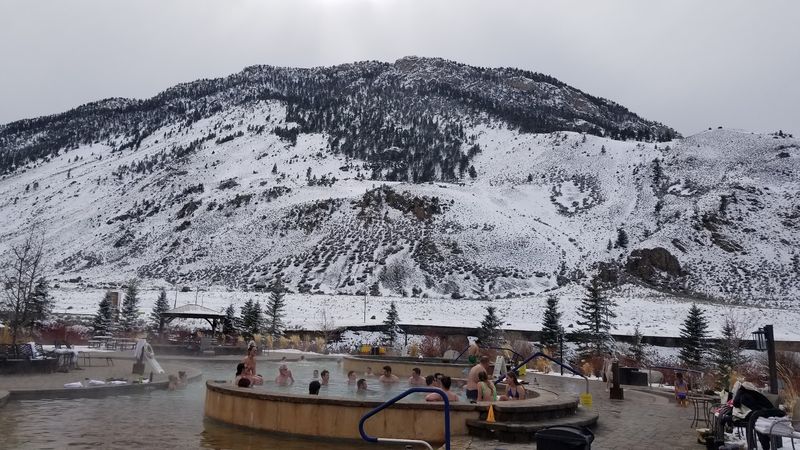
Yellowstone sits on top of one of the most powerful supervolcanoes on Earth, and its thermal features are both mesmerizing and extremely dangerous. The hot springs scattered across the park can reach temperatures above 90 degrees Celsius, hot enough to cause severe burns almost instantly.
The ground surrounding these pools is often thin and unstable, which means stepping off the boardwalk can literally mean stepping through the crust.
Tragically, several people have died after falling or jumping into the thermal pools, including a young man in 2016 whose body dissolved within hours due to the extreme heat and acidity. Rangers work hard to keep visitors on marked paths, but some people ignore the warnings.
Beyond the hot springs, geysers like Old Faithful erupt with boiling water and steam at unpredictable moments. Yellowstone is a world-class destination, but treating its thermal areas with complete seriousness is not optional.
5. Lake Nyos, Cameroon
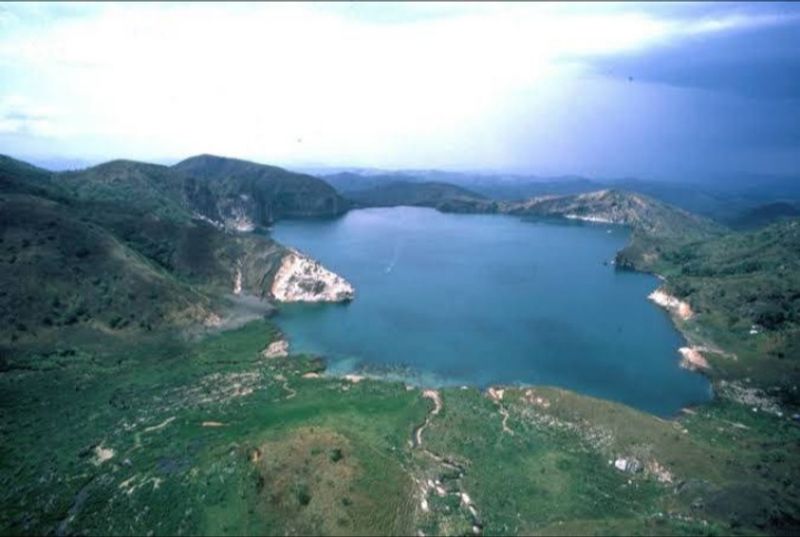
On the night of August 21, 1986, Lake Nyos in northwestern Cameroon released a massive cloud of carbon dioxide gas in an event scientists call a limnic eruption. The invisible cloud, heavier than air, rolled down the hillsides and into surrounding villages, suffocating approximately 1,700 to 1,800 people and thousands of livestock within hours.
It remains one of the deadliest natural gas disasters in recorded history.
Lake Nyos sits inside a volcanic crater, and carbon dioxide seeps from magma deep beneath the lake floor and dissolves into the cold water under pressure. When something disturbs the lake, such as a landslide or temperature change, the gas can suddenly burst free in enormous quantities.
Scientists have since installed degassing pipes to slowly release the CO2 safely.
The lake looks peaceful and beautiful from a distance, but beneath that calm surface, it still holds enough dissolved gas to pose a serious regional threat if conditions change unexpectedly.
6. Mount Nyiragongo, DR Congo
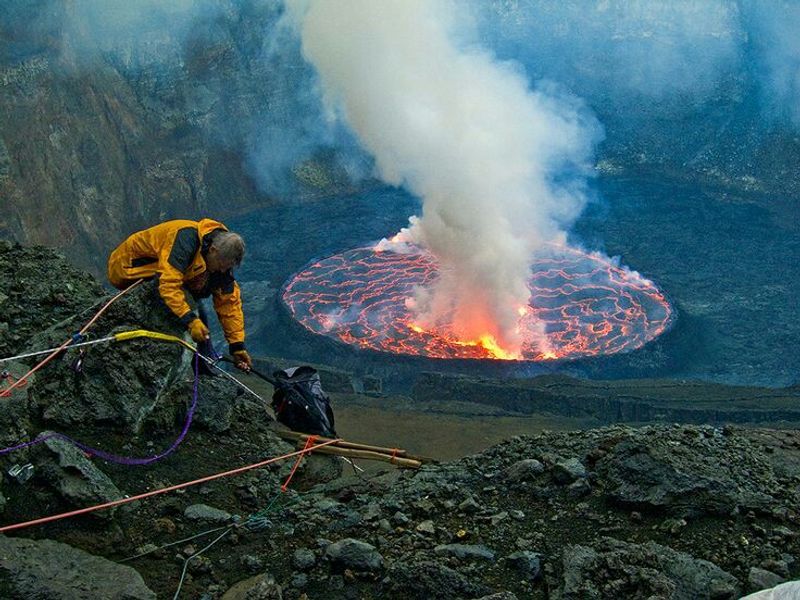
Mount Nyiragongo, located in the Democratic Republic of Congo near the city of Goma, holds one of the world’s largest and most active lava lakes inside its summit crater. What makes this volcano especially terrifying is not just its activity, but the speed at which its lava moves.
Because Nyiragongo’s lava has an unusually low silica content, it flows more like water than the thick, slow lava seen at other volcanoes.
During the 1977 eruption, lava raced down the mountain’s slopes at speeds estimated up to 100 kilometers per hour, killing an estimated 600 people before they could escape. A 2002 eruption destroyed 15 percent of the city of Goma and left 120,000 people homeless.
Another eruption struck in May 2021, again threatening the region.
Millions of people live within range of Nyiragongo’s reach, and monitoring the volcano is a constant scientific priority. The lava lake never fully cools.
7. Kawah Ijen Volcano, Indonesia
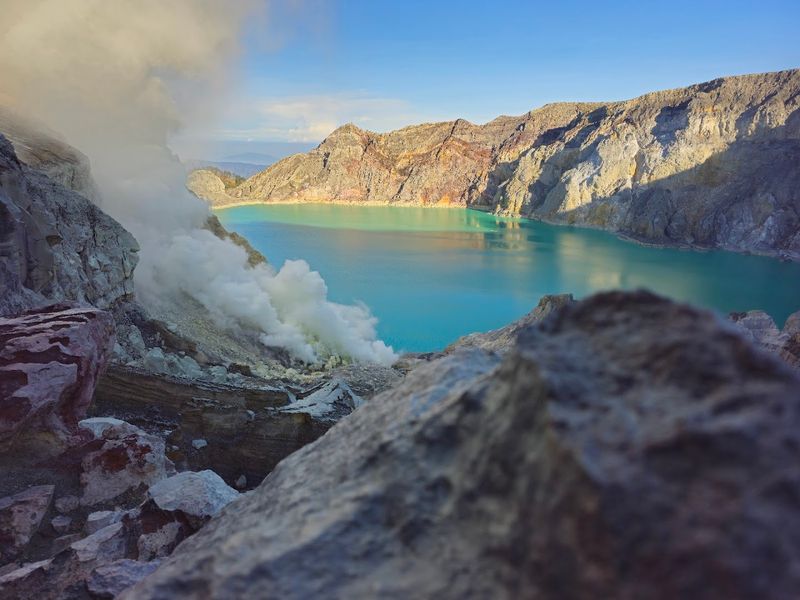
Kawah Ijen in East Java, Indonesia, is famous for two things: its electric-blue fire phenomenon and the sulfur miners who risk their health every day working inside the crater. The blue flames are actually burning sulfuric gas that ignites as it escapes from the volcanic vents, creating a ghostly glow visible at night.
It is visually stunning and scientifically fascinating.
However, the toxic sulfur dioxide gas that fills the crater air is a serious health hazard. Without proper respiratory protection, even short exposure can cause burning in the throat, eyes, and lungs.
Miners who work here daily, carrying loads of raw sulfur weighing up to 90 kilograms, suffer long-term lung damage despite wearing basic cloth masks.
The crater also contains the world’s largest highly acidic lake, with a pH close to zero. Falling into it would be catastrophic.
Visitors are advised to bring proper gas masks and to monitor wind direction carefully during any visit.
8. Snake Island, Brazil

About 33 kilometers off the coast of Sao Paulo, Brazil, lies a small island that the Brazilian government has officially closed to the public. Ilha da Queimada Grande, better known as Snake Island, is home to an estimated 2,000 to 4,000 golden lancehead pit vipers, one of the most venomous snakes in the entire world.
Researchers estimate there is roughly one snake for every square meter in some areas.
The golden lancehead’s venom is uniquely dangerous because it causes rapid tissue death, internal bleeding, and can kill a person in under an hour without treatment. The snakes evolved on the island after rising sea levels cut it off from the mainland, leaving them isolated with no land predators.
They adapted to hunting migratory birds instead.
Only a handful of researchers with special government permits are allowed to visit. Local fishermen who accidentally land on the island have reportedly not returned.
It is one place where the “no trespassing” sign is absolutely worth heeding.
9. Victoria Falls Devil’s Pool, Zambia/Zimbabwe
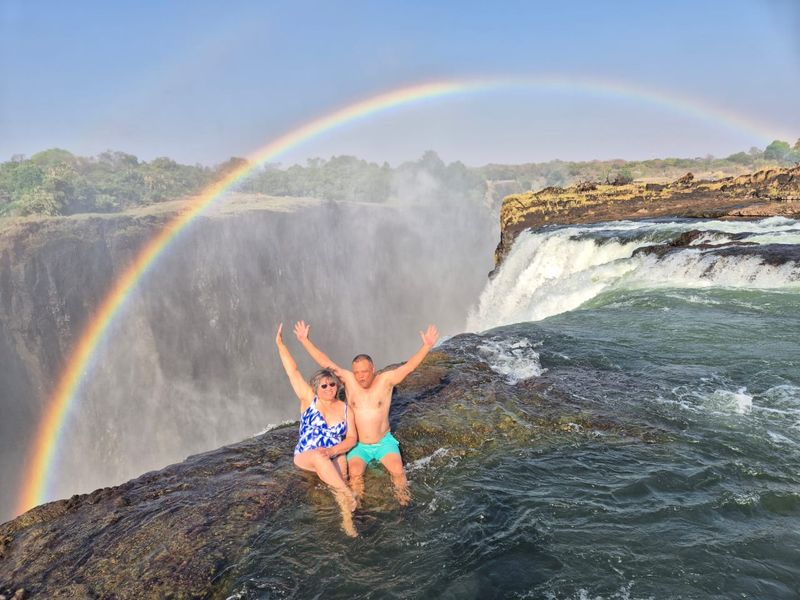
Victoria Falls is one of the largest and most spectacular waterfalls on Earth, stretching nearly 1,700 meters wide and plunging over 100 meters into the Zambezi Gorge. At the very edge of this roaring curtain of water sits a natural rock pool known as Devil’s Pool, where brave swimmers can peer directly over the edge.
It sounds thrilling, and it is, but the risks are very real.
During the high-water season, the current near the falls becomes incredibly powerful, and the pool essentially becomes inaccessible because the flow would sweep a person over the edge with ease. Even during the low-water season when swimming is offered, guides must closely supervise every visitor.
One slip or misjudgment could be fatal.
Several accidents and near-drownings have occurred here over the years. The experience is often described as one of the most adrenaline-filled moments a traveler can have, but it should never be attempted without an experienced local guide present.
10. The Dead Sea, Israel/Jordan
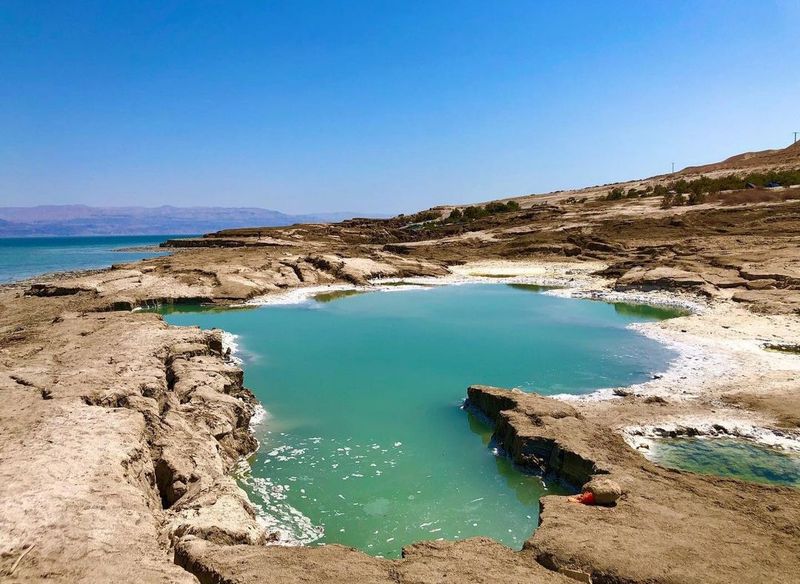
Floating on the Dead Sea is one of the most unusual experiences in the natural world. The water is so saturated with salt, roughly ten times saltier than the ocean, that the human body bobs on the surface like a cork.
It feels fun and strange, but this same extreme salinity makes the Dead Sea genuinely dangerous in ways most tourists do not expect.
Swallowing even a small amount of the water can cause serious harm, including dangerous electrolyte imbalances that can lead to cardiac and respiratory failure. If a swimmer accidentally rolls face-down, the dense water makes it very difficult to right yourself, and the salt can quickly damage your eyes and airways.
Cuts and open wounds sting intensely on contact.
The Dead Sea is also shrinking at an alarming rate due to water diversion, dropping about one meter per year. Sinkholes have begun opening up along its shores, adding another layer of danger to the surrounding landscape.
11. Aokigahara Forest, Japan
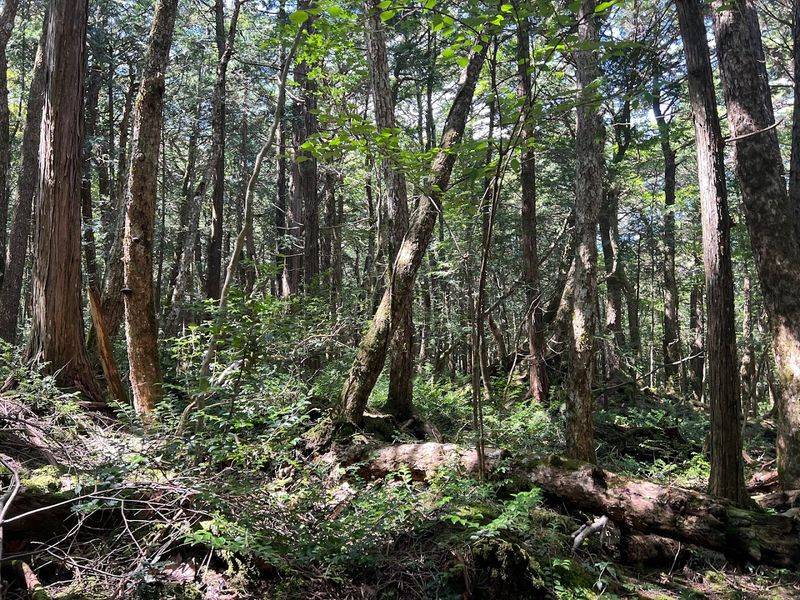
Stretching across roughly 35 square kilometers at the base of Mount Fuji, Aokigahara Forest is one of the most eerily disorienting natural places in the world. The forest floor is made up of dense volcanic rock formed from an 864 AD lava flow, and the roots of ancient trees twist and curl through the jagged terrain in ways that seem almost otherworldly.
Compasses behave strangely here because the volcanic rock interferes with magnetic fields.
Getting lost in Aokigahara is a very real risk. The trees grow so densely that GPS signals can be unreliable, and the thick canopy blocks sunlight, making it hard to track direction.
Rescue teams periodically search the forest for lost hikers.
Beyond the physical dangers, Aokigahara carries a heavy cultural weight in Japan and is known globally for tragic reasons. Authorities have placed signs throughout the forest encouraging visitors in distress to seek help.
It is a place that demands both physical preparation and emotional awareness before entering.
12. Skeleton Coast, Namibia
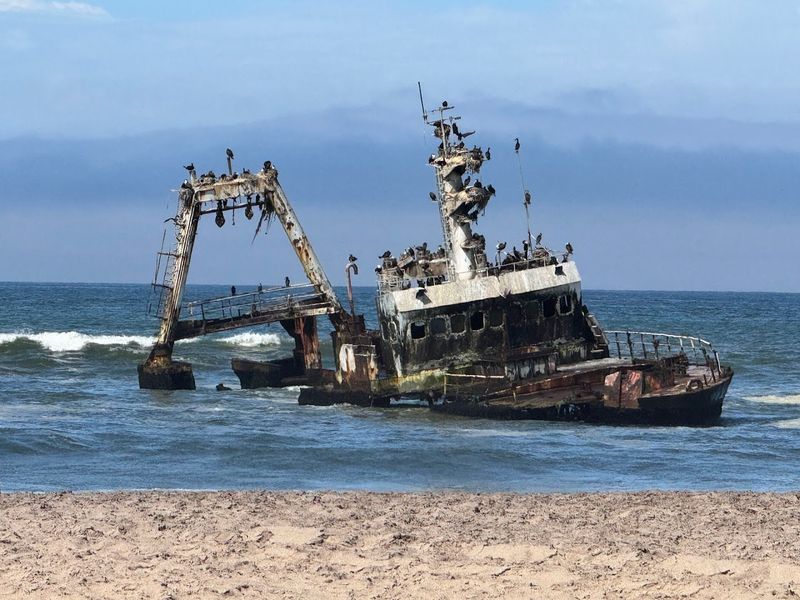
The Skeleton Coast stretches along the northwestern shore of Namibia, where the cold Benguela Current meets the scorching Namib Desert. It is one of the most isolated and unforgiving coastlines on Earth.
Sailors throughout history feared this stretch of water because the combination of dense coastal fog, powerful surf, and hidden rocks made navigating it nearly impossible.
Hundreds of shipwrecks lie rusting along the shore, giving the coast its haunting name. Survivors who made it to land often faced an equally grim fate, stranded in a desert with no fresh water and hundreds of kilometers from the nearest help.
The Bushmen of the region reportedly called it “The Land God Made in Anger.”
Today, the area is a protected national park, and access is tightly controlled. Wildlife including lions, brown hyenas, and desert-adapted elephants roam the coastline.
It is wild, remote, and starkly beautiful, but absolutely not a place to visit without expert guidance and serious preparation.
13. Grand Prismatic Spring, USA
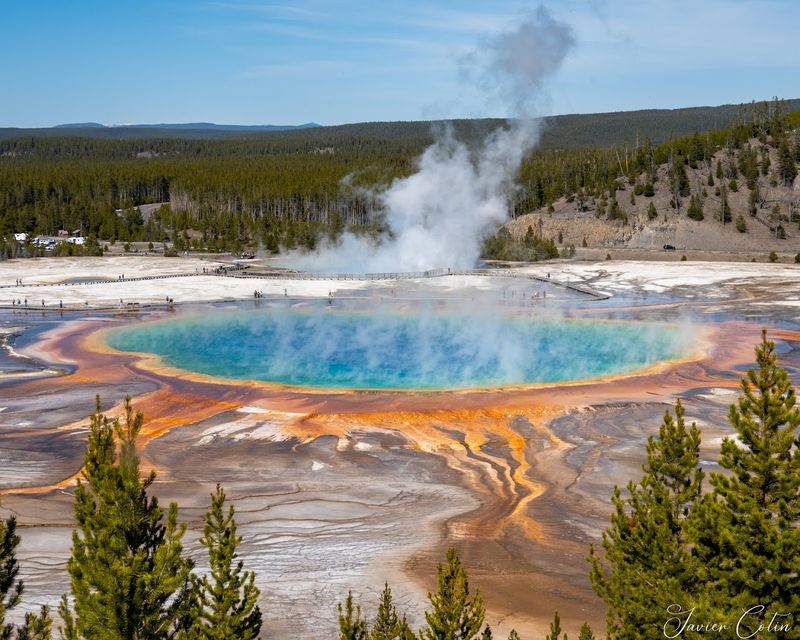
Grand Prismatic Spring is the largest hot spring in the United States and one of the most photographed natural features in Yellowstone. Its brilliant rings of color, from deep sapphire blue at the center to vivid orange and rust at the edges, come from heat-loving microorganisms called thermophiles that thrive in different temperature zones around the pool.
From above, it looks like a painting.
But getting closer than the boardwalk allows is genuinely life-threatening. The water at the center of the spring can exceed 87 degrees Celsius, hot enough to cause fatal burns almost immediately on contact.
The ground surrounding the spring is a thin crust over boiling water and superheated mud, and it can give way without warning.
Several people have been seriously burned after leaving designated paths to get a closer look or a better photo. The spring’s beauty is best experienced from the official overlook trail, where the full spectrum of color is visible and you remain safely out of harm’s way.
14. Mount Washington, USA
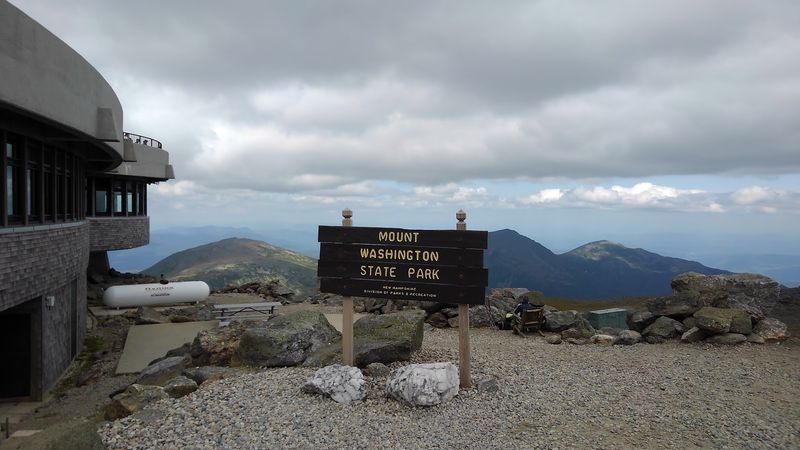
For 62 years, Mount Washington in New Hampshire held the world record for the highest surface wind speed ever recorded: 372 kilometers per hour, clocked on April 12, 1934. That record has since been surpassed by tropical cyclone readings, but for a non-tropical surface location, Mount Washington still stands in a class of its own.
The summit sits at only 1,917 meters, yet its weather rivals conditions found on peaks three times its height.
The mountain sits at the convergence of three major storm tracks, and its exposed summit funnels wind in ways that create extreme, rapidly changing conditions. Temperatures can drop dramatically within minutes, and whiteout blizzards can develop with almost no warning, even in summer.
Hikers who are unprepared have died from hypothermia in July.
A weather observatory has operated at the summit since 1870, making it one of the longest-running mountain weather stations in the world. Staff who live there through winter describe conditions that most people simply cannot imagine surviving without shelter.



