Mexico has a way of making you question whether what you’re seeing is actually real. From bubblegum-pink lagoons to volcanic craters with crater lakes, this country packs more jaw-dropping scenery into one place than most people think possible.
Whether you’re a seasoned traveler or just starting to plan your first big adventure, these natural wonders will absolutely blow your mind. Get ready, because some of these places look so wild they belong in a fantasy novel.
Grutas Tolantongo, Hidalgo
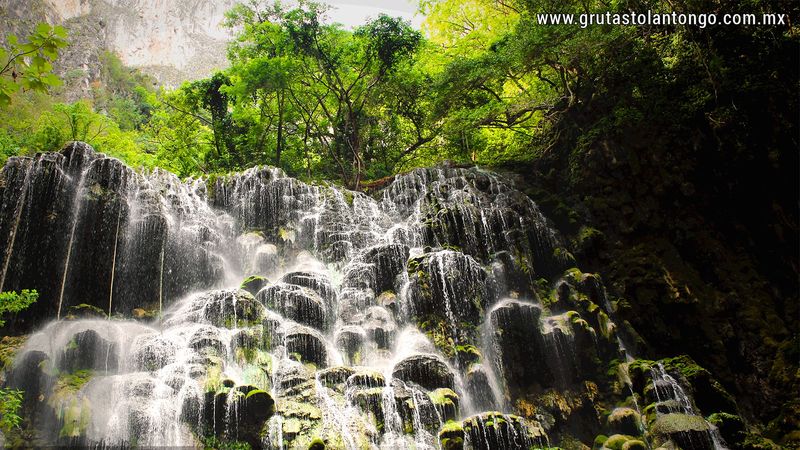
Grutas Tolantongo is the kind of place that makes architects feel bad about themselves. Hot turquoise water spills through a dramatic canyon, filling pools that are literally built into the cliffs.
A steamy cave runs through the rock, and a warm river flows between the canyon walls like it owns the place.
I visited on a weekday thinking it would be quiet. It wasn’t, but honestly, even with other people around, the setting is so surreal that nothing ruins it.
The thermal water stays warm year-round, which makes it a solid choice no matter when you visit.
The official site lists visitor services and attractions, so planning ahead is easy. Book accommodations early if you want to stay overnight, because spots fill up fast.
Waking up next to those glowing blue pools in the morning is the kind of thing you’ll talk about for years.
Cañón del Sumidero, Chiapas
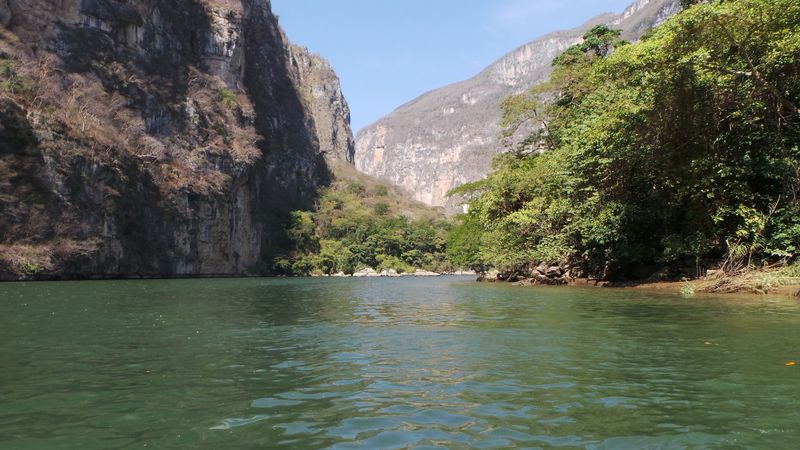
Some places are impressive. Cañón del Sumidero is something else entirely.
The Grijalva River slices through canyon walls near Tuxtla Gutiérrez, and CONANP calls it one of the main visitor destinations in all of southern Mexico. That’s not hype.
The walls shoot straight up, and the river runs quietly below like it has no idea how dramatic everything looks.
The boat ride through the canyon is the main event. You float between cliffs that seem to close in overhead, and at certain points the walls are so tall they block out the sky.
It feels cinematic in the best possible way.
Getting there is flexible: car, taxi, public transport, tour agencies, or authorized boat services all work. Most visitors go with a tour group, which usually includes a guide who points out wildlife, waterfalls, and the famous Christmas tree formation made entirely from moss.
Worth every second.
Sian Ka’an Biosphere Reserve, Quintana Roo
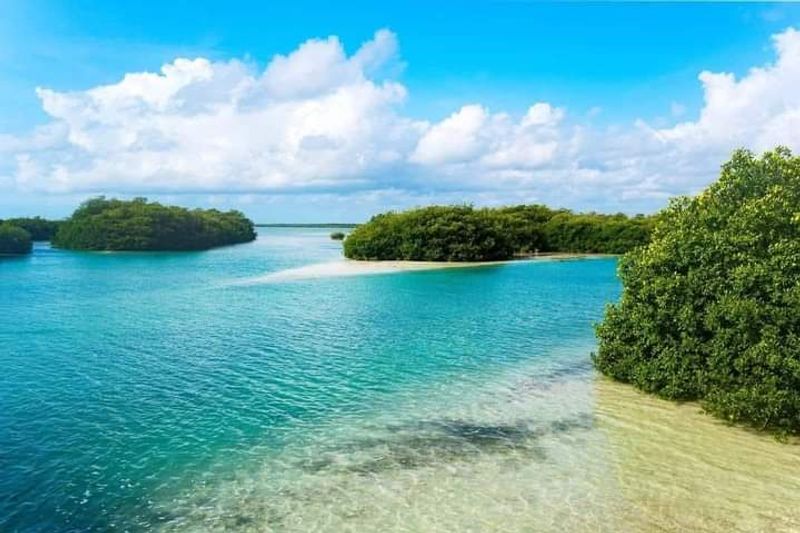
“Origin of the sky” is the translation of Sian Ka’an, and whoever named it clearly had a gift for understatement. This UNESCO World Heritage site is the largest protected area in the Mexican Caribbean, covering tropical forests, mangroves, marshes, lagoons, coral reefs, and more wildlife than you can count in a single visit.
CONANP lists it as open daily from 7:00 a.m. to 6:00 p.m., which gives you a solid window to explore. Most visitors join guided boat tours through the lagoons, where the water shifts between shades of blue and green depending on depth and light.
Manatees, sea turtles, and hundreds of bird species call this place home.
The reserve sits just south of Tulum, making it an easy add-on to any Yucatán trip. Skip the crowded cenotes for one afternoon and come here instead.
The quiet is almost as impressive as the scenery.
Las Coloradas, Yucatán
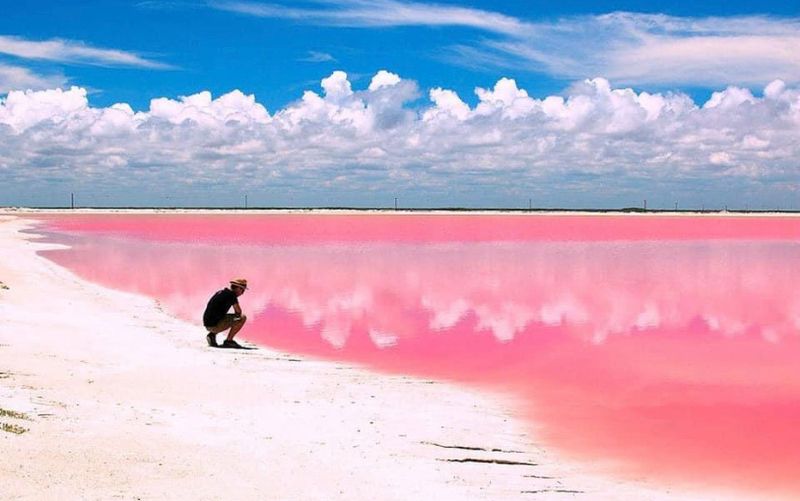
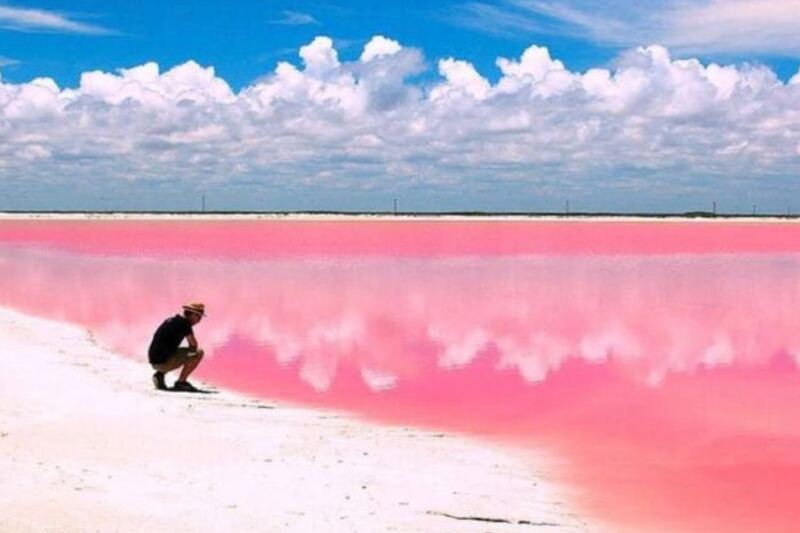
Someone apparently forgot to tell nature that pink water isn’t a thing, and Las Coloradas never got the memo. These electric-pink salt lagoons sit inside the Ría Lagartos Biosphere Reserve, where microorganisms, high salinity, and blazing sunlight team up to create that wild strawberry-milk color.
It sounds made up, but it’s 100% real.
The contrast here is what gets people. Bubblegum-pink water, blinding white salt, deep blue sky, and flamingos casually hanging out nearby.
Las Coloradas Tourist Park offers guided visits around the flats, so you won’t just be wandering around confused. Guides actually explain why everything looks the way it does.
One tip: visit on a sunny day. Overcast skies tone down the pink dramatically, and you’ll spend the whole trip wondering if the photos you’ve seen were edited.
They weren’t. The color is that intense when conditions are right.
Copper Canyon, Chihuahua
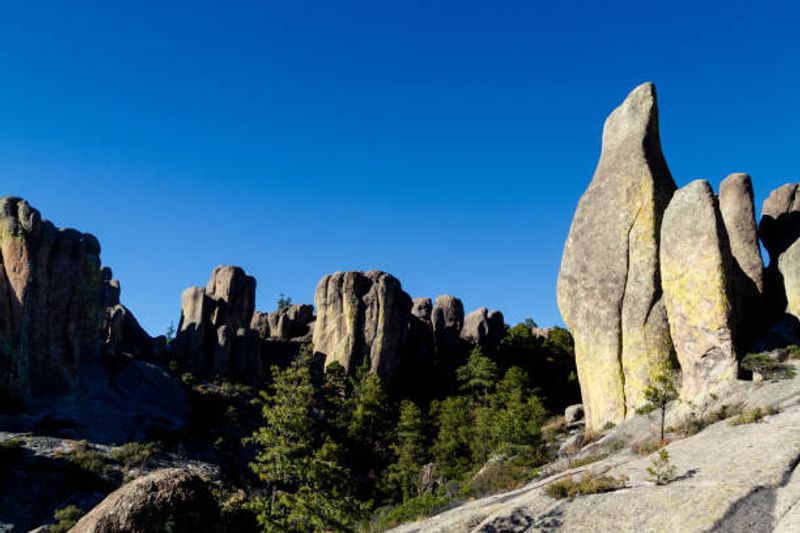
Copper Canyon pulls off a neat trick: it’s actually bigger than the Grand Canyon, yet somehow far fewer people have heard of it. Located in the Sierra Tarahumara, this isn’t a single canyon but a massive network of canyons that stretch across the mountains like a crumpled map.
The Chepe Express train covers more than 350 km from Los Mochis to Creel, passing through bridges, tunnels, and mountain towns that barely appear on most maps. The landscape keeps shifting the whole ride: cliffs give way to forests, forests drop into ravines, ravines open into wide valleys.
It never gets boring.
The Rarámuri people have lived in these canyons for centuries, and many still do. Their presence gives the region a depth that goes beyond scenery.
If you have the time, stop in Creel and hire a local guide. The canyon looks completely different when someone explains what you’re actually looking at.
Islas Marietas, Nayarit
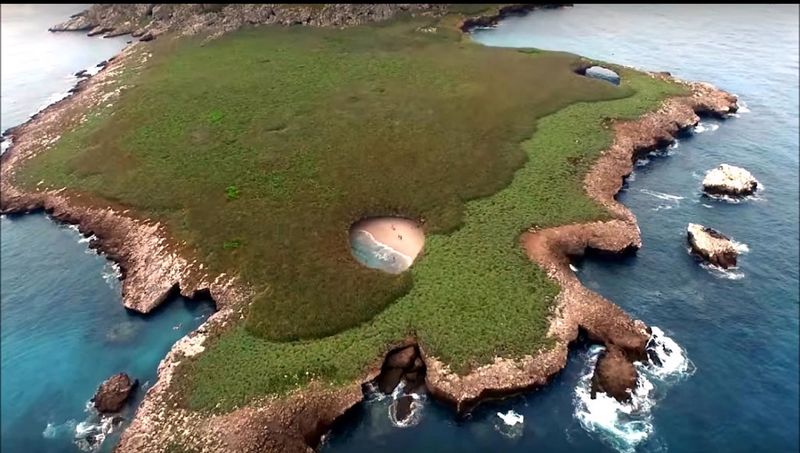
The Islas Marietas look like someone punched a hole in an island and filled it with the world’s most perfect beach. Playa del Amor, also called Hidden Beach, sits inside what looks like a collapsed crater, accessible only by swimming or kayaking through a short tunnel at low tide.
Yes, it’s as dramatic as it sounds.
CONANP protects the archipelago, which also includes coral reefs and nesting areas for blue-footed boobies. Visitor numbers are limited to protect the ecosystem, so permits are required and spots book out weeks in advance.
Planning ahead isn’t optional here.
The islands sit near Puerto Vallarta and Punta de Mita, making day trips easy to arrange. Tour operators handle the permits and transport, which takes the stress out of logistics.
First time I heard about this place, I genuinely thought the photos were fake. They are not.
The beach is real, and it is absolutely worth the effort.
Monarch Butterfly Biosphere Reserve, Michoacán
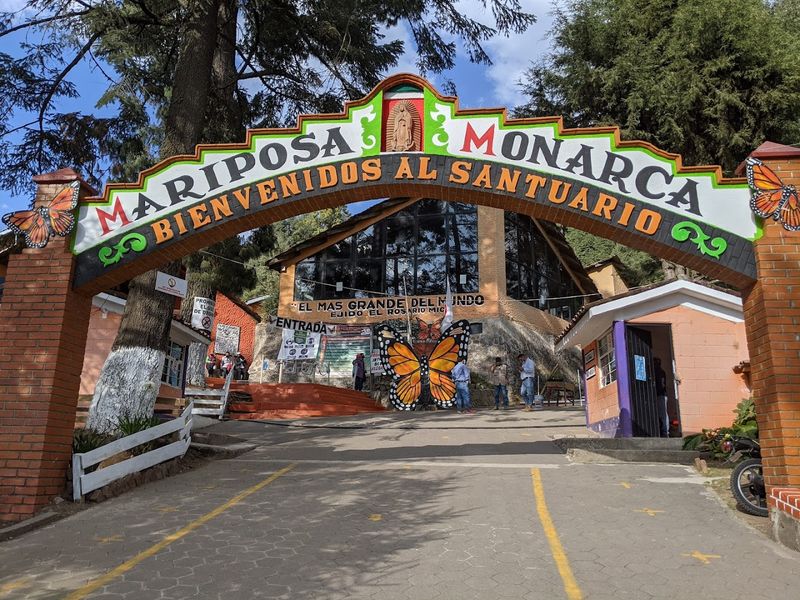
Every winter, millions of monarch butterflies travel up to 4,500 km from Canada and the United States to reach the oyamel forests of central Mexico. CONANP calls it one of the most spectacular insect migration phenomena on the planet, and that’s a title earned honestly.
The sighting season runs from November through March. Visitors walk through the reserve on trails with local guides, and CONANP lists hours as 8:00 a.m. to 6:00 p.m.
The guides make a real difference here. They know where the clusters are densest and can read the forest in ways that take years to learn.
When the sun hits the trees and the butterflies start moving, the branches seem to ripple with orange. It’s genuinely one of those moments where you stop talking and just stand there.
The reserve spans parts of Michoacán and Estado de México, with multiple access points depending on which colony you visit.
Nevado de Toluca, Estado de México
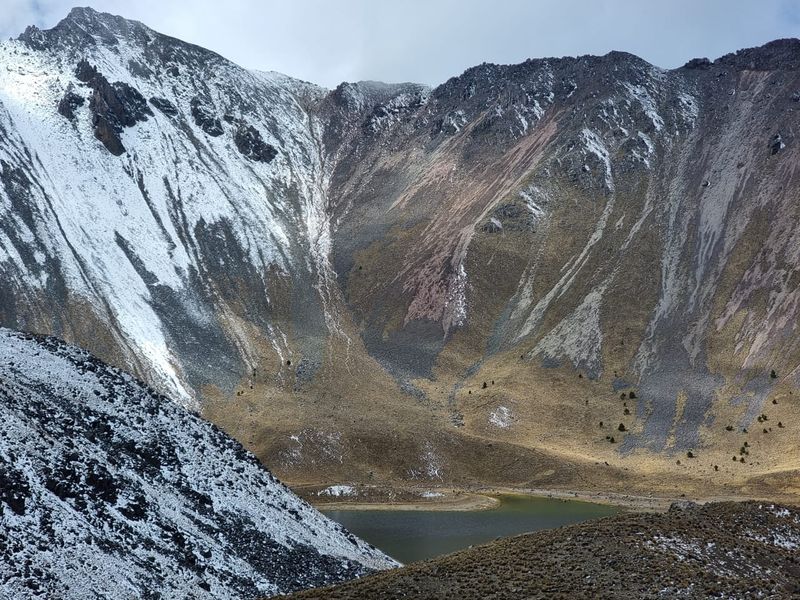
Nevado de Toluca is Mexico’s fourth-largest volcano, and it comes with a feature most volcanoes skip: two crater lakes sitting right inside the summit. CONANP describes the crater as elliptical, which is a polite way of saying it looks like the Earth opened up and decided to decorate.
The protected area is open Tuesday to Sunday from 8:00 a.m. to 3:00 p.m., per CONANP visitor information. The altitude sits above 4,600 meters at the summit, so altitude sickness is a real consideration.
Take it slow, drink water, and don’t sprint up the trail thinking you’re invincible.
On clear days, the crater lakes reflect the sky in shades of blue and green that shift depending on the angle. Clouds move fast up there and can change the whole mood of the place within minutes.
Visiting on a partly cloudy day actually adds drama rather than ruining it. Bring layers.
The cold up there is no joke.
Grutas de Cacahuamilpa, Guerrero
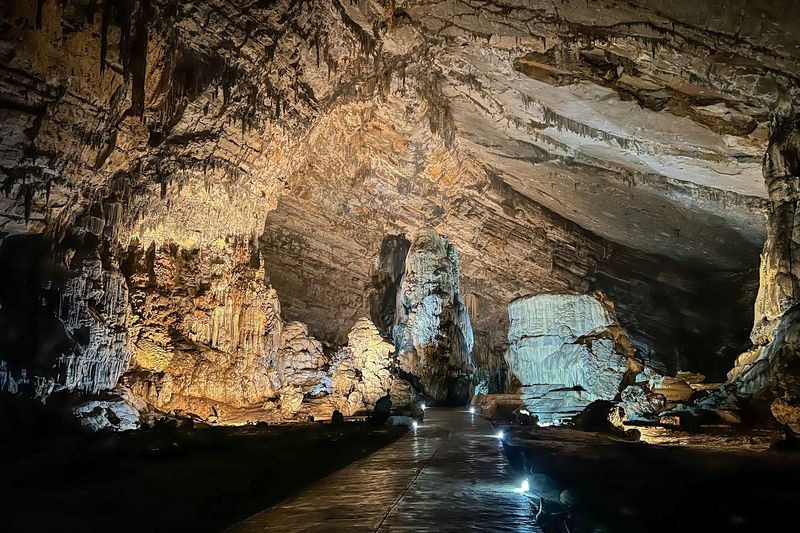
Grutas de Cacahuamilpa holds some of the most mind-bending cave chambers in the entire country, and Mexico has no shortage of impressive caves. CONANP describes this national park as home to extraordinary geological formations and one of Mexico’s most visited cave systems.
That reputation is well earned.
The chambers inside are enormous. Stalactites hang from ceilings that stretch dozens of meters overhead, while stalagmites rise from the floor in shapes that look like frozen waterfalls, melted candles, and abstract sculptures.
The scale makes you feel genuinely small, which doesn’t happen often.
Guided tours run regularly through the illuminated passages, and the guides are enthusiastic about pointing out formations that look like recognizable shapes. Some of the names they’ve given the rock formations are hilariously creative.
The park sits in Guerrero, about two hours from Taxco, making it a natural stop on a road trip through central Mexico. Wear closed-toe shoes.
Prismas Basálticos, Hidalgo
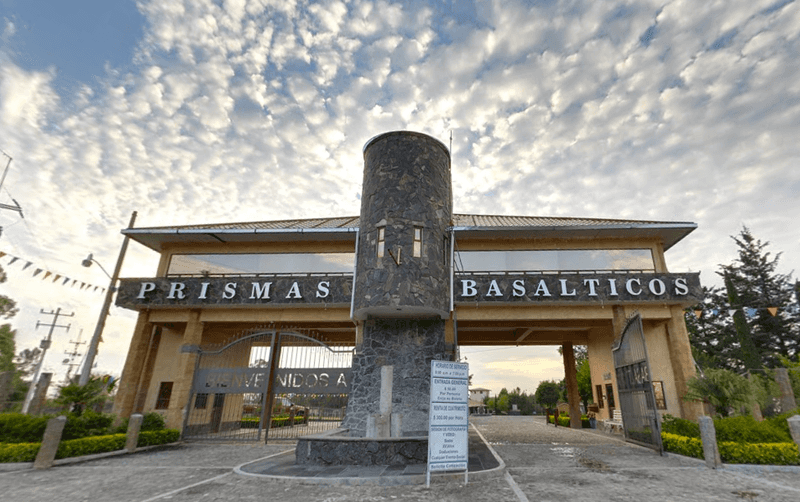
Nature apparently went through a very geometric phase when it created the Basaltic Prisms of Huasca de Ocampo. These perfectly shaped hexagonal stone columns rise from a ravine in Hidalgo like something an architect drew up on a very ambitious afternoon.
The official site calls it a natural wonder of Mexico, and that’s not overselling it.
What makes the place extra surreal is the waterfalls. Water pours over the angular columns and drops into the Santa María Regla ravine below, creating a scene that looks deliberately designed.
The combination of geometry and chaos is genuinely hard to process at first glance.
Multiple viewpoints around the park give you different angles on the formations, and some are better than others depending on the time of day. Morning light hits the columns in a way that makes the basalt glow.
The town of Huasca de Ocampo nearby is charming and worth an hour of wandering before or after the visit.
El Pinacate and Gran Desierto de Altar, Sonora
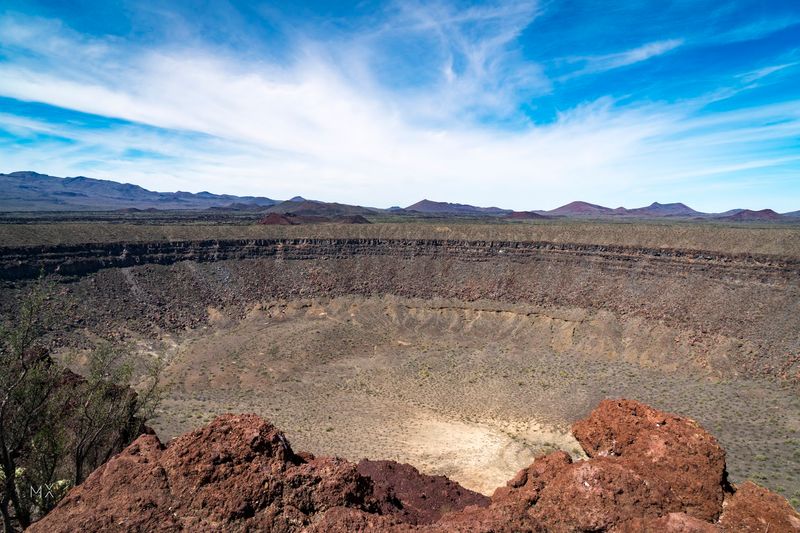
El Pinacate looks like someone dropped a piece of Mars into the Sonoran Desert and didn’t bother cleaning up. Volcanic craters, hardened lava fields, towering sand dunes, and open desert stretch as far as the eye can see.
Visit Mexico describes it as a landscape of round craters, cinder cone volcanoes, dunes, wildlife, and desert scenery. That list doesn’t do it justice.
CONANP visitor information confirms access registration is available every day from 8:00 a.m. to 5:00 p.m. The site is a UNESCO World Heritage area, which tells you something about how rare this kind of landscape actually is.
NASA used satellite images of El Pinacate to train astronauts for lunar missions. The craters really do look that otherworldly.
Wildlife here includes pronghorn, bighorn sheep, and dozens of reptile species that thrive in conditions most creatures avoid. Bring more water than you think you need.
The desert here does not mess around.
Río Secreto, Quintana Roo
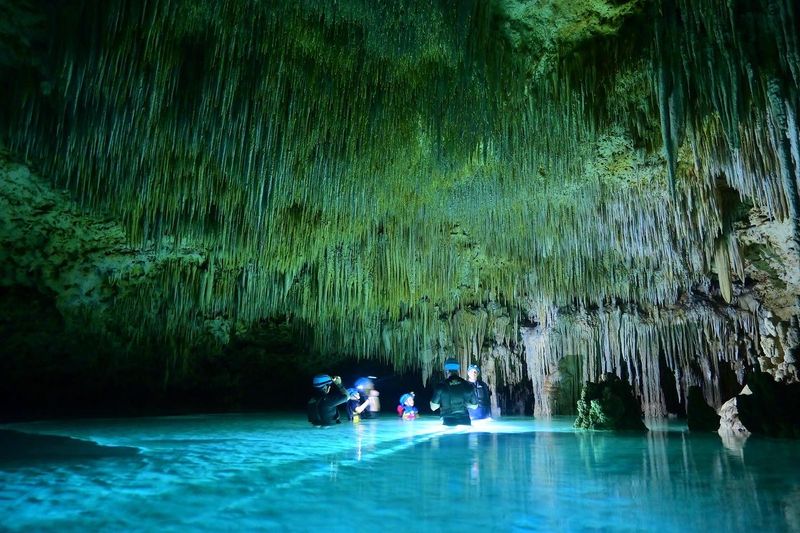
Río Secreto is exactly what it sounds like: a secret river running underground through a cave system near Playa del Carmen, and it stayed hidden from the public for a surprisingly long time. The official site invites visitors to experience the underground river and its dramatic formations, which is a modest way of describing one of the most stunning natural spaces in the Yucatán Peninsula.
The cave is filled with stalactites, stalagmites, and crystal-clear water that reflects the formations above it. You walk and wade through the passages with a guide, headlamp on, trying not to trip while staring at the ceiling.
It’s a lot to take in at once.
Tours are kept small to protect the cave environment, which means the experience feels personal rather than crowded. The water is cool and calm throughout.
Kids who visit tend to come out talking about it for weeks. Adults too, honestly.
It genuinely feels like walking through the inside of the Earth.
Cenote Ik Kil, Yucatán
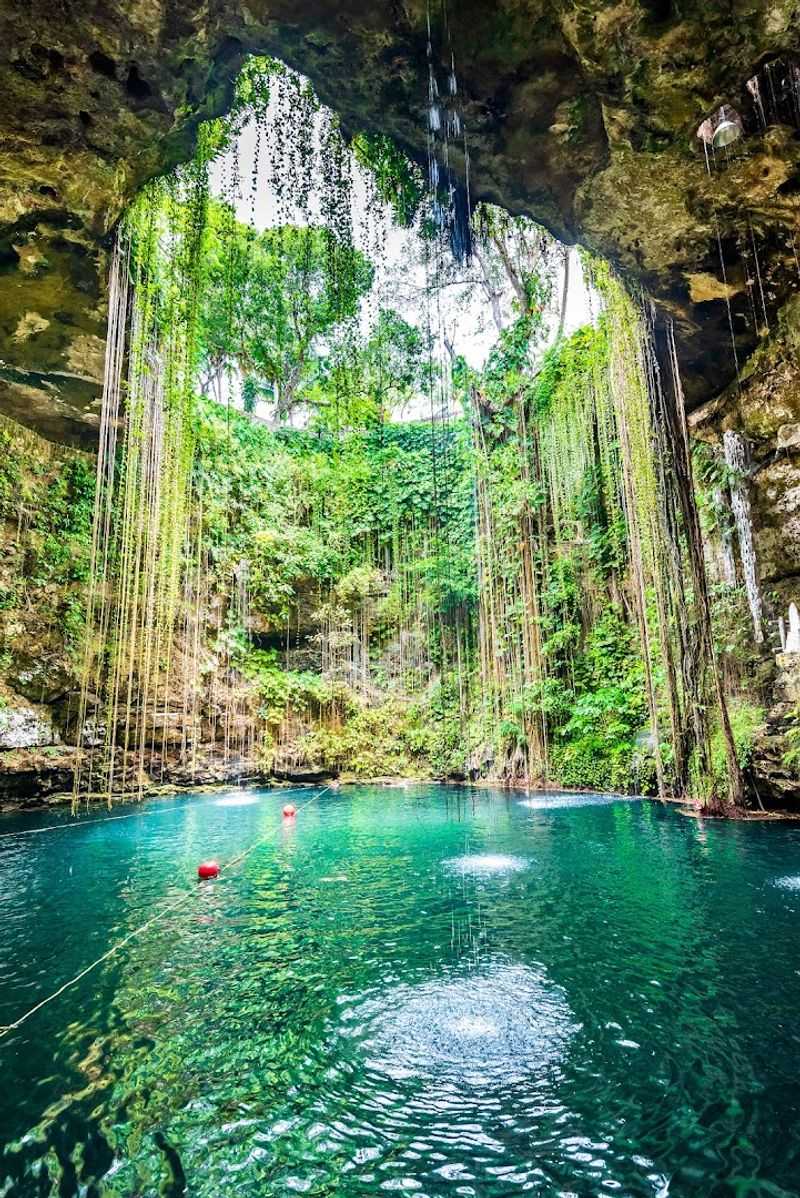
Cenote Ik Kil is one of those places where the first look stops you mid-step. A perfectly circular sinkhole drops about 26 meters down to a pool of turquoise water, with long vines hanging from the rim like green curtains.
Located near Chichén Itzá, it’s one of Mexico’s most photographed cenotes, and the photos still don’t fully prepare you.
Current visitor information confirms it’s open for swimming, with life vests required. The rules exist for good reason: the drop from the platform to the water is significant, and the depth below is substantial.
Safety gear is not optional, and the staff are serious about it.
The Maya considered cenotes sacred, using them for ceremonies and offerings. Ik Kil was no exception.
Swimming here carries a certain weight once you know the history. The fish visible in the water below are a bonus.
They don’t care about the history at all, but they add to the atmosphere nicely.
Sótano de las Golondrinas, San Luis Potosí
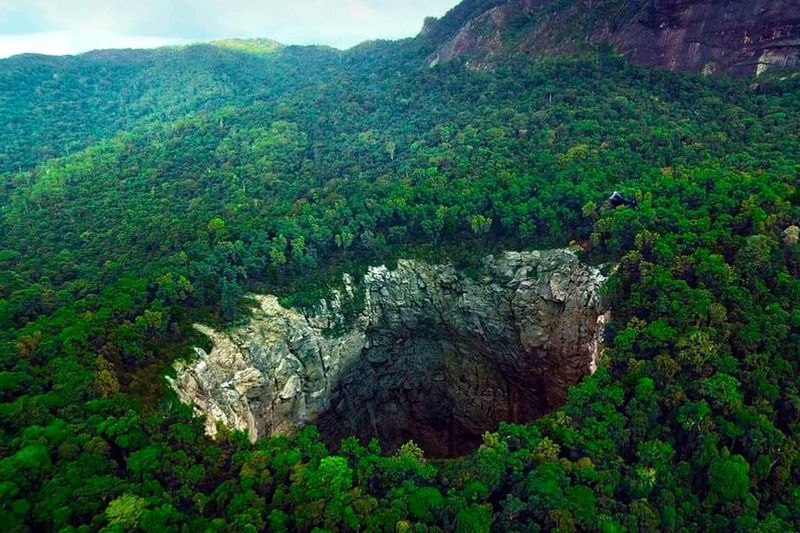
Sótano de las Golondrinas translates to Cave of Swallows, but calling it a cave feels like calling the Pacific Ocean a puddle. This is a massive open-air vertical pit in the Huasteca Potosina region, plunging around 370 meters straight down.
The opening at the top is wide enough to fit the Eiffel Tower inside with room to spare.
Updated 2026 visitor guides confirm access from Aquismón, with the best viewing times at sunrise or evening when birds pour out of the pit in spiraling, swirling columns. The sight of thousands of birds exploding upward from a hole in the ground is one of those moments that sticks with you permanently.
Rappelling into the pit is possible for experienced climbers with proper permits and equipment. Most visitors stick to the rim, which is more than enough.
Standing at the edge and looking straight down into that darkness is the kind of experience that rearranges your sense of scale entirely.
Share this story